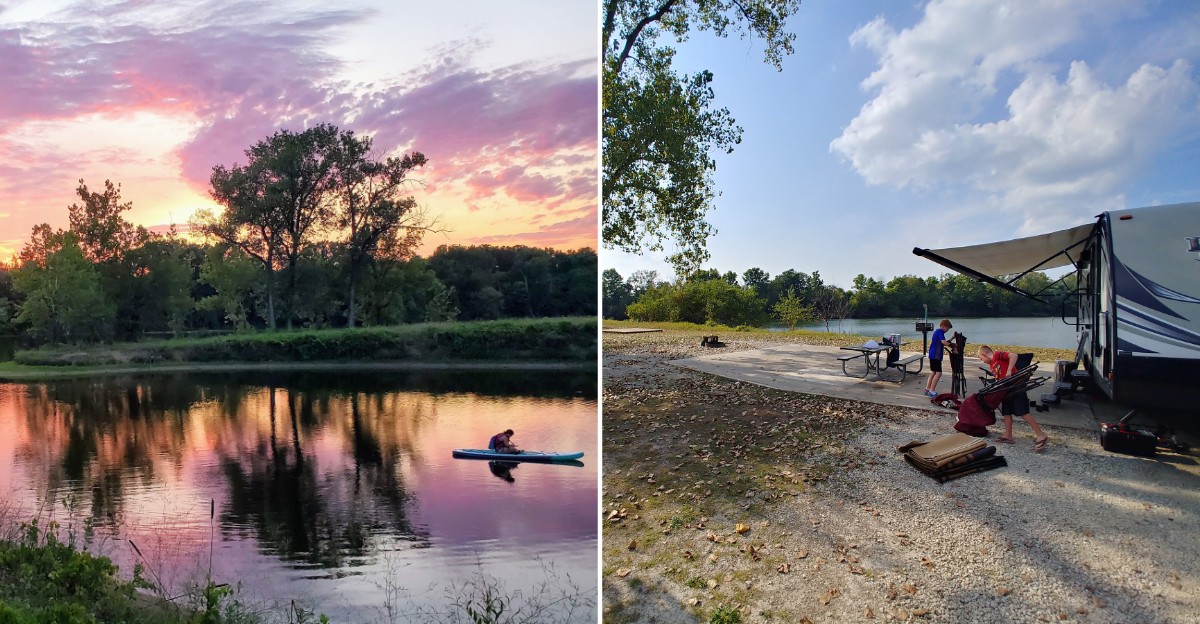
It is hard to guess this peaceful Missouri park started with heavy mining equipment and gravel pits.
Decades of excavation completely reshaped the land, leaving behind six lakes that now attract swimmers, anglers, paddlers, and thousands of migrating birds.
The old mining story is still visible in one of the park’s biggest surprises: a huge natural sand swimming beach created with sand from the quarries. Today, the place feels much more like a summer escape than an industrial site.
You can spend the morning on the water, stretch out on the sand, or follow trails around the lakes and rare sand prairie. The transformation is what makes the park so interesting.
What began as a source of road-building material eventually became one of the more unusual outdoor destinations in Missouri.
Six Clear Lakes Where Heavy Machinery Used To Dig
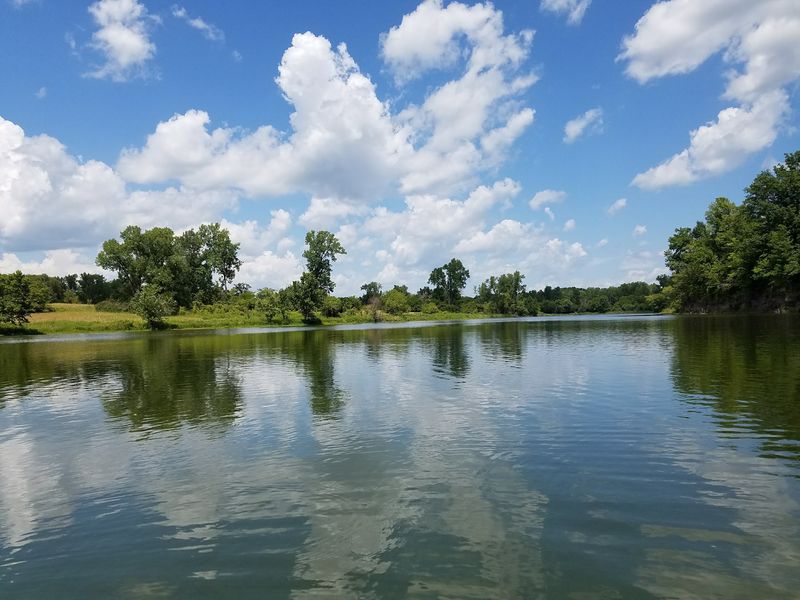
Picture a giant open pit being clawed out of the ground year after year, and then imagine walking up to that same spot and seeing calm blue water instead. That is basically the story of Agate, Jasper, Quartz, Wakonda, Granite, and Boulder lakes, all six of which exist because crews dug deep to reach gravel deposits and the holes filled in afterward.
The water is noticeably clear compared to a lot of Missouri lakes, which makes sense when you remember it is sitting in a bed of sand and gravel rather than heavy river silt. Each lake has its own feel, its own shoreline, and its own little pockets of shade.
Boating is allowed on all six, though motors have to stay at idle speed, and a few of the smaller lakes only permit electric motors. There are launches on Agate and Wakonda, which are the two you will probably gravitate toward first.
If you want my honest take, plan to wander between at least three of them rather than parking at one and staying put. The names sound like a rock collection for a reason, and seeing them back to back really drives home how industrial this whole area once was.
The Biggest Natural Sand Beach In The Missouri Park System
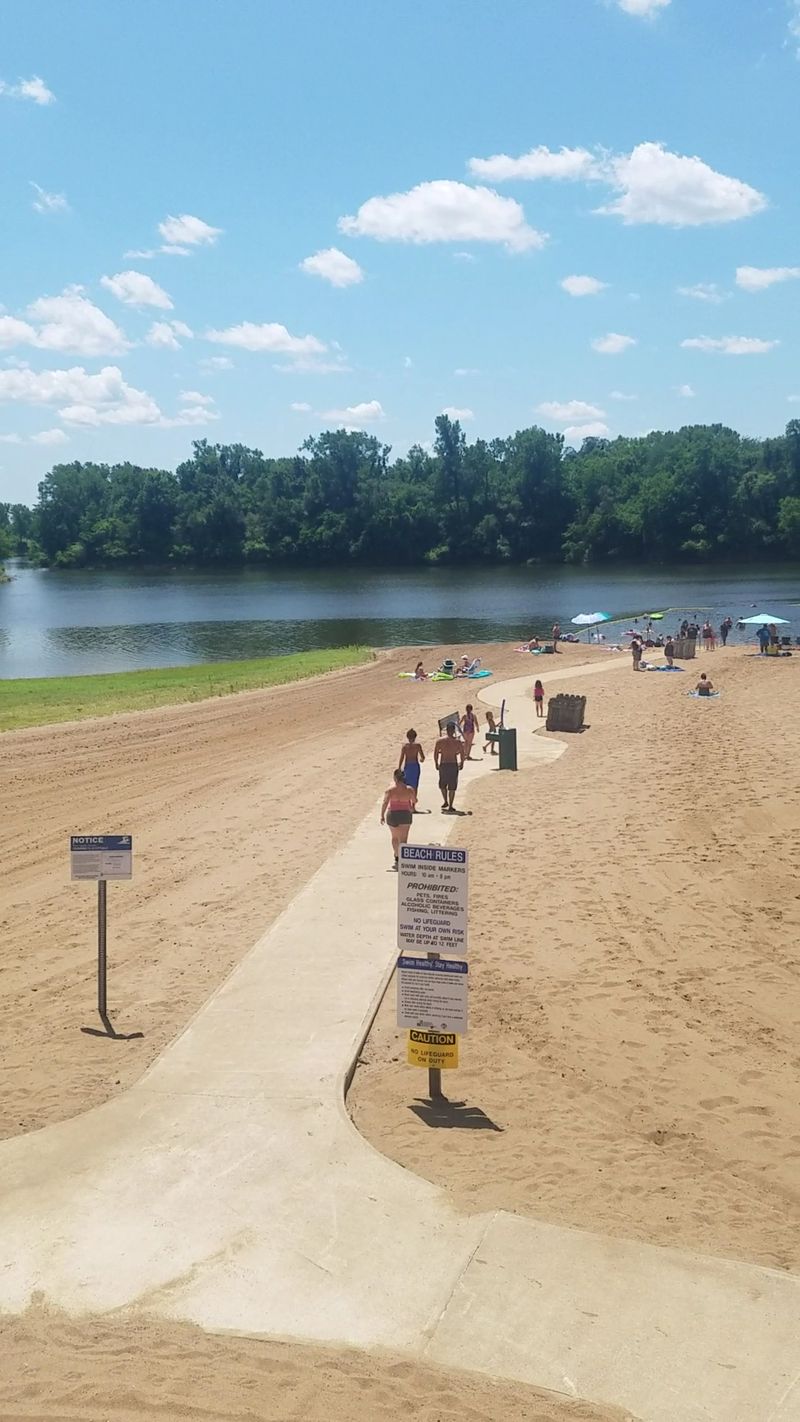
Here is the part that surprises people most, because nobody expects a proper sand beach this far from any coast. The swimming beach along Wakonda Lake stretches across twenty thousand square feet of real sand, and it holds the title of largest natural sand swimming beach anywhere in the Missouri state park system.
What makes it feel authentic is where the sand came from. Crews pulled it out of the ground during quarrying and piled it into mounds, so the beach you walk across is leftover material from the mining operation rather than something trucked in from elsewhere.
There are showers and restrooms right there, which matters more than you might think when you are trying to get sand off before the drive home. Keep in mind there is no lifeguard on duty, so anyone swimming needs to be watching out for themselves and their group.
I would tell a friend to bring more towels than seems reasonable and something to sit on, since a beach this wide gives you plenty of room to spread out. The address to plug into your phone is 32836 State Park Road, La Grange, MO 63448.
Casting A Line For Bass, Crappie, Bluegill And Catfish
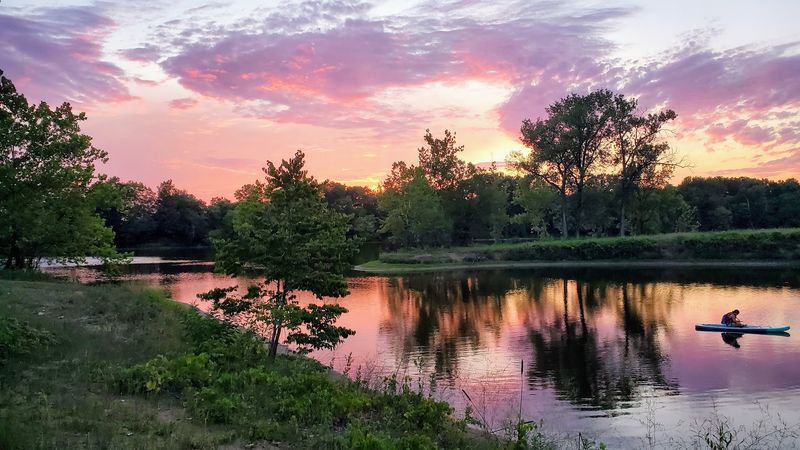
Anglers tend to get pretty attached to this place, and once you see the water clarity you understand why. Agate, Jasper, Quartz, and Wakonda are the four lakes people usually talk about, and the regular catches include largemouth bass, crappie, bluegill, and catfish.
Because the lakes were carved out as quarry pits, they drop off in ways that natural Missouri ponds usually do not. That structure gives fish places to hold, and it gives you a reason to experiment instead of casting the same spot over and over.
Not everyone hauls a boat across the state, and thankfully you do not have to. Kayaks and johnboats can be rented right at the park office, which opens up the deeper water without any trailer hassle at all.
My suggestion would be to pick two lakes and give each one a real chance rather than bouncing around all six in a single morning. Bank fishing works fine in plenty of spots, though getting out on the water at idle speed is where the quiet really sinks in.
Bring a hat, because shade on open water is hard to come by.
Walking And Biking Through A Rare Sand Prairie
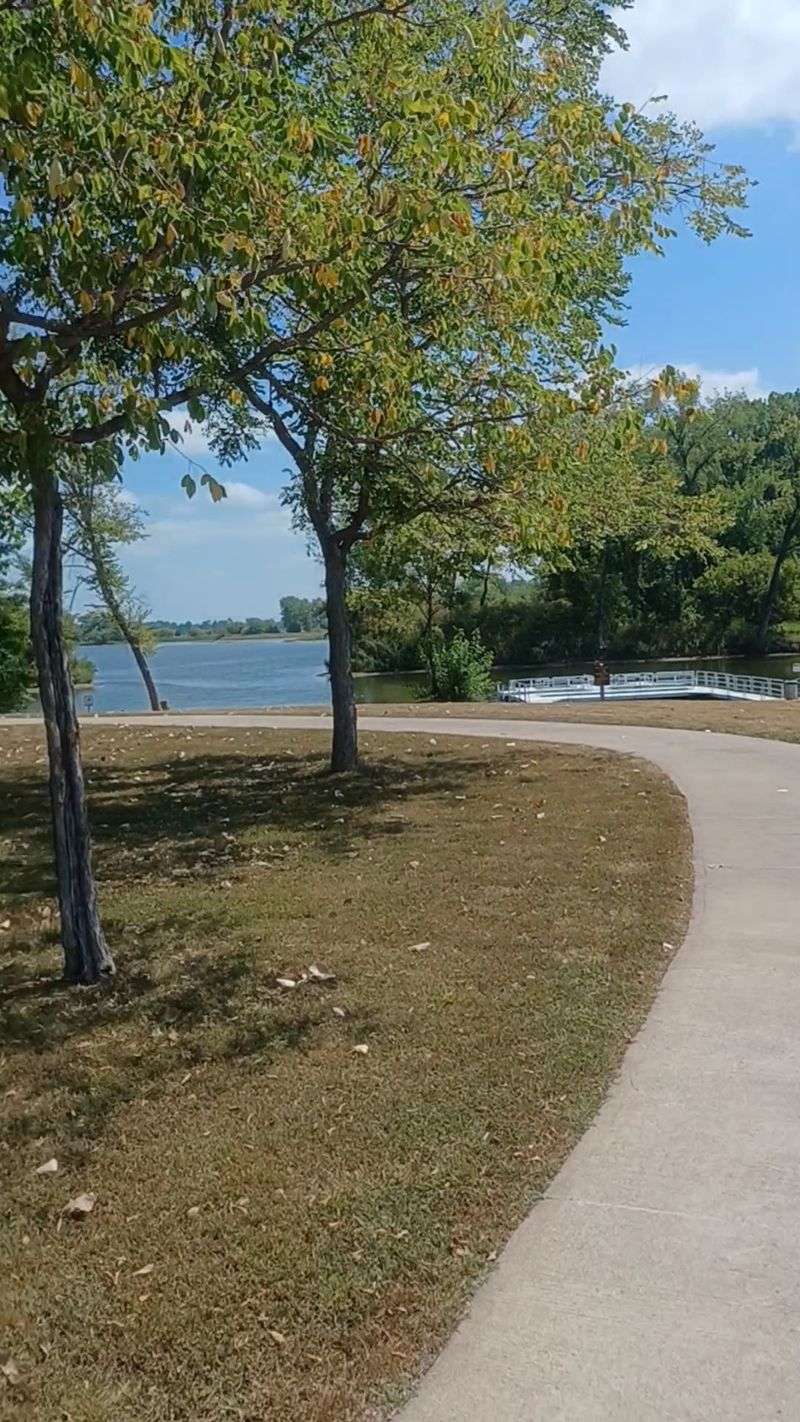
Most trails in Missouri take you through oak and hickory woods, so a sand prairie feels almost like a mistake in the landscape. Wakonda protects one of these rare stretches, and the plants growing there are specialists that only thrive in loose, sandy soil.
The trails here are friendly to both walkers and cyclists, which means you can decide your pace based on how ambitious you feel that day. Nothing about the terrain is punishing, and the routes wind between water and open ground in a way that keeps the scenery changing.
What I find interesting is how the mining history and the prairie overlap. Digging reshaped the whole area, and yet this unusual sand-loving plant community persists in a state better known for prairie grasses and river bottoms.
Go slowly through the open sections and actually look down at the ground cover instead of just ahead at the path. Bring bug spray in the warmer months and water regardless of the season, since sandy open country heats up faster than shaded forest.
It is the kind of walk where the details matter more than the distance you cover.
Thousands Of Migratory Birds Stopping Over On The Water
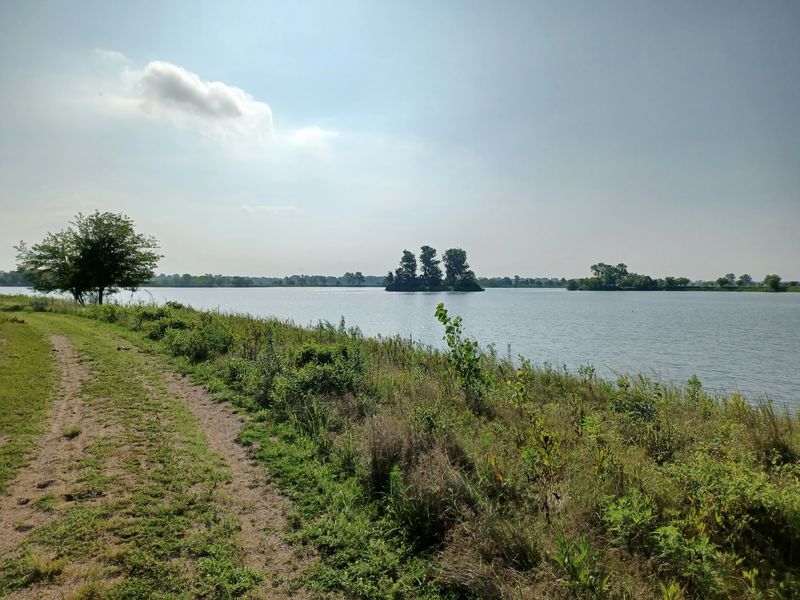
Birders quietly love this park, and I think the reason is simple geography. Sitting close to the Mississippi River corridor, these lakes pull in thousands of migratory waterfowl during the seasons when birds are moving through Missouri.
Having six separate bodies of water spread across more than a thousand acres means the birds have options, and different species tend to settle into different lakes. You can walk from one shoreline to the next and end up looking at a completely different mix of ducks and geese.
Bring binoculars, honestly. Even a modest pair turns a distant smudge of birds into something you can actually identify, and a small field guide or a phone app makes the whole outing more rewarding.
Early morning is generally your best window, partly because the water is calm and partly because the light is easier on your eyes. Move slowly near the banks so you do not scatter a flock before you get a good look at it.
It is a strange, wonderful thought that birds crossing half a continent now rest in pits dug by gravel companies decades ago.
Camping, Picnic Spots And The Meaning Behind The Name
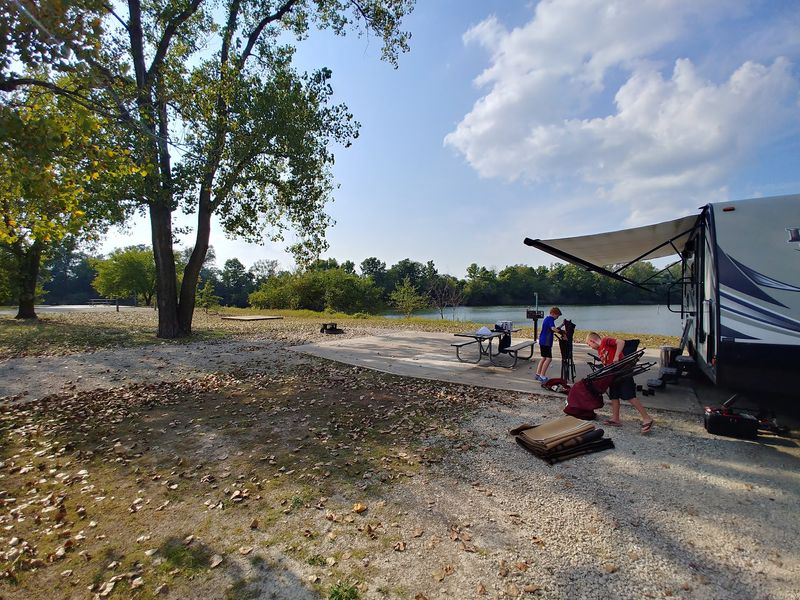
Something about this park rewards staying overnight rather than treating it as a quick stop. The campground offers a range of hookup options, so whether you are in a tent or pulling a camper you should be able to find something that fits your setup.
Picnic areas and playground facilities round things out, which makes a difference when you are traveling with kids who need somewhere to burn off energy after a long drive. Having the beach, the lakes, and the trails all within the same gates keeps the logistics refreshingly simple.
Now here is the detail I love most. The name Wakonda comes from the Osage and Missouri American Indian tongues, and it translates roughly to something consecrated or spiritual.
Think about that layered history for a second. A place with a name meaning something sacred spent decades being mined for highway gravel, and then water filled the pits and turned it into one of the more unusual parks in Missouri.
Reserve your site ahead during warm weather, since the beach draws crowds, and point your GPS to 32836 State Park Road, La Grange, MO 63448.
Paddling Three Water Trails Across The Quarry Lakes
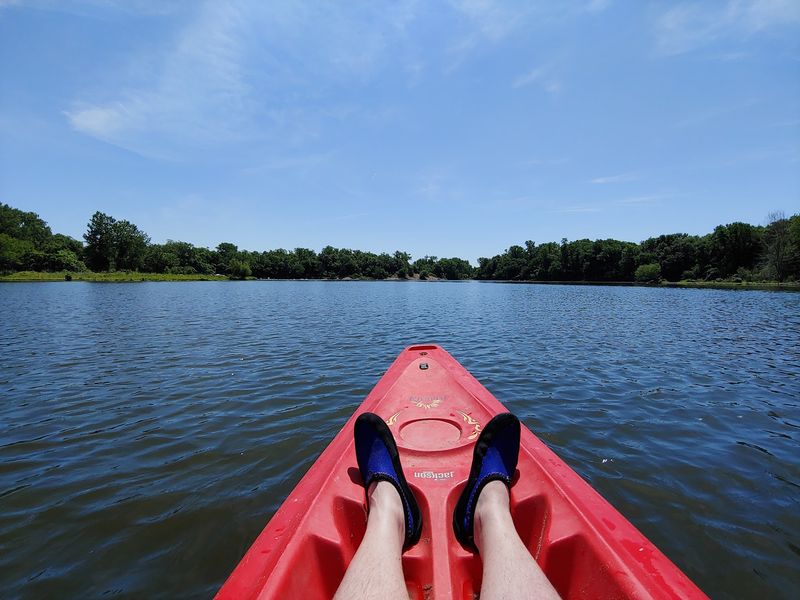
A trail does not always need dirt beneath it. Agate, Jasper, and Wakonda lakes each have designated water trails, giving paddlers a quieter way to explore the old quarry landscape from beyond the shoreline.
Agate offers the longest of the three routes, stretching roughly four and a quarter miles. That is enough distance to make the outing feel substantial without turning it into an all-day endurance test, and the calm water makes it approachable for recreational paddlers.
You can bring your own canoe or kayak, but rentals make the experience easier for anyone traveling without equipment. One-person kayaks, two-person kayaks, and johnboats are available through the park office from April 15 through October 31 on a first-come, first-served basis.
The water trails reveal corners of the park that are easy to miss from land. Shorebirds move through the shallows, fish ripple beneath the surface, and the sandy banks still carry signs of the digging that created these Missouri lakes.
Keep the migration calendar in mind before planning a cold-weather paddle. Agate and Jasper lakes close to boating from November 1 through January 31 and again from February 15 through March 31, giving migrating waterfowl space to rest without boats passing through.
