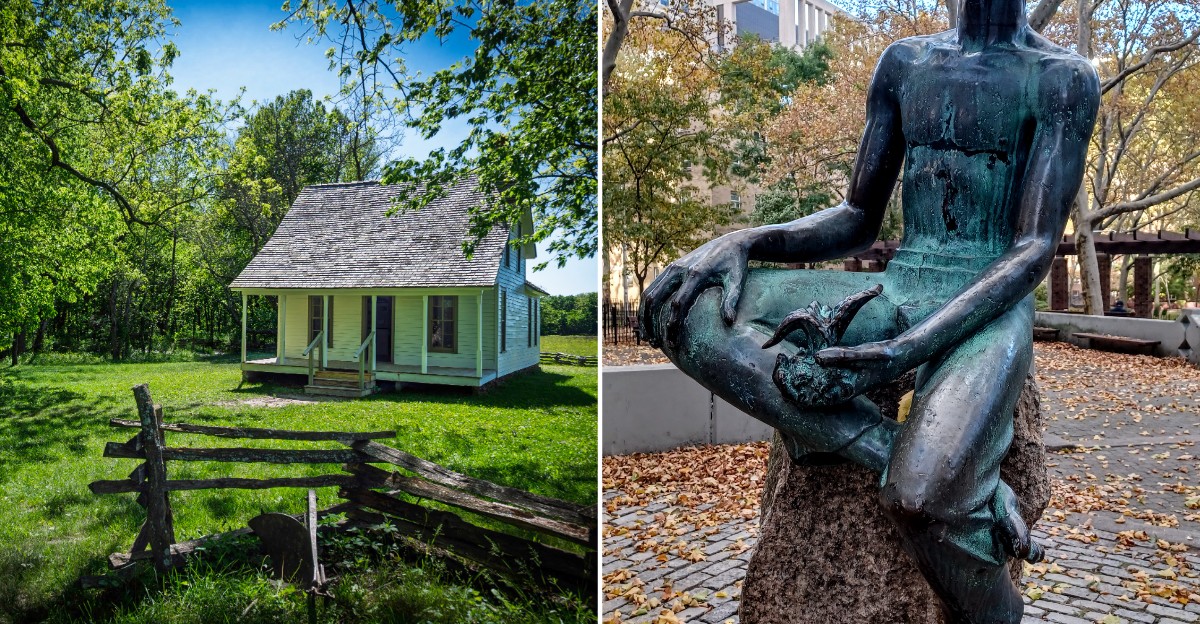
You can walk the same ground where one of America’s best-known agricultural scientists spent his earliest years.
This free Missouri national park preserves the farm where George Washington Carver was born, with trails, historic structures, exhibits, and quiet outdoor spaces that help connect the story to the landscape.
The visit is not just about reading signs indoors. You can walk the Carver Trail, see the family cemetery, stop by the reconstructed cabin, and learn how the surroundings shaped his curiosity about plants and nature.
The whole place feels calm and easy to explore, which gives the history room to sink in. For a free stop, there is a surprising amount to see without needing to rush through any of it.
A Monument That Broke New Ground
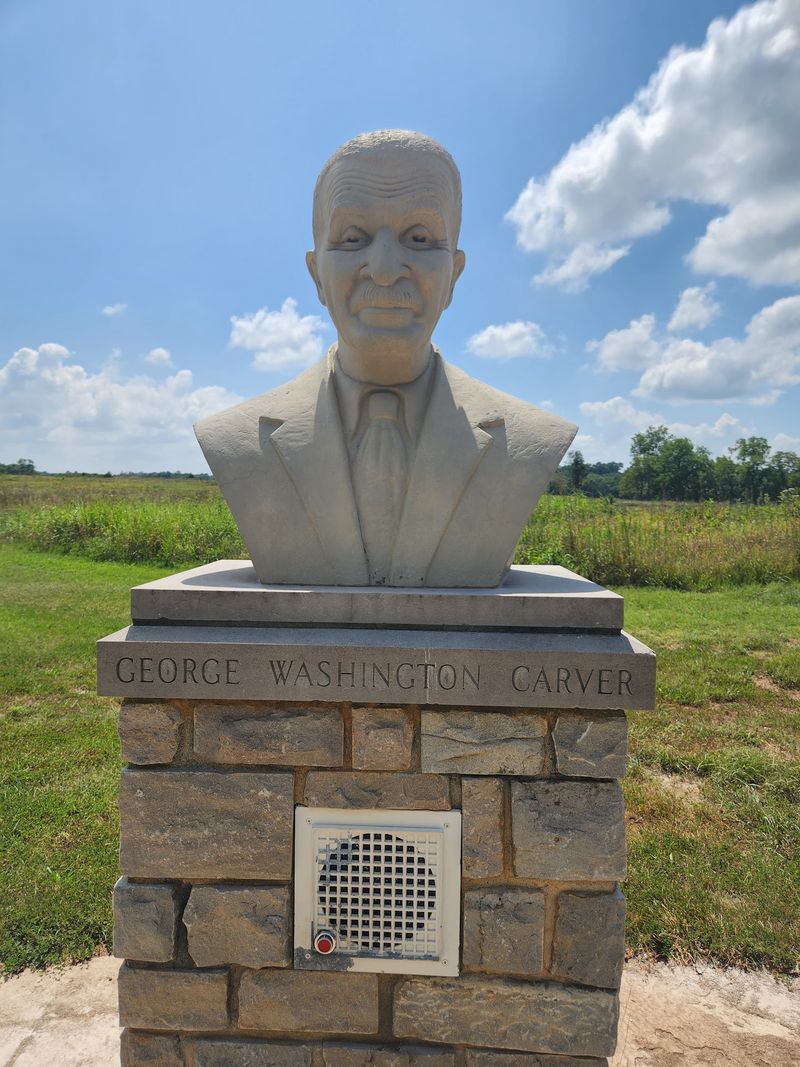
Here’s something most people don’t realize when they pull into the parking lot, and it honestly makes the visit feel extra special right from the start. This park was the very first national monument ever dedicated to an African American, which is a pretty big deal in the story of American parks.
On top of that, it was also the first national monument created to honor someone who was not a president. Before this, the big honors usually went to leaders in Washington, so choosing a scientist and teacher from a small farm sent a clear message about who counts as an American hero.
When you think about it that way, the quiet fields and simple buildings start to feel a lot more meaningful. You are standing on land that helped change how the whole country decides what history is worth saving, and that is a neat thing to tell the kids on the drive over.
It also helps to know that the people who pushed for this monument believed that Carver’s life, from slavery to science, deserved a permanent home. Keep that idea in your back pocket as you explore, because it gives every trail and exhibit a little more weight and a lot more heart.
Start Your Visit At The Visitor Center
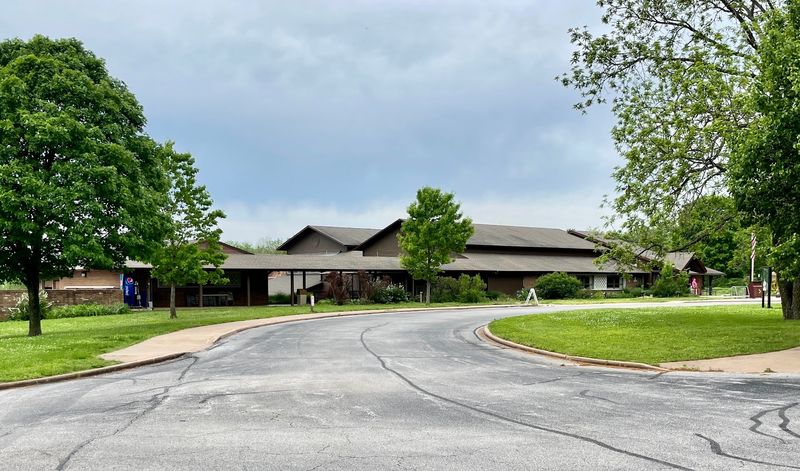
Trust me on this one, you’ll want to head straight into the visitor center before you go anywhere else on the grounds. It gives you all the background you need, so the trail and the old buildings make a lot more sense later on.
Inside, there is a museum spread across several floors, and every part of it focuses on Carver’s life and the huge impact he had on farming and science. You can learn about his schooling, his famous work with peanuts and sweet potatoes, and his years teaching at Tuskegee Institute in Alabama.
There’s also a film called Struggle and Triumph: The Legacy of George Washington Carver, and it does a great job of telling his story in a way that kids and grown-ups can both follow. Grab a seat, relax a bit, and let it set the mood for the rest of your day.
Rangers at the front desk can help with trail maps and let you know what programs are happening while you are there. If you like to plan ahead, it is smart to check the park website first for current hours, since they can change with the seasons and holidays.
The Farm Where It All Started
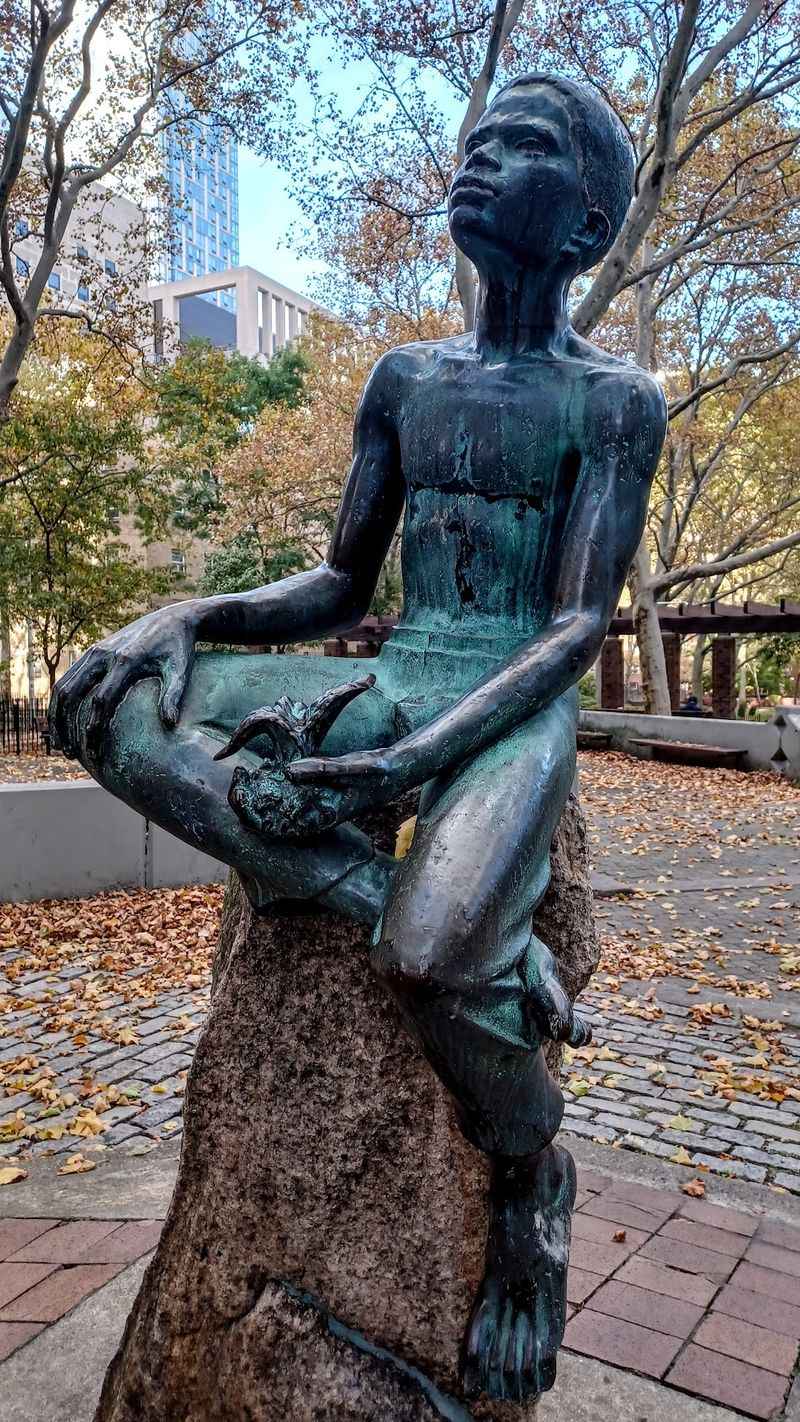
Picture a small farm tucked into the countryside, with trees on one side and open fields on the other, because that is exactly the kind of place where George Washington Carver began his life. The monument sits at 5646 Carver Rd, Diamond, MO 64840, and it covers the old Moses Carver farm in Newton County.
Carver was born into slavery on this land, and he spent his early childhood years wandering these same woods and meadows. It is a hard beginning to think about, but it makes his later success feel even more amazing when you see where he came from.
As a young boy, he was known for being sickly, so instead of doing heavy farm work, he spent a lot of time poking around in the garden and studying plants. Neighbors even started calling him the plant doctor because he was so good at helping sick plants get healthy again.
Walking around here, you can really imagine a curious kid kneeling in the dirt and asking a thousand questions about leaves and roots. Take a slow moment to look at the land around you, since this is where one of the greatest minds in Missouri history first got his spark.
Hands-On Fun In The Discovery Area
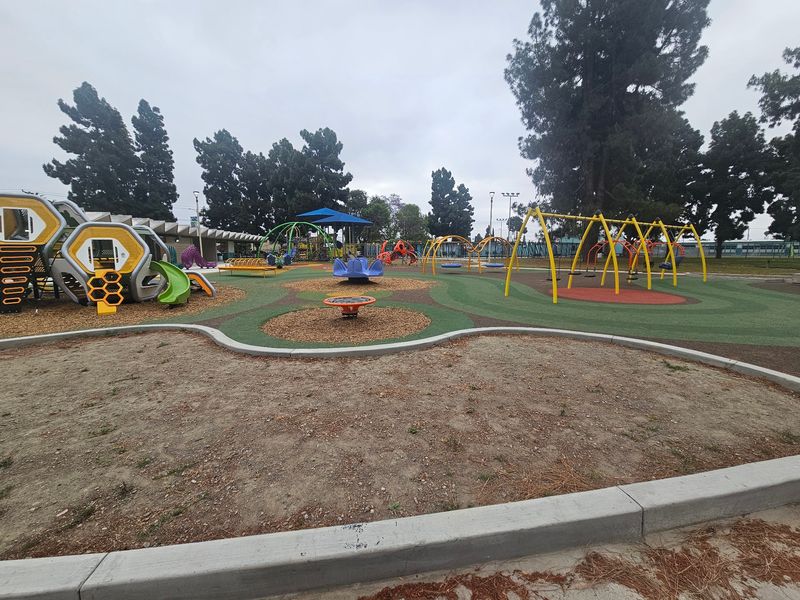
Got kids who get bored fast in museums, or maybe you are just the kind of person who likes to touch and try things yourself? The Discovery Area inside the museum was made with exactly that in mind, and it turns a history lesson into something that feels a lot like play.
One of the coolest parts is a replica of an old-fashioned classroom, with simple desks that show what school might have looked like back when Carver was trying so hard to get an education. It is a fun way to help children picture how different learning used to be.
There’s also a science lab area where young visitors can explore ideas that connect to Carver’s love of experiments. Since he spent his whole life testing, asking questions, and finding new uses for plants, this space fits his spirit really well.
Let the kids take their time here, because the hands-on stuff tends to stick in their memory much longer than reading signs on a wall. You might even catch yourself getting into it, which is totally fine, because nobody ever gets too old to enjoy a good science corner.
Wandering The Carver Trail
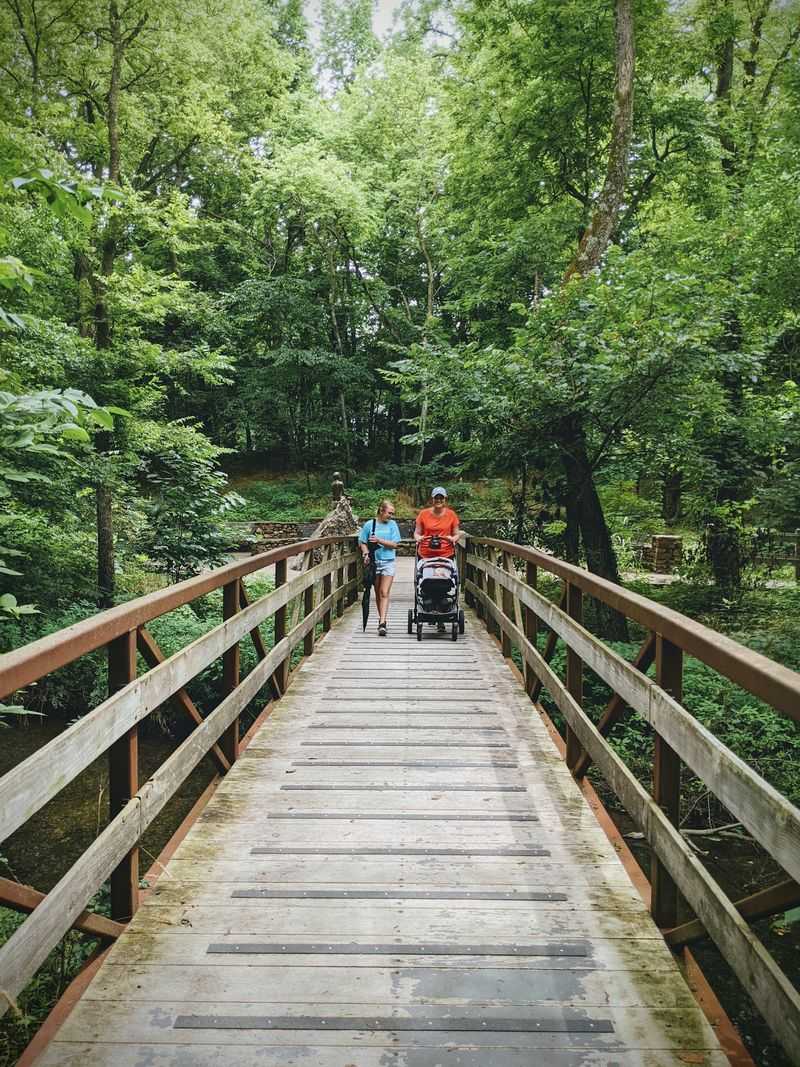
Once you step outside, the Carver Trail is honestly where the whole place starts to feel alive. It is an easy loop of roughly a mile, so you don’t need to be a serious hiker to enjoy every bit of it.
The path winds through shady woodlands, crosses over small streams, and opens up into a restored tallgrass prairie that looks a lot like the land Carver would have known as a boy. When the wind moves through those tall grasses, it gives you a real sense of how peaceful this corner of Missouri can be.
Along the way, you will pass several of the park’s most important stops, so the trail works almost like a story you walk through from beginning to end. It is a lovely way to connect the facts from the museum with the actual ground under your feet.
Wear comfortable shoes and bring a water bottle, especially on warm summer afternoons when the sun can feel strong out in the open prairie. Keep your eyes open for birds, butterflies, and wildflowers too, since Carver himself would have spent hours noticing those very same little details.
The Old Moses Carver House
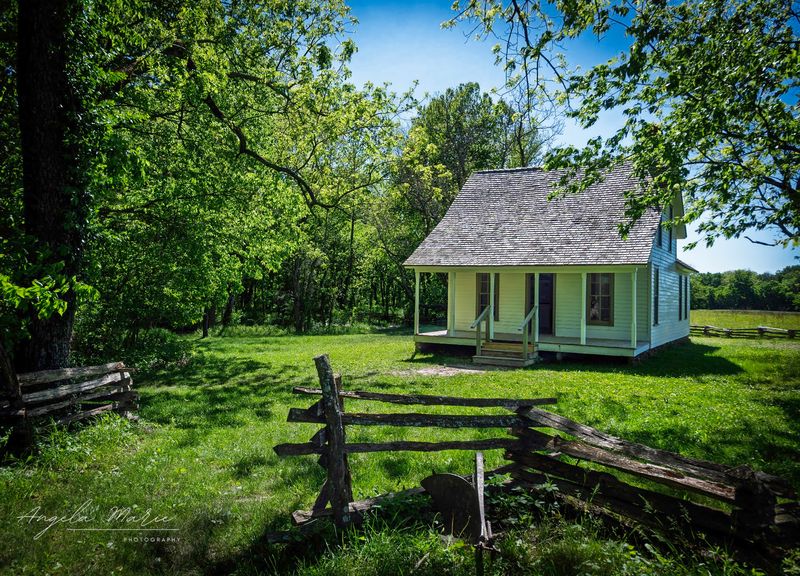
Standing quietly along the trail, the Moses Carver house is one of those spots that makes you slow down without even meaning to. This simple wooden home belonged to Moses and Susan Carver, the couple who owned the farm where George was born.
After George and his older brother Jim lost their mother, Moses and Susan raised the two boys themselves. Susan even taught George how to read and write, which helped light the fire for learning that stayed with him for the rest of his life.
The house you see today was built after the family’s earlier cabin, so George would have known it later in his youth rather than as a baby. Still, it gives you a real, solid link to the people who gave him a home during a very uncertain time.
Take a few minutes to look at the building from outside and imagine what daily life was like on a small farm back then. It was a world of chores, gardens, and hard work, and it helps explain why Carver grew up caring so much about helping farmers live better lives.
A Quiet Moment At The Family Cemetery
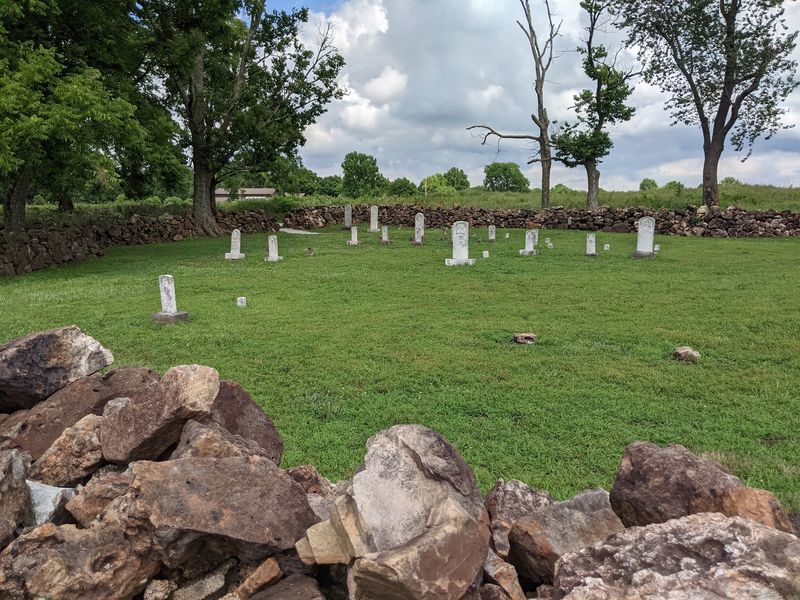
Tucked into a peaceful part of the grounds, the Carver family cemetery is a place where most visitors naturally lower their voices. It is small and simple, but it carries a lot of feeling once you know who rests there.
Moses and Susan Carver are buried in this cemetery, and they were the ones who took in young George and raised him after he was left without his mother. Their part in his story is complicated, since he was born enslaved on their farm, but they also shaped his earliest years in big ways.
Standing here gives you a chance to think about how many different people and moments came together to shape one remarkable life. It’s a good spot to pause, take a breath, and let the history sink in before you continue down the path.
Please be respectful while you are visiting, and remind kids to stay on the path and avoid touching the old stones. A little care goes a long way in keeping places like this in good shape, so the next family can enjoy the same calm and thoughtful moment that you get to have.
Slowing Down By Williams Pond
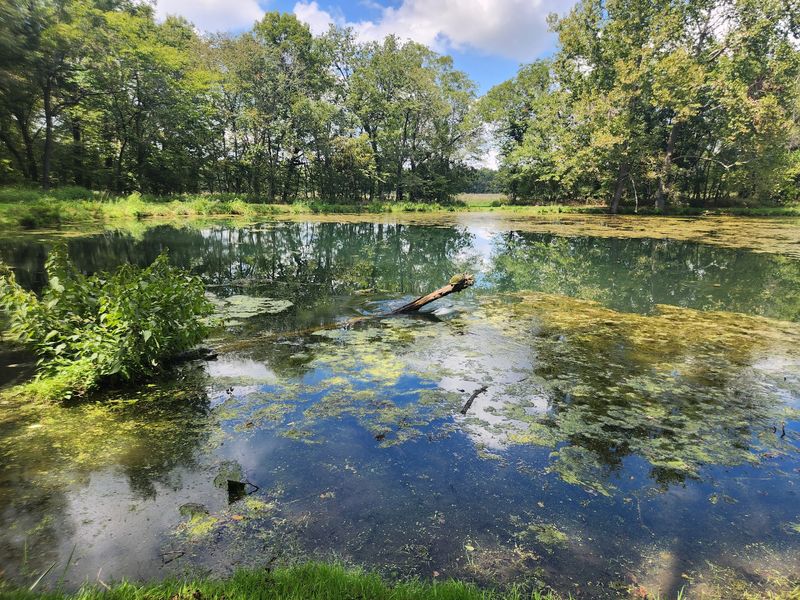
If your day has been packed with exhibits and walking, Williams Pond is the kind of spot where you can finally sit back and just breathe for a bit. It sits along a contemplative loop off the main trail, and the whole area is designed to encourage quiet thinking.
The water, the trees, and the soft sounds of nature make it feel worlds away from busy roads and screens. Carver spent so much of his childhood finding comfort and wonder in places like this, so it feels fitting that the park gives visitors their own peaceful corner to enjoy.
This is a lovely place to wrap up your visit, talk about what you learned, or simply watch the light move across the water. Some people like to bring a small notebook and jot down a few thoughts, which is a nice way to remember the trip later.
When you finally head back to the car, you’ll probably leave this part of Missouri feeling a little calmer and a lot more inspired. Not bad for a free afternoon, right?
It’s the kind of visit that quietly stays with you long after the drive home.
