Some of the best afternoons start with a quick detour and zero expectations. You pull off a busy city street in Oklahoma, figuring you will stretch your legs for ten minutes, and suddenly you are standing on a little bridge watching bright orange fish swirl below your feet.
Nobody asked for a ticket, and the folks pulling weeds nearby are happy to tell you exactly what that strange tree bark is all about. It is the kind of place that makes you wonder how you never heard of it before.
A Volunteer-Grown Oasis in Midtown Tulsa
Right off South Peoria Avenue, tucked inside Tulsa’s beloved Woodward Park, sits a garden that most drivers zip past without a second glance. The Teaching Garden at Woodward Park lives at 2435 S Peoria Ave, and it packs a surprising amount of beauty into a fairly small footprint.
Think of it as a living classroom. The garden exists so home gardeners can see plants in action, ask questions, and walk away with ideas for their own yards.
A staff of volunteers keeps the beds tidy and offers friendly advice to anyone who wanders in curious.
Many locals and longtime visitors know it by another name, the Linnaeus Teaching Garden, and you will hear both used around town. It works hand in hand with the Tulsa Garden Center and the city park system, which explains why it feels both well cared for and refreshingly unfussy.
Here is the part that gets people talking: entry is free. No gate fee, no parking pass drama, just a quiet green escape in the middle of a busy city.
For anyone driving in from Broken Arrow, Bartlesville, or even Oklahoma City, that makes it an easy add-on to a Tulsa day trip.
Roots of the Linnaeus Garden

Named for Carl Linnaeus, the Swedish botanist who gave the world its system for naming plants, the garden carries a fitting identity. A place built to teach plant lovers could hardly have picked a better namesake.
Longtime visitors point out that the garden has been around for well over a decade, yet it never feels tired. Volunteers seem to treat freshness as a personal mission, swapping plantings and tending corners so returning guests always spot something new.
One regular called it a working model of harmony between nature, architecture, and horticulture, which sounds lofty until you actually stroll through.
Getting there is half the charm. Many guests follow a lovely path past a rose garden before reaching the Linnaeus area, where the design opens into a peaceful tree setting.
The roses may not be blooming in late fall, so timing matters if flowers are your main goal.
The whole setup reflects real teamwork. The Tulsa Park system, the Tulsa Garden Center, and a devoted group of gardeners all play a part.
That partnership is a big reason a place this polished can stay open without charging admission, something Oklahoma families on a budget can truly appreciate.
Quarters, Koi, and a Little Bridge
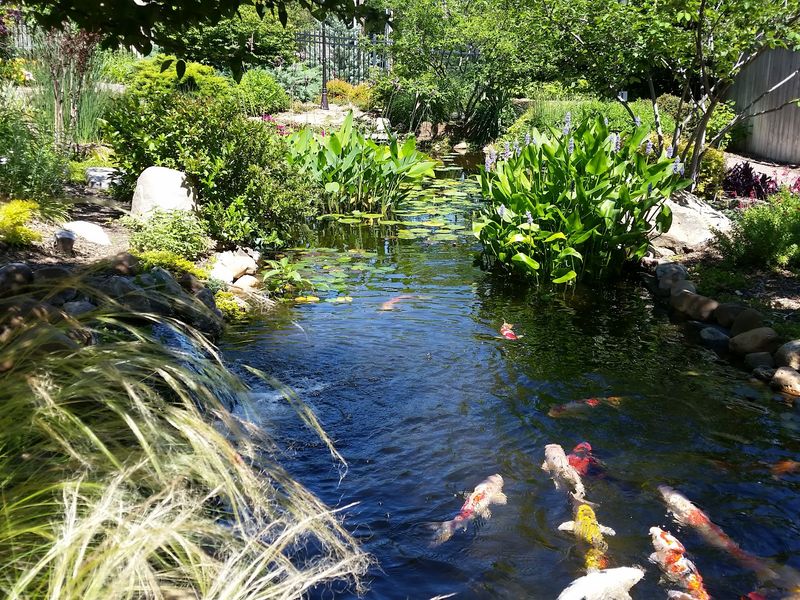
Bring quarters. Seriously, dig them out of the cup holder before you leave the car, because the koi here are the unofficial stars of the show.
A small brook runs beneath a bridge near the entrance to the main garden, and that is where the colorful fish gather. Visitors often mention buying a handful of koi food with spare change and tossing it in, then watching the water erupt in flashes of orange, white, and gold.
It is a tiny thrill that somehow never gets old.
Adults tend to linger longer than they expect. There is something calming about leaning on a railing and watching fish drift lazily through clear water.
One longtime guest noted that the pond stays interesting in every season, even winter.
Kids, of course, go wild for it. A parent shared that their four-year-old counted feeding the koi as the highlight of the trip, and several families say it is a favorite reason to return.
Still, you do not need a little one in tow to enjoy it. Plenty of solo visitors and couples make the bridge their first stop, quarters in hand, before exploring anything else.
Waterfalls, Fountains, and Winding Stone
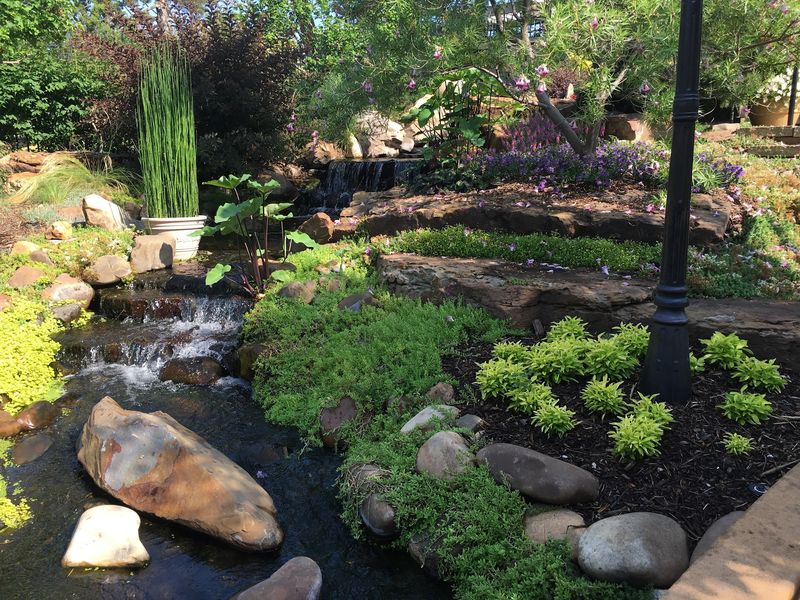
Listen before you look. The first clue that this garden goes beyond flower beds is the sound of moving water drifting across the paths.
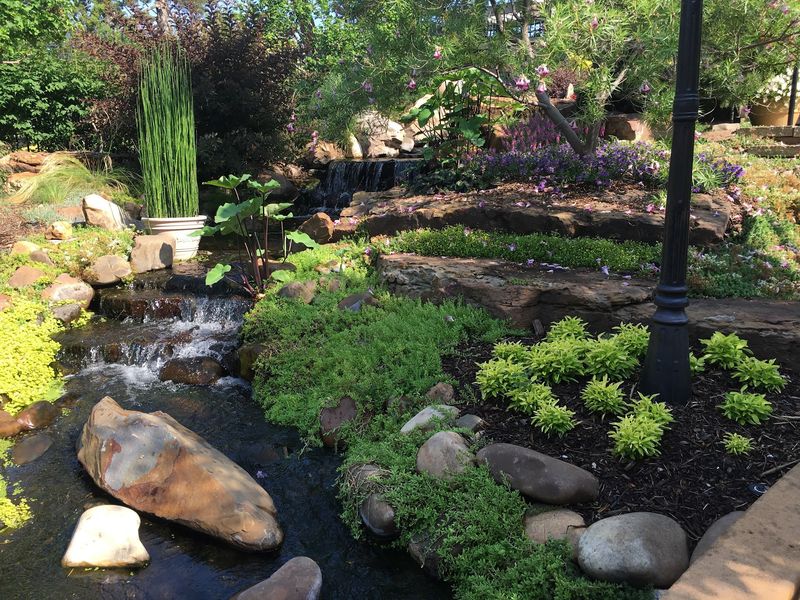
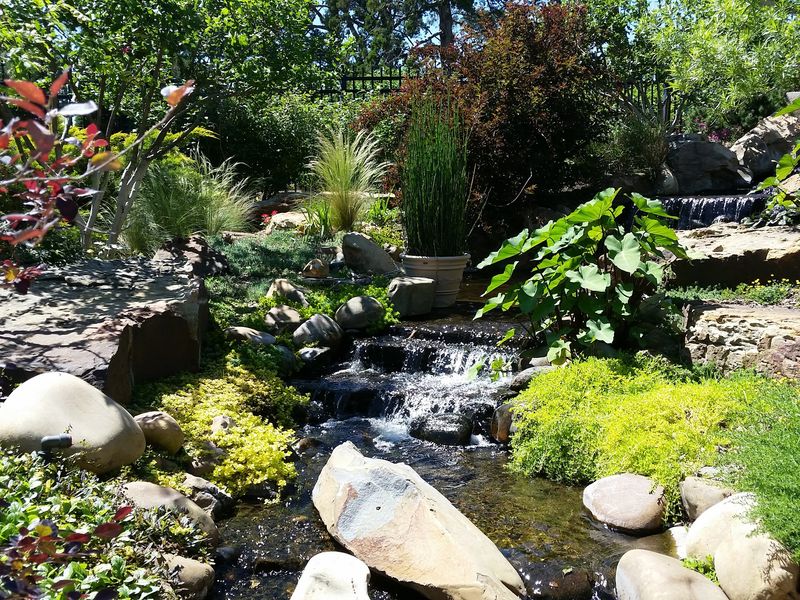
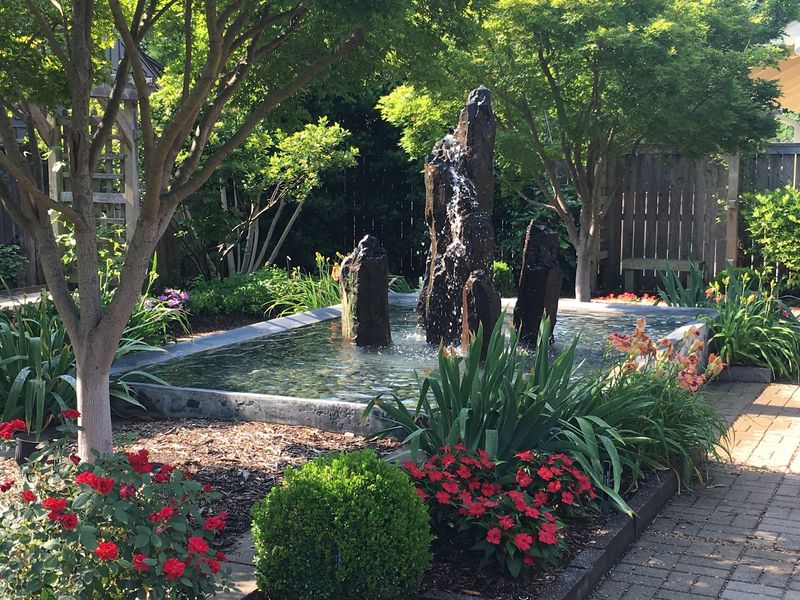
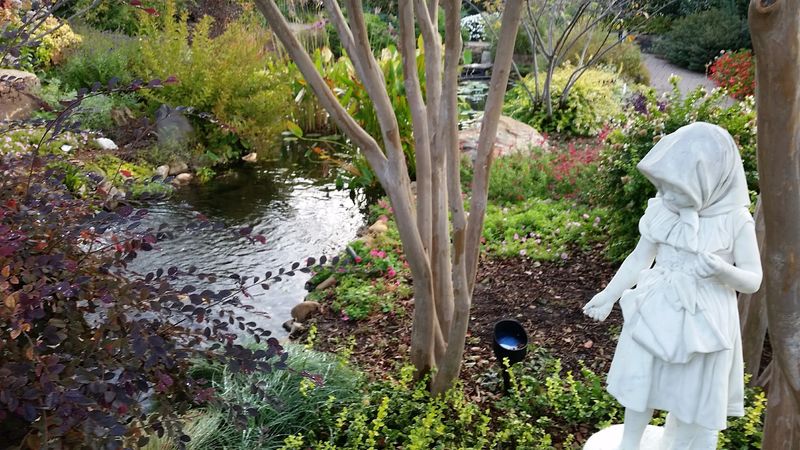
Visitors describe a surprising mix of water features for such a compact space: waterfalls, pools, fountains, and running streams that tie the different sections together. A large pond gives the garden a hushed, restful feel, the kind that makes you lower your voice without thinking about it.
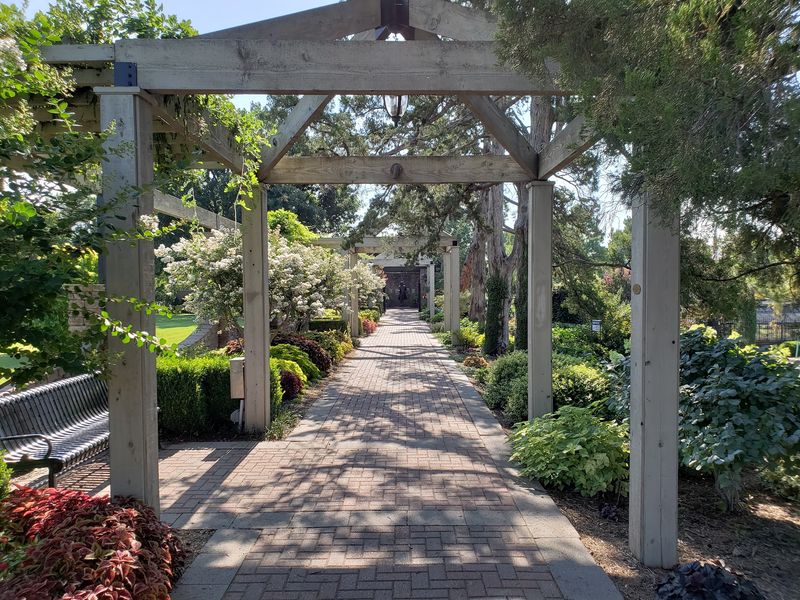
Winding stone pathways lead you from one scene to the next, and bridges cross the water at just the right spots. Benches pop up along the way, practically begging you to sit for a minute.
Statues and memorial areas add quiet touches of reflection throughout the grounds.
Photographers will find plenty to work with here. The play of light on rippling water, framed by shrubs and trees, makes for easy, gorgeous shots on a sunny morning.
Even on hot Oklahoma afternoons, the splash of water helps the place feel a few degrees cooler, at least in spirit.
Take it slow. Many guests say the real magic comes from wandering without a plan and letting the paths decide where you end up.
Veggie Beds, Greenhouses, and Award-Winning Blooms
Ever wondered what that shrub at the big box store actually looks like after five years in Oklahoma soil? Here is where you find out.
The garden showcases a remarkable range of plants, from trees and shrubs to bushes and ground covers of nearly every description. Visitors frequently mention spotting award-winning flower varieties, which makes the place a handy preview before you spend money at a nursery.
Seeing mature plants in person beats guessing from a tiny tag.
A working vegetable garden shows off different types of veggies, giving backyard growers practical inspiration. Different gardening techniques and styles appear throughout, so you can compare approaches side by side.
One regular admitted they always leave with fresh ideas for their own yard.
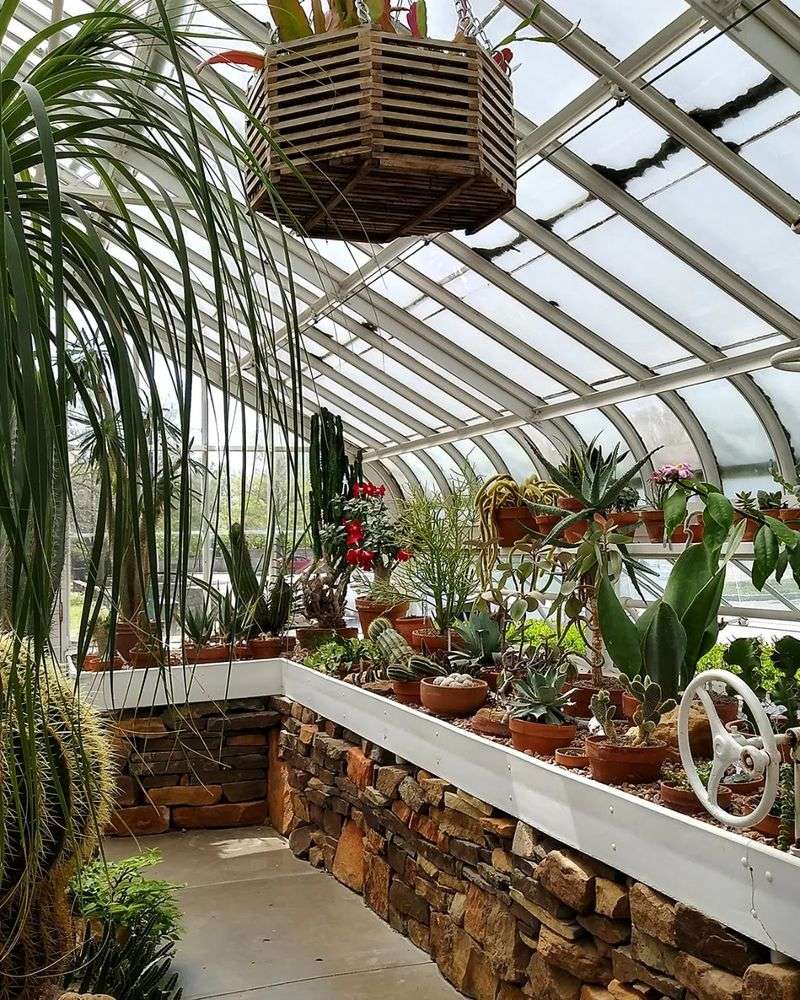
Small greenhouses add another layer. During winter, guests can browse succulents tucked inside a little greenhouse when outdoor beds are resting.
That makes the garden worth a visit even when the trees are bare.
Here is a fun bonus for the curious: the garden’s namesake, Linnaeus, created the two-part Latin naming system still used on plant labels today. So every time you squint at a botanical name here, you are reading his handiwork.
The Helpers Behind Every Petal
Ask one question and you might get a mini lesson, delivered with a smile. That is the reputation the garden’s volunteers have earned, and it is well deserved.
The entire operation runs on volunteer labor. These are the folks planting, pruning, and keeping paths looking sharp, and visitors repeatedly describe them as knowledgeable, courteous, and well trained.
Several guests say knowing it is all done by volunteers makes the beauty even more impressive.
One memorable story comes from a visitor who learned from a volunteer that certain trees are chosen for their unique bark, which provides beauty in winter. That small tip changed how they planned their own yard.
Moments like that are exactly what a teaching garden is for.
Want to give back while you are there? Regulars recommend signing the guest book near the entrance.
Visitor counts help show the city that the garden is valued, which supports keeping it open for everyone.
Programs reach younger audiences, too. The garden has offered special classes and events for children and young people throughout the year.
Check the Tulsa Garden Center website before you go, since offerings can change from season to season.
Who Will Love a Slow Morning Here
Picture a weekday morning, coffee in hand, a friend across a little table, and nothing on the agenda but chatting among the flowers. Regulars swear by that exact routine.
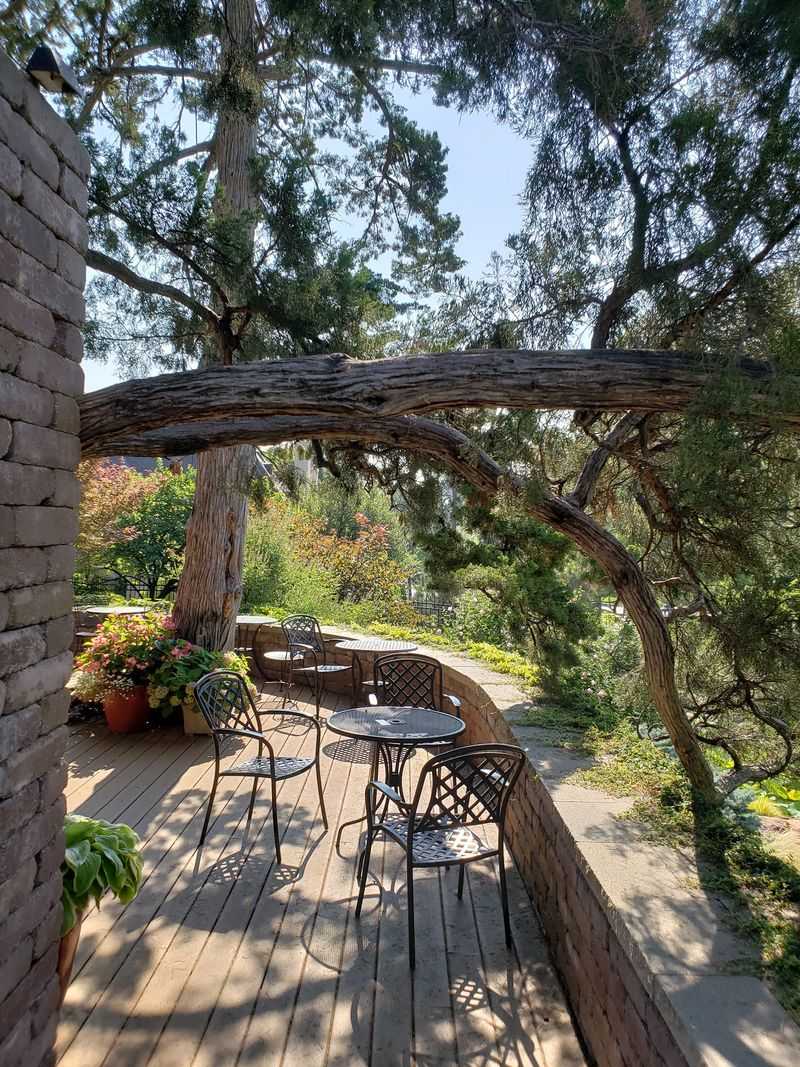
Small tables and chairs scattered around the grounds make it easy to settle in. One visitor suggested bringing a morning coffee and catching up with a friend, which sounds like the cheapest self-care plan in Tulsa.
Words like serene, peaceful, and lush come up again and again when people describe the mood.
Plant lovers will be in heaven, obviously. But the garden also suits walkers looking for a quiet loop, couples wanting a low-key date, and anyone who simply needs to recharge after a long week.
One devoted guest said they spend up to four hours wandering, though an hour or two works fine for most.
Families fit right in as well. It is free, educational, and full of fresh air, which several parents say makes it a go-to outing with kids.
The koi help.
The setting has even served as a wedding backdrop. One guest recalled a scorching hot ceremony where the gorgeous scenery more than made up for the heat.
Hours, Costs, and Smart Timing
Good news first: your wallet can stay in your pocket, except for those koi quarters. Admission is free, making this one of the best bargains in Oklahoma for a relaxing outing.
Current listings show the garden typically open Tuesday through Saturday from 9 a.m. to 4 p.m., with closures on Sunday and Monday. Hours may shift with the seasons, so a quick call to 918-576-5155 or a look at tulsagardencenter.org before you head out is a smart move.
A small gift shop sits on site if you want a souvenir to remember the trip. Budget-minded visitors can easily pair the garden with neighboring Woodward Park, the Tulsa Rose Garden, and the Tulsa Arboretum for a full day that costs almost nothing.
Timing can shape your experience. Roses steal the show in warmer months, while winter brings greenhouse succulents and interesting bark.
Summer heat in Tulsa can be intense, so morning visits often feel most comfortable.
Coming from Oklahoma City? Expect roughly a 90-minute drive, an easy yes by most road-trip standards.
Locals in Broken Arrow or Sand Springs can make it a spontaneous lunch-break escape.
Why the Drive Pays Off
Not every great Oklahoma stop needs a ticket booth or a gift shop the size of a barn. Sometimes the most rewarding spots are the quiet ones run by people who simply love what they do.
The Teaching Garden at Woodward Park delivers more than its size suggests. Koi to feed, waterfalls to listen to, bridges to cross, and an endless variety of plants to study, all without spending a dime on admission.
Add volunteers eager to share what they know, and you have a place that feels both generous and genuine.
Visitors from all walks of life seem to leave with the same feeling: a little calmer, a little more inspired, and maybe a bit proud of their city. Plenty of Tulsans describe it as a treasure they keep returning to across every season.
So next time you are in midtown, carve out an hour. Grab some quarters, sign the guest book, and let the paths lead you wherever they want.
You might come for the fish and stay for the sense of peace. Either way, it is hard to imagine a better free afternoon in Tulsa.
