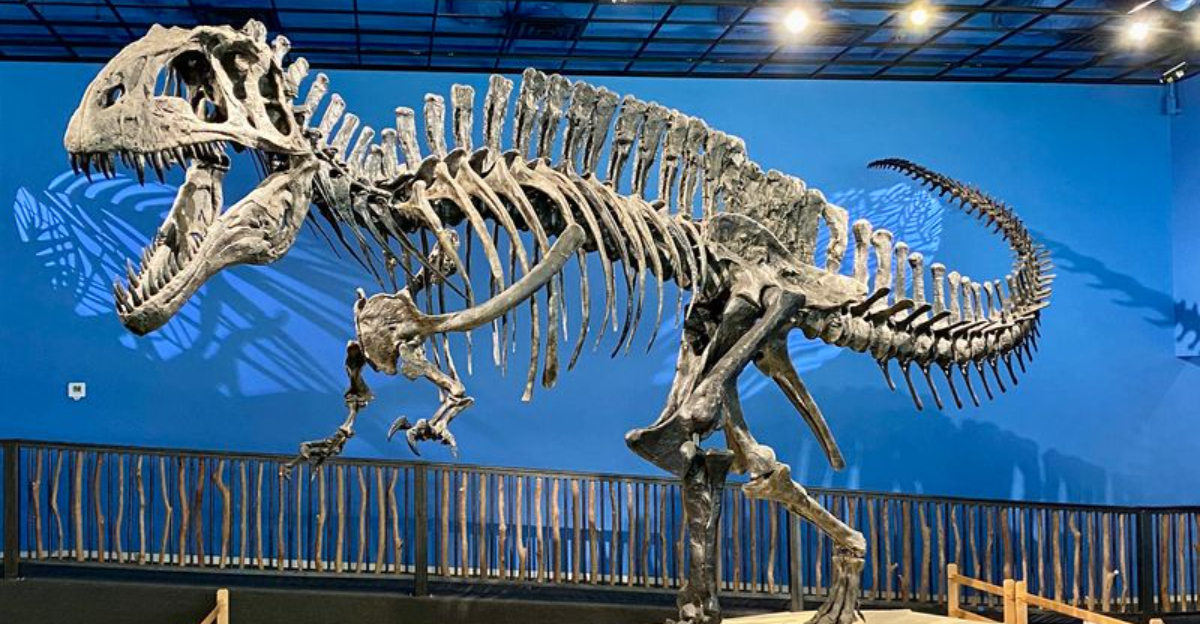
Imagine walking into a quiet museum and coming face-to-face with a forty-foot predator. The bones were found just down the road.
This creature ruled Oklahoma over a hundred million years ago. The museum holds the official state dinosaur.
The cast towers over visitors in a dedicated hall. The original skeleton was discovered nearby.
The museum is free, making it an easy stop for families. Other exhibits fill the space with art and artifacts.
But the dinosaur is the main draw. It is a reminder that giants once walked where we now drive and farm.
In Oklahoma, the past is never far beneath the surface.
Where To Point The Car In Idabel
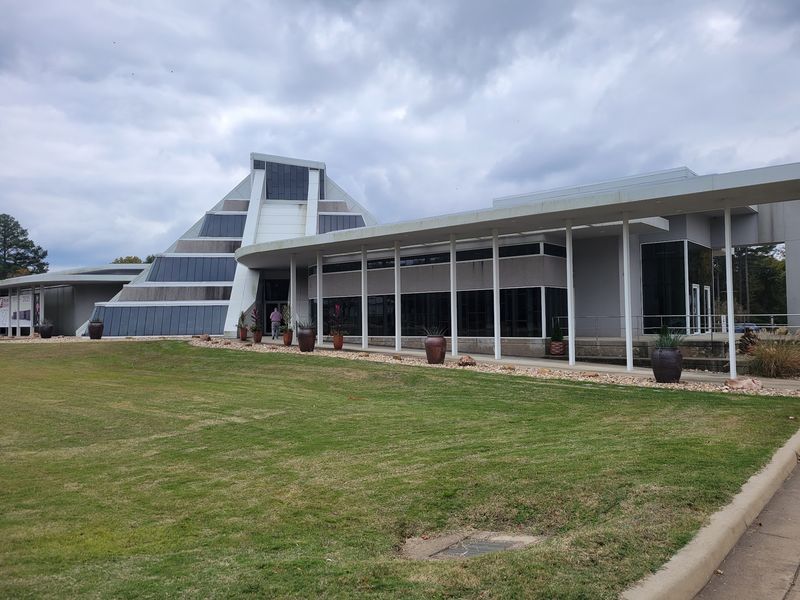
Getting there is honestly simple once you accept that you are driving into the far southeastern corner of the state. The museum sits at 812 E Lincoln Road, Idabel, OK 74745, and the building is set back with its own parking, so you are not circling a downtown block hunting for a space.
Idabel is the seat of McCurtain County, which puts it within easy reach of the Broken Bow and Beavers Bend area that a lot of folks already visit for cabins and hiking. If you are coming from Texas or Arkansas, the drive is shorter than you might guess, since this corner of Oklahoma tucks right up against both borders.
The exterior itself is understated, low and solid looking, with grounds that feel more like a small campus than a roadside attraction. Plenty of people drive past thinking it is a library or a county office, which is part of why it stays under the radar.
My advice is to plug the address in before you lose cell service on the rural stretches, and give yourself a relaxed window rather than squeezing it between two other stops.
A Fossil Discovery Practically Next Door
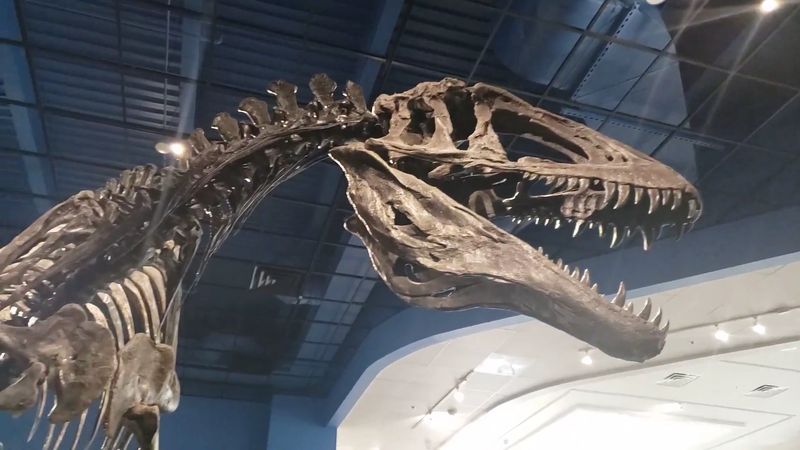
Here is the detail that makes this place different from every other dinosaur hall you have wandered through. The most complete Acrocanthosaurus skeleton ever recovered came out of the ground in McCurtain County, and the dig site sits under ten miles from where the cast now stands.
That kind of closeness changes how the exhibit feels, because you are not looking at an animal shipped in from a famous quarry somewhere far away. You are looking at something that actually lived and died on the same red dirt you drove across to get to the parking lot.
The rock in this part of Oklahoma dates back to a stretch of the Cretaceous when the landscape looked nothing like it does today, with shallow seas and river plains instead of pine forest. Fossils turn up in that kind of sediment because mud buries bone quickly and keeps scavengers away.
When you step outside afterward and look at the treeline, it hits a little differently knowing what used to walk through there. I always think the best museum moments are the ones that follow you back out the door, and this one absolutely does that.
Oklahoma Named It The Official State Dinosaur
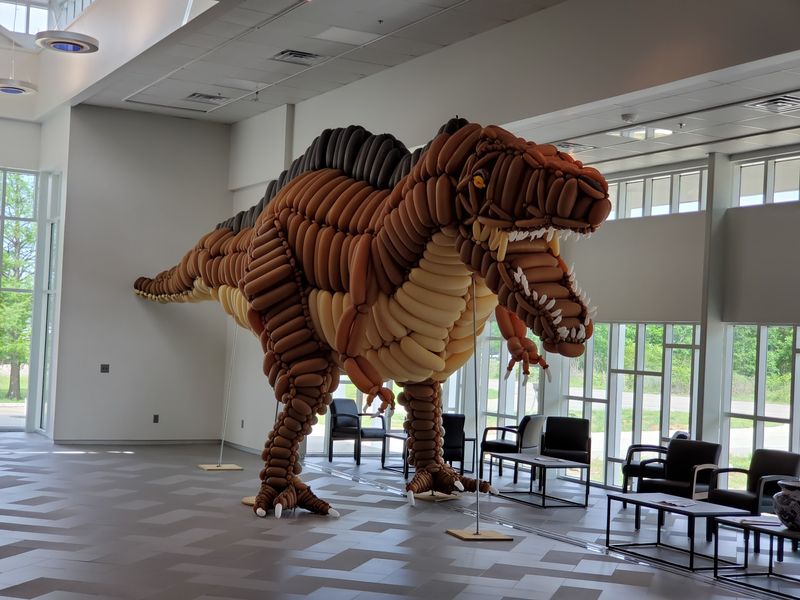
Not every state bothers to name an official dinosaur, and Oklahoma picked a genuinely impressive one when it chose Acrocanthosaurus atokensis. The species carries the state’s fingerprints all through its scientific name, since atokensis points straight back to Atoka County.
Predators that size were the top of the food chain in their world, and this one was hunting long before Tyrannosaurus ever showed up on the scene. People sometimes assume every big carnivorous dinosaur is a T. rex relative, but this animal belonged to a different branch entirely and lived tens of millions of years earlier.
Having the state dinosaur on display in the same county where the best skeleton was found gives the whole exhibit a hometown pride angle that I find pretty charming. It is not borrowed glory, it is local.
Kids tend to latch onto that idea fast, and it is a great little fact to drop on someone who thinks Oklahoma is all wheat fields and highway. Read the interpretive panels while you are there, because they lay out the naming story better than I can summarize it standing here talking to you.
The Forty-Foot Acrocanthosaurus Standing Inside
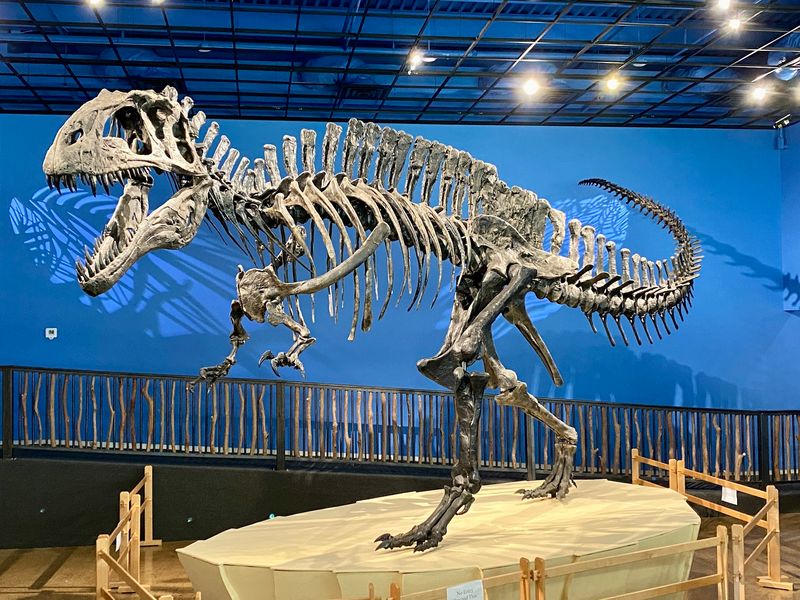
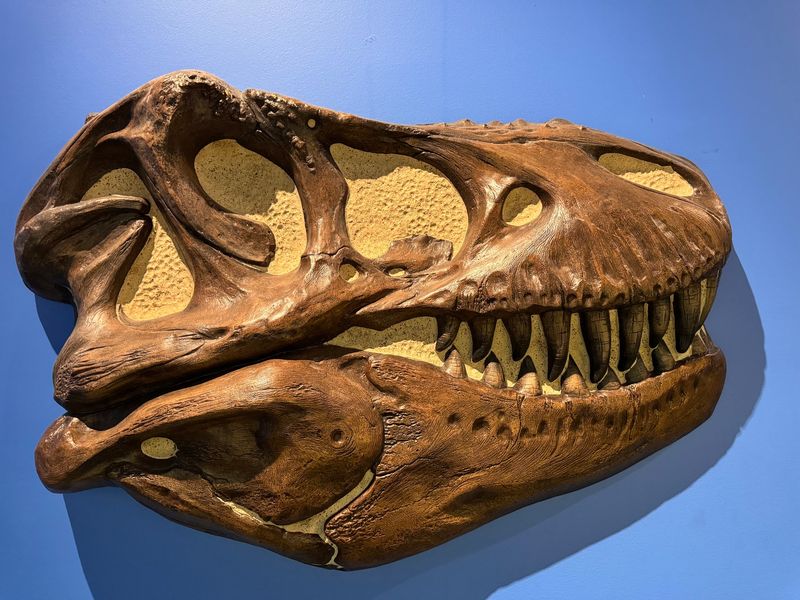
Walking into a room and finding a meat-eating dinosaur the length of a school bus staring back at you is not something that happens on a normal Tuesday. The cast here is Acrocanthosaurus atokensis, and it fills the space in a way photos never quite manage to communicate.
What makes the animal recognizable is the ridge of tall spines running down its back and neck, which is where the name comes from in the first place. Scientists still argue about whether those spines held up a low sail or supported thick muscle, and standing under the thing makes that debate feel a lot more interesting than it does on paper.
You can circle the whole mount and look at it from different angles, which I think is the best part, because the profile changes depending on where you stand. From the side you notice the length, and from the front you notice the width of the skull and how far apart the eyes sit.
Give yourself a few minutes to just look before you start reading the labels, because the scale is the thing that sticks with you long after you leave Oklahoma and head home.
Free Admission With No Catch Attached
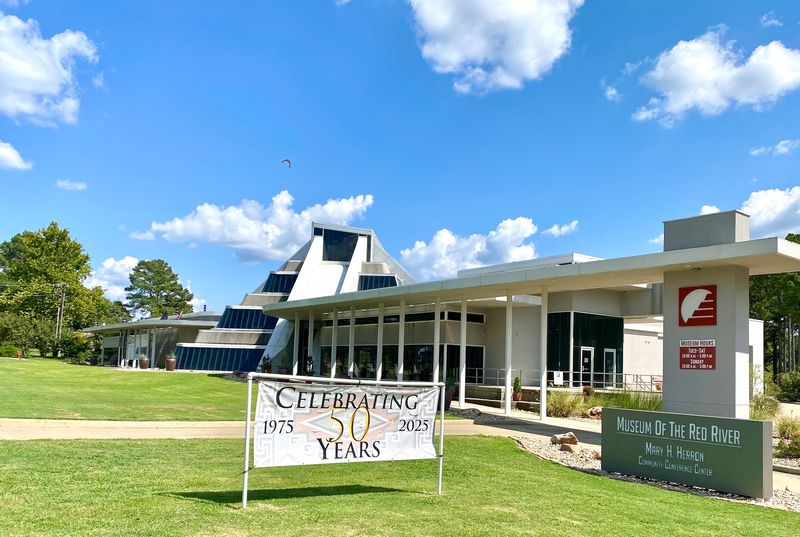
Free museums usually come with a suggested donation box the size of a refrigerator, but this one really does keep admission free for everyone who walks in. There is no ticket window drama and no timed entry to schedule around.
What that does for your trip is remove all the pressure to squeeze value out of every minute. You can wander through, sit for a bit, circle back to the dinosaur a second time, and leave whenever you feel finished without doing math in your head about whether it was worth the cost.
Families notice this most, because taking a group of kids through a paid museum adds up fast and turns a fun afternoon into a budget conversation. Here you can bring the whole crew, let them move at their own speed, and duck back out to the car if someone gets restless.
It also makes the museum an easy add-on to a longer Oklahoma road trip, since you are not committing anything but time. If you are already headed toward the lakes and cabins up the road, swinging through costs you nothing and gives everybody something to talk about in the car afterward.
Caddo Pottery And Ancient Stone Tools
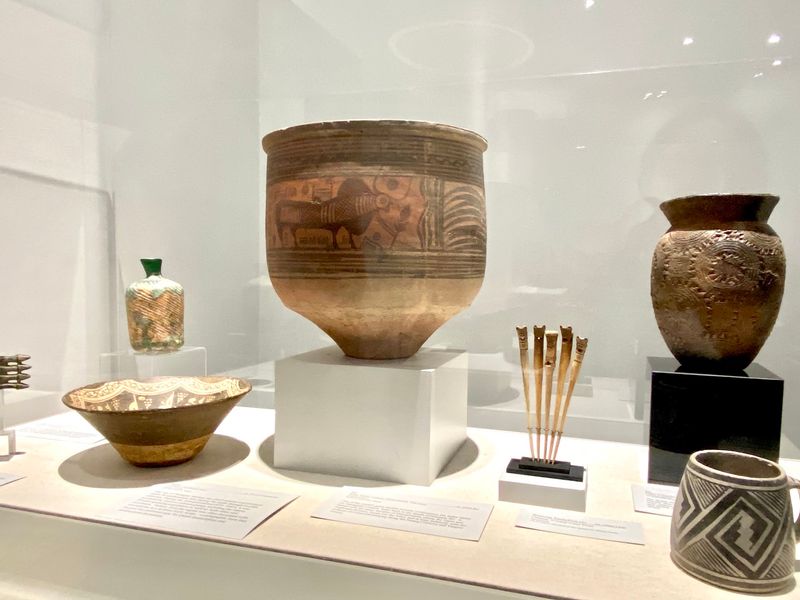
Past the dinosaur, the tone of the building shifts into something quieter and, honestly, just as compelling. The Gregory H.
Perino Archaeological Study Area holds prehistoric stone tools alongside a large collection of Caddo pottery.
The pottery is the part that surprises people. These are not rough clay lumps, they are shaped vessels with engraved patterns and swelling curves that show real skill and a real sense of design from potters working long before anyone drew a state line across this land.
The stone tools tell a different kind of story, one about problem solving and daily survival. Looking at a worked blade and realizing someone shaped it by hand, edge by edge, to butcher an animal or scrape a hide makes the distance between then and now feel smaller.
Caddo people lived across this region of Oklahoma, Texas, Arkansas, and Louisiana, and the Red River valley was right in the middle of that world. Slow down in this section instead of breezing through toward the exit, because the craftsmanship rewards a close look and the labels do a nice job explaining what you are actually seeing.
Art And Objects Gathered From Around The World
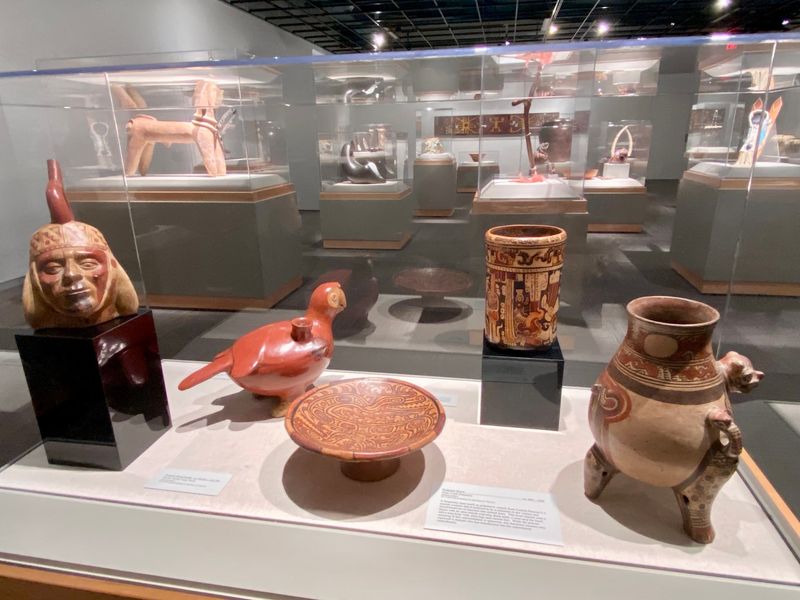
You would not expect a small-town museum to hold material pulled from across the globe, and yet that is exactly what happens here. The collections stretch from prehistoric material all the way up to contemporary work, and they come from cultures spread over several continents.
The through-line is artistic heritage, with special attention given to the contributions of Native peoples throughout the Americas. Seeing objects from distant places sitting a few rooms away from local archaeology makes both feel more connected than they usually do.
I like this kind of curation because it refuses to treat any one culture as the default. A carved figure from one part of the world and a woven piece from another end up in conversation, and you start noticing the shared human impulses behind them.
The variety also means the museum works for people who came only for the dinosaur and did not expect to care about anything else. Someone in your group will inevitably find a case they cannot walk away from, and it is almost never the case you predicted.
Budget a little extra time for that, because it always happens.
Bringing Kids Along Without The Meltdown
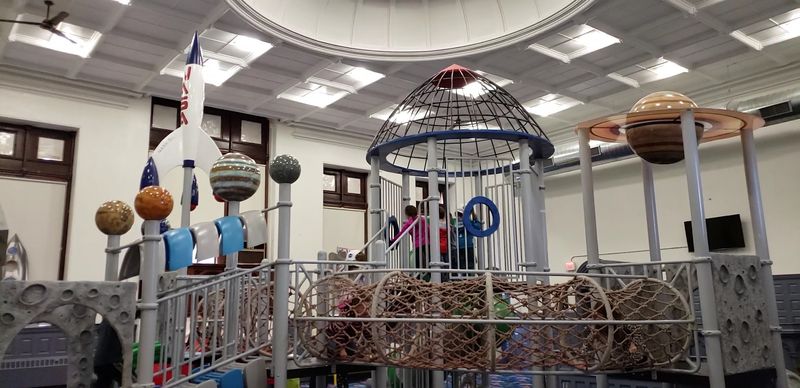
Big dinosaur, free entry, and a building small enough that nobody gets exhausted halfway through. That combination is basically the holy trinity for traveling with kids, and it is hard to find all three in one spot.
The Acrocanthosaurus does the heavy lifting on the wow factor, and standing beside something nearly fourteen feet tall gives children a physical sense of scale that no book delivers. They can look up and actually feel how small they are next to it.
Because the layout is manageable, you can get through the whole place before attention spans give out, which matters more than people admit when planning a family day. There is no forced march through endless wings.
Try turning the archaeology section into a game by asking kids to spot which tool they think would have been hardest to make, or which pottery pattern they would want on their own bowl. Small prompts like that keep them engaged instead of drifting toward the exit.
Pair the visit with time outdoors nearby and you have got yourself a full day in Oklahoma that costs almost nothing and still feels like an event.
Fitting It Into A Southeastern Road Trip
Here is how I would actually build the day if we were doing this together. Idabel sits close enough to the Broken Bow and Beavers Bend area that you can pair the museum with forest trails, water, and the cabin country everybody raves about.
The drive through southeastern Oklahoma is genuinely pretty, with pine trees and low hills that look nothing like the flat stereotype people carry around in their heads. That stretch of road is part of the experience.
Morning at the museum works well because you get the galleries while everyone is fresh, then you have the rest of the day for whatever outdoor thing you feel like doing. Reverse it if you would rather hike first and cool off indoors afterward.
Check the museum’s operating hours before you commit to a plan, since small-town schedules do not always match what you expect from a big-city institution. A two-minute look ahead saves a wasted turn into the parking lot.
Bring a camera, wear comfortable shoes, and leave room in the schedule to linger, because rushing this one would be a real shame.
