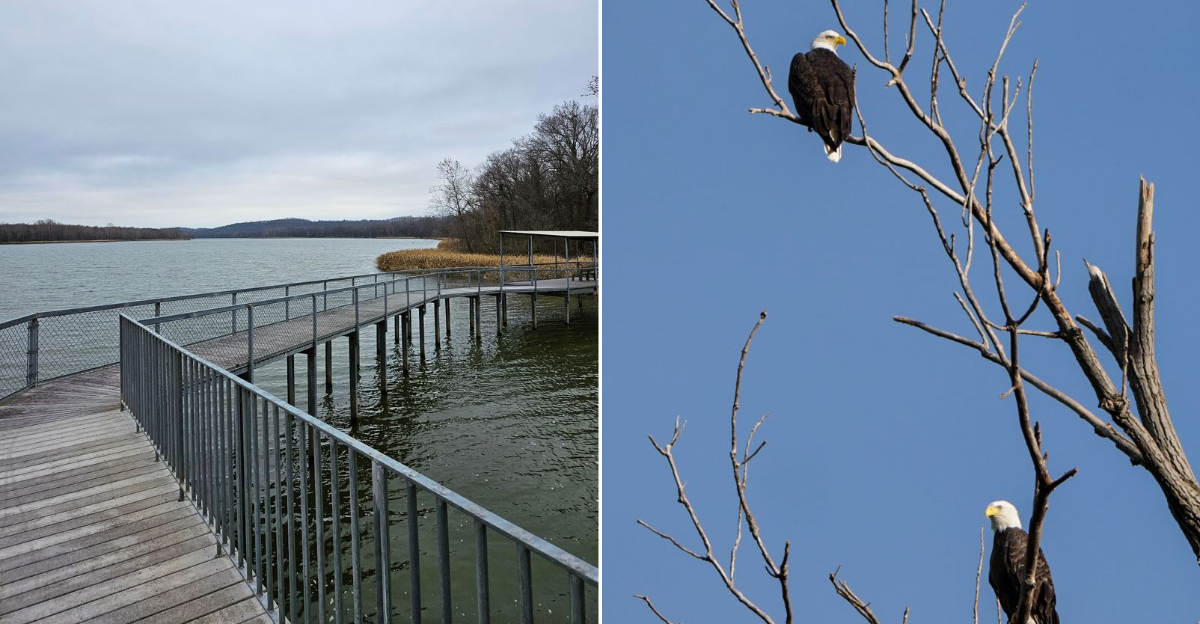
Some of the best wildlife viewing in Oklahoma happens without you ever leaving the car. A six?mile gravel road winds through wetlands, meadows, and lake shore, and the view from your window is the whole point.
You can drive slowly, stop when something catches your eye, and watch the landscape change from open water to bottomland forest.
Bald eagles are the main draw, especially in the colder months, when they perch in cottonwoods or swoop over the water.
But the refuge holds more than eagles. Herons, egrets, and waterfowl fill the shallows, and white?tailed deer often step out at the edge of the road.
The route is free to drive, and there is no schedule to keep. You just show up, roll down your window, and let the refuge reveal itself.
Why Free Entry Feels So Good
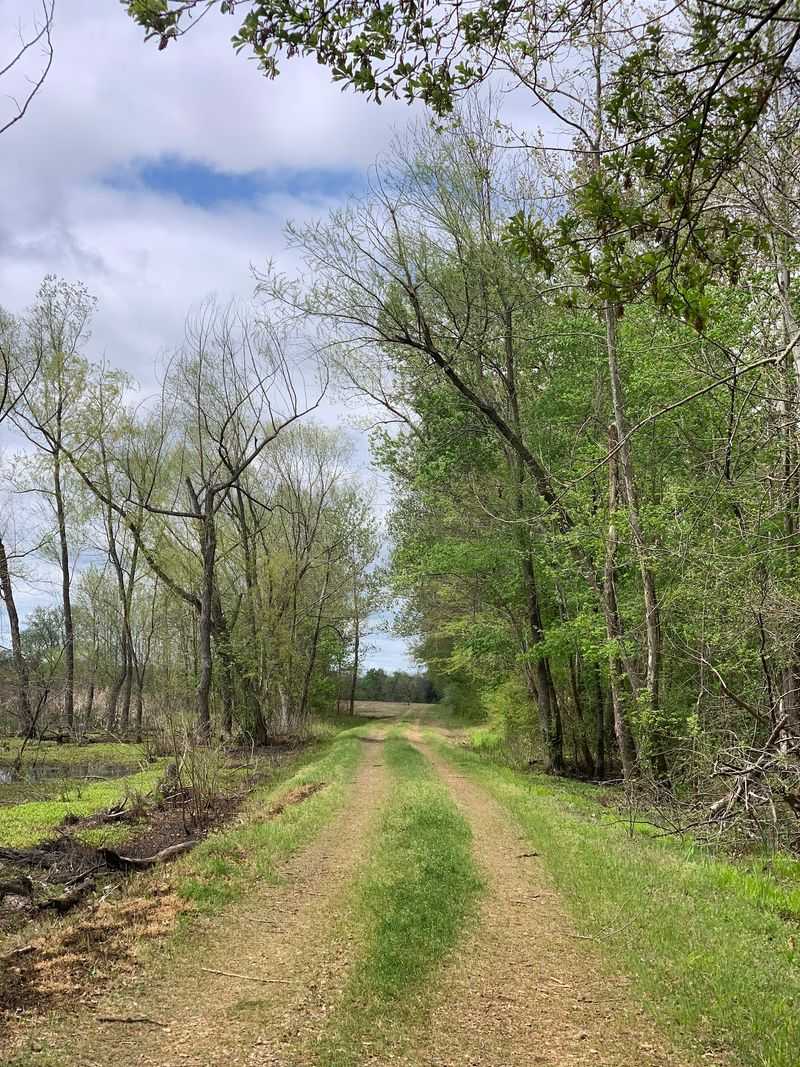
Here is the nice surprise right away, you can spend a whole morning at Sequoyah National Wildlife Refuge and never reach for your wallet. That takes the pressure off, which means you can slow down, pull over when something interesting appears, and enjoy the place without feeling rushed.
A free refuge visit also makes it easier to bring kids, grandparents, or a friend who just wants an easy afternoon outside in Oklahoma. You do not need special gear for the drive, either, because a full tank, a snack, and a little patience go a long way here.
Some outdoor places can feel like you have to plan every detail before you go, but this one is pretty forgiving and simple. If the birds are active, great, and if they are not, the marshes, trees, and open water still give you plenty to look at.
That kind of low-stress outing is a big reason people come back, especially during eagle season when every bend in the road feels full of possibility. Honestly, it is refreshing to find a place that feels generous from the start.
You show up, open the window, listen for birds, and remember that some of the best trips are the ones that ask almost nothing from you.
The Drive That Does The Hard Part For You
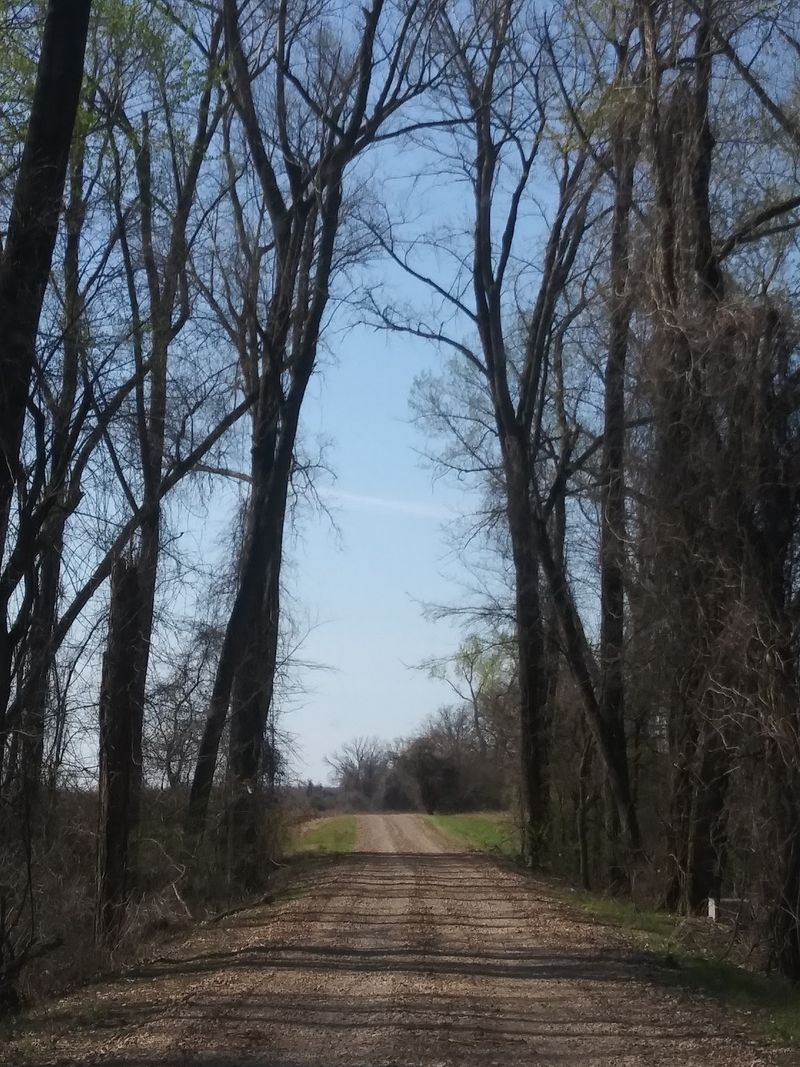
Driving the refuge loop feels easy in the best way, because you can keep moving, keep scanning, and stop at pullouts when something catches your eye. That gentle pace helps a lot when you are looking for bald eagles in treetops or gliding above the water.
If you are plugging it into your map, use Sequoyah National Wildlife Refuge, 107993 S 4520 Road, Vian, OK 74962, and you should land in the right spot. Once you are there, the route carries you through marsh, woods, and shoreline scenery that keeps changing as you go.
People often talk about the drive because it lets you watch wildlife without covering a long distance on foot, which can be really nice on a chilly morning. Just go slowly, keep your windows clean, and let the refuge reveal itself little by little.
A fast pass through misses too much, since an eagle might be perched near the next stand of cottonwoods or a heron could be stalking the shallows. Treat the road like part of the experience, not just a way to get somewhere else.
By the time you circle back, you will probably realize the drive did exactly what a good refuge road should do, it taught you how to pay attention better.
When Bald Eagles Show Up Best
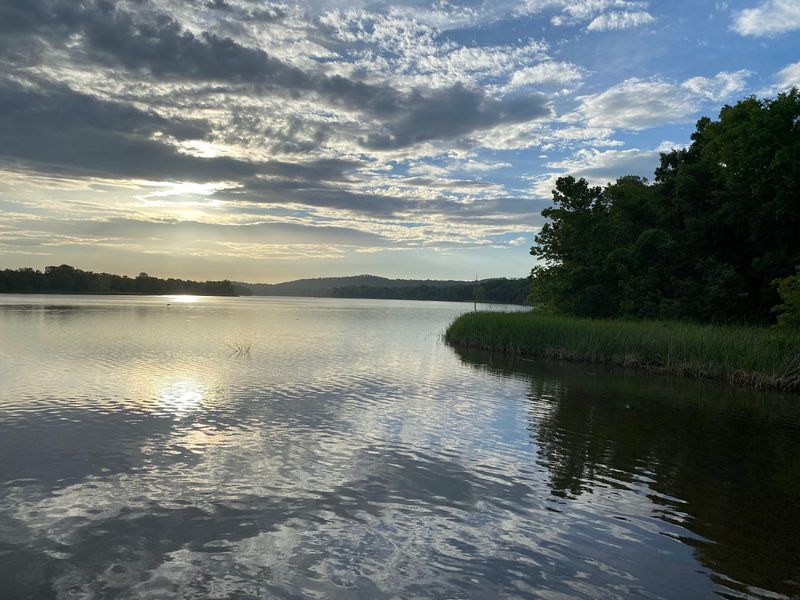
Winter is when the eagle excitement really builds here, and that is the time most people hope to catch those white heads and wide wings against the trees. Cold air seems to sharpen everything, including the feeling that something memorable might appear at any bend.
During the cooler months, bald eagles use the refuge in stronger numbers, often resting in cottonwoods or cruising low over water while they hunt for fish. That means your odds improve when the leaves are thinner and the birds stand out more clearly.
You do not need to be an expert birder to enjoy that season, because even beginners can tell when a big raptor with a bright head sweeps into view. Binoculars help, of course, but plain old patience matters just as much.
If you can choose your timing, aim for a cool day when the sky is clear enough for easy scanning and the refuge feels calm instead of busy. Some folks get lucky right away, while others need a slower watch before the magic happens.
Either way, winter in Oklahoma gives the whole drive a hushed, watchful mood, and that mood is a big part of why spotting an eagle here feels so special even before one finally lifts off nearby overhead.
Where To Scan First
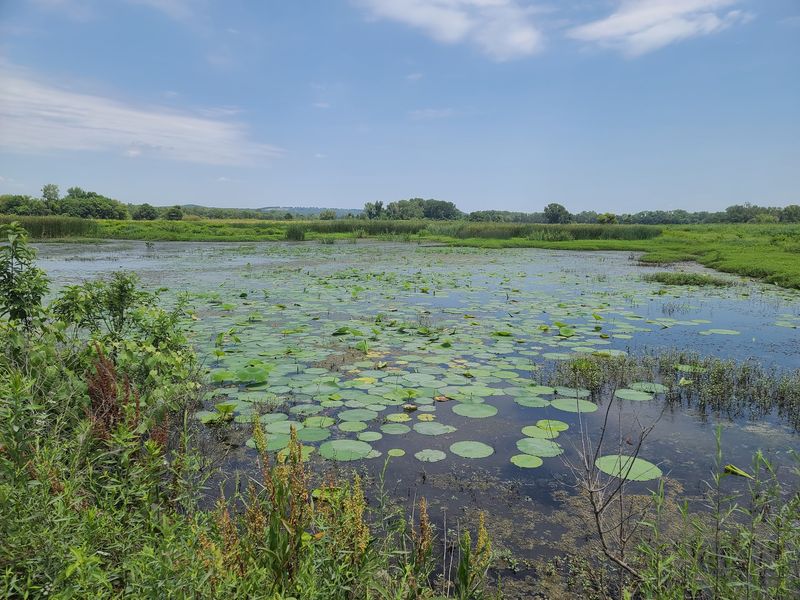
Most people picture an eagle soaring high, but a lot of the real searching happens when you slow down and study the trees near the waterline. That is where the refuge starts teaching you how to look, not just how to glance.
Cottonwoods are worth special attention because bald eagles often use those tall branches as roosts, giving themselves a broad view over the wetlands and open channels. A bird perched there can look almost unreal at first, like a pale shape pinned against the sky.
Then there is the water itself, which deserves just as much of your attention since eagles may sweep low, circle, or drop toward fish. If you spot movement and think it was nothing, give that area another careful look before driving on.
A good trick is to pause at pullouts, rest your eyes for a moment, and scan from treetop to shoreline in a slow, steady pattern. That sounds simple, yet it keeps you from missing the obvious.
Once you settle into that habit, the whole drive changes, because you stop seeing random scenery and start noticing favorite perches, wind ripples, and little flashes of wildlife behavior that make Oklahoma feel wonderfully alive all around you for the rest of the morning or afternoon.
More Than Just One Famous Bird
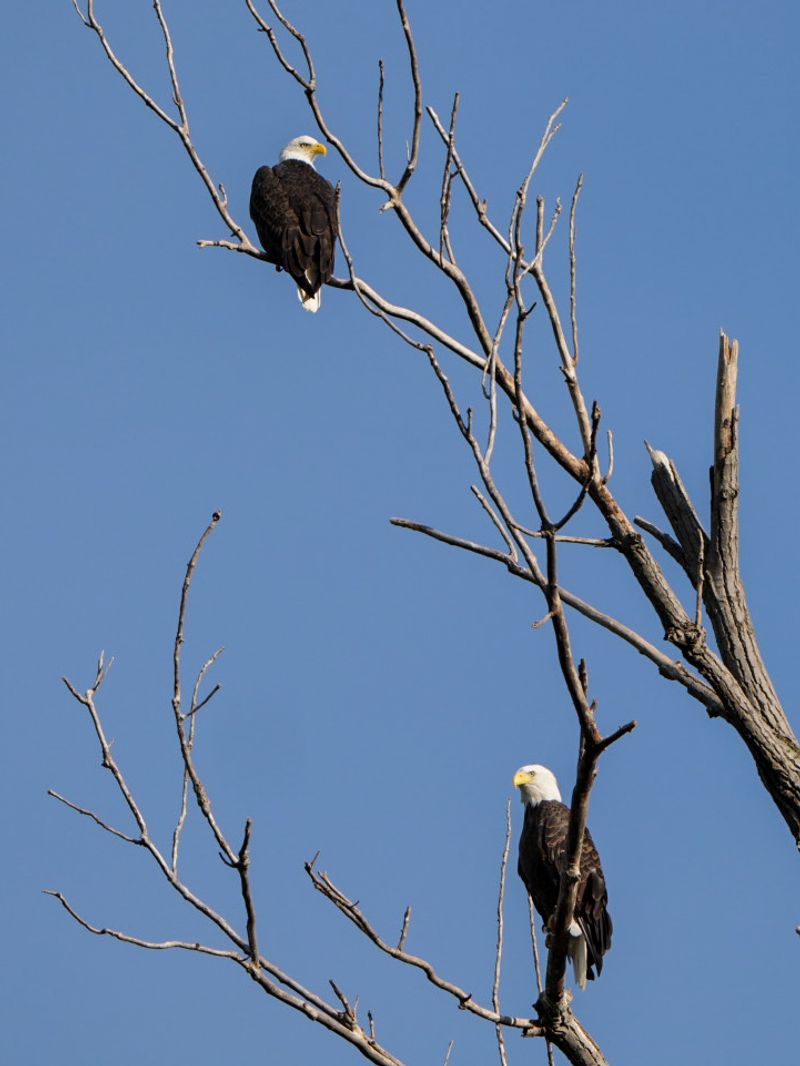
Even if the eagles decide to stay mysterious, the refuge still gives you plenty to watch, and that saves the drive from feeling like a one-bird mission. Honestly, that is part of the charm.
Waterfowl slide across the shallows, herons stalk the edges, and flocks can suddenly lift off and change the whole mood of a quiet scene. You may also notice deer, turtles, rabbits, or one of the smaller animals slipping through the brush.
Birders love Sequoyah for a reason, because a huge mix of species uses these wetlands, bottomland woods, and open areas through changing seasons. But you do not need a life list to enjoy that variety, since simple curiosity gets the job done.
Sometimes the best moment is not an eagle at all, but a sudden rush of wings from the marsh or a bright bird calling from reeds you almost passed. That kind of surprise keeps everyone in the car paying attention.
So yes, keep looking for bald eagles, but leave room for the rest of the cast too, because Oklahoma wildlife rarely sticks to one script, and the drive feels richer when you notice every splash, track, call, and flicker along the route instead of waiting for only one famous bird to appear suddenly.
Stretch Your Legs Without Losing The Mood
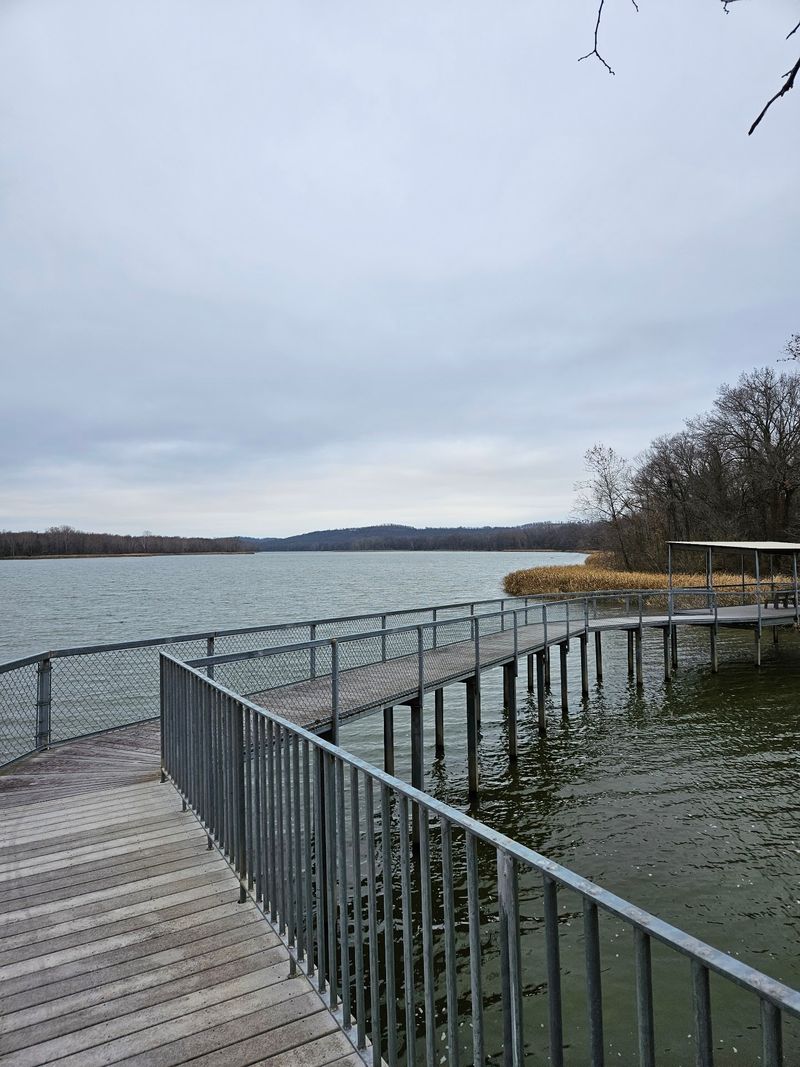
After sitting in the car for a while, it feels good to stretch your legs, and the refuge actually makes that pretty easy. That little reset can sharpen your eyes for the rest of the drive.
Sequoyah has paved nature trails that are short enough to fit into a casual visit, including Horton Slough Nature Trail and Sandtown Woods Nature Trail. They give you a closer feel for the habitat without turning the outing into a big trek.
Walking a bit changes your view completely, because you start hearing rustling, water sounds, and bird calls that can fade into the background from inside a vehicle. It is also a smart way to break up a longer wildlife watch.
If you are visiting with family members who want an easier outing, those paved paths can make the refuge feel more welcoming and less intimidating. Just remember to keep the same calm pace you used on the drive.
A quick walk, a deep breath, and a look across the wetlands can reset your whole mood, which is why adding a trail stop often makes the Oklahoma trip feel fuller, even when the main goal is still spotting an eagle from the road before you settle back into the driver’s seat again happily.
Small Prep Makes A Big Difference
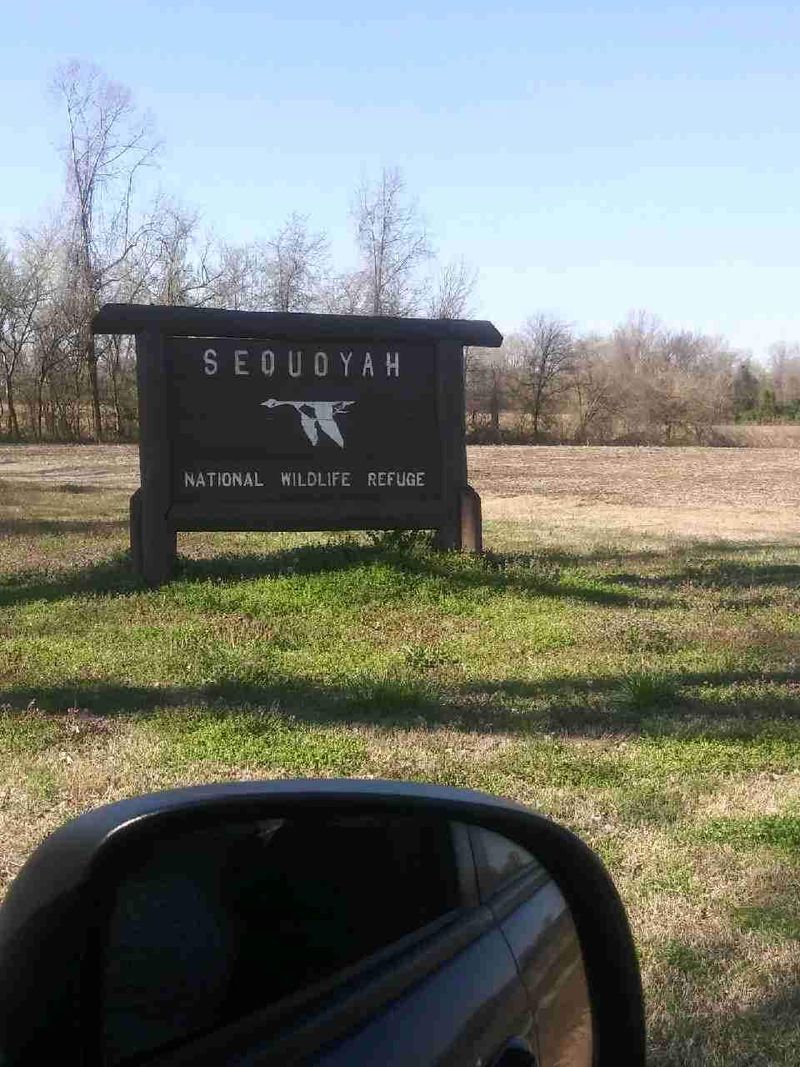
A little prep helps here, but I mean the kind that feels easy, not the kind that turns a simple drive into homework. That is good news if you prefer low-stress outings.
Before you start rolling, it is smart to grab a brochure or map from the refuge contact point so you know the layout and main stops. Having that in hand keeps you from guessing later.
Bring binoculars if you have them, keep a camera ready, and wear clothes that match the weather because you may end up lingering longer than planned. Clean windows matter more than people think when you are scanning treetops.
If your dog is coming along, keep the leash handy and stick to the refuge rules so the outing stays easy for everyone. You will also want water, snacks, and enough time to move slowly instead of squeezing the drive between other plans.
The refuge is open daily, and conditions can shape how smoothly your visit goes, so give yourself room to adjust and let the day unfold a little. When you do that, practical stuff fades into the background, and all your attention can stay on the woods, the marsh, and any bald eagle that suddenly appears where you least expected it out there.
Bring A Camera, But Keep Looking Up
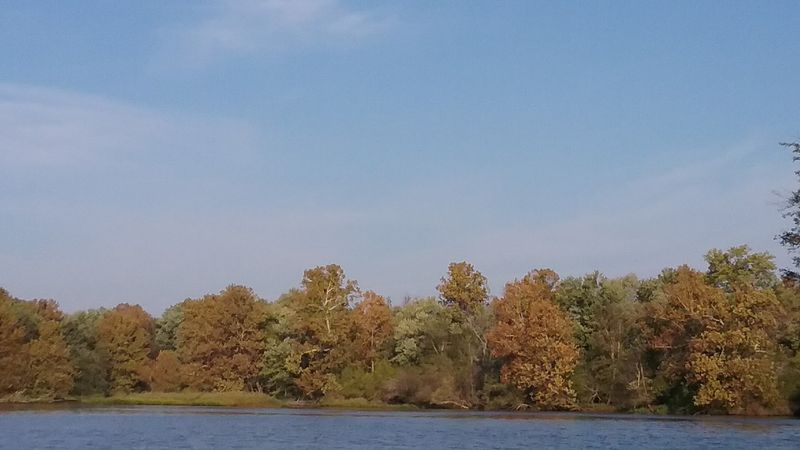
If you like taking pictures, this refuge gives you the kind of scenes that make you lower the camera for a second just to stare. Light, water, and wide open space do a lot of the work for you.
Mornings can bring soft color over the marsh, while later light throws long reflections across still areas and makes distant birds stand out in a different way. You do not need fancy equipment to come home with something memorable.
The best approach is to stay ready but relaxed, because wildlife photography here is often about quick chances rather than carefully staged moments. If an eagle lifts from a tree or swings low over water, the moment can be brief.
Even when birds stay far off, the road itself, the wetlands, and the quiet pullouts give you plenty of atmosphere to capture. Sometimes the empty stretch says as much as the wildlife.
What I like most is that photos from Oklahoma never feel too polished here, because the refuge has a plain, honest beauty that comes through in every frame. You get sky, trees, water, and the sense that something alive is just beyond the next curve, which is exactly what makes people keep reaching for their cameras during the slow drive.
