The best way to discover Polish food may be to stop treating it like a special occasion. This Indiana storefront makes that easy, serving pierogi, kielbasa, cabbage rolls, and comforting soups in a setting where family recipes matter more than elaborate presentation.
Gosia grew up eating this food, and that experience helps shape the menu around the flavors and dishes she knows. The appeal is practical as much as cultural.
The food is hearty. The ingredients are familiar.
The results are satisfying enough to make trying something new feel like a safe bet. Add the smell of buttery onions and the warmth of a freshly served meal, and suddenly a cuisine you may rarely encounter becomes something you want to seek out again.
A Kitchen Rooted in a Polish Village
Long before Sheridan had a Polish cafe, Maggie Baniak was a girl in a small village in Poland, learning how real home cooking should taste. Those early flavors still guide her today.
Every recipe at Gosia’s Rustic Kitchen carries a little piece of that childhood.
The story of the restaurant grew step by step. In 2021, Maggie started cooking Polish dishes for a local Polish organization, and people quickly noticed how hard it was to find food like hers in the area.
By May 2022, she had officially registered her business, and she spent the next stretch cooking out of different commercial kitchens while building a following.
Fans first found her food at farmers markets, including the Carmel Winter Market and the Indianapolis City Market. Some loyal customers bought fresh and frozen pierogi there for years before the storefront ever opened.
That kind of patience shows real dedication.
Today the cafe sits at 308 S Main St in Sheridan, Indiana, a spot that is easy to find thanks to the large Polish flag out front. It is small, friendly, and wonderfully unexpected for a quiet town in northwest Hamilton County.
Knowing the backstory makes the first bite taste even better. This is not a chain trying to copy a culture.
It is a family sharing the food they grew up loving, one plate at a time.
Pierogi Worth the Drive
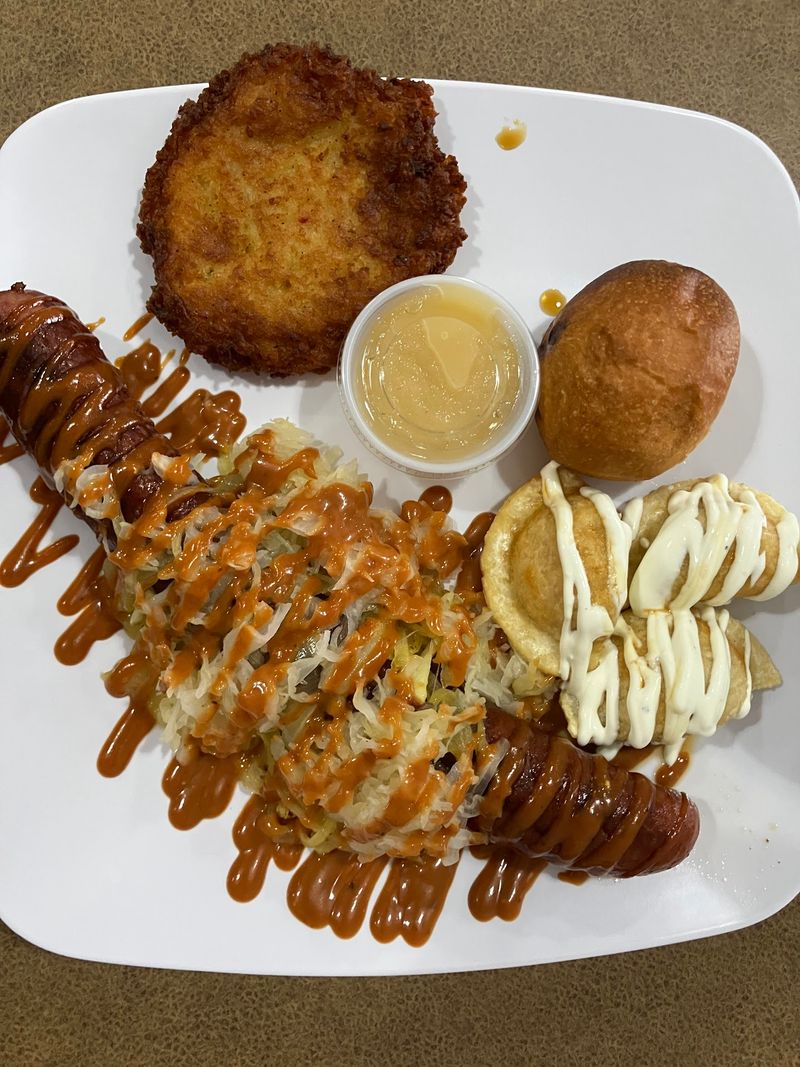
Soft, pillowy, and packed with filling, the pierogi here are the dish most people mention first. Classic potato and cheddar is the go-to choice.
Deep-fried versions add a crispy crunch, and cherry pierogi sometimes appear for anyone who likes a sweeter bite.
Guests often say the dumplings are light and fluffy, with a great balance between the tender wrapper and the filling inside. That balance is harder to get right than it looks.
Too much dough and the pierogi feel heavy, too little and they fall apart.
Some plates come finished with Maggi seasoning, a savory, umami-rich sauce that is common in Polish kitchens. It tastes a bit like Worcestershire.
Anyone unsure about it can simply ask for it on the side.
Here is a fun bit of history. Pierogi have been eaten in Poland for centuries, and many families have their own favorite fillings passed down from grandparents.
Some towns in Poland even hold whole festivals just for these dumplings!
A smart move is ordering a few extra to take home. Pierogi reheat nicely in a pan with a little butter, and they make a great quick dinner later in the week.
Pair them with kielbasa or a potato pancake for a true taste of Polish comfort. One plate usually leads to planning the next visit.
Cabbage Rolls That Steal the Show
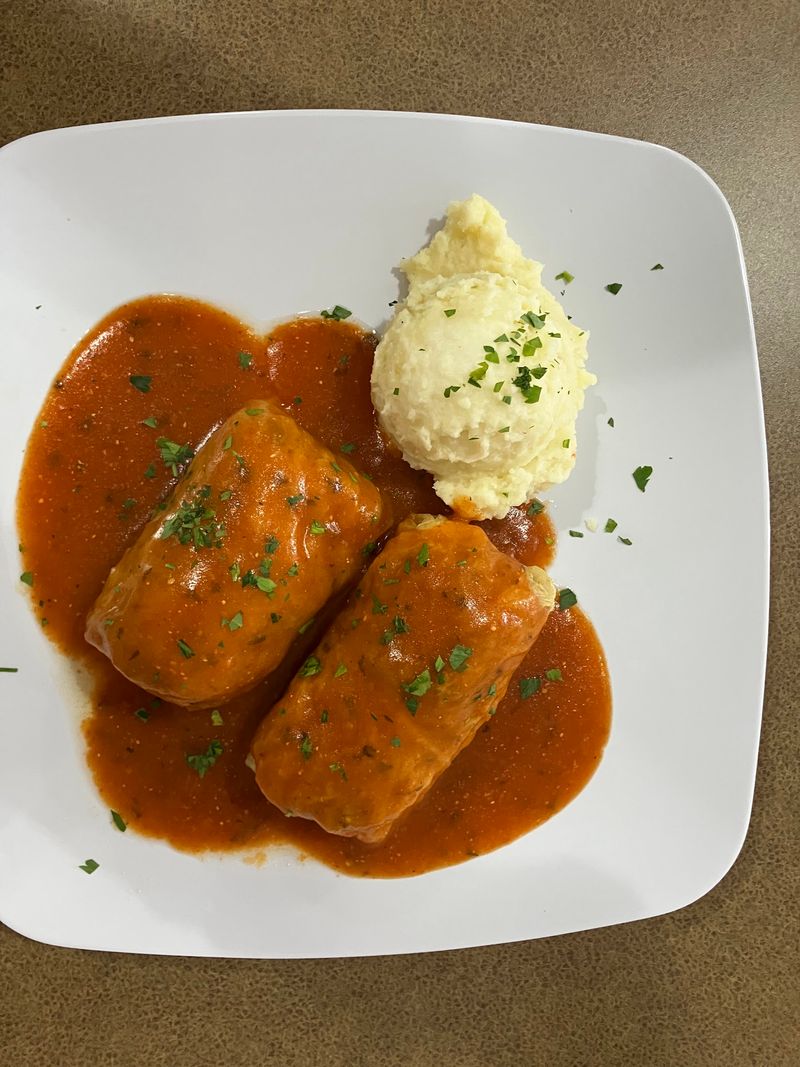
Golabki, better known as cabbage rolls, might just be the quiet star of the menu. Each roll is stuffed with seasoned pork and wrapped in soft cabbage leaves.
Then it gets covered in a warm, rich sauce.
The traditional version comes with tomato sauce, and its flavor has a special story. Maggie uses ingredients from her own childhood for the base of that sauce, so it tastes like something cooked in a Polish grandmother’s kitchen.
A mushroom sauce option is also available for anyone who prefers an earthy, creamy topping.
Cabbage rolls are a dish that takes time. Leaves need to be softened, filling needs to be mixed by hand, and everything has to simmer slowly.
That kind of effort is rare in fast-paced restaurants.
Diners who grew up in Polish homes have praised these rolls as meaty, saucy, and wonderfully tender. That is a pretty strong compliment from people who know exactly how they should taste.
Cabbage rolls sometimes show up as a special, so it pays to check the board when ordering. They pair well with a cup of soup or a slice of something sweet.
Tip for first-timers: go with the pork and tomato sauce combo. It is the classic for a reason, and it shows off just how much heart goes into this kitchen.
Burnt Ends and Tom’s Secret Sauce
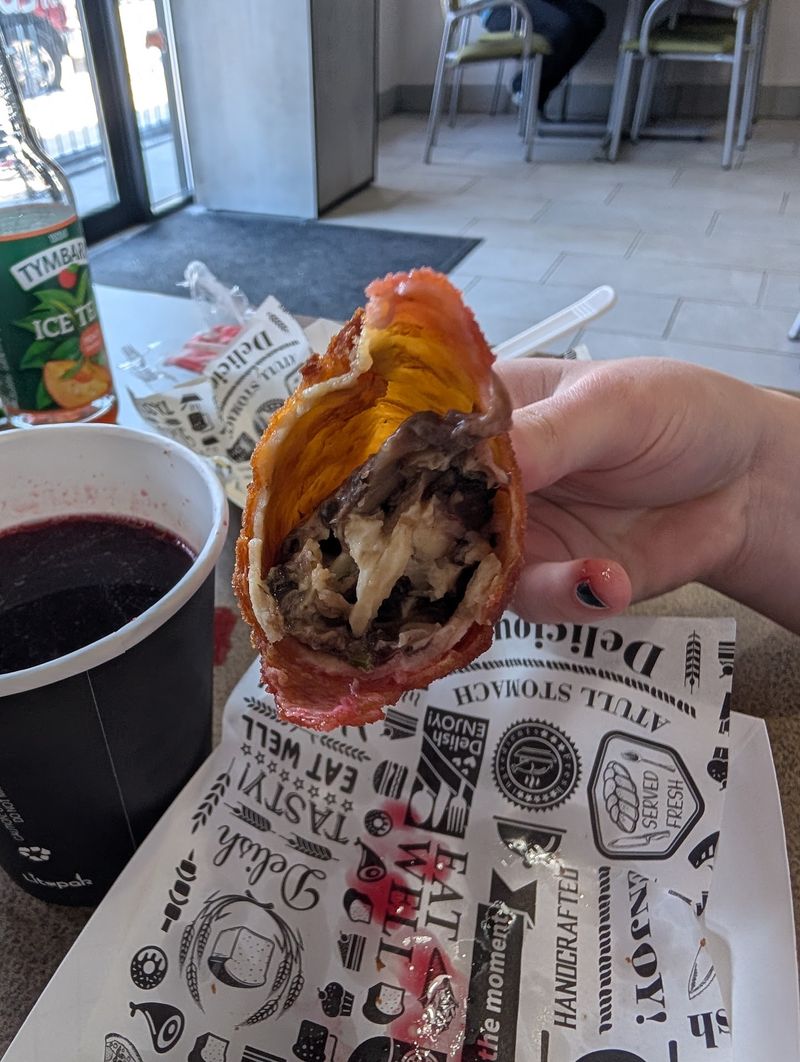
Not everything on the menu is strictly Polish, and that is part of the fun. The burnt ends have earned a loyal fan club.
Tom Baniak’s secret sauce is the reason why.
These smoky, crispy bites of pork get coated in a sauce that nobody outside the family seems to know the recipe for. Sweet, tangy, and a little bold, it brings out the best in every chewy edge.
Plenty of guests call it their favorite item, even over the pierogi.
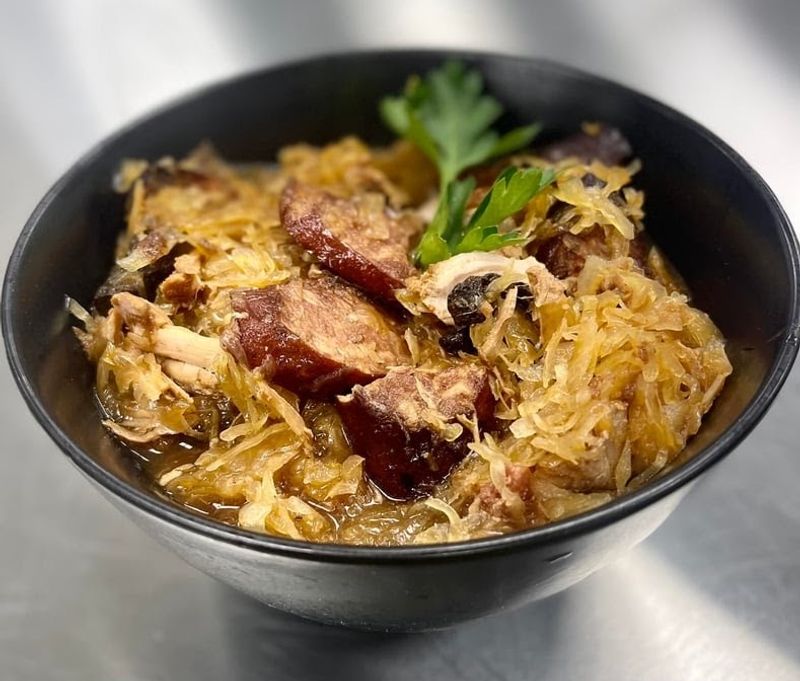
A burnt end kielbasa plate takes things a step further. Crunchy meat meets sauerkraut and sauce for a mix of flavors that feels part Polish and part Midwest backyard cookout.
It sounds unusual, but it works beautifully.
The kitchen also makes housemade sauces that blend traditional Polish spices with familiar American favorites like ketchup, mustard, ranch, and barbecue. That fusion lets picky eaters and adventurous eaters share the same table happily.
Burnt ends are also a popular catering pick, showing up at big family gatherings alongside creamy mac and cheese and light coleslaw. Feeding a crowd becomes much easier when the main dish is this good.
Bring napkins. Seriously, bring several.
This is the kind of food that gets a little messy, and nobody will mind one bit.
Hoosier Tenderloin Meets Polish Schnitzel
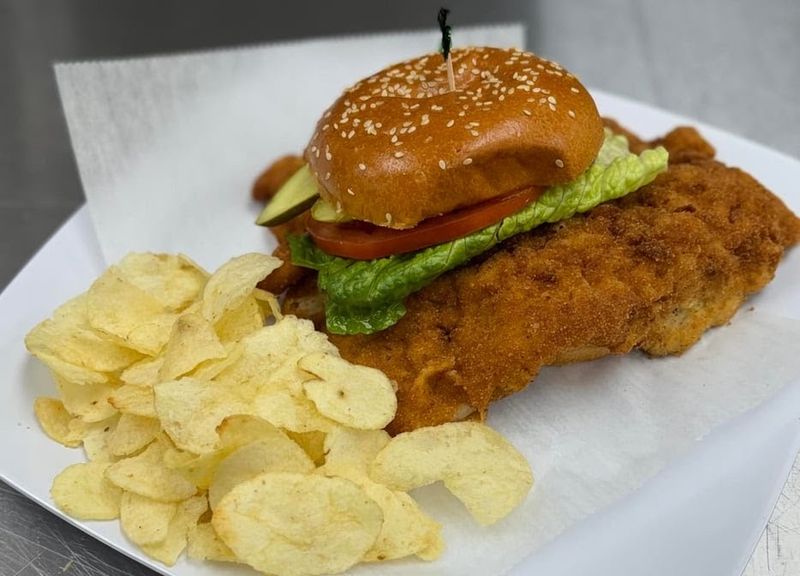
Indiana takes its breaded pork tenderloin very seriously, and Gosia’s Rustic Kitchen has earned a place on the Hoosier Tenderloin Trail. That alone says a lot.
The sandwich has become a favorite for locals who stop in for a familiar taste.
Tuesdays have even been known to turn into Tenderloin Tuesday, featuring a special limited menu built around this regional classic. Regular hours usually run Wednesday through Saturday, so watching the cafe’s announcements is the best way to catch any special days.
Here is a neat connection. Poland has its own cousin of the tenderloin called kotlet schabowy, a thin pork cutlet that is breaded and fried until golden.
The schnitzel here is big, crispy, and compared by Polish diners to what can be found in Krakow.
Seeing both dishes on one menu shows how nicely two food cultures can sit side by side. A Hoosier can try something new, and a Polish family can find a taste of home.
Portions run large across the menu. Anything labeled large or hungry can often feed two people, so sharing is a smart plan.
A tenderloin with a cabbage roll on the side makes a perfect first visit. Call it the best of both worlds, served on one tray.
Soups, Borscht, and a Dessert Case to Remember
Cold Indiana days call for something warm, and the soup lineup answers loudly. Broccoli cheddar and loaded potato soup with kielbasa are hearty favorites.
Weekly specials keep regulars guessing in the best way.
Borscht deserves a special mention. This bright red beet soup is served in a sippable style, almost like a warm drink, so it pairs with nearly anything on the menu.
It is a very traditional Polish way to enjoy it.
Beets also show up in a fresh beet salad and in croquettes stuffed with mushrooms. Even people who claim to dislike beets and mushrooms have been surprised by how tasty these turn out.
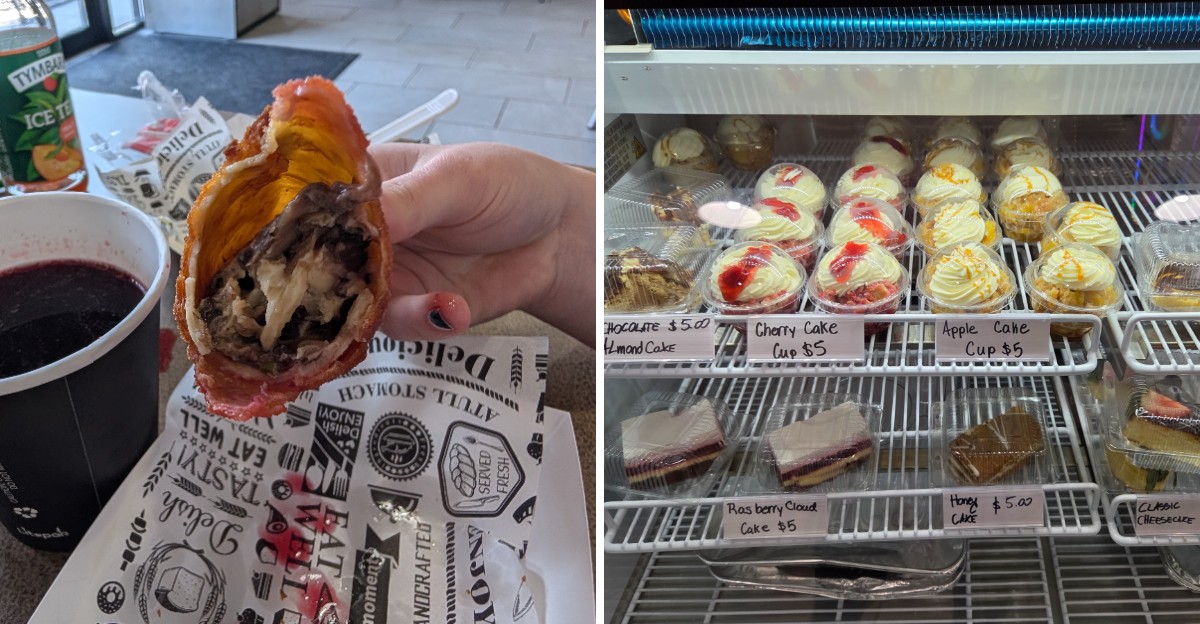
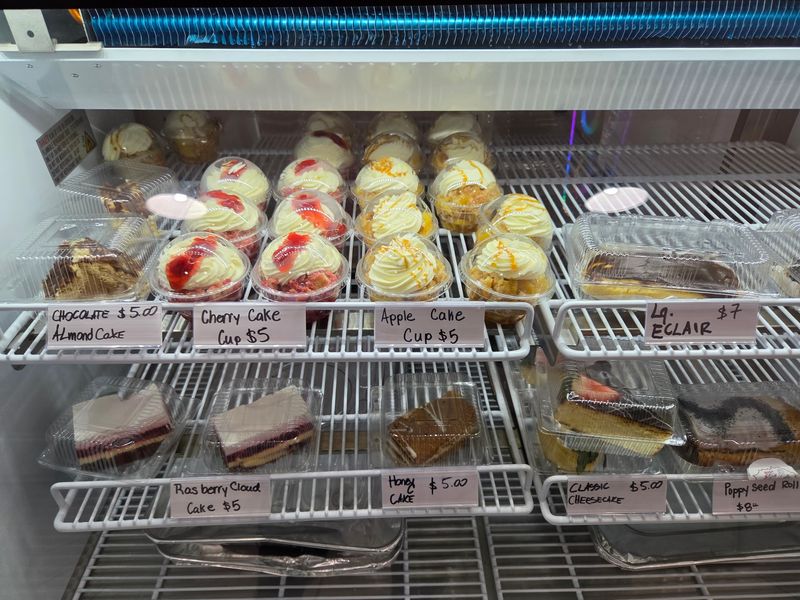
Then comes the dessert display. Homemade treats line the glass case, and it is hard not to stare.
Angel Wings, called chrusciki in Poland, are thin, crispy fried pastries dusted with powdered sugar that shatter with every bite.
Fun fact: chrusciki are often made before Lent in Poland, and families sometimes fry huge batches together. Each one is twisted by hand, which takes real patience.
Thick slices of cheesecake, like blueberry, have also tempted plenty of guests. The display cases hold take-home soups, meats, and sweets too.
Save room. Or grab a box to go, because leaving without dessert feels like a missed chance.
Small Town Warmth and Big Family Hospitality
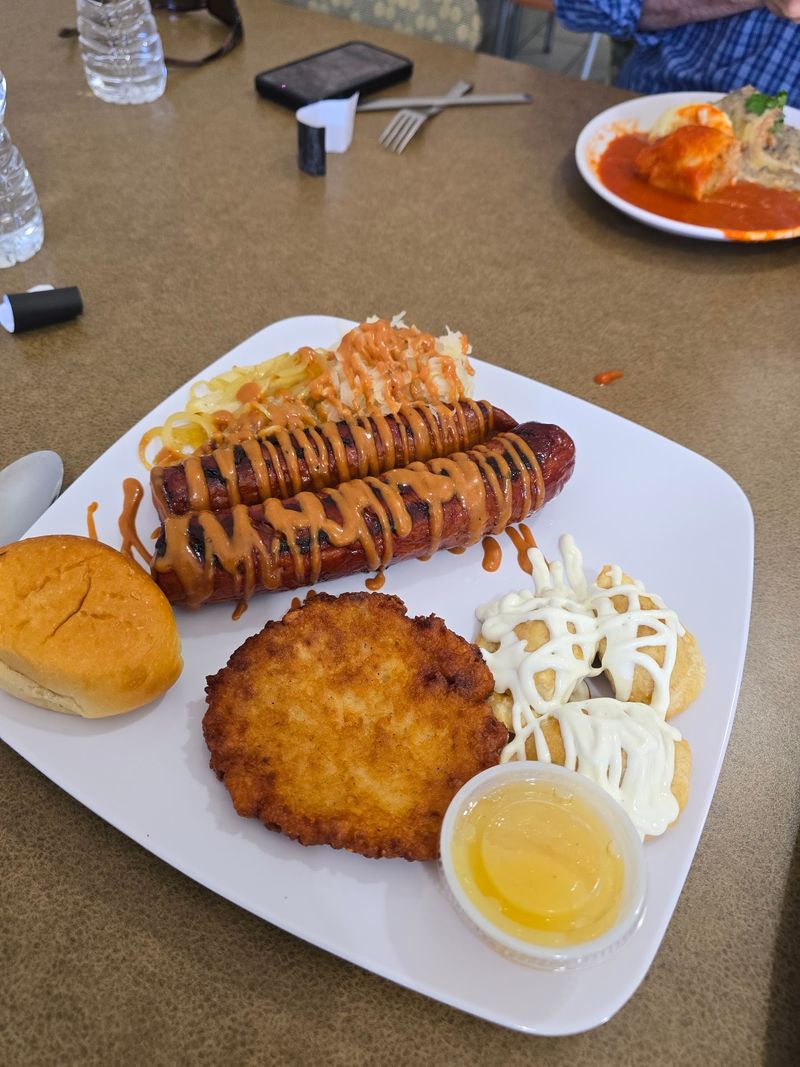
Polish hospitality is a real thing, and this cafe proves it daily. Maggie, Tom, and their daughters run the place as a true family business.
Guests often get to say hello to the owners right at the counter.
The dining area is simple and quaint, with a server bringing plates to the table and display cases showing off ready-to-go food. A high chair and a kids menu make it easy for families with little ones.
The room is known for being clean and welcoming.
Because the team is small, things can slow down during a lunch rush. Arriving with extra time and a big appetite makes the visit much more relaxing.
The kitchen goes above and beyond in small ways too. Some guests have asked about a special Polish dish and been told to call ahead so it can be made just for them.
That personal touch is hard to find anywhere.
Hours generally run 11 AM to 7 PM Wednesday through Friday, with Saturday starting early at 8 AM for breakfast and ending at 6 PM. Catering events can change the schedule, so checking ahead is wise.
The family also caters gatherings big and small, from birthdays to reunions of a hundred people. Either way, every plate leaves with a little extra love.
