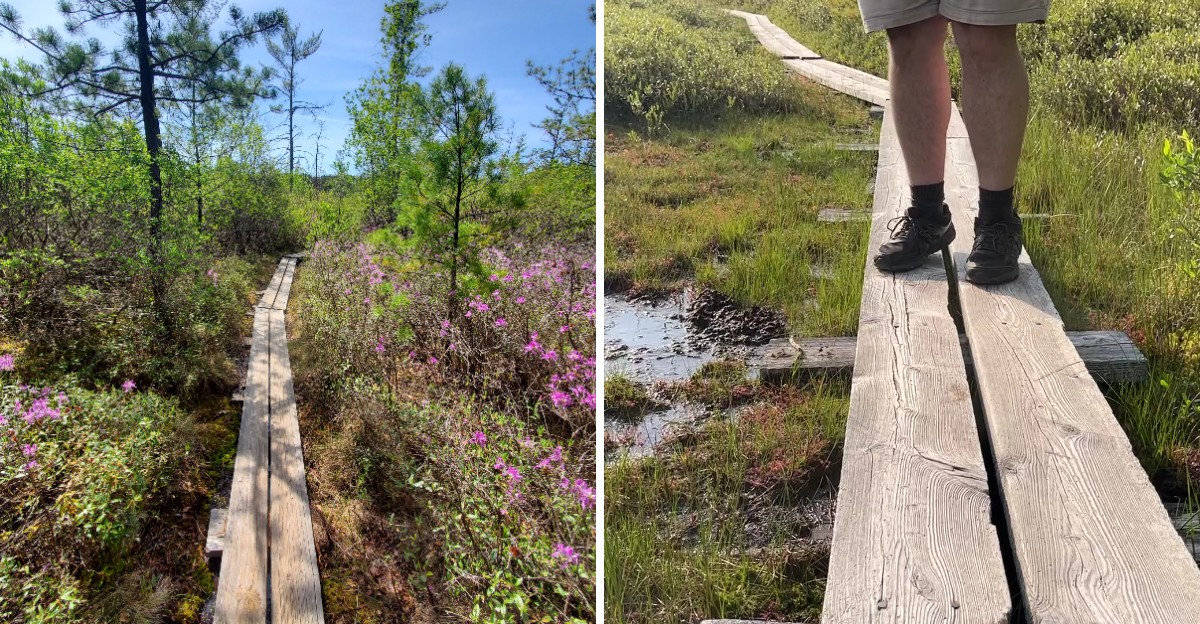
There is a boardwalk in New Hampshire that leads into a landscape most people have never seen up close. It winds through a bog, a rare ecosystem where the ground is spongy and the plants are unlike anything in the surrounding forest.
The boardwalk keeps your feet dry while letting you get close to the action. You will see mosses, shrubs, and carnivorous plants that survive in conditions most vegetation cannot handle.
The colors change with the seasons, from bright greens in summer to deep reds and golds in fall. The boardwalk is flat and accessible, making it an easy walk for almost anyone.
Benches are placed along the way so you can sit and take it in. Interpretive signs explain what makes this landscape so unusual.
This New Hampshire spot is quiet, educational, and completely unlike a typical hike. And once you see it, you will understand why it is worth protecting.
A Glacier Left This Soggy Souvenir Behind
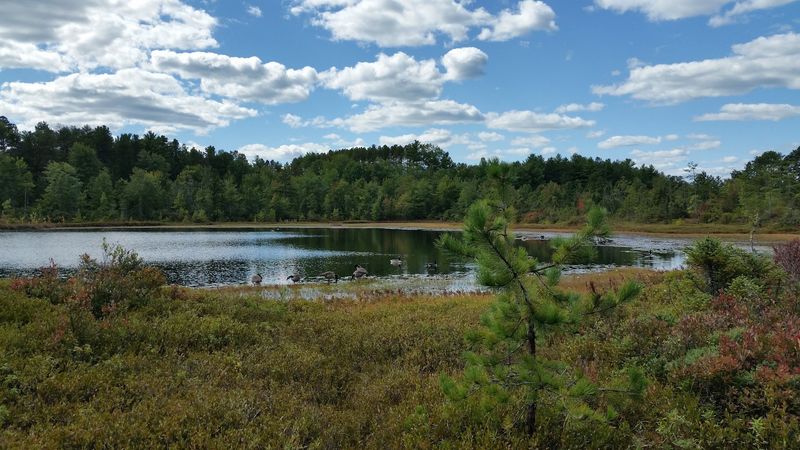
Long before anyone built a single plank here, a massive sheet of ice was grinding its way across the land. When the glacier finally melted and retreated, it dropped a huge chunk of ice that got buried in sand and gravel.
That buried ice slowly melted too, leaving behind a deep bowl in the ground. Scientists call this a kettle hole, and Ponemah Bog Wildlife Sanctuary sits right inside one.
Rain and groundwater filled it up, but with no stream flowing in or out, the water barely moved.
Stillness changed everything. Plants crept in from the edges, dead leaves and moss piled up, and over thousands of years the pond began shrinking as a mat of vegetation grew across it.
Today only a small patch of open water remains in the middle.
Think of it as nature pulling off a slow-motion magic trick. The pond is disappearing, but so gradually that nobody would notice in a lifetime.
Why does this matter on your walk? Every spongy step sits on top of centuries of packed plant material called peat.
Pretty wild for a spot in suburban New Hampshire, where lawnmowers hum just beyond the trees.
Walking on a Floating Carpet of Moss
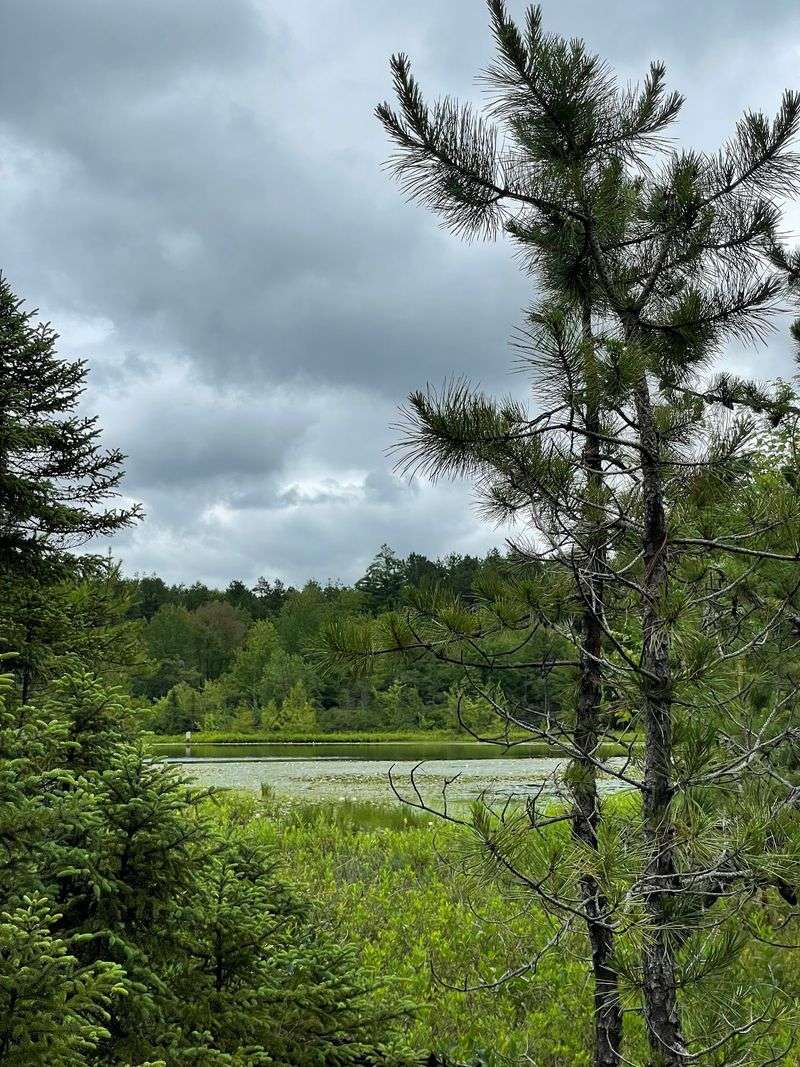
Squish, wobble, repeat. That is the soundtrack of a bog mat, and it is unlike any ground you have stood on before.
Sphagnum moss is the star here. This soft, spongy plant can soak up many times its own weight in water, which is why the whole mat feels like a giant waterlogged sponge.
Where the mat is thickest, shrubs and even small trees manage to grow right on top of it.
Chemistry makes the bog extra strange. Sphagnum releases acids into the water, turning it tea-colored and very low in nutrients.
Most plants hate these conditions, so only tough specialists survive.
Look for leatherleaf, a shrub with stiff little leaves, along with bog laurel, sheep laurel, and wild cranberry creeping low across the moss. Black spruce and tamarack stand along the edges like skinny sentries.
Tamarack is especially fun because it is a conifer that drops its needles every fall, turning gold first.
Here is the golden rule, though. Stay on the boards at all times.
The mat is fragile, and one careless step can damage plants that took years to grow. Plus, stepping off can leave you with a soggy shoe and a very embarrassing squelch.
Meet the Plants That Eat Bugs for Lunch
Forget the salad bar. Out on this bog, some of the greenery is hungry for meat.
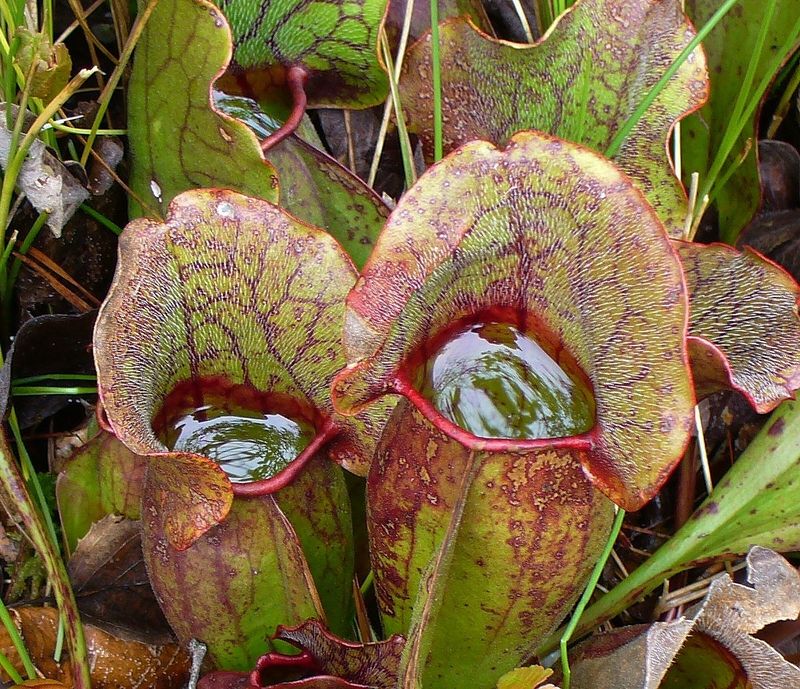
Purple pitcher plants are the headliners at Ponemah Bog, and they show up in big numbers. Each plant grows a cluster of curved, vase-shaped leaves that collect rainwater.
Bright red veins and a sweet scent lure insects to the rim.
Once a bug lands, trouble begins. Tiny downward-pointing hairs inside the leaf make climbing out nearly impossible, so the insect slips into the water and drowns.
The plant then absorbs nutrients from its prey, a clever workaround for living in soil with almost no food.
Why go carnivorous at all? Bog water is so poor in nitrogen that normal roots just cannot keep up.
Catching insects gives these plants the boost they need.
In late spring, pitcher plants send up tall stalks topped with nodding maroon flowers that look like tiny upside-down umbrellas. Spotting them against the green moss is a real treat.
Bring your camera, but keep your hands to yourself. Picking or poking these plants is not allowed, and they are protected for good reason.
Admire the deadly beauty from the boardwalk and let them get back to their buggy business.
Sticky Sundews and a Sneaky Underwater Trap
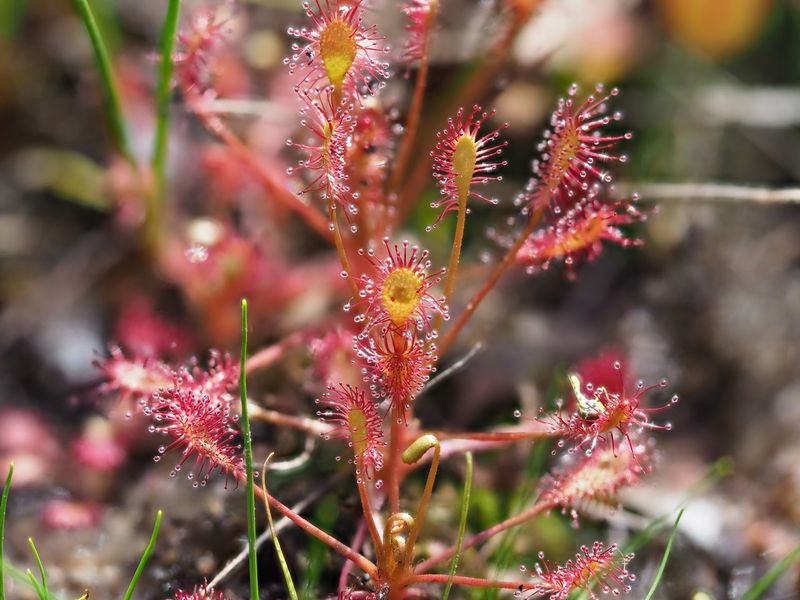
Blink and you will miss them. Sundews are so small that many people walk right past without realizing a tiny predator sits inches from their sneakers.
Round-leaved sundews grow in little rosettes, often tucked into the sphagnum near the boardwalk. Each leaf is covered in reddish hairs tipped with glistening drops of goo.
Those drops look like morning dew, which is exactly the trick.
Insects land expecting a sweet sip and get stuck instead. Slowly, the leaf curls around its victim and digests it.
Nature documentaries wish they had drama this good.
Timing helps if you want a closer look. Pitcher plants are easy to spot by late spring, while sundews tend to be most noticeable in summer, so plan a midsummer walk if these sparkly little hunters top your list.
Bladderwort is the real ninja of the bunch. Floating in the open water, this plant has tiny bladders that snap open in a fraction of a second, sucking in water fleas and other critters.
Its yellow flowers poke above the surface, while the traps hide below.
A small magnifying glass or hand lens turns this section into a science lab. You might feel like a botanist on a treasure hunt, and honestly, you kind of are.
Balance Beam Vibes on a Skinny Boardwalk
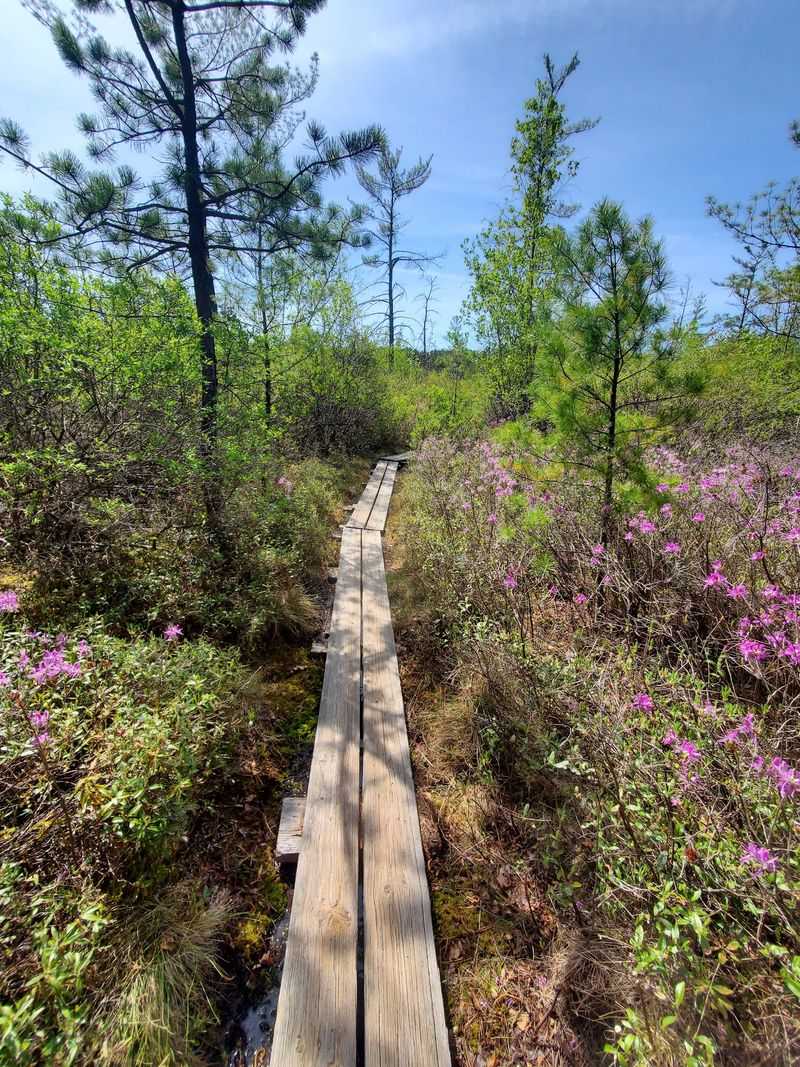
Tightrope walkers, take note. Most of the trail here is made of two narrow planks laid side by side, stretching through the woods and out across the bog.
It is charming, a little quirky, and not completely level. Some boards tilt at an angle, and a few spots feel slightly bouncy as the mat shifts underfoot.
Keeping your eyes on your feet is smart, especially on damp mornings when the wood gets slick.
Families with young kids can absolutely enjoy the walk. Holding hands side by side is tough on such a skinny path, though, so little ones should be able to walk carefully on their own and follow directions.
Accessibility is limited. The trail is not suitable for wheelchairs, and wide, rugged strollers may not fit the boards, although a slim standard stroller can usually manage.
Volunteers and New Hampshire Audubon work hard to repair and replace worn sections, so you will notice fresh planks mixed in with weathered ones. That patchwork look is part of the charm.
It shows a community that cares about keeping this path open.
Wear sturdy shoes with good grip. Waterproof ones are even better, because bog puddles have a way of finding the one sneaker you forgot to treat.
One Direction Only, and Yes It Matters
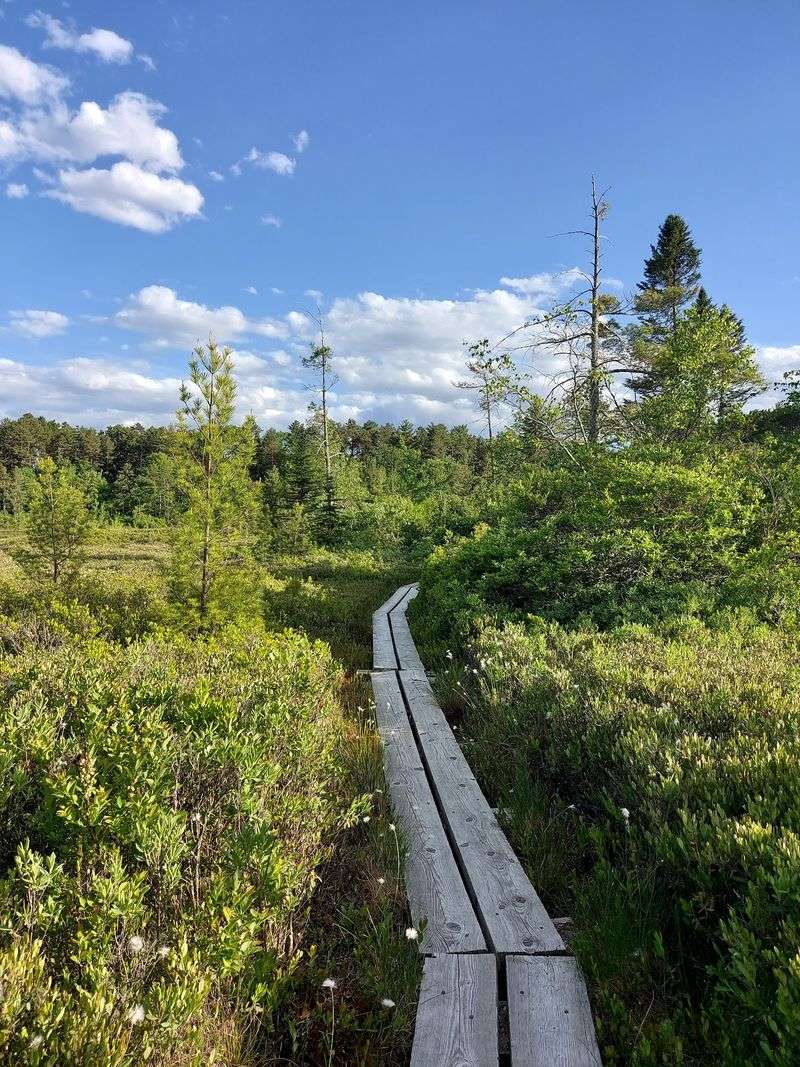
Rules can feel like a buzzkill, but the ones here make total sense once you see the trail.
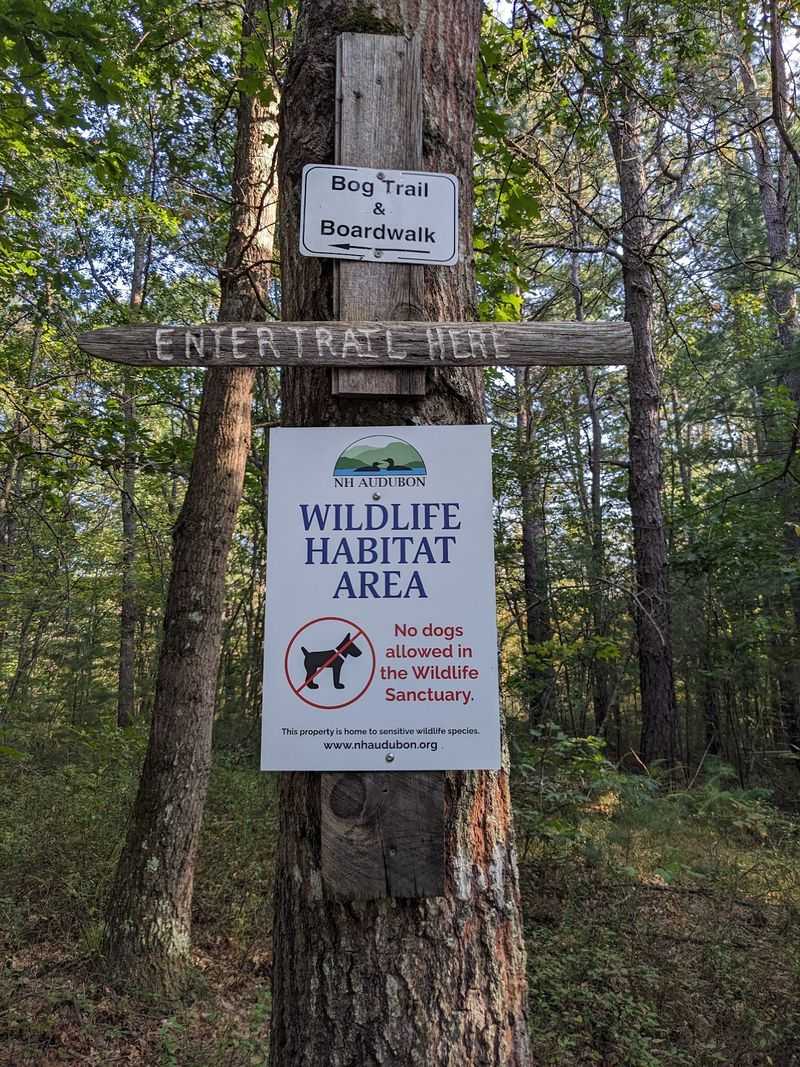
The loop at Ponemah Bog Wildlife Sanctuary runs in a single direction. Signs point the way, and following them keeps everyone moving smoothly.
On a path this narrow, two people heading toward each other is an awkward dance nobody wants to perform over squishy moss.
Dogs are not allowed anywhere in the sanctuary. Even the best-behaved pup could trample fragile plants or disturb nesting birds, so leave your furry friend at home for this one.
Carry in, carry out is the policy for trash. Tuck a small bag in your pocket for wrappers and bring every bit of it back out with you.
Picking plants, including those famous pitcher plants, is off limits. Same goes for wandering off the boardwalk to grab a closer photo.
Zoom lenses exist for a reason!
A kiosk near the start has a map and helpful info about the bog. Spend a few minutes reading it before you set off.
My favorite tip for any first-timer is simple, slow down. The loop is short, and rushing through it misses the whole point of this peaceful little world.
Front Row Seats at the Water’s Edge
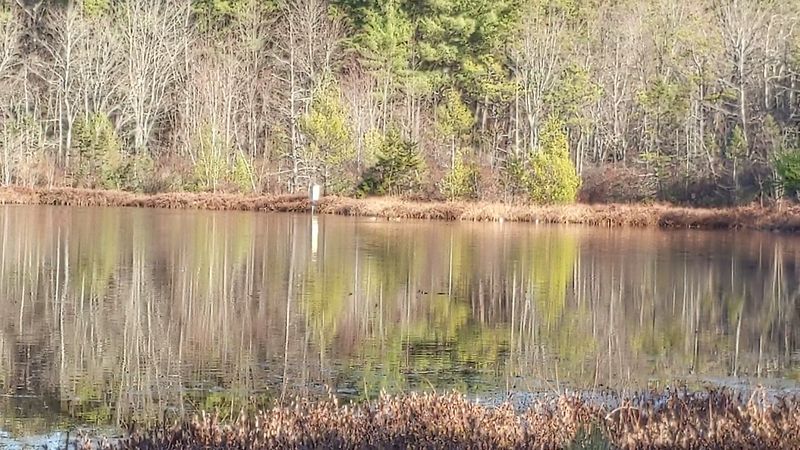
Birdwatchers, grab your binoculars. Several short spur paths branch off the main loop and lead to wooden observation platforms right beside the open water.
These little decks are the best seats in the house. Some have benches, so you can settle in and let the bog come to you.
Sitting still for a few minutes often pays off more than walking fast ever could.
Wood ducks are a crowd favorite, with the males sporting colors so flashy they look painted by a kid with a brand-new marker set. Other ducks paddle through too, and songbirds flit among the shrubs and trees along the edge.
Listen closely and the air fills with chirps, trills, and the occasional screech from a hawk overhead.
Dragonflies zip across the water on sunny days like tiny helicopters on patrol. Frogs plop into the shallows, and if you are lucky, a snake might slither by in the sedges.
Farther from the pond, an upland overlook offers another angle on the bog. Picnic tables sit along the route as well, perfect for a snack break.
Morning is prime time. Early light glows through the trees and bounces off the dark water, and the whole place feels wonderfully calm.
Every Season Paints a New Picture
Spring arrives with a burst of energy. Birds return, frogs start calling, and by late spring the pitcher plants are up and blooming with their odd maroon flowers.
Summer brings the full show. Sundews sparkle in the moss, dragonflies patrol the pond, and wild orchids may pop up in pink among the greenery.
Sun on the open bog can be surprisingly strong, so a hat is a smart idea.
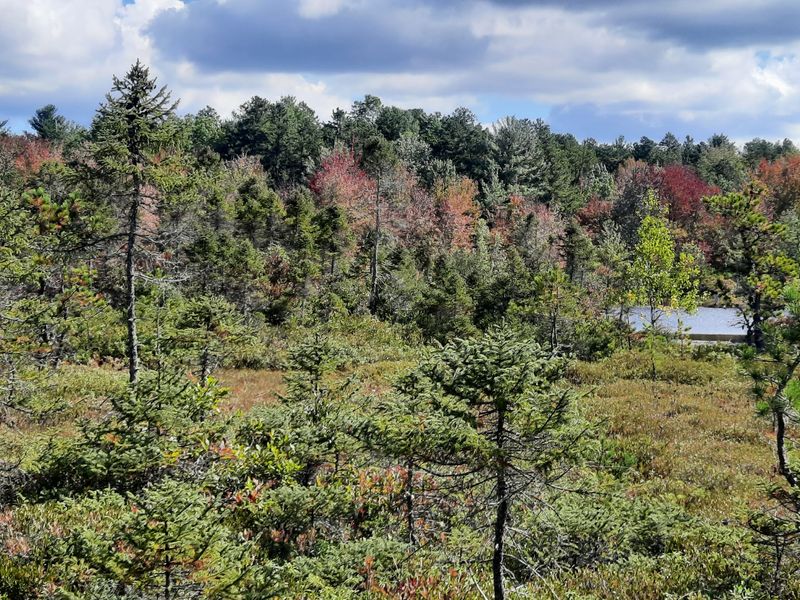
Autumn might be the most photogenic time of all. Leatherleaf and blueberry bushes blush red, and the tamaracks turn a glowing golden yellow before dropping their needles.
Against the dark water, the colors look almost unreal.
Winter is quiet and stark. Wildlife sightings are fewer, but the bare landscape shows off the shape of the kettle hole in a way leafy months hide.
Snow and ice can make the planks slippery, so extra care is essential.
Honestly, there is no bad season here, just different moods. Coming back throughout the year is like rereading a favorite book and noticing new details each time.
New Hampshire is famous for its fall foliage road trips. Adding this soggy stop to your autumn route gives you colors at your feet instead of just on distant hillsides.
Pack Smart for a Bog Adventure
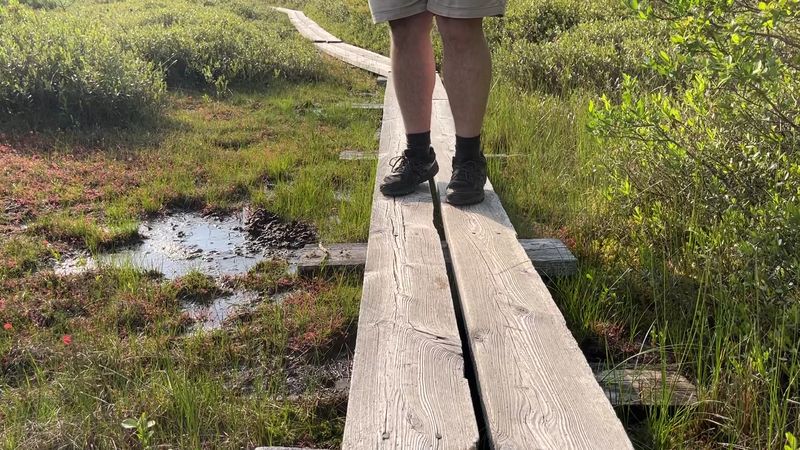
Ticks love this place almost as much as the birds do. Blades of grass poke up between the planks, and those tiny hitchhikers wait there patiently for a passing ankle.
Bug spray is your first line of defense. Apply it before you start, wear light-colored long pants if you can, and do a thorough tick check once you are back at the car.
Mosquitoes can show up in summer too, so the spray does double duty.
Binoculars turn a distant blur into a wood duck. A hand lens reveals the sticky hairs on sundews and the veins inside pitcher plant leaves.
Together, they make the walk feel like a nature detective mission.
Sun protection matters more than you might think. Trees shade the path through the woods, but the open bog has little cover, so a hat and sunscreen are wise.
Water and a light snack are handy, especially if you plan to linger at the picnic tables. Just remember to carry every scrap back out.
Shoes deserve a final thought. Waterproof footwear with solid grip keeps you steady on the planks and dry when puddles appear.
Leave the flip-flops at home unless you enjoy the thrill of wobbling over a moss swamp.
Finding Your Way to This Quirky Corner of Amherst
Getting here feels a bit like a scavenger hunt. The sanctuary hides at the end of a residential street in Amherst, just off Route 101A, and you might wonder if your GPS has lost its mind.
Trust the directions. A parking area sits right by the trailhead, with a decent amount of space.
Neighbors live close by, so keep voices low and respect the quiet.
Plug in Ponemah Bog Trail, Amherst, NH 03031 and you will land at the entrance. Ponemah Bog Wildlife Sanctuary is owned and cared for by New Hampshire Audubon, which offers occasional guided walks and relies on volunteers to keep the boardwalk in shape.
Checking their website before you go is a great way to catch a special event.
Plan on a quick loop or a lazy afternoon. Some folks breeze through in no time, while others park themselves on a bench with a book and lose track of the clock.
I think this spot proves that the coolest adventures in New Hampshire do not always need a mountain. So grab your binoculars, lace up those waterproof shoes, and go say hello to the hungriest plants in the Granite State.
They are waiting, and they are not picky eaters.
