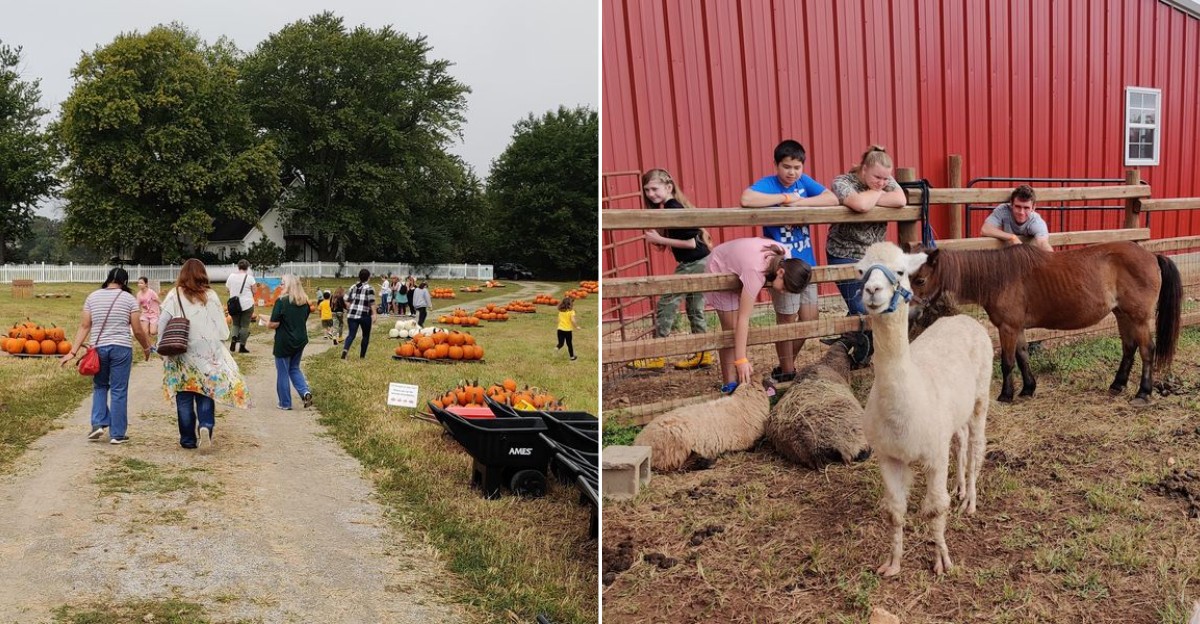
Ever visited a farm market where the hardest part is deciding what to take home? This Oklahoma destination combines a working farm with a country store filled with handmade goods, pantry treats, gifts, and other rustic finds.
Shelves and displays offer plenty to browse, from locally made items and farm products to seasonal treasures that catch your eye as you wander. The experience goes beyond shopping, too, with farm animals, gardens, and other features adding to the relaxed country atmosphere.
It is easy to arrive with one thing in mind and leave with several unexpected favorites. The market has the kind of charm that rewards a slow browse rather than a quick stop.
Add in the surrounding farm setting, and you have a pleasant outing that blends shopping, rural scenery, and plenty of little discoveries.
The Farm Store That Pulls You In First
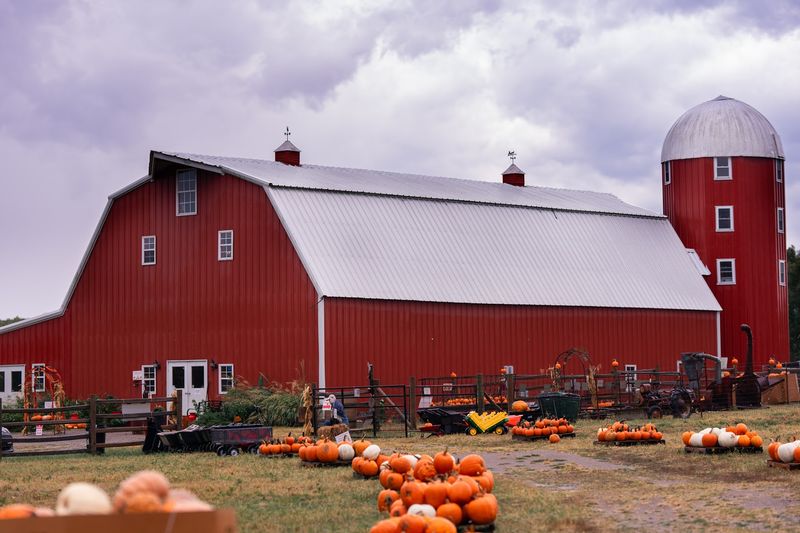
Walk through the door of the farm store and your eyes do not know where to land first, because the shelves are packed from floor to ceiling with things made by hand. It works as a farmer’s market hub, which means a lot of what you see came from local artisans rather than a warehouse somewhere far away.
You will find decor pieces, gift items, and handcrafted iron work that has that heavy, well-made feel you rarely see anymore. There is something satisfying about picking up an object and knowing a person in Oklahoma actually shaped it with their hands.
Give yourself more time here than you think you need, because the store is the sort of place where you circle back around and notice a whole shelf you somehow walked right past. Bring a basket or grab a wagon if one is available, since carrying everything in your arms gets awkward fast.
If you are shopping for someone who is impossible to buy for, this is a good place to solve that problem. The mix of homegrown and handmade means you walk out with something nobody else at the gift exchange will have thought of.
Farm-Fresh Food You Can Actually Trace
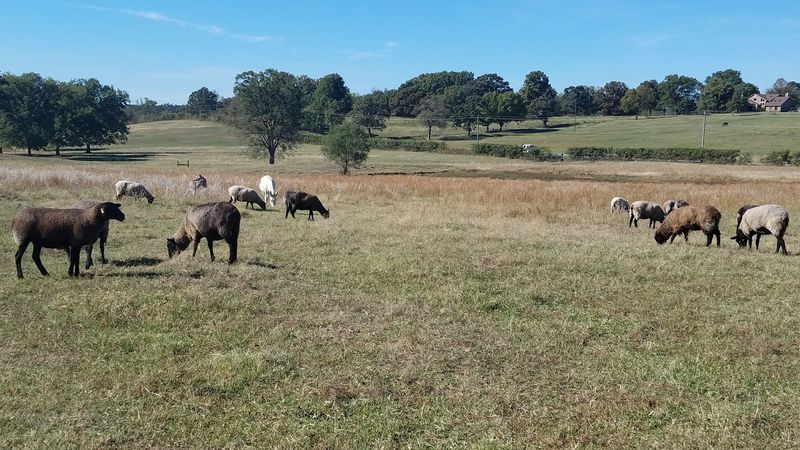
Here is where the working part of the working farm really shows up, because the produce sold here is naturally grown right on the property. They also carry USDA-certified pasture-raised lamb and beef, which is a rare thing to find where you can see the pastures out the window.
The farm raises its own hay, pecans, and walnuts, plus garden vegetables that rotate depending on what the season is doing. You can visit Shepherd’s Cross at 16792 E 450 Rd, Claremore, OK 74017, and stock up on natural foods pretty much all year long.
Bring a cooler if you are planning on taking meat home, especially in warmer months when the drive back matters. It is a small bit of planning that saves you from making a hard choice in the parking lot.
What I like about buying food this way is that there is no guessing involved regarding where any of it came from. The animals grazed on land you just walked past, and the vegetables came out of soil you can see from the driveway, which is about as clear a supply chain as anybody could ask for.
Wool Goods Made Right There On Site
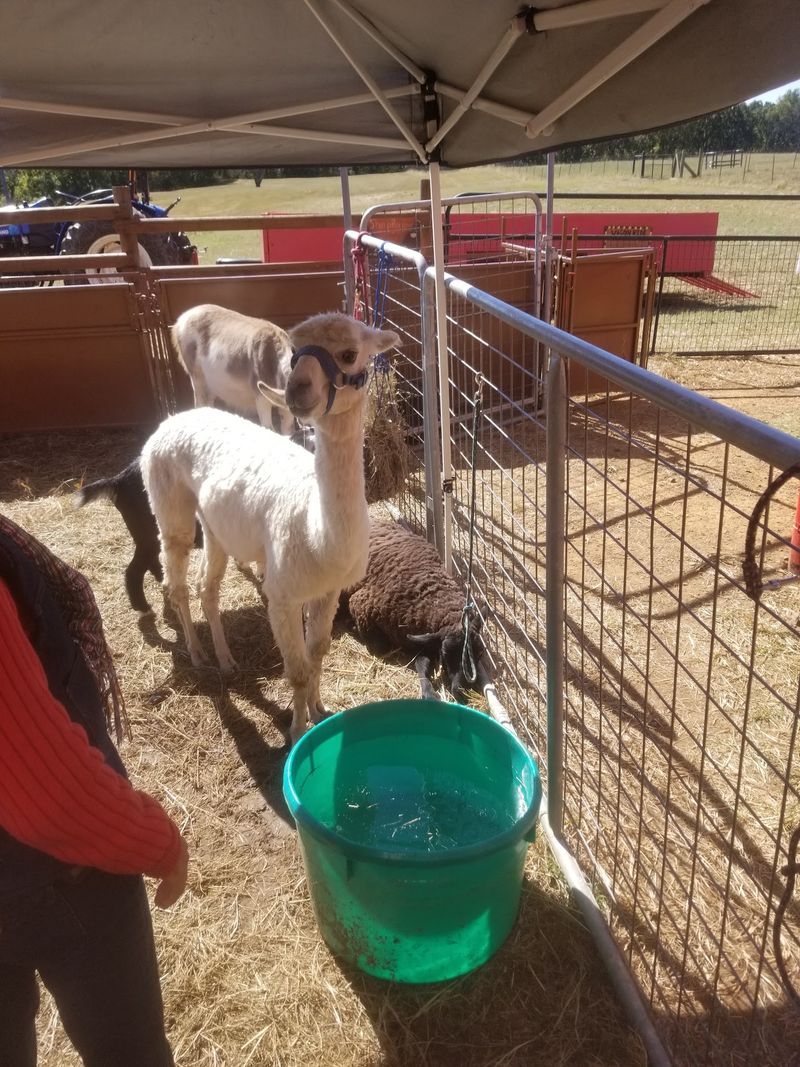
Not many farms can say they have their own wool mill, but this one does, and that changes what ends up on the shelves. The sheep grazing outside grow the fleece, and the fiber gets processed on the property, so the yarn you pick up has a very short travel history.
Expect to find yarns in a range of weights, raw fibers if you spin your own, and finished pieces like hand-crafted wool rugs and blankets. Anybody who knits, weaves, or felts is going to lose track of time in this corner of the store.
They also stock spinning and weaving supplies, which is genuinely hard to come by in most of Oklahoma without ordering online and hoping for the best. Being able to feel a fiber before you commit to it makes a real difference.
Wool blankets last decades if you treat them right, so think of one as something you keep rather than something you use up. And if you are new to fiber arts and just curious about how any of it works, nobody expects you to arrive knowing the difference between roving and top.
Jams, Fudge, And The Sweet Shelf
There is a whole section here devoted to the kind of food that makes a good gift and an even better snack in the car on the way home. Amish jams and jellies line the shelves in enough varieties that picking just one turns into a small debate with yourself.
Alongside those you will spot baked goods, fudge, candies, dried fruits, and nuts, which covers just about every craving a person can have. The fudge in particular tends to move fast, so I would not save it for the end of your visit.
Honey shows up too, sometimes from bees kept right on the farm and sometimes from beekeepers nearby, which means the flavor shifts with whatever was blooming. Local honey has a following for good reason, and folks who deal with seasonal sniffles swear by the stuff.
My honest advice is to buy a couple extra jars beyond what you think you need. Pantry goods like these are the easiest thing in the world to hand off when you visit somebody, and having a spare on the shelf saves you a scramble later.
Antique Equipment Inside The Educational Silo
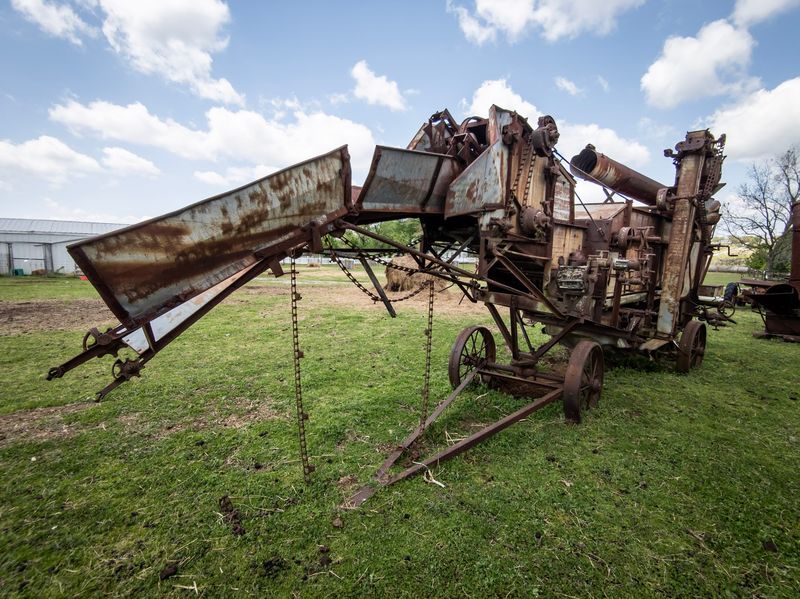
Tucked into the property is a farm museum and educational silo filled with antique farm equipment, and it is far more interesting than that description makes it sound. Old tools have a way of showing you exactly how much muscle went into work that a machine handles in minutes today.
Standing in front of a piece of hand-cranked equipment and figuring out how it functioned is a small puzzle, and kids tend to get weirdly into it. Adults do too, honestly, especially anyone whose grandparents farmed.
The collection gives real context to agricultural heritage in this part of Oklahoma, where farming shaped towns, families, and the way land got divided up. Seeing the gear makes the history feel less like a chapter in a book and more like something people lived through.
Take a slow lap through it before or after you shop, since it puts everything else on the farm in perspective. When you walk back out and see the pastures and the barn, you understand a little better how much labor sits behind a jar of preserves or a wool blanket.
A Quiet Walk Through The Bible Gardens
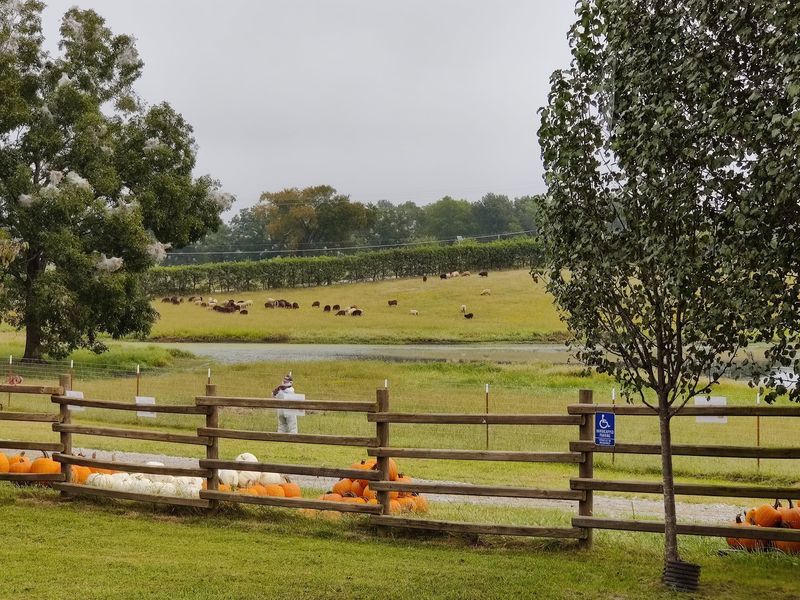
Slow down when you get to the Bible Gardens, because rushing through would defeat the whole point of them. More than a hundred different plants grow here, and each one has a sign that explains what it is and why it matters.
Reading your way along the path turns a garden stroll into something closer to a self-guided lesson, and you do not need any particular background to enjoy it. The signs do the work for you.
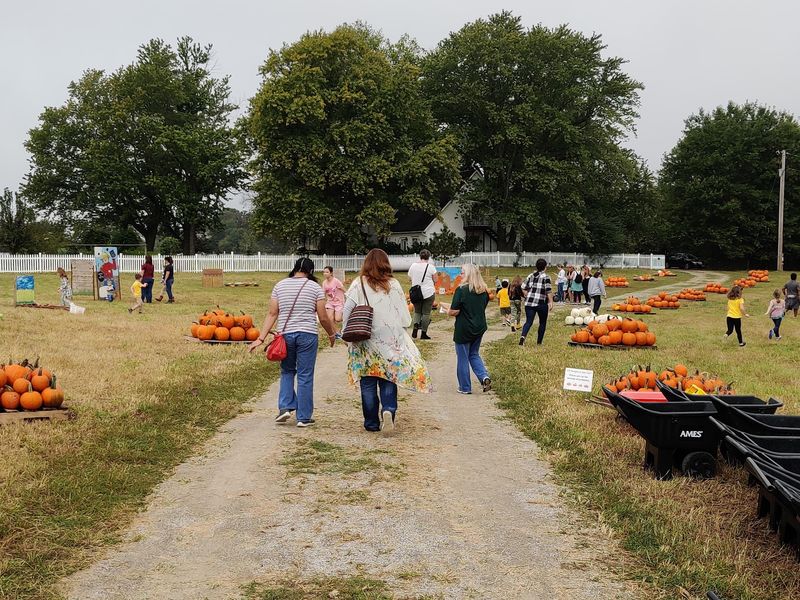
Come in autumn and the gardens shift, with a fall planting bringing pumpkins and seasonal blooms into the mix. The color change alone is worth timing a visit around if you are flexible about when you drive out.
What strikes most people is how quiet it gets out here compared to anywhere with traffic nearby. You hear wind, birds, and the occasional sheep, and that is about the extent of it.
If you need a breather partway through your visit, this is the spot to take it. Find a place to stand, look out over the rolling hills, and let the rest of the day catch up with you before you head back toward the store.
Say Hello To The Sheep, Goats, And Alpacas
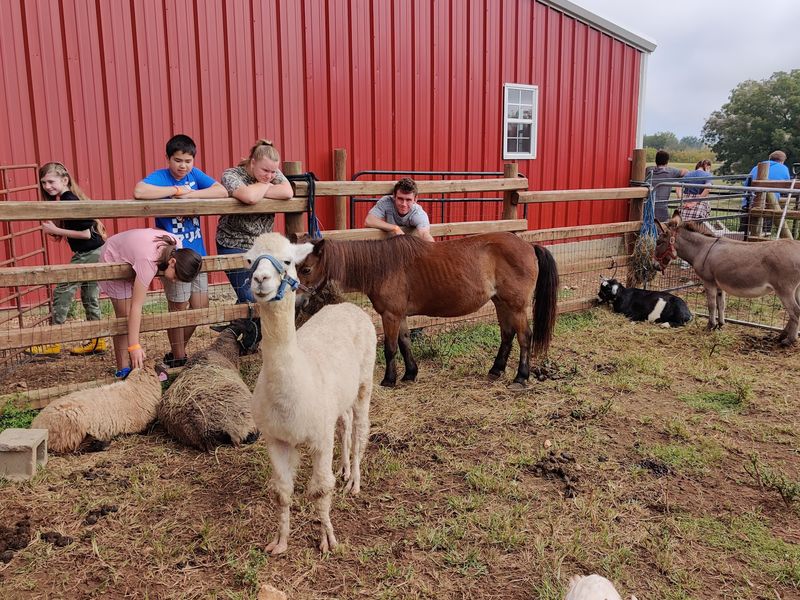
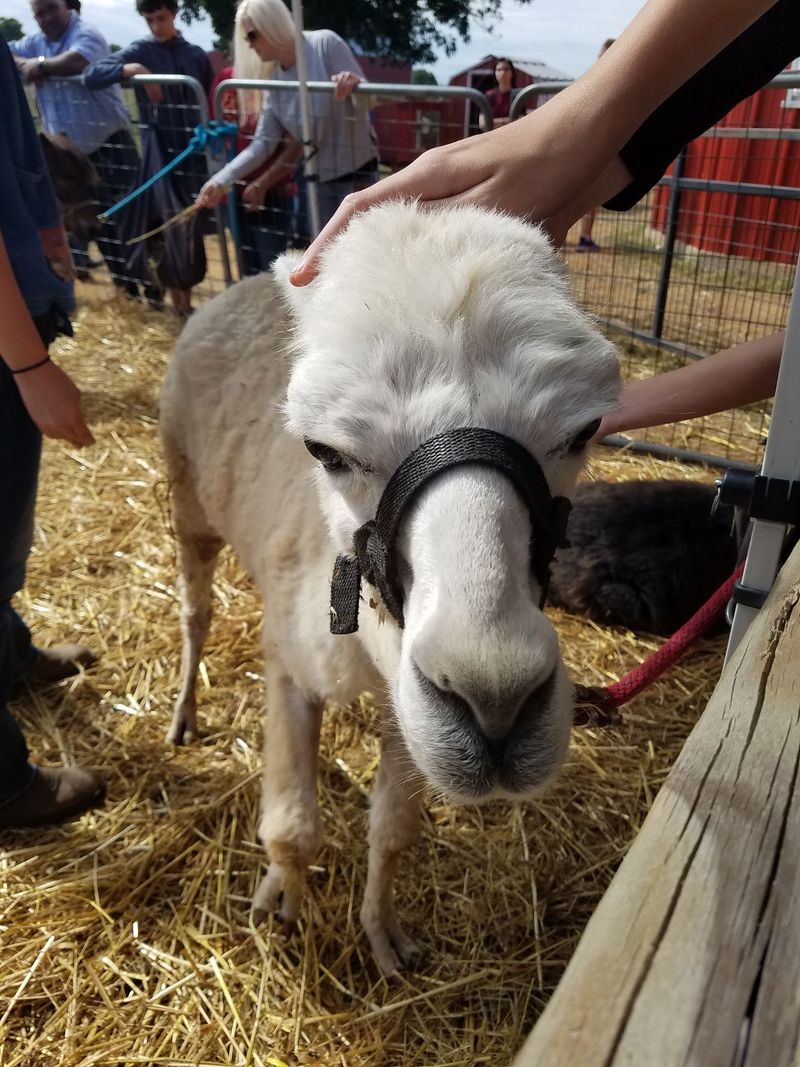
Kids lose their minds over this part, and plenty of grown adults quietly do the same. The farm keeps sheep, goats, donkeys, and alpacas, and visitors get to walk up and pet them rather than looking over a fence from a distance.
Alpacas have a way of studying you with those enormous eyes that makes everybody reach for a camera. The donkeys are characters in their own right, and the goats are exactly as nosy as goats always are.
Since this is a working sheep farm, the animals are not just here for show, which somehow makes meeting them feel more genuine. These are the same sheep whose wool ends up in the mill and eventually on the shelves inside.
Wear shoes you do not mind getting dirty, because pastures are pastures no matter how tidy a place is. Closed toes are the smart call, especially for little ones who will want to get close.
Follow whatever guidance the farm gives about feeding and handling, since it keeps both you and the animals comfortable. A calm approach usually gets you a much friendlier reception than charging straight at them.
Classes Where You Learn To Make Something
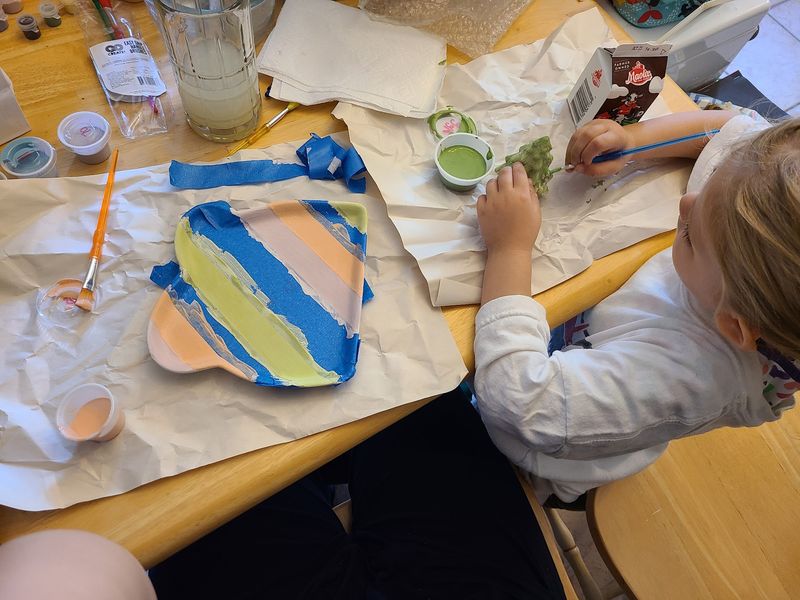
Beyond browsing and petting animals, the farm runs actual educational programs, and that is where things get fun for hands-on types. Shepherding tours walk you through how sheep farming really operates, from grazing to fleece.
Fiber arts classes cover skills like felting, knitting, and weaving, so you can take raw wool knowledge and turn it into something you made yourself. Learning to felt on a farm that grows the wool is a pretty direct way to understand the whole chain.
Animal husbandry classes go deeper for anybody thinking seriously about keeping livestock, or just curious about what daily care actually involves. It is practical information, not theory.
Reach out ahead of time if a class interests you, because sessions fill and schedules shift with the farming calendar. Showing up hoping for a spot is riskier than making arrangements first.
What I appreciate about this setup is that it treats visitors like people capable of learning a craft rather than just customers passing through. You leave with a skill, or at least the beginnings of one, and that sticks around a lot longer than a souvenir does.
Seasonal Festivals Worth Planning Around
Time your trip right and you land in the middle of something special, because the farm leans hard into seasonal celebrations. The Pumpkin Festival in fall brings a walk-through pumpkin patch, a hay maze, and outdoor games that keep kids busy for hours.
Come Christmastime there is a Living Nativity, which is one of those events people drive a good distance for and then talk about afterward. Seeing it staged on an actual farm with actual animals hits differently than a stage version would.
Spring brings Woolly Weekend, when sheep shearing demonstrations take center stage and you get to watch fleece come off in one impressive piece. If you have ever wondered how a sweater begins, this answers it.
Festival days draw bigger crowds, so arriving earlier in the day usually means easier parking and more elbow room in the store. Weekdays during festival season tend to be calmer if your schedule allows it.
Between the fall pumpkins, the winter nativity, and the spring shearing, this Oklahoma farm gives you three completely different reasons to make the drive out to Claremore.
