Dinner ingredients rarely travel this short a distance, sometimes just steps between the field and the kitchen door in Oregon.
Vegetables get pulled fresh depending on what’s actually ready that day, menus shifting slightly based on harvest rather than sticking to a fixed rotation. Nothing arrives frozen or shipped from far away either, the whole operation built around proximity instead of convenience.
Running a restaurant this connected to its own field takes more coordination than most kitchens bother attempting. This one commits fully anyway, letting the literal ground outside dictate what shows up on plates inside just hours later.
Diners who eat here once tend to notice the difference instantly, understanding exactly why fresh means something different at this particular farm table. That difference is exactly what keeps people driving back out here in Oregon.
A Drive Down Grange Hall Road
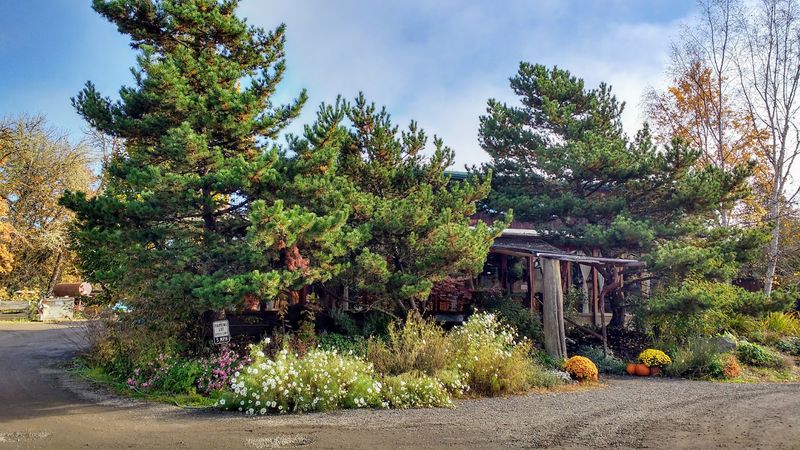
Grange Hall Road does half the work before the food even shows up. Pavement narrows, hedgerows close in, and rows of crops stretch out on both sides of the car.
Philomath sits just a few minutes back, but out here the noise drops away. Tractors sometimes have the right of way. My favorite part is the moment the farm buildings appear, low and weathered, with greenhouses glinting behind them.
Parking is tight, so patience helps. The lot fills quickly during open hours, and drivers tend to tuck in wherever they fit. A quick loop around the gravel usually turns something up, and arriving before the rush makes the whole thing easier.
What surprises most first-timers is how little signage there is. Blink and the driveway slides past. Keep an eye out for the produce stand near the road, because that is the real marker, and once you spot it the seasonal meals are only steps away.
The Farmstand Just Inside The Door
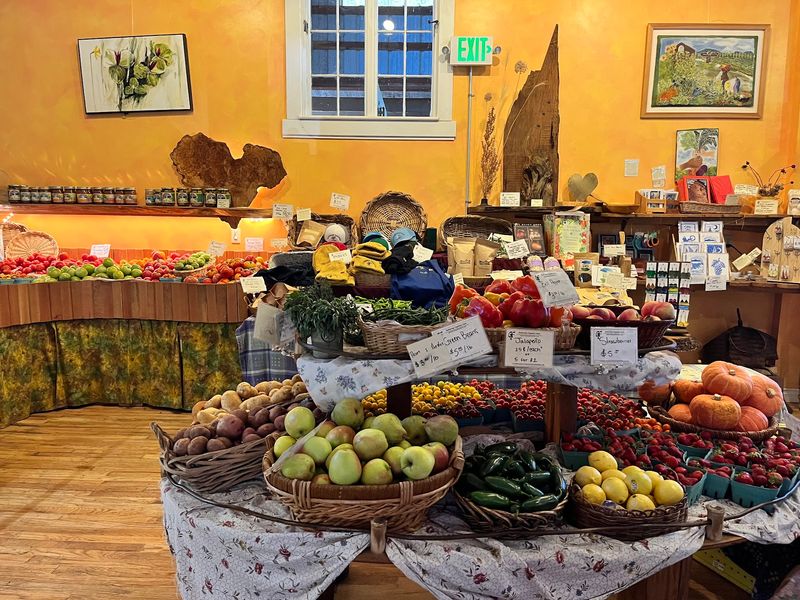
Shopping before eating turned out to be a small mistake, because my arms were full of vegetables before a table was even ready. Crates of produce sit right by the entrance, harvested from the ground outside.
Jams, pickles, flowers, and little gift items share shelf space with the greens. Loaves and pastries fill a case near the counter. The selection shifts constantly, which keeps repeat visits interesting.
Popular things sell out, especially bread later in the day, so going early is the trick. Anything you buy rides home smelling faintly of soil and herbs, which I count as a bonus rather than a problem.
Staff can tell you what came in that morning, and the answer changes week to week. Some products can be shipped, handy for anyone who falls hard for a particular jar. Bring a sturdy tote bag, since one rarely leaves this room empty-handed.
Seating Under A Bright Sliding Glass Room
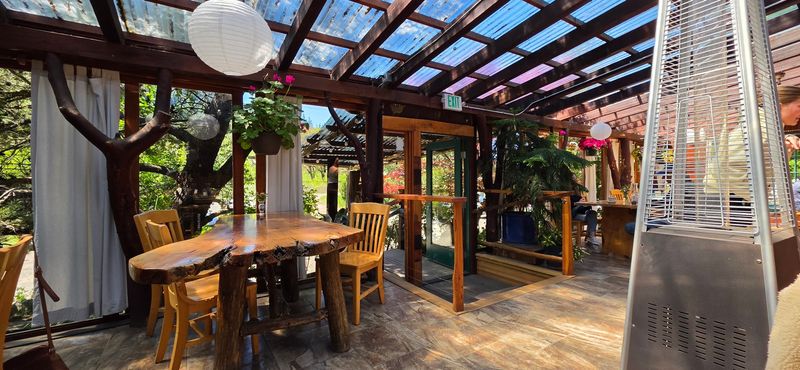
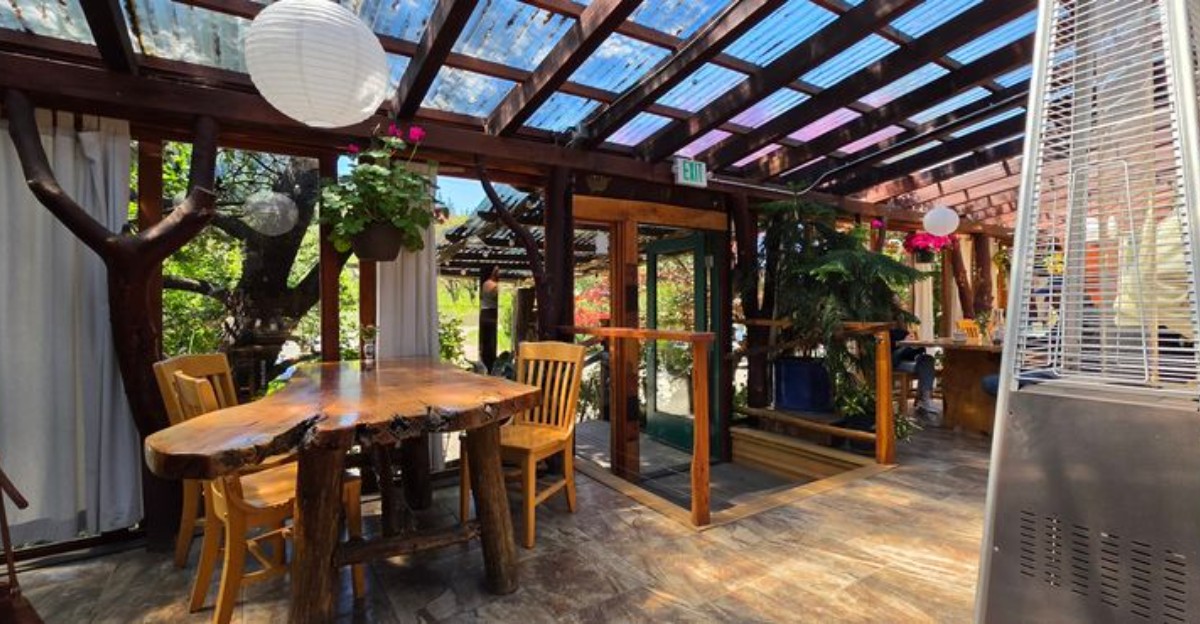
The dining room caught me off guard. Sliding glass windows open along one side, and a clear corrugated roof lets daylight pour straight down onto the tables. Kitchen sounds drift over from one end, gentle and steady.
Hanging planters dangle overhead, rustic wood meets tidy place settings, and the room reads casual without feeling thrown together. Seating feels generous rather than packed. Rain tapping on those roof panels somehow makes lunch cozier.
Because the windows slide open, the space changes with the weather. Warm afternoons feel almost outdoors. Cooler days bring the glass down, and the light still keeps everything bright, so the room handles Oregon moods well.
Noise stays low, so conversation is easy and nobody gets rushed out of a chair. My advice is to grab a spot near the open windows, since the breeze carries soil, herbs, and whatever is baking. That combination beats any playlist.
Fields Framed By Every Window
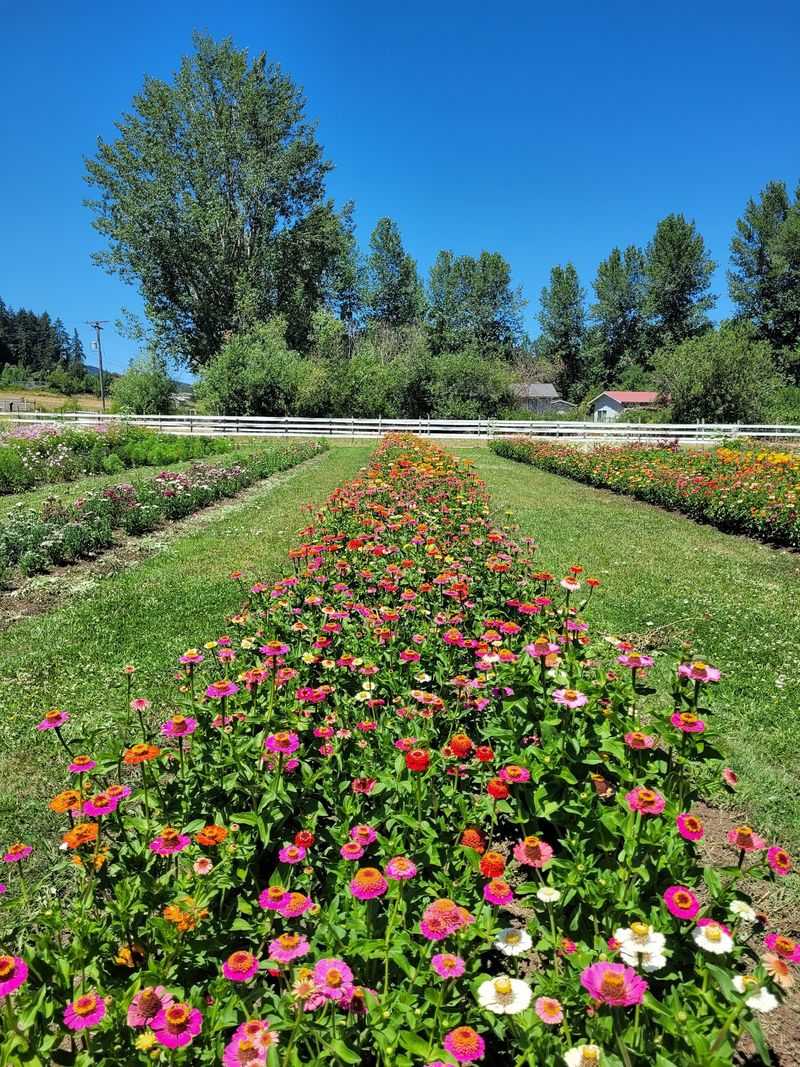
Looking out from the table, those crops are not decoration. Rows of greens, squash, and flowers run toward the Coast Range foothills, and the same rows feed the kitchen. Seeing harvest work happen while eating feels a little surreal. Crates move, sprinklers arc, dust lifts off the tractor paths.
The distance between field and fork is short enough to walk in a minute. Seasons rearrange the view completely. Early summer brings low green rows and tall poles waiting for beans. By late September the palette turns heavier, with squash piles and sunflowers gone shaggy at the edges.
Photographers do well here, especially during the last hour before closing. Light rakes sideways across the rows and softens everything, including the old barn roofs.
Bring a camera, sure, but also give yourself a few quiet minutes to just look, because the scenery explains the seasonal cooking better than any description ever could.
The Wood Fired Oven And Its Unhurried Pace
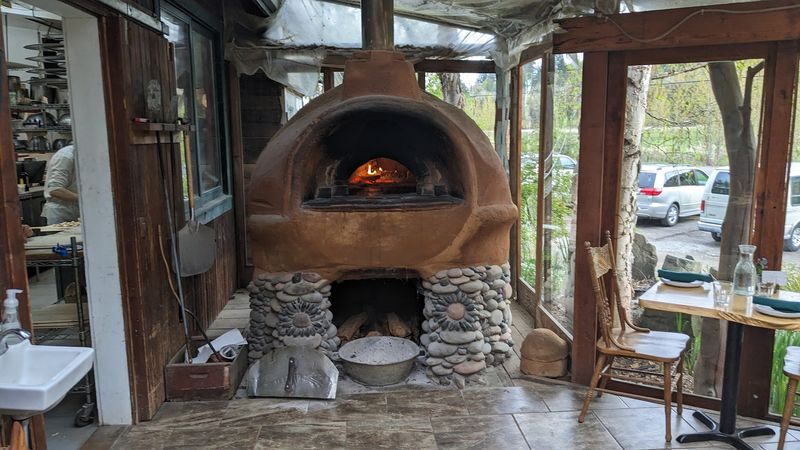
A wood fired oven anchors the kitchen, and it only fits two pizzas at a time. That one detail explains a lot about the rhythm of the whole place.
Orders come out when they come out. On busy afternoons that can mean a longer wait than a city spot, so plan for a relaxed meal instead of a quick pit stop.
Honestly, the slower pace suited me fine. A lemonade, something from the bakery case, and a little patience turn the wait into part of the visit. There is plenty to watch.
Crusts arrive blistered and lightly charred, soft in the middle with crisp edges, carrying whatever the fields gave up that week. Staff will tell you about current timing if you ask, which makes it easy to choose between settling in or grabbing produce and pastries to take home instead.
A Menu Written By The Harvest
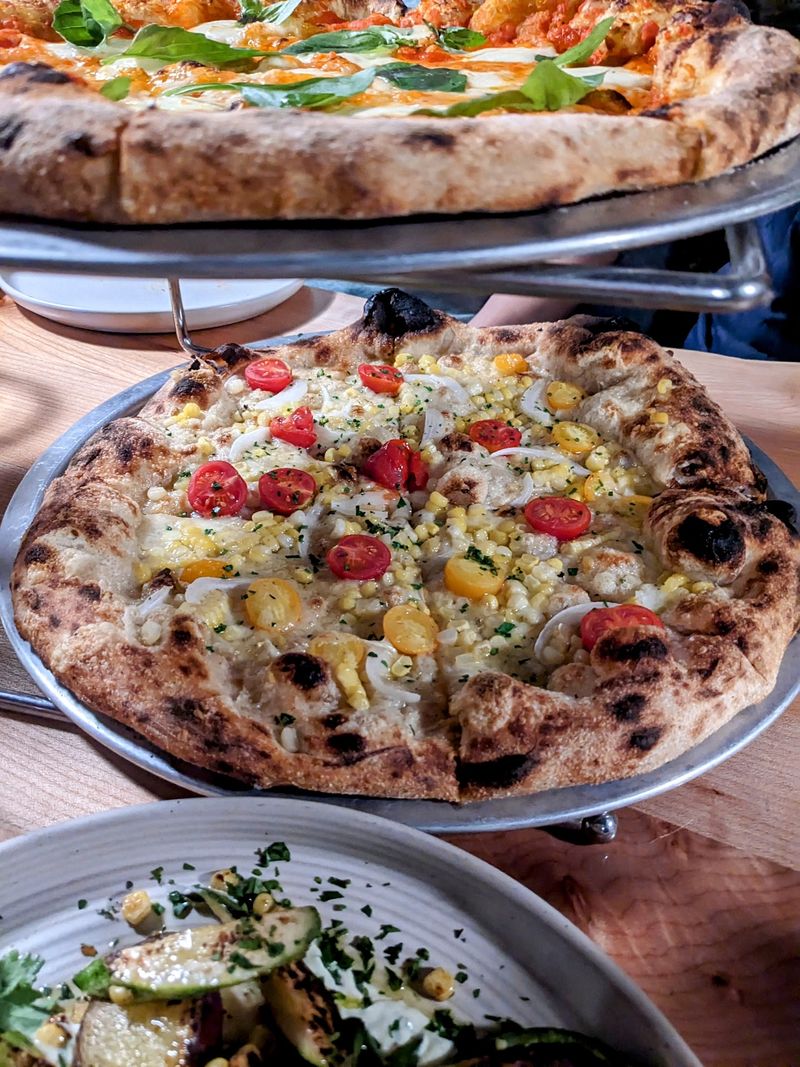
Nothing on the board stays put for long. The lineup follows what is ripe, which means a visit in July looks nothing like one in October.
Corn and tomato season brings dishes that taste almost sweet, while cooler months lean on squash, greens, and hearty soups. Salads show up with lettuce cut the same day. Burgers, sandwiches, and burritos round things out for anyone who wants something familiar.
My tip is to order whatever appears most often across the menu, because that is the crop the fields are handing over right now. Lemonades get flavored with berries or herbs and are worth the order.
Portions run generous, and kitchen staff handle simple dietary swaps without fuss. Since the choices are limited by design, reading the board slowly pays off. Ask what was picked that morning, then build the meal around the answer and let the season do the deciding.
Pastries And Coffee At The Counter
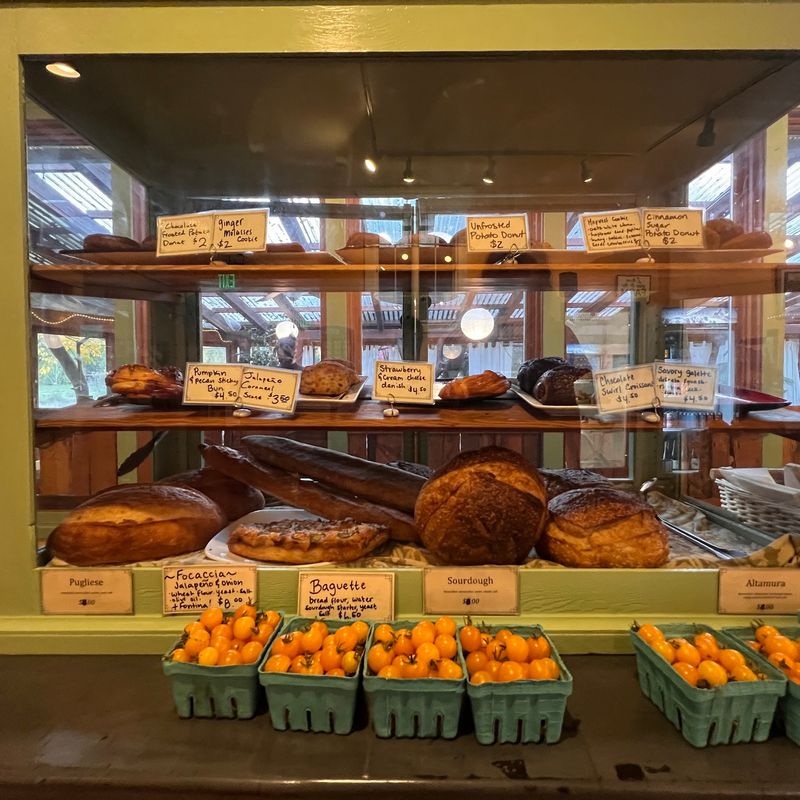
Pastries were supposed to be a maybe. They became the reason I would drive back out.
The case near the counter holds danishes, flaky kouign-amann, doughnuts, and loaves of bread that move fast. Fruit fillings follow the same seasonal logic as the rest of the kitchen, so hazelnut and fig one month, berries another.
Coffee pairs naturally with all of it, and taking both outside to a picnic table is the move I recommend. Morning arrivals get the widest choice, since the shelves thin out as the day goes on.
Bread in particular tends to disappear early, so treat it as a bonus rather than a guarantee. Grabbing a pastry while waiting for a hot dish keeps everyone happy at the table, especially kids. A small box to carry home costs little and makes the next morning noticeably better than usual.
Picnic Tables Among The Flowers
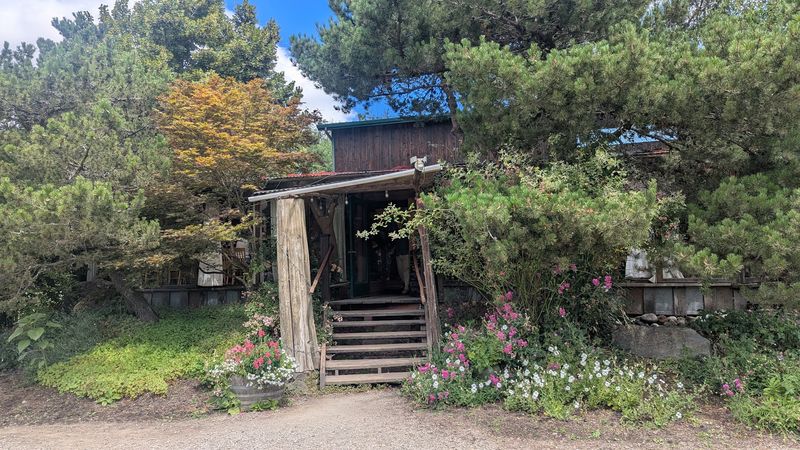
Outside seating sits in the middle of a flower garden, and bees handle most of the traffic. Picnic tables scatter across gravel and grass, shaded in spots, sunny in others.
Dogs are welcome out there, which explains the friendly parade of leashes passing between tables. Kids get room to wiggle without bothering anyone. The setting is casual enough that nobody minds a little mess.
Mornings feel cool and still, afternoons warm up, and by late day the shadows stretch long across the rows. I found the garden tables better for lingering, while the covered dining room suits blustery weather.
Pack a hat for bright days, since shade moves around. Coffee and a pastry taste different out here, surrounded by blooms and the low hum of farm equipment somewhere beyond the hedge. Simple pleasure, no reservation needed, and a fine spot to plan the rest of the drive.
Timing A Visit Around The Short Week
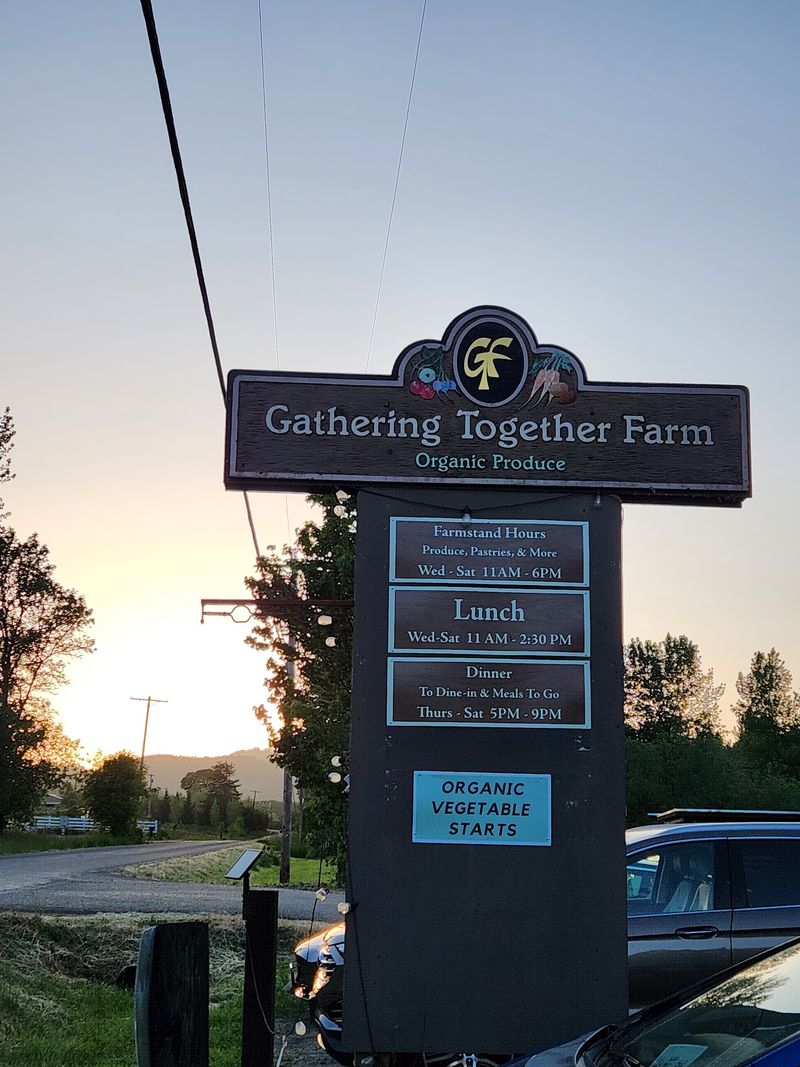
Showing up on the wrong day is the easiest mistake to make here. Doors open Wednesday through Saturday from 11 in the morning until 5 in the afternoon, and the rest of the week stays quiet.
Seasonal dinners run during warmer months and fill up fast, with online booking rather than phone calls. Checking the website before driving out saves disappointment.
Lunch hours are far easier to walk into, especially early in the week or right when doors open. Weekend middays draw the biggest crowds, and the parking area is genuinely small.
Plan roughly ninety minutes for a full meal, more if pizza is involved. Combining the trip with a drive toward Corvallis or the coast makes the schedule work better.
Golden Hour And The Slow Road Home
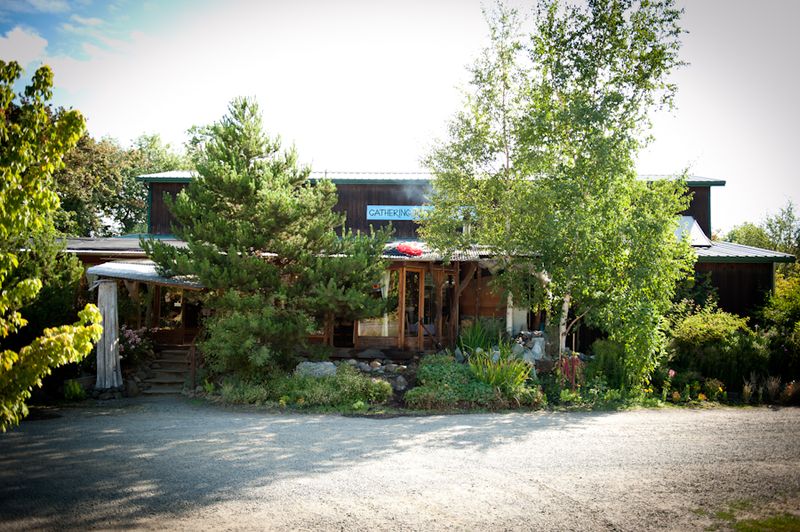
Leaving late turned into the best part of my day. Sunlight tips low over the rows, the gravel glows faintly orange, and the whole property softens into something worth sitting still for.
Tables empty out slowly. Staff start clearing crates, a few dogs nap under benches, and the fields go quiet except for birds.
Grabbing produce on the way out is smart, because dinner at home suddenly has a theme. Tomatoes, greens, or squash from those rows taste different than grocery versions, and the price is reasonable for food picked hours earlier.
The drive back toward town rolls past more farmland, so keep windows down if the weather allows. For anyone mapping the trip, the address is 25159 Grange Hall Rd, Philomath, OR 97370, and that short country road delivers one of the most honest meals in the Willamette Valley.
