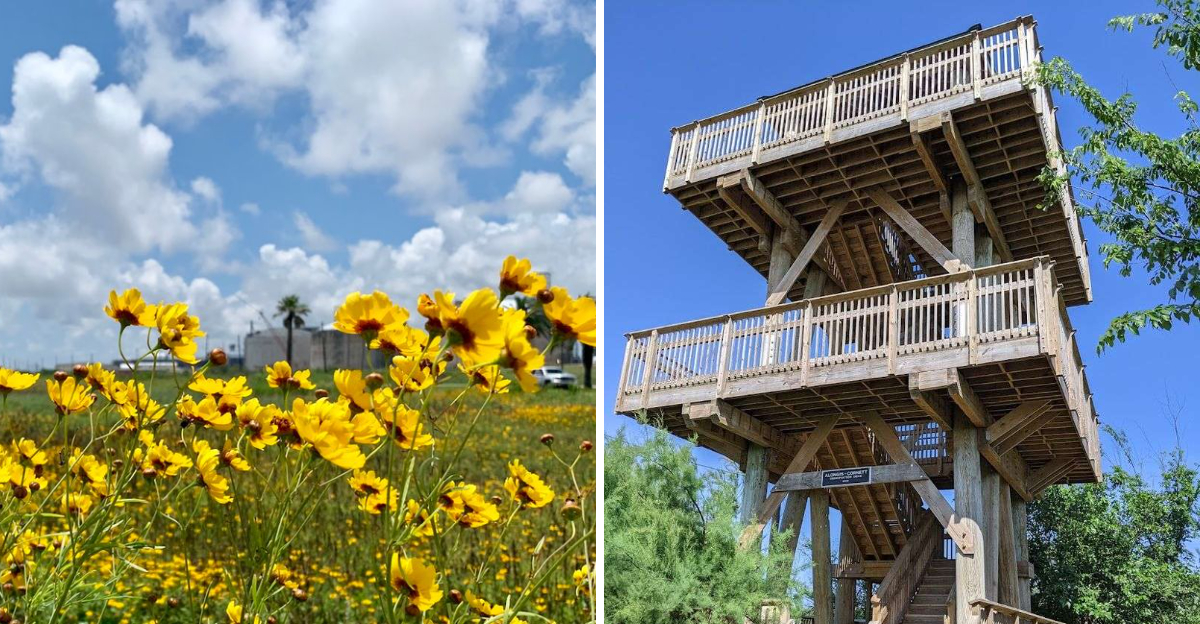
A hidden coastal sanctuary with peaceful trails and stunning scenery is a quiet escape. This Texas spot is a place where the only sounds are the birds and the waves.
The trails are well-maintained and provide views of the water and the local birdlife. It is a great place to walk, think, and connect with nature.
The sanctuary is a reminder of the natural beauty that still exists along the coast. A person could easily spend a few hours here, enjoying the peace and quiet.
The sanctuary is a prime location for birdwatchers, with a variety of species to spot. It is a place that feels undiscovered, even as it offers a truly memorable experience.
Texas is full of coastal spots, but this one is a special find.
A Jungle on the Texas Coast Nobody Talks About
Most people picture flat, windswept beaches when they think of the Texas coast, so arriving at Quintana Neotropical Bird Sanctuary feels genuinely surprising. The vegetation here is thick and tangled in the best possible way.
Live oaks, Hercules Club, coral bean, and Caribbean honeysuckle weave together into a canopy that feels more like Central America than coastal Texas.
That dense, junglelike habitat is exactly what makes this sanctuary so valuable. Migrating birds crossing the Gulf of Mexico arrive exhausted and hungry, and this pocket of wooded cover is one of the first places they can rest and refuel.
Without spots like this one, many of those birds simply would not make it.
The trails wind through layers of vegetation at different heights, which means you are constantly scanning at eye level, above, and below for movement. A flash of orange in the understory might be a Baltimore Oriole.
A rustle low in the bushes could be a thrush working through the leaf litter. The sanctuary has recorded over 325 bird species, which is a staggering number for such a compact piece of land.
Even outside of peak migration, the habitat itself is worth exploring. Native plants like Coastal Live Oaks, Indian Paintbrushes, Bluebonnets, and Dewberries create a landscape that changes with the seasons.
The sanctuary feels alive in a way that is hard to describe until you are standing quietly inside it, listening.
Why Spring Migration Turns This Place Into Pure Magic
From April through early May, the Quintana Neotropical Bird Sanctuary transforms into something almost unreal.
Birds that have been flying nonstop across the Gulf of Mexico drop into the trees here in waves, and on a good fallout morning, you can barely look in any direction without spotting something extraordinary.
Painted Buntings are a crowd favorite, and for good reason. The males look almost too colorful to be real, like someone painted them with a set of bright watercolors and forgot to tone it down.
Alongside them, you might find Rose-breasted Grosbeaks, Indigo Buntings, Hooded Warblers, and American Redstarts all sharing the same patch of shrubs.
The warbler diversity during this period is genuinely impressive. Cerulean, Magnolia, Bay-breasted, Blackpoll, Northern Parula, and Wilson’s Warblers are just a few of the species that pass through.
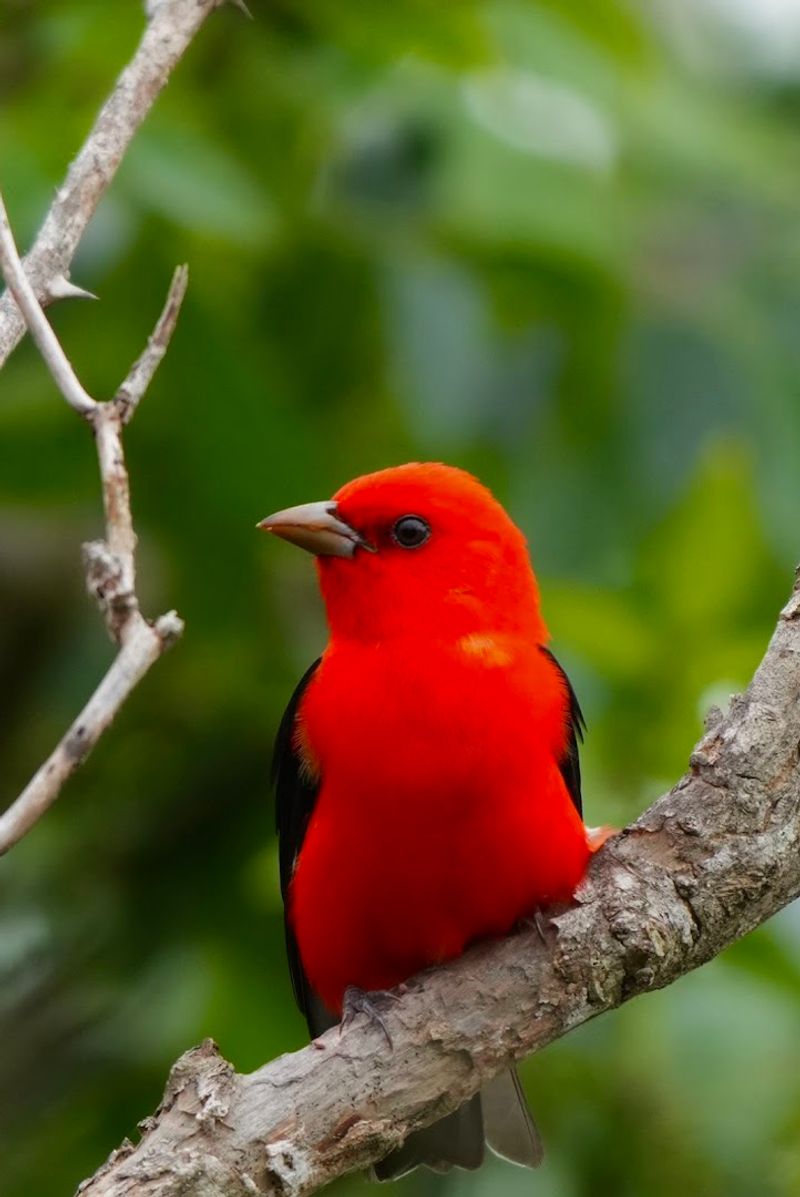
Throw in Summer Tanagers, Scarlet Tanagers, and multiple vireo species, and you start to understand why birders plan entire trips around this window of time.
The sanctuary hosts its annual Spring Fling event during this peak period, bringing in volunteers and staff who offer bird checklists, guided tours, and friendly conversation. It is one of those rare events where the community spirit matches the natural spectacle.
Showing up during Spring Fling is highly recommended if your schedule allows, because the combination of expert eyes and peak bird activity makes every visit feel like a highlight reel.
The Observation Tower and What You Can See From Up There
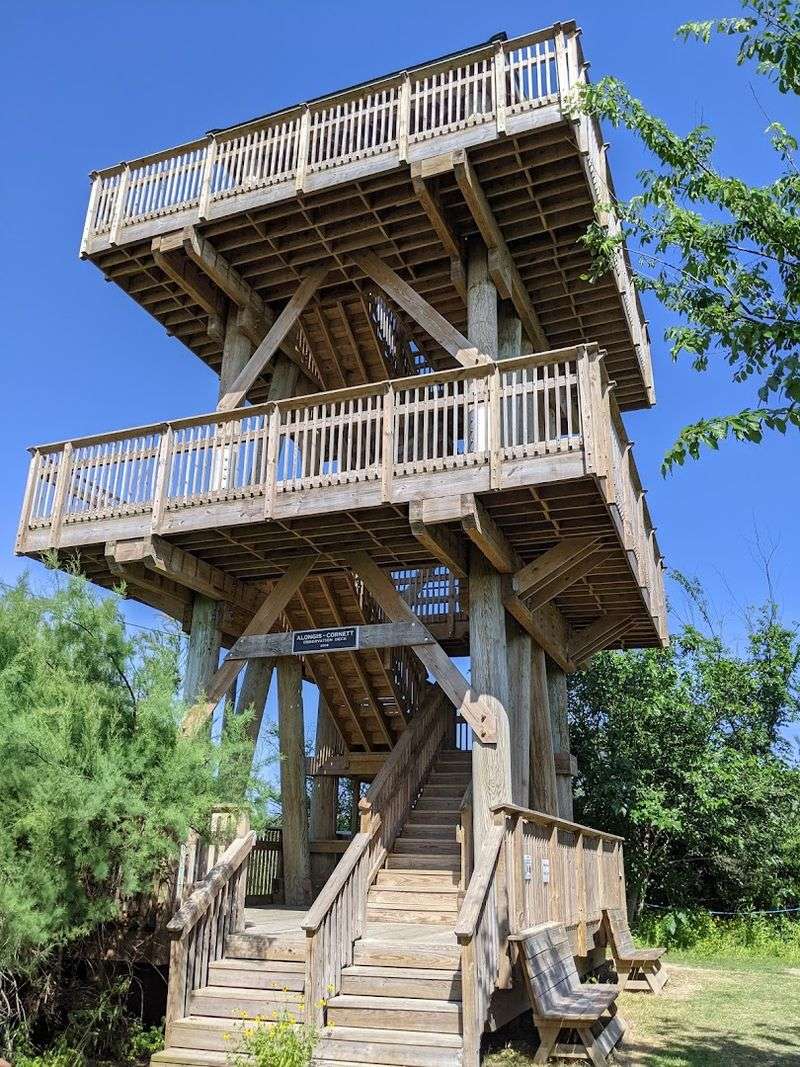
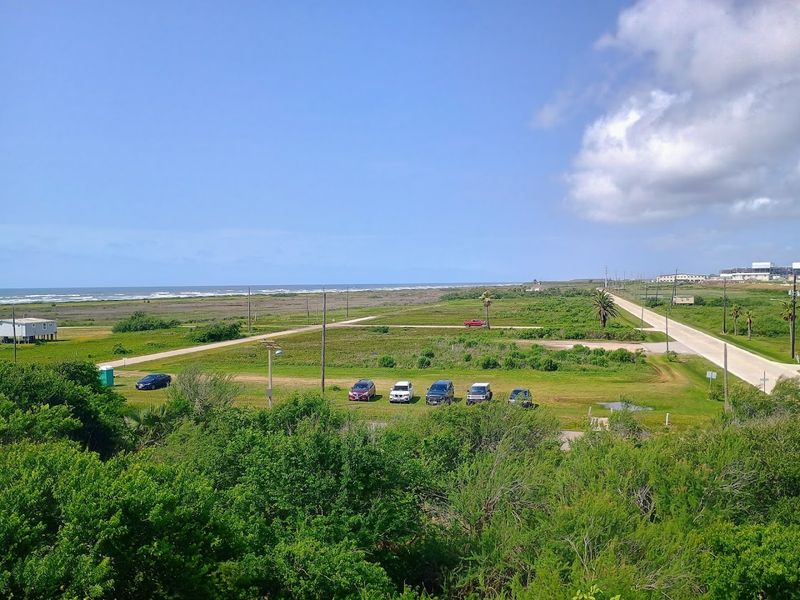
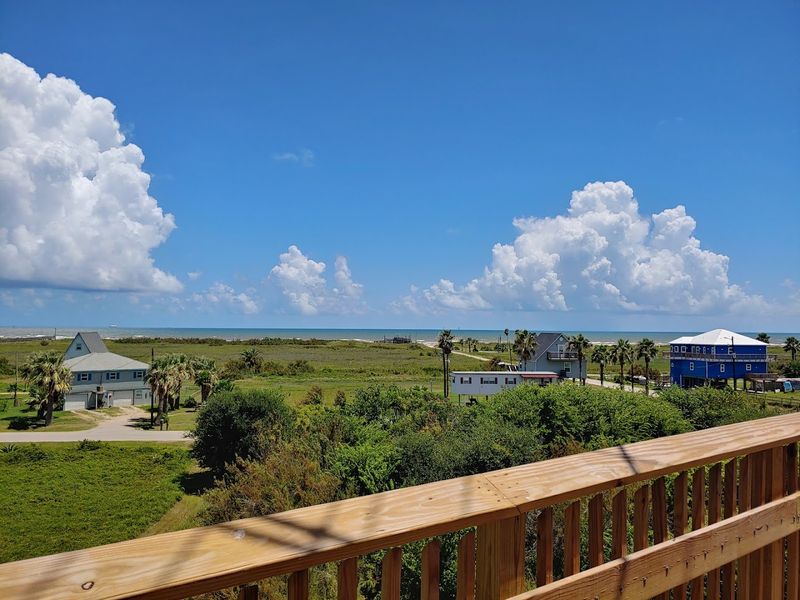
Climbing the Alongis Cornett Observation Deck is one of those small moments that quietly becomes a highlight of the visit. The three-story tower rises above the canopy, giving you a perspective on the sanctuary that is completely different from what you get at ground level.
Suddenly the whole landscape opens up around you.
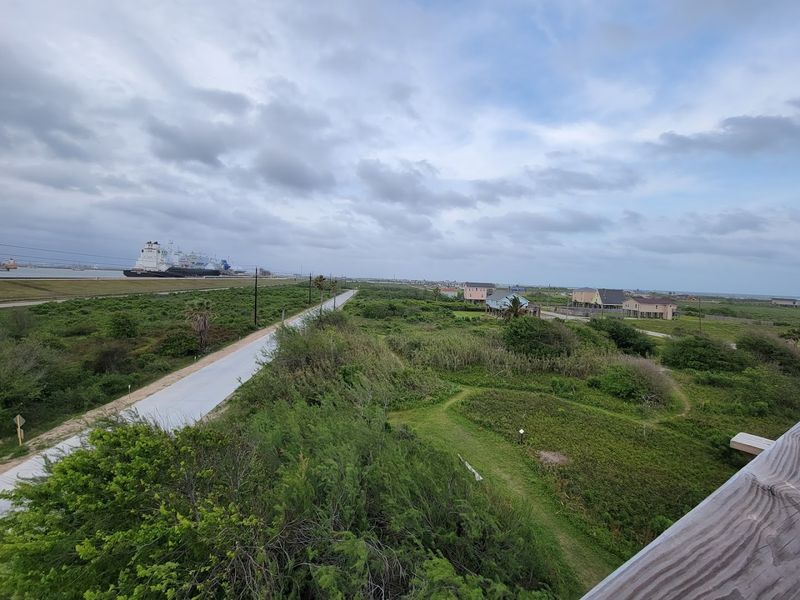
From the top, you can see the patchwork of wooded areas, scrub-shrub zones, and wetland pockets that make up the sanctuary’s habitat. On clear days, the Gulf of Mexico glimmers in the distance, just about a quarter mile away.
Watching birds move between vegetation layers from above gives you a much better sense of how they use the space.
Raptors and large waterbirds are especially satisfying to spot from this elevation. Magnificent Frigatebirds sometimes drift overhead on thermal currents, barely moving their wings.
Roseate Spoonbills in flight are unmistakable, their pink plumage catching the light as they cross from one wetland to another.
The tower is accessible by stairs, so visitors who have difficulty with steps should keep that in mind when planning. That said, the climb is very manageable for most people and takes only a minute.
Bringing binoculars up top is a great idea, since the added height lets you scan much farther into the surrounding habitat. It is one of those simple structural additions that genuinely elevates the whole birdwatching experience, both literally and figuratively.
Water Drips, Photography Blinds, and Getting Close to Birds
One of the most thoughtful features of the Quintana sanctuary is the water drips scattered along the trails. Birds are strongly attracted to the sound and movement of dripping water, especially during migration when they need to drink and bathe after long flights.
Positioning yourself near one of these water features and simply waiting is one of the most rewarding strategies in the sanctuary.
The photography blind near one of the water features takes that experience a step further. Hidden out of sight, the blind lets you observe and photograph birds at extremely close range without disturbing them.
Warblers, thrushes, and tanagers will come right up to the water, completely relaxed, giving you views that would be nearly impossible to get otherwise.
Even without a camera, sitting near the water drips for fifteen or twenty minutes is deeply satisfying. Birds cycle through in small groups, each species behaving a little differently.
Some splash enthusiastically, others drink quickly and disappear back into the shrubs. The activity is constant and endlessly entertaining.
For photographers specifically, the blind is a genuine asset. Morning light filtering through the trees creates beautiful, soft illumination that makes bird images feel warm and natural.
Arriving early and settling in before the birds get active is a smart move. The sanctuary asks visitors to stay on designated paths and avoid disturbing the vegetation, which helps keep these water features productive for everyone who visits throughout the day.
The Walking Trails and What Makes Them Worth Your Time
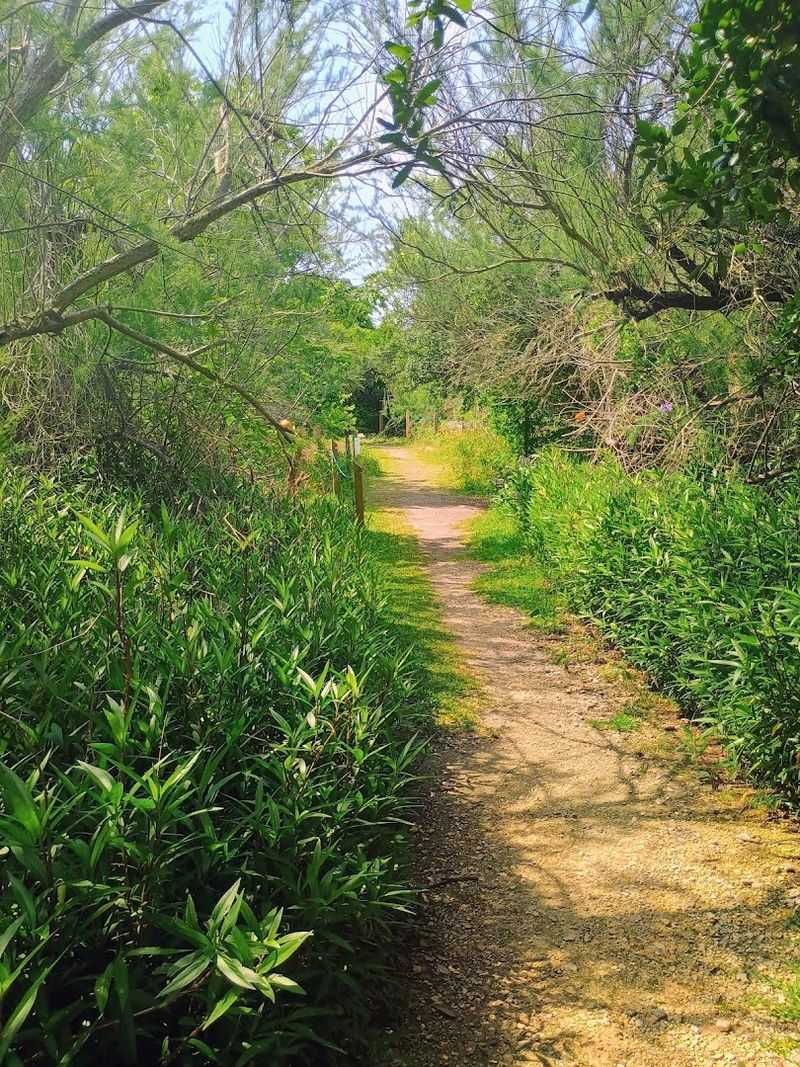
The trails at Quintana Neotropical Bird Sanctuary are refreshingly simple. No pavement, no elaborate signage, no crowds jostling for position.
Just flat grass and dirt paths that weave through the vegetation in a way that feels genuinely organic, like the trails grew out of the habitat rather than being imposed on it.
The interconnecting layout means you can loop back through areas you already walked and catch things you missed the first time. Birds move constantly, and a spot that was quiet an hour ago might suddenly be full of activity.
Experienced birders often walk the same loop several times during a single visit, and each pass tends to reveal something new.
Because the trails are relatively flat, the walk itself is easy and unhurried. The focus stays on what is happening in the trees and shrubs around you rather than on where you are putting your feet.
After heavy rain, some sections can get muddy or uneven, so wearing shoes you do not mind getting dirty is a practical choice.
Pets are not permitted on the trails, which actually makes the experience noticeably calmer for everyone. Birds stay more relaxed, and the overall atmosphere feels quieter and more focused.
Benches are placed at strategic points along the route, giving you spots to sit, scan the vegetation, and simply absorb the environment. Sometimes the most productive birdwatching happens when you stop moving entirely and let the birds come to you.
Year-Round Residents and the Birds That Never Leave
Migration gets most of the attention at Quintana, and understandably so. But the sanctuary has a strong cast of year-round and resident species that make any visit worthwhile, even outside the April and May window.
Black-bellied Whistling-Ducks are a good example, and they have a personality that is hard not to enjoy.
These ducks are noisy, social, and surprisingly comfortable around people. They tend to gather in loose groups near water, calling back and forth with a distinctive whistling sound that carries well through the trees.
Spotting them feels like running into old friends who are always happy to see you.
Roseate Spoonbills are another resident highlight. Their pink coloring is vivid enough that first-time visitors sometimes do a double take, genuinely unsure if what they are seeing is real.
Watching them sweep their spatula-shaped bills through shallow water in a slow, rhythmic motion is oddly calming. Magnificent Frigatebirds patrol the skies overhead with effortless grace, their angular silhouettes unmistakable against a blue Gulf Coast sky.
Various shorebirds work the edges of wetland areas throughout the year, and the surrounding habitat supports a healthy mix of herons, egrets, and other wading birds.
The Brazosport area as a whole has documented over 300 native and migratory bird species, and the sanctuary sits at the center of that ecological richness.
Coming outside of spring migration still delivers a genuinely full birdwatching experience that most coastal parks simply cannot match.
Beyond the Sanctuary, Quintana Island Has More to Offer
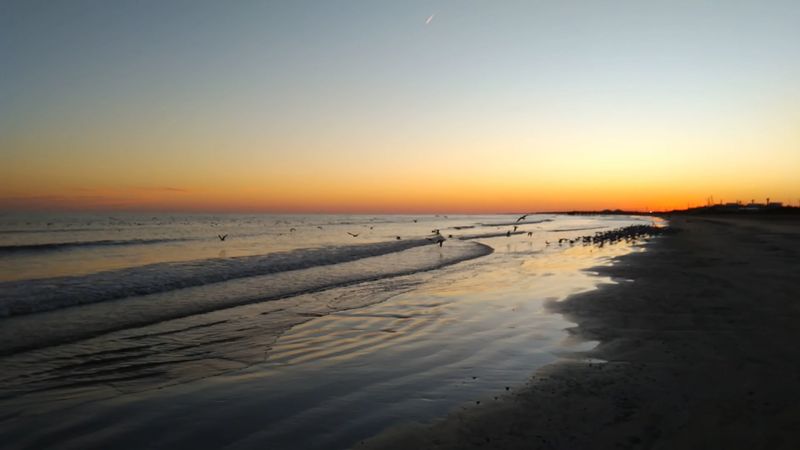
Spending a full day in Quintana is genuinely easy to do, because the island has more going on than just the bird sanctuary. About a quarter mile from the sanctuary, the Gulf of Mexico stretches out flat and wide, and Quintana Beach County Park sits right along that shoreline.
The beach here is uncrowded and relaxed, with sandy stretches, natural dunes, and a long Gulf frontage that feels worlds away from the busier resort towns further up the coast.
Quintana Xeriscape Park is another nearby stop worth making. It showcases drought-tolerant plant species native to the region, and walking through it gives you a completely different botanical perspective than the lush, junglelike sanctuary.
The contrast between the two is actually quite interesting, and the xeriscape park is a good reminder of how diverse the local flora really is.
The Freeport Harbor Channel runs adjacent to the area and offers a surprisingly entertaining spectacle for those who enjoy watching large ships move through narrow waterways. Cargo vessels and tankers pass through regularly, and seeing something that massive glide by at close range never gets old.
It is the kind of unexpected bonus that makes a place feel layered and full of character.
Parking for the sanctuary is available across the street at Quintana Town Hall, with additional space in a larger grass lot nearby. The whole area is compact and easy to navigate on foot, making it simple to hit multiple spots in a single outing without any real logistical stress.
Practical Things to Know Before You Visit
Visiting Quintana Neotropical Bird Sanctuary requires almost no planning, which is part of what makes it so appealing. Admission is free every single day of the year, from sunrise to sunset.
There are no gates, no ticketing booths, and no reservations required. You just show up and start walking.
The sanctuary is generally unmanned outside of the Spring Fling event period, so do not expect a visitor center or on-site staff during a regular visit. That also means bringing your own water, snacks, and any gear you want, because there are no facilities on site day to day.
During Spring Fling in April and early May, portable restrooms and a host station are available, which makes that time of year even more visitor-friendly.
Binoculars are highly recommended, almost essential if you want to get the most out of the experience. A field guide to North American birds or a birding app on your phone will help you identify what you are seeing.
The sanctuary’s recorded species list runs past 325, so there is always something to look up.
Pets are not allowed on the trails, and visitors are asked to stay on designated paths and avoid touching or disturbing the vegetation. These rules exist to protect the habitat and keep it productive for birds and visitors alike.
Wearing layers is smart, especially in early morning when the Gulf breeze can be cool. The whole experience is low-key, accessible, and genuinely rewarding in a way that feels rare for a free public space.
Address: 814 Lamar St, Quintana, TX 77541
