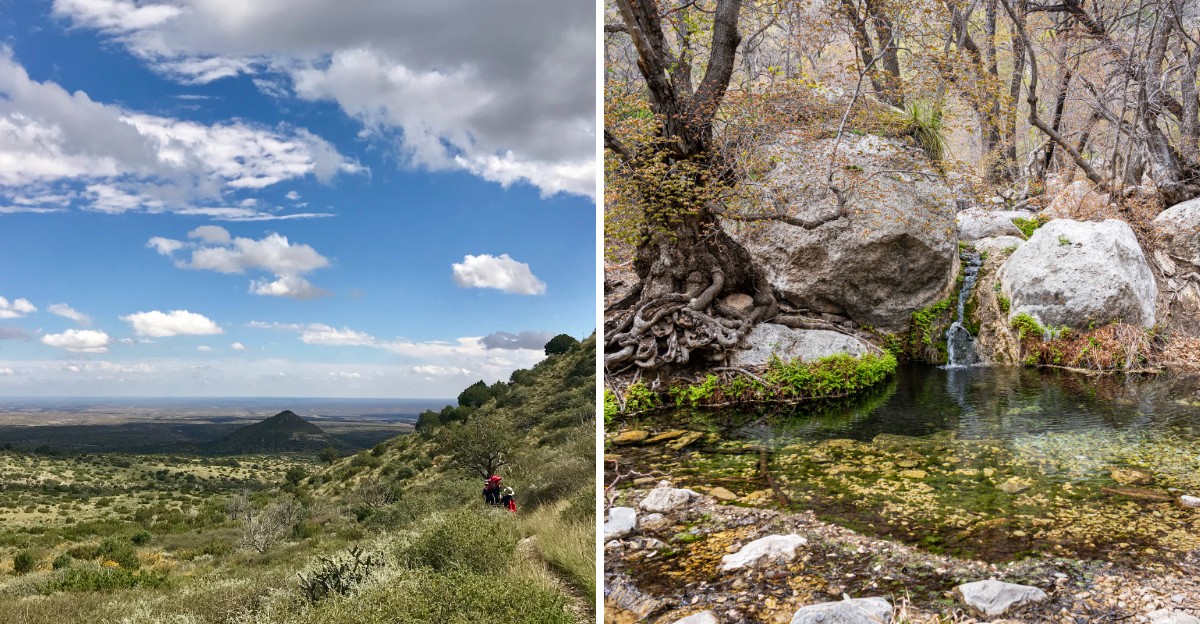
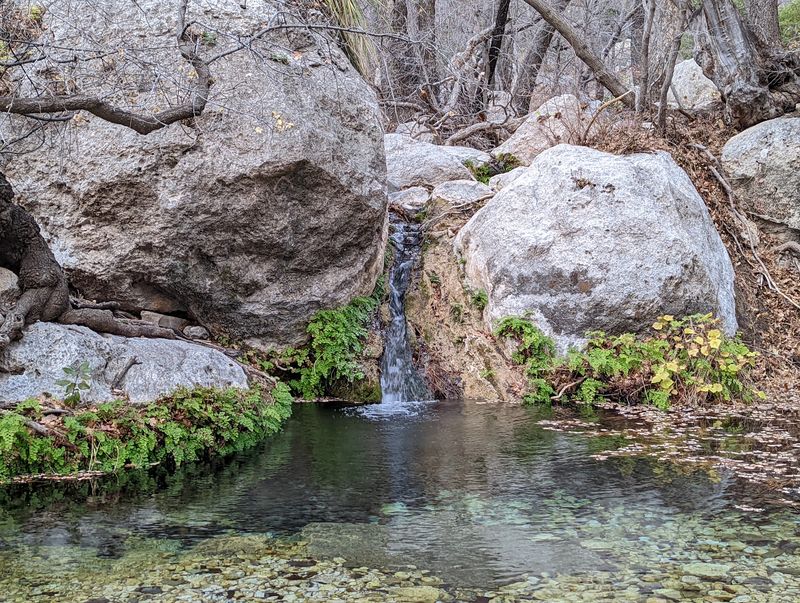
A tiny waterfall spills over mossy rocks beneath a canopy of trees, right in the middle of the West Texas desert. Yes, there’s actual running water here, and getting to it means crossing sunbaked grassland with huge mountain views.
That switch in scenery feels almost ridiculous.
The 2.3-mile loop climbs roughly 400 feet before reaching a shady grove of pines, maples, and other greenery. The spring even disappears underground farther downhill, then resurfaces at another pool along the route.
Desert geology has some pretty strange tricks.
The detail I can’t get over is how sharply the landscape changes. One stretch has wide-open views and hardly any shade; another looks like a little woodland escaped from somewhere wetter.
Hearing a waterfall after walking through dry desert country sounds like a reward worth the effort.
Your Hike Starts At An Old Ranch With Stories To Tell
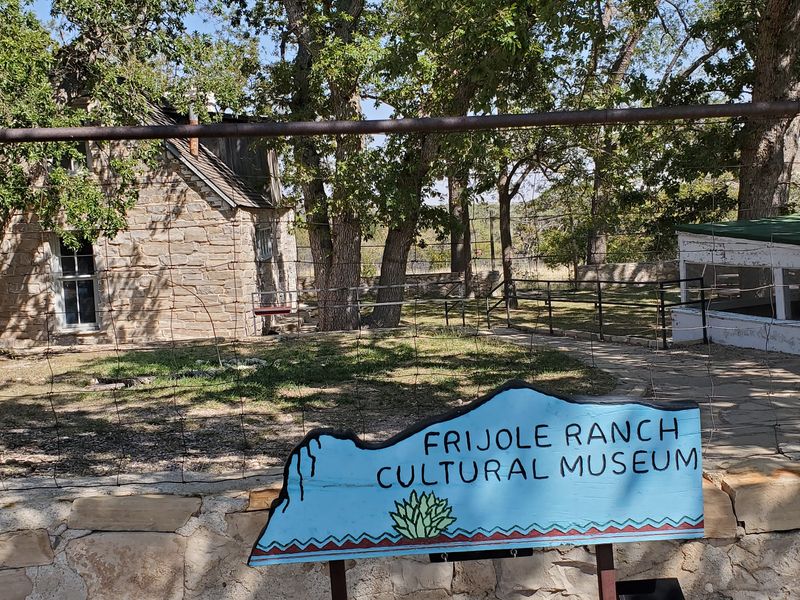
Few trailheads come with their own museum. Smith Spring Trail Loop begins at Frijole Ranch, a historic site inside Guadalupe Mountains National Park in Texas.
The old ranch now works as a history museum. Its exhibits share the human story of this area, from early Native American residents to European settlers.
That context makes the hike feel richer before you take a single step. You’ll walk the same ground where families once depended on these springs to get by.
Practical perks wait here too. The trailhead has picnic tables, restrooms, potable water, and trash receptacles, which is a pretty generous setup for the desert.
The ranch sits along an access road about one mile north of the Pine Springs Visitor Center. A park entry fee applies to adult visitors, so handle that before you head out.
Plan for a quick museum stop at the start or the finish. Both work, though cooling off with ranch history after the loop has a certain charm.
One more tip is easy to miss. The park runs on Mountain Time, unlike most of Texas, so set your watch and your expectations accordingly.
The Easy First Stretch Feels Like A Warm-Up With Benefits
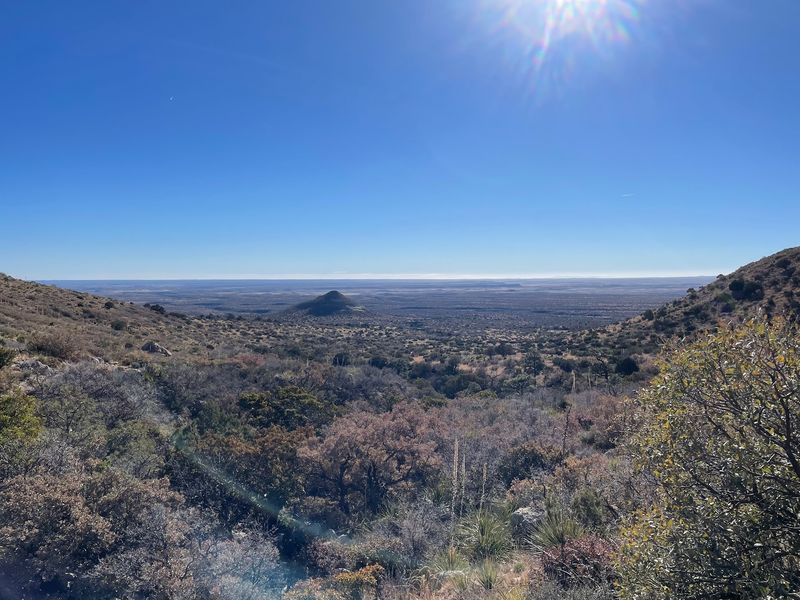
Good news for anyone using wheels. The first section of the trail, from Frijole Ranch to Manzanita Spring, is paved and considered wheelchair accessible.
That makes this opening stretch friendly for strollers, slower walkers, and anyone easing into the day. Grandparents included, of course.
The walk is short, but the scenery starts working right away. Desert plants line the route, and the Guadalupe Mountains loom close enough to feel a little bossy.
Because the surface is smooth, you can keep your eyes up instead of on your feet. That’s a rare luxury on West Texas trails.
Some groups split up at this point. One part turns back at Manzanita Spring while the more adventurous hikers carry on along the rocky loop.
Honestly, that’s a smart plan for families with mixed energy levels. Everyone still gets water, wildlife chances, and big mountain views.
Bring water even for this mellow section. High winds are common in these mountains all year, and the sun doesn’t take days off.
Remember that pets aren’t allowed on park trails. Leave Fido somewhere cozy, because this pathway is for humans only.
A Desert Pond That Birds Clearly Have On Speed Dial
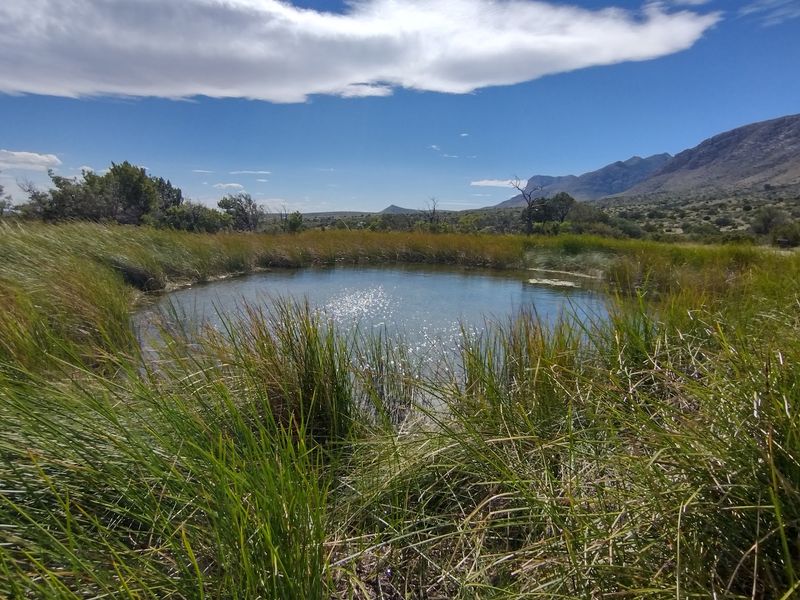
Water in the desert acts like a magnet. Manzanita Spring is the larger pool along the loop, and it ranks as an excellent birdwatching spot.
Birds are abundant here year-round, so binoculars earn their spot in your pack. A small field guide or bird app helps too.
Here’s a fun bit of history. The Smith family, early residents of the area, reportedly dredged Manzanita Spring for paddling and swimming.
Swimming in the desert sounds like a fantasy today. Back then, this pool was apparently the neighborhood hangout.
The spring also connects to the trail’s main prize in a sneaky way. Water from Smith Spring flows underground for a short distance before popping back up here.
So the pond you’re watching started higher on the mountain. Nature’s plumbing is pretty impressive without a single pipe.
Move slowly and keep voices low near the edge. Wildlife relies on these springs, and quiet hikers usually get better views.
This also makes a lovely snack break spot before the climb. Just pack out every wrapper and crumb.
Rocky Ground Ahead Means Your Trekking Poles Finally Get A Job
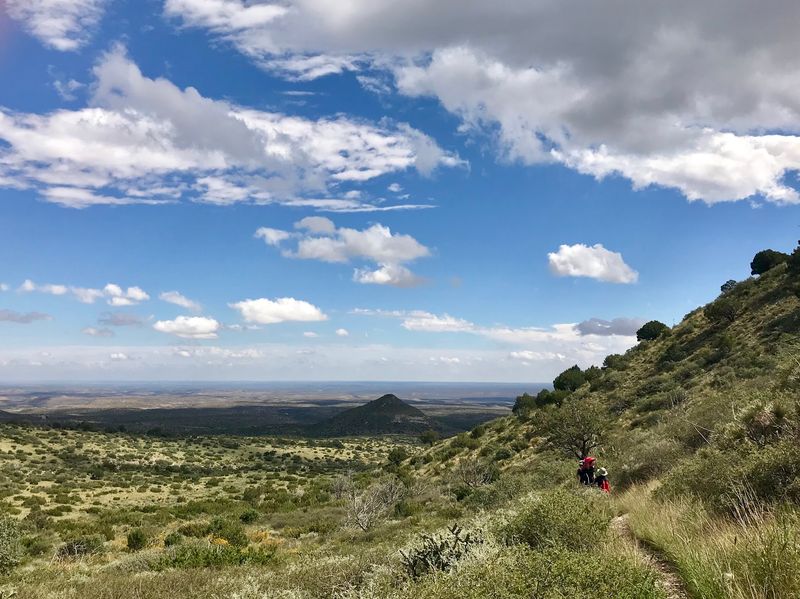
Past Manzanita Spring, the pavement says goodbye. The trail turns unpaved and rocky, and the climbing begins in earnest.
The whole Smith Spring Trail Loop gains roughly 385 to 400 feet. That’s modest, but loose rocks make it feel spicier than the number suggests.
Trekking poles are highly recommended for this part. They help with balance on uneven ground and save your knees on the way down.
Sturdy shoes matter more than fashion here. Flip-flops and limestone are not friends.
The loop is rated easy to moderate, which fits most active families. Kids who like scrambling over rocks will probably call it the best part.
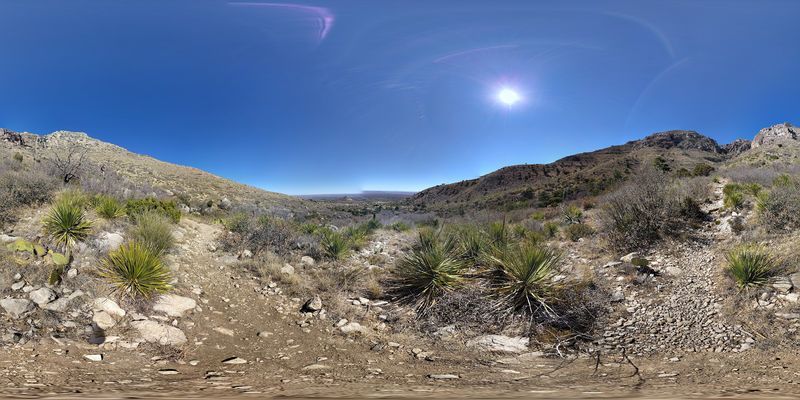
Along the way, the Chihuahuan Desert shows off its tough plants. Look for cactus, yucca, agave, juniper, and small oaks hanging on in thin soil.
Keep an eye out for wildfire scars too. Fires in 1990 and 1993 left marks you can still spot along the route.
Seeing that regrowth adds a hopeful note. The land recovers slowly, but it does recover.
Shade, Ferns, And A Tiny Waterfall Are Waiting At The Top
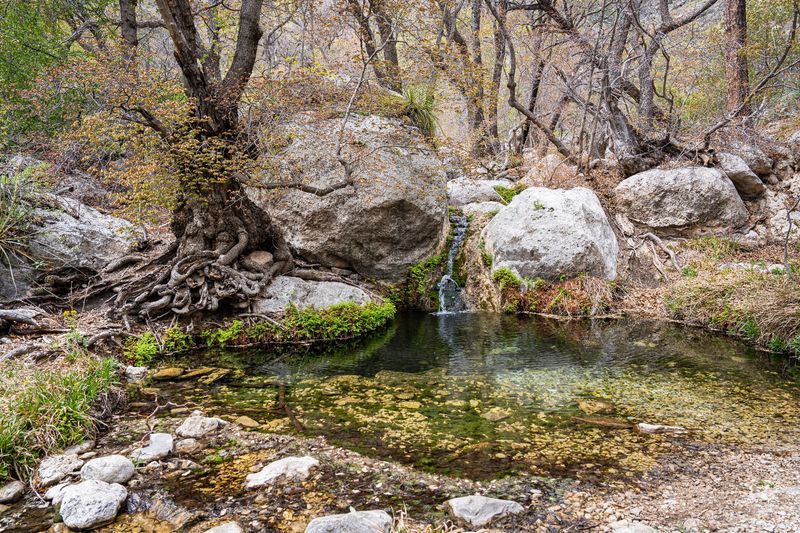
After all that sun and rock, the oasis feels almost unfair. Smith Spring is a shady pocket of water hidden against the mountains, thick with green plants.
A tiny waterfall gurgles over the rocks. It’s small, but in this dry country it sounds like a full concert.
The spring emerges from layers of limestone that let water percolate through. That slow filtering keeps this patch of life going while the desert bakes around it.
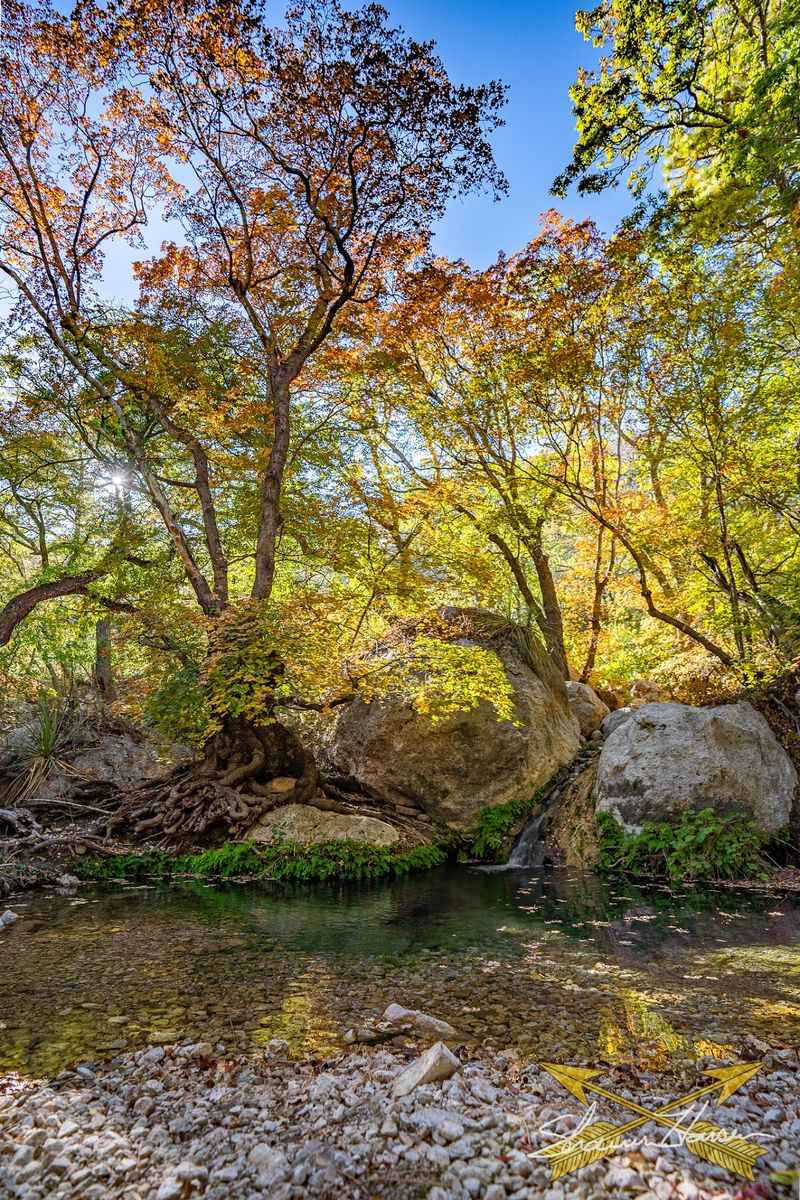
Trees give the spot its cool feel. Big-tooth maple, ponderosa pine, and Texas madrone grow here, which is wild for a desert hike.
The madrone is a showstopper with its smooth, reddish bark. Once you spot one, you’ll start hunting for more.
This lush riparian zone also serves as a watering hole for local animals. Please stay on the trail and don’t disturb the plants or water.
Find a rock, sit for a few minutes, and let your breathing slow down. Few hikes in Texas hand out this kind of reward so quickly.
Shade here also makes the trail workable in hot months. Still, go early in summer.
Bring Binoculars Because The Locals Have Fur And Feathers
Springs in dry country are like grocery stores for wildlife. Everybody shows up eventually.
That makes this trail a strong pick for animal spotting. Birds are plentiful all year, and they gather near both springs.
Mule deer may wander through, especially around quieter hours. Elk are also possible in the area, which surprises plenty of people visiting Texas.
Lizards are the easiest neighbors to find. They dart across warm rocks like they’re late for something important.
Patience pays off here. Pause near the water, stay still, and let the animals forget you’re around.
Give every creature plenty of space. Feeding wildlife is a big no, since it harms their health and natural habits.
Kids can turn this into a fun game. Make a simple checklist with birds, deer, lizards, and anything else that crawls, hops, or flutters.
Quiet hikers usually see more than chatty ones. That’s a great excuse to whisper and feel like a nature detective.
Also, remember that pets aren’t allowed on the trails. That rule helps protect the wildlife that depends on these precious springs.
Timing Your Trip Can Turn Good Into Gorgeous
Fall color in West Texas sounds like a rumor. Here, big-tooth maples near the springs make it real.
Spring from March to May and fall from September to November bring milder weather. Those months are the sweet spot for most hikers.
Spring can also bring wildflowers. Bluebonnets, Indian paintbrushes, and Texas sage may brighten the landscape after good conditions.
Summer still works thanks to the shade around Smith Spring. Start early, carry extra water, and rest before you feel wiped out.
Winter is open too, since the park operates year-round. Cooler temps can make the climb feel easy, but bring layers for chilly wind.
Wind is common in every season here. A light jacket can be a lifesaver even when the sky looks friendly.
Plan for one to two hours on the loop. That leaves time for photos, snacks, and a few extra minutes at the waterfall.
No campfires are allowed anywhere in the park because of fire danger. Pack a cold lunch and let the views handle the ambiance.
Finding The Trailhead Is Easier Than Pronouncing Frijole Fast
Remote doesn’t have to mean confusing. The trailhead sits at Frijole Ranch, about one mile north of the Pine Springs Visitor Center.
For GPS, the trailhead is commonly listed as 400 Pine Cyn, Salt Flat, TX 79847. Salt Flat sits in Culberson County, Texas.
Stop at Pine Springs first if you want maps or park info. Then follow the Frijole Ranch access road to the parking area.
Services are limited in this corner of the state. Fill your gas tank and pack snacks before the final stretch of highway.
Smith Spring Trail Loop works well as a half-day outing. Pair it with time at the ranch museum and a picnic, and the day fills up nicely.
It also makes a great introduction to Guadalupe Mountains National Park. You get history, water, wildlife, and mountain views without a brutal climb.
Leave no trace while you’re here. Stay on marked paths, carry out trash, and protect the springs for the next visitors.
Desert oases are rare treasures. This one is small, shady, and absolutely worth the drive across West Texas.
