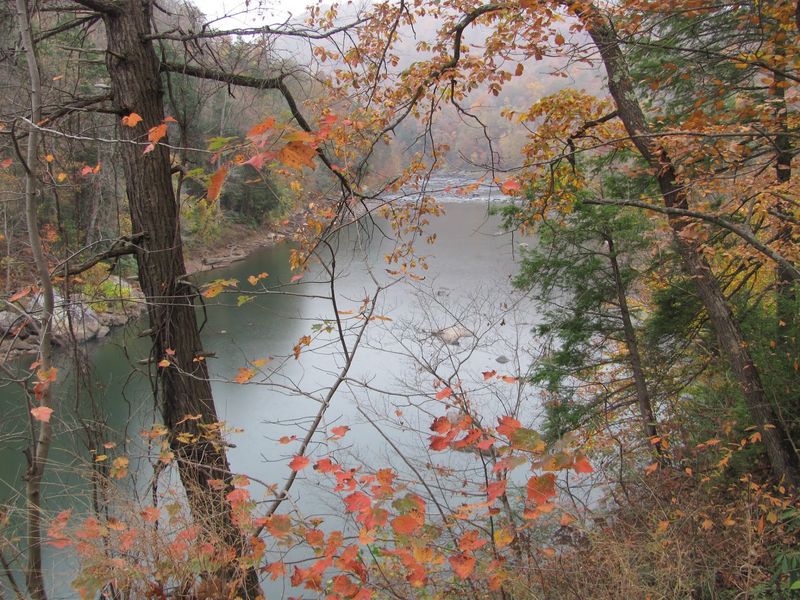
Some of the best places in West Virginia never show up on a billboard or a brochure. You hear about them from a cousin, a fishing buddy, or an old-timer at the gas station who lowers his voice like he is sharing a family recipe.
This swimming hole is one of those whispered spots, tucked where a mountain creek tumbles into a big river and the hills rise tall on both sides. Getting there takes grit and the right vehicle, but the reward is a quiet pool of water that feels like it belongs only to you.
Where Big Sandy Creek Meets the Cheat
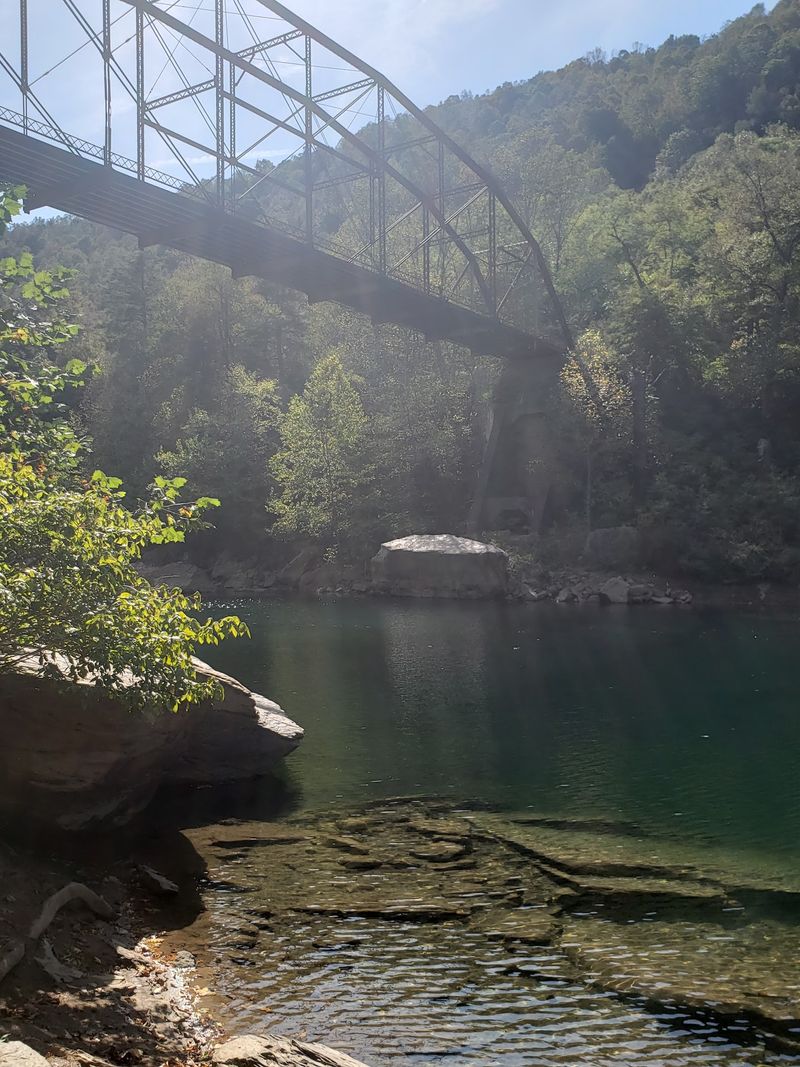
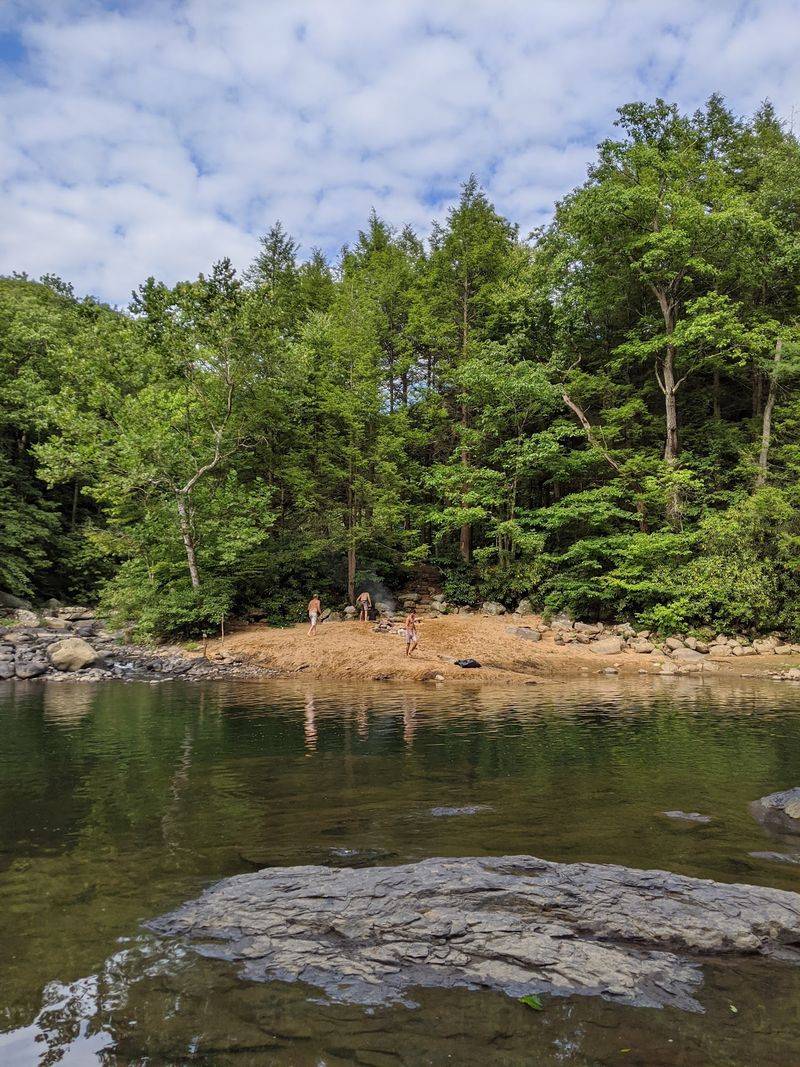
Picture a spot where a lively mountain creek rushes down to join one of the most famous rivers in the state. That is Blue Hole, a natural swimming area on the Cheat River right where Big Sandy Creek runs into it.
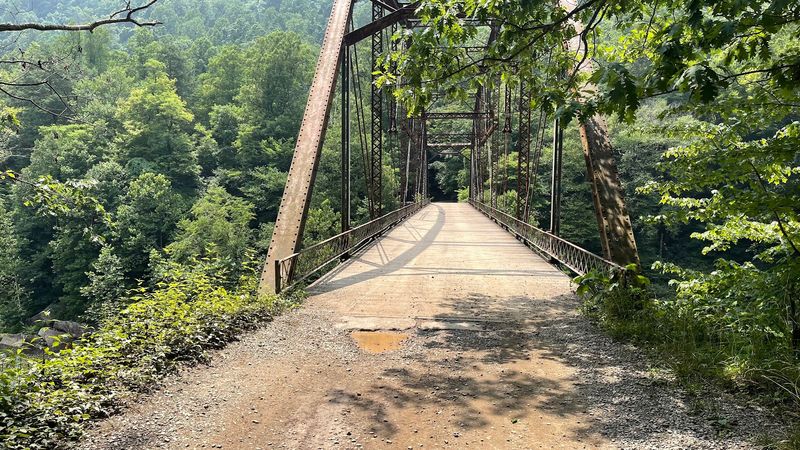
Visitors describe it as a gorgeous meeting of waters, with a narrow, old bridge crossing over the river nearby.
The location sits in north-central West Virginia, listed under the ZIP code 26542. You will not find a gift shop, a ticket booth, or a paved parking lot waiting for you.
What you get instead is the river, the creek, the rocks, and the forest, pretty much the way nature arranged them.
People who have made the trip call it a hidden gem for both swimming and fishing. The pool itself is the main draw on warm days, a calm pocket of water set against the rougher current around it.
Anglers like it too, since the spot offers some picturesque places to cast a line.
For many West Virginians, it brings back memories of the old swimming holes of childhood, the ones you only knew about because somebody older showed you the way. Blue Hole still carries that feeling, and that is a big part of its charm.
A Canyon Setting Shaped by Rapids and Falls
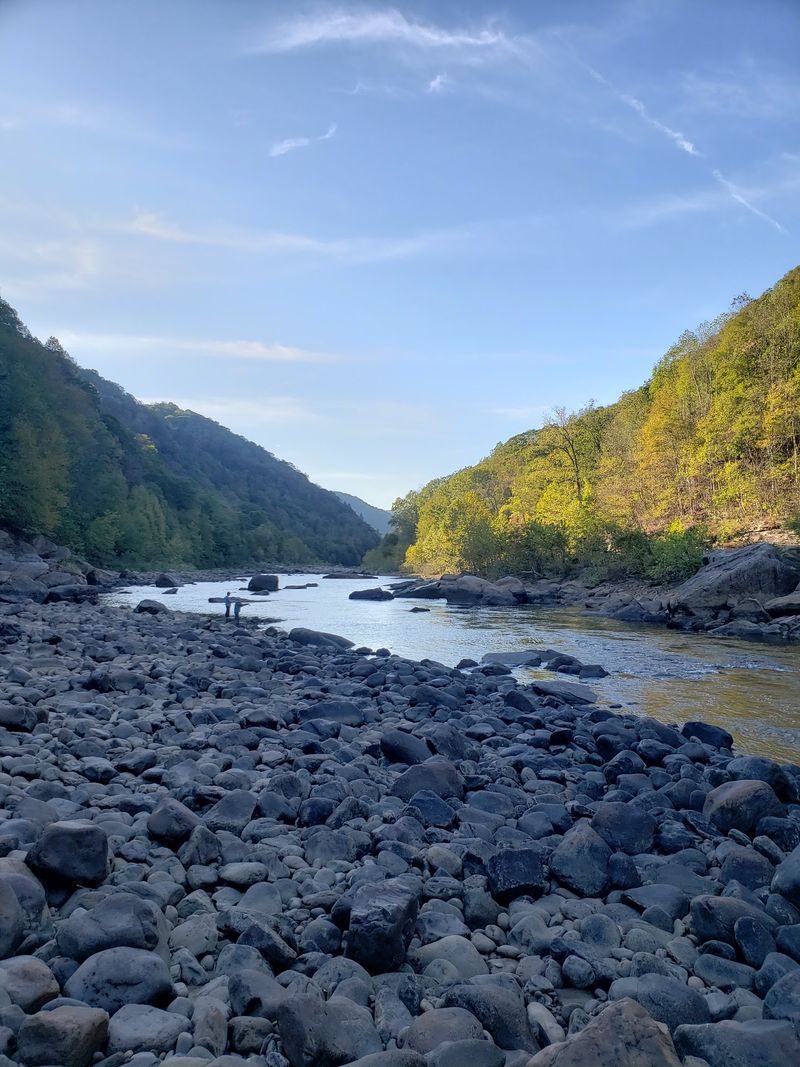
Long before anyone called it Blue Hole, the Cheat was carving its way through these hills. The river here is known for power, and visitors point out that the stretch of roughly twelve miles heading toward Morgantown holds many rapids and a few falls.
Big Sandy Creek adds its own rush of water as it spills down to meet the larger river.
That wild energy is exactly what makes the calm swimming hole feel so special. You stand at the edge of still, clear water while the sound of moving current fills the air around you.
It is a little like finding a quiet porch on a busy street.
Tall hills flank the river on either side, giving the whole place a tucked-away, canyon-like feel. One visitor described the way the river meanders off into the distance and reflects brilliant light, which paints a pretty good picture of the view.
A word of respect belongs here, too. Folks who know the area warn that the river and creek are fast and powerful in other nearby sections.
The swimming hole is the gentle part of a bold landscape, so enjoying it means staying mindful of where the calm water ends and the strong current begins.
The Swimming Hole Itself
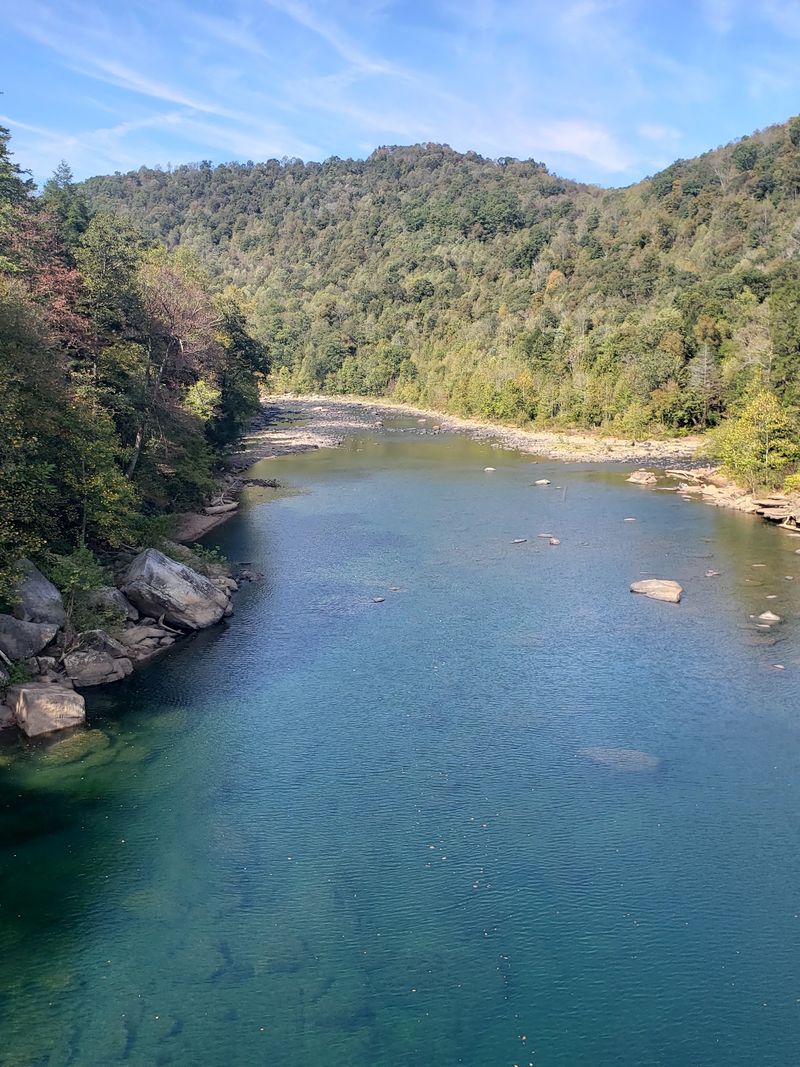
Cool water on a sticky July afternoon might be the oldest pleasure in Appalachia. At Blue Hole, that pleasure comes in the form of a natural pool that visitors keep calling a great swimming spot.
Swimming is the single most mentioned highlight among people who have been there.
The name alone tells you something about the color. Deep river pools like this often take on a blue-green tint in the right light, and that is part of what makes a first look so memorable.
Rocks along the edges give you places to sit, sun, and dangle your feet before easing in.
Because the setting is so untouched, the experience feels different from a town pool or a crowded lake beach. There is no lifeguard chair, no snack bar, and no loudspeaker.
It is just you, the water, and the hills.
That simplicity cuts both ways, of course. With no staff around, swimmers are on their own, so it pays to check the water, know your limits, and keep a close eye on children.
Treat it with the same common sense your grandparents used at their favorite creek, and the swim can easily become the best part of your summer.
Fishing Lines and Fall Colors
Not everyone comes to get wet. A good number of visitors show up with a rod and reel, drawn by what one person called picturesque fishing spots.
Standing on the rocks with a line in the water, you get the same scenery as the swimmers with a slower rhythm.
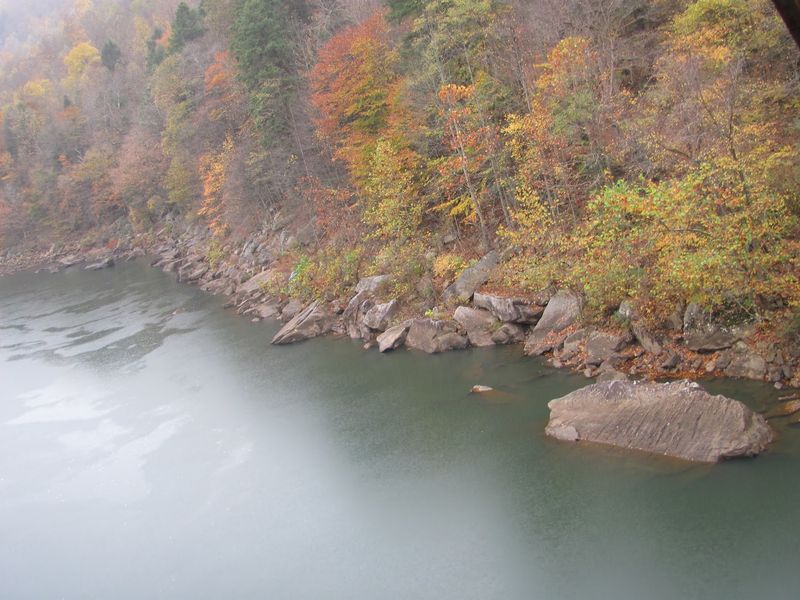
Autumn might be the most underrated time to go. One couple described enjoying the place completely by themselves in the fall, surrounded by changing colors on the tall hills.
When the leaves turn gold, orange, and red, the river becomes a mirror for all of it.
That fall visit also shows how different the spot can feel depending on the season. Summer brings swimmers and more activity, while cooler months can offer near silence.
Some describe the quiet version of Blue Hole as having an almost dreamlike beauty.
For retirees and early risers, this may be the sweet spot. A crisp morning, a thermos of coffee, and a few hours of casting beside a mountain river can feel like a gift.
It is the kind of outing that reminds you why so many families have stayed rooted in these hills for generations, even when the world moves faster everywhere else.
Serenity, With a Few Honest Caveats
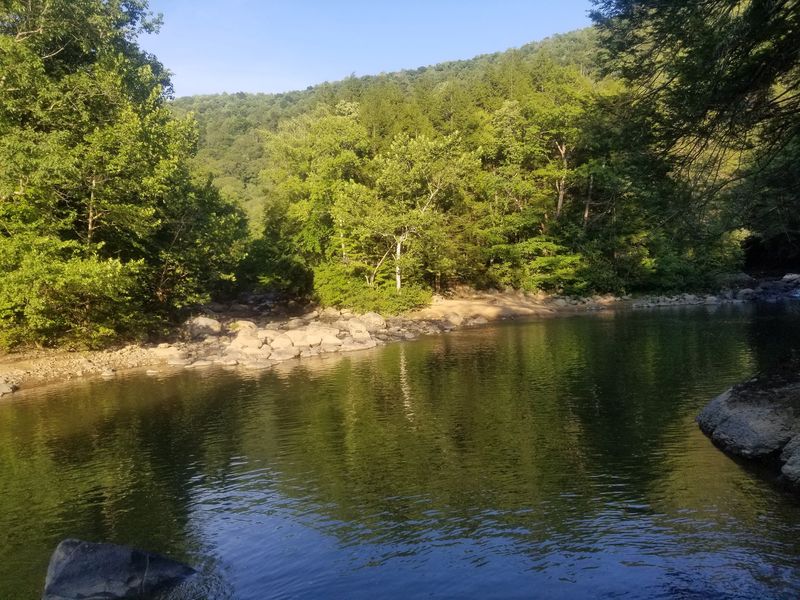
Ask people what they remember most, and words like serene, tranquil, and peaceful come up again and again. Visitors describe it as a place for unwinding and reconnecting with nature, an escape from the hustle of everyday life.
On a quiet day, the only soundtrack is moving water and rustling leaves.
Still, an honest guide should share the whole picture. Some visitors have noticed spray paint on rocks and trash left behind, and one described it as a party place during parts of the year.
Others have had less pleasant encounters with the crowd hanging around.
So timing matters a lot here. Weekdays, cooler months, and early mornings often seem to offer the calm, beautiful version of Blue Hole that people rave about.
Busy summer weekends may bring a very different mood.
You can also help keep the magic alive. Pack out everything you bring, and maybe carry an extra bag to grab a stray wrapper or two.
West Virginians have always taken pride in their hills and hollers, and places like this stay special only when visitors treat them the way they would treat their own backyard. Leave it better than you found it, and the next family gets that same peaceful moment.
The Rough Road In
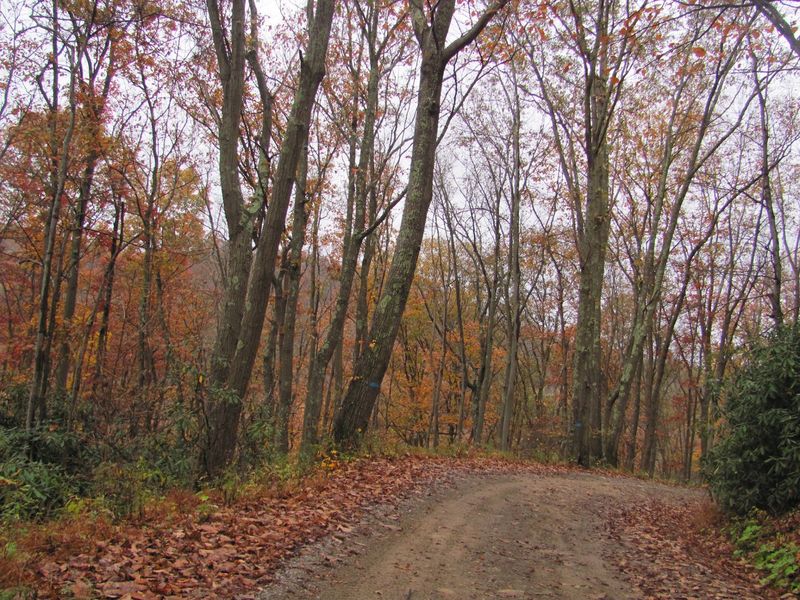
Here is the part every visitor talks about, and not always fondly. The road to Blue Hole is dirt and gravel, full of rocks and deep potholes, and in places barely wide enough for one car.
Off-road driving and potholes are among the most mentioned topics from people who have made the trip.
One side of the road has a very steep drop-off, so steep that some drivers said they could only see treetops. Several visitors who tried it in ordinary cars say they scraped bottom repeatedly and strongly advise others not to repeat the attempt.
Serious accidents have reportedly happened on this road before.
The advice from those who have been there is clear and consistent. Bring a small jeep, a lifted SUV, or a true off-road truck, and drive slowly with full attention.
One visitor even recommended packing a first aid kit.
Weather makes a big difference too. People suggest skipping the trip after a storm, when the dirt roads and potholes get even worse.
Cell service is reportedly missing along the way, so tell someone your plans before heading out. For folks with the right vehicle, some describe the drive as rough but genuinely fun.
Planning Your Visit
Good planning turns a risky outing into a great memory. Blue Hole is a natural site, and the available information does not list any posted hours, entry fees, or visitor facilities.
Expect a wild riverbank, not a managed park.
Start with the vehicle question, since it truly matters most. High clearance and four-wheel capability are strongly recommended by nearly everyone who has described the drive.
If your car sits low to the ground, it is wiser to wait until you can borrow or rent something sturdier.
Pack as if you will have no help nearby, because you likely will not. Bring water, snacks, sunscreen, a trash bag, sturdy shoes for the rocks, and that first aid kit visitors suggest.
Download directions ahead of time, since cell signal is reportedly unreliable out there.
For mapping purposes, the spot is listed simply as Blue Hole, West Virginia 26542. Look for the area where Big Sandy Creek joins the Cheat River near the narrow, old bridge.
Aim for a dry stretch of weather, a weekday if you can swing it, and plenty of daylight for the slow drive both ways. Rushing is the enemy on this trip.
Worth the Bumps for the Right Traveler
So, should you go? For the right person with the right ride, Blue Hole offers something that is getting harder to find: a truly wild swimming spot that still feels like a secret.
Most people who reach it walk away calling it beautiful, special, and full of natural charm.
It is ideal for adventurous swimmers, patient anglers, and off-road fans who enjoy the journey as much as the destination. Fall color lovers may find the quiet months especially rewarding.
Families with little ones or anyone uneasy on steep, narrow roads might want to pick a gentler outing.
What stands out most is the contrast. You get powerful rivers and rugged roads wrapped around a pocket of calm, clear water where time seems to slow down.
That mix is pure West Virginia, rough around the edges and beautiful at heart.
If you do make the trip, go prepared, go slowly, and go with respect for the land. Then sit on a warm rock, listen to the creek meet the river, and soak it all in.
Maybe you have a swimming hole memory of your own from back home, and this spot might just remind you of those good old summer days.
