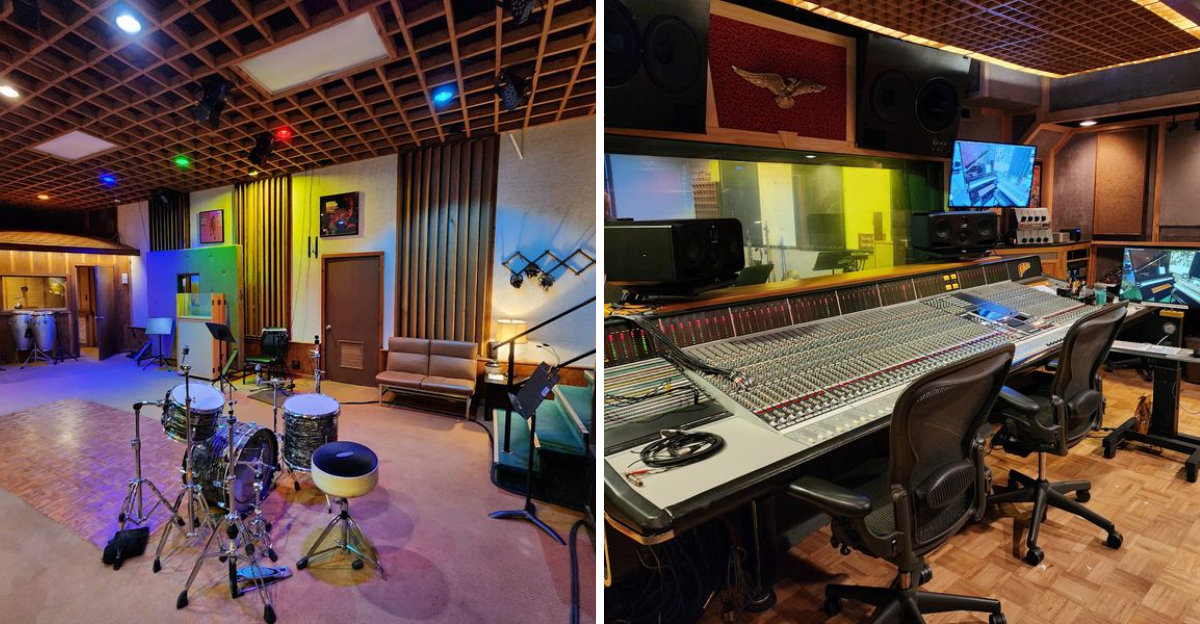
Ever wondered where some of the most influential sounds in American music actually came together? This Alabama studio offers a rare chance to step inside the rooms where artists including Aretha Franklin, Etta James, Wilson Pickett, Otis Redding, and Duane Allman recorded.
Founded in 1959, the studio became central to the development of the legendary Muscle Shoals sound, while its historic Studio A continues to preserve the atmosphere and acoustics that made the location famous.
Guided tours now let visitors explore the recording spaces and hear the stories behind decades of landmark sessions.
Studio B and Its Famously Odd Acoustics
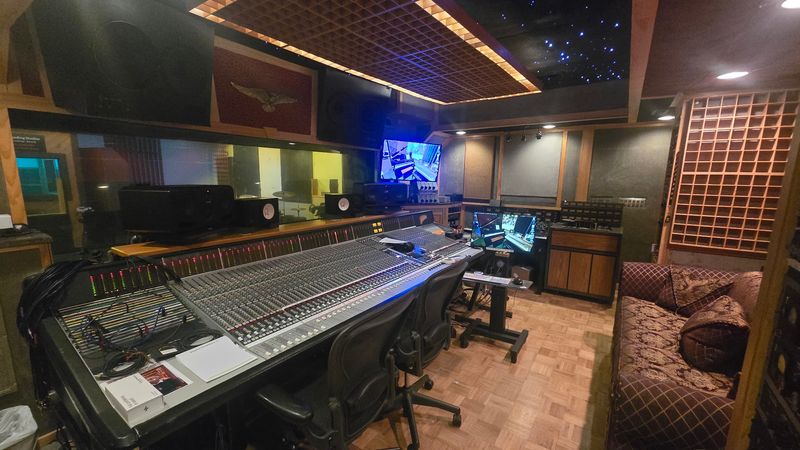
Plenty of visitors tell you Studio A is the highlight, but Studio B stole my attention. Rick Hall built it in 1967, and the sonic character of that live room is credited with adding a certain magic to the recordings made inside it.
It feels different the second you cross the threshold. Slightly warmer, a bit more closed in, the kind of space where a band could sit knee to knee and just play.
The guide explained how each area of the two studios gets used to chase different sounds, which was genuinely fascinating even for someone like me who can barely tune a guitar.
Musicians in my group asked technical questions about mic placement and room reflection, and the answers came easily. That’s when I realized the people giving these tours aren’t reading a script.
Duane Allman played on Wilson Pickett sessions in this building and reportedly camped outside the studio hoping for a shot, which says a lot about how badly players wanted in.
If you’re a musician, ask about the differences between the two rooms directly. You’ll get more than the standard talking points.
Bring a light jacket. Studios stay cool for the equipment, and I got chilly standing still.
The Studio A Room Where Soul History Was Made
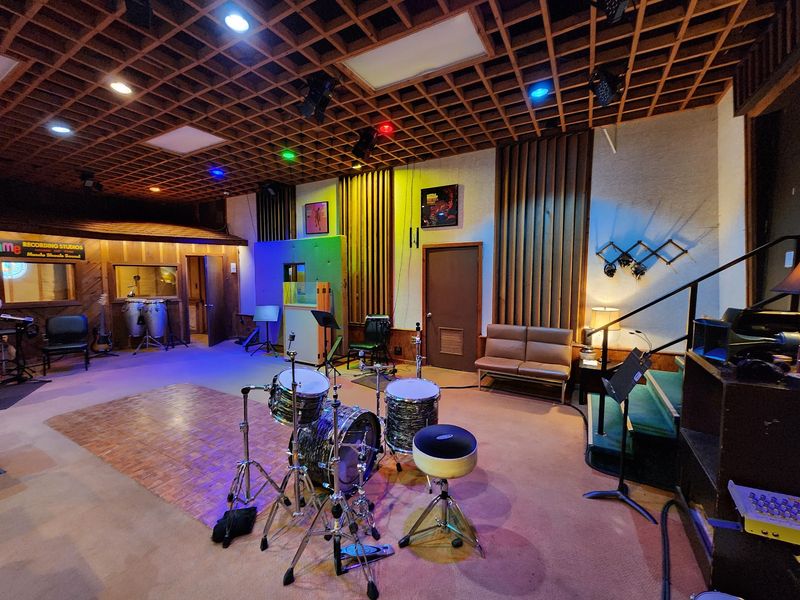
My favorite moment of the whole visit came at the end, inside Studio A. The room has barely changed since the studio opened on Avalon Avenue in the early 1960s.
Same wood, same layout, same slightly boxy shape that somehow made a small Alabama town sound enormous on the radio.
Aretha Franklin recorded “I Never Loved a Man (The Way I Love You)” and “Do Right Woman, Do Right Man” here in 1967, and she later credited Rick Hall with the turning point in her career.
Guides often play tracks through the studio speakers while you stand in the exact spot where those vocals were sung. Hearing that music in that room does something strange to your chest.
I noticed how quiet everyone got. Nobody wanted to talk over it.
Etta James cut “I’d Rather Go Blind” within these walls too, and Wilson Pickett recorded “Mustang Sally” and “Land of 1000 Dances” during his run at FAME.
Practical tip from experience: stand near the middle of the room when the recordings play, because the sound wraps around you differently there. Non-flash photography is generally welcomed, though video is not permitted.
Give yourself a few extra minutes afterward. You’ll want to just look around before heading back into the daylight.
A Working Studio, Not a Museum Behind Glass
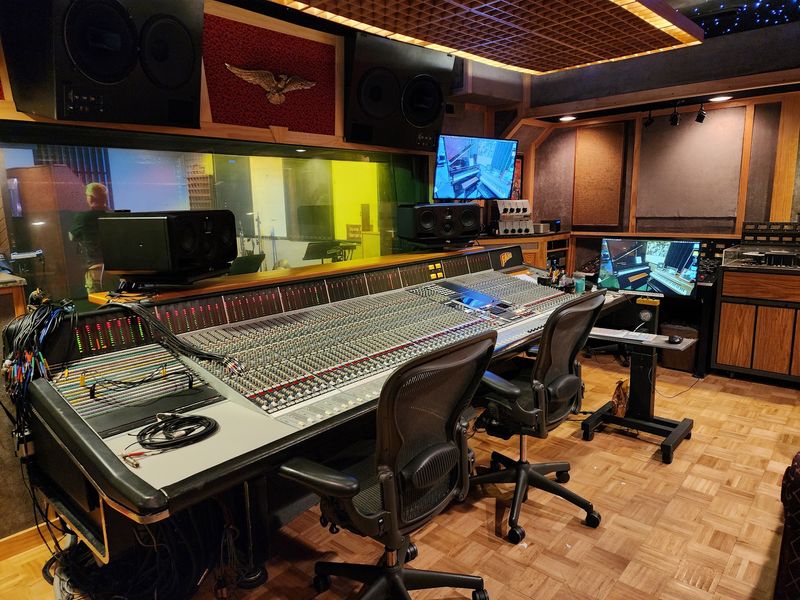
Here’s the part nobody warned me about. FAME still records music every week, which means your tour can bump right into a live session.
Gregg Allman cut his final album, Southern Blood, here in 2016. Alicia Keys, Chris Stapleton, Jason Isbell and the 400 Unit, Alison Krauss, Vince Gill, St. Paul and the Broken Bones and Demi Lovato have all worked or visited in recent years.
Because of that, the tour route can shift depending on what’s happening inside. A booked room stays closed, and that’s simply the reality of a functioning business.
I actually loved the unpredictability of it. There’s something honest about a landmark that still has a job to do.
If seeing active recording matters to you, call ahead at 256-381-0801 and ask what’s on the schedule. Weekday mornings tend to be the best window for sessions.
Just set expectations properly. You’re a guest in someone’s workplace, not a ticket holder at an exhibit.
Over more than sixty years, records made or published here have sold in the hundreds of millions worldwide. Knowing new songs are still being added to that pile made the whole place feel alive rather than preserved.
Rick Hall’s Office on the Backstage Tour
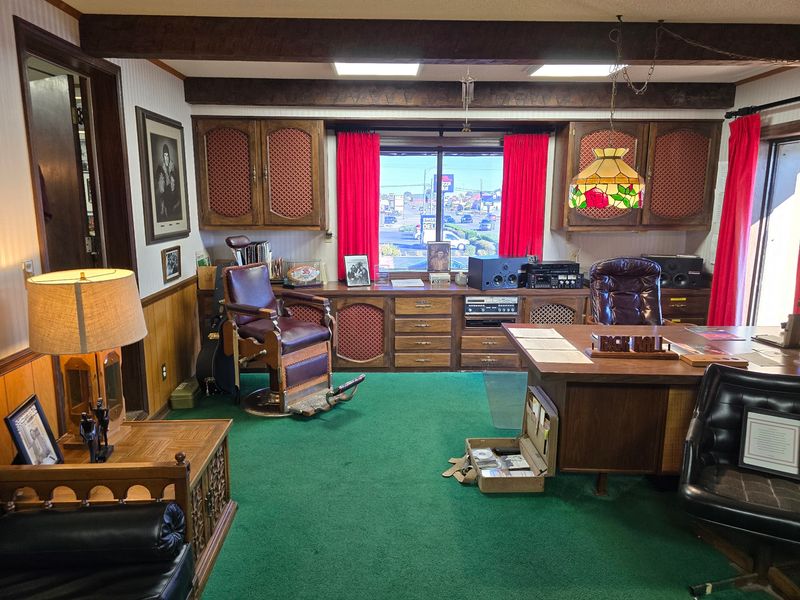
Spring for the backstage version. I mean it.
The standard tour runs roughly an hour through Studios A and B, and it’s excellent on its own. The VIP Backstage Tour adds about another half hour in areas that stay closed the rest of the time.
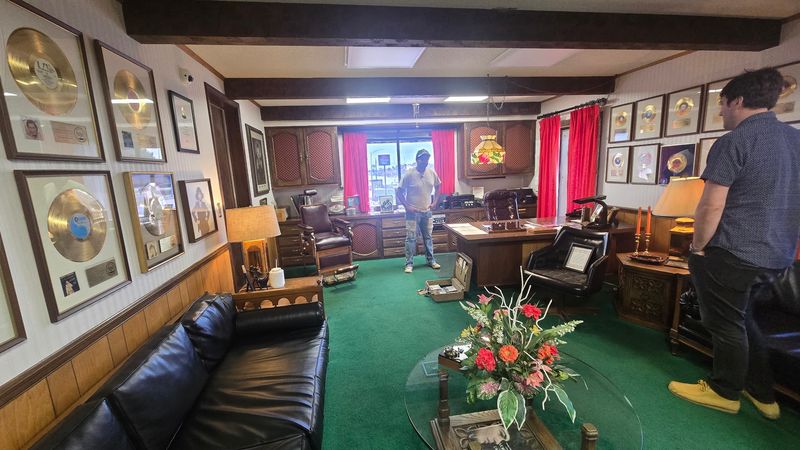
Rick Hall’s personal office sits among them, kept much as he used it. He founded FAME in the late 1950s above a drug store in Florence before the operation landed on Avalon Avenue in 1962, and he’s widely called the founder of Muscle Shoals music.
You also get into FAME’s publishing office and past exhibits of gold records and Song of the Year awards. Instruments from historic sessions turn up too, including Aretha Franklin’s piano and pieces from Hall’s own collection.
Seeing his desk hit harder than I expected. It looks like a working man’s space, not a shrine.
The extra thirty minutes fills in the business side of how hits actually happen, from songwriting to publishing to promotion. That context changed how I heard everything afterward.
Book the backstage option in advance, since those slots are limited and run at set times. Skipping it is the one regret I heard repeated by other visitors.
Stories Behind the Swampers and the Muscle Shoals Sound
Lynyrd Skynyrd name-dropped them in “Sweet Home Alabama,” and I had no idea who they actually were until this tour. The Swampers started as FAME’s house rhythm section, later known as the Muscle Shoals Rhythm Section.
These session players backed a stunning number of the singers who came through, and their feel is a huge part of why records made here sound the way they do.
People describe the Muscle Shoals Sound as swampy, a deeply felt mix of soul, R&B, pop, country and gospel grit. Once you hear it explained, you start recognizing it everywhere in your own playlists.
What got me was how ordinary the setup looked. A few guys in a small room in north Alabama, playing until something clicked.
The early hits came fast. Arthur Alexander’s “You Better Move On” in 1961 put the area on the map, and Jimmy Hughes’s “Steal Away” in 1963 became the first hit cut at the Avalon Avenue building.
Otis Redding recorded some of his last songs here, including “You Left The Water Running,” and he brought Arthur Conley in for “Sweet Soul Music.”
My advice: make a playlist of those tracks before you arrive. The stories land twice as hard when you already know the songs.
Guides Who Grew Up Inside the Story
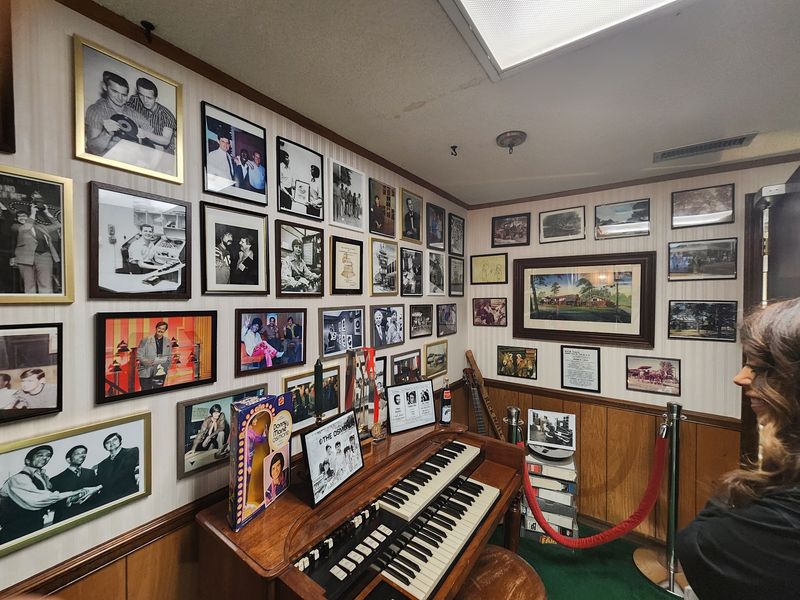
Some tours feel recited. Not this one.
Members of the Hall family are still very much part of daily life at FAME. Linda Hall, Rick Hall’s widow, has owned the studio since 2018, and their son Rodney serves as president.
Visitors sometimes meet Linda in the lobby, and grandsons have led tours themselves. Hearing family details from family members gives the whole hour a different texture.
The guides I encountered knew the deep cuts, not just the greatest hits, and they cheerfully handled every technical question thrown at them by the musicians in the group.
Ask about the artists you personally care about. Whether that’s Clarence Carter, Candi Staton, Solomon Burke, Little Richard, Bobbie Gentry, Jerry Reed or The Osmonds, who sold eleven million records off FAME sessions in 1971, there’s usually a story attached.
Groups stay small, which helps. On a weekday I’ve heard of people having the tour almost to themselves.
One tip that genuinely improved my visit: watch the 2013 documentary Muscle Shoals beforehand. It won awards, covers this exact story, and turns names on a wall into people you recognize.
Then the tour becomes less of a lesson and more of a reunion.
National Landmark Status in an Unassuming Brick Building
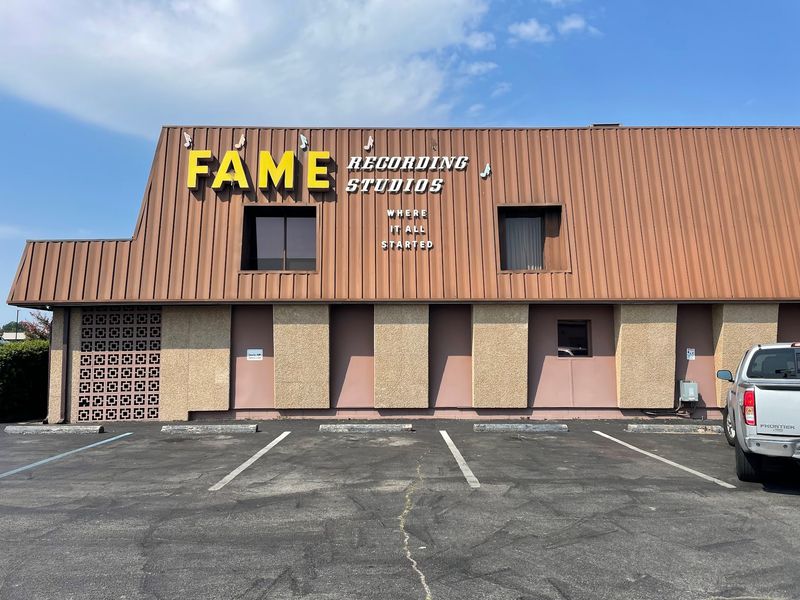
From the sidewalk, you might drive right past it. FAME sits at a busy crossroads, a plain brick structure with a modest sign, and that contrast is honestly part of the charm.
Recognition came anyway. The studio joined the Alabama Register of Landmarks and Heritage in 1997, then landed on the National Register of Historic Places in 2016.
Standing outside, I kept thinking about how many people flew or drove across states to reach this specific corner. Music fans treat it like a pilgrimage stop, and it earns that.
Planning notes worth knowing. Doors are open Monday through Friday from 9 AM to 6 PM and Saturday from 10 AM to 3 PM, with Sunday closed.
Standard tours typically run at 9 AM and 4 PM on weekdays, with backstage tours at 9 AM and 3:30 PM, plus set Saturday times. Reserving ahead saves disappointment, especially in warmer travel months.
Parking is straightforward, and the tour involves easy indoor walking with plenty of standing. Comfortable shoes, a charged phone for photos, and a little patience are all you really need.
Pair it with other Shoals music stops to build a full day. Then come back for the backstage tour, because one visit never feels like quite enough.
Address: 603 East Avalon Avenue, Muscle Shoals, Alabama 35661
