The first sunflower is pretty. The hundredth is something else entirely.
Soon, the road is disappearing behind you, the fields are turning yellow, and a tractor-drawn wagon is rumbling through 350 acres of orchards and crops. Then you spot apples hanging from the trees and realize this is one of those places where the afternoon can quietly turn into several hours.
This Indiana farm has been in the same family since 1831, but it does not feel frozen in the past. Kids can reach for apples, vegetables grow in long rows, horses pull wagons through the property, and the bakery has a dangerous little habit of filling the air with cinnamon-donut smell.
There is no need for flashing attractions when the fields are doing all the entertaining. Come for the sunflowers, wander until you get hungry, and see where the farm takes you next.
Golden Sunflower Fields That Steal Every Photo
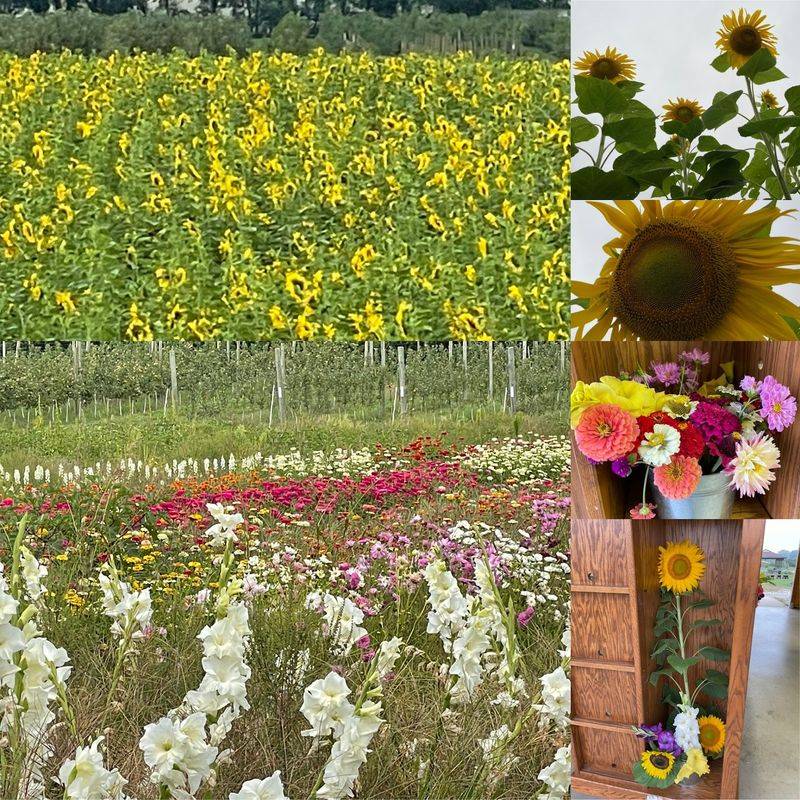
Few things on a farm stop conversation as fast as a field of sunflowers in full bloom. Thousands of golden faces all tilt the same direction, and the effect is honestly a little theatrical.
The sunflower plantings here add a burst of color to a property otherwise dominated by fruit trees and vegetable rows. Multiple fields mean there is usually room to spread out rather than jostle for the same photo angle.
Stalks often grow well above head height, so wandering the paths between them feels closed-in and cozy, like walking through a tunnel made of petals. Bees hum.
Leaves rustle. Cameras come out immediately.
Late summer into early fall generally offers the strongest color, though bloom timing shifts with the weather each year. A quick phone call to the farm before driving out saves disappointment.
Practical tips help here. Morning light is softer and the fields are cooler, while late afternoon gives that warm glow photographers chase.
Sturdy shoes matter more than cute ones, since field paths can be soft or rutted after rain. Anyone with allergies may want tissues tucked in a pocket.
Sunflowers are not the reason the farm exists, and that somehow makes them more charming. They are a bonus, a splash of brightness between the apple blocks and pepper rows, and one of the most memorable sights on the whole 350 acres.
Six Generations Deep, A Family Farm Since 1831
Roots run unusually deep in this corner of La Porte County. John Garwood, a carpenter by trade, began working this land back in 1831, long before tractors, refrigeration, or paved roads reached rural Indiana.
His great-grandson Carl A. later turned a garage into a modest sales stand, selling apples and cider to neighbors sometime around the 1940s and 1950s. That small side hustle grew into the farm market visitors walk through today.
Now the operation sits in the hands of the sixth generation, with brothers Brian and Mike running things alongside their cousin Tom. Nearly two centuries of continuous farming by one family is rare anywhere in the Midwest.
The state has noticed, too. In 2020 the farm received the AgriVision Award, Indiana’s highest agricultural honor, recognizing both its sustainable growing practices and its role in the surrounding community.
What makes the history feel real is how ordinary it looks. Nobody has built a museum or hung interpretive signs on the fence posts.
Instead the story shows up in the size of the older apple trees, the layout of the fields, and the practiced way staff explain which variety ripens next. Guests essentially walk through a working timeline of Indiana agriculture while filling a basket.
Bring curiosity and ask questions at the market counter. The answers tend to be generous.
Hop A Wagon, Horse Drawn Or Tractor Pulled
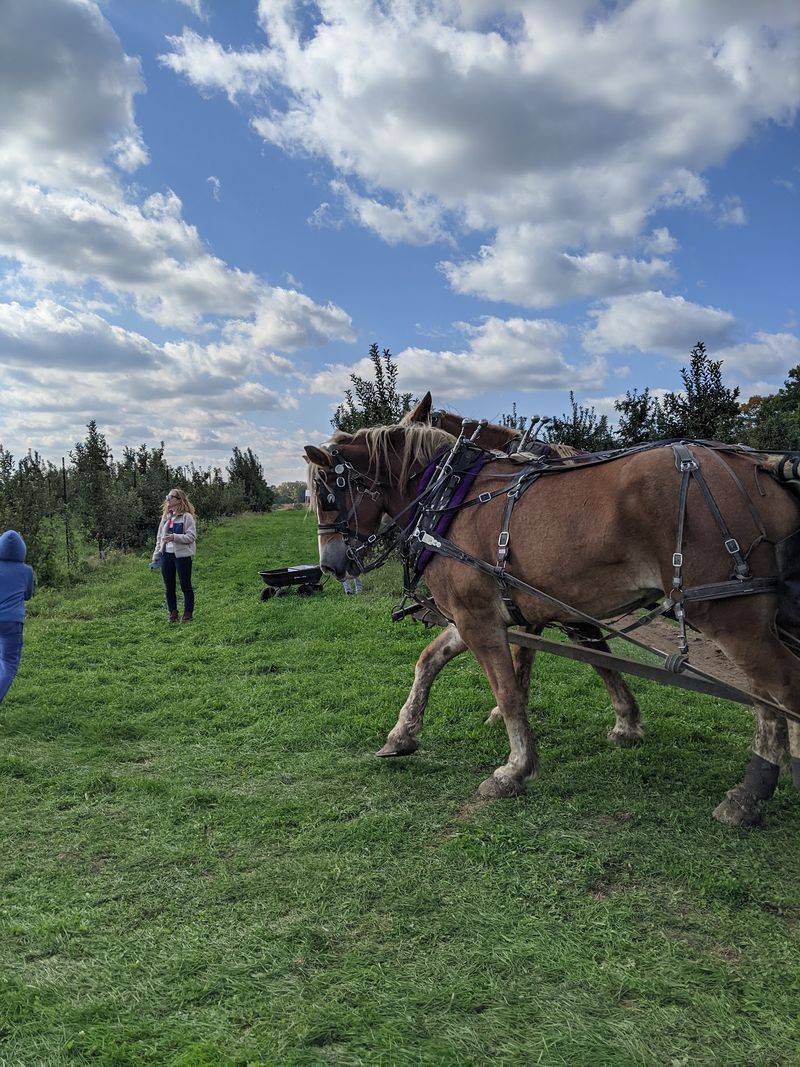
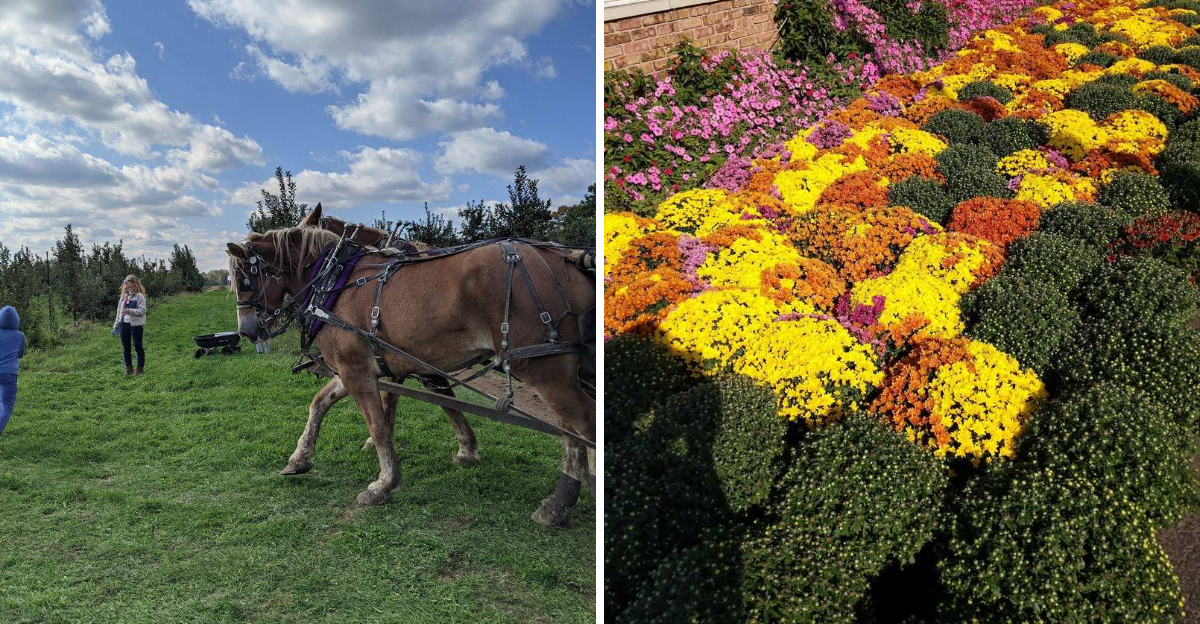
Three hundred fifty acres is a lot of walking, which is exactly why wagons rumble back and forth all day. Some are pulled by tractors, others by horses, and both options draw a small crowd of admirers before anyone even climbs aboard.
Rides carry guests from the market area out to whichever picking fields are open, then bring them back with full baskets. There is no extra charge, which makes the whole system feel refreshingly uncomplicated.
The pace is slow enough to actually look around. Orchard rows slide past, fields open up on either side, and kids usually start pointing at everything within thirty seconds.
Timing is worth noting. The last wagon out to the U-pick fields typically leaves around 5 p.m. on weekdays and 5:30 p.m. on weekends, though those cutoffs can shift, so arriving with a few hours of daylight to spare is smart.
Wait times for a return wagon are usually short during busy stretches, since drivers keep circling. Benches and shade near the loading area make any pause easy.
Horse drawn wagons tend to be the highlight for younger visitors and for anyone who grew up on stories of farm life. The horses are calm, patient, and clearly used to being photographed.
Consider the ride part of the attraction rather than transportation. It sets the tone for the entire visit.
U-Pick Season Runs June Through October
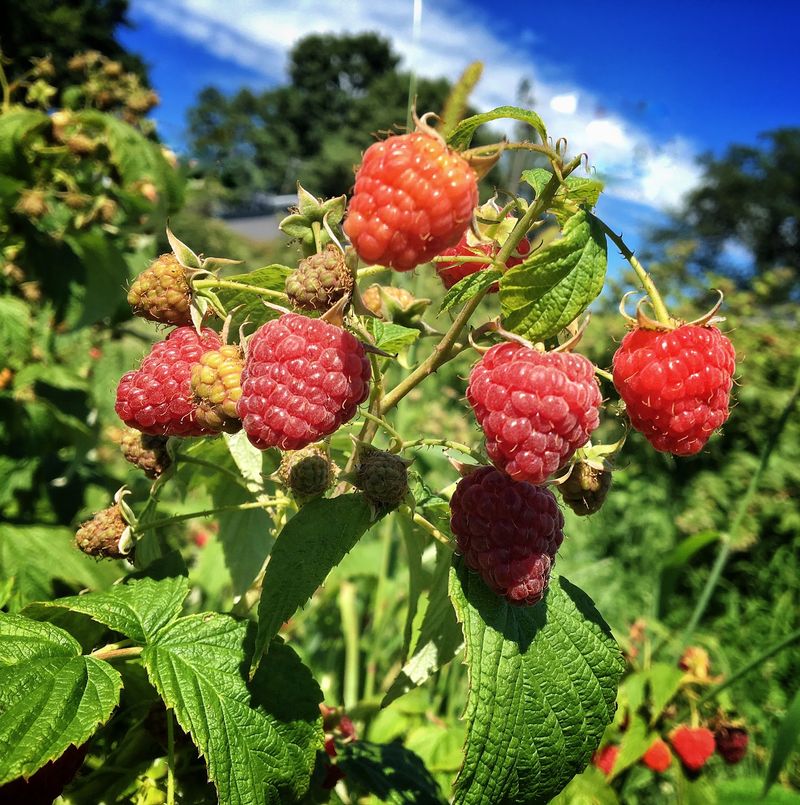
Picking your own food changes how it tastes. That is not sentimentality, it is just what happens when a strawberry goes from plant to mouth in under ten seconds.
The U-pick calendar here stretches roughly from June through October, and the lineup rotates constantly. Early summer brings strawberries and cherries, then raspberries, black raspberries, and blackberries take over.
Autumn belongs to apples, with more than twenty varieties growing across the property. Honeycrisp, Gala, Fuji, Pink Lady, and Pixy Crunch all make appearances, which means side-by-side taste testing becomes a real activity.
Vegetables get equal billing. Baskets fill with peppers of every heat level, including green, jalapeno, anaheim, and cubanelle, plus tomatoes, tomatillos, eggplant, sweet corn, green beans, cucumbers, and pickling cukes.
During peak season the farm operates seven days a week, generally 8:30 a.m. to 6 p.m. Monday through Saturday and 10 a.m. to 6 p.m. on Sunday.
A few field-tested tips. Wear closed shoes, bring a hat, and pack water for warm afternoons.
Pumpkin pickers often bring garden gloves and a small cutting tool, since vines and stems are prickly. Containers are available at the market, sized to carry comfortably.
Plan on longer than expected. Nobody ever leaves a U-pick field on schedule.
The Market And Bakery Where Cinnamon Donuts Rule
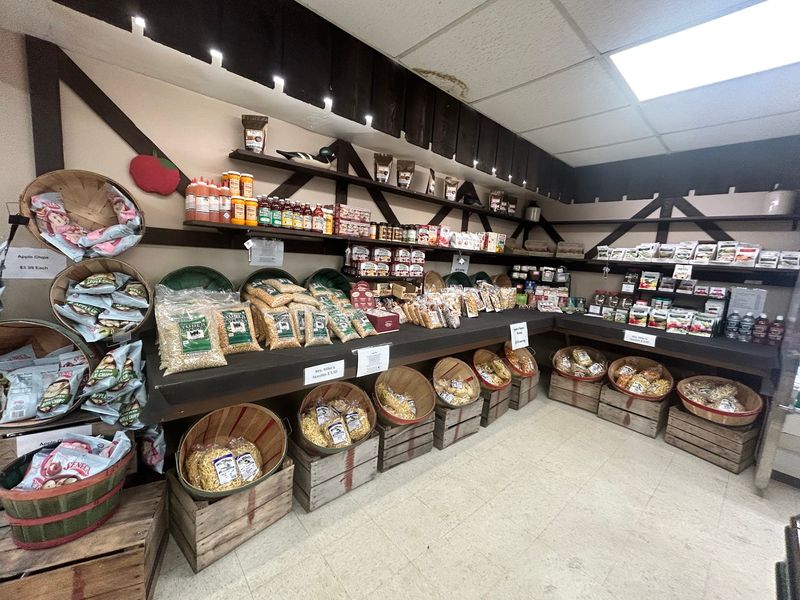
Ask around about this farm and the conversation lands on donuts within about a minute. The bakery’s cinnamon donuts have a reputation that travels well beyond La Porte County, and they occasionally sell out before closing.
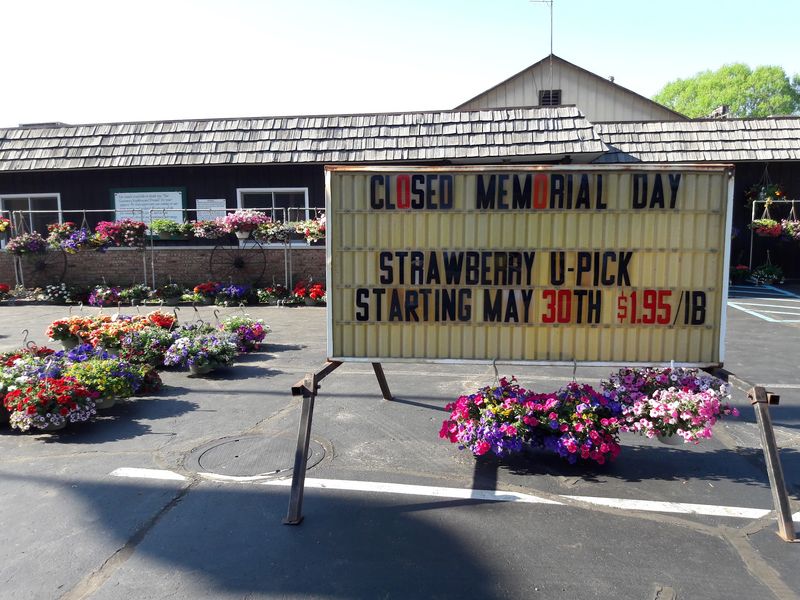
The market building anchors the whole property, open daily from May through late November. Inside, bins hold seasonal fruit and vegetables, sweet corn stacks up by the door, and spring brings flowers to the entryway.
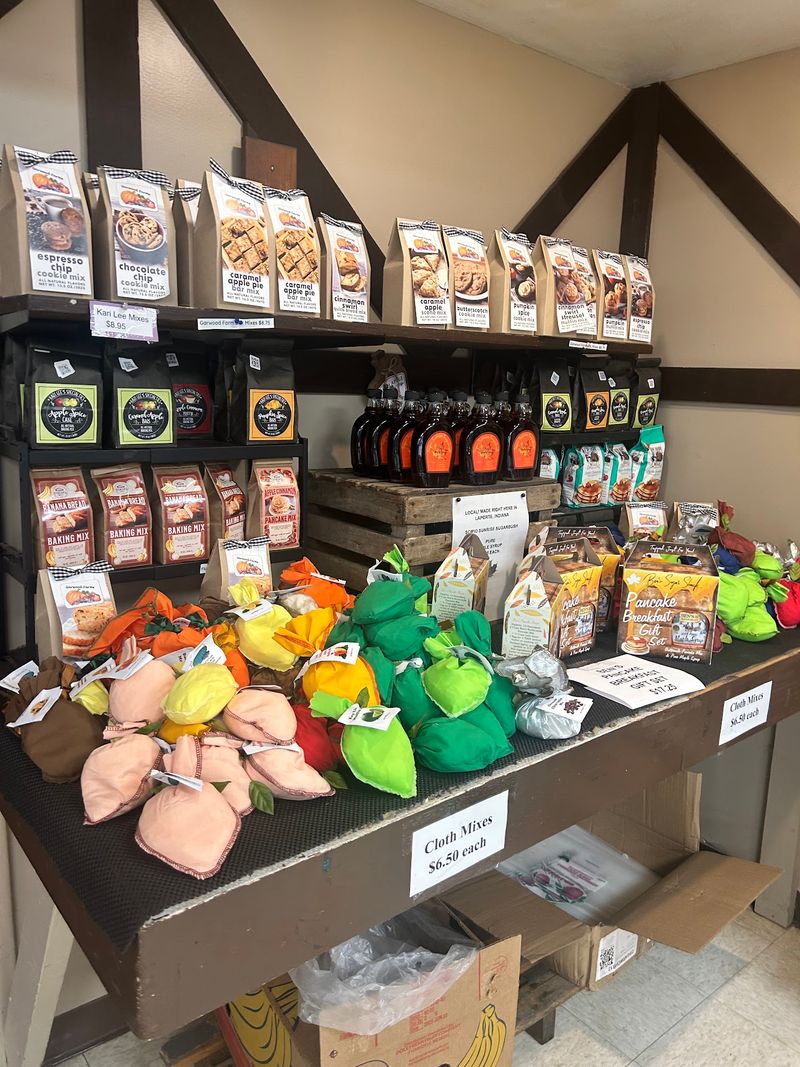
Shelves carry preserves, honey, candy, and a rotating selection of local meats and cheeses. It reads less like a gift shop and more like a very well stocked country store.
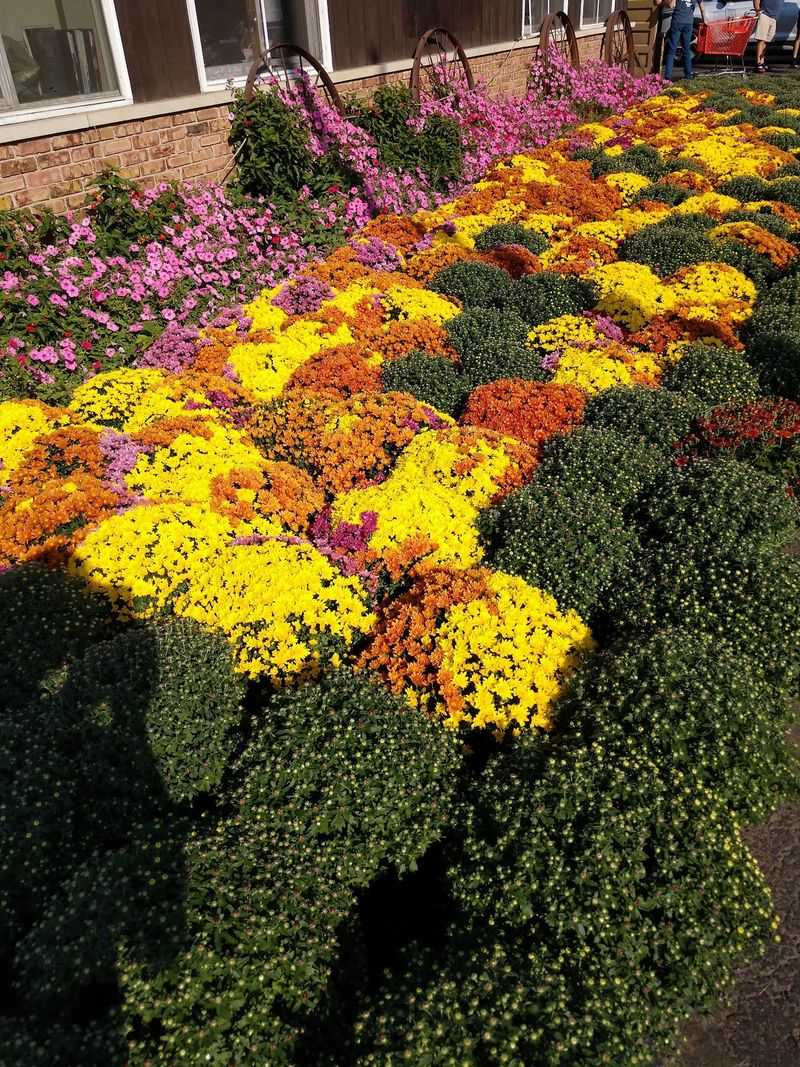
Autumn shifts the mood entirely. Fresh pressed apple cider appears, caramel apples line the counter, and mums and pumpkins spill across the outdoor displays in every size imaginable.
Beyond donuts, the bakery turns out pies, muffins, cookies, and turnovers, and a gelato bar handles warm-weather cravings. Sweet tooth options are not in short supply.
Hungry for something savory? The seasonal Garwood Grill serves simple farm-friendly items like hot dogs and grilled corn on the cob.
Covered picnic areas near the parking lot give families a spot to sit, eat, and regroup before heading back out. On certain days live music plays while guests wait for a wagon.
Budget extra time for the market. Baskets fill fast in here, too.
Apple Fest And Craft Show Brings The Whole County Out
Early September is when the farm shifts into celebration mode. The Apple Fest and Craft Show has become one of the season’s anchor events in this part of Indiana, drawing artisans from across the region.
Vendors set up with handmade crafts, artwork, and ornamental pieces, and the emphasis stays on genuine makers rather than mass produced goods. Many of the items on the tables were built in someone’s home workshop.
Attending the craft show costs nothing, which makes it an easy add-on to a picking trip. Wander the booths, then head straight to the wagons.
Everything else keeps running during the festival. U-pick fields stay open, wagons keep looping, and the bakery works overtime on cider and donuts.
The combination is what makes the weekend work. Shoppers browse, kids ride, families pick, and nobody has to choose between the festival and the farm.
School and group tours are another side of the operation, offered for parties of twenty or more. Autumn dates from mid-September through mid-October fill quickly, and booking generally happens between May and August.
Those tours walk students through how a working commercial farm actually functions, from planting to harvest. Explanations come from people who do the work daily.
Community shows up here in an old-fashioned way. Neighbors meet in the parking lot, and conversations start over apple varieties.
No Carnival Rides, Just An Honest Working Farm
Plenty of agritourism spots have added bounce houses, corn mazes with soundtracks, and petting zoos. This one deliberately skipped all of it.
No carousels, no jump houses, no midway games. The choice is intentional, aimed at giving guests what the farm describes as a real farm-feel experience.
What fills that space instead is the actual work of growing food. Rows stretch out, crews move between blocks, wagons haul baskets, and visitors get to be part of the rhythm rather than spectators at a fair.
Kids figure it out quickly. A tractor pulling a wagon over uneven ground turns out to be plenty exciting on its own, and many young visitors treat it like the main ride.
The result is a calmer kind of day out. Conversations happen.
Phones stay in pockets a little longer.
For families trying to show children where food actually comes from, the setup does the teaching without a single sign or lecture. An apple picked off a branch explains itself.
Quiet corners of the property invite slower walks, and the surrounding La Porte County countryside makes the drive in genuinely pretty. Green fields, small woodlots, and open sky the whole way.
Anyone craving authenticity over spectacle will find this refreshing. Six generations of farming built something worth simply walking through.
Address: 5911 W 50 South, La Porte, Indiana.
