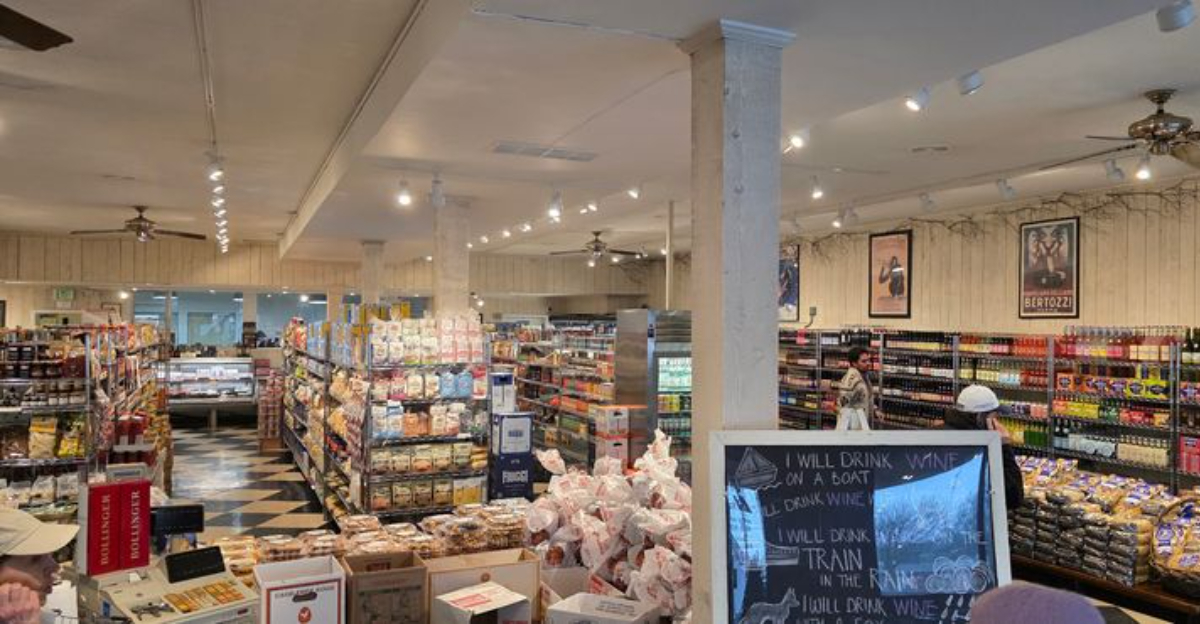
The family recipe did not come with measurements. It came with instructions like “use the good cheese” and “you will know when there is enough.” Finding the good cheese is considerably easier here.
This Indiana market has been feeding its neighborhood since 1950, with shelves full of Italian staples and a deli counter where meats and cheeses are sliced to order.
It feels like the kind of place where recipes are understood rather than explained, where customers already know which ingredients belong in the bag and newcomers spend extra time studying everything.
The food is only half the experience. The other half is feeling like you just walked into somebody else’s kitchen.
A Family Story That Started in 1915
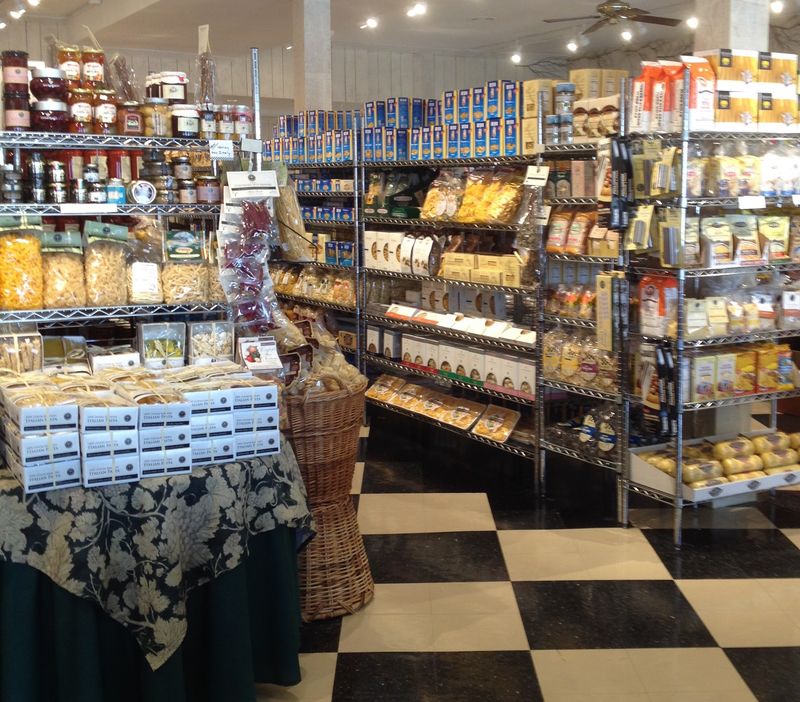
Long before this market opened its doors, the story began with a suitcase and a boat ticket. Gene Bamber’s grandfather arrived from Italy in 1915 and opened his first grocery store, planting a seed that would grow through three generations of the same family.
John Bamber, Gene’s father, launched Bamber’s Superette in 1950 at 1145 Mishawaka Avenue in South Bend, Indiana. The address has not changed since.
Seventy-five years is a long stretch for any small business, especially a neighborhood grocery. What kept it going was an old-world value system where relatives worked the registers, stocked shelves, and learned the trade by standing in it every day.
That kind of continuity shows up in small ways. The layout feels lived-in rather than designed, and the product mix reflects decades of knowing exactly what customers come back for.
Visitors interested in local history get something rare here, a working piece of the past rather than a museum display. Nothing is roped off or preserved behind glass.
Ask about the early years and there is usually a story ready. The family has watched Mishawaka Avenue change around them while the shop held its ground, and that steadiness is part of the appeal.
Come for groceries, leave with a sense of how immigrant families built businesses in the Midwest one careful decade at a time.
Olive Oils, Vinegars, and Pasta Shapes You Cannot Find Elsewhere
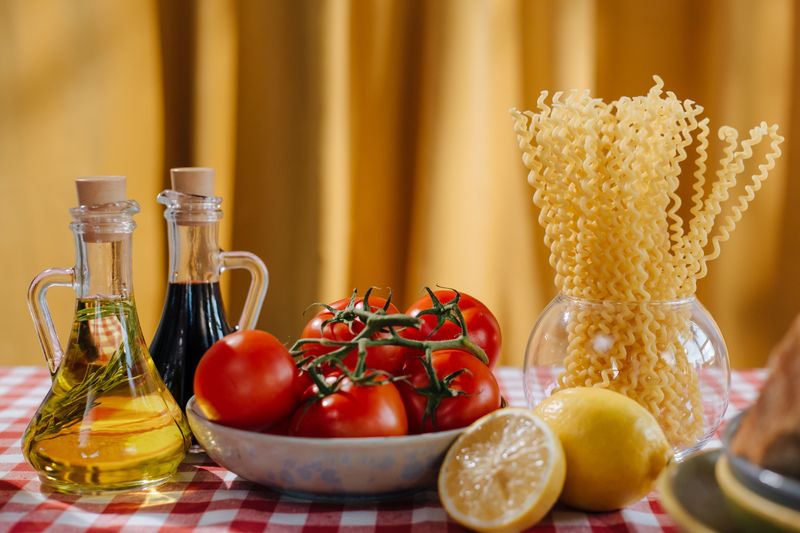
Over 70 varieties of imported olive oil sit on these shelves. More than 50 kinds of balsamic vinegar line up beside them, which is a startling number for a store this size.
Cooks who care about ingredients tend to lose track of time in this aisle. Labels come from different Italian regions, and the range covers everything from everyday cooking oils to bottles meant for finishing a dish right before it hits the table.
Artisanal pastas fill out the selection with shapes that rarely make it into standard supermarket boxes. Bronze-cut textures, regional specialties, and packaging that looks like it belongs in a Roman alimentari.
The cheese case deserves its own visit. Parmigiano-Reggiano, Pecorino Pepato, Burrata, and Mozzarella di Bufala are all part of the regular lineup.
Italian truffles show up too, along with Calabrian olives cured with wild fennel, a detail that hints at how specific the sourcing gets here.
Around the holidays, imported panettone and colomba cakes arrive for customers who grew up with them. Those seasonal boxes go quickly, so timing matters.
Practical tip for first-timers, bring a list but stay flexible. Half the fun is spotting something unfamiliar, asking what it is used for, and going home with a new ingredient to experiment with.
The Deli Counter Where Everybody Ends Up
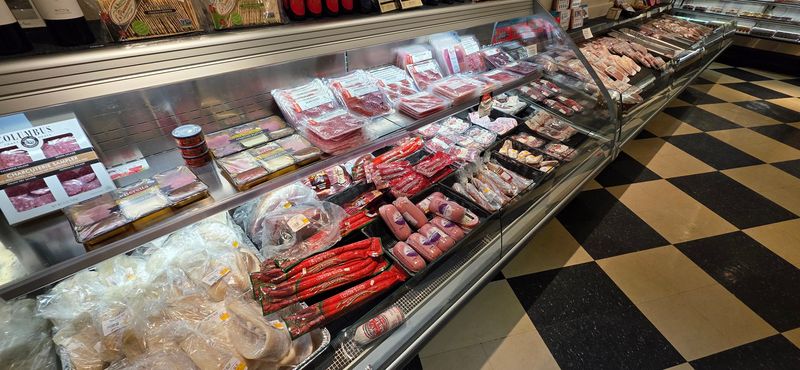
Follow the smell of fresh bread and it leads straight to the deli. That corner of the store pulls in nearly everyone who walks through the door, whether they planned on it or not.
House-made salads fill the display case. Breads come out fresh, desserts are prepared on-site, and the whole setup runs on the kind of daily routine that small kitchens perfect over decades.
Cured Italian meats are a major draw, sliced to order rather than pulled from a pre-packed cooler. The difference in texture alone makes the wait worthwhile.
Homemade meatballs have developed a following of their own. Regulars come in specifically for them, which says plenty about the recipe.
Planning a party? Antipasto trays are a specialty here, assembled with meats, cheeses, and accompaniments that make a table look effortlessly impressive.
Ordering ahead is smart for larger trays, especially around holidays and game days when demand climbs. A quick phone call saves standing around.
What makes the counter memorable is not just the food but the pace. Staff take time to explain a cheese, suggest a pairing, or offer a taste before wrapping something up.
Grab a sandwich, a container of salad, and a loaf of bread, and lunch is handled. Simple, fresh, and made right there.
Beyond Italy, A Pantry With a Passport
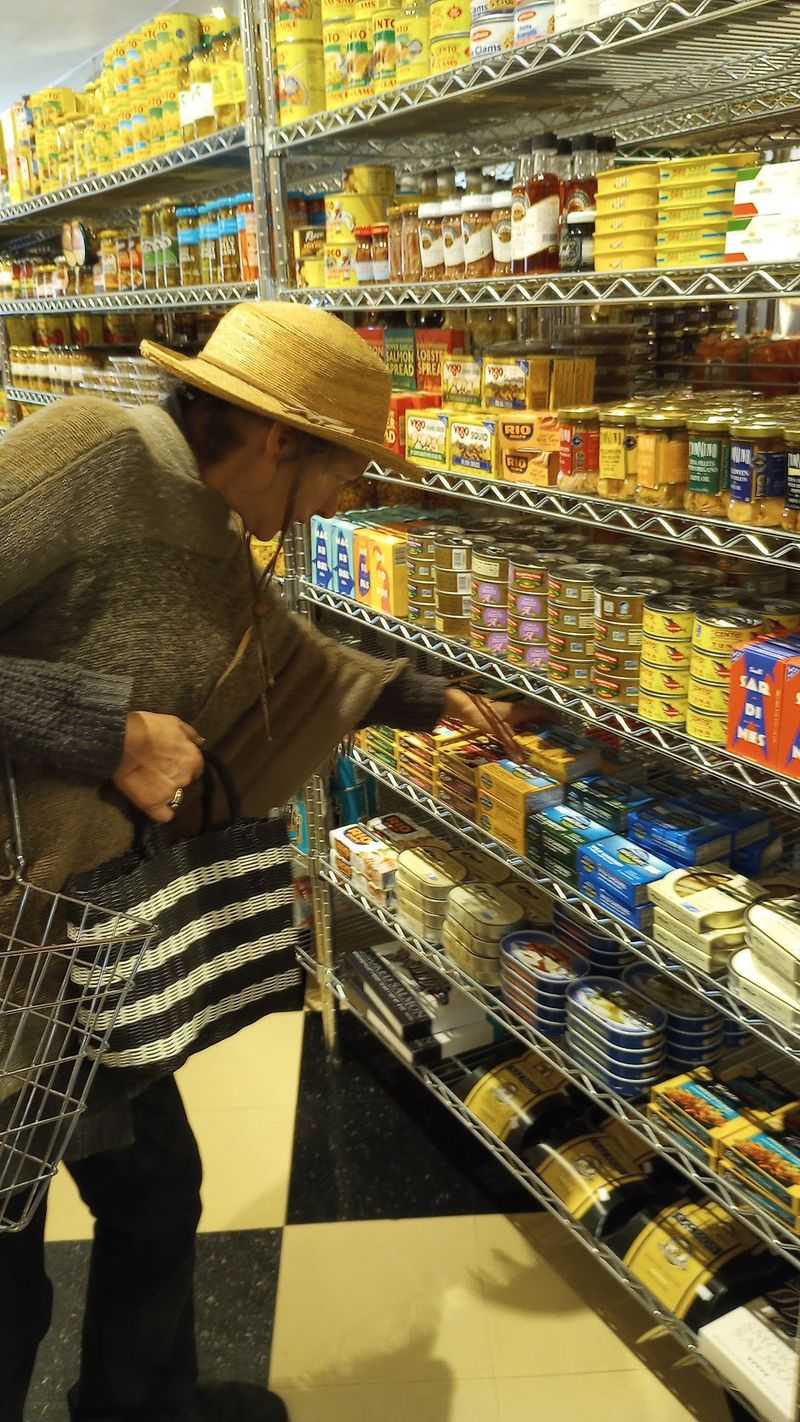
Italian roots run deep here, but the shelves tell a broader story. Back in 1976, the family made a deliberate decision to widen the inventory and bring in specialty foods from countries far beyond Italy.
The timing was strategic. Large retailers were beginning to dominate mainstream brands, so competing on cereal boxes and canned soup made little sense.
Instead, the market leaned into what big chains could not easily copy. German sausages joined the coolers, French cheeses appeared beside the Italian ones, and the store became a destination for anyone hunting a hard-to-find ingredient.
That shift explains why shoppers with wildly different recipes end up in the same aisle. A person building a charcuterie board and someone recreating a family dish from another continent can both find what they need.
Browsing rewards curiosity. Labels in several languages, jars and tins with unfamiliar shapes, and condiments that spark ideas for dinner.
Anyone stuck on where to start should simply ask. Staff know the inventory well and can point toward substitutes when a specific item is out.
The international selection also makes gift shopping easy. A basket assembled from these shelves feels far more thoughtful than anything grabbed at a mall.
Half grocery run, half small adventure, which is exactly the point.
Where Regulars Get Greeted by Name
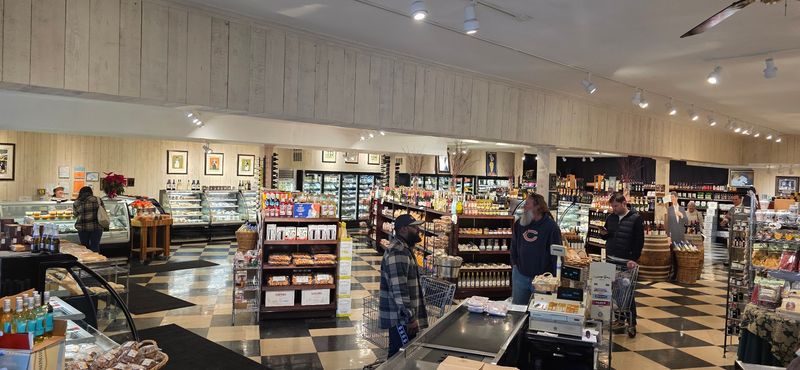
Some stores feel transactional. Not this one.
Gene and Gina Bamber are frequently on the floor, greeting familiar faces and remembering what people bought last time. That small habit turns a grocery stop into something closer to a social visit.
Conversations drift toward family news, weekend plans, or what someone is cooking for Sunday dinner. Nobody hurries anybody out the door.
The atmosphere has been described as a sensory time capsule, and that fits. Warm bread scent hangs in the air, the shelves feel packed rather than styled, and the overall mood recalls corner groceries from generations back.
Locals consistently mention how clean the place is kept and how friendly the staff are, which counts for a lot in a shop where fresh food is the main event.
Newcomers should not feel like outsiders. Asking a question is the fastest way in, and the response is usually longer and more helpful than expected.
Weekday mornings tend to be calmer if a leisurely browse sounds appealing. Later in the day brings more foot traffic and more chatter.
What lingers afterward is not just the food. It is the reminder that neighborhood businesses can still function as gathering spots, places where people actually talk to each other instead of scanning their own groceries in silence.
Seventy-Five Years of Refusing to Fade
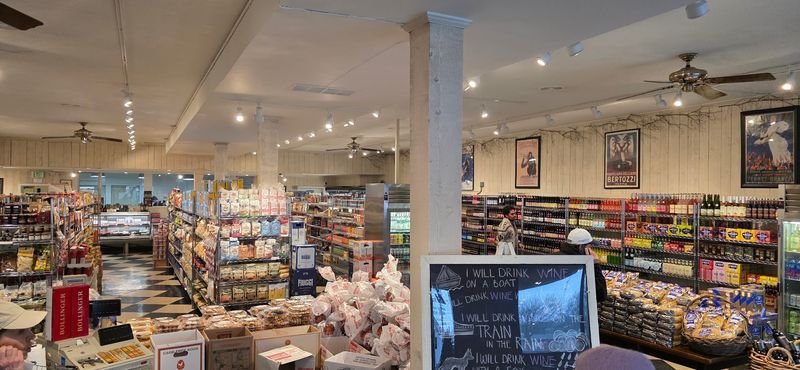
Plenty of independent groceries closed when big chain retailers swept through in the 1990s. This one did not.
Rather than trying to match the giants on price or volume, the Bamber family doubled down on what made them different. Heritage stayed front and center, and the specialty import selection kept expanding.
That decision reads as obvious now. At the time it took nerve.
Seventy-five years of continuous operation covers a lot of economic turbulence, changing shopping habits, and shifting neighborhoods. Surviving all of it required both stubbornness and a willingness to adapt.
The balance is visible on the shelves. Traditional Italian staples that have been stocked for decades sit near newer imports added because a customer asked for them.
Visitors who appreciate small business history will find plenty to admire. Nothing here feels manufactured for nostalgia, because the longevity is genuine.
There is also a practical lesson tucked inside the story. Specializing in what nobody else offers turned out to be more durable than competing head-on.
Supporting the market means keeping that streak alive a little longer. Every purchase helps a family-run shop hold its spot on a street that has changed considerably around it.
Stop in, look around, and notice how much staying power a single storefront can accumulate.
Cooking Advice Included With Every Visit
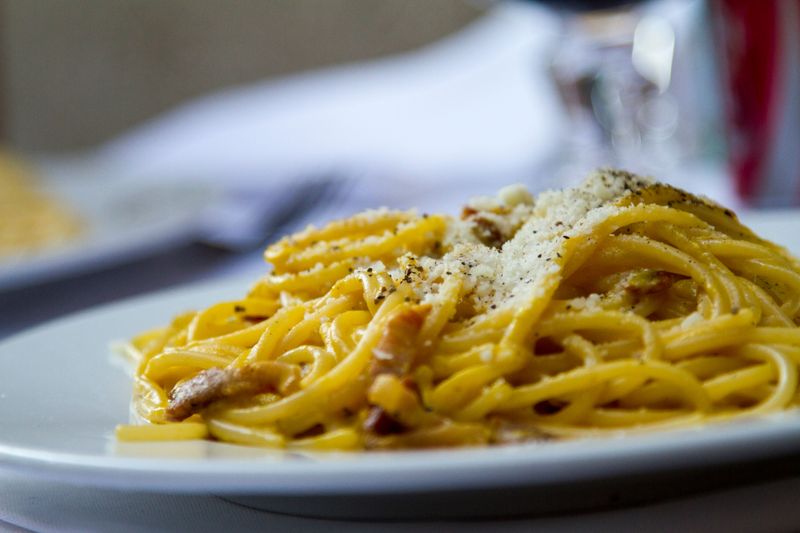
Show up with a vague dinner idea and leave with an actual plan. That happens often here.
Gene Bamber is known for culinary know-how, and he regularly helps customers who are prepping a special meal or attempting a recipe for the first time. Questions about which cheese melts best or which oil suits a particular dish get real answers.
The guidance is not scripted sales talk. It comes from a lifetime spent around these ingredients and the people who cook with them.
Shoppers consistently note the kindness and flexibility they encounter. Special requests are handled without fuss, and nobody gets rushed through a decision.
The operating philosophy leans on gratitude for every person who walks in, which shows in how unhurried the whole experience feels.
New cooks especially benefit. Instead of guessing in a giant supermarket aisle, they get a short conversation that clears things up immediately.
Best approach for a first trip, describe the meal being planned and let the recommendations follow. Bring a bag, because the list tends to grow.
Find the market at 1145 Mishawaka Avenue in South Bend, Indiana, an easy detour for anyone passing through the area.
Between the advice, the deli, and shelves stacked with imports, a quick errand quietly becomes the highlight of the day.
