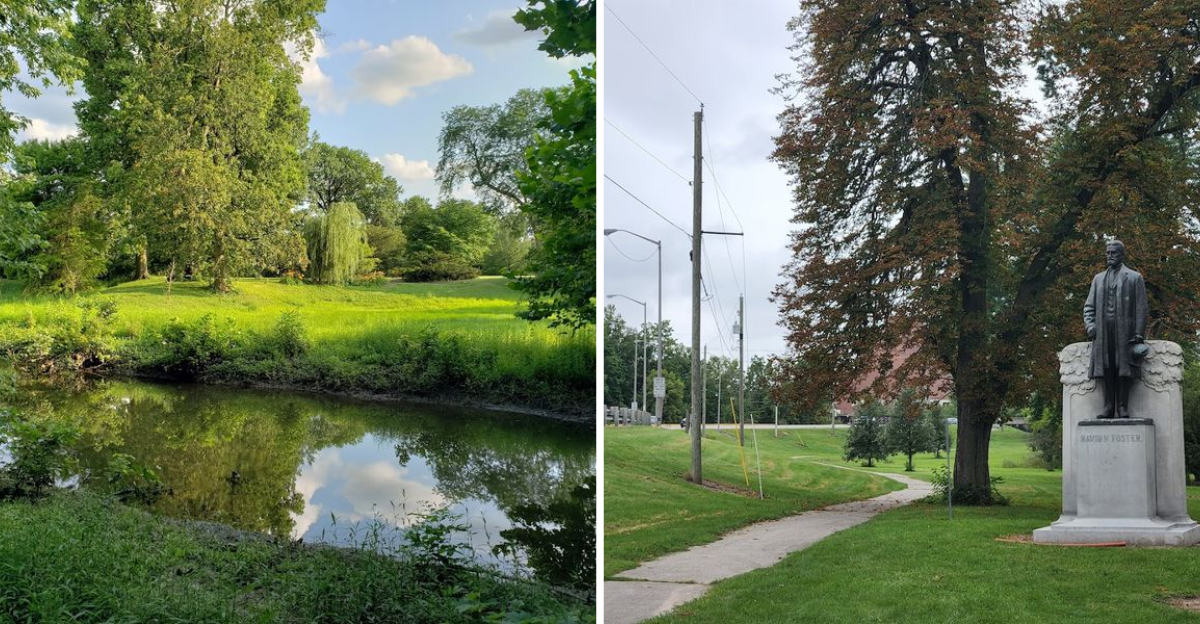
I never expected a walk through an Indiana park to come with such an unusual story behind it. Beyond the trails, open spaces, and peaceful scenery is a piece of local history that raises plenty of questions. A striking statue stands as the centerpiece, but the real intrigue comes from the history surrounding why it was placed there and the people connected to the land.
It is the kind of place that makes you stop, look closer, and appreciate the stories hiding in everyday spaces. Indiana has plenty of surprising landmarks, and this one is worth a visit.
The Origins of Swinney Park and the Man Behind the Name
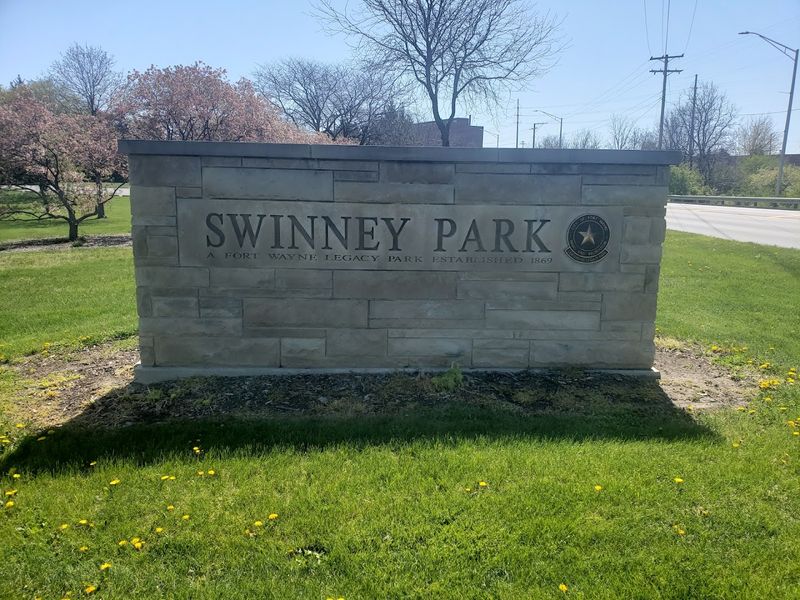
Not every park carries the weight of its founder’s ambitions quite like Swinney Park does. Colonel Thomas W.
Swinney was a land speculator and businessman who built a significant fortune in Fort Wayne during the mid-1800s. He was the kind of man who left a mark on a city simply by being present in it.
Swinney leased his personal property to the city of Fort Wayne in 1869, effectively creating the park that now bears his name. That act alone was remarkable for the time, turning private land into public green space when the city had few parks to speak of.
When Swinney died in 1875, he left the land to the city through his will, but with a very specific condition attached. His family was allowed to continue living in the Swinney Homestead, a house built between 1844 and 1845, for as long as any family member remained alive.
That arrangement lasted until 1922, meaning the Swinney family watched Fort Wayne grow up around their old home for nearly five decades after the colonel’s death. The unusual agreement preserved a direct connection between the family and the park, creating a rare example of private history becoming part of a community landmark.
A Homestead Frozen in Time on Public Land
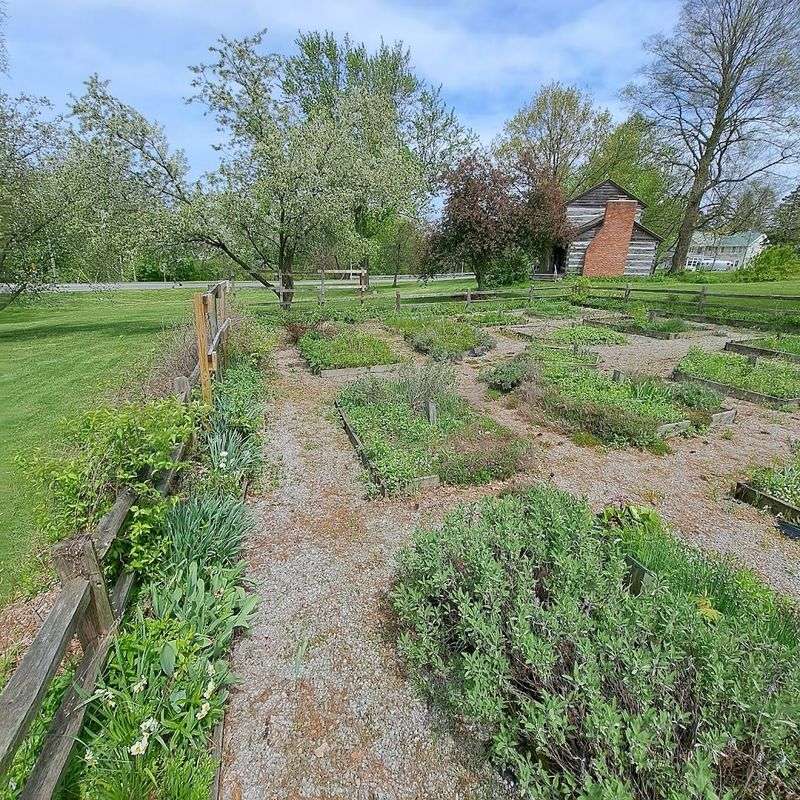
Few things feel as unusual as a private family home sitting inside a public park, and that is exactly what the Swinney Homestead was for decades. Built between 1844 and 1845, the structure served as the Swinney family’s personal residence long before the surrounding land became a city park.
After Colonel Swinney’s death, the city technically owned the land, but the family retained the right to live there. Neighbors walking through the park for a Sunday stroll would have passed right by the home where the Swinneys still kept their daily routines.
That kind of arrangement is almost unimaginable today. Imagine your family home gradually becoming surrounded by picnic areas, walking trails, and public activity, all while you still pay no rent and hold legal rights to stay.
The Swinney family finally vacated the homestead in 1922, ending a nearly 50-year era of shared occupancy between one private family and the broader Fort Wayne public. The homestead still stands within the park today, serving as a tangible reminder of the city’s layered and sometimes complicated past.
David N. Foster and His Legacy as the Father of Fort Wayne Parks
Some people shape a city so thoroughly that the city eventually has to find a way to say thank you in bronze. David N.
Foster was that kind of person for Fort Wayne. He is widely credited as the Father of the Fort Wayne Parks System, a title that speaks to years of dedicated civic effort.
Foster’s work helped transform Fort Wayne into a city that genuinely valued public green space at a time when many American cities were still figuring out what parks were even for. His contributions laid the groundwork for a network of parks that residents still enjoy today.
The city honored him with a bronze statue approximately 9.5 feet tall, designed by Chicago sculptor Frederick Hibbard. It was dedicated on May 14, 1922, at a public ceremony attended by thousands of Fort Wayne residents, including Foster himself and members of his family.
Think about that for a moment: Foster was alive to see his own statue unveiled. That is a rare honor, and it speaks to how much the city valued his work while he was still around to appreciate it.
The Bronze Statue That Made a Very Public Statement
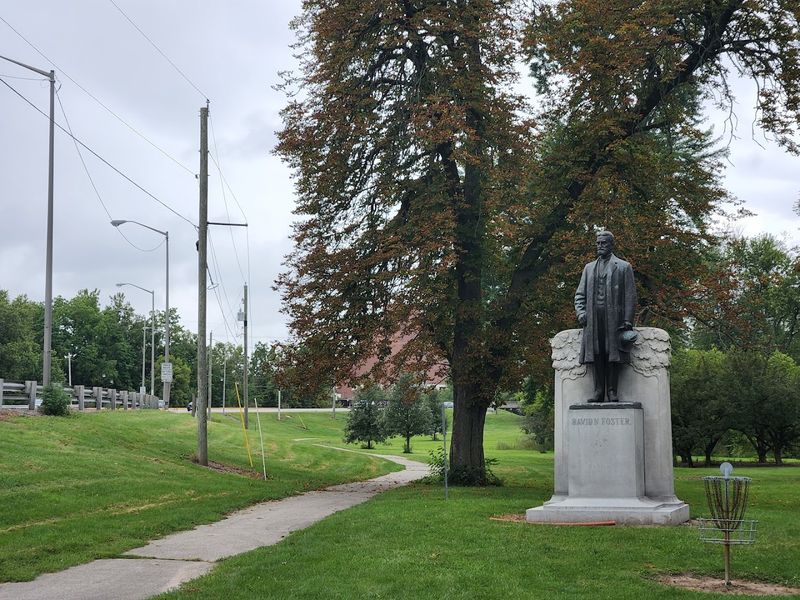
There is something quietly audacious about placing a massive bronze statue honoring one man on land that another family still legally called home. The David N.
Foster statue was dedicated on May 14, 1922, the same year the Swinney family finally vacated their homestead within the park.
The timing is hard to ignore. Whether intentional or coincidental, erecting a 9.5-foot monument to civic progress on the Swinney family’s doorstep sent a message that Fort Wayne had moved on.
The city was no longer defined by the wealth and influence of a single land-owning family.
Sculptor Frederick Hibbard, based in Chicago, created the piece with the kind of gravitas that public monuments demand. The statue does not whisper its message.
It stands tall, visible, and permanent, a lasting declaration that Foster’s contribution to Fort Wayne mattered deeply to its people. Whether the Swinneys felt the weight of that statement as they packed their belongings that same year is something history does not record, but the proximity of those two events makes for one of Indiana’s most quietly dramatic park stories.
Trails, Trees, and the Unexpected Scale of the Park
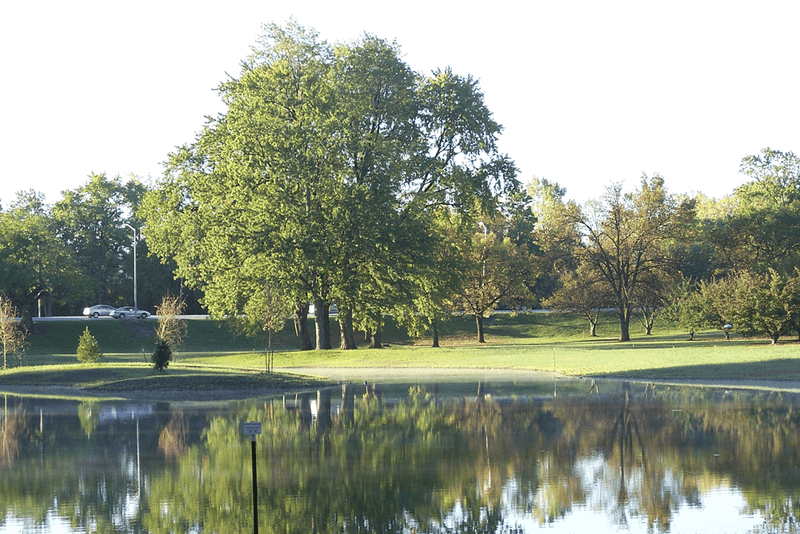
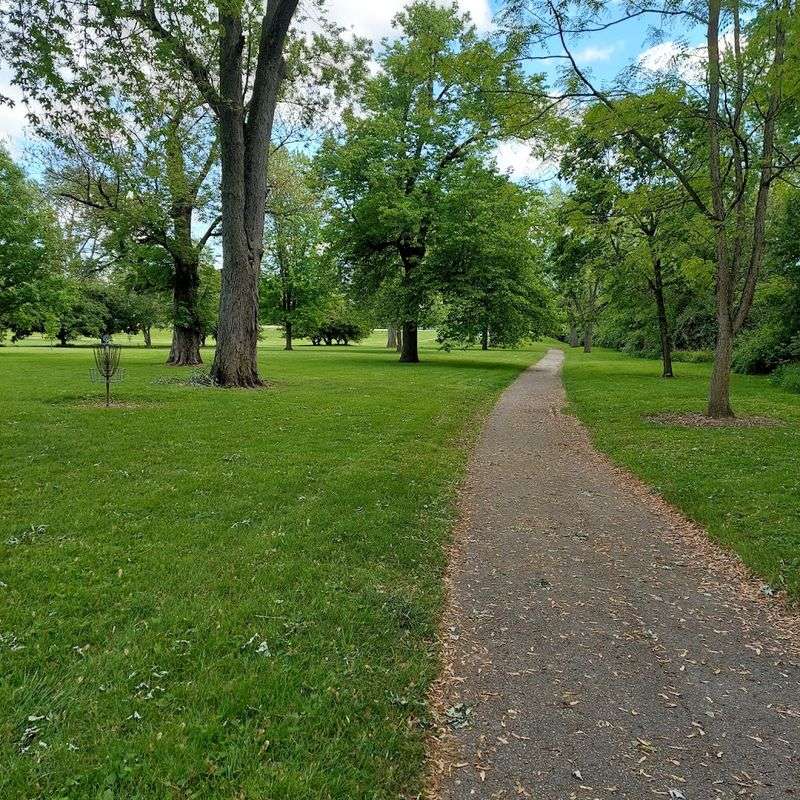
The first thing that surprises most visitors about Swinney Park is how big it actually is. From the road, it looks like a modest green strip, but once you get inside, the park opens up into something genuinely expansive.
Wooded trails wind through the property, offering stretches of shade even on the hottest Indiana summer days.
The river views are a highlight that many visitors do not expect. The St. Marys River runs alongside part of the park, giving certain trail sections a peaceful, almost secluded quality that feels miles away from the city.
Disc golf is a big draw here, with a full course tucked into the wooded sections of the park. Bring your own discs because the course does not rent equipment.
Beyond the disc golf, the park offers open fields for picnics, a playground for kids, a Japanese ramada with covered tables, and water fountain and bathroom facilities for longer visits. Canadian geese are a regular presence near the water, which adds charm but also means watching your step on certain paths.
The park is open daily from 7 AM to 9 PM.
What Makes Swinney Park Worth the Visit Today
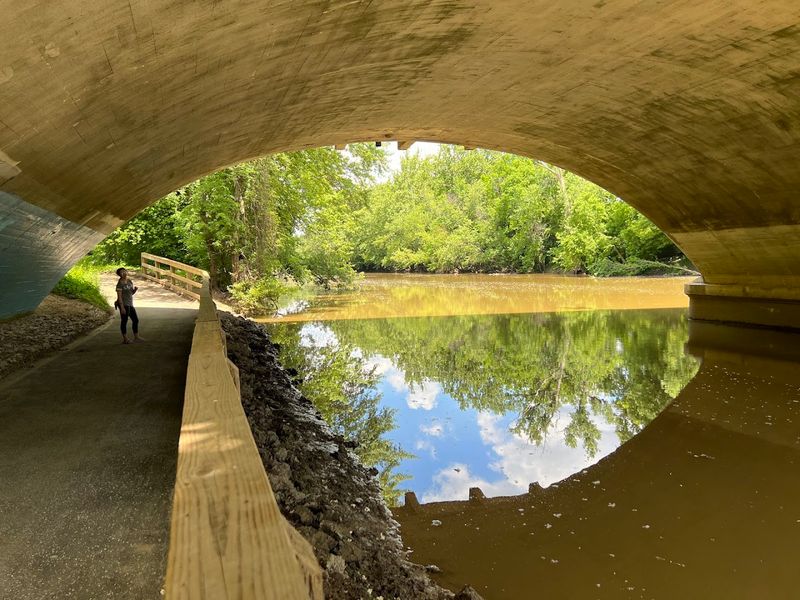
Swinney Park earns its 4.4-star rating through sheer variety. It is the kind of place that works equally well for a solo morning jog, a family picnic, or an afternoon of disc golf with friends.
The park manages to feel both active and peaceful at the same time, which is not easy to pull off.
The trails connecting Swinney to other nearby parks make it part of a larger outdoor network in Fort Wayne. Cyclists and fitness enthusiasts use these connecting paths regularly, giving the park a lively but never overwhelming energy on nice days.
Spring is particularly beautiful here, with the trees in bloom and the river running fresh alongside the trails. Summer brings shade and fishing along the water, where you might spot turtles making their way from the riverbank to the grass.
The disc golf course runs through wooded terrain with cool canopy cover, making it enjoyable even when temperatures climb. Locals describe the park as underrated, and that feels accurate.
It is the kind of place that rewards curiosity, especially if you take a trail you have not tried before and let the park surprise you a little.
Come Along And Have Fun At Swinney Park in Fort Wayne
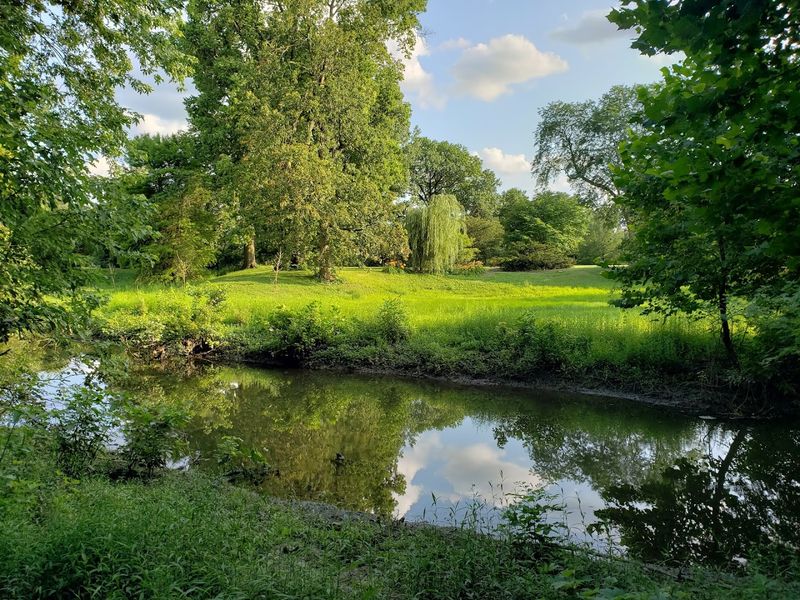
Getting to Swinney Park is straightforward, and the parking situation is generally manageable even on busy weekend days. The park sits on the west side of Fort Wayne, easily accessible from the main road, though its full scale only becomes apparent once you are inside.
Weekday mornings tend to be quieter, which is ideal if you want the trails mostly to yourself. Weekend afternoons bring out more families, disc golfers, and cyclists, giving the park a lively community atmosphere that is easy to enjoy.
Insect repellent is worth packing if you plan to visit during evening hours, particularly in summer when mosquitoes can be active near the water. Comfortable shoes are a must for the disc golf course, which runs through uneven wooded terrain.
The playground is available for younger visitors, though some reviewers note it could use some updates. Overall, Swinney Park is the kind of destination that does not demand much preparation but rewards anyone who shows up ready to explore.
The history, the trails, the bronze statue, and the river views all come together to make it one of Fort Wayne’s most genuinely interesting public spaces.
Address: Yarnelle Trail, Fort Wayne, IN 46808
