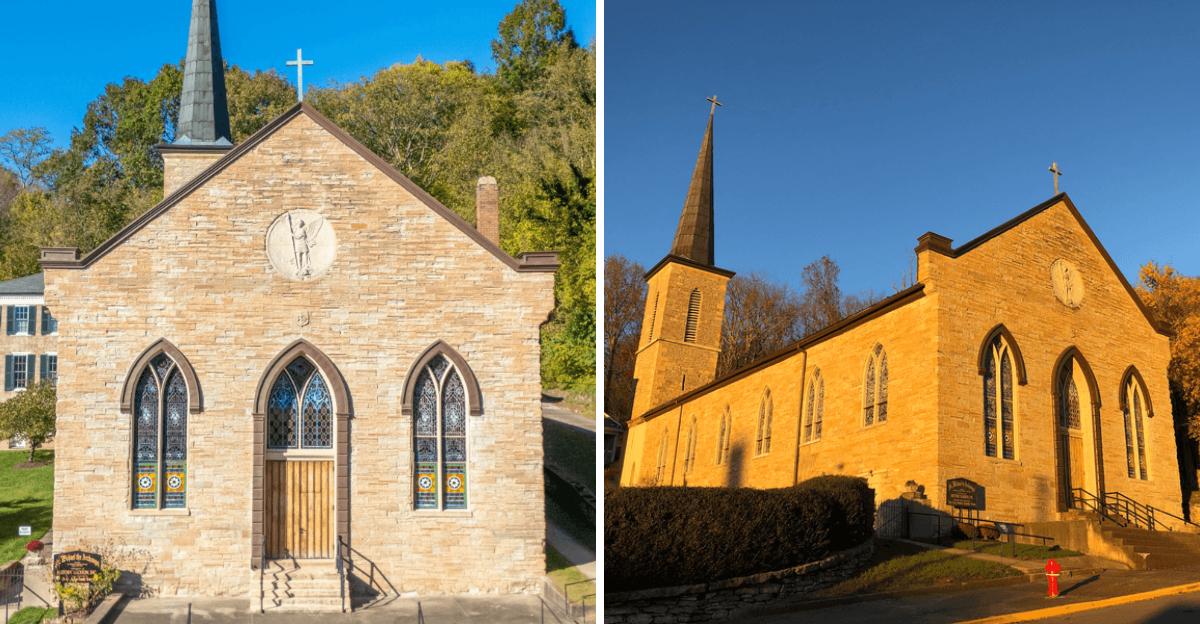
Some buildings have a way of making you stop the moment they come into view. Long before you step inside, the intricate details, soaring design, and remarkable craftsmanship hint at the history they have witnessed through the years.
In one Indiana town, visitors can admire the state’s oldest Gothic Revival masterpiece, a landmark that has stood as a symbol of faith, artistry, and local heritage for generations.
Every feature reflects the care and ambition that went into its construction, rewarding anyone who takes the time to look a little closer.
Whether you enjoy historic architecture or simply appreciate discovering places with fascinating stories, this landmark offers plenty to admire.
Indiana’s Oldest Gothic Revival Treasure Stands Right Here
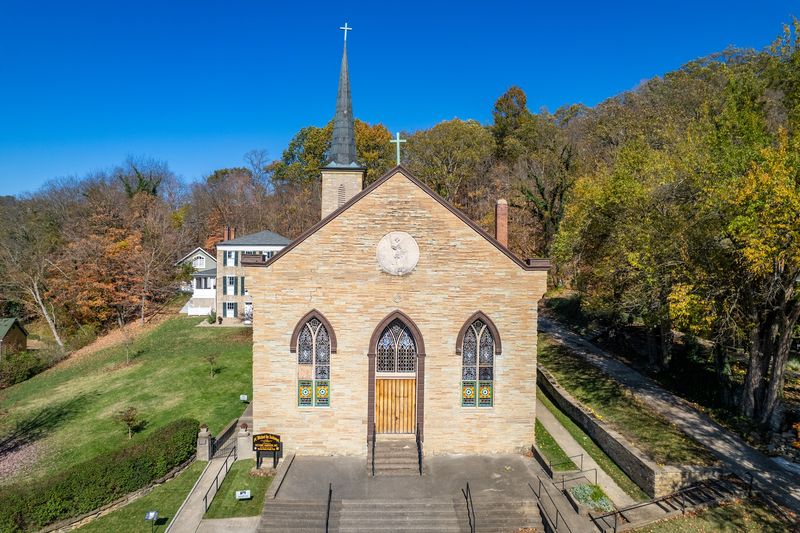
Some buildings have a quiet authority about them that you sense before you even reach the door. St. Michael the Archangel Church on East 3rd Street in Madison, Indiana carries that exact energy.
Construction began in 1838, and the first mass was held on December 22, 1839, making it the oldest Gothic Revival building in the entire state of Indiana.
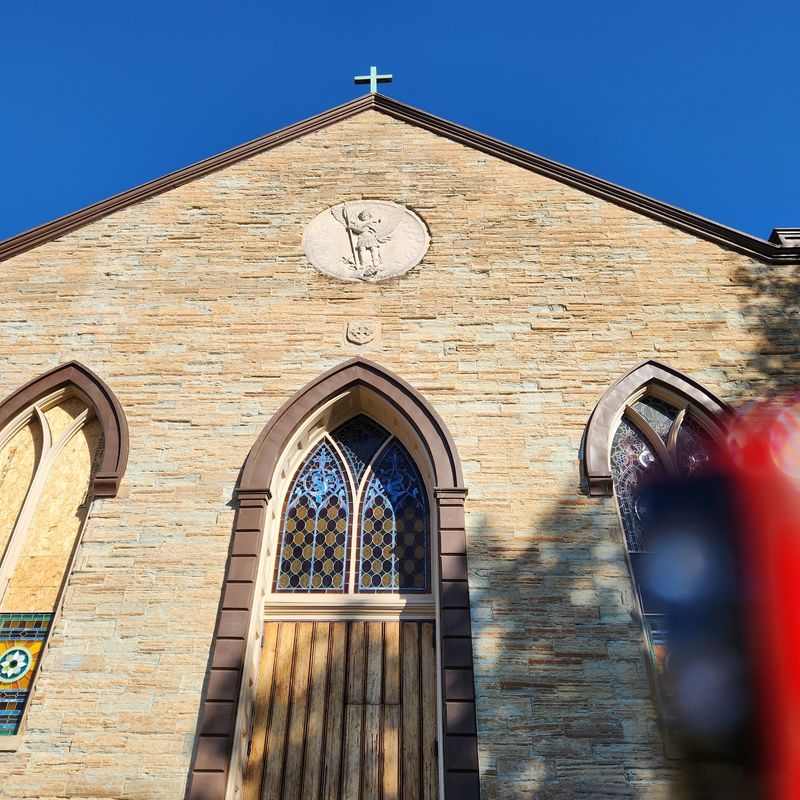
The pointed arch windows are one of the first things you notice from the outside. They are a defining feature of Gothic Revival architecture, and here they look especially striking against the modest Indiana skyline.
Light filters through them in a way that feels almost intentional, like the building itself is trying to welcome you in.
Father Michael E. Shawe established the parish, drawing together a congregation largely made up of Irish and German immigrants who were working nearby on the railroad incline.
Their dedication is etched into every corner of this space. The church was in continuous use until 1993, when it was donated to Historic Madison, Inc. for preservation.
That transition ensured the building’s stories would never be lost. Visiting it today feels like reading a chapter of American history that most people never even knew existed.
The Rare Ogee-Arch Ceiling You Won’t Find Anywhere Else
Most historic churches impress you with their size or their stained glass. St. Michael the Archangel Church does something far more personal.
The interior features a rare ogee-arch ceiling designed to look like an open book, a deliberate symbol representing the word of God as scripture laid open for all to read.
It is an artistic choice that speaks volumes about the spiritual imagination of the people who built this place. Ogee arches have a distinctive S-shaped curve that sets them apart from standard pointed Gothic arches.
Seeing one used as the primary ceiling design in a church this old is genuinely unusual, and it gives the interior a warmth that larger cathedrals sometimes lack.
The craftsmanship required to pull off this kind of ceiling in the 1830s was no small feat. Skilled workers shaped and fitted each element with tools that seem almost impossibly primitive by today’s standards.
What they created has lasted nearly two centuries. Francis Costigan, a celebrated architect who designed other notable structures in Madison, was a parishioner here and is believed to have had a hand in shaping the church’s distinctive design.
That connection adds another layer of meaning to every surface you look at inside. The ceiling alone makes the visit worthwhile.
An 1895 Tracker Pipe Organ That Still Tells Its Own Story
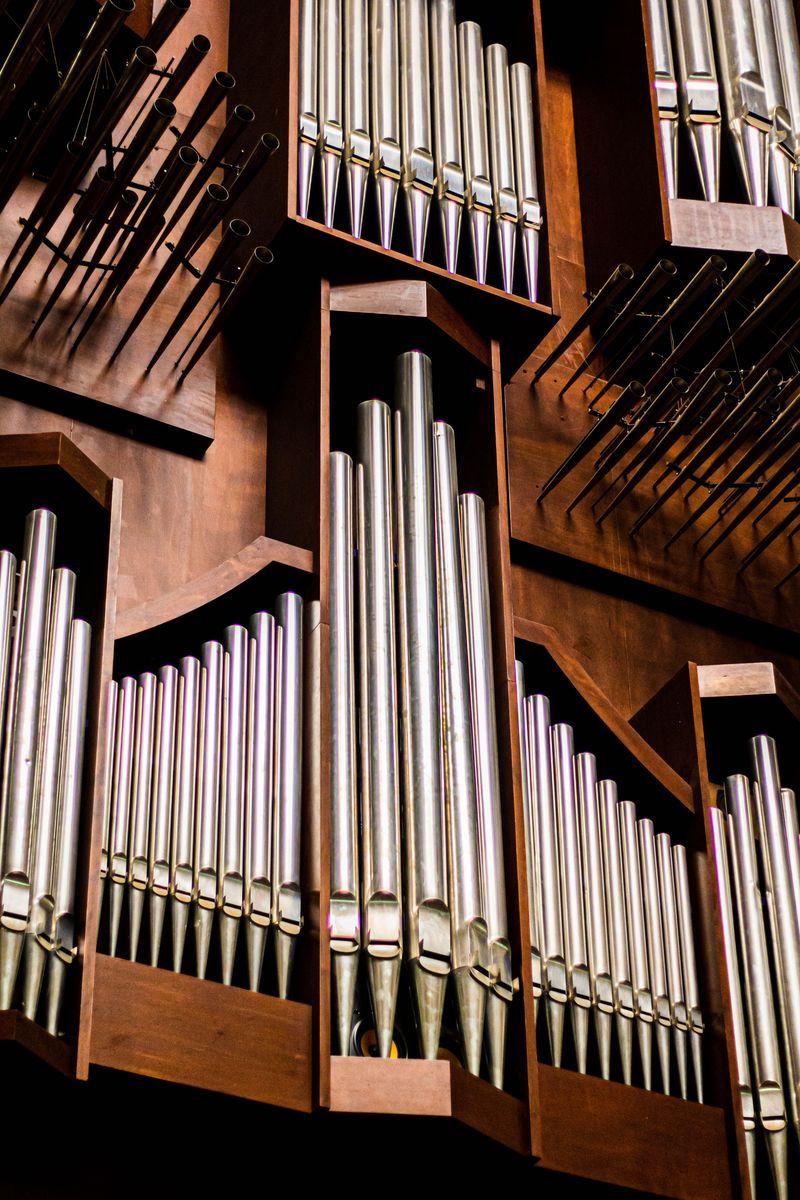
There is something almost melancholy about a pipe organ that no longer plays regularly. The 1895 Tracker pipe organ inside St. Michael the Archangel Church has that quality, a dignified silence that somehow makes you imagine the music it once produced filling every corner of the space.
It has been standing in this church for well over a century, and it remains one of the most remarkable objects inside the building.
Tracker organs work through a direct mechanical connection between the keys and the pipes, with no electrical assistance involved. That mechanical purity gives them a distinctly rich, organic sound that modern instruments struggle to replicate.
The fact that this one survived intact is a small miracle of preservation in itself.
Alongside the organ, the church interior holds numerous statues and paintings that have decorated the space for generations. Each piece has its own history, acquired or donated by parishioners who wanted to contribute something lasting to their community’s place of worship.
The combination of the organ, the artwork, and the architecture creates an atmosphere that feels layered and alive even in its current preserved state. Visiting on a Saturday morning when the church opens at 10 AM gives you a quiet, unhurried window to take it all in without distraction.
That hour feels like a gift.
Have You Ever Wondered What a Steeple Looks Like at the Back
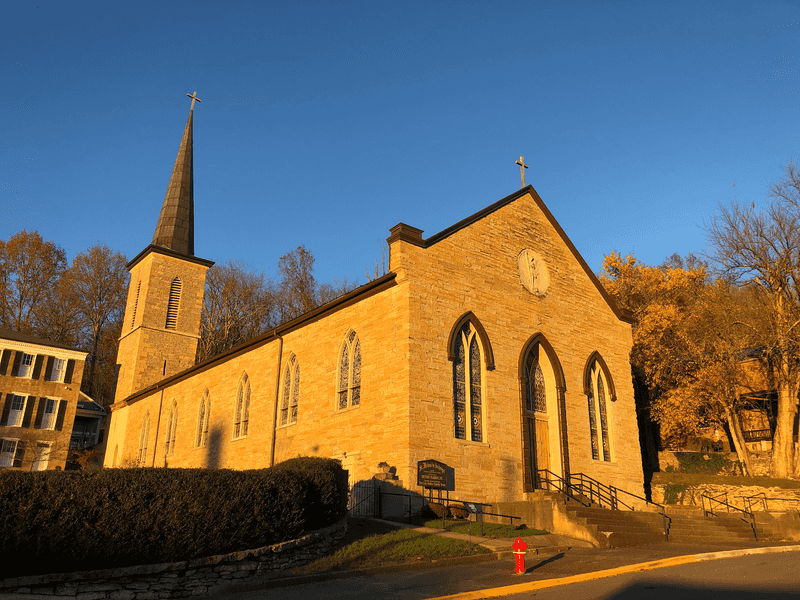
Most church steeples sit at the front, greeting visitors as they approach. St. Michael the Archangel Church made a different choice, and once you notice it, you cannot unsee it.
The steeple is positioned at the rear of the structure, an architectural decision that sets this building apart from virtually every other historic church you might visit in Indiana.
Architectural quirks like this one are often the result of practical decisions made during construction, whether related to the site’s geography, the builder’s preferences, or the available materials at the time. Whatever the reason behind it here, the effect is striking.
The rear placement gives the church an unexpected silhouette that rewards you for walking around the full perimeter of the building rather than simply approaching from the front.
It is the kind of detail that guides and historians love to point out because it signals that this building was never meant to follow a template. Every design choice was deliberate, shaped by the specific community that built it and the specific landscape it inhabits.
The steeple’s placement is a small but memorable reminder that great architecture often lives in the details most people overlook. Next time you visit, take a slow walk around the outside before going in.
You will appreciate the interior so much more once you have seen the full picture from the outside.
The Immigrant Community That Built Something Meant to Last Forever
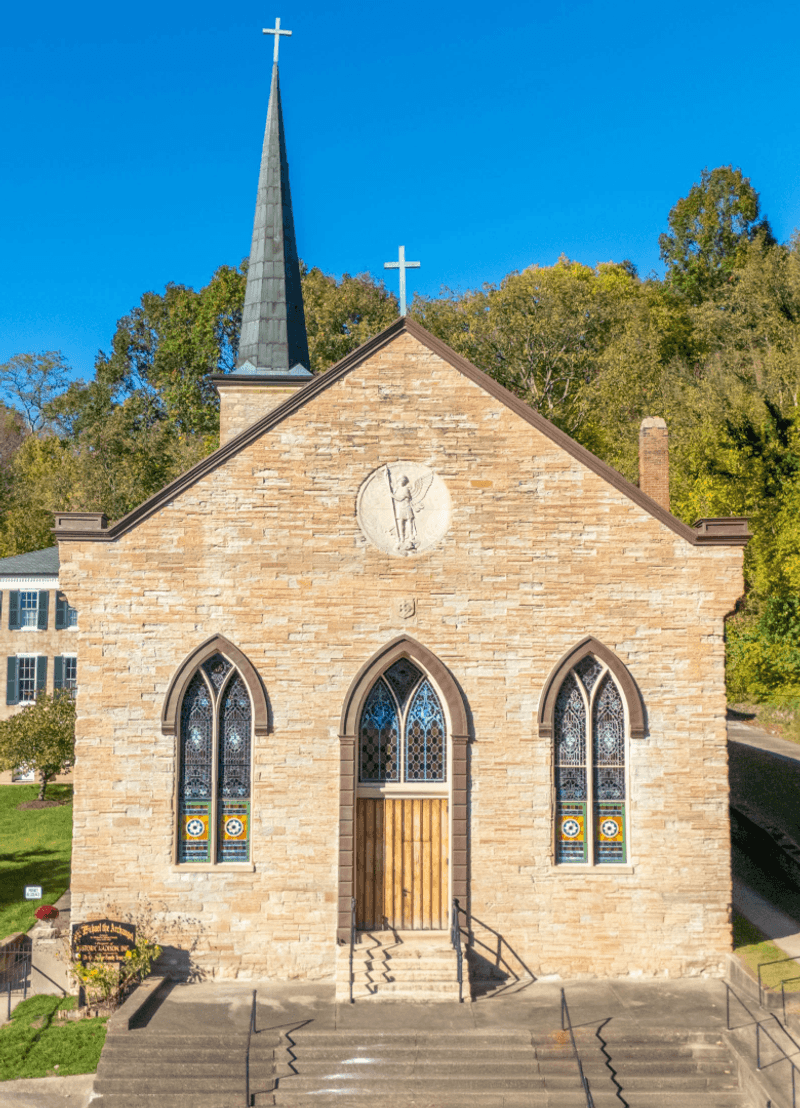
Behind every old building is a human story, and the one behind St. Michael the Archangel Church is particularly compelling. The congregation that built this church was made up largely of Irish and German immigrants who had come to Madison to work on the railroad incline nearby.
They were laborers, newcomers, people building new lives in a country that was still finding its own shape.
That they chose to invest their energy and resources into a church of this architectural ambition says everything about what faith meant to them. This was not a simple meeting house or a temporary structure.
They built something they intended to stand for centuries, and they were right. The church served its congregation continuously until 1993, spanning generations of the same immigrant families and their descendants.
Father Michael E. Shawe was the driving force behind establishing the parish, providing the spiritual leadership that gave the community direction and purpose.
His influence shaped not just the congregation but the physical form of the church itself. When Historic Madison, Inc. accepted the building as a donation in 1993, they took on the responsibility of carrying that story forward.
Visiting today means honoring the labor and faith of people whose names most of us will never know. That is a powerful thing to sit with quietly inside those walls.
Are You Ready to Experience a Piece of History That Almost Disappeared
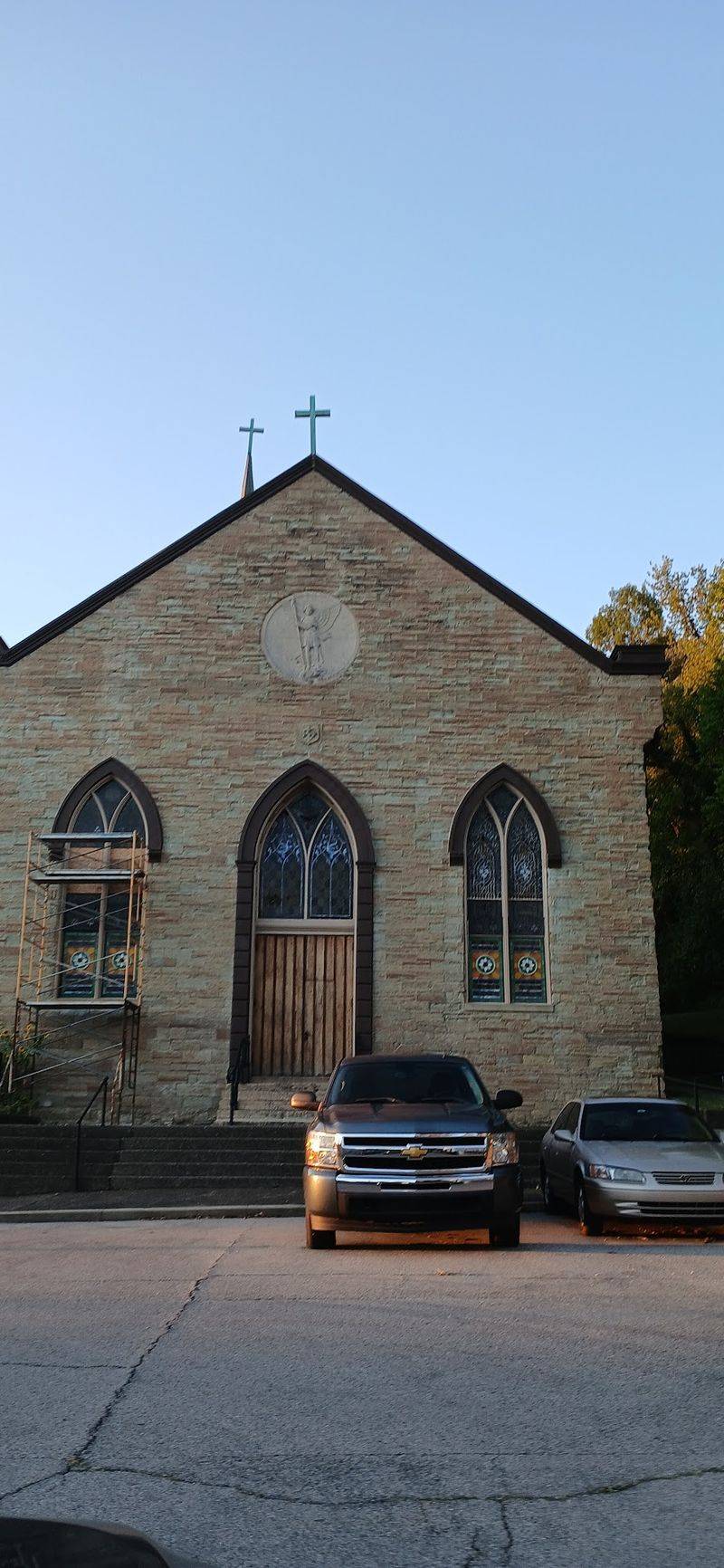
By 1993, St. Michael the Archangel Church had served its congregation for over 150 years. When active parish use ended, the building could have faced the fate that meets so many old structures, slow deterioration, neglect, or demolition.
Instead, it was donated to Historic Madison, Inc., an organization dedicated to preserving the architectural and cultural heritage of the region.
That decision changed everything. Historic Madison, Inc. took on the careful work of maintaining the building and making it accessible to visitors who want to connect with this piece of Indiana’s past.
The church is currently open on Saturday mornings from 10 to 11 AM, giving visitors a focused and intimate window to experience the space without crowds or rush.
Preservation efforts like this one are never simple or cheap. They require sustained commitment from organizations, donors, and communities who believe that old buildings carry irreplaceable value.
St. Michael the Archangel Church is proof of what happens when that commitment holds. The building today looks and feels much as it did during its active years, a rare quality that gives your visit an authenticity that reconstructed or heavily renovated sites simply cannot offer.
If you are in Madison on a Saturday, making time for this stop at 519 East 3rd Street is one of the best decisions you can make. Some places deserve to be seen in person.
Francis Costigan’s Hidden Connection to This Architectural Gem
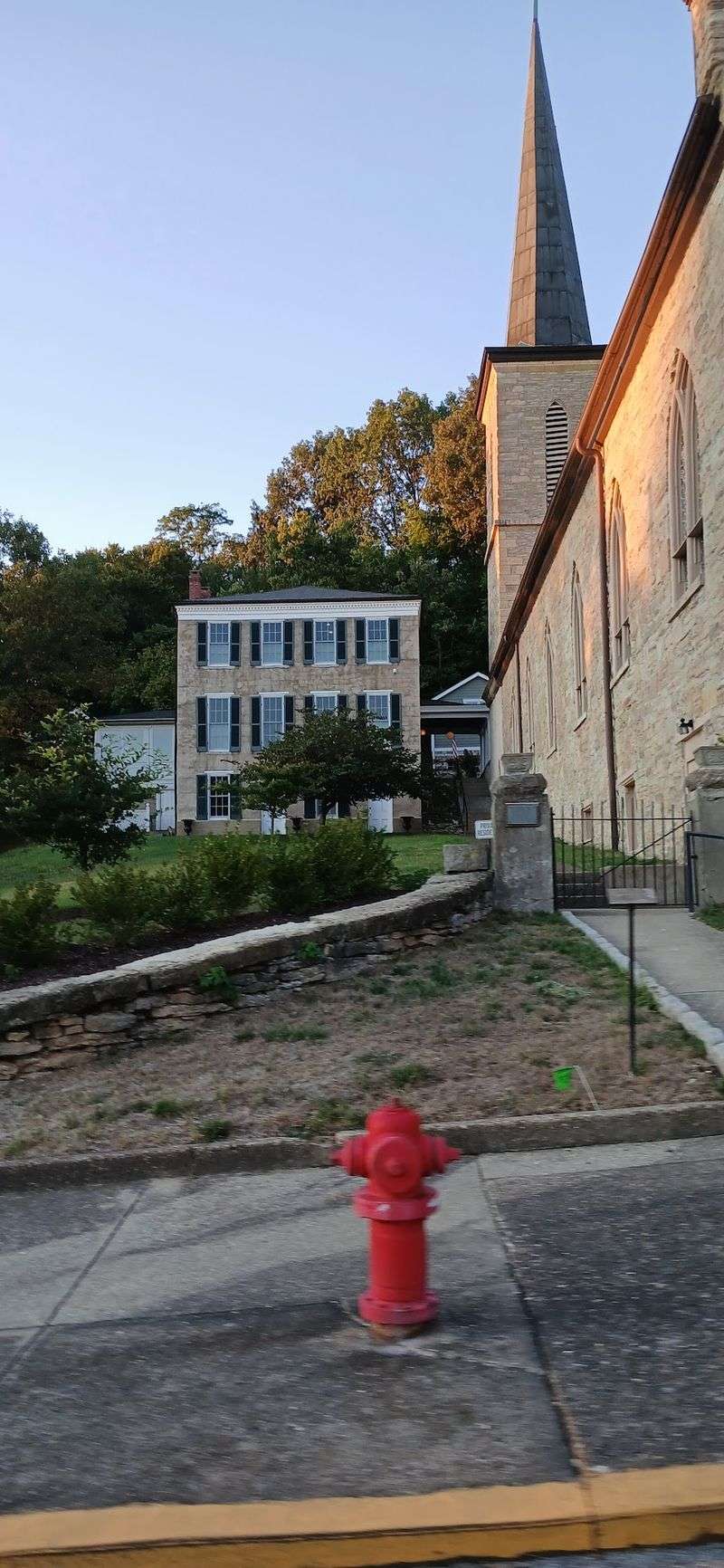
Francis Costigan is a name that comes up often when people talk about Madison’s architectural legacy. He was a master builder and architect who designed some of the most celebrated structures in the region, including the Lanier Mansion and the Shrewsbury-Windle House.
What many visitors do not immediately realize is that Costigan was also a parishioner at St. Michael the Archangel Church.
That connection has led historians to believe he may have had a significant influence on the church’s distinctive design, including the unusual rear steeple placement and the remarkable ogee-arch ceiling.
Whether or not he formally drafted the plans, his presence in the congregation during the construction years makes the overlap hard to dismiss.
It is a compelling thread that ties Madison’s broader architectural story directly to this single building on East 3rd Street.
Costigan’s work throughout Madison reflects a deep understanding of proportion, detail, and the way a building can speak to its surroundings. If his eye shaped any part of St. Michael the Archangel Church, it would explain why the structure feels so considered, so intentional in every choice.
Exploring his connection to the church adds a fascinating layer to any visit, turning what might be a brief stop into a deeper conversation about craft, community, and the lasting power of good design. Madison rewards the curious, and this particular story is one of its best-kept threads.
