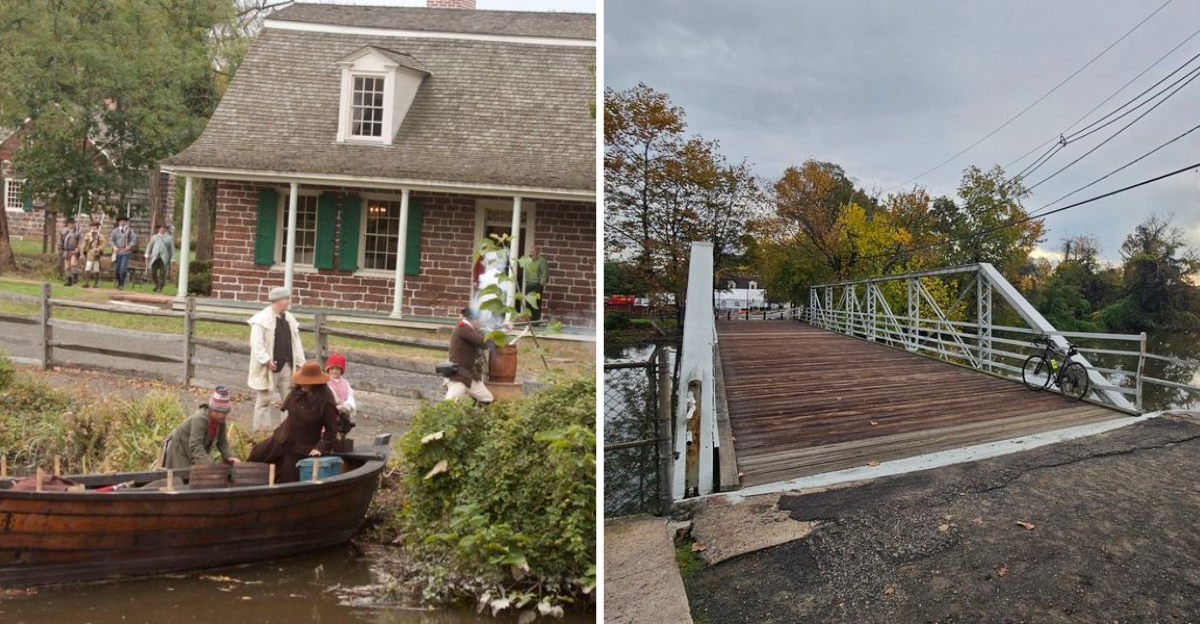
Some bridges are just planks over water. This one saved a nation.
You have probably crossed hundreds of bridges without a second thought. Commutes. Errands. Routine.
Not this one. This New Jersey crossing changed the course of American history.
The year was 1776. Washington’s army was in full retreat.
The British were closing in, threatening to trap the Continental forces between two rivers. One narrow wooden span stood between survival and annihilation.
Washington led his troops across, buying the army precious hours to escape and fight another day. Today, you can walk the same ground where history was made.
The site stands as a quiet reminder that sometimes, the most important battles are the ones you get to walk away from.
Honestly, some crossings matter more than others.
The Bridge That Turned Retreat Into Survival
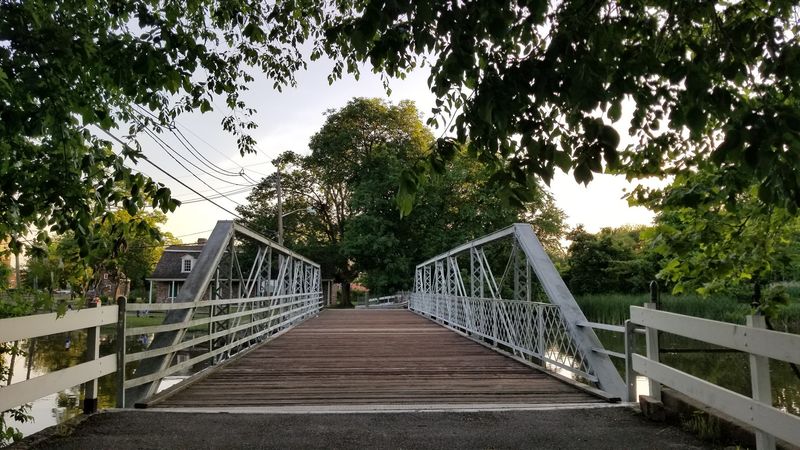
Few moments in American history carry as much raw tension as the crossing that happened here on November 20, 1776.
Washington’s army was not marching with confidence; they were running, exhausted, undersupplied, and completely aware that British forces were closing in fast.
The bridge at this narrow stretch of the Hackensack River became the single thread holding everything together.
British General Cornwallis had landed approximately seven miles above with around 5,000 soldiers, aiming to trap the Continental Army between two rivers and crush the rebellion in one swift move. The plan was terrifyingly sound.
Had the bridge been seized or destroyed before Washington’s men crossed, the outcome could have ended the war entirely.
Instead, the army made it across. That crossing transformed a near-catastrophe into a survival story that would fuel the American cause for years to come.
Thomas Paine, inspired by this very moment, wrote the words that still echo today. Standing here now, you feel the weight of what almost happened, and the incredible relief of what actually did.
Washington’s Army Crossed Just in Time
Timing in warfare can mean everything, and the crossing at New Bridge Landing proved that in the most dramatic way possible.
Early on the morning of November 20, 1776, Cornwallis pushed his forces into New Jersey with speed and confidence, targeting Fort Lee and expecting to catch Washington completely off guard.
What he found instead was an army already in motion.
Washington had received word of the British advance and immediately ordered his troops to abandon the fort and secure the bridge. The Continental soldiers, many of them exhausted and demoralized after recent losses, gathered whatever they could carry and moved fast.
Most crossed the bridge directly, while others used a nearby ferry or a mill crossing on a small creek.
The British arrived at Fort Lee to find it largely empty, the campfires still warm. That narrow window of time, measured in hours rather than days, made all the difference.
The Continental Army slipped through a closing trap, and the Revolution lived to fight another season. It remains one of the most remarkable close calls in military history.
One Narrow Escape That Helped Save a Nation
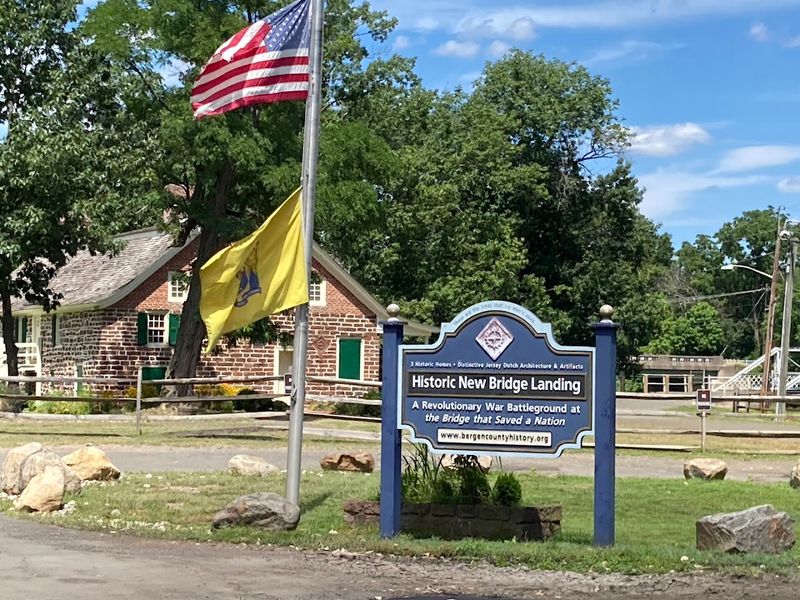
Historians have called the crossing at New Bridge Landing “The Bridge That Saved A Nation,” and spending time at the site makes that title feel completely earned rather than exaggerated.
The escape in November 1776 was not just a lucky retreat; it was a turning point that preserved the fighting force the Revolution desperately needed to survive.
Had Cornwallis succeeded in encircling Washington’s men between the Hudson and Hackensack Rivers, the Continental Army would have faced capture or destruction. With only around 3,000 soldiers already worn down by defeat, there was no backup plan waiting in the wings.
The army that crossed this bridge was the army, full stop.
That survival led directly to Washington’s famous crossing of the Delaware River weeks later and the victories at Trenton and Princeton that reignited American morale. Every step of that comeback traces back to this crossing.
The site today carries that quiet gravity in its stone buildings and river views, a place where the nation’s future balanced on a single wooden bridge over a tidal river in New Jersey.
The Hackensack Crossing That Changed the Revolution
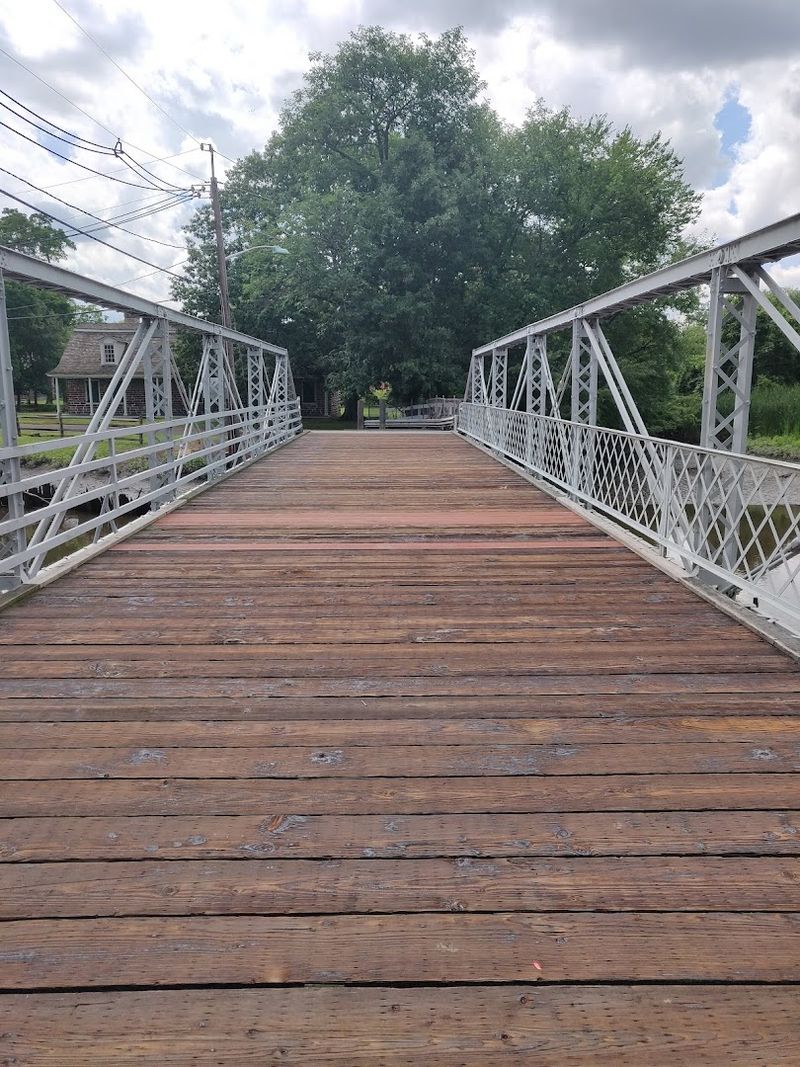
Geography shaped the Revolution in ways that are easy to overlook from a modern vantage point, and the Hackensack River narrows at New Bridge Landing is a perfect example.
Until 1790, this crossing was the first river passage above Newark Bay, making it an absolutely critical link for anyone moving between Manhattan and the New Jersey interior.
Controlling this bridge meant controlling movement, supply lines, communication, and military strategy across a huge swath of northern New Jersey. Both American and British forces understood this, which is exactly why the site saw so much action throughout the war.
It was never just a bridge; it was a strategic lever.
Washington’s successful crossing here in 1776 denied the British a clean sweep and turned the Hackensack River into a natural defensive line for the retreating army.
That single geographic advantage, exploited at exactly the right moment, reshaped the entire trajectory of the war in the northern theater.
The river still flows past the same banks today, steady and unhurried, completely indifferent to the enormous history it helped create.
Where American History Nearly Took a Different Turn
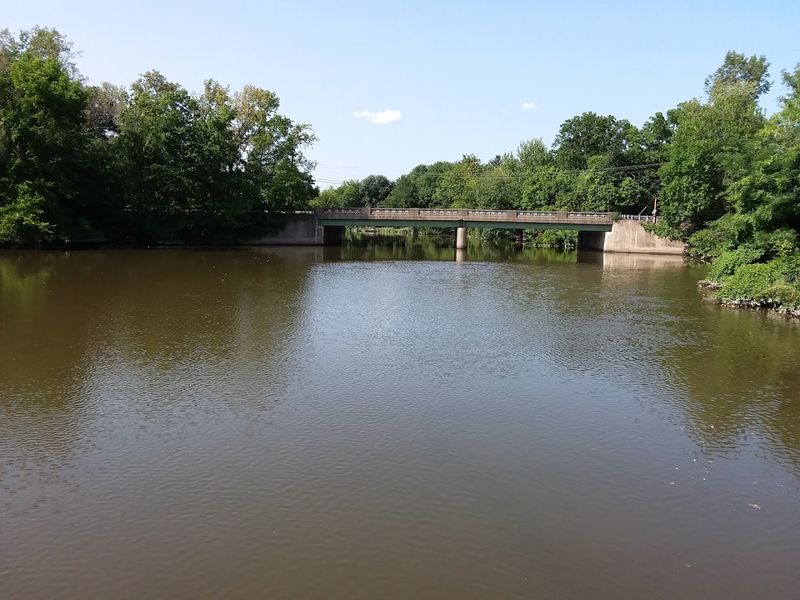
Standing quietly at New Bridge Landing, it is genuinely possible to imagine how differently things could have gone. The British strategy in November 1776 was not reckless; it was calculated and nearly perfect.
Landing above Fort Lee and pushing toward the Hackensack Bridge was designed to create an inescapable trap for Washington’s already weakened forces.
With the Continental Army caught between two rivers, British commanders expected a decisive engagement that would essentially end organized American resistance.
Washington’s army, described at the time as “much broken and dispirited,” had already lost tents, baggage, and significant numbers of troops to expired enlistments.
The situation was genuinely desperate.
The crossing at New Bridge Landing interrupted that plan at its most critical moment. By reaching the bridge before British forces could seize it, Washington preserved his army and kept the Revolution breathing.
This site stands as a reminder that history is not inevitable. It bends and pivots on individual decisions, lucky timing, and geographic details that most people never think about until they are standing right where it happened.
A Battleground Hiding Beside the River
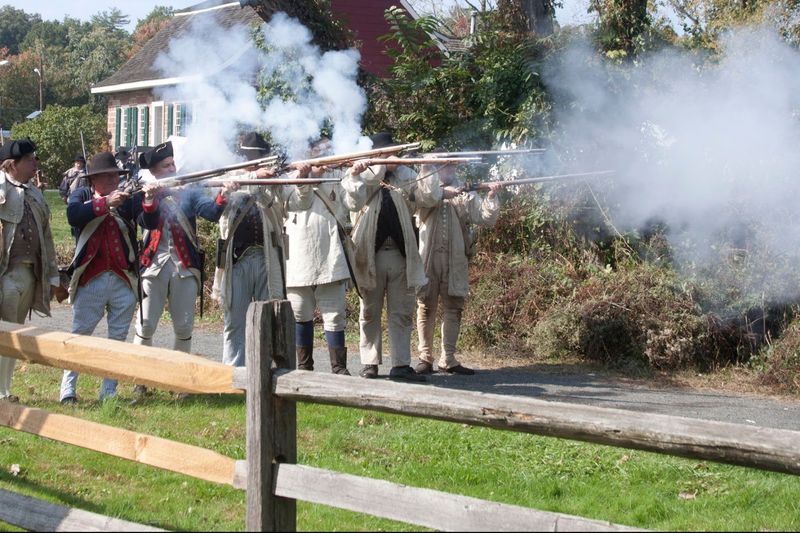
The Hackensack River looks peaceful from the banks at New Bridge Landing, and that calm surface is almost misleading given how much conflict this exact spot witnessed.
Throughout the Revolutionary War, this location functioned as a battlefield, an encampment, a military headquarters, and an intelligence post, sometimes all within the same month.
On November 21, 1776, just one day after Washington’s army crossed, British troops attacked the American rear guard here and seized the bridge. American engineers had been attempting to dismantle it to slow the British advance, a frantic last-ditch effort to buy more time.
The site saw another serious attack in May 1779 when British and Loyalist forces struck Bergen militiamen stationed nearby.
Eleven separate military engagements took place at or near this crossing over the course of the war. That number is remarkable for a single location, and it reflects just how fiercely both sides recognized the bridge’s value.
The historic structures still standing here absorbed all of that tension, and walking among them today feels like reading a story written in stone and river water.
The Steuben House Watched a Revolution Unfold

Built in 1752 and enlarged around 1767, the Steuben House is one of the most historically layered buildings in New Jersey, and spending time near it makes that layering feel tangible.
Its Bergen Dutch sandstone construction gives it a sturdy, no-nonsense presence that somehow suits its history perfectly.
This was a house that endured a revolution literally unfolding outside its front door.
Originally owned by Jan Zabriskie, a Loyalist who eventually fled to British-held Manhattan, the property was confiscated after the war.
In 1783, New Jersey gifted it to Major General Baron von Steuben as a gesture of gratitude for his extraordinary contributions to the Continental Army.
Steuben, the Prussian officer who transformed raw American recruits into disciplined soldiers, renovated the war-damaged property and made it his own.
The original bake house, smoke house, barns, and garden speak to a self-sufficient colonial life that was deeply practical and deeply connected to the land. The house managed to survive skirmishes, occupations, and the general chaos of wartime New Jersey with its walls intact.
That resilience feels like a fitting metaphor for the cause it witnessed.
One Crossing With Eleven Wartime Encounters
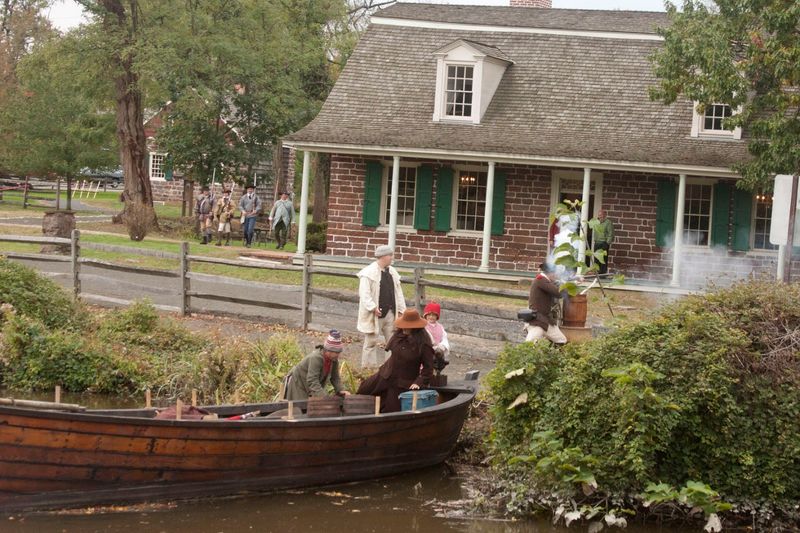
Eleven military engagements at a single location during one war is an extraordinary number, and New Bridge Landing earned every one of them.
The strategic value of the crossing made it a magnet for conflict from the earliest days of the Revolution right through to its final years, with neither side ever fully willing to leave it alone.
Beyond Washington’s 1776 retreat and the British seizure of the bridge the following day, the site saw repeated confrontations. In March 1780, American forces attacked British troops retreating from Hackensack and Paramus, seizing a two-hour window while the British repaired the bridge.
April 1780 brought an overwhelming British, Loyalist, and German infantry strike on an American outpost stationed here.
Even a friendly-fire incident occurred in May 1780, when British troops mistakenly engaged each other during a planned raid, adding a grim kind of irony to the site’s already complicated military record.
Each of these encounters reinforced how desperately important this narrow river crossing was considered by both sides.
The ground at New Bridge Landing holds more military history per square foot than almost anywhere else in the state.
The Old Swing Bridge Still Steals the Scene
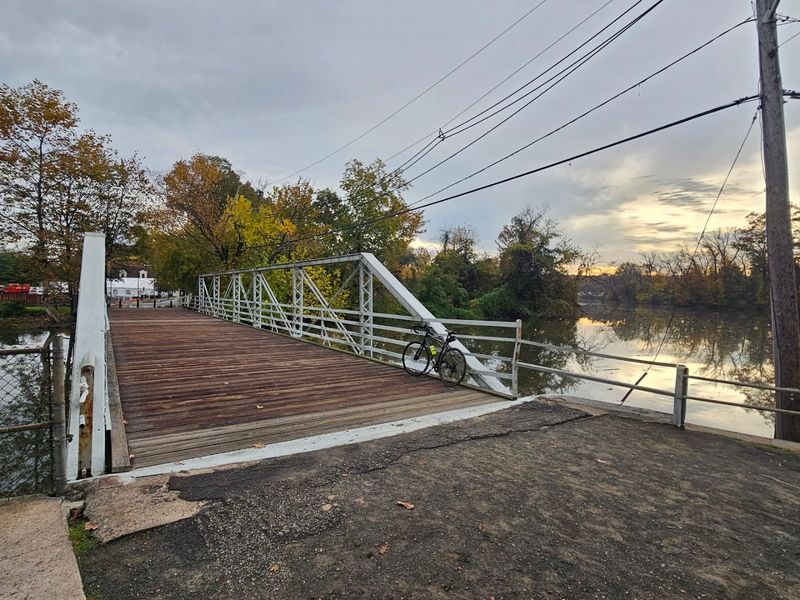
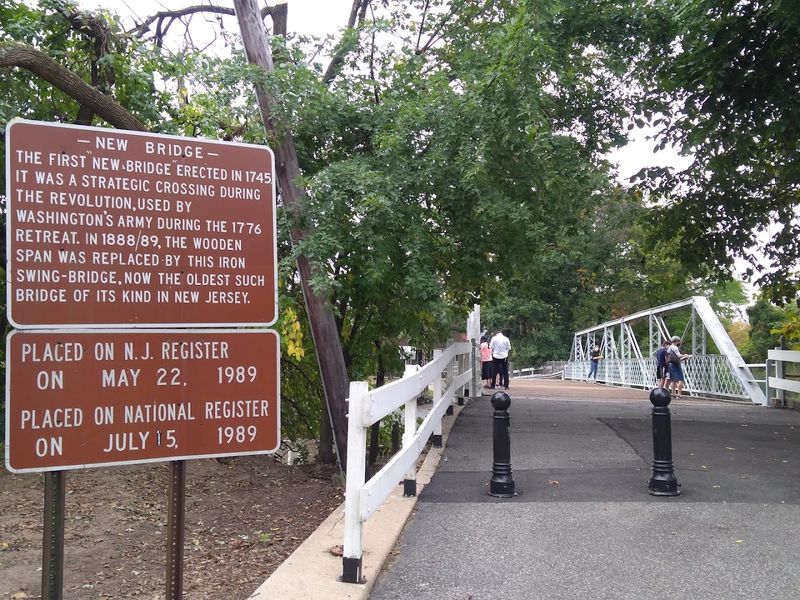
The original wooden drawbridge that carried Washington’s army across the Hackensack in 1776 is long gone, but its replacement commands attention in a completely different way.
The iron swing bridge installed in 1889 occupies the exact same narrows, and it holds the distinction of being the oldest highway swing bridge still surviving in New Jersey.
That alone makes it worth a long, appreciative look.
Once manually operated to allow schooners and river traffic to pass through, the bridge represents a whole era of commerce that thrived here long after the Revolution ended.
Merchants, farmers, and everyday travelers all depended on this crossing in ways that echoed the military urgency of earlier times.
The river kept moving, and so did the people who relied on it.
Although the swing mechanism no longer rotates, the bridge remains a focal point of the entire site, drawing every visitor’s eye toward the river and toward the history flowing beneath it.
Walking across it connects you to an unbroken chain of people who crossed this same spot, from desperate soldiers to everyday New Jerseyans going about their lives.
It is simple, sturdy, and genuinely unforgettable.
Address: 1209 Main St, River Edge, NJ 07661
