
The war was over. The army was waiting. And George Washington sat down to write one final message from a modest house in New Jersey.
It happened here in 1783.
The British had surrendered. The peace treaty was signed.
But before he could return home, Washington had to say goodbye to the soldiers who had fought beside him for eight long years.
His Farewell Orders to the Armies were drafted in this very room.
Words that thanked them, honored them, and set the young nation on a new path.
The house stands today just as it did then, a quiet witness to a monumental moment.
Walking through its rooms, you are not just visiting a historic site. You are standing in the last chapter of the Revolution.
Washington’s Final War Headquarters
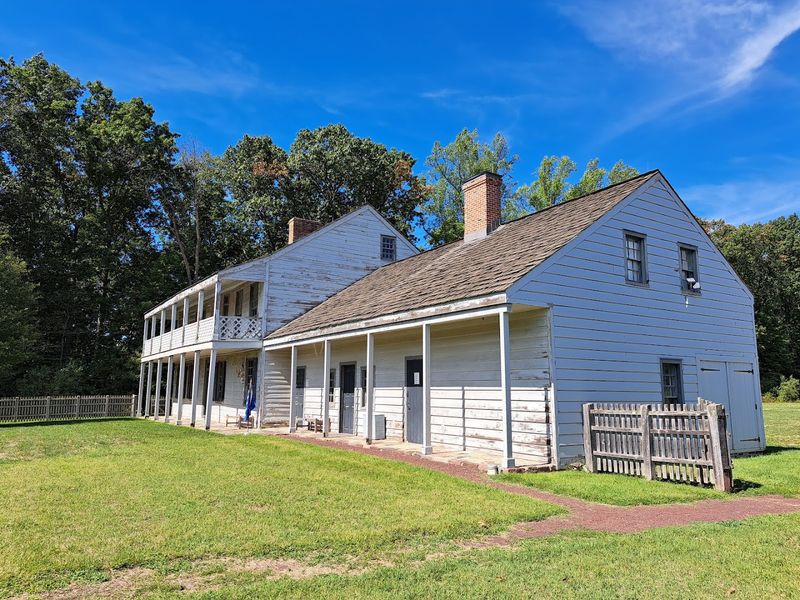
Few places carry the kind of quiet gravity you feel the moment you step onto the grounds of Rockingham, George Washington’s final wartime headquarters during the American Revolution.
From late August through early November of 1783, Washington made this modest yet dignified New Jersey home his base of operations, guiding the young nation through its most delicate transition yet.
Congress had relocated to Princeton after civil unrest in Philadelphia, and Washington was summoned to the area as a stabilizing presence. He arrived on August 23rd with Martha, military secretaries, and household staff in tow.
His role here was not purely ceremonial; he was actively shaping the future of a republic still finding its footing.
The house itself, originally built around 1710, feels grounded and purposeful. Every room seems to hold the memory of serious conversations and careful planning.
Standing inside, it becomes easy to understand why this place earned its distinction as the last command post of the Revolutionary War.
Where a Nation Became Free
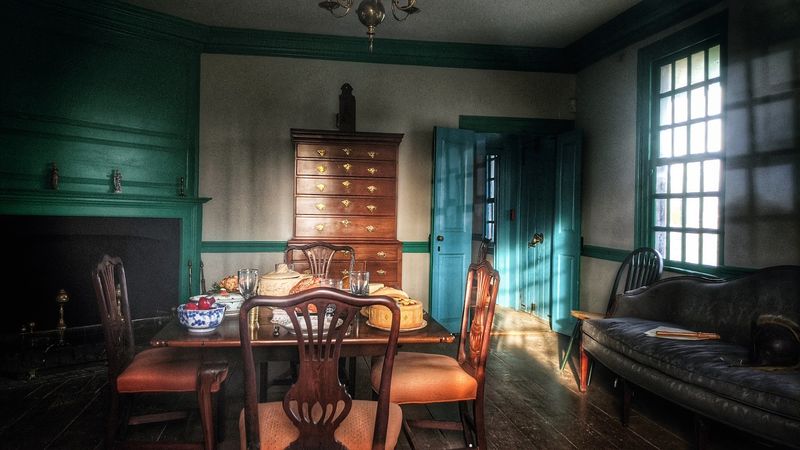
Rockingham holds a distinction that very few buildings anywhere in the world can claim: it is the place where the news of true, confirmed American freedom arrived.
On October 31, 1783, word reached Washington and Congress that the Treaty of Paris had been officially signed, ending the Revolutionary War once and for all.
That moment, received within these very walls, marked the formal birth of the United States as a sovereign nation recognized by Great Britain.
The slow transatlantic journey of information meant the news arrived weeks after the signing, but the impact when it finally came must have been extraordinary.
Relief, pride, and a sense of staggering accomplishment all collided in this modest New Jersey house.
Visiting today, you can feel the weight of that moment lingering in the air. The rooms are still and composed, yet they carry an unmistakable energy.
This is not just a historic house; it is the room where a nation exhaled for the very first time.
The Farewell Orders That Changed History
Among everything that happened at Rockingham, one act stands above the rest for its lasting impact on how the world understands democratic leadership.
Washington composed his Farewell Orders to the Armies of the United States here in late October of 1783, a document that resonates through American history like a clear, steady bell.
This was not simply a goodbye letter to his soldiers. It was a deeply heartfelt acknowledgment of their shared sacrifice, paired with a formal announcement that he was stepping down from military command.
The orders were dispatched on October 30th, intended to be read aloud at West Point on November 2nd.
By willingly walking away from military authority, Washington established something extraordinary: the idea that power in the new republic would belong to the people, not to generals or conquerors.
That choice, made within these very rooms, became a cornerstone of American democracy.
Rockingham is where that principle was not just written down but genuinely lived.
A Home That Witnessed Revolution’s End
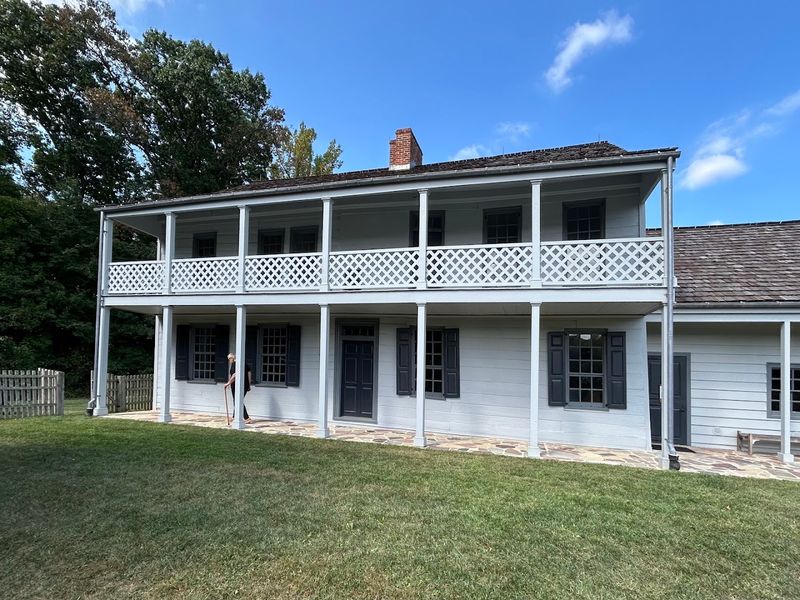
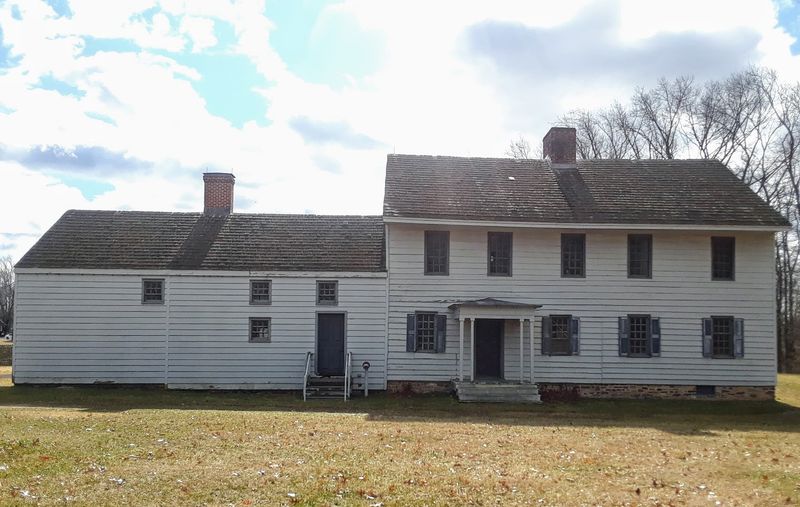
Before it became Washington’s headquarters, Rockingham already had a rich and layered history. The oldest section of the house, a classic saltbox design, dates to around 1710, making it one of the oldest surviving structures in the Millstone River Valley.
The Higgins family originally built it, and it changed hands over the decades before Judge John Berrien acquired the property by 1735.
Berrien, a New Jersey Supreme Court Justice, expanded the home significantly in the 1760s, adding a kitchen wing and additional living quarters. His widow, Margaret, later rented the furnished home to General Washington when Congress called him to the Princeton area in 1783.
That decision transformed a family residence into a landmark of national significance.
The house absorbed every consequential moment of those final revolutionary months, from anxious waiting to triumphant relief. Its walls have held more history than most buildings ten times its size.
Rockingham endures as a quiet but powerful reminder that monumental events can unfold in the most unassuming of places.
George Washington’s Last Command Post
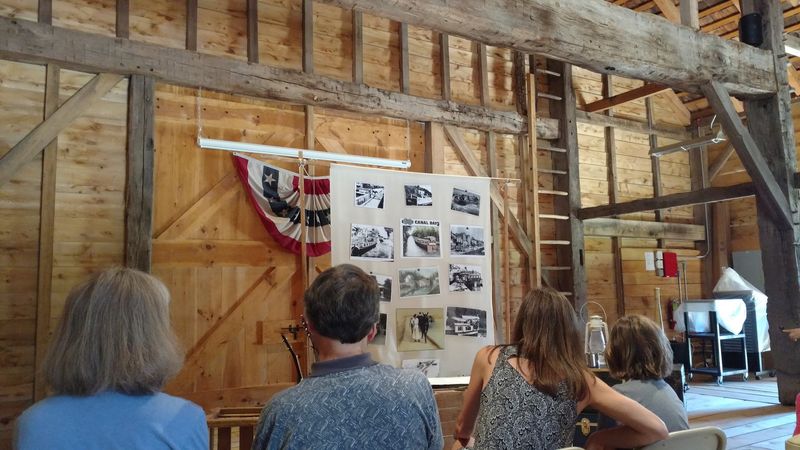
For roughly two and a half months in 1783, Rockingham functioned as the nerve center of a nation in transition.
Washington was not simply waiting out the peace process here; he was actively engaged, hosting influential figures and steering critical conversations about what the United States would become.
Among his notable visitors were James Madison, Elias Boudinot, who served as President of the Continental Congress, and Thomas Paine, the revolutionary writer whose words had helped ignite the war years before. These were not casual visits.
They were substantive discussions about governance, military disbandment, and the architecture of a new republic.
Martha Washington joined him for part of his stay before returning to Mount Vernon in early October as the weather turned. Even in her absence, the house hummed with purposeful activity.
Rockingham was, in every meaningful sense, the last place from which Washington commanded the direction of the nation before formally surrendering his military authority and stepping back into private life.
Peaceful Grounds, Monumental History
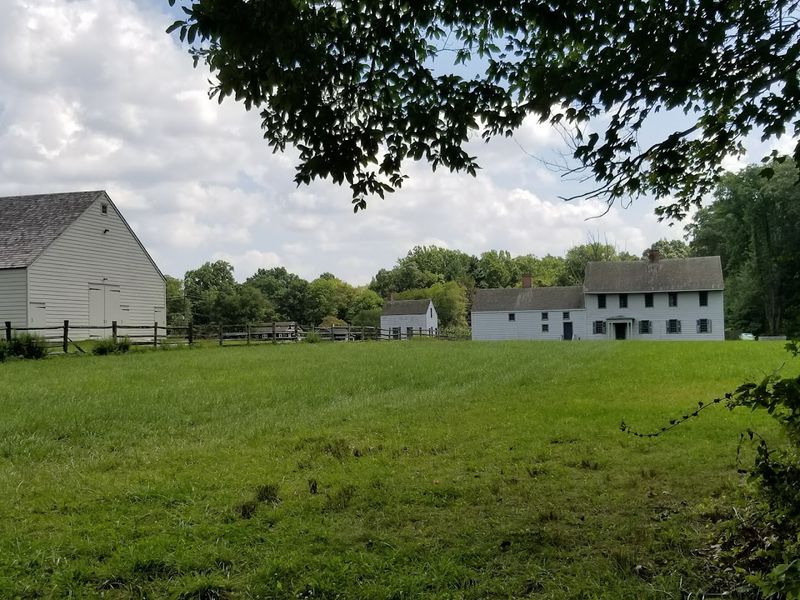
There is a particular kind of calm at Rockingham that feels almost intentional, as though the grounds themselves understand the gravity of what they hold.
The property has been relocated three times since 1896, each move undertaken carefully to preserve the structure from encroaching development, most notably the expansion of a nearby quarry.
Despite those moves, the spirit of the place remains completely intact. The site today includes a restored 18th-century kitchen garden, planted with period-appropriate herbs, vegetables, and berry bushes during the growing season.
A historic New Jersey Dutch barn, rebuilt on the property, adds another layer of authenticity to the experience.
Walking the grounds, you get a vivid sense of the daily rhythms that surrounded Washington’s headquarters, the smell of a working kitchen garden, the solidity of timber-frame construction, the unhurried pace of colonial life.
The peacefulness of the setting is not incidental; it makes the monumental history feel more real, more human, and more deeply worth remembering.
Step Inside America’s Birthplace Moment
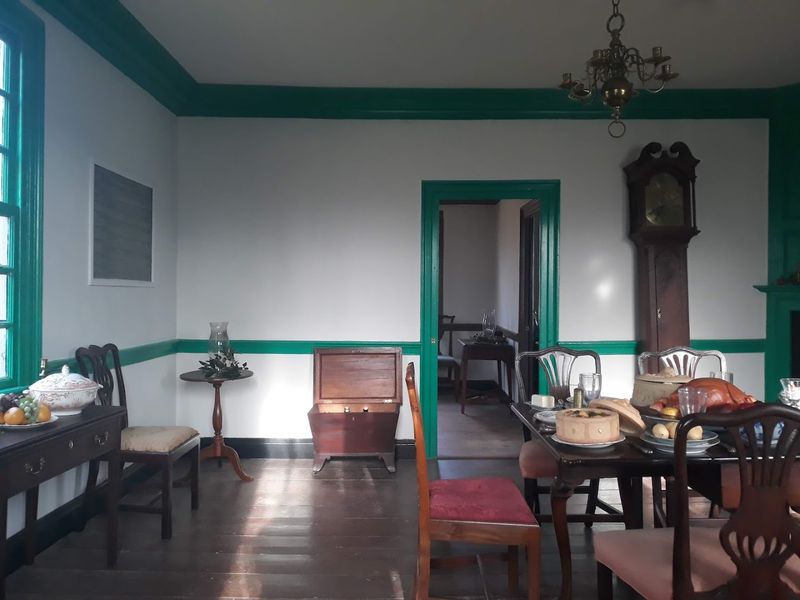
Walking through the front door of Rockingham feels less like entering a museum and more like stepping directly into a defining chapter of American history.
The house is carefully preserved and interpreted as the temporary home of George and Martha Washington, and the attention to detail throughout is genuinely impressive.
The interior is furnished with a fine collection of 18th-century pieces, including Washington military reproductions that help visitors visualize daily life during those pivotal months of 1783.
You can almost picture Washington seated at his desk, composing the Farewell Orders with measured deliberation, aware that every word carried enormous consequence.
Rockingham also features a children’s museum designed to make the Revolutionary War accessible and engaging for younger visitors through hands-on activities. Tours are available by appointment, and admission is free, which makes the whole experience feel wonderfully generous.
Every room invites reflection, and every artifact nudges you closer to understanding just how much was decided, and surrendered, within these modest but magnificent walls.
A Mansion with a Revolutionary Secret
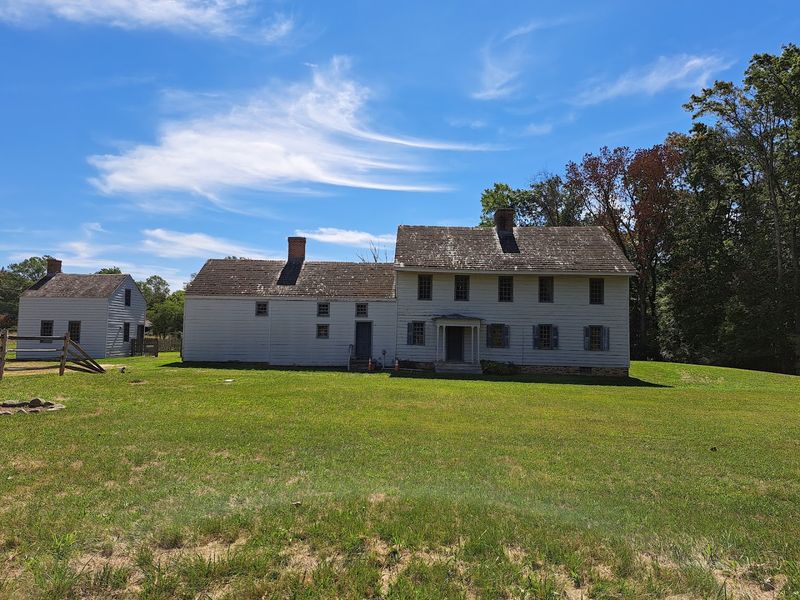
Rockingham looks unassuming at first glance, a neat colonial house with clean lines and a settled, dignified presence. But beneath that composed exterior lies one of the most radical acts in the history of modern governance.
Washington’s decision, shaped and solidified during his stay here, to voluntarily resign his military commission was nothing short of astonishing for its era.
In a world where military victors typically seized power, Washington chose to walk away. He would formally surrender his commission in Annapolis in December 1783, but the resolve behind that decision crystallized during his weeks at Rockingham.
Even King George III of Britain reportedly respected the act, recognizing it as the behavior of an extraordinary leader.
That choice set the template for every future American president, establishing the principle that leadership is a service, not a throne. Rockingham holds that secret quietly but powerfully.
Visiting it means standing in the place where one man’s integrity helped define what democracy could actually look like when practiced with genuine conviction.
Kingston’s Hidden Piece of History
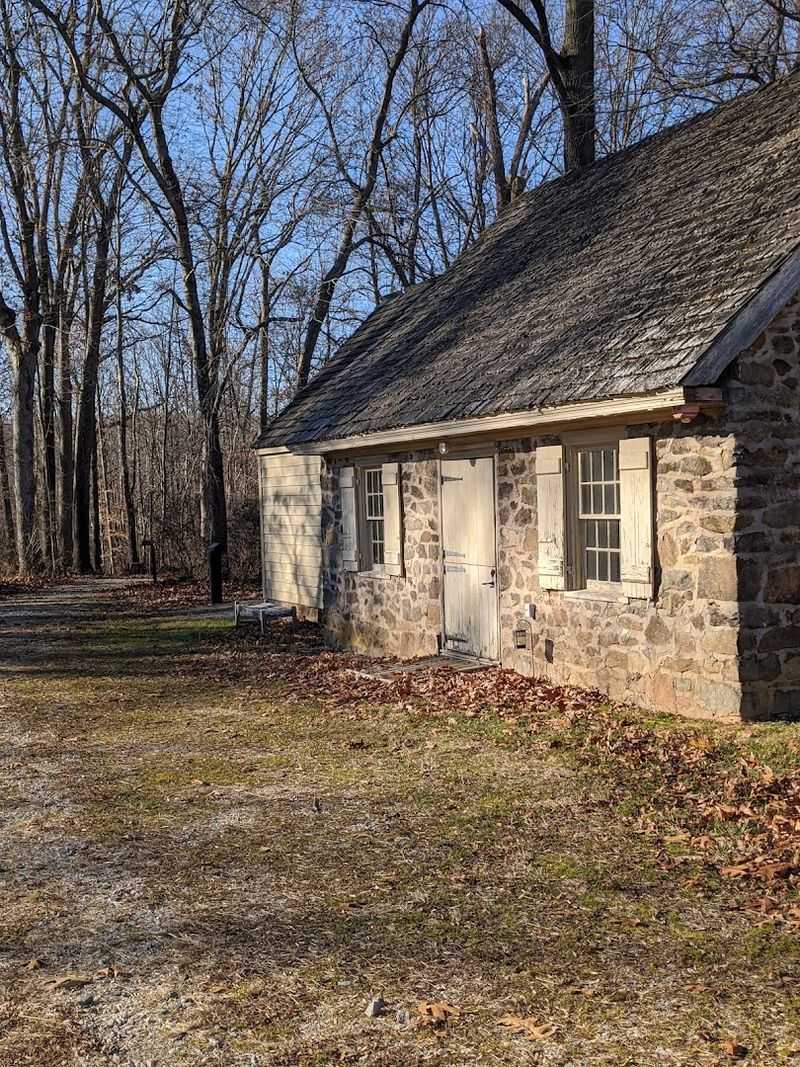
Not every landmark announces itself with grand fanfare, and Rockingham is very much a place you have to seek out to fully appreciate. Set into Kingston, New Jersey, this site represents one of the most significant yet underappreciated chapters in American Revolutionary history.
Its relative obscurity only adds to the sense of discovery when you finally arrive.
The house predates the Revolution by decades, with its oldest section built around 1710 by the Higgins family.
That longevity gives the site an added layer of depth; this was a living, breathing home long before it became a headquarters, and that human continuity makes its history feel more tangible and less like a textbook entry.
Admission is free, tours are offered by appointment through the site’s website, and the knowledgeable guides bring the story to life with genuine enthusiasm.
For anyone with even a passing interest in American history, this is the kind of place that lingers in your memory long after you have driven back home.
The House Where Democracy Won
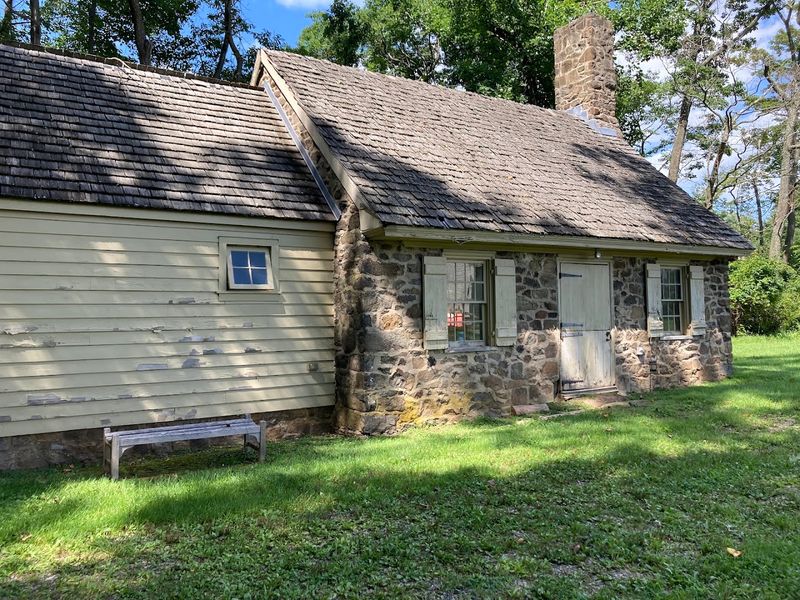
When you step back and consider everything that happened here, Rockingham earns a title that few buildings anywhere can claim: the house where American democracy genuinely, conclusively won. The Treaty of Paris news arrived here.
The Farewell Orders were written here. The peaceful transfer of military power to civilian governance was embodied here, in action, not just in words.
Washington’s conduct at Rockingham established the essential blueprint for a republic where leaders serve the people and willingly step aside. That blueprint has held, with remarkable resilience, for more than two centuries.
Visiting the site offers a rare chance to stand in the actual physical space where those foundational decisions were made, not in a grand capitol or on a famous battlefield, but in a modest New Jersey farmhouse.
Rockingham reminds every visitor that the most important victories are not always the loudest ones. Sometimes, history turns on a quiet act of principle in a small room, and the echoes of that act reach forward through time in ways that still shape daily life today.
Address: 84 Laurel Ave, Kingston, NJ 08528, United States.
