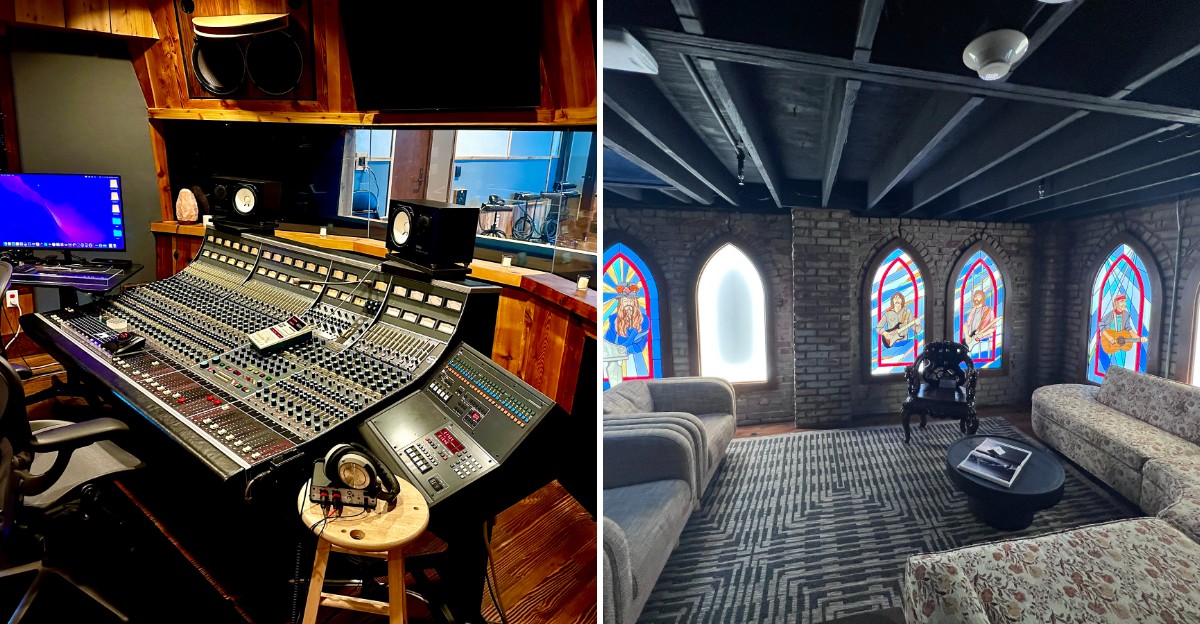
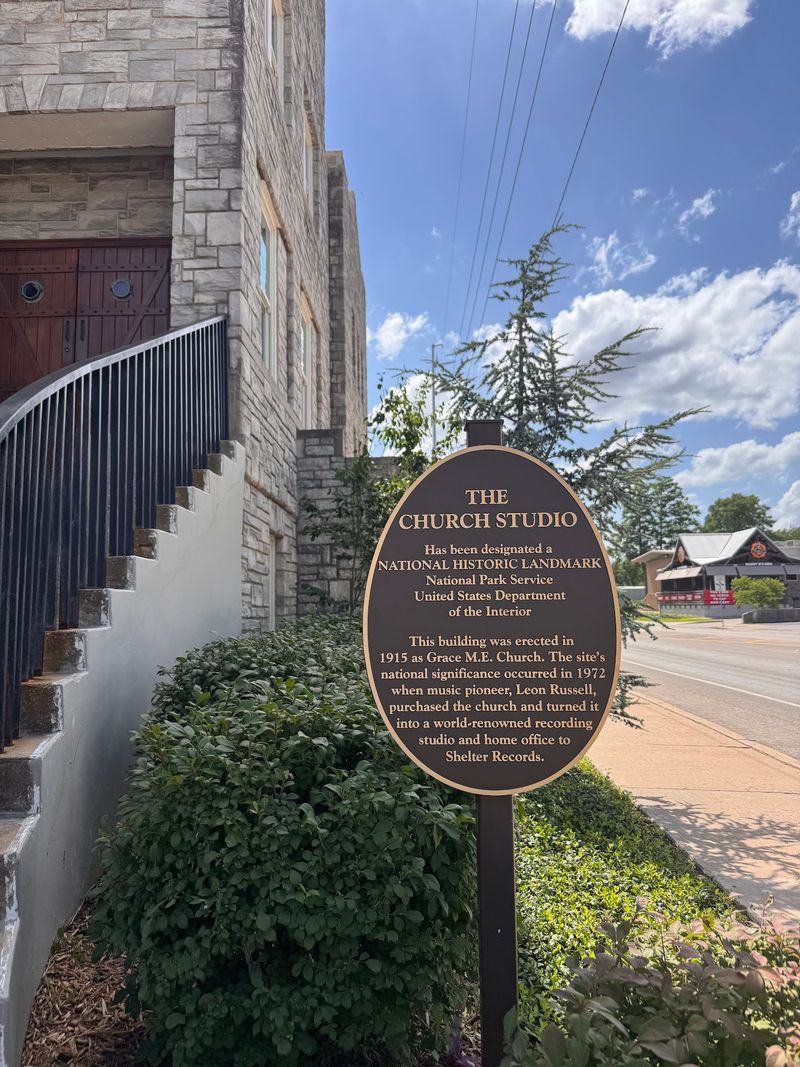
This Oklahoma landmark has lived two very different lives under the same roof. It opened as a church in 1915, then became a recording studio in the early 1970s after musician Leon Russell purchased the building.
Today, the space still functions as a working studio while also welcoming visitors for tours. That combination gives the experience a different energy from a typical music museum.
You can explore restored rooms, vintage equipment, and exhibits tied to the building’s musical past while knowing new recordings are still being made there. The history feels close instead of sealed behind glass.
Music fans can trace decades of creative work through the space, then see how the building continues to be used today. Few Oklahoma attractions blend historic architecture and active music production quite like this one.
Once A Quiet Little House Of Worship
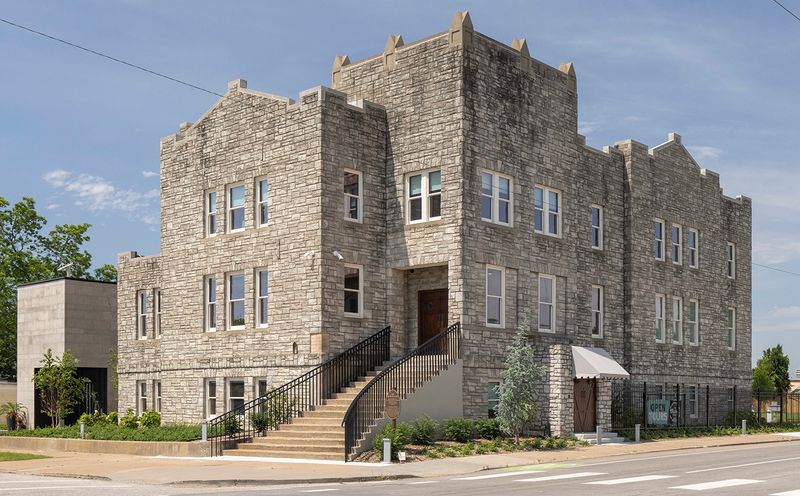
Picture a modest brick church built back when Tulsa was still figuring out what kind of city it wanted to be. That is how this whole story begins, with a congregation called Grace Methodist Episcopal Church filling the building with hymns instead of guitar solos.
The architecture still gives it away the moment you pull up, because the arched windows and the steep roofline look exactly like what you would expect from a neighborhood chapel. Nobody bothered stripping that character out when the music moved in, which is honestly the best decision anyone involved ever made.
Walking toward the entrance, you get this odd little mental double take, since your brain says church while your eyes start noticing the recording studio details. That tension between the two identities is a big part of why the place feels so different from any other music stop in Oklahoma.
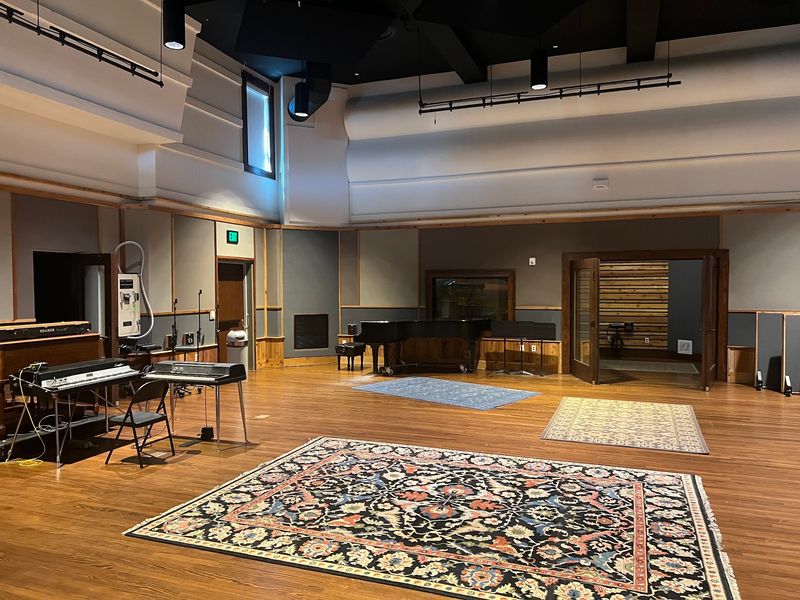
Congregations used the building for decades, and the wood, the brick, and the proportions of the rooms all came from that era. Sound engineers later realized those old sanctuary spaces happened to have wonderful natural acoustics, which is one of those happy accidents history occasionally hands out for free.
Leon Russell Bought It And Changed Everything
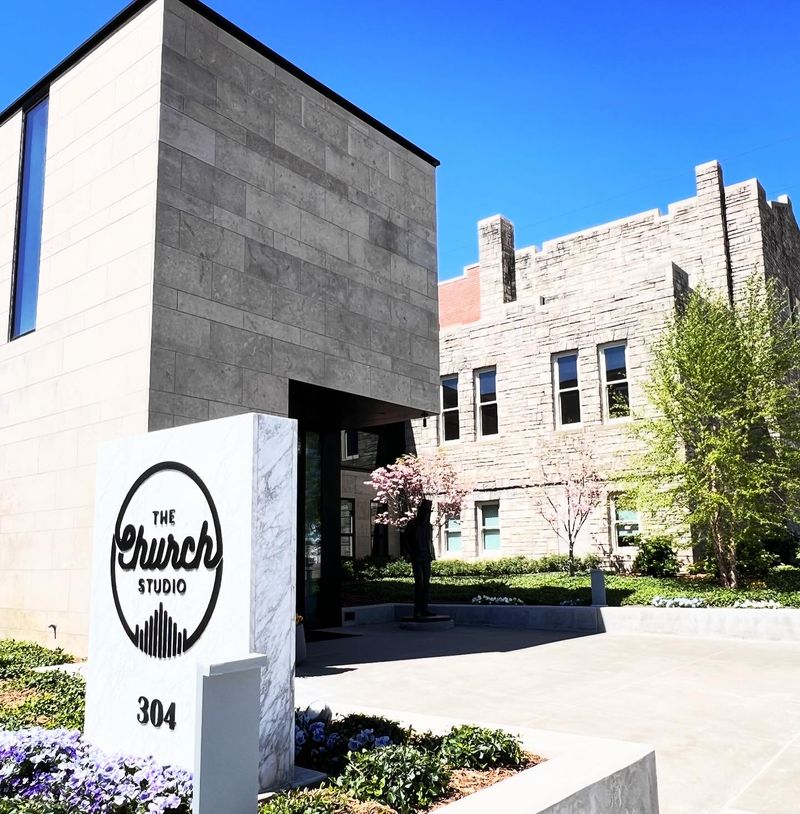
Here is where the story takes a hard left turn, because a musician named Leon Russell looked at this old church and saw a recording studio instead of a chapel. He bought the building and made it the headquarters of Shelter Records, which he ran with Denny Cordell.
You can visit it yourself at 304 S Trenton Ave, Tulsa, OK 74120, tucked into a walkable neighborhood just east of downtown. The location surprises people, since you expect something this legendary to sit behind gates somewhere out in the country.
Russell was already a serious force in the music world by then, having played on countless sessions before stepping out on his own. Bringing that reputation home to Oklahoma meant artists suddenly had a reason to fly into Tulsa instead of heading straight to the coasts.
What he built inside was part workshop, part clubhouse, part label office, and the energy of that mix is still baked into the place. Guides on the tour talk about how the studio functioned as a gathering spot where songwriters, engineers, and players constantly crossed paths, and that collision of talent is exactly what made the whole thing work so well.
Ground Zero For The Tulsa Sound
Ever wonder how a whole musical style gets named after a city? The Tulsa Sound is that rare case, a loose blend of rock, blues, country, and rockabilly that feels laid back and slightly behind the beat in the best possible way.
Musicians around this part of Oklahoma had been cooking that style up for years, but the studio gave it a home base and a proper place to be recorded. Once records started coming out of the building, the sound had something concrete behind it instead of just being a local rumor.
Listening to it, you notice the groove never rushes, and the playing feels conversational rather than showy. That relaxed swing is what drew players from bigger cities who wanted some of that feel on their own records.
Tour guides do a nice job explaining how the style came together, and hearing it described inside the actual room where those records were made lands very differently than reading about it. If you want a quick crash course in why this state matters to American music, an hour inside this building will handle that better than almost anything else you could do in town.
The Roll Call Of Artists Who Passed Through
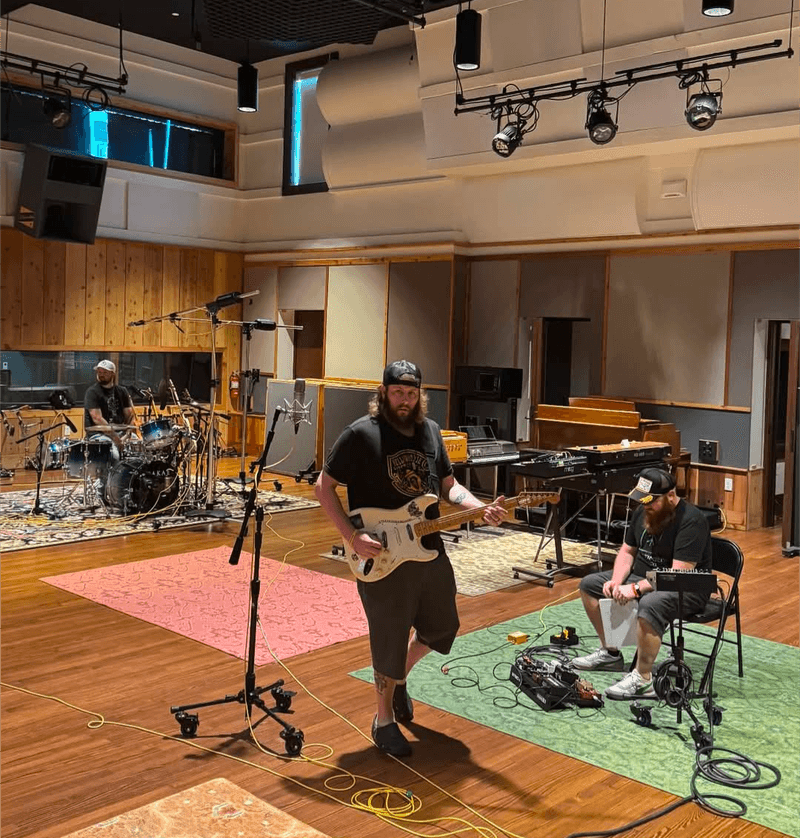
The guest list here reads like somebody raided a music hall of fame. Willie Nelson, Eric Clapton, Tom Petty, Stevie Wonder, and George Harrison all have connections to this building, either recording here or simply spending time in the rooms.
Standing in a space that hosted that much talent does something funny to your sense of scale, especially when the room itself is not enormous or flashy. It looks like a working studio rather than a monument, and that makes the history feel closer somehow.
Shelter Records signed and developed artists out of this address, so a lot of careers got real traction inside these walls. The Gap Band, Dwight Twilley, and Phoebe Snow are part of that story too, which shows how wide the net was cast.
Docents share the details as you move through, pointing out where certain sessions happened and how the building was used back then. You end up leaving with a handful of stories you will definitely repeat later, and honestly, that is the real souvenir from a place like this one in Oklahoma.
Still A Working Studio, Not A Dusty Museum
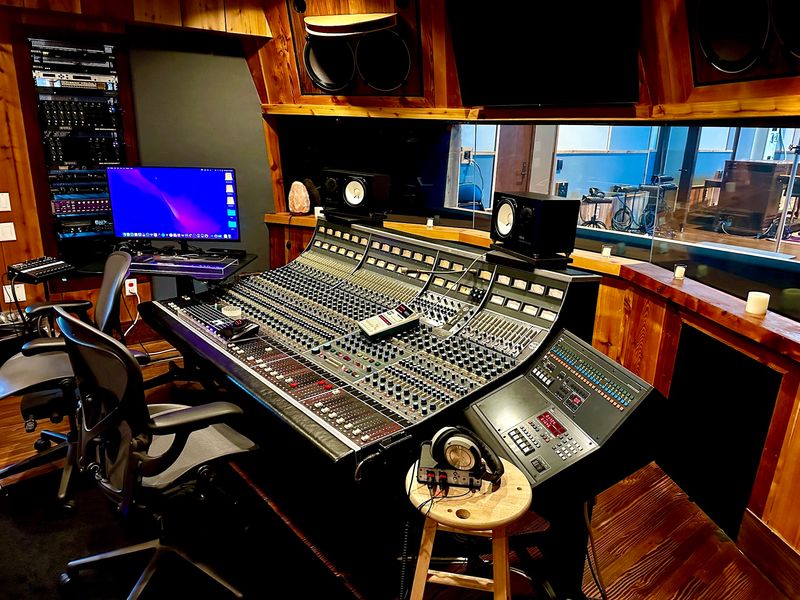
Plenty of famous music sites end up frozen behind velvet rope, but that is not what happened here. The building operates as a full, world class recording facility where artists actually book sessions and cut new material.
Both analog and digital recording are available, which matters more than it might sound, because a lot of musicians specifically want tape for the warmth it gives. Having both options under one roof makes the place genuinely competitive rather than just historically interesting.
Tours are scheduled around studio activity, so what you see can shift depending on what is happening that day. I would call ahead or book online, since sessions take priority and hours can move around.
There is something great about knowing your visit overlaps with real work being done in the same rooms where classic records were made. It keeps the building honest, and it means the story is still being written rather than sitting in a display case.
For visiting musicians, this is also a reminder that Oklahoma has serious professional infrastructure and not just history, which is a nice thing to discover when you are touring through the middle of the country.
Legendary Gear Sitting Right In Front Of You
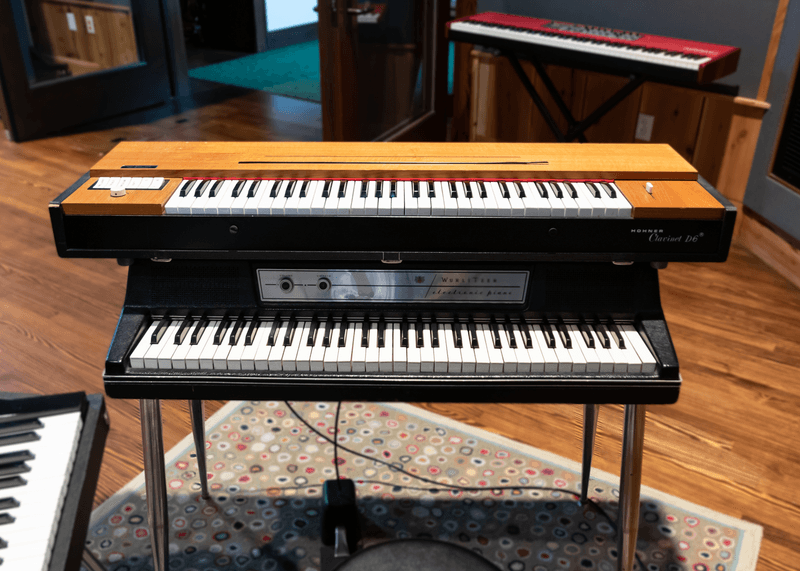
Gear nerds, this section is for you, and you know exactly who you are. The studio houses a NEVE 8068 mixing console, the very same model of board that appeared on the cover of Bob Dylan’s Time Out of Mind album.
Consoles like that are treated almost like religious relics in the recording world, and seeing one in person rather than in a photograph is a small thrill. All those knobs and faders look wonderfully analog and slightly intimidating at the same time.
Beyond the board, you will find Dan Fogelberg’s Yamaha grand piano and Jamie Oldaker’s custom drum kit, both of which carry serious stories of their own. Oldaker drummed for Eric Clapton, so that kit has traveled some remarkable miles.
What makes this different from a typical instrument display is that the equipment is part of a functioning studio rather than sealed away. The tour lets you get close enough to appreciate the craftsmanship without turning the whole thing into a hands off museum experience.
Bring your curiosity and ask the guides questions, because they tend to know the technical backstory behind each piece.
Rescued And Restored For A Whole New Era
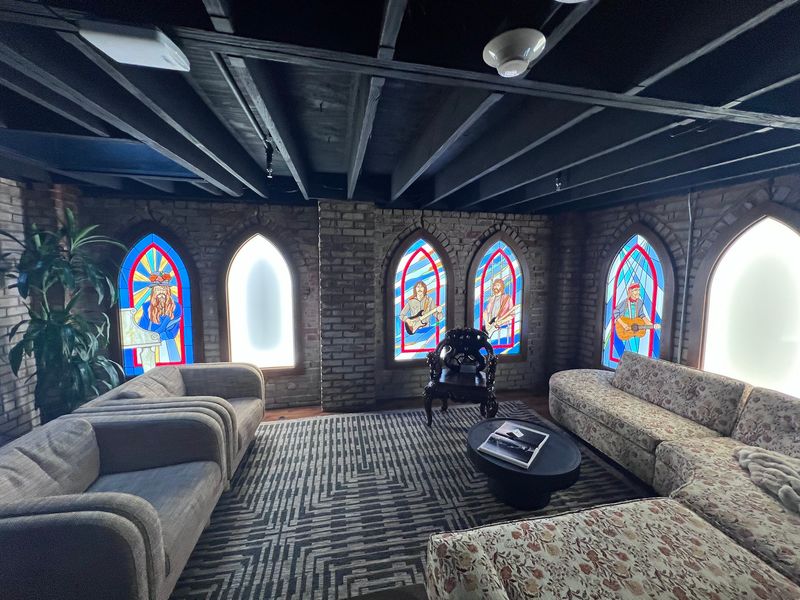
Buildings like this one usually get knocked down or turned into something forgettable, so the restoration story here deserves attention. Teresa Knox and Ivan Acosta took on the project, doing careful, detailed work to bring the property back to life.
Restoration meant respecting the original church bones while installing the technology a modern studio genuinely needs. Getting that balance right is trickier than people assume, since acoustic treatment and historic preservation do not always want the same things.
The doors reopened to the public with the building serving several roles at once, working as a recording studio, an event space, and a school for audio engineering. That last part is quietly the most interesting, because it means young engineers are learning their craft in a room with this much history.
Walking through, you can see how much attention went into the finishes, the woodwork, and the overall feel of each space. Nothing looks slapped together or rushed, and that care shows in every corner.
Preservation projects like this one give Oklahoma a real anchor point for its music history, and honestly, more cities should be taking notes on how this was handled.
A Gathering Spot For Tulsa’s Music Community
Recording and touring are only part of what happens here, because the studio also works as a community hub for the local scene. Events like Tunes at Noon put local artists in front of an audience in a space with serious acoustic character.
Performances in a former sanctuary hit differently, since the ceiling height and the wood surfaces do lovely things to a voice and an acoustic guitar. You do not need fancy production when the room itself is doing half the work.
The building also hosts private events and gatherings, which keeps it active rather than sitting quiet between studio sessions. That steady use is probably what will keep the doors open for decades to come.
Checking the events calendar before your trip is worth the two minutes, because catching a live performance turns a good visit into a great one. Schedules shift, so look close to your travel dates rather than weeks ahead.
Supporting a place like this means supporting working musicians in Oklahoma right now, not just the famous names from the past, and that combination of history and living creativity is exactly what makes the whole stop feel worthwhile.
