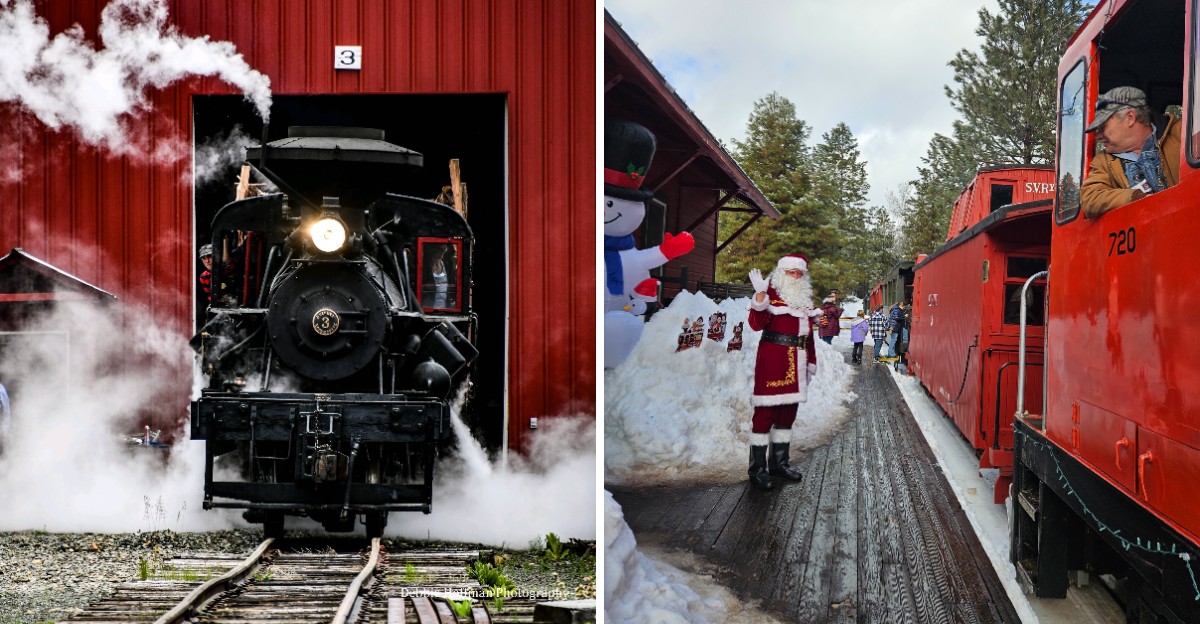
The original tracks were torn up and scrapped in 1947. Then volunteers spent decades putting a railroad back, piece by piece, by hand.
I find that story hard to shake. These folks didn’t inherit a working line. They rebuilt more than seven miles of narrow-gauge track through old gold mining country in eastern Oregon.
One detail I find worth mentioning is the train’s old nickname, the Stump Dodger. Steam engines from the 1910s and 1920s still pull cars past mounds of dredge tailings left by the gold rush.
Volunteers Rebuilt Every Mile You Ride
Most heritage railroads start with tracks already in place. The Sumpter Depot & Gift Shop sits at the end of a line that had to be built all over again.
The original Sumpter Valley Railway stopped running by 1947. Its rails were pulled up and hauled away, leaving only an empty grade behind.
In 1971, a group of rail fans formed Sumpter Valley Railroad Restoration Inc. Their plan sounded a little wild at the time. They wanted to bring the trains back.
Volunteers salvaged materials and laid track by hand, one section after another. Today the rebuilt line stretches more than seven miles, and the work keeps going.
The first passenger trains rolled again on July 4, 1976. That’s a pretty fitting birthday for a project powered by stubborn community spirit.
It also explains why the crew feels so connected to the place. Conductors, engineers, and shop workers are largely volunteers who give up weekends to keep things moving.
So when you board, you’re riding on decades of donated sweat. Those rails didn’t come from a big company or a government budget. They came from ordinary people in Oregon who refused to let a good railroad stay gone.
Your Ride Ends at a Charming Little Depot
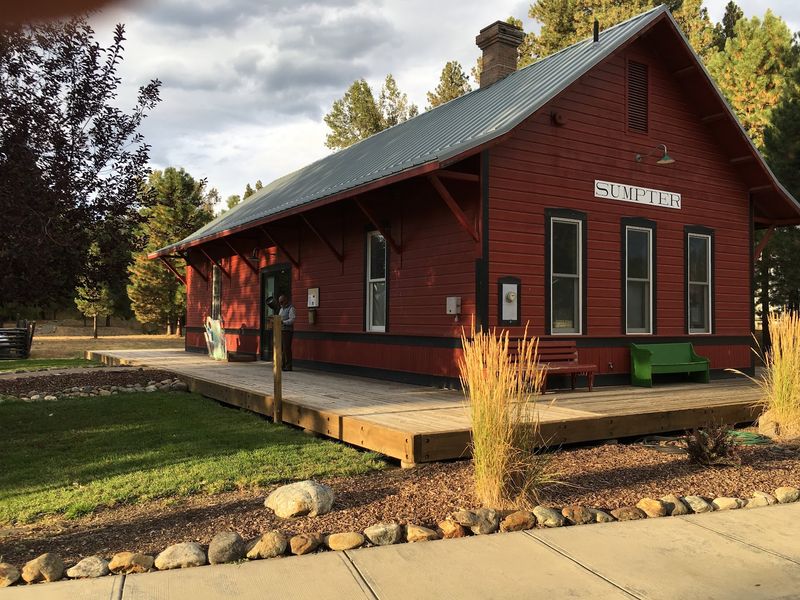
Trains on this line run between two stops. McEwen sits near Baker City, and the Sumpter Depot & Gift Shop greets riders at the other end.
You’ll find the depot at 211 Austin St, Sumpter, OR 97877. It sits near the entrance to the Sumpter Valley Dredge State Heritage Area, which makes the location hard to beat.
The route covers roughly five to six miles of track. The standard 12-mile round trip from McEwen, including the stop in Sumpter, takes approximately two and a half hours.
That layover is the fun part for curious travelers. You get time to stretch your legs, poke around town, and grab a souvenir before the whistle calls you back.
Sumpter itself is a small, historic gold mining town. It doesn’t try to be a theme park, and that’s part of its appeal.
The gift shop offers mementos tied to the railroad and your trip. It’s a handy spot to pick up something for the train lover in your family.
A quick tip helps here. Check the railroad’s schedule before driving out, since the depot isn’t open every day of the year.
A Nickname Like Stump Dodger Has to Be Earned
Railroads usually get serious names. This one got called the Stump Dodger, and honestly, that’s way more fun.
The nickname traces back to the line’s logging roots. David Eccles incorporated the Sumpter Valley Railway in 1890 to carry logs to the Oregon Lumber Company sawmill in South Baker City.
The tracks wound through forest country where stumps were part of the scenery. Narrow-gauge rails made it easier to snake through tight, rugged terrain.
By 1896, the railway reached Sumpter. It went on to serve both logging and mining operations across the region for decades.
Gold and timber kept the trains busy during those years. The railroad became a lifeline for towns tucked into these eastern Oregon valleys.
Eventually, trucks and changing times caught up with it. Service wound down, and by 1947 the line had stopped running.
Knowing this backstory makes the modern ride feel richer. You’re following the path of crews who hauled real cargo for a living.
Now the only cargo is passengers with cameras. That’s a much friendlier load, and nobody has to dodge stumps anymore.
Old Steam Engines With Big Personalities
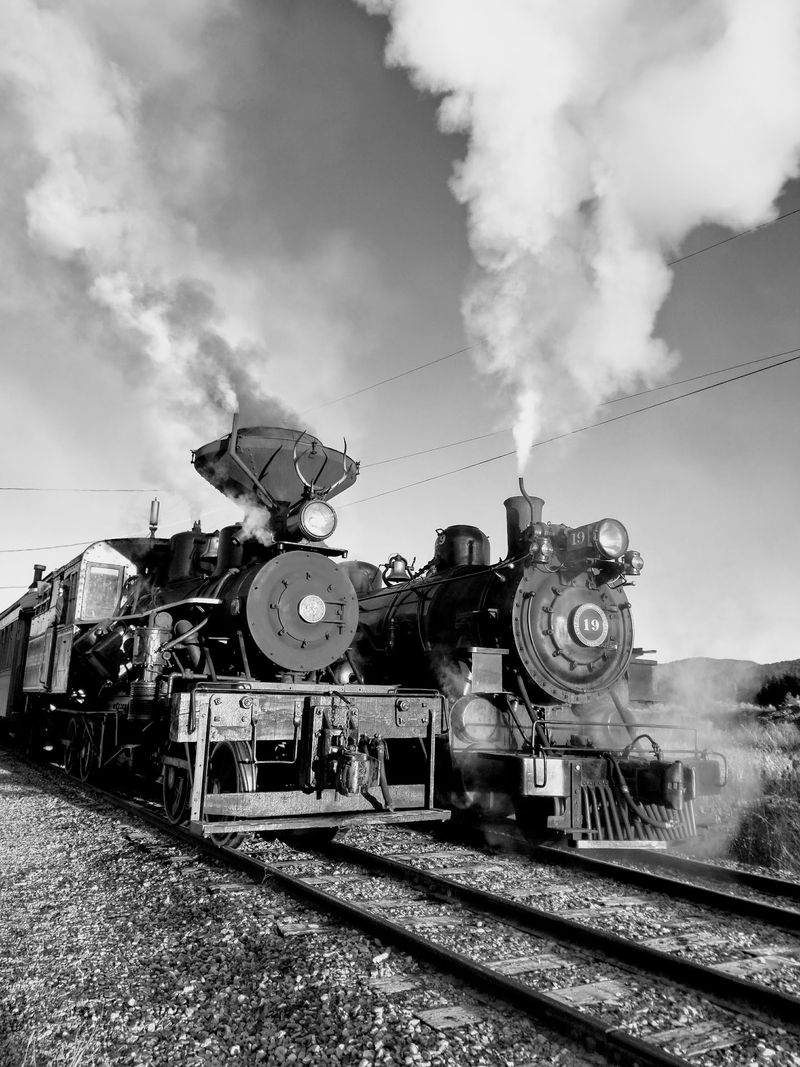
Some machines get retired to a museum. Others get fired up and put back to work, which is exactly what happened here.
The star of the early restoration was Heisler steam locomotive No. 3, built in 1915. It became one of the first engines restored to operation back in 1976.
Heislers are geared locomotives built for logging lines. They’re designed for grunt and grip rather than speed, which suits mountain work perfectly.
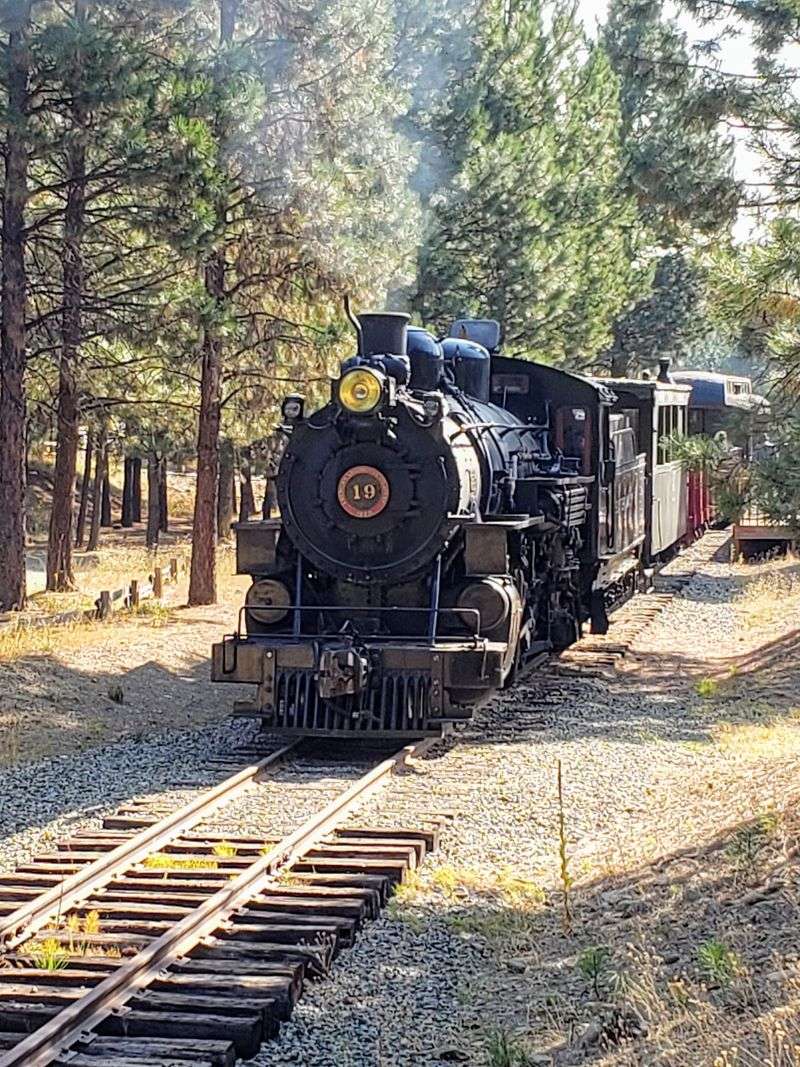
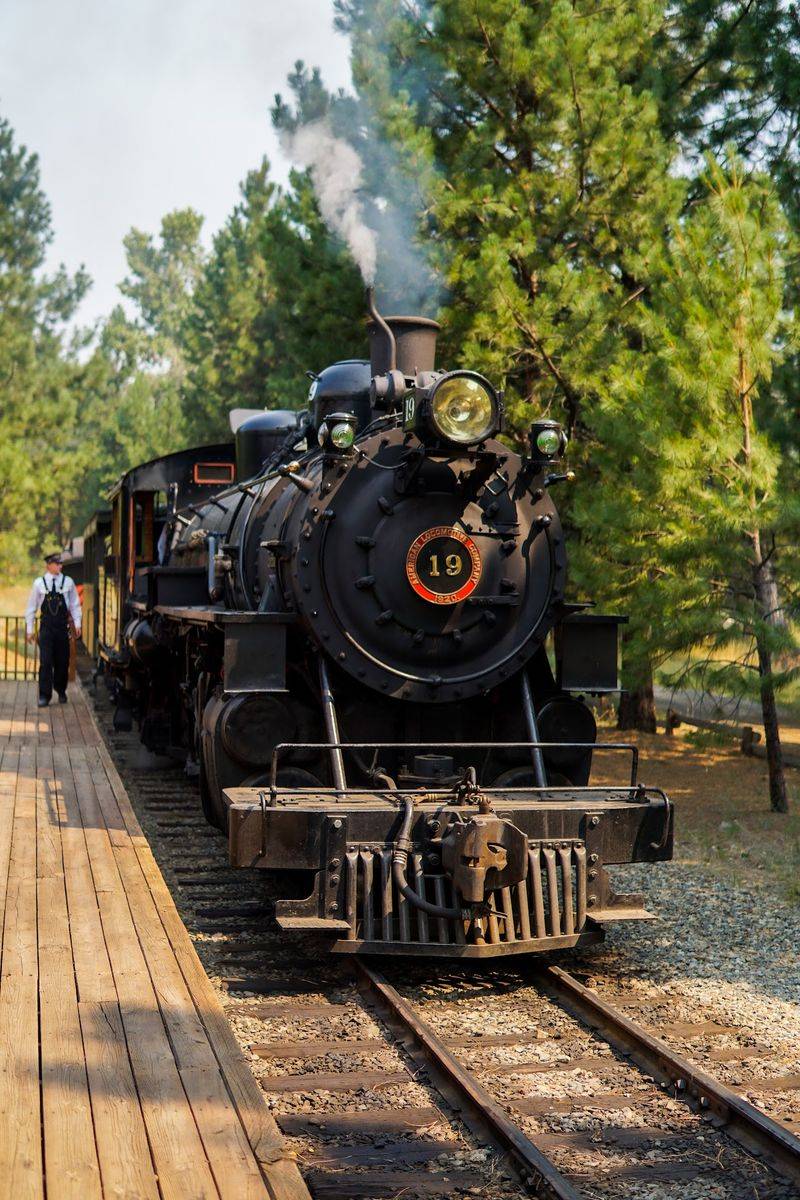
Then there’s SVR No. 19, a 2-8-2 Mikado built in 1920. Crews restored it in 1996, and after completing another major overhaul in 2013, locomotive No. 19 remains part of the railroad’s operational fleet.
People who work on these engines often talk about them like living things. They describe heartbeats and personalities, which makes sense once you hear one breathing steam.
Steam isn’t always guaranteed on every run. Fire danger in the forest can lead the railroad to use a diesel locomotive instead.
That’s worth knowing if steam is your main goal. Check ahead, and keep an open mind either way.
Even the diesel days come with vintage charm. It’s still old iron rolling through gold country.
Scenery Shaped by a Gold Rush
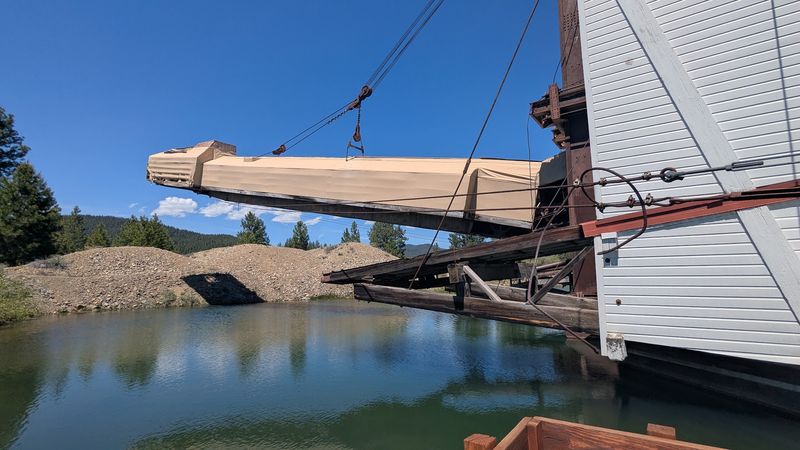
Look out the window and the ground itself tells a story. Long rows of rocky mounds stretch across the valley floor.
Those mounds are dredge tailings. They were left behind when massive machines churned through the valley looking for gold.
The effect is strange and kind of beautiful. Rock piles sit beside ponderosa pines, ponds, and open meadows.
Wildlife sometimes appears in the wetlands along the route. Keep your eyes moving and your camera handy.
The railroad runs open-air cars as well as enclosed ones. Open cars give you the best views and the full smell of steam and pine.
Dress for the weather in those open cars. Mornings in the Blue Mountains can feel chilly even in summer.
Autumn adds another layer to the show. Fall colors turn the valley gold in a whole new way, and the railroad even hosts a Fall Foliage Photographer’s Weekend.
It’s a landscape you won’t see in many other places. Mining scars and forest beauty share the same frame here.
Bring patience for the views. The train moves at a relaxed pace, giving you plenty of time to soak it in.
A Massive Gold Dredge Waits Steps Away
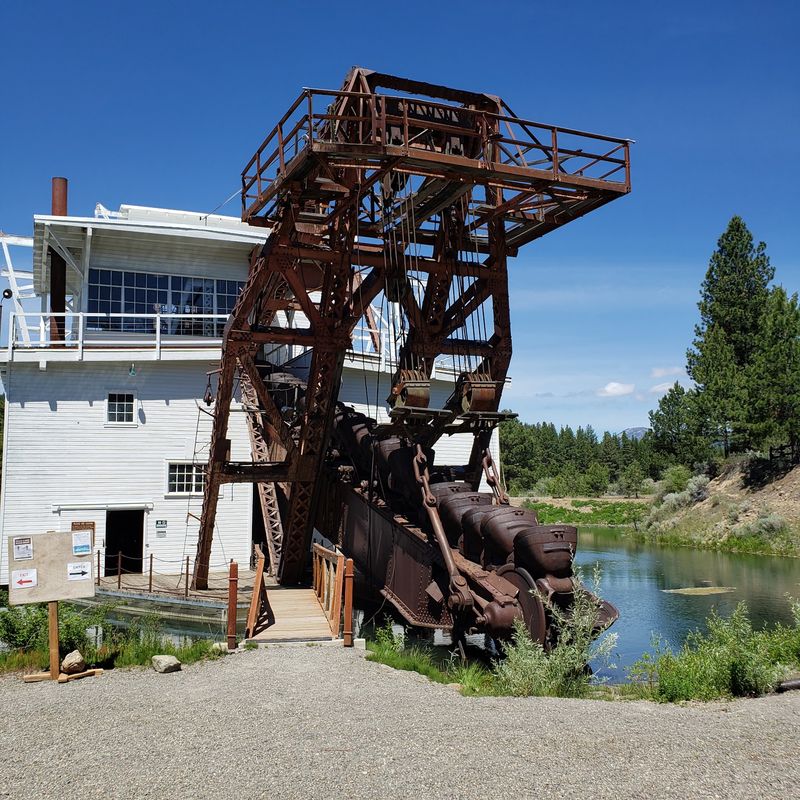
Few train stations sit next to a floating gold factory. The Sumpter Depot & Gift Shop is right by the entrance to the Sumpter Valley Dredge State Heritage Area.
The centerpiece is the Sumpter Valley Gold Dredge. It’s one of the best-preserved dredges of its kind in the United States.
This giant worked the valley from 1935 to 1954. During that time, it pulled millions of dollars in gold from the ground.
It’s also the reason those rocky tailings line the train route. Seeing the machine up close connects all the dots.
Guided tours are available at the heritage area. You can learn how the dredge scooped, sorted, and spit out rock.
Some visitors also try gold panning nearby. Odds are you won’t retire on your findings, but kids especially love the hunt.
The layover between trains gives you a window to explore. Plan your time well if you want to see the dredge and the shop.
Pairing the two makes for a full day of Oregon history. Train first, gold second, souvenirs third. Not a bad lineup for one small town.
Watch Out for Masked Bandits on Board
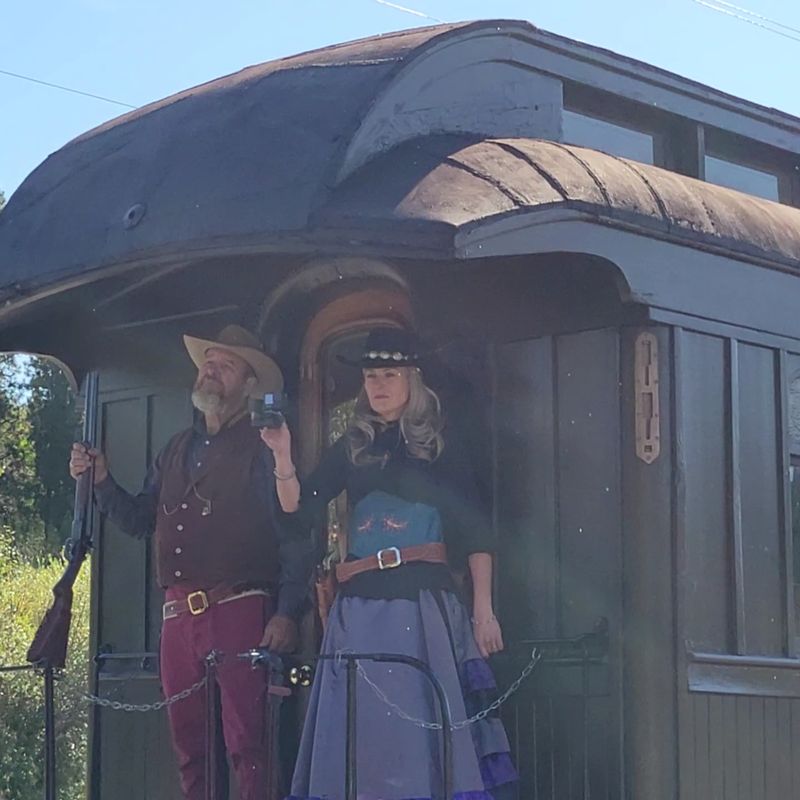
Hands up! On certain weekends, the train gets held up by costumed outlaws on horseback.
The staged train robbery is one of the railroad’s most popular special events. It’s pure Old West theater, and families eat it up.
Don’t worry about losing your wallet. These robbers are known for handing out candy instead of taking anything.
The costumes add a lot to the fun. Big hats, dusty coats, and serious mustaches help sell the act.
It’s a great pick for kids who think history sounds boring. A cowboy chase tends to change that opinion fast.
The railroad also runs other themed rides through the season. The Starlight Express offers an evening twist on the classic trip.
Fall brings a Halloween ride with its own spooky flavor. Each event gives the same route a fresh personality.
Special events usually draw bigger interest than regular runs. Booking ahead is a smart move if you have a particular date in mind.
Check the schedule early in the year. Robbery weekends are limited, and you don’t want to miss your chance to get stuck up by the friendliest gang in Oregon.
Santa Picks This Depot for a Winter Stop
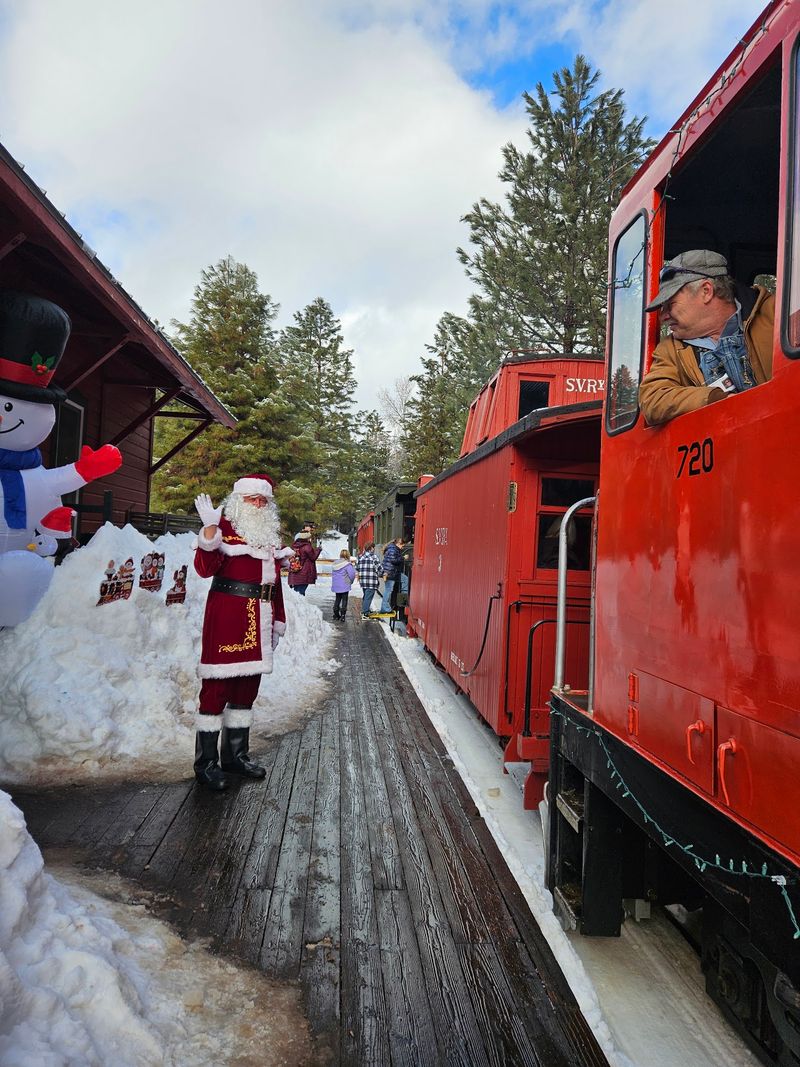
Snow on the tracks doesn’t stop everything here. Come December, the railroad runs its Christmas Train.
The holiday ride carries families to the Sumpter Depot & Gift Shop. Santa makes an appearance at the depot, which turns a train ride into a full holiday outing.
Bundle up if you choose an open-air car. Winter in the Blue Mountains is no joke, so layers are your best friend.
The Christmas run is one of the railroad’s most talked-about traditions. It’s a natural fit for families with young kids.
Special events stretch the operating calendar well beyond summer. Rides can run from April through December, depending on the schedule.
Regular passenger excursions run on selected weekends and holidays from late May through September, with additional special events in October and December. That’s the classic window for a standard excursion.
Outside those dates, the depot may be closed. A spring visit in lingering snow could leave you looking at an empty platform.
Plan around the published schedule and you’ll avoid disappointment. The holiday trip is worth marking on the calendar early, since winter dates come and go quickly.
Fifty Years of Whistles and Still Going
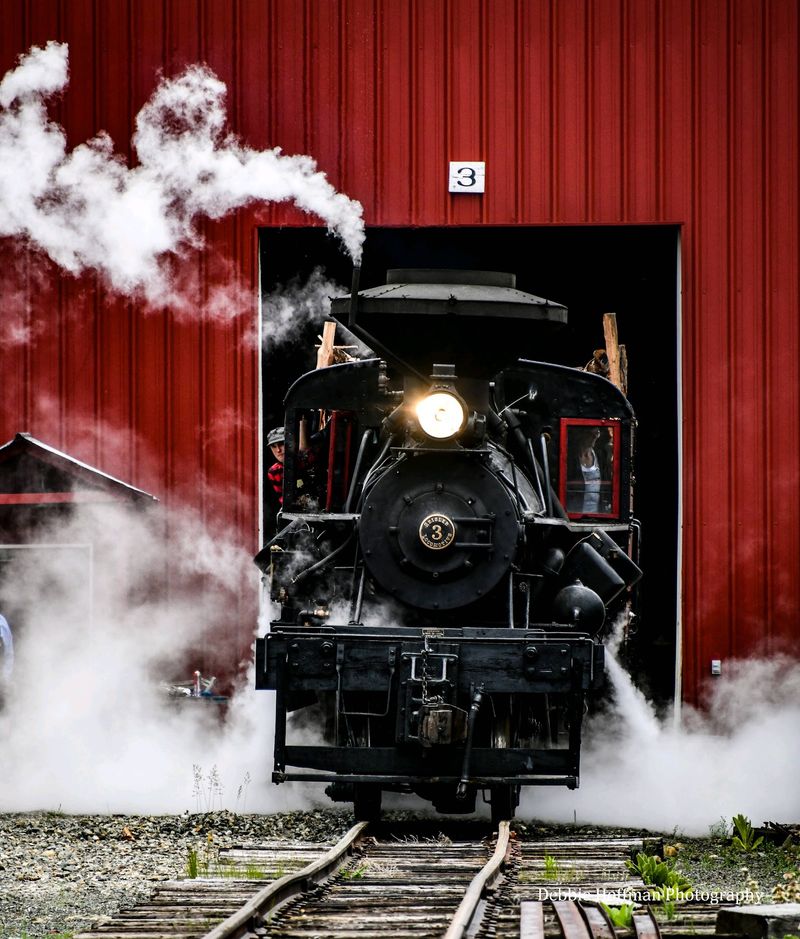
Half a century is a long time to keep a hobby alive. In 2026, the Sumpter Valley Railroad marks 50 years since passenger service returned.
That milestone traces straight back to July 4, 1976. A dream from a small group of volunteers turned into a lasting Oregon attraction.
The nonprofit behind it does more than run trains. It restores artifacts, preserves equipment, and teaches visitors about steam railroading and eastern Oregon logging history.
Behind-the-scenes spaces add to the story at McEwen. Back shop tours and the archives have been part of special celebrations.
Want an even closer look? During special events, the railroad has offered limited Behind the Throttle experiences that give visitors a closer look at its historic locomotives.
That’s about as close as you can get to a working steam engine. Watching the crew handle levers and gauges is a lesson no textbook can match.
Every ticket helps keep this volunteer effort rolling. Gift shop purchases at the depot support the cause too.
So grab a souvenir and hop aboard. Few rides let you thank the people who literally built the track under your feet.
