Banks are not usually the first buildings you think of when you picture a hotel. They are solid, formal, and built to feel permanent.
But across Virginia, old bank buildings are finding new life, and one of them has been turned into a boutique hotel in the middle of downtown. The transformation keeps the original architecture intact.
High ceilings, marble columns, and vault doors that once protected money now frame a completely different kind of stay. The rooms are modern, but the building’s history is still visible in every corner.
It is a balance that is hard to pull off, and it works here. You can sleep in a space that was once a lobby, walk past brass teller windows, and wonder about the people who worked there a century ago.
It is not just a place to stay. It is a way to experience a piece of Virginia’s past without sacrificing comfort.
If you are looking for a weekend away that feels different, this is worth considering. The building has stories, and now it has guests.
The Liberty Trust, Roanoke, Virginia
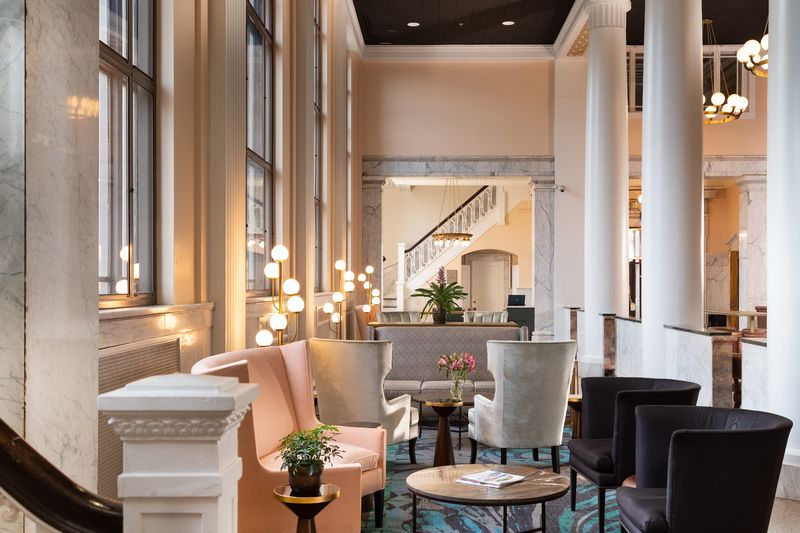
Bankers once counted money behind these walls, and now you get to count sheep. The Liberty Trust sits in the former First National Bank headquarters in downtown Roanoke, a building once nicknamed a Temple of Finance.
Talk about a promotion.
Architect John Kevan Peebles designed the place in a French Renaissance and Beaux Arts style that practically struts. Out front, Roman Ionic columns guard the entrance like elegant bouncers.
Inside the main hall, Doric columns hold up ceilings so high they make your neck do yoga.
Granite walls carved with rosettes wrap the exterior. A stately balustrade crowns the roof, giving the whole building a polished, top-hat look.
Step inside, and marble floors gleam under that lofty ceiling.
Here comes the fun part. The old walk-in vault did not get tossed aside.
It became a distinctive gathering space, keeping its historic charm while trading stacks of cash for good conversation.
Upstairs, rooms mix custom-made furnishings with the building’s original bones. You get modern comfort without losing that Edwardian swagger.
Big windows frame downtown views, and the hallways carry a hushed, classy calm.
Location seals the deal. You are steps from the Roanoke City Market area, local shops, and the cheerful buzz of downtown, with the Blue Ridge hovering nearby.
Honestly, this might be the only bank you will ever want to linger in. Find it at 101 South Jefferson Street, Roanoke, VA.
Bring your curiosity, leave your withdrawal slip at home, and enjoy sleeping where fortunes were once made.
Ferry Plantation House, Virginia Beach
Long before beach towels and boardwalk strolls, the Lynnhaven River had a ferry, and a cannon was used to call it. Yes, a cannon.
Forget texting, colonists preferred a boom.
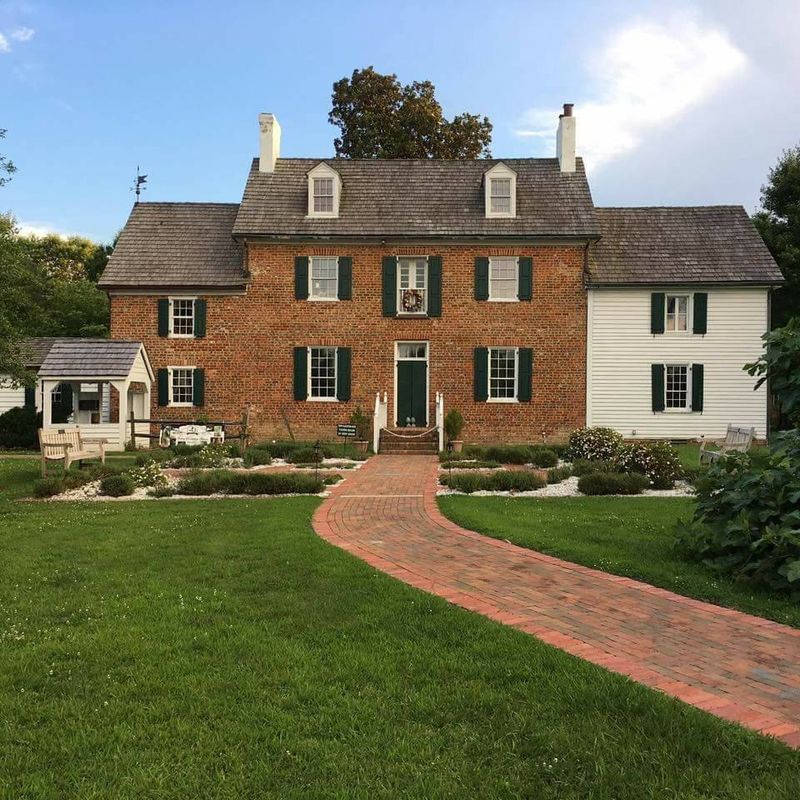
That ferry service started in colonial times and connected scattered settlements and plantations along the water. The brick house you see today was built in the early nineteenth century.
It stands in the Federal style, sturdy and modest, with plenty of stories tucked into its corners.
Few buildings have held this many jobs. Over the years, the property served as a plantation, a courthouse, a school, and even a post office.
Picture a single building juggling all that work without ever asking for a raise.
Inside, exhibits walk you through the people and events that shaped the coastal region. You learn about daily life, local government, and the shifting fortunes of this corner of Virginia Beach.
Spooky fans, perk up. Ferry Plantation House has a reputation for lingering spirits, and those tales add a shivery twist to any tour.
Whether you believe or roll your eyes, the creaky floors certainly help the mood.
Grounds around the house are quiet and leafy, a peaceful break from the busy oceanfront. Bring good walking shoes and a curious mind.
You will find this resilient landmark at 4136 Cheswick Lane, Virginia Beach, VA. Sand can wait an afternoon.
History with a side of ghost stories is calling, and nobody even needs to fire a cannon to get your attention.
Bacon’s Castle, Surry
Plot twist time. Nathaniel Bacon never actually lived at Bacon’s Castle.
His rebellious followers simply grabbed it and turned it into a fort, and the name stuck like gum on a shoe.
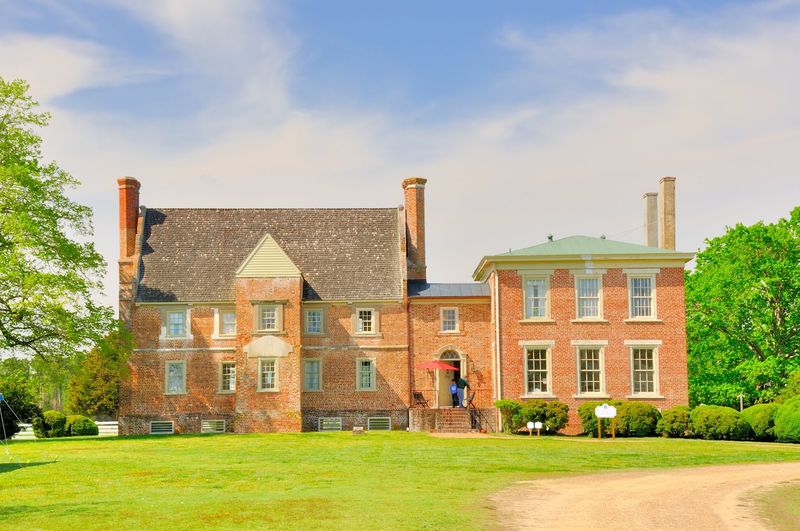
Arthur Allen built this brick home in Surry, and it holds the title of oldest documented brick dwelling in the country. That alone deserves a slow whistle.
The house shows off Jacobean architecture, a style you rarely see outside Britain and Barbados.
Look up and you will spot the showstoppers. Triple-stacked chimneys rise like stone towers, and curved Flemish gables give the roofline a fancy flourish.
Inside, carved compass roses decorate beams in the public rooms.
History here is anything but sleepy. During Bacon’s Rebellion, the occupiers used the house as a stronghold, giving this peaceful farmland a dramatic chapter.
Outside, a reconstructed English formal garden spreads across the grounds. Neat paths and planted beds offer a peek at how gardens looked centuries ago.
It is a lovely spot for a quiet wander.
The site also shares the stories of enslaved and free Africans and African Americans who lived and labored on this land. Those voices give the property depth and honesty, and they deserve your full attention.
Getting here takes you through rural Tidewater scenery, flat fields and big skies. Pack a little patience for country roads.
Bacon’s Castle waits at 465 Bacon’s Castle Trail, Surry, VA. Come for the chimneys, stay for the stories, and maybe share a laugh about that misleading name.
Peyton Randolph House, Williamsburg
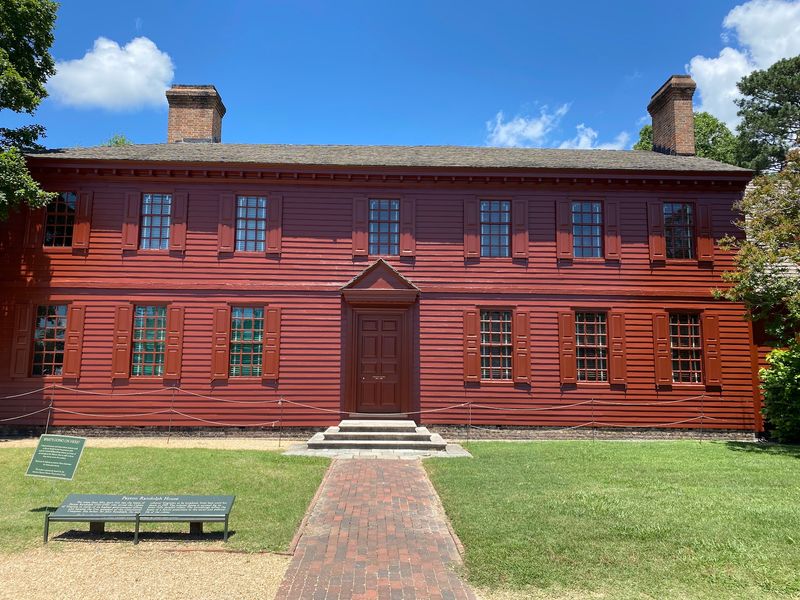
Picture a living room where revolution was a regular dinner topic. Peyton Randolph served as president of the Continental Congress, and his Williamsburg home buzzed with the biggest ideas of the era.
Its oldest section ranks among the most ancient surviving buildings in Colonial Williamsburg. The house is a two-story wood-frame structure with a long, handsome front that stretches across the block.
Painted a striking red, it is hard to miss on your stroll.
Step inside, and the woodwork steals the show. Paneled walls made from walnut, oak, and pine remain wonderfully intact.
Craftsmanship like this is rare even in a town packed with colonial treasures.
Keep your eyes peeled for marble fireplaces from the colonial period. Each one hints at the comfort and status the Randolph family enjoyed.
Wealth back then meant warm rooms and beautiful mantels, apparently.
Influential figures gathered here to talk politics, plan, and debate. Imagine candlelight flickering while voices argued about independence.
Goosebumps, right?
Later chapters added even more layers. During the Civil War, the house served as a hospital for wounded soldiers, a compassionate role that is easy to forget amid all the colonial glamour.
Tours are run by Colonial Williamsburg, so plan your visit through their ticket options. Comfortable shoes are a must, since the historic area rewards wanderers.
Head to the corner of Nicholson Street and North England Street in Colonial Williamsburg, Williamsburg, VA. You will leave feeling like you just eavesdropped on the founding of a nation.
George Wythe House, Williamsburg
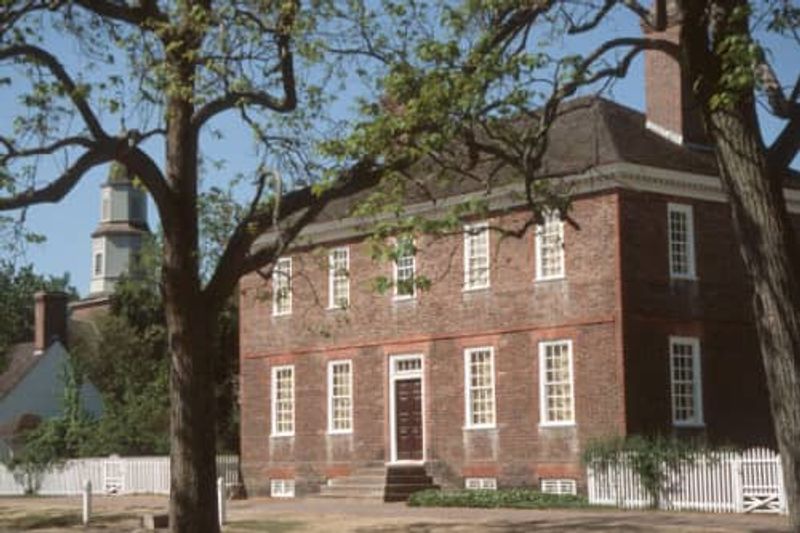
Thomas Jefferson needed a teacher, and he found one right here. George Wythe, a signer of the Declaration of Independence, is often called the first law professor in America, and his home on Palace Green is pure Georgian elegance.
Built of brick in classic Tidewater style, the house wears perfect symmetry like a tailored suit. Many historians believe Richard Taliaferro, Wythe’s father-in-law, designed it.
Family connections clearly paid off in good taste.
Outside, the brickwork is crisp and sophisticated. Simple wood trim keeps everything tidy without showing off.
It is the architectural version of quiet confidence.
Now for the headline. George Washington used the house as headquarters before the siege of Yorktown.
Later, French General Rochambeau made it his base too. Not a bad guest list for one address.
Inside, rooms are fairly simple, yet they carry real weight. Standing among them, you can almost hear legal arguments and war plans echoing off the plaster.
Behind the house, gardens and outbuildings help you imagine how a busy colonial household actually ran. Kitchens, work areas, and planted plots show the labor that kept everything going.
Here is a tip worth taking. Pair this stop with the nearby Governor’s Palace, since both sit on Palace Green and make a fine colonial combo.
Find it on Palace Green Street in Colonial Williamsburg, Williamsburg, VA. Bring your inner history nerd and let it run wild.
Professor Wythe would probably approve of the enthusiasm.
Gadsby’s Tavern Museum, Alexandria
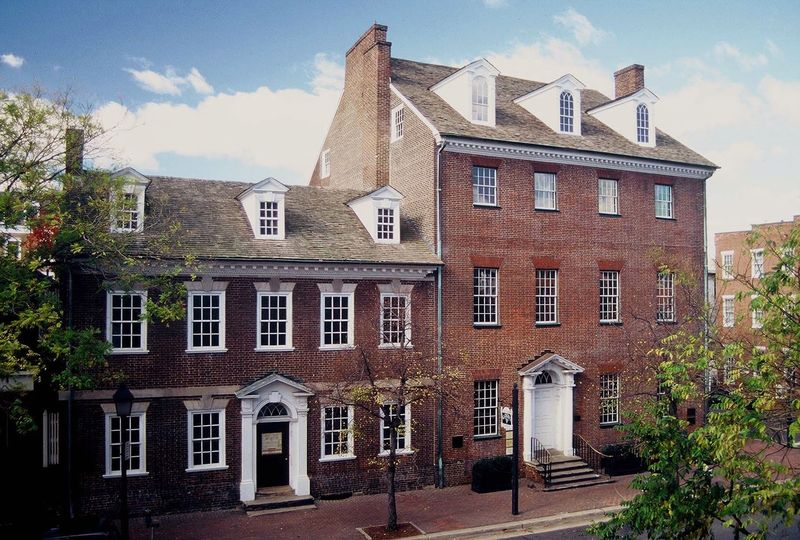
Founding fathers needed a place to hang out too. In Old Town Alexandria, Gadsby’s Tavern was the spot where George Washington, Thomas Jefferson, John Adams, and the Marquis de Lafayette all made appearances.
Talk about a legendary guest book.
The complex has two buildings, a tavern and a larger City Hotel added later. Englishman John Gadsby ran the place and earned a reputation for polish and hospitality across the young nation.
Back then, this was the social and political heartbeat of town. Deals got made, alliances formed, and fancy dinners and balls kept the calendar full.
Think of it as the original networking event, minus the name tags.
Today, part of the complex works as a museum with period rooms and exhibits. The ballroom is a highlight, with its graceful proportions and musicians’ gallery overlooking the floor.
You can practically hear the fiddles warming up.
A restaurant still operates in the historic building, so the hospitality tradition lives on. Candlelit rooms and colonial decor give it plenty of charm.
Every year, a Birthnight Ball celebrates Washington’s birthday with period costumes and dancing. Dust off your best curtsy or bow.
Old Town itself makes the trip even sweeter. Brick sidewalks, boutiques, and the Potomac waterfront are all within easy walking distance.
Head to 134 North Royal Street, Alexandria, VA, for the museum. Come hungry for history, and maybe practice a little colonial small talk on the way.
The Exchange Hotel Civil War Medical Museum, Gordonsville
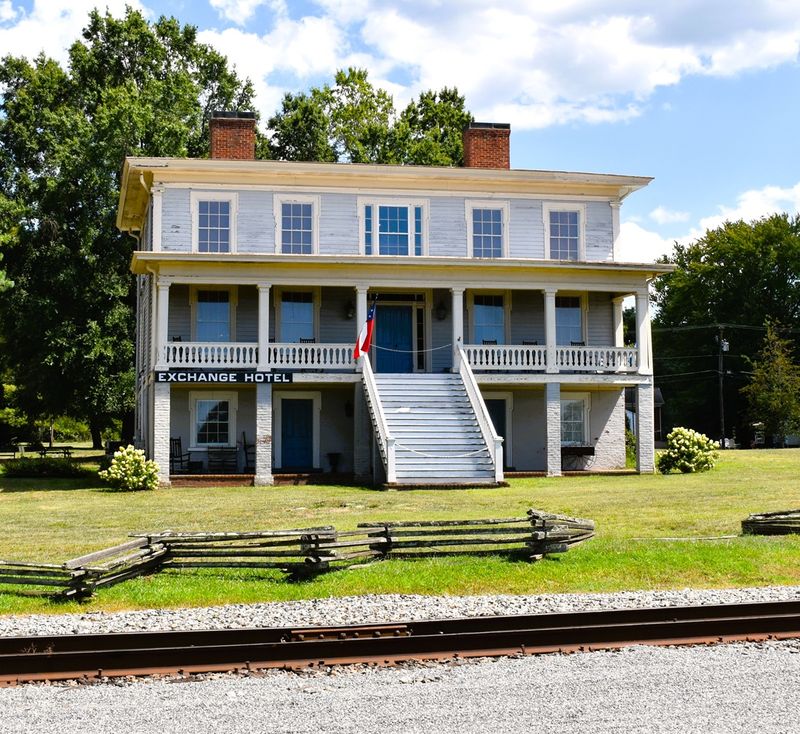
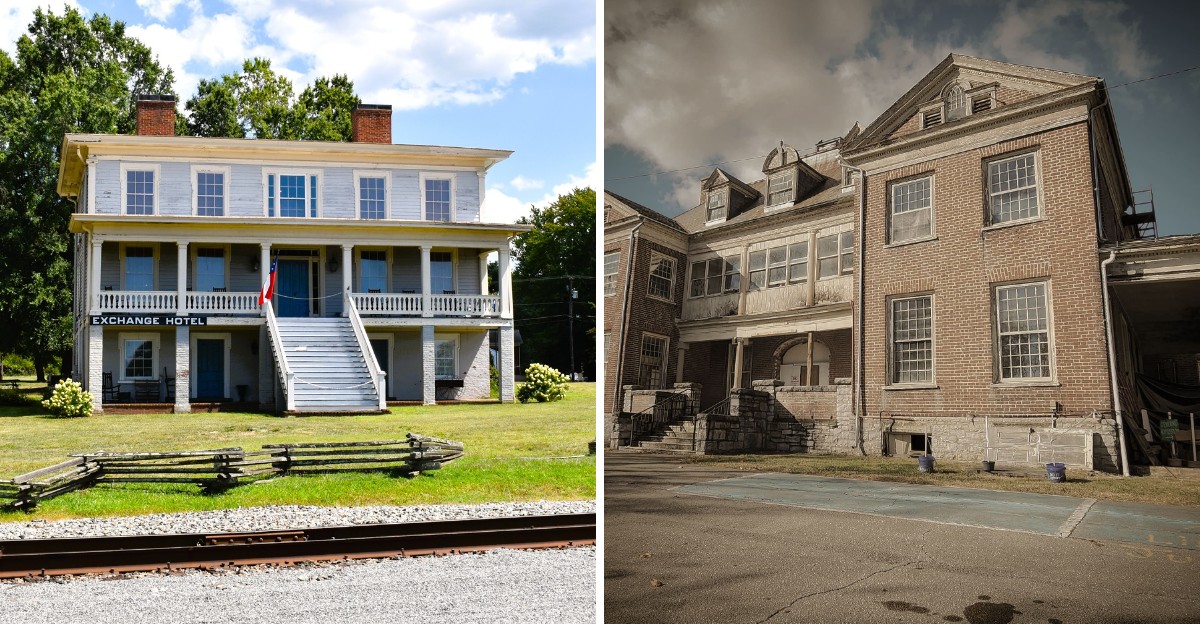
Railroad tracks changed everything for this handsome hotel. Built to welcome train passengers in Gordonsville, the Exchange Hotel soon found itself at the center of the Civil War.
Its spot near a key rail junction made it perfect for a new role. The building became the Gordonsville Receiving Hospital, caring for many thousands of wounded and sick soldiers from both sides.
Trains rolled in day after day with patients who needed help fast.
Here is a jaw-dropper. Out of all the receiving hospitals that operated in Virginia during the war, this is the only one still standing.
That makes it a rare survivor and a powerful place to visit.
After the fighting ended, the work continued. The building served as a Freedmen’s Bureau hospital, offering care to newly freed people.
Later, it went back to hosting travelers before becoming a museum.
Inside, collections of medical tools and wartime artifacts tell tough but fascinating stories. Some instruments look straight out of a nightmare, so brace yourself.
Every display shows how doctors worked with very little.
Architecture lovers will enjoy the Greek Revival style, with long porches stretching across the front. It looks calm and stately, a sharp contrast to its intense history.
Local lore adds spooky whispers about unexplained happenings. Paranormal fans often put this place high on their lists.
Visit 400 South Main Street, Gordonsville, VA. Bring a strong stomach, an open mind, and plenty of questions for the knowledgeable museum team.
Avenel House, Bedford
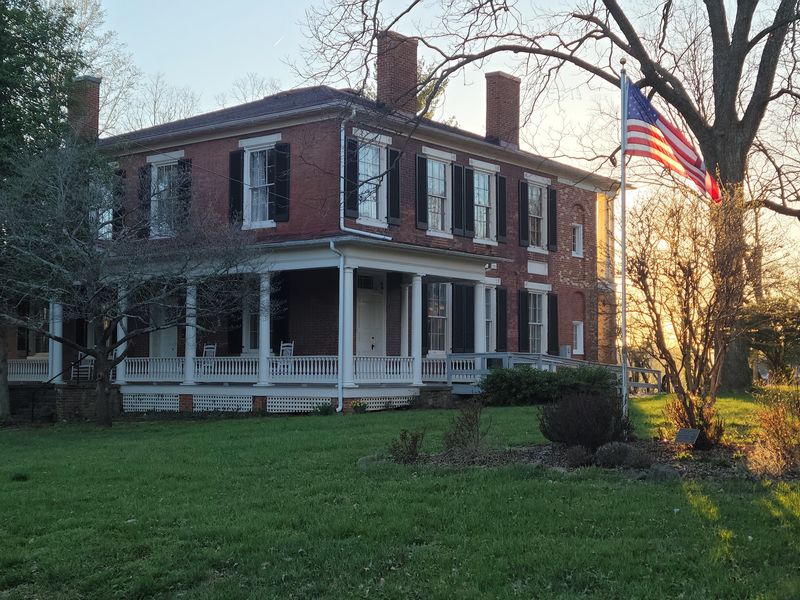
Ghost stories and grand parties share the same porch at Avenel. This brick home in Bedford has been a hub of local social, cultural, and political life for generations.
Its style blends Federal and Greek Revival touches into one confident package. A hipped roof caps the house, while a wraparound porch invites you to imagine lemonade and long conversations.
Rocking chair energy is strong here.
Inside, the layout is wonderfully unusual. The home splits into two nearly equal halves, and each side has its own formal staircase.
Double the stairs, double the dramatic entrances.
William M. Burwell, a member of the state legislature, once lived here, and the house welcomed plenty of notable visitors.
General Robert E. Lee was among them, which tells you how important this address was in its day.
Now meet the most famous resident who never pays rent. Local legend describes the Lady in White, an apparition said to drift through the home.
Whether she exists or not, she sure makes tours memorable.
Avenel is listed on the National Register of Historic Places and the Virginia Landmarks Register. Those honors confirm what your eyes already suspect, this house is special.
Bedford is also home to the National D-Day Memorial, so you can easily make a full day of history in town. Mountain views around the area add a bonus.
Swing by 413 Avenel Avenue, Bedford, VA. Check event listings ahead of time, since the house often hosts gatherings and special programs.
St. Albans Sanatorium, Radford
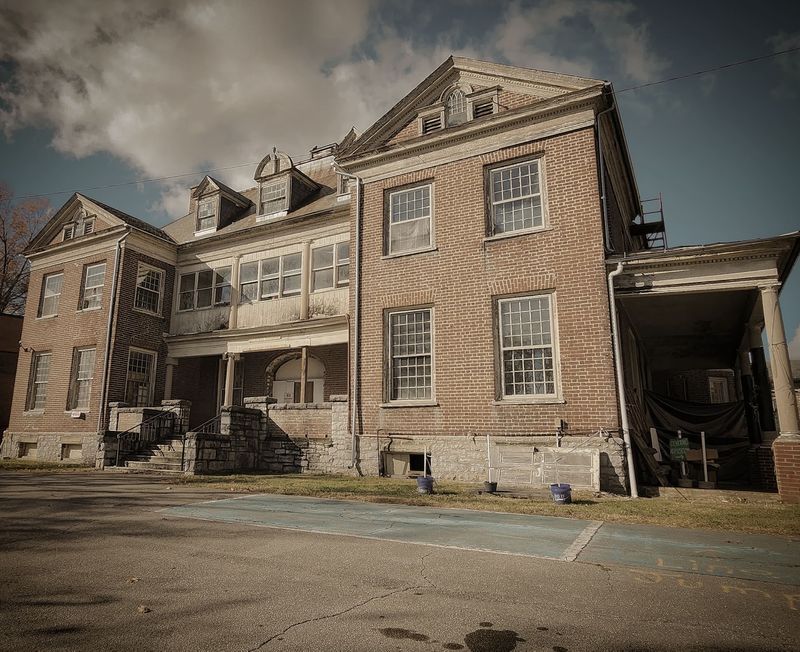
Brave souls, this stop is your moment. Perched on a bluff above the New River, St. Albans Sanatorium looks stately by day and seriously spooky by night.
School came first. The Classical Revival building opened as a Lutheran boys’ preparatory school, filled with lessons and chalk dust instead of eerie echoes.
Later, everything changed. The building became a mental health facility, and that chapter offers a sobering look at how care for patients evolved over the years.
Some treatments from that era are hard to hear about, yet they matter.
Today, the site has a big reputation for paranormal activity. Ghost hunters, curious skeptics, and fans of the unexplained all find their way here.
Flashlights are basically required accessories.
Guided tours cover both the architecture and the legends. You learn about the building’s past while wandering hallways that seem to hold their breath.
Special events, especially around the Halloween season, pack in extra chills.
Scenery softens the mood. The New River curls below, and the surrounding hills of southwest Virginia glow beautifully in fall.
Respect goes a long way here. Real people lived and suffered within these walls, so treat the stories with care, even when the fun scares kick in.
Find St. Albans at 6248 University Park Drive, Radford, VA. Check the tour schedule before you go, bring a buddy who does not scream too loudly, and prepare for goosebumps that last the whole drive home.
Historic Rosemont Manor, Berryville
Some couples get toasters for their wedding. This bride got a mansion.
George Horton Norris built Rosemont Manor in Berryville as a wedding gift, setting a bar no modern groom will ever clear.
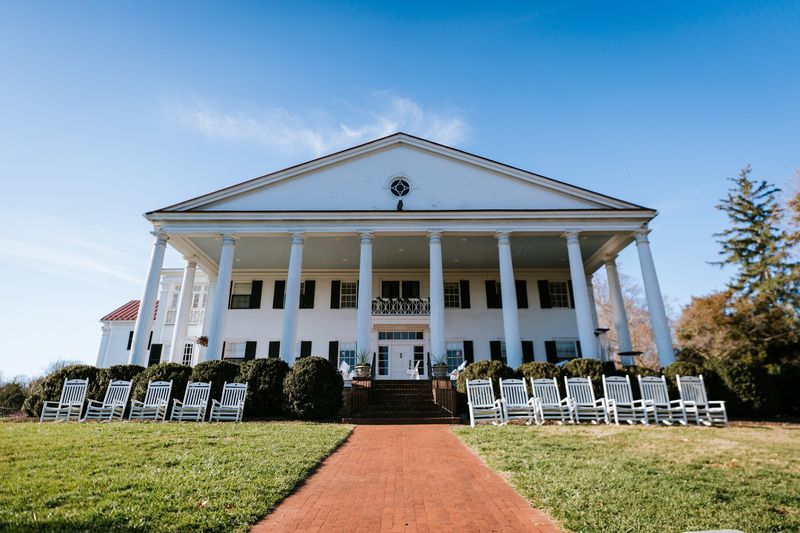
The Georgian home sits on a knoll facing the Blue Ridge Mountains. Sunrises here look like paintings, and rolling Shenandoah Valley land spreads out in every direction.
Your camera will be very busy.
History did not stay quiet on these grounds. During the Civil War, troops gathered here around the Battle of Berryville, bringing conflict right to the front lawn.
Later, the manor became home to Harry F. Byrd Sr., who served as governor and U.S. senator.
Presidents and other major figures visited, enjoying the Byrd family’s famous hospitality. Imagine the guest list at those dinners.
Upgrades over time gave the house even more presence. A grand portico with a gabled pediment and fluted Doric columns now greets arrivals.
Inside, the dining room shows off rich oak paneling.
Today, Rosemont hosts weddings and events, so the romance that started it all continues. Lawns, gardens, and mountain views make a natural backdrop for celebrations.
Berryville itself adds small-town charm, with farm stands and wineries scattered across the countryside nearby, plus orchards that blaze with color in autumn.
Visit 16 Rosemont Manor Lane, Berryville, VA. Pack your bags, grab a friend, and go see why Virginia keeps stealing hearts.
History is waiting, and honestly, it looks fabulous.
