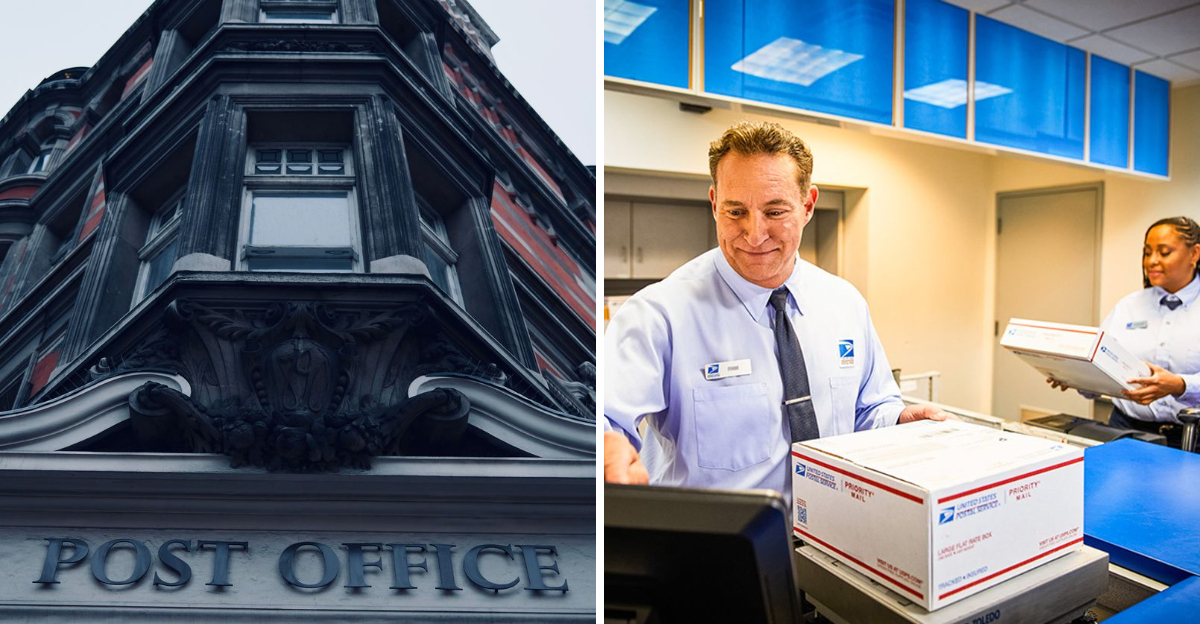
Before email, before telephones, before any of the instant communication that fills our modern lives, there was the post office. And in 1775, when the postal system was still finding its footing, Benjamin Franklin established one of the original post offices in this small Virginia town.
I visited the building on a quiet afternoon, standing in a space that has been handling mail for nearly 250 years. The building is modest, a simple structure that has seen centuries of letters and packages pass through its doors.
The post office is still in operation, which makes the history feel immediate. You can walk in and send a letter from the same place that Franklin once oversaw.
Virginia has plenty of historic buildings, but this one has a connection to one of the country’s most important founding figures. It is a piece of history that is still working.
Benjamin Franklin and the Birth of American Mail
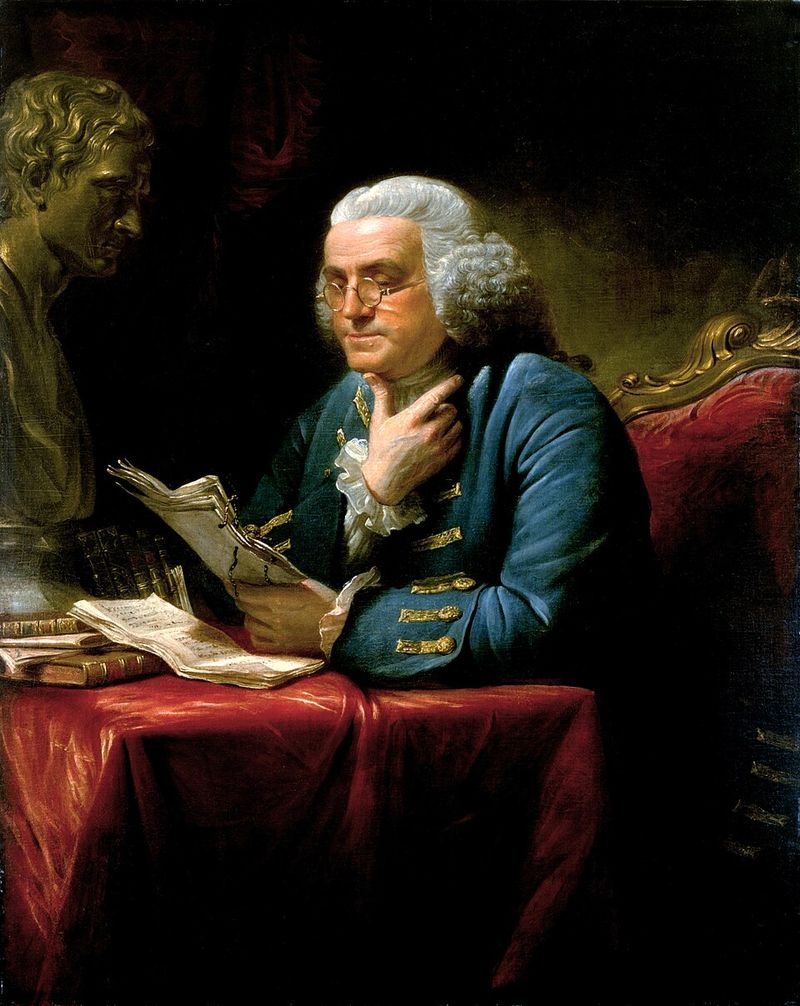
Long before email, text messages, or overnight shipping, one remarkably inventive man laid the foundation for how Americans would communicate for centuries. Benjamin Franklin, appointed the first Postmaster General of the United Colonies on July 26, 1775, didn’t just create a mail system.
He built the backbone of a new nation’s identity.
Franklin understood that information was power, and connecting distant communities through reliable postal routes was nothing short of revolutionary. Among the original post offices established under his watch, the one in Port Royal, Virginia, stands as a living monument to that visionary thinking.
Most people associate Franklin with electricity experiments or the Declaration of Independence, yet his postal legacy may be his most enduring contribution to everyday American life.
Walking past the Port Royal Post Office today, it’s almost surreal to think that this modest building connects directly to Franklin’s grand design. The same mission of delivering correspondence faithfully and efficiently still plays out here, day after day.
Virginia has many historical landmarks, but few carry this kind of direct, unbroken lineage to one of America’s founding fathers. That connection alone makes this spot genuinely worth the trip.
Port Royal’s Place on the Colonial Map
Port Royal isn’t just a dot on a Virginia map. It’s a town that punches well above its weight when it comes to historical significance.
Officially chartered in 1744, this riverside community quickly became a vital hub for colonial commerce, communication, and culture along the Rappahannock River.
Tobacco merchants, colonial officials, and everyday families all depended on Port Royal as a connection point to the wider world. The town’s position along the river made it a natural gathering place, and establishing a post office here wasn’t a coincidence.
It was a strategic choice that reflected Port Royal’s importance during the colonial era.
Strolling through the town today feels genuinely different from visiting larger, more polished historical sites. The streets here carry an authenticity that’s hard to manufacture.
Virginia’s colonial heritage is on full display, not in a theme-park way, but in the quiet, dignified manner of a community that has simply never stopped being itself. Port Royal reportedly preserves more authentic 18th-century homes than many far more famous historical districts.
They’re making every block a chapter in a very long and fascinating story worth reading slowly.
The Post Office That Never Quit
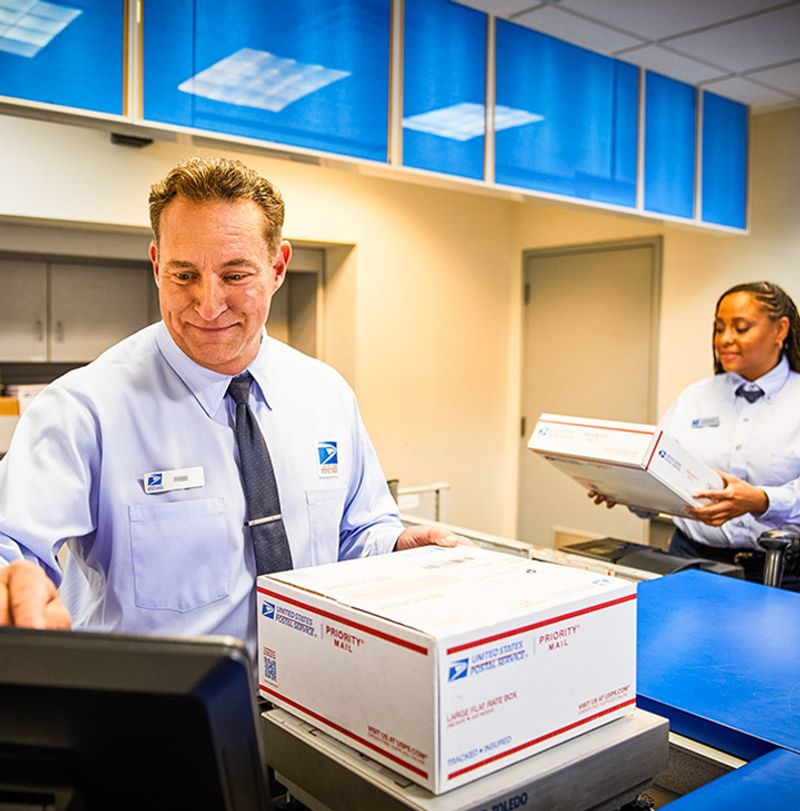
Most historic buildings eventually become museums, gift shops, or photo backdrops. The Port Royal Post Office had other plans.
Sitting at 602 Main Street, this remarkable structure has continued operating as a fully functional United States post office, serving the local community without interruption across generations.
That kind of continuity is genuinely rare. Think about it.
The same essential purpose that Franklin envisioned in 1775, connecting people through reliable mail delivery, is still being carried out at this exact address. Locals pick up their packages here, send birthday cards, and manage their PO boxes just as their predecessors did long before them.
The building itself radiates a quiet dignity, blending naturally into the colonial streetscape of Port Royal, Virginia. Nothing about it screams tourist attraction, and that understated quality is precisely what makes it so compelling.
Current operating hours run Monday through Friday from 9:15 AM to 1 PM, with Saturday hours from 8 AM to noon. Calling ahead is always a smart move before planning your visit.
Knowing that Franklin’s postal vision still functions here, in this unassuming little office, gives the whole experience an almost magical weight that’s difficult to describe but impossible to forget.
Why 1775 Was Such a Game-Changing Year
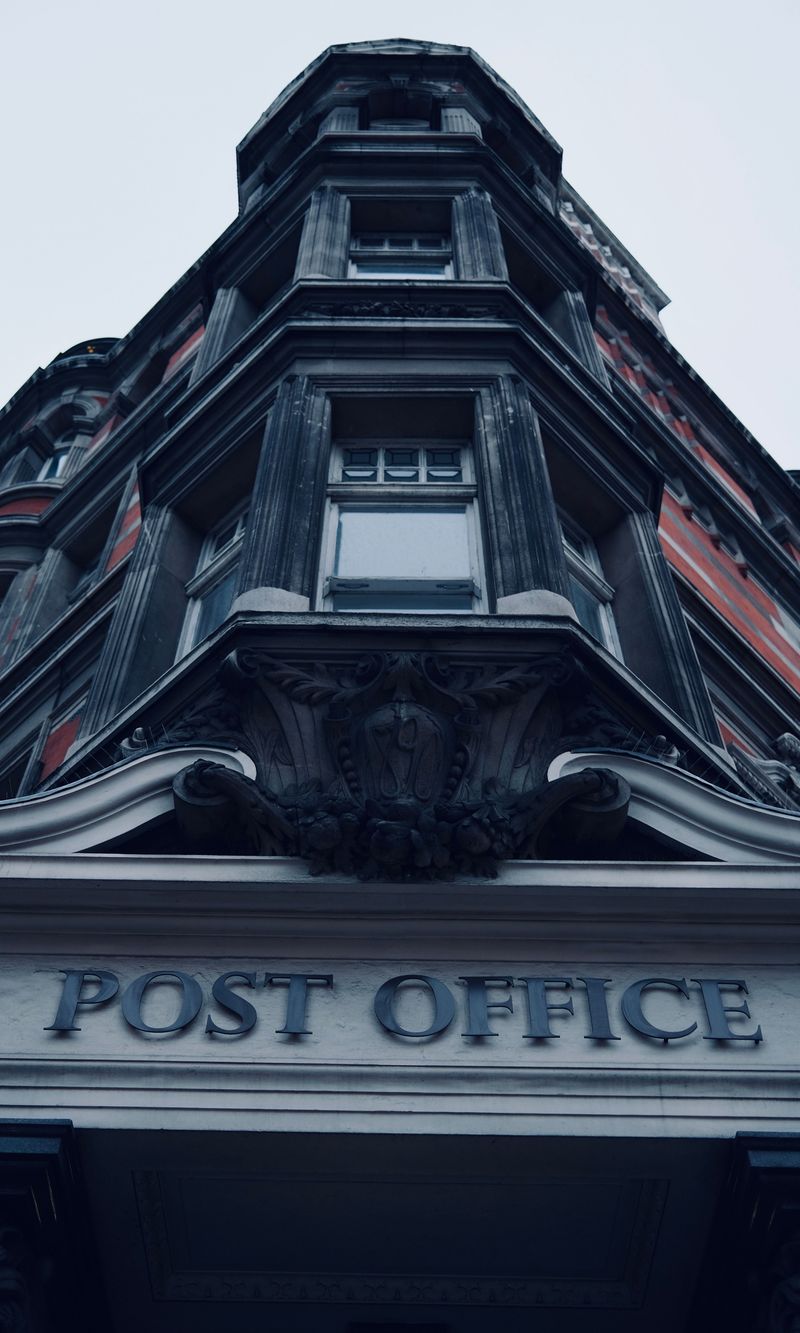
To truly appreciate what the Port Royal Post Office represents, it helps to understand just how charged the year 1775 actually was. The American Revolution was igniting.
Colonial leaders were scrambling to organize resistance against British rule, and reliable communication between colonies wasn’t just convenient. It was a matter of survival.
Franklin’s appointment as Postmaster General came at a moment when coordinating military movements, political decisions, and public sentiment required a trustworthy network. The post offices he established weren’t simply mail drops.
They were strategic infrastructure, essential to the revolutionary cause.
Port Royal’s inclusion in that original network speaks volumes about its standing during the colonial period. Virginia was already a powerhouse colony, and having a functioning postal hub along the Rappahannock River helped knit together the communication web that the Continental Congress desperately needed.
Standing in Port Royal today, knowing that this community was part of that urgent, high-stakes moment in American history, transforms a simple visit into something far more meaningful. History books describe 1775 in broad strokes, but this little Virginia town offers something textbooks rarely can.
A tangible, physical connection to the exact moment the story changed.
Architectural Charm That Stops You in Your Tracks
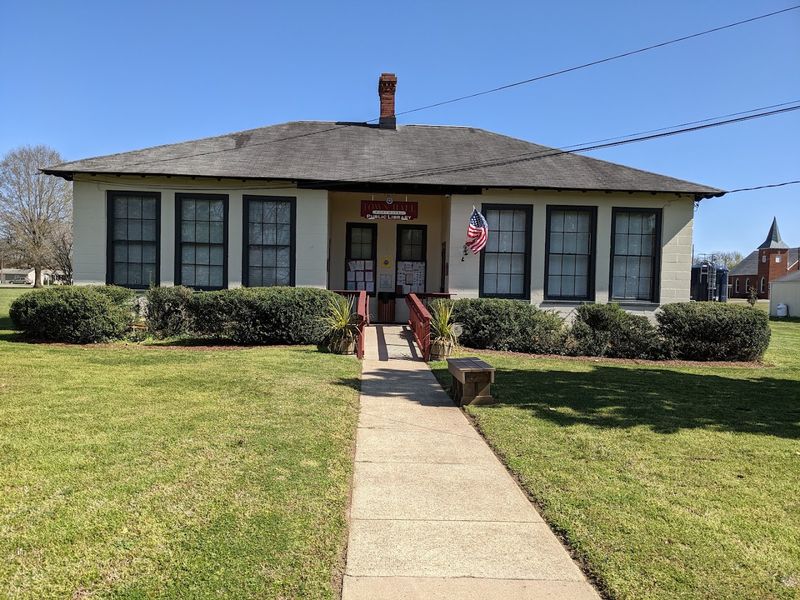
Port Royal doesn’t announce itself loudly. There are no giant billboards or flashy welcome centers.
What greets you instead is a streetscape so authentically preserved that it genuinely feels like time has moved at a different pace here. The concentration of original 18th-century architecture in this small Virginia town is, frankly, astonishing.
Grand colonial homes line the streets with a composed elegance that larger cities spend millions trying to recreate artificially. Here, it’s simply the natural result of a community that has taken its heritage seriously for a very long time.
Each facade tells a story, each roofline hints at the craftsmanship of a bygone era.
My favorite detail about exploring Port Royal on foot is how the Port Royal Post Office anchors the whole experience. It sits among these beautifully aged structures not as an oddity but as a natural neighbor, equally historic and equally purposeful.
The Rappahannock River glimmers in the background, adding a scenic layer that photographers absolutely adore. Virginia’s architectural heritage gets plenty of attention in places like Williamsburg, but Port Royal offers something arguably more authentic because the preservation here feels lived-in rather than staged for consumption.
That difference matters enormously.
John Wilkes Booth and the Drama That Rocked the Town
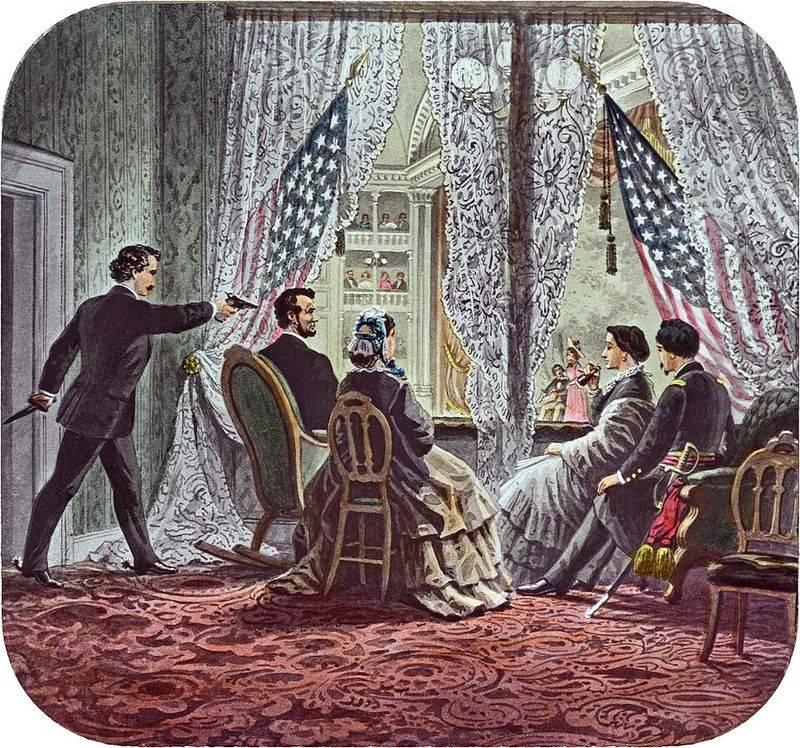
Port Royal’s historical resume doesn’t stop at postal origins. This town carries the weight of one of the most dramatic moments in American history, an event that unfolded just beyond its quiet streets in April 1865.
John Wilkes Booth, after assassinating President Abraham Lincoln, was captured and killed near Port Royal, making this small Virginia community an unlikely centerpiece of a national tragedy.
The sheer contrast is striking. A town known for connecting people through letters and communication became the final chapter in a story about the most devastating act of political violence the young nation had ever witnessed.
That kind of layered history gives Port Royal a depth that’s genuinely hard to match.
Knowing this as I walked past the Port Royal Post Office added an unexpected dimension to the visit. The same streets that once carried colonial correspondence later bore witness to federal soldiers hunting a fugitive.
Virginia has no shortage of Civil War history, but Port Royal’s specific role in that final, frantic chapter feels particularly raw and immediate. It’s the kind of historical footnote that makes you pause mid-stride and reconsider everything you thought you knew about this quietly extraordinary little town.
The Masonic Lodge That Predates the Revolution
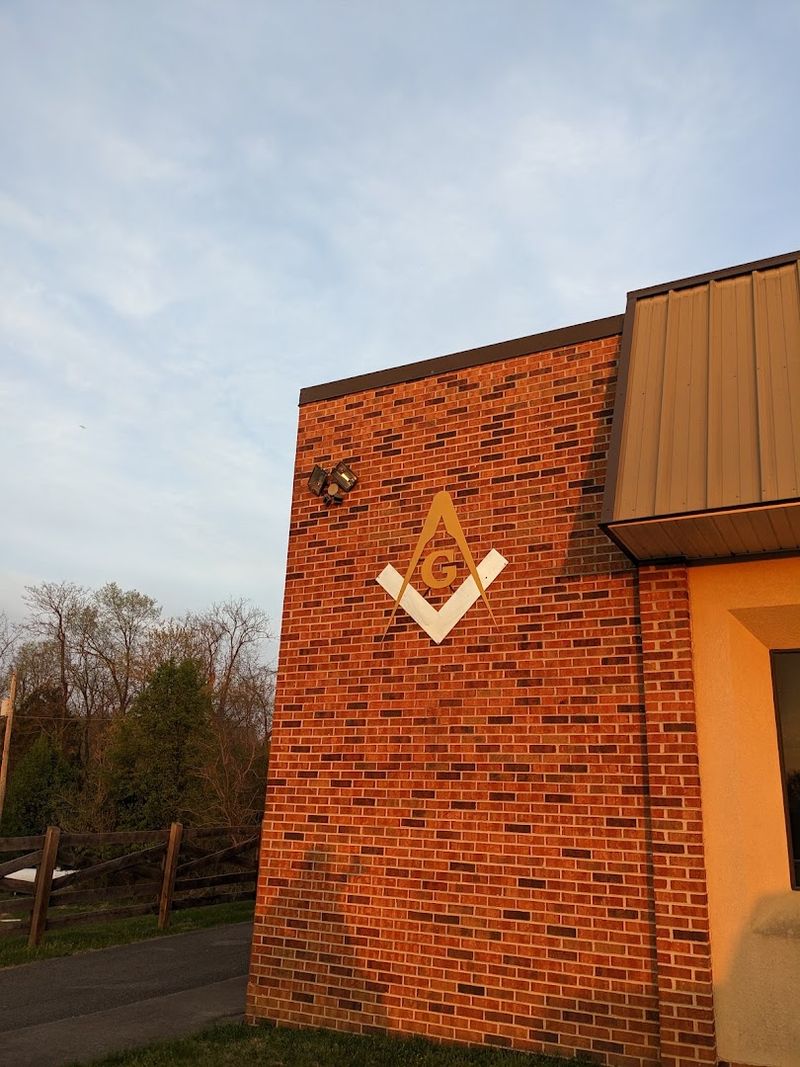
Port Royal keeps stacking historical credentials in a way that feels almost unfair to every other small town in Virginia. Beyond its postal fame and Civil War connections, the community is also home to the Kilwinning Crosse Masonic Lodge, which holds the second oldest Masonic Charter in the entire state, dating back to 1755.
That’s twenty years before Franklin even established his postal network. The lodge predates the Revolution, predates American independence, and predates most institutions that proudly call themselves historic.
Its continued presence in Port Royal speaks to a community culture that has always valued tradition, brotherhood, and the careful preservation of meaningful institutions.
For history enthusiasts, discovering this detail feels like finding an unexpected bonus level in a video game. You came for the post office, and suddenly you’re standing near a Masonic lodge older than the United States itself.
Port Royal has a remarkable talent for revealing new layers of significance the longer you stay and look around. Virginia is full of historic towns, but very few can claim this particular combination of founding-era institutions all concentrated within such a compact, walkable, and genuinely charming community.
Plan to spend more time here than you originally intended.
Historic Port Royal Inc. and the Preservation Mission
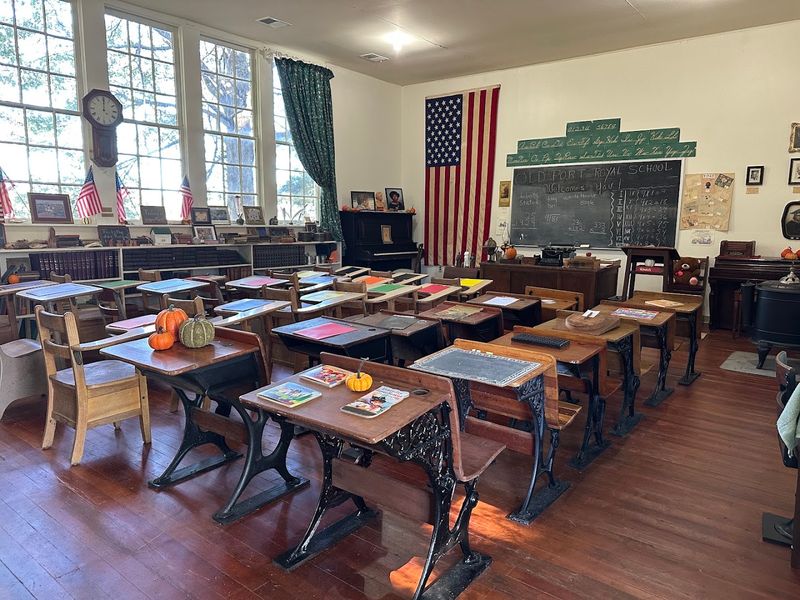
Great history doesn’t preserve itself. Behind Port Royal’s remarkably intact heritage stands a dedicated nonprofit called Historic Port Royal, Inc., working tirelessly to ensure that future generations can experience this town’s extraordinary story firsthand.
Their efforts span museum curation, guided walking tours, educational exhibits, and active restoration projects.
One of their proudest achievements is the Port Royal Museum of American History, located at 506 Main Street. Inside, an impressive collection of artifacts and displays brings colonial life into vivid focus, including a notable exhibit featuring White House China that draws curious history buffs from across Virginia and beyond.
The organization is also spearheading the restoration of the Town Hall and Lyceum, with plans to transform it into a visitor center and expanded museum space. This kind of forward-thinking preservation ensures that Port Royal won’t fade into obscurity the way so many genuinely significant small towns have across America.
Every dollar invested here protects not just buildings but the stories embedded within them. Visiting the Port Royal Post Office is a wonderful starting point, but spending time with Historic Port Royal’s resources deepens the experience considerably.
Supporting their mission, even just by showing up and paying attention, makes a real difference for this irreplaceable corner of Virginia.
The Rappahannock River and Port Royal’s Waterfront Soul
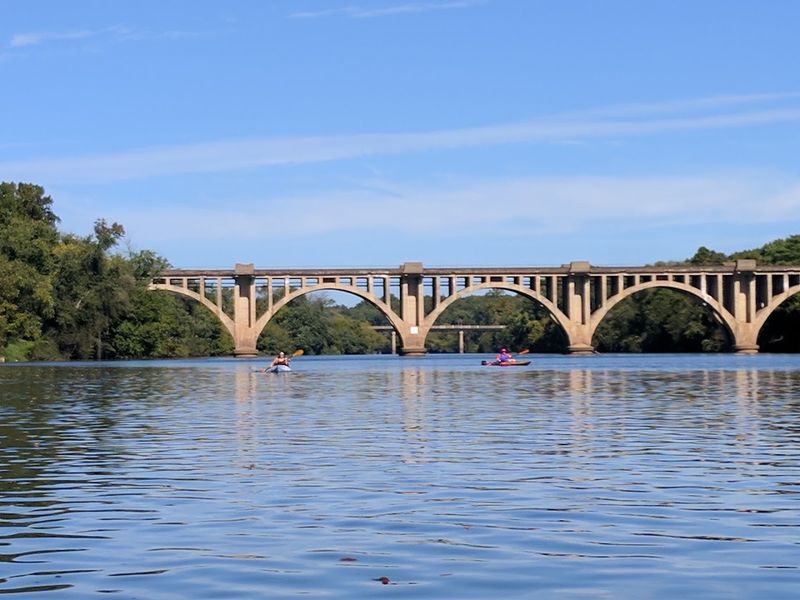
No visit to Port Royal is complete without spending time near the Rappahannock River, the waterway that essentially gave this town its reason to exist. Long before roads or railroads, rivers were the highways of colonial America, and the Rappahannock made Port Royal a natural commercial and communication hub during the 18th century.
Tobacco exports once flowed out from these banks, connecting Virginia’s agricultural economy to markets across the Atlantic world. Ships carried not just goods but news, correspondence, and the cultural exchange that kept colonial communities linked to broader civilization.
The river and the post office were, in many ways, partners in keeping Port Royal relevant and connected.
Today, the riverfront offers something quieter and equally valuable. Standing at the water’s edge, watching the current move with unhurried confidence, it’s easy to understand why settlers chose this spot centuries ago.
The natural beauty here is genuinely calming, a perfect counterpoint to the intellectual stimulation of exploring the town’s historic sites. After touring the Port Royal Post Office and wandering the colonial streets, the river provides a wonderful place to simply breathe and absorb everything you’ve taken in.
Virginia’s rivers have shaped its history profoundly, and the Rappahannock at Port Royal feels especially alive with that legacy.
Plan Your Visit to This Timeless Virginia Gem
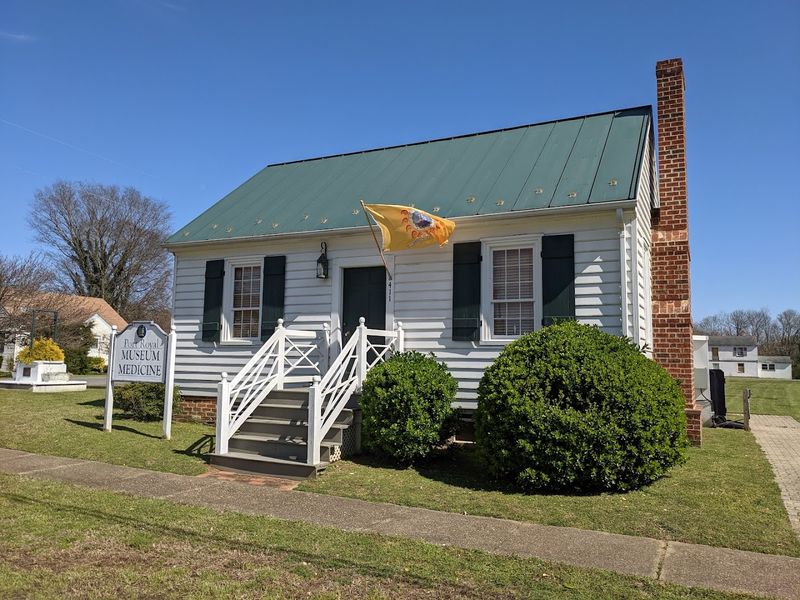
Port Royal rewards the curious traveler who takes the time to seek it out. Getting there is straightforward, and the experience of arriving feels genuinely different from pulling up to a heavily marketed tourist destination.
The town greets you with an unpretentious warmth that’s increasingly rare in today’s travel landscape.
Start at the Port Royal Post Office at 602 Main Street, Port Royal, VA 22535, the anchor of the whole experience. From there, wander toward the Port Royal Museum of American History at 506 Main Street, then let the colonial streetscape guide you naturally toward the Rappahannock River.
The whole town is compact and walkable, making it an ideal destination for a relaxed half-day or full-day exploration.
Timing your visit matters. The post office operates Monday through Friday from 9:15 AM to 1 PM and Saturday from 8 AM to noon, so plan accordingly if you want to step inside this piece of living history.
Virginia has given America countless historic landmarks, but Port Royal offers something uniquely intimate and unhurried. No crowds, no ticket lines, no gift shop pressure.
Just genuine history, beautifully preserved and quietly waiting for the travelers smart enough to find it. Pack your curiosity and come see what Benjamin Franklin started here.
