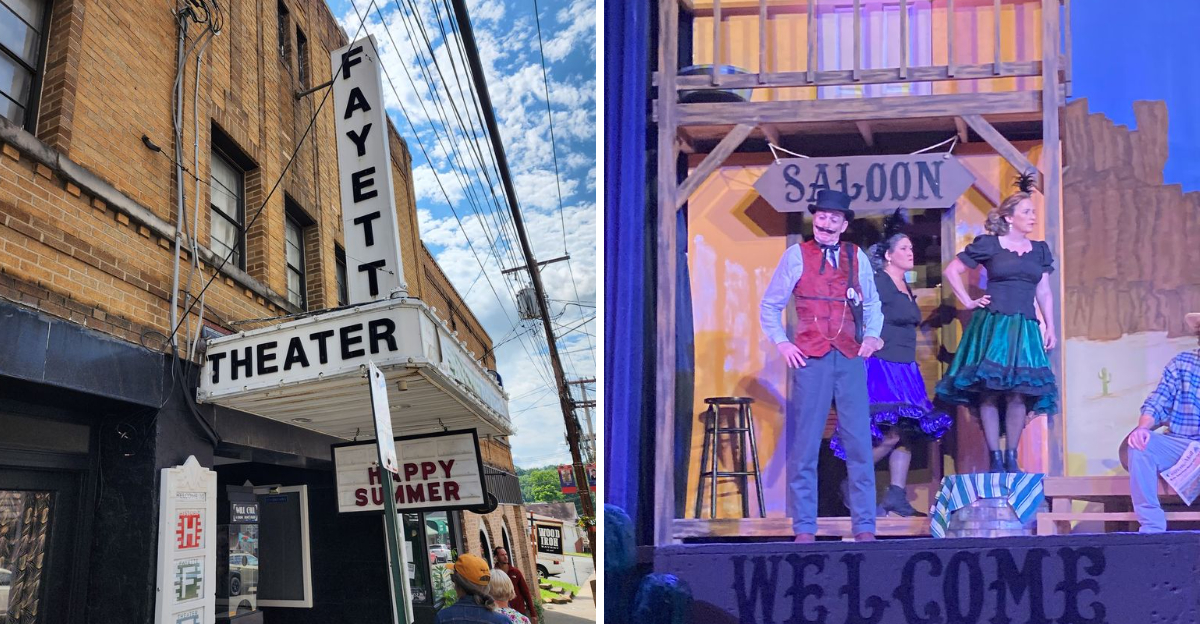
The theater has been called an ambassador for Appalachian performing arts, and honestly, it fits the title perfectly.
It started as a Depression-era movie house in the 1930s, a rare survivor from that time in southern West Virginia.
After a thoughtful restoration, it was reborn as a community theater run mostly by volunteers.
It is the kind of place where you can catch a play, a musical, or a live concert, and the energy is always warm and welcoming.
Vintage movie projectors are still on display, and the walls are decorated with original paintings from the 1930s, giving it a charm you cannot fake.
This is not just a theater.
It is the kind of place where the community shows up and the arts stay alive.
Step inside and you will feel it.
Echoes Of A Depression Era Movie House
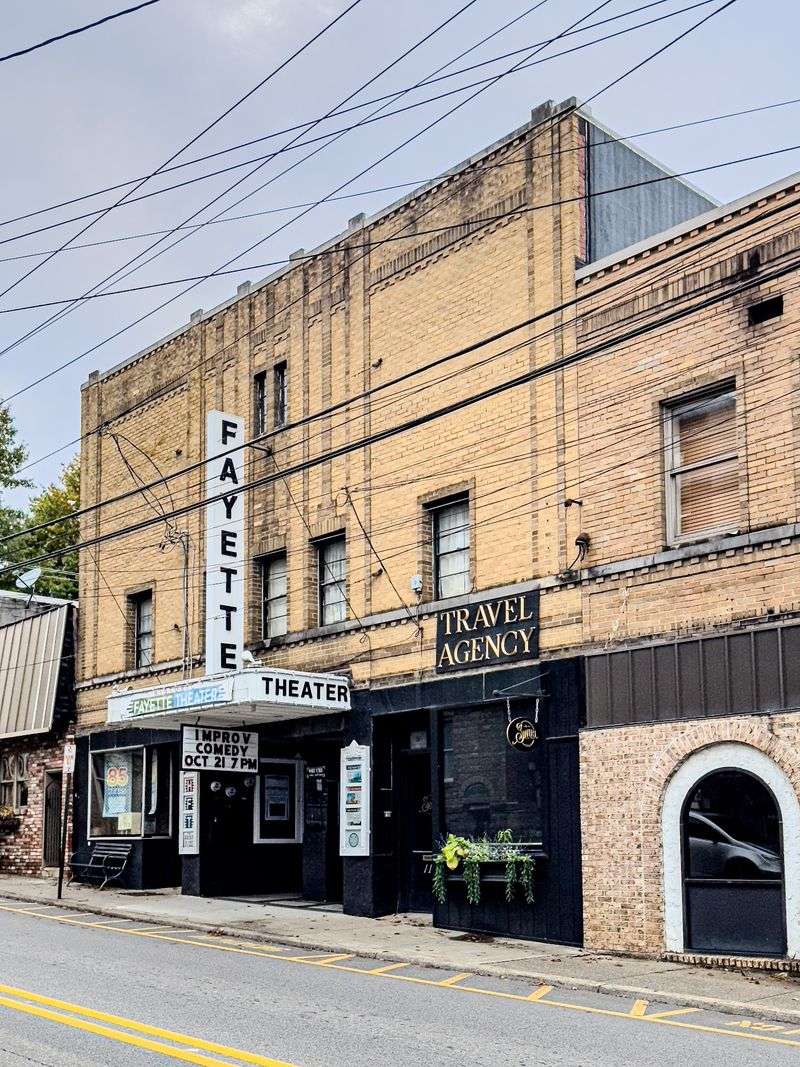
There is something grounding about a building that has outlived nearly everything around it. The Historic Fayette Theater opened its doors in 1938 as a state-of-the-art movie house, and word of its construction ran in the Fayette Tribune back in October 1937.
At the time, it gave local residents a front-row seat to the newest films and live acts, all under one roof in a small mountain town.
What makes it genuinely rare today is its survival. It stands as one of the few Depression era theaters still operating in southern West Virginia, which is no small thing when so many similar buildings were torn down or converted decades ago.
The original projectors are still inside, preserved after being used until the 1960s. You can look right at them.
For anyone who likes history you can actually touch instead of just read about, that detail alone justifies the stop. Come early, look around the lobby, and let the place settle in before the lights dim.
A Second Life Thanks To People Who Cared
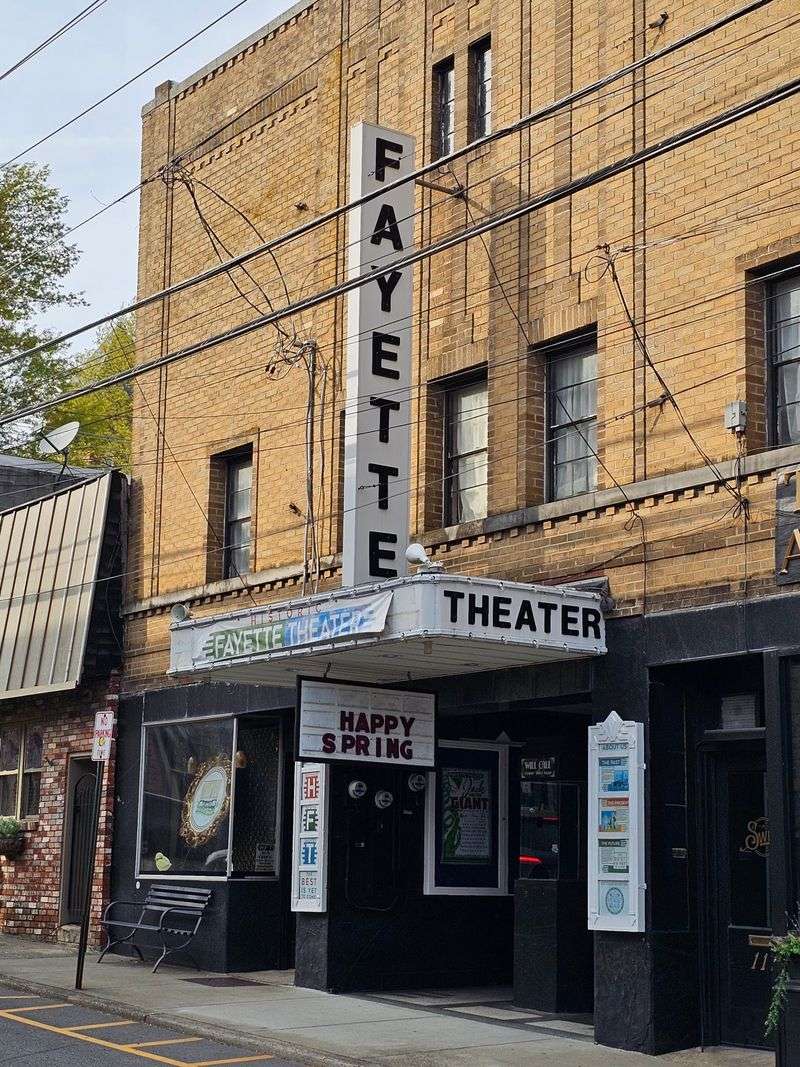
Not every old theater gets a happy chapter. This one nearly slipped away, falling into disuse during the 1970s before a local business owner stepped in and bought the venue.
The real turning point came in 1992, when the owner teamed up with the Fayette County Historical Society and renovation work began in earnest.
That partnership changed the building’s whole purpose. Instead of reopening as a film house, it slowly became a home for live performance, which is exactly what it remains today.
I find restoration stories like this more interesting than grand museum projects, because the money and labor came from people who simply did not want to lose something familiar.
Volunteers, board members, and history buffs kept showing up. Repairs continue in stages even now, with upgrades and restoration of historic elements part of the ongoing plan.
Visit and you are basically walking through decades of stubborn community effort. That gives the room a warmth no new build can fake.
When The Stage Took Over
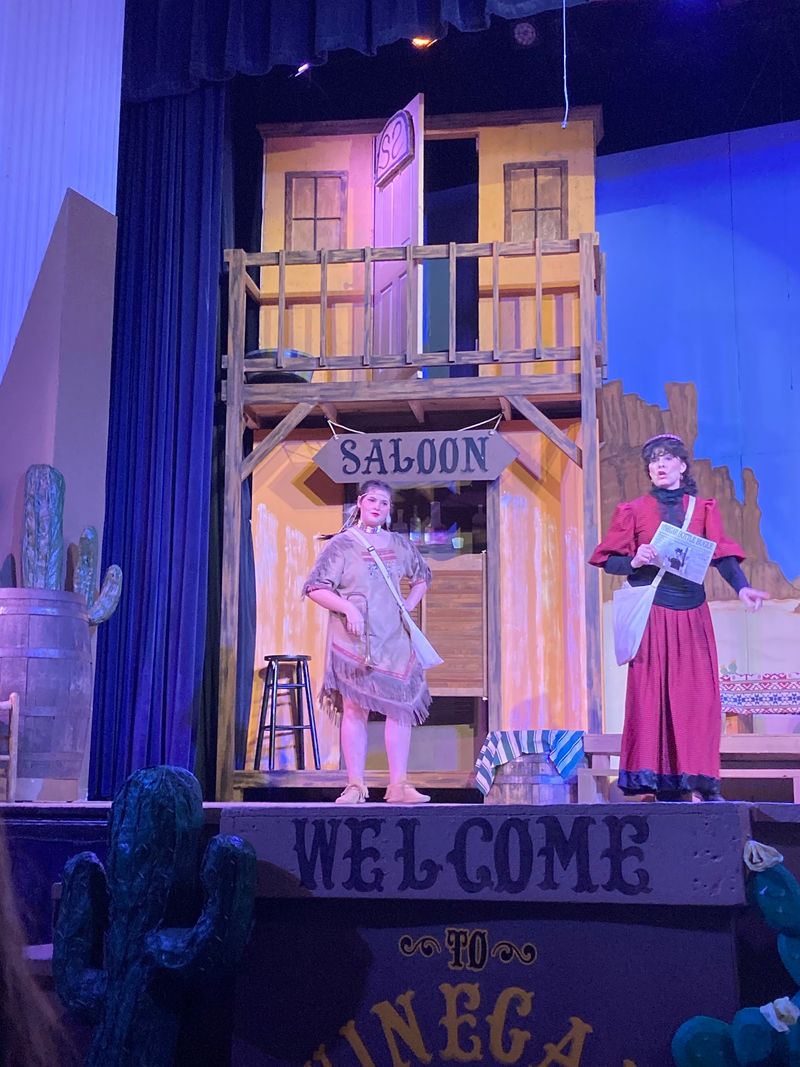
1993 was the year everything shifted. A production of Foxfire became the first community theater performance staged by the newly formed Fayette Theater troupe, and the venue’s identity changed for good.
From that point on, live performance became the main event rather than a side attraction.
Since then the stage has carried more than a hundred productions. Hundreds of local actors, singers, dancers, and crew members of every age have been part of them, which says a lot about how deep the volunteer pool runs in a small town.
Programming leans wide on purpose. Dramas share the calendar with musical comedies, and spring musicals have become something regulars genuinely look forward to.
If you are planning a trip, check what is on before you go. Shows here tend to be family-friendly, and the mix means two visits in the same year rarely feel alike.
Ten performances a year, plus special nights by request, keeps the schedule busy.
Where Local Talent Gets Its Start
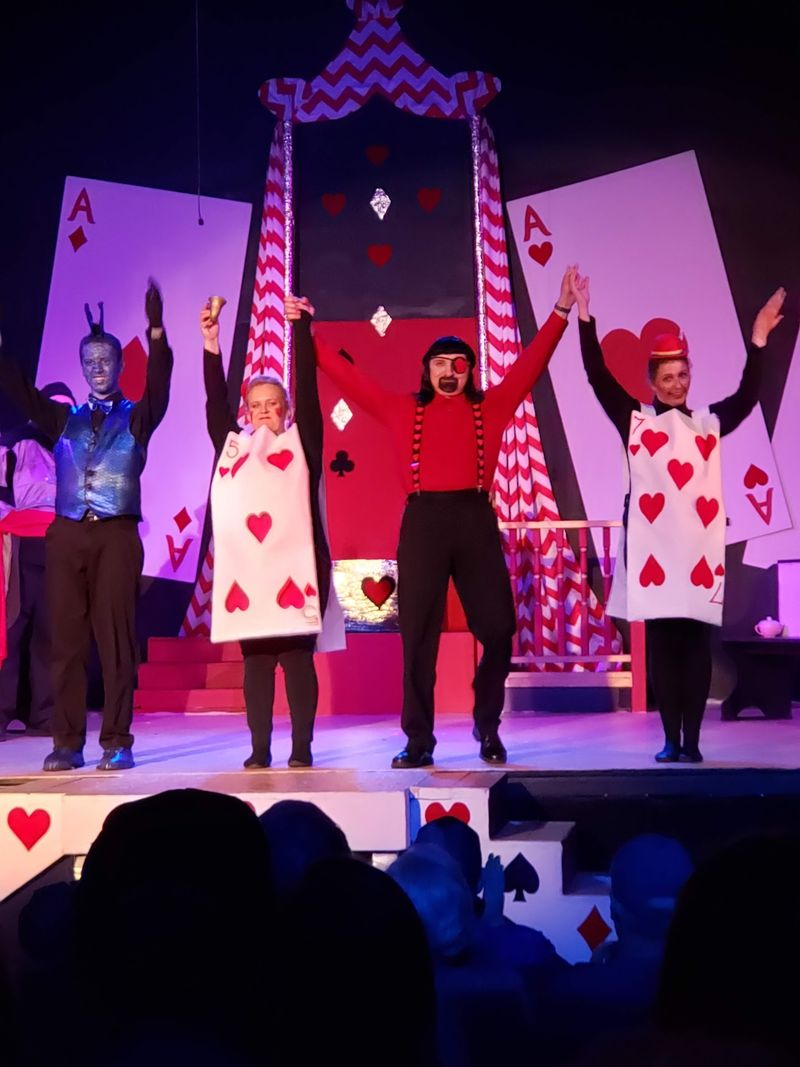
Plenty of stages talk about nurturing talent. Fewer hand the microphone to their neighbors quite this often.
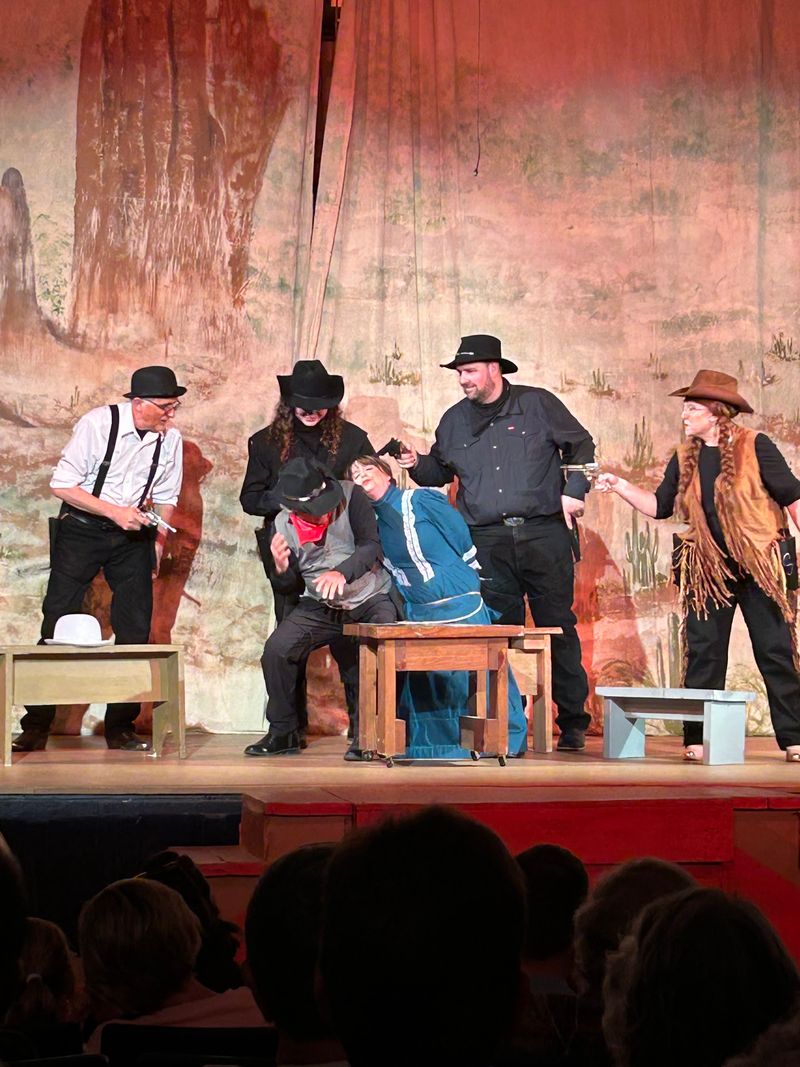
Productions here regularly involve community members across generations, from kids trying acting for the first time to performers who have been part of shows for years.
There is a summer day camp element too, teaching young people about theater and how a theater actually runs behind the scenes. Sets, lighting, ticketing, all of it.
That practical side matters. A child who learns to run a soundboard in a historic building tends to keep coming back, and eventually becomes the person keeping the doors open.
Because so many residents take part, audiences often recognize someone on stage. It creates an easy, generous atmosphere where applause feels personal rather than polite.
Visiting families might find this the most charming part of the whole experience. You are not watching a polished touring cast, you are watching a town perform for itself, and that has its own kind of magic.
Why It Earned The Ambassador Title
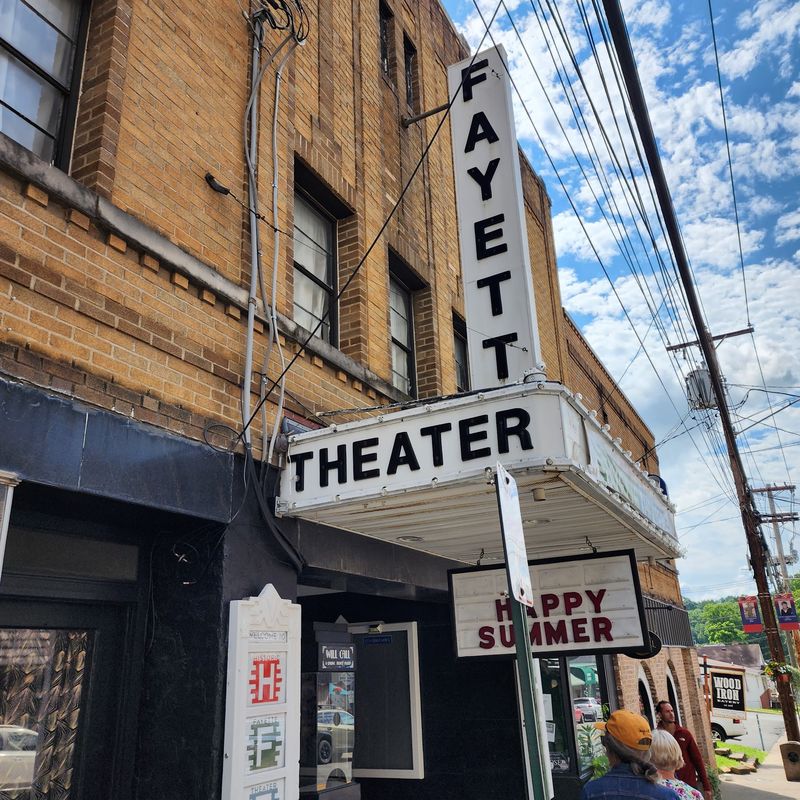
Ambassador is a big word for a small building, and yet it fits. The theater’s mission centers on enriching cultural life in Fayetteville and the wider region by keeping high-quality performing arts within reach of ordinary people.
Appalachian traditions run straight through the programming, from regional stories told on stage to music rooted in the mountains.
Rather than importing culture from elsewhere, the theater turns the spotlight inward. Local heritage becomes the material, and audiences see their own region reflected back at them.
Even the walls join in. Artworks by West Virginia artists hang inside, with paintings depicting life and entertainment from the 1930s era.
That combination of setting, subject, and homegrown talent is why the place gets described as a dynamic center for live performance, education, and cultural celebration.
My honest take? Ambassador roles usually go to embassies and officials.
Here it belongs to a modest brick theater on a courthouse street, which somehow makes it more convincing.
A Calendar That Keeps Filling Up
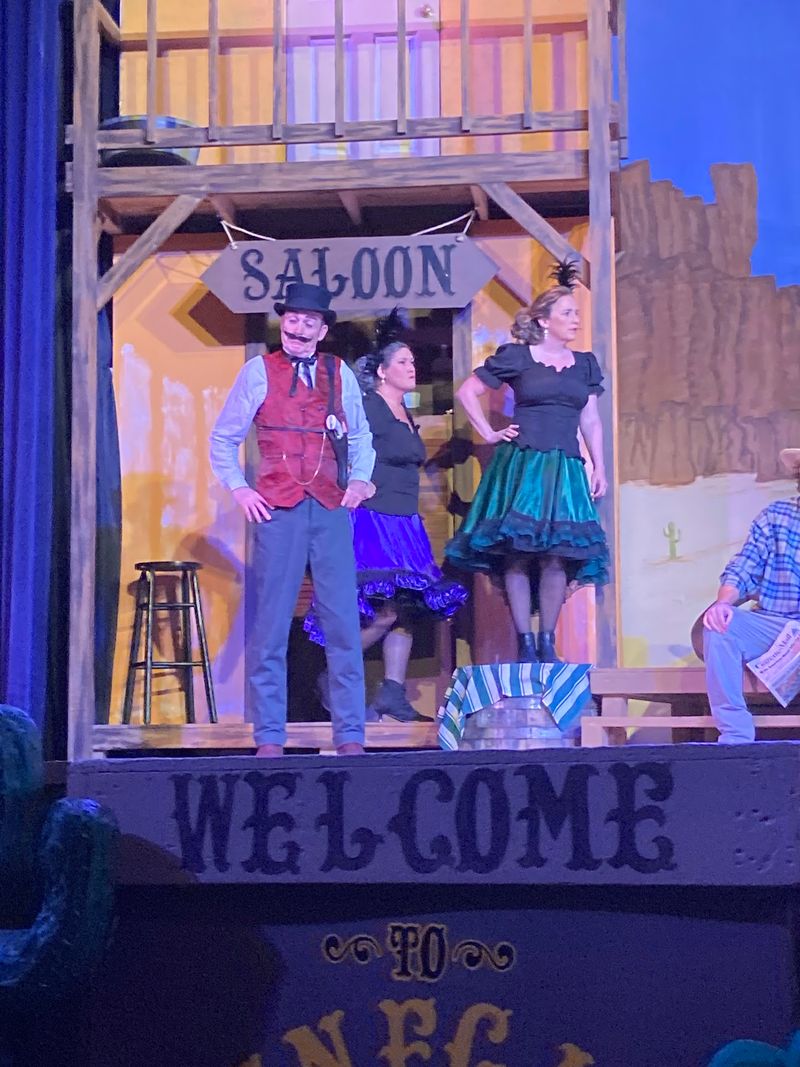
Ten performances a year might sound modest until you see the range packed into them. Historical dramas that reflect regional culture sit alongside spirited musical comedies, and western-flavored comedies have proven especially popular with families.
Concerts show up too, which broadens the appeal well beyond regular theatergoers.
Holiday season is a highlight. Christmas plays have become a repeat tradition for families in the area, and they are the sort of show that works for grandparents and grade-schoolers alike.
Film occasionally returns to the screen as well, including documentaries with local connections.
Snacks are available, seats are comfortable enough to settle into, and the whole evening tends to feel unhurried.
My practical advice is simple. Check the schedule when you are planning your New River Gorge trip, because a show here pairs beautifully with a day spent outdoors.
Special nights by request also happen, so the calendar can hold more than the standard lineup suggests.
Free Friday Tours Worth Building Into Your Trip
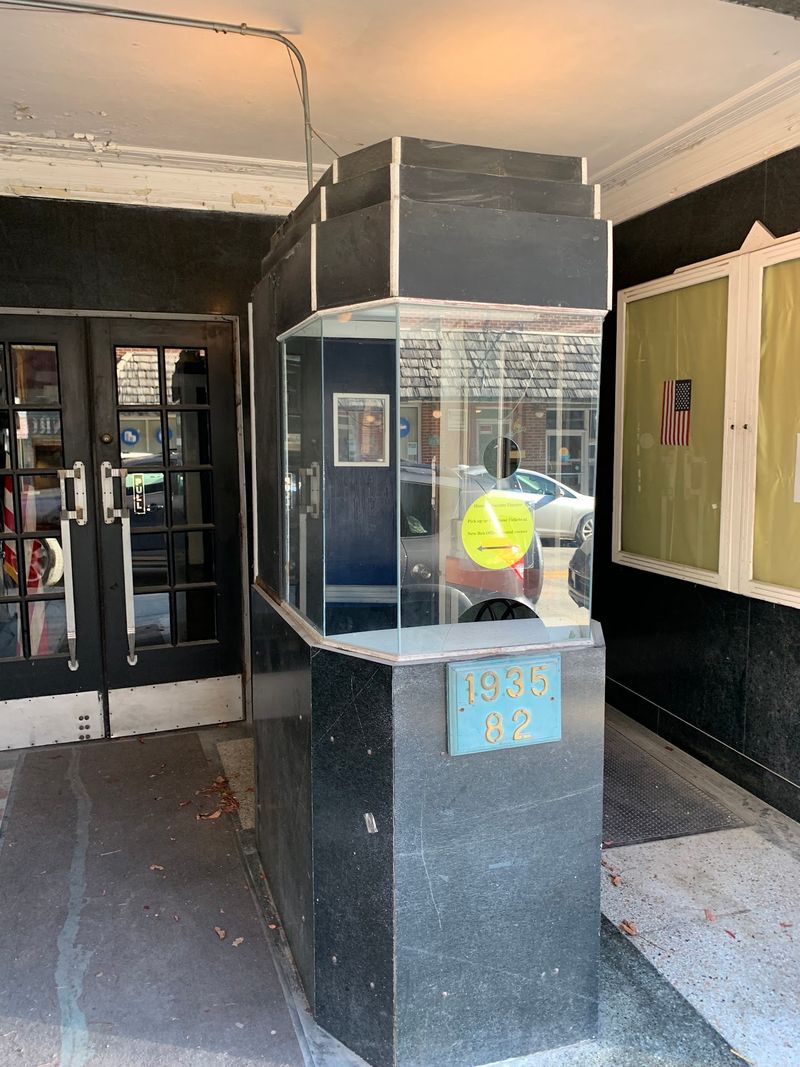
Here is the detail most visitors miss. The building opens for free tours on Fridays from late May until late October, which means you can explore it even when no show is scheduled.
Those tours are where the original movie projectors really shine. Seeing the actual equipment that ran films until the 1960s beats any photograph.
Walls inside hold paintings and artwork depicting entertainment and daily life from the 1930s, so the tour doubles as a small gallery walk.
Guides share the building’s history, and visitors consistently come away knowing more about the town than they expected.
Time your Friday well and this becomes a genuinely rewarding hour. Bring the kids, look up at the ceiling, ask questions.
Since the tour costs nothing, it is an easy addition to a Fayetteville afternoon spent wandering the historic district.
Just remember the seasonal window, because outside those months the doors open mainly for performances.
The Heartbeat Of Downtown Fayetteville
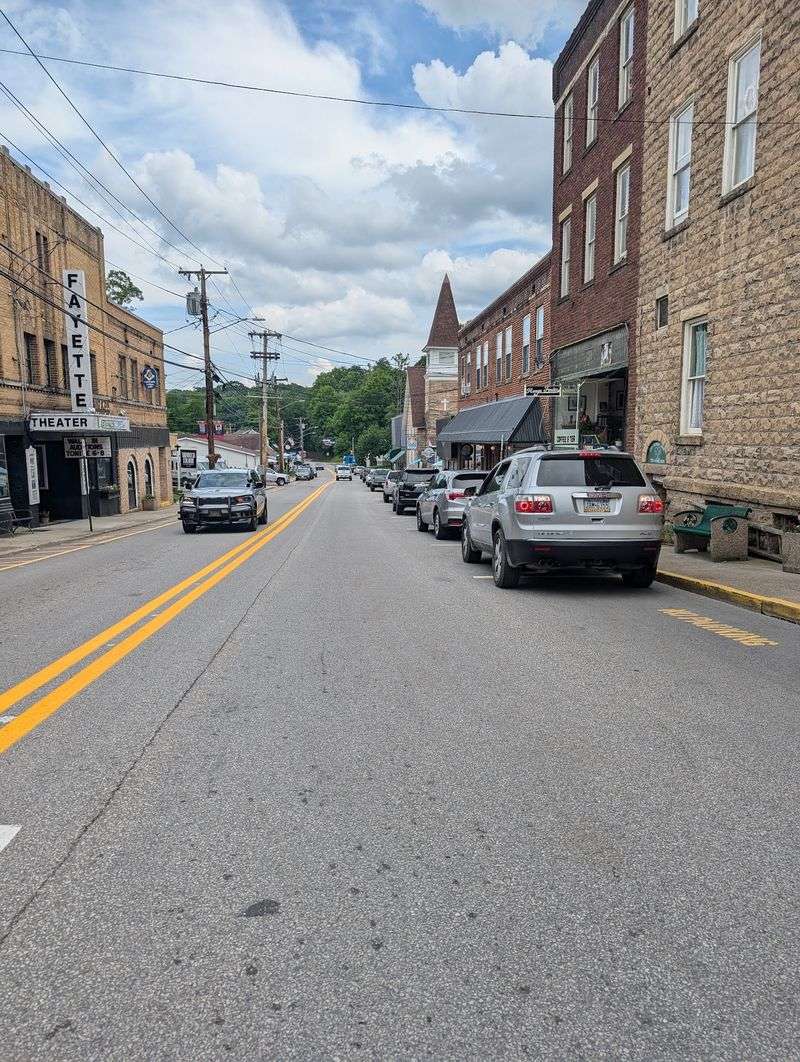
Small towns live or die by their gathering places, and this one clearly pulls its weight. Performances bring visitors into the historic district, which supports the shops and eateries within easy walking distance.
The theater also serves as a venue for civic events and celebrations, so its usefulness stretches beyond ticketed shows.
Fayetteville has grown into a heritage tourism stop as well as an outdoor adventure base, and a working historic theater strengthens both angles.
Sitting on South Court Street, it puts you right in the middle of things. Park once and explore on foot.
What struck me most is how naturally the theater fits its surroundings. No flashy renovation, no attempt to look like a big-city venue.
It simply belongs, which is probably why locals treat it with such obvious affection.
Pair a show with a stroll around downtown and the evening turns into a proper small-town experience rather than a quick stop.
Volunteers Keeping The Lights On
Ownership was formalized in 2011, when the Fayette County Historical Society officially acquired the property. That step locked in a long-term commitment to preserving the landmark.
Day-to-day oversight comes from an all-volunteer board of directors, which tells you plenty about how the place operates.
Hundreds of volunteers have pitched in over the years, handling everything from set construction to ticket desks. Nobody is doing it for the paycheck.
Improvement work continues in phases, including upgrades to the building and the restoration of historic features that were lost or worn down over time.
Progress in an old building is rarely fast. Anyone who has renovated a century-old house understands the patience required.
Still, the results speak for themselves, since the theater remains open, active, and hosting audiences season after season.
Supporting it is easy. Buy a ticket, take the tour, tell someone about it, and you become part of the reason the marquee keeps glowing.
An Evening That Sticks With You
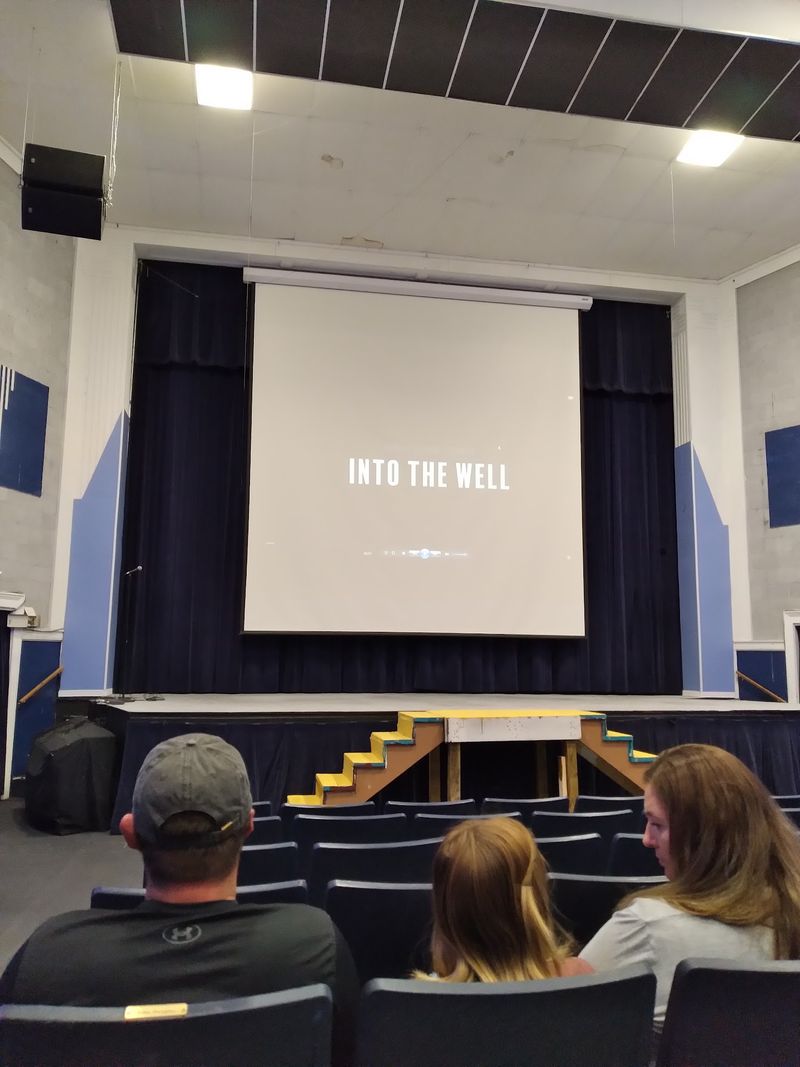
Cozy is the word that keeps surfacing about this room, and it is accurate. The auditorium is small, the seats sit close to the stage, and the sound carries without any strain.
Because the space is intimate, performances land differently than they would in a larger hall.
Audiences arrive from Fayetteville, neighboring counties, and from among travelers exploring the New River Gorge region. Everyone ends up sharing the same handful of rows.
Programming stays accessible for all ages, which makes it an easy choice for families looking for an evening off the trails.
Between the vintage projectors, the 1930s-era artwork, and a cast made up of neighbors, the whole visit ties history and creativity together in one sitting.
Add a show here to your West Virginia itinerary and you will remember it long after the rafting photos blur together.
That is high praise for a small theater in a mountain town.
Address: Historic Fayette Theater, 115 S Court St, Fayetteville, WV 25840
