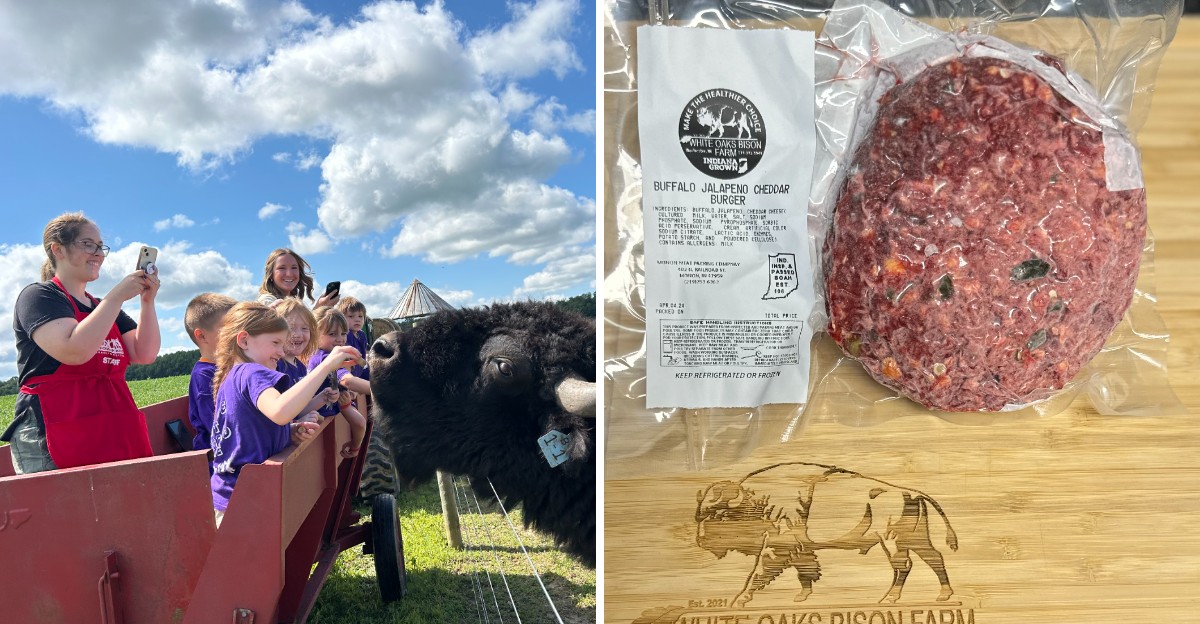
A wagon rolls straight into a pasture full of bison, and if the herd is in the mood, you can feed one by hand. That alone made me sit up.
The tour costs less than most fast-food lunches.
The herd started small and has grown into dozens of shaggy giants. The family running it has farmed the same land for five generations.
They only added bison a few years ago, which I find wonderfully bold.
I like how this place mixes real ranch work with hands-on learning. You can touch a bison hide, meet a miniature pony, and even sleep in an RV next to the pasture.
It all happens in a quiet corner of northern Indiana.
So how close can you really get to a two-thousand-pound grazer? Closer than you might expect, and the details are pretty fun.
Five Generations Of Farming Got A Shaggy New Chapter
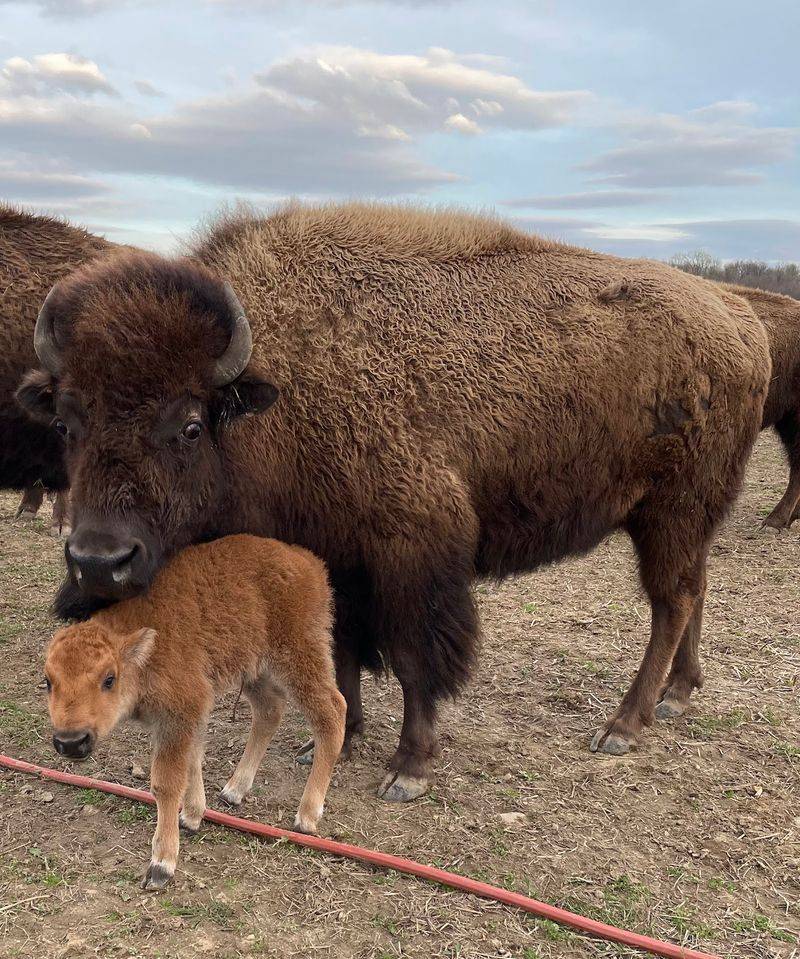
Plenty of family farms stick with corn, soybeans, or cattle. This one is a fifth-generation farm that decided to try something wilder in 2021.
Owners Courtney and Terry started raising American bison during the pandemic. They were looking for healthier food options for their family.
Bison checked that box in a big way, and the idea grew from there.
The herd began as a small hobby group of about ten animals. It has since grown to more than sixty, which is quite a jump for a side project.
That’s a lot of hay and a lot of fencing.
What I appreciate most is how personal it feels. The couple leads tours and shares what they’ve learned about their herd.
You’re hearing from the people who actually wake up and care for these animals every day.
The farm sits at 8343 E 400 N, Rochester, IN 46975. It’s a quiet rural spot in Fulton County, Indiana, surrounded by open land.
The setting matches the story well. Old family roots, new hooves on the ground, and a fresh reason for visitors to drive out to the country for an afternoon.
Gus The Pony Might Steal A Little Of The Spotlight
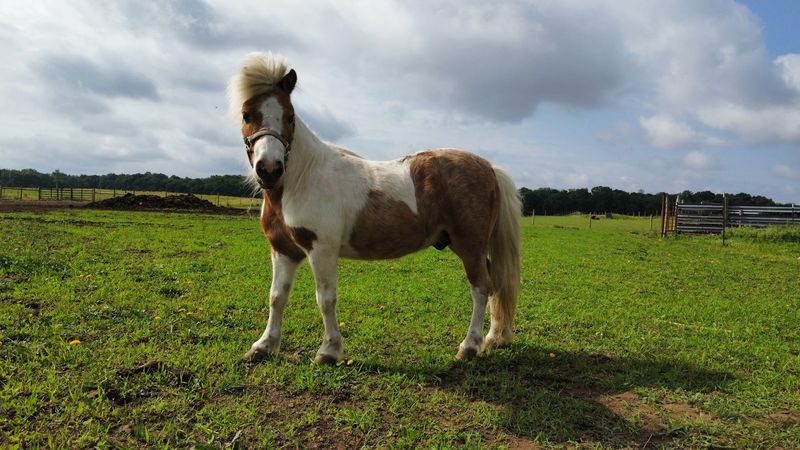
Bison may headline the show, but the supporting cast deserves applause too. Gus, the farm’s miniature pony, is part of the experience.
The learning goes beyond the pasture. Visitors can watch an educational video about bison and the farm.
Then comes the hands-on part, where you can see and touch a real bison hide, wool, and skull.
Feeling bison wool in person is surprisingly fun. It’s one thing to admire that thick coat from a wagon.
It’s another to run your fingers through it and understand how these animals handle brutal winters.
The skull is a great conversation starter for kids. It shows just how massive a bison’s head really is.
Expect plenty of wide eyes and questions about horns and teeth.
These extras make the tour feel well rounded rather than a quick drive-by. Younger visitors get something to touch and explore between animal sightings.
Older visitors get real facts they can repeat at dinner.
So yes, come for the bison. Just don’t be shocked if a small pony ends up in half your photos.
Gus seems perfectly comfortable sharing the stage with his much bigger neighbors.
Your Snack-Holding Hand Is About To Become Very Popular
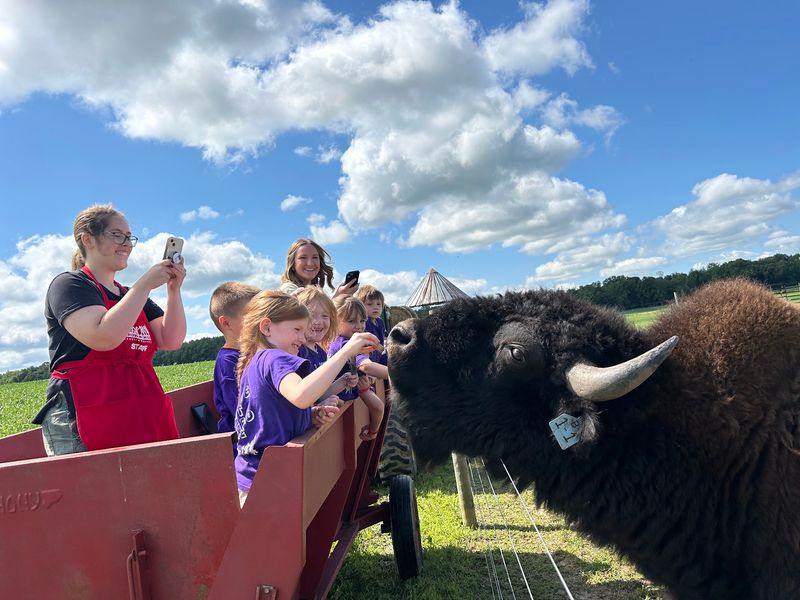
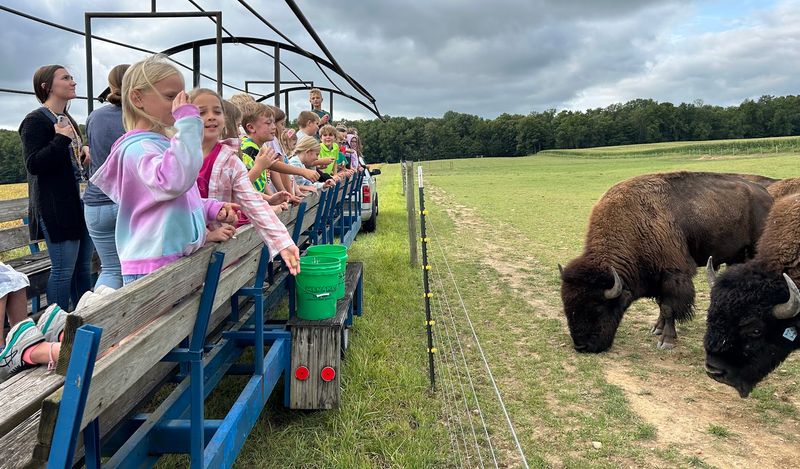
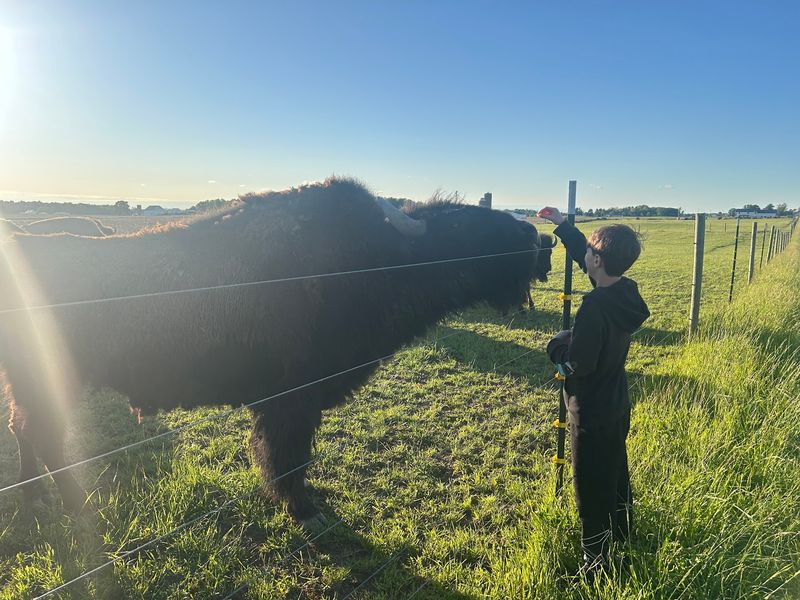
A bison taking food from your palm is not a sight you forget quickly. At White Oaks Bison Farm, that moment is the main event of every tour.
Guests climb aboard a wagon that heads right into the pasture. The herd comes close, and the ride turns into a real meet-and-greet with very large neighbors.
Hand feeding depends on how the bison feel that day. They’re wild animals, after all, and they keep their own schedule.
When the mood is right, though, you get a front-row seat to fuzzy faces and curious noses.
The price is the part that makes people blink twice. Tours are wonderfully affordable for adults and kids over three.
Little ones two and under ride along free, which feels like a bonus round.
Each tour runs roughly an hour to an hour and a half. That gives you time to watch the animals, ask questions, and snap photos without rushing.
Kids get plenty of chances to point and squeal.
Bring a jacket if the weather looks iffy. Tours run year-round, so the herd might be wearing its thick winter coat when you arrive.
Honestly, that only makes them look more impressive and photogenic.
Baby Chicks And Birdhouses Turn A Tour Into A Project
Some visits end with a souvenir. Interactive tours here can end with a seedling, a birdhouse, or new chick-care skills.
The farm offers optional add-on activities for groups who want more than a wagon ride. You might plant flower or vegetable seeds to take home.
It’s a small, sweet way to keep the farm trip growing on your windowsill.
Another option teaches guests how to care for baby chicks. Few things make kids light up faster than tiny peeping fluffballs.
It also sneaks in a lesson about patience and gentle hands.
Then there’s birdhouse building, which is perfect for anyone who loves a hammer. You leave with something you made yourself.
Hang it in the yard, and you’ll think of the trip every time a bird moves in.
These interactive tours need more planning than a regular visit. You’ll want to book about three weeks ahead so the farm can prepare materials.
That extra lead time is worth it for school groups, scouts, or families planning a special day.
Pair one of these activities with bison feeding, and the outing feels complete. Big animals, little animals, and a craft.
Not bad for one afternoon in Indiana.
The Pasture Rotation Is Smarter Than It Looks
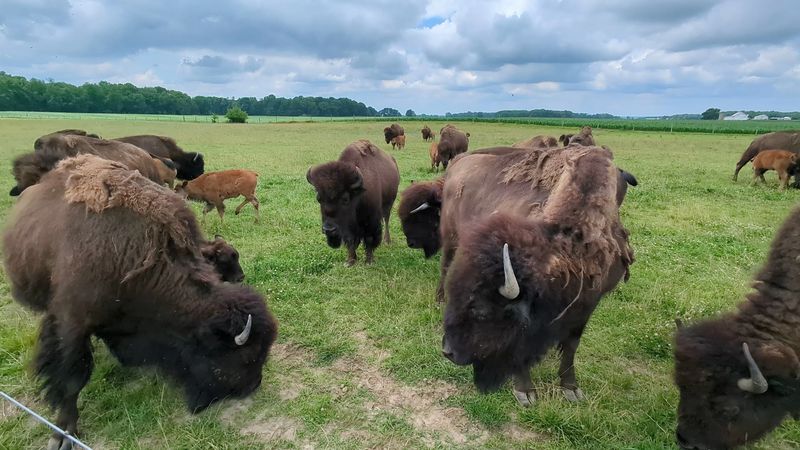
Bison here don’t just stand in one field all year. The herd moves from pasture to pasture, much like wild bison once roamed the plains.
The farm practices regenerative agriculture using rotational grazing. Moving the animals gives each field time to rest and regrow.
That keeps the soil healthier and helps plants bounce back stronger.
Pesticides stay off the pastures, too. That choice supports local wildlife and the whole little ecosystem around the farm.
Birds, bugs, and grasses all benefit from the hands-off approach.
The main herd is grass-fed and grass-finished. The farm also skips growth hormones, steroids, and non-therapeutic antibiotics.
Bison are naturally hardy animals, so they tend to need less intervention than many livestock.
This care shows up during your visit. You’re seeing animals living in a setting built around their natural habits.
It makes the tour feel less like a show and more like a peek into real ranch life.
The farm even hosts workshops on soil health, fence building, and hay analysis. So if you’re a gardener or a fellow farmer, bring your questions.
You might leave with ideas for your own backyard, even if your herd is just a few tomato plants.
Save Room In The Cooler Before You Head Home
Planning to stop for gas on the way home? Stop at the farm store first, and bring a cooler.
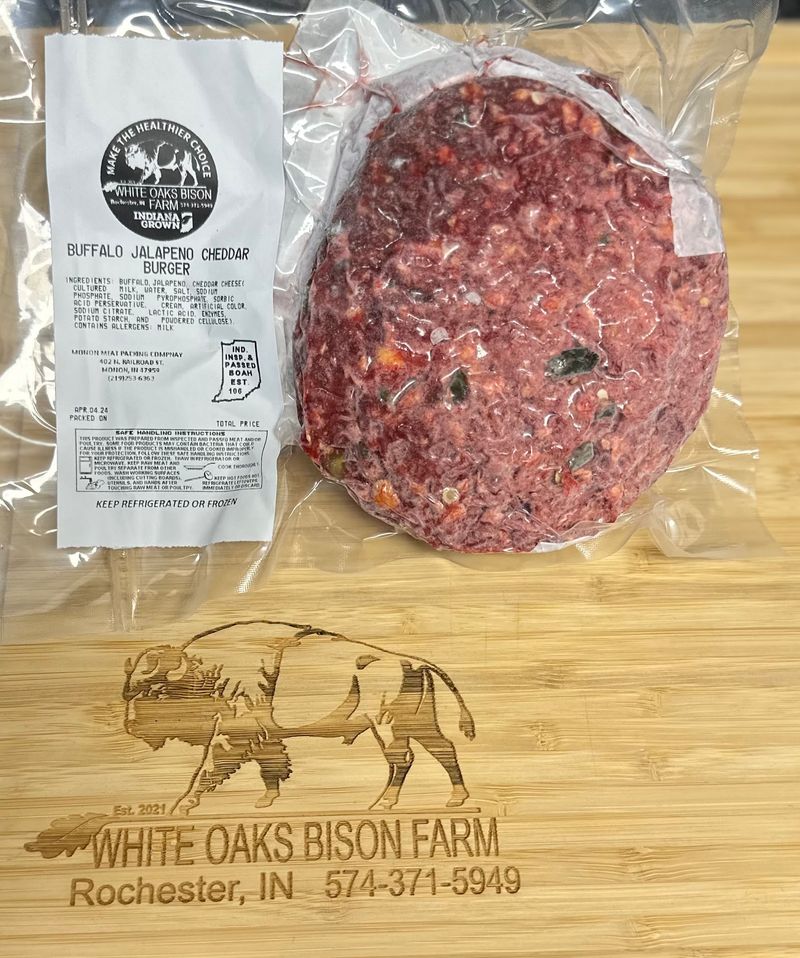
White Oaks Bison Farm sells its own grass-fed bison meat. Options include burgers, steaks, brisket, roasts, and snack sticks.
Everything is processed in a USDA-inspected facility.
Bison meat is known for being leaner than beef. It’s also packed with protein, iron, zinc, and B-12.
That nutrition is part of why the owners started raising bison in the first place.
The shop isn’t only about dinner plans. You’ll find bison skulls, hides, and wool for anyone who wants a truly unusual keepsake.
Imagine explaining a bison skull on your living room shelf to guests.
Branded merchandise rounds things out nicely. Hats, tumblers, and t-shirts let you show off your trip long after you leave.
Kids may lobby hard for a bison plush, so consider yourself warned.
Supply can vary by season, so selection may change between visits. That’s just how small farm stores work.
Grabbing a few snack sticks for the drive feels like the right move either way, and it supports a local Indiana family farm directly.
Park The RV And Wake Up Next To The Herd
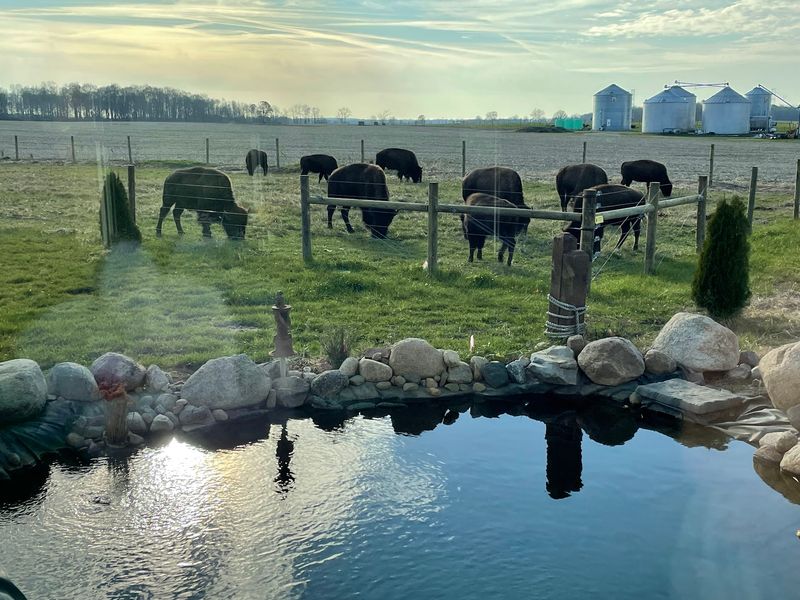
Most campgrounds offer a view of trees or other campers. Here, your neighbors weigh a ton and munch grass all morning.
The farm welcomes RV travelers with boondocking options. Self-contained campers can park in a pasture right next to where the bison roam.
Morning coffee comes with a herd of shaggy giants in the background.
Need power? There’s also a 50 amp electric hookup in a gravel parking area for a small nightly fee.
That’s handy for folks who want lights, fans, or heat during their stay.
White Oaks Bison Farm is also a Harvest Hosts location. Members traveling across the country can stop for a night and enjoy the farm.
Road trippers heading west have found it a memorable pause.
Staying overnight lets you see the farm at a slower pace. Sunset over the pasture beats a highway rest stop any day.
You also get easy access to the shop for a bison dinner.
Just remember your manners as a guest. Keep a respectful distance from fences and animals.
A good night’s sleep is much better when nobody tests the electric fence, especially before breakfast.
Field Trips Here Reach Far Beyond Fulton County
Visitors from somewhere between 13 and 16 countries have found their way to this rural Indiana farm. That’s a lot of passport stamps for a bison pasture.
The farm hosts a wide mix of groups. Families, school field trips, church groups, and scout troops all come to learn.
Homeschool groups have made the trip too, turning a farm visit into a hands-on lesson.
Group sizes are flexible, ranging from one guest up to 65. That means a solo traveler and a full school bus can both enjoy a tour.
Few attractions handle both ends of that range so easily.
The farm has even hosted the National Bison Association Summer Conference. Bison producers and fans from around the country gathered here.
It shows how much respect this young operation has earned in the bison world.
For teachers, the combination works well. Students get science, history, and agriculture in one outing.
They also get to watch a bison eat, which tends to hold attention better than any textbook.
If you’re organizing a group, reach out early with your plans. The owners can help shape the visit around your timeline and goals, so the day fits your crew comfortably.
A Little Planning Makes The Fluffy Cows Even Cuter
Spontaneity is great, but bison tours still need a heads-up. Regular tours require at least 24 hours’ notice.
That short window makes planning easy. You can decide on a Tuesday and be feeding bison on Wednesday.
Interactive tours with crafts or chicks need about three weeks, so plan those ahead.
The farm keeps long hours, opening daily from 8 a.m. to 8 p.m. Tours run year-round, rain, snow, or sunshine.
Winter visits can feel extra cozy when the herd sports its heavy coat.
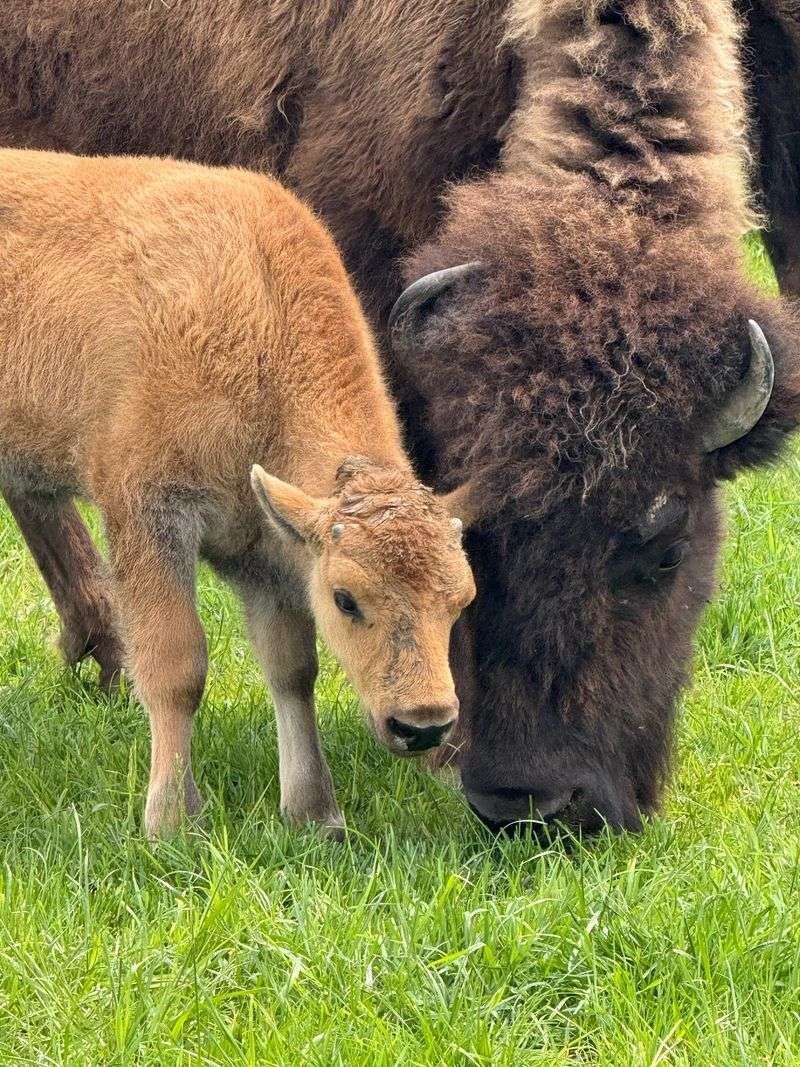
Safety matters here, and the rules are simple. Bison are wild animals, no matter how cuddly they look.
Don’t try to pet the fluffy cows, and don’t touch the electric fence.
Wear sturdy shoes and clothes that can handle a little dirt. It’s a working farm, after all.
Bring a camera, because the close-up views are hard to beat.
White Oaks Bison Farm proves that a great Indiana day trip doesn’t need a huge budget. You get wildlife, history, learning, and maybe a bison burger for later.
Book that tour, pack a snack for yourself, and let the herd handle the rest.
