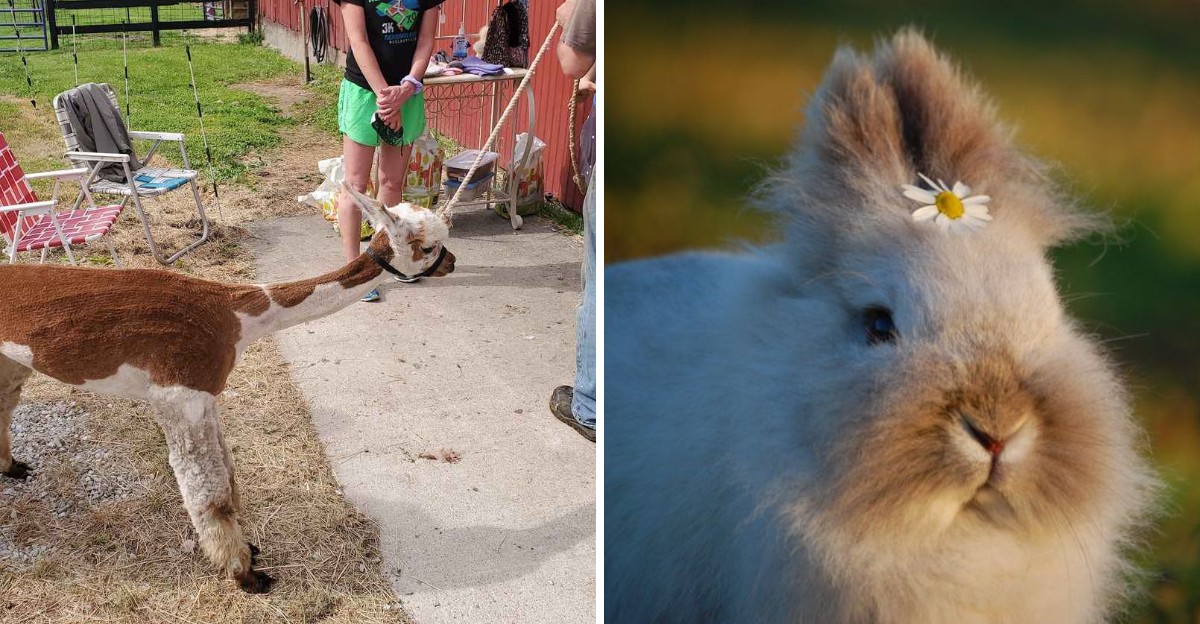
The alpacas look soft. The llamas look judgmental.
The rabbits look like they were assembled from clouds. That is basically the lineup at this Indiana farm.
Ten acres hold pastures for the larger animals, while the barn is home to dozens of Angora rabbits with enough fur to make every other rabbit look underdressed. Visitors can meet the animals and learn how their fleece is collected, cleaned, spun, and turned into useful things like yarn and socks.
The strange part is how quickly the process starts making sense. First you see an alpaca.
Then you see the fleece. Then you see the yarn.
Suddenly a ball of wool is not just yarn anymore. It has a face.
Angora Rabbits That Look Like Walking Clouds
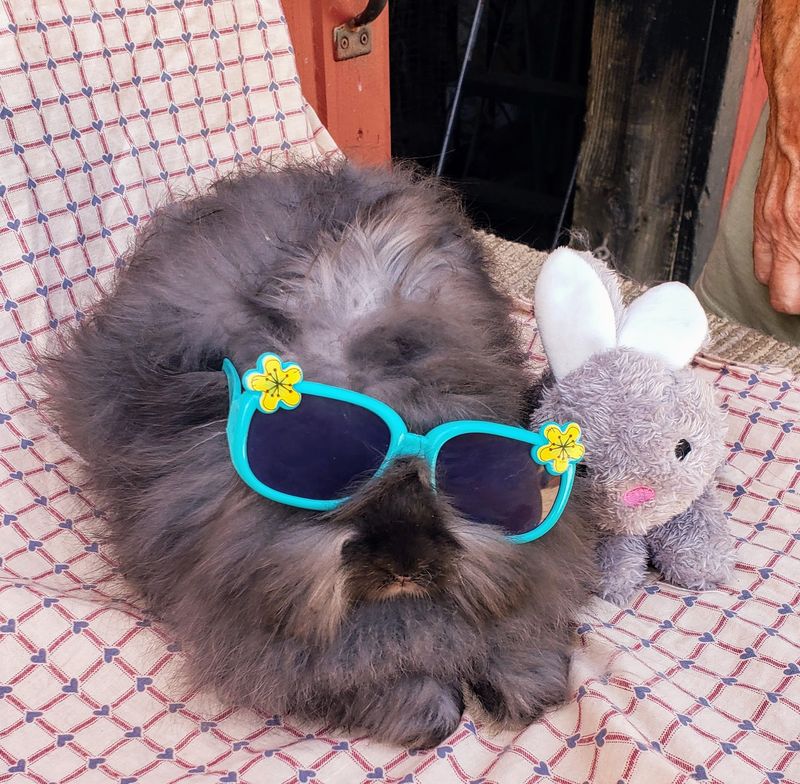
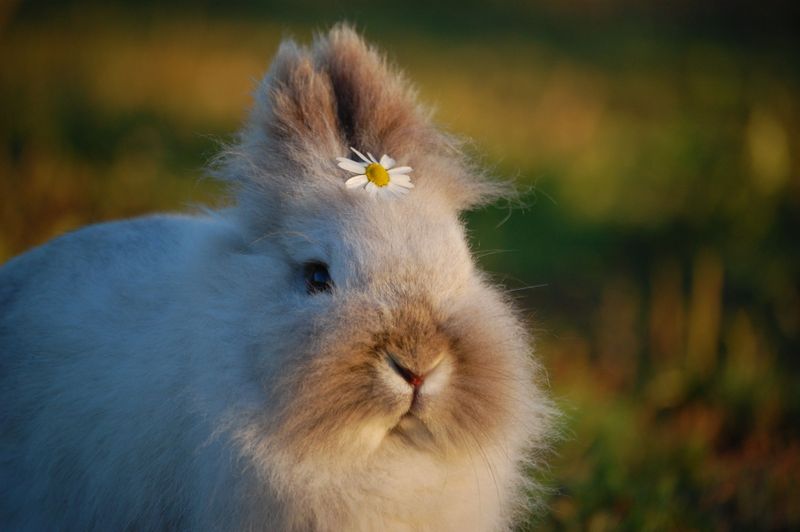
Fifty Angora rabbits live on this farm, and not one of them looks entirely real. Their coats grow long, silky, and slightly ridiculous, puffing out until the face nearly disappears into the fluff.
Angora fiber ranks among the warmest natural fibers available, far lighter than sheep wool yet several times more insulating. That combination explains why knitters treat it almost like treasure.
A small amount blended into yarn changes the whole texture of a finished hat.
Watching the rabbits up close reveals how much grooming work goes into keeping those coats clean and tangle-free. Brushing happens regularly, and the harvested fiber gets saved rather than wasted.
Nothing about the process hurts the animal.
Children tend to freeze in place the first time they see one, unsure whether it is a pet or a pillow. Adults do roughly the same thing.
Ask questions while visiting, because the owners explain the differences between Angora breeds and how coat length affects harvesting. Good timing helps too.
Rabbits stay livelier during cooler parts of the day, especially mornings and late afternoons in summer.
Bring a camera with a decent close-up setting, since the fine texture of the fur photographs beautifully in natural barn light. Skip the flash.
Quiet voices keep the rabbits relaxed, and calm rabbits are far more entertaining to watch than nervous ones hiding in a corner.
Alpacas With Excellent Manners and Curious Faces
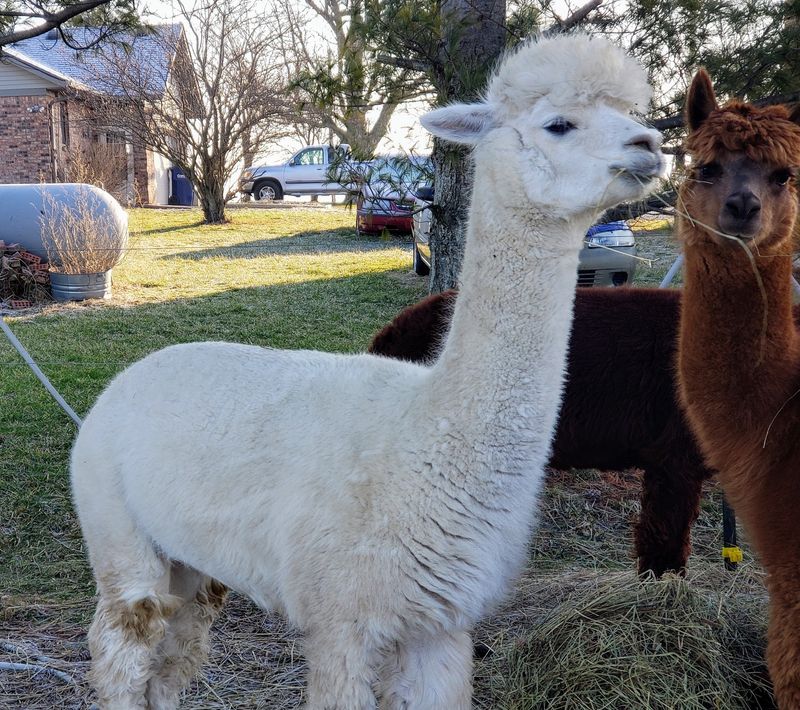
Twenty-three alpacas call these pastures home, along with five llamas who tower over them like tall cousins at a family reunion. Alpacas rarely rush anywhere.
They drift, graze, and study visitors with enormous dark eyes framed by fluffy bangs.
Their humming is the surprise most people remember. Alpacas communicate through soft hums that sound almost like someone thinking out loud, and a pasture full of them creates a gentle background noise unlike anything else on a farm.
Unlike some livestock, alpacas have soft padded feet instead of hooves, which means they tread lightly and do little damage to pasture ground. Their grazing habits are tidy as well.
Farmers often describe them as one of the easier animals to keep on small acreage.
Fence-line time works best for meeting them. Stand still, hold out a flat hand, and let curiosity do the work rather than chasing after the herd.
Llamas serve a practical purpose here too, acting as guardians who alert the group to anything unfamiliar. Their presence explains the calm confidence of the smaller alpacas.
Wear shoes that can handle dirt and grass, because the best views come from walking near the pasture edges. Pack a light jacket for spring mornings.
Indiana wind cuts across open fields, and the animals hardly notice while visitors certainly will.
Farm Tours That Teach More Than Expected
Educational tours here go well beyond pointing at animals and naming them. Guests learn how fleece is sorted, cleaned, and prepared before it ever reaches a spinning wheel.
Different sections of an alpaca fleece have different qualities. The blanket area along the back produces the finest fiber, while the neck and legs yield coarser material better suited for rugs or outerwear.
Hearing that explained while looking at an actual fleece makes the whole system click.
Groups and families can arrange visits, which makes the farm a strong option for homeschool outings, scout troops, or fiber guilds looking for something hands-on.
Phil and Debra Schneider share knowledge freely, covering animal health, feeding routines, and what daily chores actually look like on a working fiber operation. Questions are welcome.
Curiosity gets rewarded.
The farm sits at 25610 Salem Road, Arcadia, Indiana, tucked into countryside that feels far removed from highway noise despite being a manageable drive from Indianapolis and Fort Wayne.
Call ahead rather than arriving unannounced, since tours are scheduled around the rhythm of farm work and animal care. Mornings often suit everyone best.
Anyone considering raising fiber animals someday will find these conversations especially useful, because the practical details of small-scale farming rarely show up in books with the same honesty.
Shearing Day, When the Whole Farm Buzzes
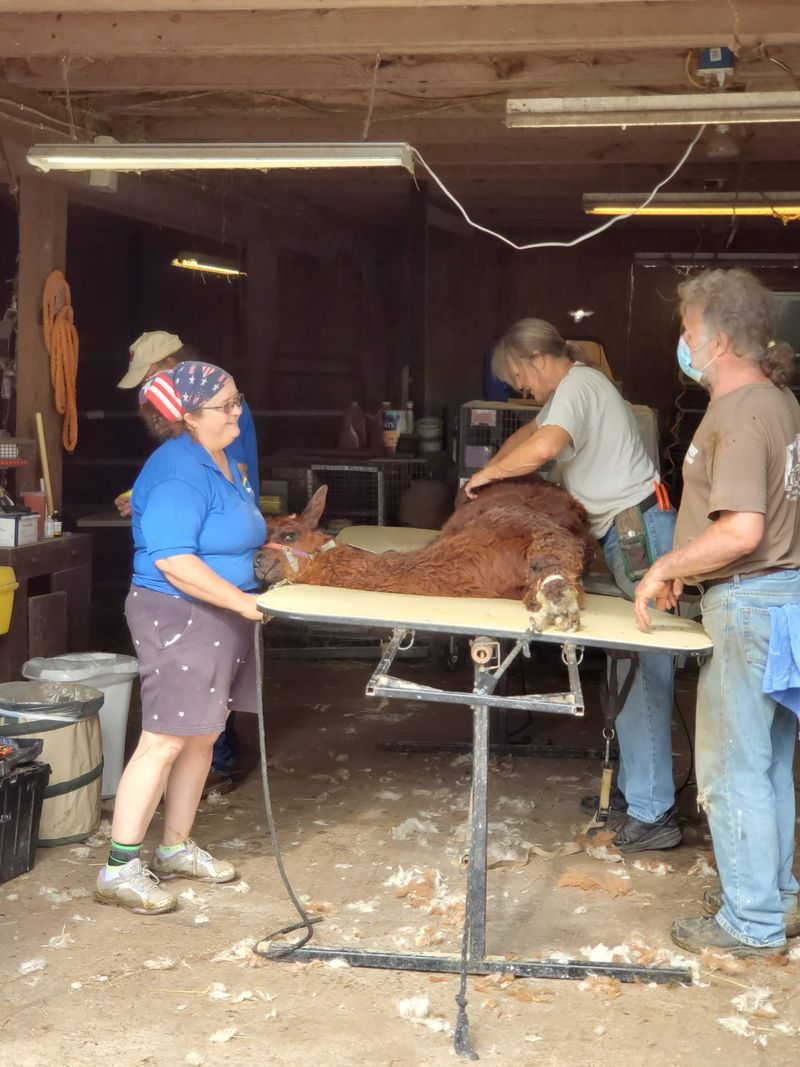
Late April or May brings the farm’s biggest event of the year, the annual Open Farm and Shearing Day. Alpacas get their yearly haircut, and visitors get front-row seats.
Shearing is essential rather than cosmetic. Alpaca fleece keeps growing, and without an annual trim the animals risk overheating badly through an Indiana summer.
One shearing produces enough fiber for multiple sweaters.
The transformation is comic. A fluffy, dignified alpaca goes in and a skinny, wide-eyed creature with a pompom head comes out, apparently unaware of the change until it spots a herdmate.
Guests can get involved during the day, helping with parts of the process and seeing firsthand how much coordination a shearing takes. Fleece must be caught, sorted, and bagged quickly to stay clean.
Plan to arrive early if attending, since the schedule follows the animals rather than the clock. Cooler morning hours are usually preferred for the work.
Dress for dust and grass, bring water, and expect to stand for stretches of time. Folding chairs are not a bad idea for older visitors.
Confirming the date ahead of time matters because spring weather in central Indiana can shuffle plans quickly. A rainy week may shift everything.
Once the sun returns, the barn fills with activity and the year’s fiber harvest officially begins.
A Farm Store Stocked With Fiber Worth Touching
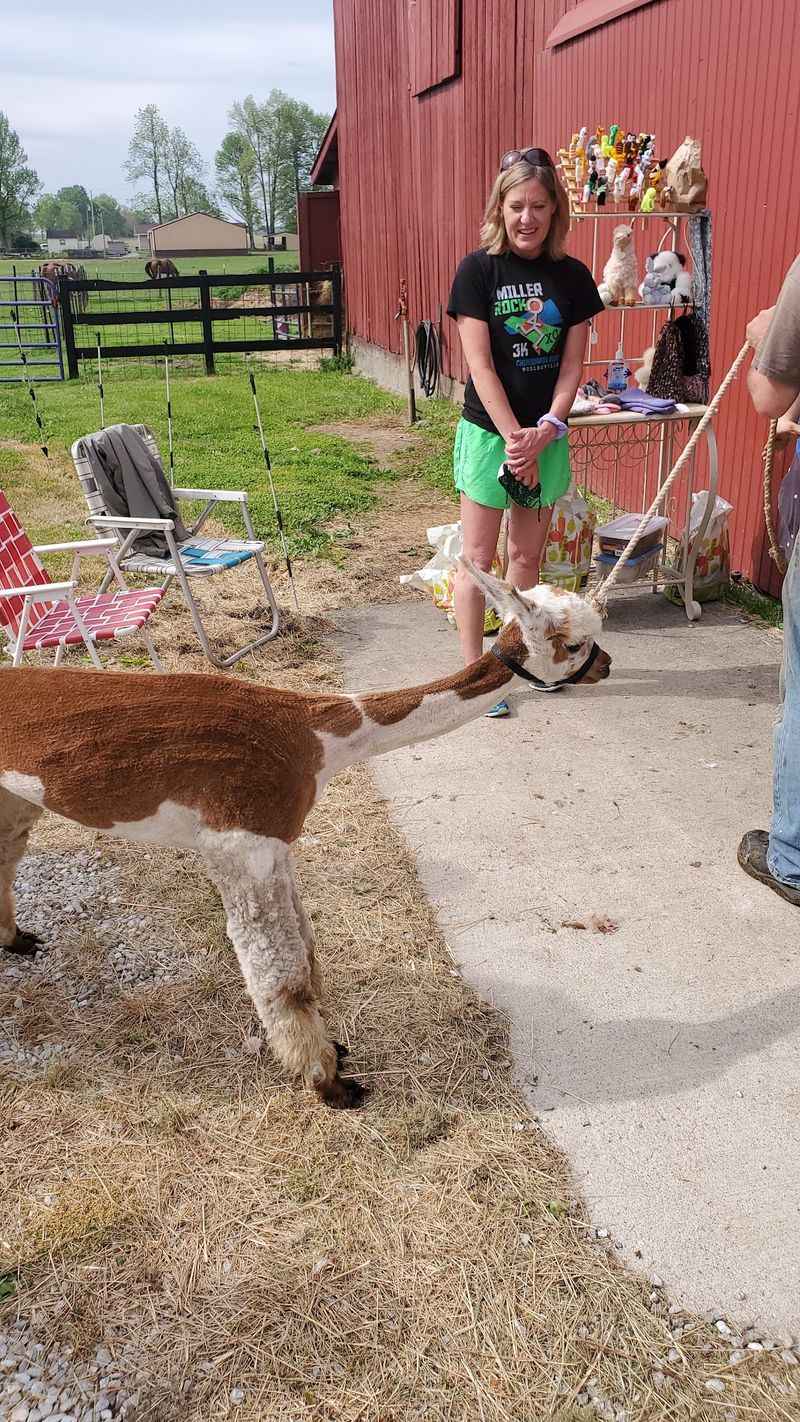
Shelves of yarn, baskets of roving, and stacks of finished knitwear fill the year-round farm store, and the temptation to touch everything is immediate. Nobody resists.
That is rather the point.
Spinners come for the roving, which is cleaned and carded fiber ready for the wheel. Knitters and crocheters head straight for the spun yarn, available in the natural color range alpacas produce on their own.
Finished goods include hats, scarves, socks, and gloves, all made from fiber grown right outside the door. Buying from the source means knowing exactly which pasture the wool came from, which is a rare thing in modern shopping.
Alpaca fiber contains no lanolin, so people who find sheep wool itchy often wear it comfortably. It also resists odor and wicks moisture, which explains why alpaca socks have such a loyal following among hikers and anyone facing a Midwest winter.
Purchases support feed, veterinary care, and the general upkeep of the herd, so a scarf does double duty as a souvenir and a contribution.
Check operating hours before making a special trip, since a working farm keeps flexible retail time. An appointment smooths things out.
Gift shoppers do well here. Handmade items from a named farm carry a story that mass-produced accessories simply cannot match.
Baby Crias and Bunnies That Steal the Show
Nothing derails a farm tour faster than the sight of a baby alpaca. Called crias, these newborns arrive with long wobbly legs, oversized eyes, and absolutely no sense of personal space.
Crias typically weigh between fifteen and twenty pounds at birth and stand within an hour or so, which is impressive for something built like a fuzzy stepladder.
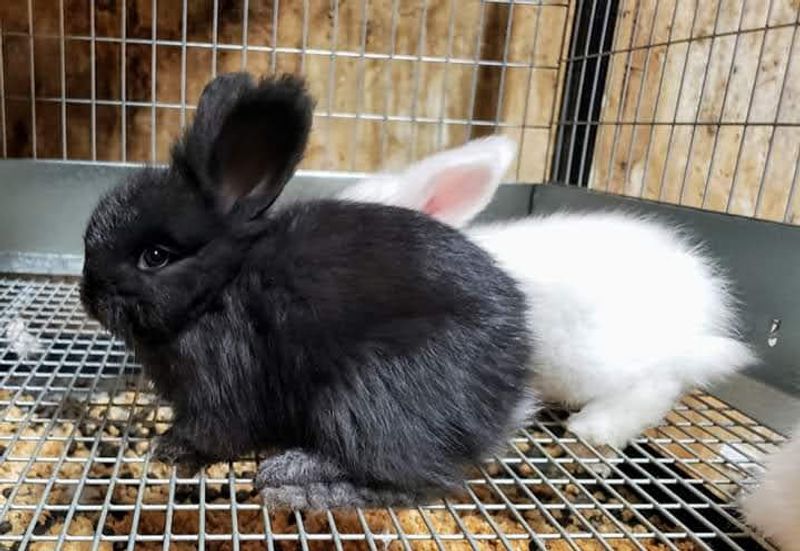
Baby Angora rabbits have a different appeal entirely. Miniature, round, and impossibly soft, they look less like animals and more like something knitted by hand.
The farm sometimes has young rabbits and alpacas available for sale, meaning there is a good chance of spotting little ones during a visit, particularly in warmer months when births are more common.
Mothers and babies stay close together, and watching that bond unfold gives children a gentle, real-world lesson that no video can replicate. Nudges, hums, and shadowing behavior say plenty.
Keep noise low around the youngest animals and follow whatever guidance the owners give about approaching. Respect earns better sightings anyway.
Families with young kids often find this the most memorable part of the trip, the moment that gets retold at dinner tables for weeks afterward. Cameras fill up fast.
Spring and early summer offer the strongest odds, though the farm’s mix of species means something small and fuzzy is usually around.
Catching the Farm at the Noblesville Farmers Market
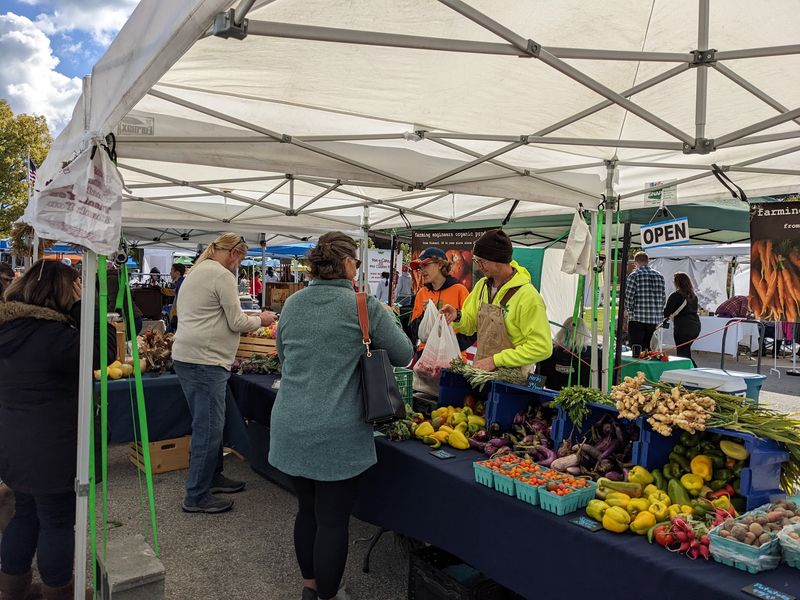
Saturdays from May through November find the farm packed up and set out at the Noblesville Farmers Market, bringing fiber goods to people who might never drive out to Salem Road.
Market booths tell a different story than farm visits do. Conversations happen over tables of yarn, with shoppers asking about animals by name and learning which alpaca produced which skein.
Noblesville itself makes a solid pairing for a day trip, with a walkable downtown square, local eateries, and the White River nearby for an afternoon stroll after market shopping wraps up.
For anyone visiting Indiana on a tight schedule, the market offers a shortcut. Meet the growers, buy the fiber, ask the questions, all without leaving town.
Seasonal produce stands surround the fiber booth, so the trip doubles as a chance to load up on Indiana sweet corn, tomatoes, and baked goods depending on the month.
Arrive early for the best selection, because handmade items in popular sizes and colors go quickly once the morning crowd arrives.
Market appearances also keep the farm connected to its community, supporting the broader network of small Hamilton County growers who depend on those Saturday mornings.
Bring a tote bag and cash-friendly patience. Then plan the farm visit properly, because seeing the animals behind the yarn completes the whole picture.
