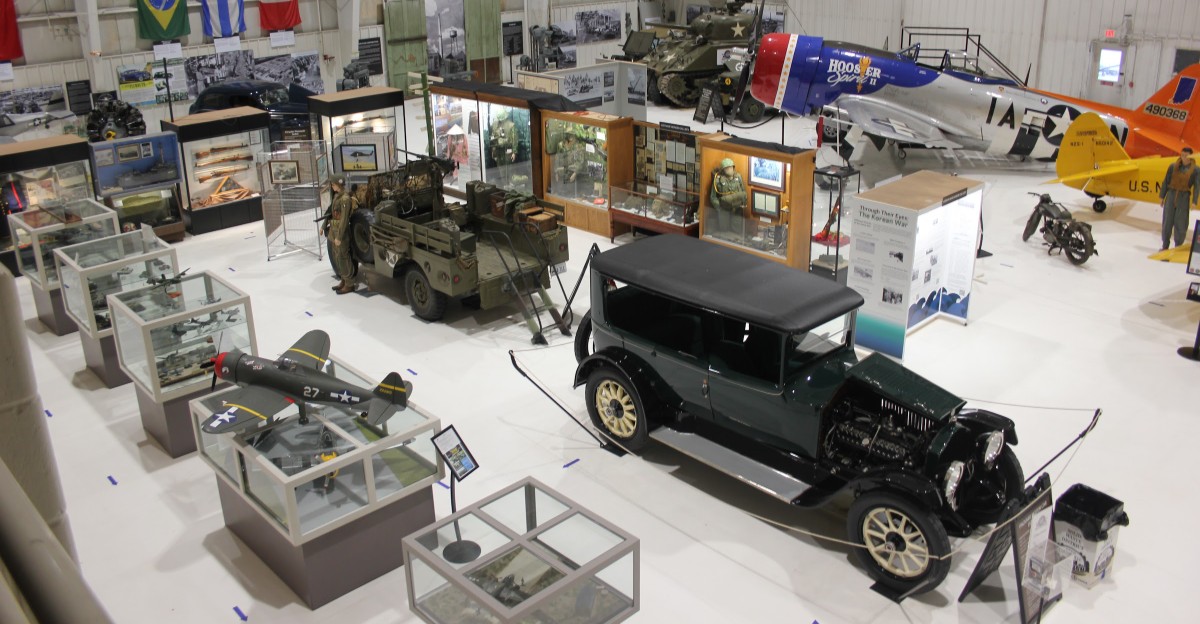
A real P-47 Thunderbolt fighter plane sits inside a museum, and it’s the official state aircraft. Yes, Indiana has a state aircraft, and this one comes with a hometown story.
Factories in this river city built more than 6,000 of these planes during World War II. Workers here also helped make goods that supplied American troops on land, at sea, and up in the air.
What stands out to me is how the museum remembers the people behind the wartime effort, not just the machines they helped produce. A kind volunteer canteen once fed over one million traveling service members, and their thank-you letters still tell the tale.
I’d want to spend time reading those letters after seeing the Thunderbolt, because they bring the human side of this history into focus.
Say Hello to the Plane That Became Indiana’s Official State Aircraft
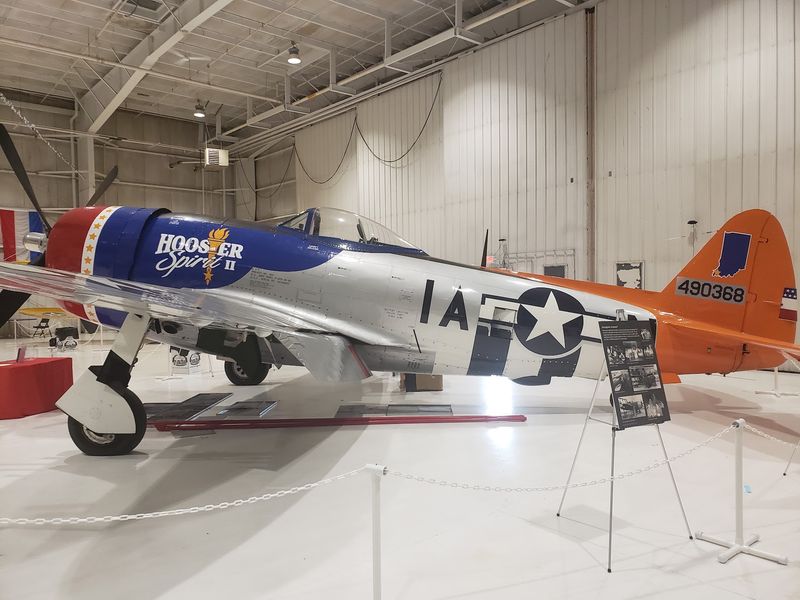
Big, bold, and shiny, the star of the Evansville Wartime Museum is a P-47 Thunderbolt called Hoosier Spirit II. It’s an operating aircraft, not a model, which makes standing next to it a bit of a thrill.
The connection to the city runs deep. Republic Aviation built more than 6,000 P-47 Thunderbolts right here in Evansville during World War II.
The P-47 Foundation acquired this plane in 2020. Then it was repainted to represent the very first P-47 built in Indiana, giving it a proud local identity.
A year later, in 2021, the P-47 Thunderbolt was named the official state aircraft of Indiana. Not many states can say they have one, and even fewer can point to a hometown factory story behind it.
I believe this plane works so well because it ties everything together. It shows the skill of the workers who built these fighters and the pilots who flew them overseas.
Take a few minutes to walk around the whole aircraft. The size of the engine area alone helps explain why pilots trusted this sturdy plane so much.
It’s a perfect first stop and an easy photo favorite. Just try not to stare at it for your entire visit.
A Sherman Tank Named Rosie’s Revenge Steals Plenty of Attention
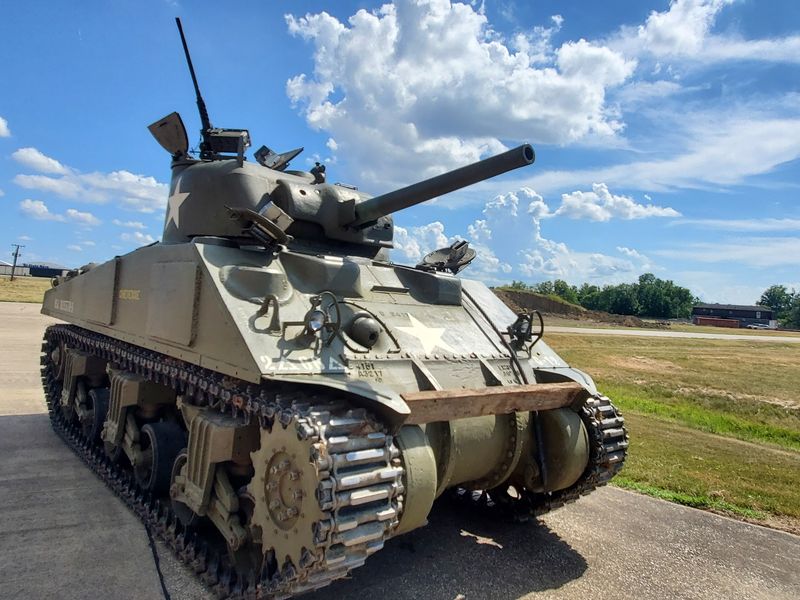
Some museum pieces whisper. Rosie’s Revenge, a 1943 Chrysler M4A4 Sherman Tank, sort of announces itself the moment you see it.
The Sherman ranks among the most widely made tanks in history. Its flexible design helped crews hold their own against larger tanks overseas.
The name is a fun nod to Rosie the Riveter. She stood for the millions of women who stepped into factory jobs while so many men served far from home.
Seeing the tank up close gives you a real sense of how tight life was inside. Several crew members had to work together in a space that feels smaller than many family cars.
That tight fit makes the bravery of tank crews feel much more personal. You start picturing the heat, the noise, and the teamwork it took to keep moving.
Kids usually love this part, and honestly, so do grown-ups. A tank is just one of those things nobody gets tired of looking at.
Pair it with a chat with a docent if you can. They can explain the details that a sign alone can’t cover.
Grab the Controls and Try Flying a Thunderbolt Yourself
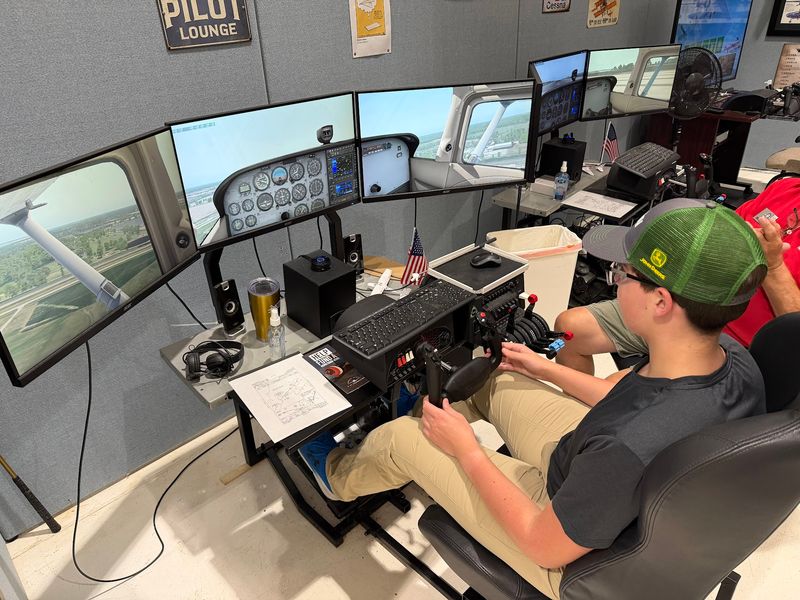
Ever wanted to fly a fighter plane without leaving the ground? The museum has several Gleim Flight Simulators that let you give it a shot.
You can even try flying a P-47 Thunderbolt on screen. After seeing the real one nearby, that feels like a pretty cool upgrade.
The simulators are usually available Thursday through Sunday during open hours. They run when staffing allows, so keep that in mind when planning.
Here’s a nice bonus for families on a budget. There’s no extra charge to use them beyond regular admission.
I like how this turns history into something you can actually do. Reading about pilots is one thing, but steering a plane gives you real respect for their skill.
Don’t worry if your first landing looks more like a bounce. Nobody is grading you, and the plane will forgive you.
The museum suggests allowing extra time if simulators are on your list. Your little pilots may ask for just one more try, then another, then another.
It’s a smart way to keep younger visitors excited. It also gives grown-ups a fun excuse to play along.
Everyday Families Get the Spotlight in the Homefront Gallery
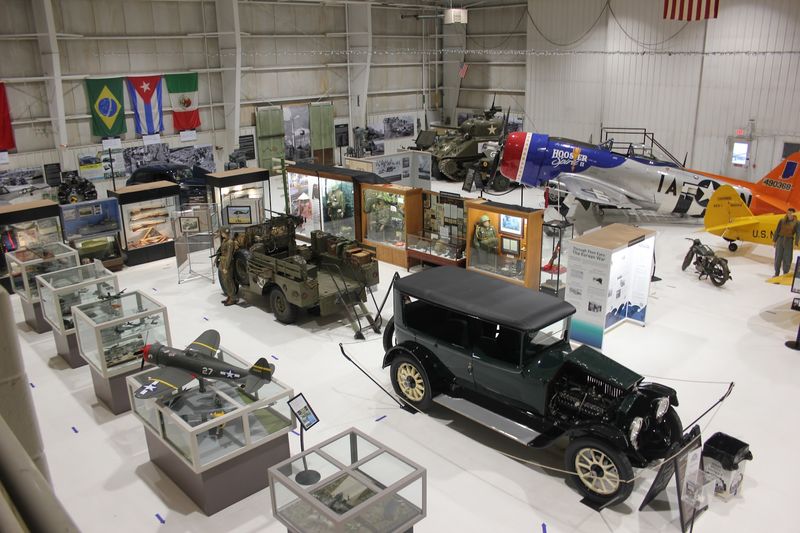
Not every hero wore a uniform. The Homefront Gallery honors the men and women who kept life running while loved ones served far away.
Evansville changed dramatically during World War II. Factories grew fast, jobs boomed, and families adjusted to a brand-new daily rhythm.
This gallery shares the stories of average Evansville families. You’ll learn how rationing and empty seats at the dinner table shaped ordinary days.
It also covers the local companies that helped power the Allies. Their inventions and products traveled from Indiana factories to troops around the world.
I believe this section helps the whole museum make sense. Without the workers back home, those planes and tanks never leave the factory floor.
Look for the examples of wartime production on display. They show how regular businesses switched gears to build what the country suddenly needed.
Students working on school projects will find tons of material here. It’s history that feels close, because it happened on neighborhood streets.
Ask yourself how your own family might have handled those changes. That question alone can spark some great conversations on the ride home.
Over One Million Service Members Found Comfort at This Canteen
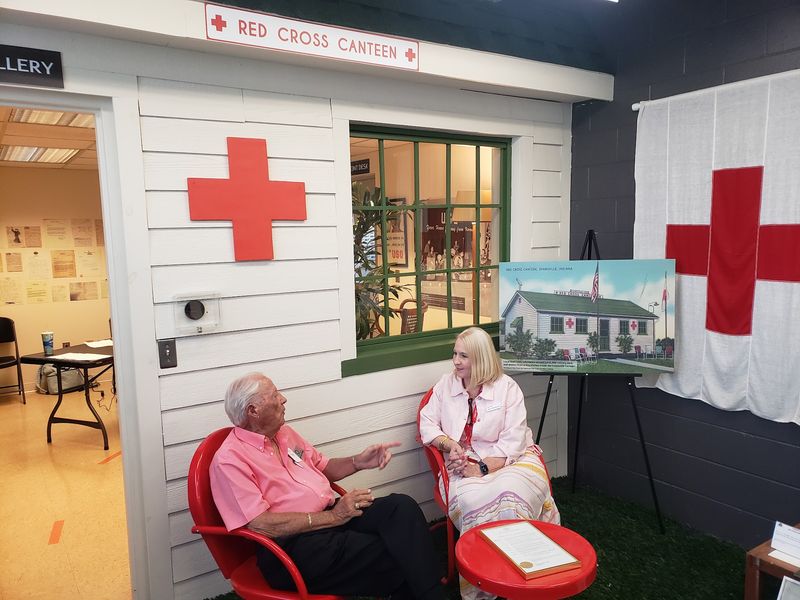
One million. That’s roughly how many service members passed through Evansville and found a warm welcome at the Red Cross Canteen.
The Community Gallery tells this heartwarming story. Local volunteers served hot meals and friendly smiles to troops traveling through town.
Many grateful service members called it the next best thing to home. They mailed letters and cards back to say thank you, and those notes help tell the story today.
Then there’s Mom Hudson, a kind seamstress who mended uniforms. She also comforted troops at local USOs, which earned her a special place in local memory.
I like how this gallery shows that kindness was its own kind of service. A hot plate of food and a fixed button can mean the world to someone far from family.
Spend some time reading the letters if you can. They’re short, sweet, and often surprisingly personal.
This part of the museum feels lighter than some others. It’s a reminder that a whole community pitched in, one sandwich and one stitch at a time.
Bring tissues, just in case.
Honor Galleries Stretch From the Trenches to the Jungles
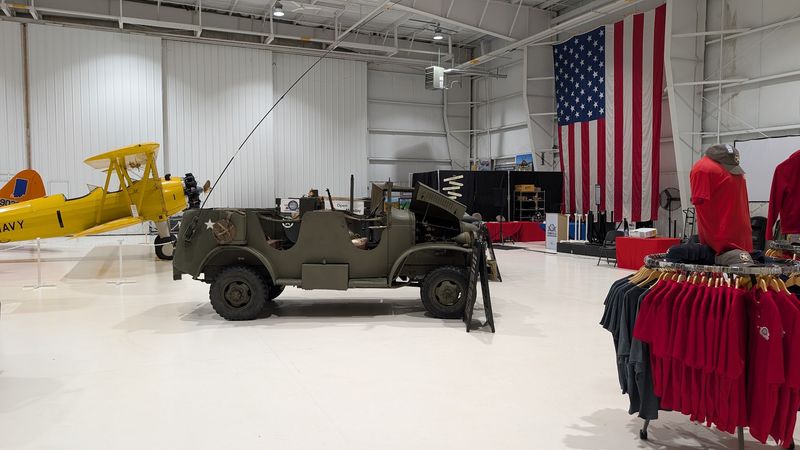
World War II gets the biggest spotlight, but the story doesn’t stop there. The Evansville Wartime Museum also has galleries covering World War I, Korea, and Vietnam.
The World War I Honor Gallery pays tribute to soldiers who served in the trenches. It’s a strong look at an earlier generation from the same region.
The Korean and Vietnam galleries explore the hardships troops faced in faraway places. They also show how Evansville companies kept supporting American soldiers.
Meanwhile, the World War II Honor Gallery features rotating displays. They focus on the combat service of Evansville men and women.
You might read about someone who flew above Germany. Another display could share a story from the jungles of Burma.
I appreciate that these displays rotate, because it gives repeat visitors something fresh. Each change brings a new local name and face forward.
Families with veterans may find these rooms especially meaningful. Grandparents and grandkids can compare stories and spot familiar details.
Take your time here rather than rushing ahead. These galleries reward slow reading and plenty of questions.
A Story of Survival Lives Inside the Rechnic Family Exhibit
Courage and hope sit at the center of the Rechnic Family Holocaust Exhibit. It tells the inspiring true story of one family’s survival during the Holocaust.
Their journey didn’t end in hardship. The Rechnic family went on to build a new life and reach the American dream.
The exhibit carries a clear message for visitors of all ages. Its guiding words are Never Forget, Never Again.
This section has a quieter, more serious mood than the plane and tank areas. It invites you to slow down, read carefully, and reflect.
I believe this exhibit adds something powerful to the museum. It connects local history to big lessons about fairness, dignity, and standing up for others.
Parents may want to talk with younger kids before this stop. A little preparation can help children ask thoughtful questions afterward.
Teachers and student groups often find it a meaningful learning moment. It’s the kind of history that stays with you long after you leave.
Give yourself a few calm minutes here. The story deserves your full attention.
Free Guided Tours Turn Exhibits Into Unforgettable Stories
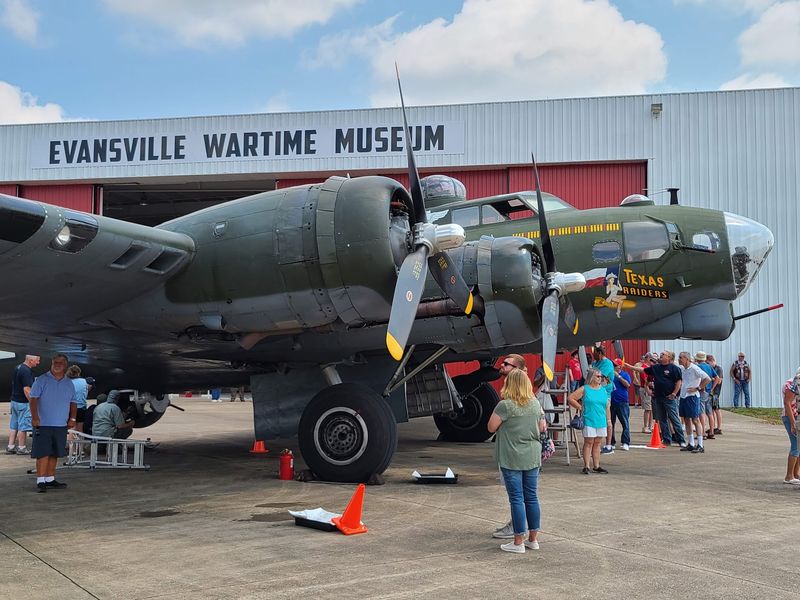
Here’s a tip that can change your whole visit. The museum offers complimentary guided tours led by volunteer docents.
Many of these guides are veterans themselves. Their own service spans from the Korean era all the way to the present day.
That firsthand knowledge adds real depth to the artifacts. A docent can share the backstory behind an object that a sign might squeeze into one line.
Prefer exploring solo? Audio tours are available, so you can move at your own pace and still catch the details.
On Mondays through Wednesdays, visitors can self-guide through the exhibits. That’s a nice option for anyone who likes to wander and linger.
I like having choices like these, because everyone learns differently. Some folks love chatting, while others want quiet time with each display.
Either way, don’t be shy about asking questions. The volunteers are there because they care about keeping these Indiana stories alive.
A guided tour might stretch your visit a bit longer. Trust me, that extra time is the good kind.
Plan Your Trip, Then Keep Exploring With a Driving Tour
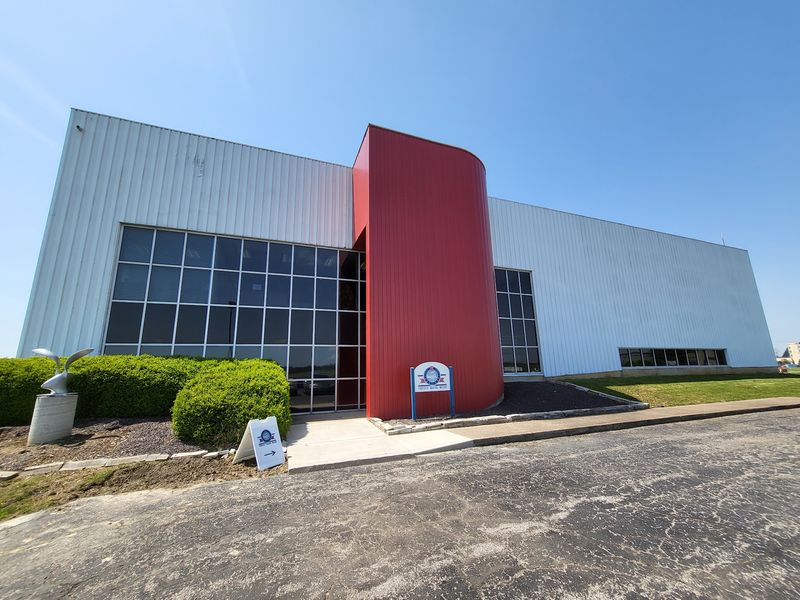
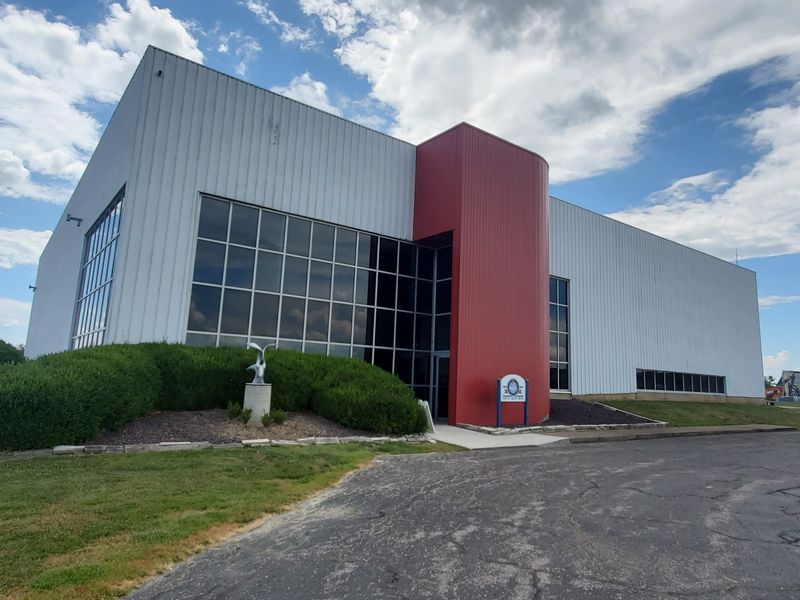
Getting there is easy. You’ll find the Evansville Wartime Museum at 7503 Petersburg Rd, Evansville, IN 47725, near the Evansville Regional Airport.
Just don’t head to the riverfront by mistake. The museum sits up by the airport, not downtown along the Ohio River.
It’s open seven days a week from 11 AM to 4 PM Central Time. The museum closes only for major holidays, which makes planning pretty simple.
Allow at least 90 minutes for your visit. Add more time if you plan to try the flight simulators or join a guided tour.
Arriving close to opening gives you a relaxed start. You’ll have more time to read, ask questions, and enjoy each gallery.
Still curious when you leave? The Evansville Indiana World War II Driving Tour highlights important sites around the city.
I love that the history doesn’t stay inside one building. The driving tour lets you see where real factories and neighborhoods once buzzed with activity.
Pack snacks, grab your curious crew, and make a day of it. Evansville has plenty of stories waiting around every corner.
