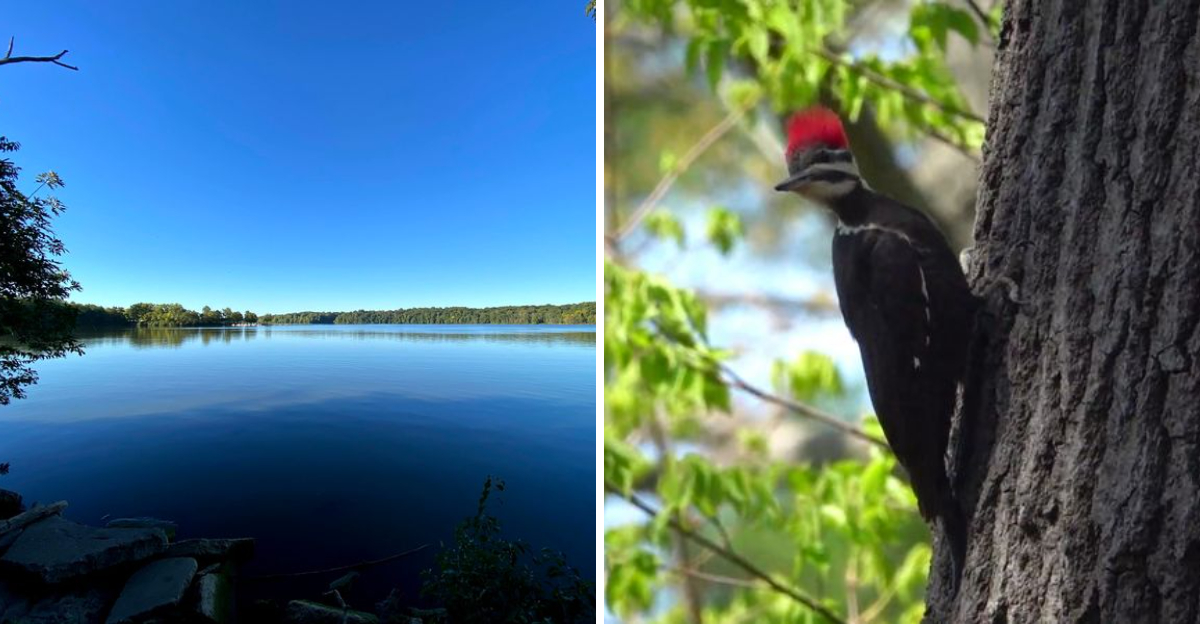
I was halfway across a boardwalk in Indiana when everyone around me suddenly stopped moving. A bald eagle had appeared above the lake, gliding low enough that its white head was impossible to miss.
For a few seconds, nobody seemed interested in going anywhere. That is the kind of moment this little trail can hand you without warning.
The roughly two-mile loop circles a 125-acre lake reserved for birds, moving from packed earth beneath tall trees to a boardwalk that stretches right over the water.
Herons wait motionless in the shallows, ducks paddle through the reeds, and more than 250 bird species have been recorded in the area.
The strangest part is how close the trail is to the city. Give it a few minutes, and traffic noise fades into birdsong.
If a casual walk can turn into an unexpected wildlife sighting, this is one loop worth slowing down for.
Over 250 Bird Species Call This Sanctuary Home
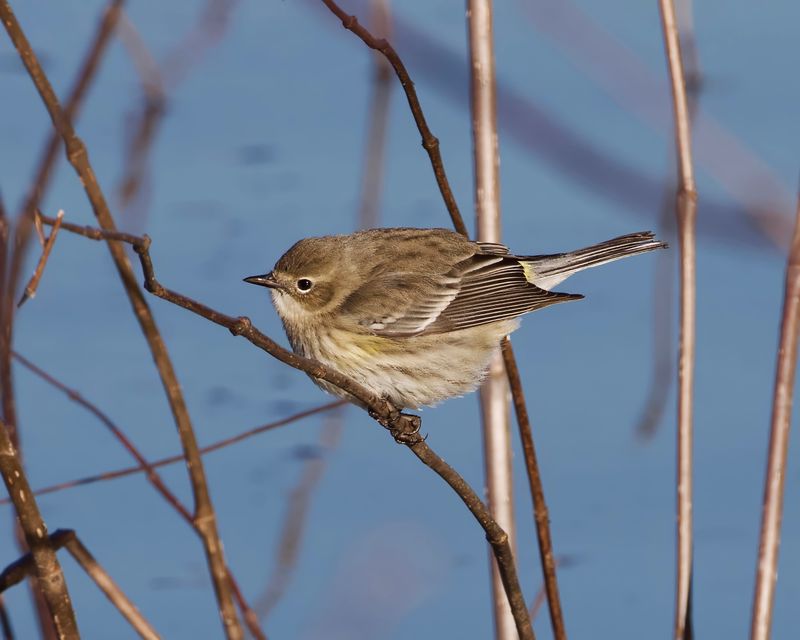
Serious birders in the Midwest talk about this place with a certain gleam in their eye, and the numbers explain why. More than 250 species have been documented across the sanctuary and surrounding park land.
The variety comes down to habitat. Wetlands, open water, and mature woods all sit within a short walk of each other, so warblers, waterfowl, raptors, and songbirds all find something they need.
American White Pelicans stop through on their long haul between the Gulf Coast and northern Canada, and watching those enormous birds settle onto the lake is a strange thrill in landlocked Indiana.
Bird blinds along the route let visitors watch without spooking anything. Slip inside one, stay quiet, and the marsh gradually forgets anyone is there.
Herons hold their statue poses near the shoreline while ducks tip forward to feed. Geese cluster in the protected shallows.
Bring binoculars if possible, since much of the action happens across open water rather than right at the path’s edge. A pocket field guide helps too, though the interpretive signs cover a good number of the regulars.
Repeat visits pay off in a way single trips cannot. Bird populations shift week to week, so the loop walked in March looks nothing like the same loop in July.
A Boardwalk That Puts You Right Out Over The Water
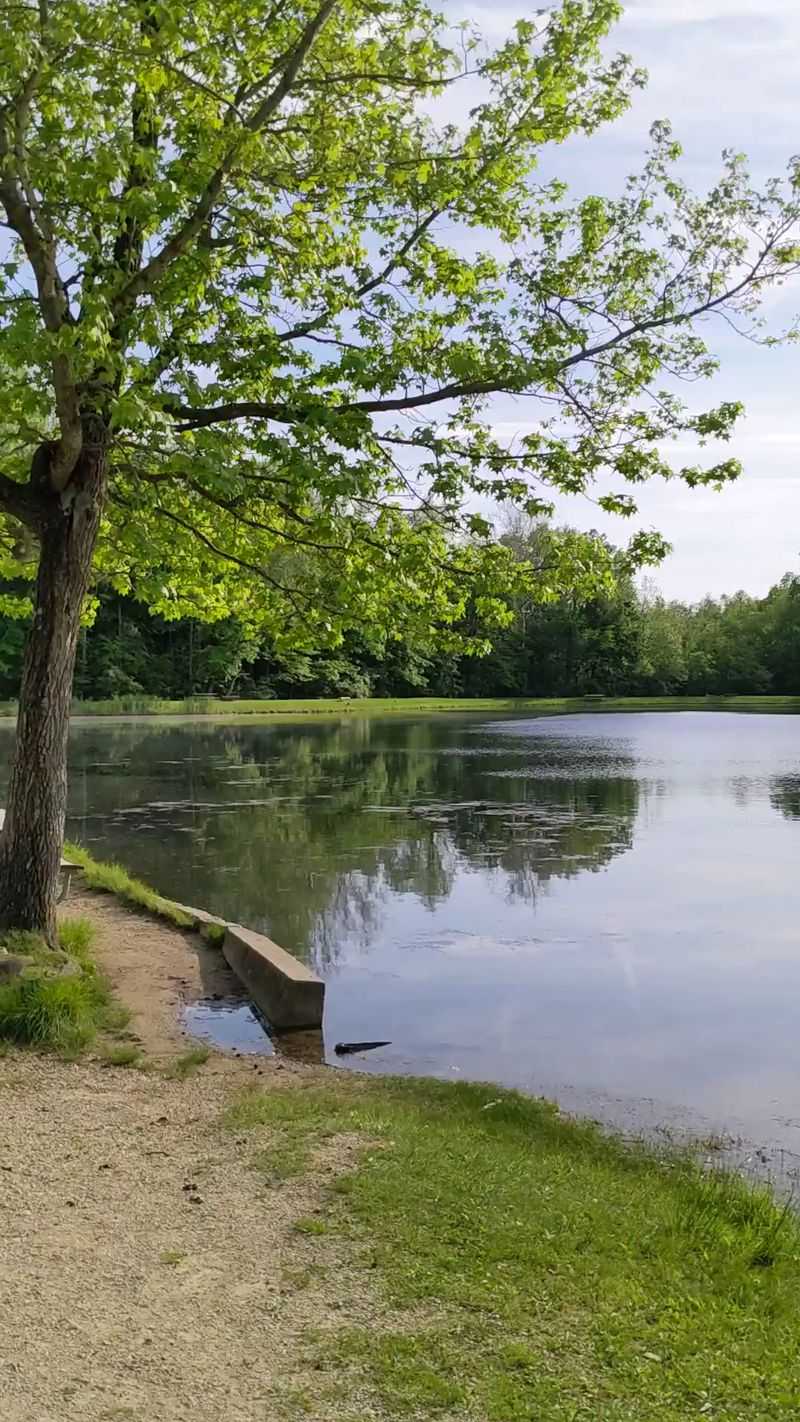
Halfway around the loop, the dirt path gives way to wooden planks, and suddenly there is water on both sides. The boardwalk section is the part most people remember.
Down below, the surface stays glassy on calm mornings, catching reflections of the tree line so cleanly it can be hard to tell where the shore stops. Turtles haul out on half-submerged logs.
Small fish flicker in the shallows near the pilings, and dragonflies patrol the reeds in warm months.
Sound changes out here. The woods muffle everything, but over open water the noise carries, so a distant wingbeat or a splash reaches the ear clearly.
The lake itself has an odd backstory. Once a gravel pit, it now sits separated from the much larger Eagle Creek Reservoir by a cofferdam, which is why the sanctuary water stays calmer and clearer than the boat-heavy reservoir nearby.
Boards can get slick after rain or on frosty mornings, so watch footing in cooler weather. Sturdy shoes make more sense than sandals.
Photographers tend to linger here longer than anywhere else on the trail. Golden hour turns the whole stretch warm and coppery, and the low angle over the water gives shots a depth that the wooded sections cannot match.
Bald Eagles Working The Sky Above The Lake
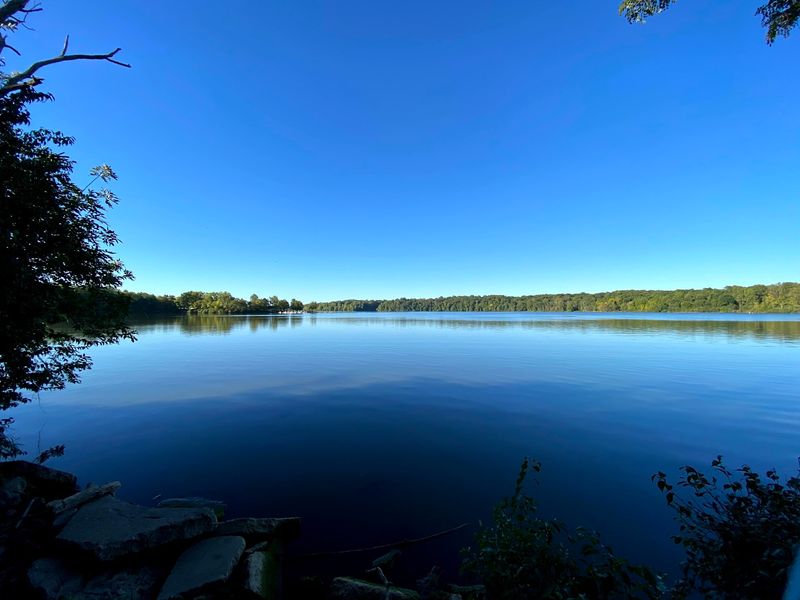
There is a specific sound that happens on this trail when someone spots an eagle. Conversations stop mid-sentence, arms point upward, and everyone within thirty feet starts scanning the treetops.
Bald eagles frequent this area, drawn by the fish supply and the protected water. Sightings are never guaranteed, which is exactly what makes them memorable when they happen.
Look for the contrast first. Against gray winter sky or summer blue, that white head and tail stand out long before the rest of the bird registers.
Eagles here often ride thermals in wide, patient circles, barely flapping. Occasionally one drops toward the water in a fast, angled dive that looks almost too fast to follow.
Their presence says something useful about the sanctuary’s health. Top predators only stick around where the food chain underneath them is working properly, so regular eagle activity signals a genuinely functioning ecosystem.
Early morning and late afternoon tend to be the most productive stretches for raptor watching. Winter can be surprisingly good too, since bare branches leave far fewer places for a perched eagle to hide.
Ospreys and hawks share the airspace and sometimes cause false alarms. Nobody seems to mind.
Flat, Easy Walking For Just About Everyone
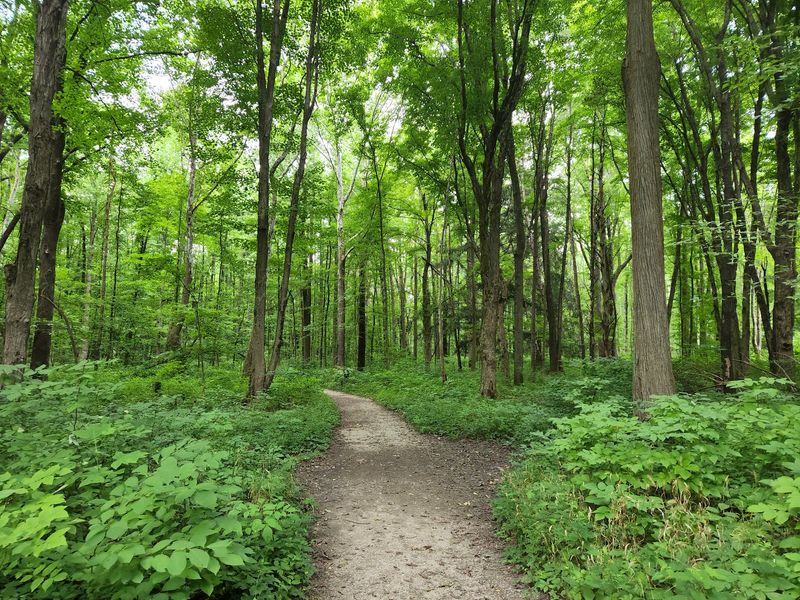
Not every nature trail welcomes strollers, wheelchairs, and tired little legs. Here, the terrain cooperates.
The roughly two-mile loop stays mostly level, with well-kept surfaces and no punishing climbs. Families pushing strollers manage it without drama, and visitors with mobility limitations can enjoy real wetland scenery instead of settling for a parking lot view.
Benches appear at useful intervals. Some face the water directly, which makes them ideal for parking yourself with binoculars and waiting to see what shows up.
Viewing platforms add a few more places to pause. Kids who lose interest in walking often perk right back up once they spot a turtle or a swimming duck from one of these spots.
Leashed dogs are welcome, so this doubles as a solid weekday walk for anyone with a restless retriever at home. Keeping the leash short matters near the wetland edges, where nesting birds do not appreciate surprises.
Plan on roughly an hour at a relaxed pace, longer with frequent stops. Nobody hurries on this trail anyway.
Restrooms and picnic areas near the trailhead take a lot of pressure off families planning a longer visit. Pack snacks and make an afternoon of it.
Four Seasons, Four Completely Different Walks
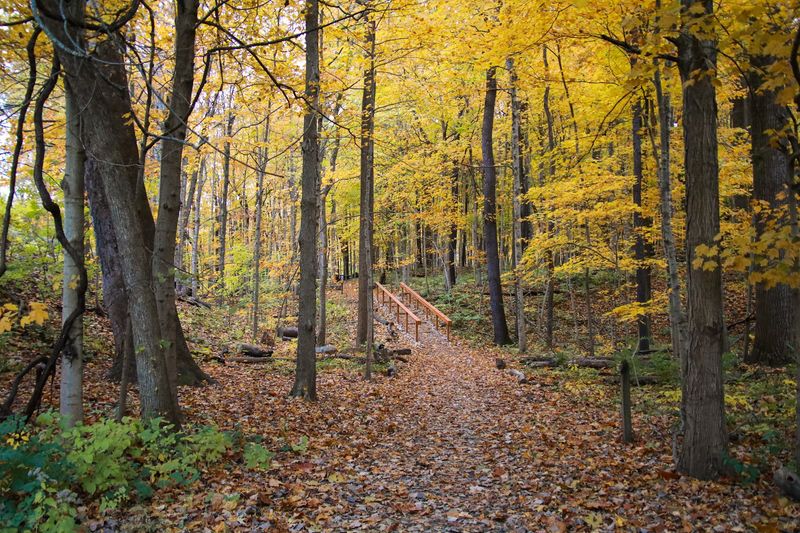
Come back in a different month and the trail barely feels like the same place. Spring hits first, loud and busy.
Late April through mid-May brings peak migration, when warblers, flycatchers, and vireos flood the canopy hunting insects. Birders often plan their whole spring around those few weeks, and wildflowers along the path add color at ground level.
Summer thickens everything. Foliage closes in overhead, resident wildlife settles into routines, and long daylight hours mean evening walks stay comfortable well past dinner.
Autumn is the showoff. Maples and oaks around the water turn red, orange, and gold, and the lake doubles the effect by reflecting all of it back.
Winter strips the scenery down to bones and branches, which sounds bleak but works in a birder’s favor. Sightlines open up dramatically, and the Ornithology Center’s indoor observatory offers warm viewing with optics provided.
Snow on the boardwalk railings makes for quiet, stark photographs. Fewer people show up in the cold, so the sanctuary feels almost private.
Anyone who visits only once picks a version of this trail without realizing it. Visiting across seasons is how the place really reveals itself.
City Escape Without The Long Drive
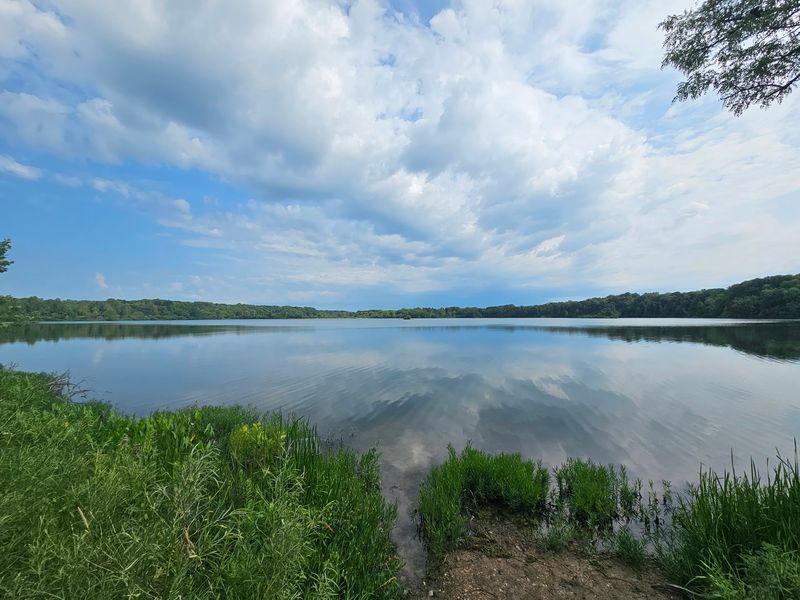
Getting here does not require a road trip. Downtown Indianapolis sits a short drive away, which makes the sanctuary an easy after-work reset or a spontaneous Saturday morning plan.
Eagle Creek Park itself covers a huge area, and the waterfowl sanctuary occupies one of its calmer corners. Traffic sounds drop off surprisingly fast once the trail dips into the trees.
What replaces them is better. Leaves shifting overhead, water lapping against the shoreline, and a steady background layer of bird calls that changes depending on where you stand.
Locals treat this as a regular routine rather than a special occasion. Walking the same loop weekly builds a kind of familiarity with the place, noticing which heron favors which stretch of shallows.
Weekday visits run quieter than weekends, when the wider park fills up with kayakers, cyclists, and picnickers. The sanctuary trail generally stays less crowded than the marina side regardless.
Park hours run from early morning until evening, though closing times shift with the season, so checking ahead saves frustration.
The contrast is the whole appeal. Ten minutes of driving separates ordinary city errands from a quiet wetland where eagles hunt.
The Ornithology Center And Everything Else Nearby
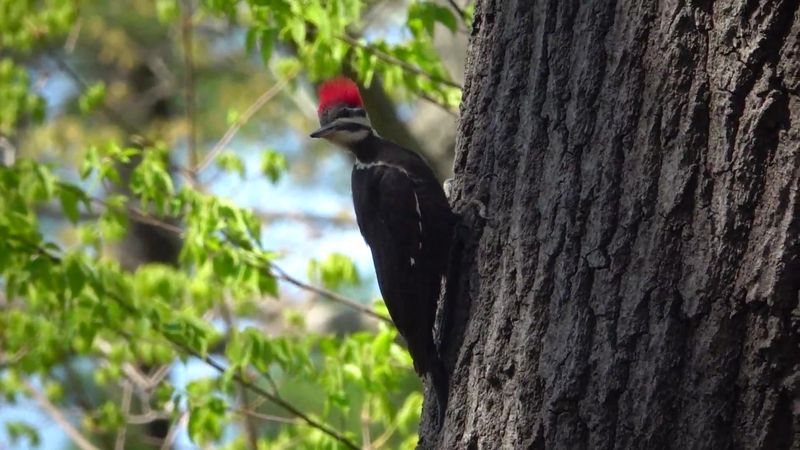
Overlooking the sanctuary water sits the Eagle Creek Park Ornithology Center, and skipping it would be a mistake. Inside there is a small museum with displays plus indoor and outdoor viewing areas.
Feeding stations outside the windows draw steady traffic from fall through early spring. Nuthatches, siskins, finches, sparrows, and woodpeckers all turn up, sometimes within a few feet of the glass.
A running tally of monthly sightings is posted where visitors can read it even when the building is closed. Handy for figuring out what to look for before starting the loop.
Guided tours run periodically, and kids’ programs cover conservation and hands-on nature activities. Interpretive signs along the trail fill in the gaps, explaining bird species and why wetlands matter so much for biodiversity.
Bank fishing is allowed with a valid Indiana State Fishing License. Bass, bluegill, and catfish live in the sanctuary water, and casting a line from shore makes for a genuinely peaceful afternoon.
Picnic areas and restrooms near the trailhead round things out. Between the walk, the center, and a packed lunch, a half day disappears quickly here.
Address: 7840 W 56th St, Indianapolis, IN 46254
