The noodle is having a very long morning. It starts as dough.
Then it gets stretched. Folded.
Twisted. Pulled again.
By dinner, it has somehow become a bowl of delicate noodles that took considerably more work than the average hungry person ever gives it credit for. This Indiana restaurant makes that transformation part of the meal, preparing the dough from scratch and pulling the lamian fresh as orders come in.
The noodles land steaming, chili oil waits nearby, and colorful fruit teas provide a cold, sweet escape when the spice starts catching up. The strange part is watching something so precise happen so quickly.
You came to eat noodles. You accidentally got a demonstration too.
Noodles Pulled Fresh for Every Single Bowl
Flour drifts in the air, and a single lump of dough becomes dozens of thin strands in what looks like a magic trick. At Lan Ramen & Aqua Tea, that trick is simply dinner.
The restaurant prepares its dough every morning, then pulls the noodles by hand when each order comes in.
This style is called lamian, and it comes from Lanzhou, a city in northwest China. Cooks stretch the dough, fold it, and stretch it again.
Each pull doubles the number of strands, so a few quick moves can turn one rope into a big bundle.
Why does all that effort matter? Stretching lines up the gluten inside the dough, which gives the noodles a springy, chewy bite.
Machine-made noodles usually feel softer and flatter by comparison. Fans of hand-pulled noodles often say the difference is easy to taste from the very first slurp.
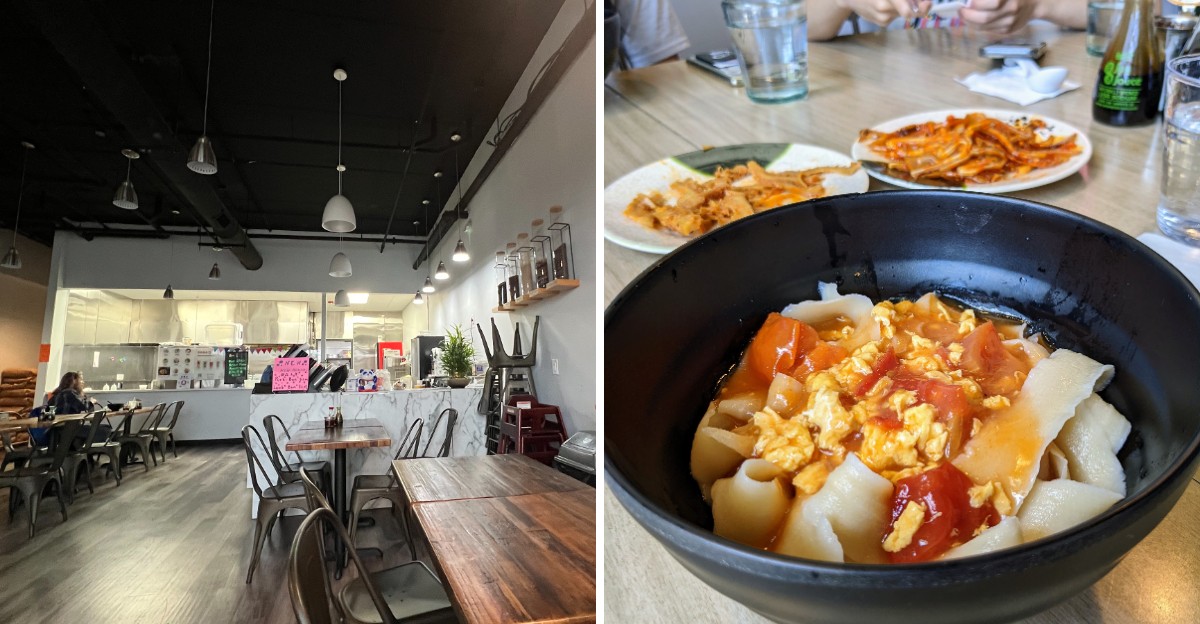
The restaurant sits at 217 W 6th St, Bloomington, IN 47404, tucked into a cozy pocket of downtown. It is close to the busy college scene but calm enough for a relaxed meal.
A helpful tip for first-timers is to slow down before eating. Look closely at the strands and notice how they are not perfectly identical.
Those tiny differences are the fingerprints of real handwork, and they are part of the fun.
Pick a Noodle, Any Noodle
Choices are fun. Most noodle shops hand over one kind of noodle and call it a day, but here the menu asks a question first, which thickness sounds best today?
There are five sizes to pick from. Very thin noodles are delicate and soak up broth like a sponge.
Thin noodles are the classic Lanzhou pick, smooth and balanced, and they pair beautifully with beef soup.
Medium noodles are rounder and chewier, a solid choice for anyone who likes a good bite. Medium wide noodles are flat like a leek leaf, so chili oil and sauce cling to every surface.
Wide noodles are broad, hearty ribbons with a strong wheat flavor that makes stir-fried dishes extra satisfying.
Think of it like choosing a pasta shape. The same soup can feel totally different depending on the strand floating in it.
With five sizes and plenty of dishes, a regular could visit many times and never eat the exact same meal twice.
Not sure where to start? Thin noodles work well in soup, while medium or wide strands shine in saucy and stir-fried plates.
Portions also tend to be generous, so ordering extra noodles right away is usually unnecessary.
Trying a new size on each visit turns lunch into a small adventure. Keep a mental list.
Picking a favorite is half the fun, and changing that favorite later is perfectly allowed.
Broth That Tastes Like It Took All Day
A good bowl of soup can fix a gray Indiana afternoon. The beef broth here is clear, light, and deeply savory, the kind of flavor that only comes from slow simmering instead of shortcuts.
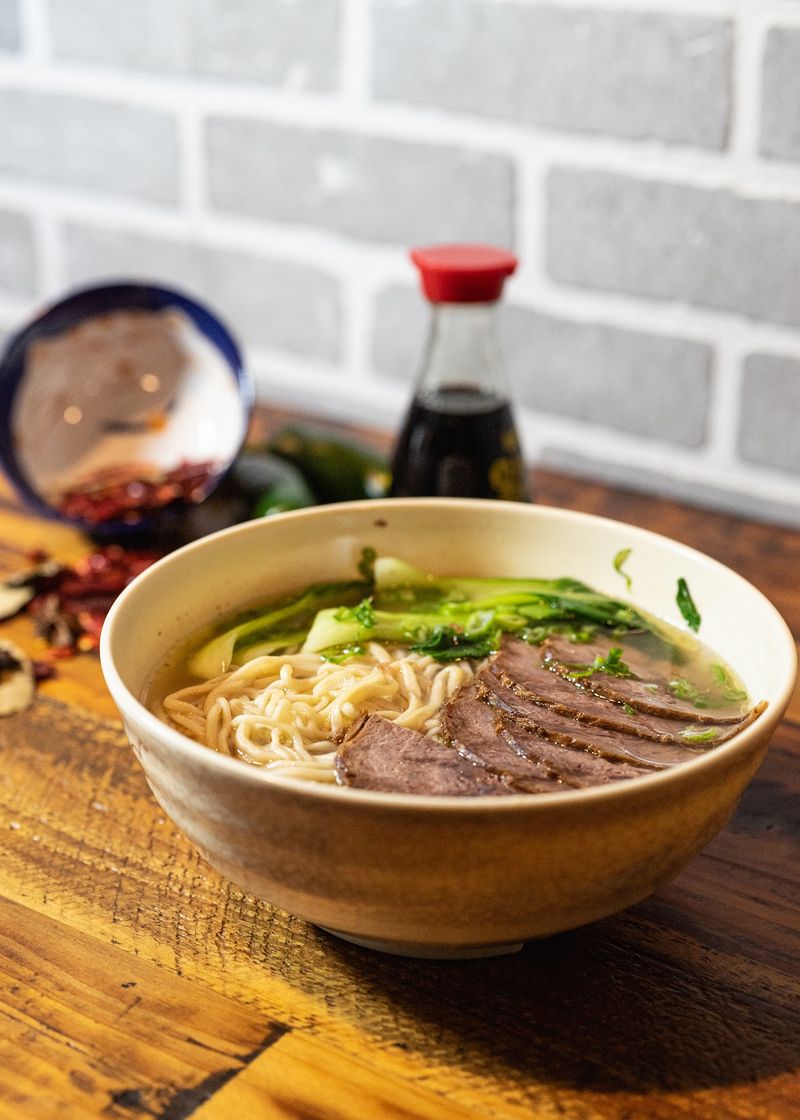
Traditional Lanzhou beef noodle soup follows a famous look. The broth stays clear, radish slices sit white, cilantro and green onion add bright green, chili oil brings red, and the noodles glow yellow.
People in Lanzhou describe it with five colors, and seeing it in person makes the idea easy to understand.
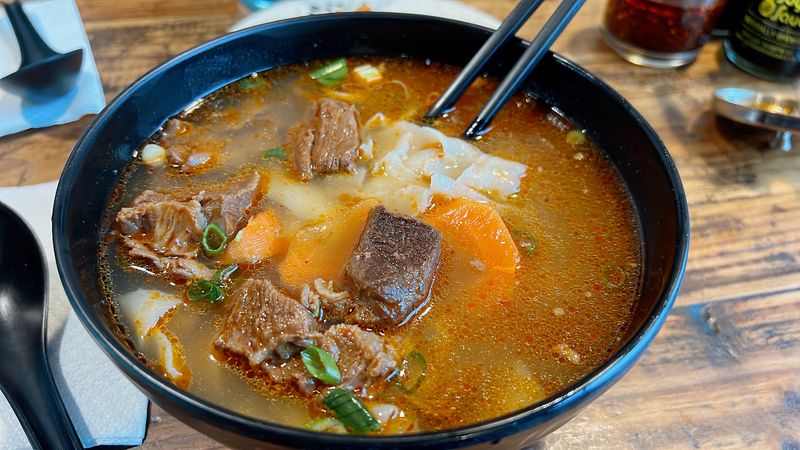
The Braised Beef Noodle Soup is another favorite. Tender cubes of slow-cooked beef rest in a richer, reddish broth.
That red color might look fiery, yet the soup is meant to be mild, so nobody needs to panic.
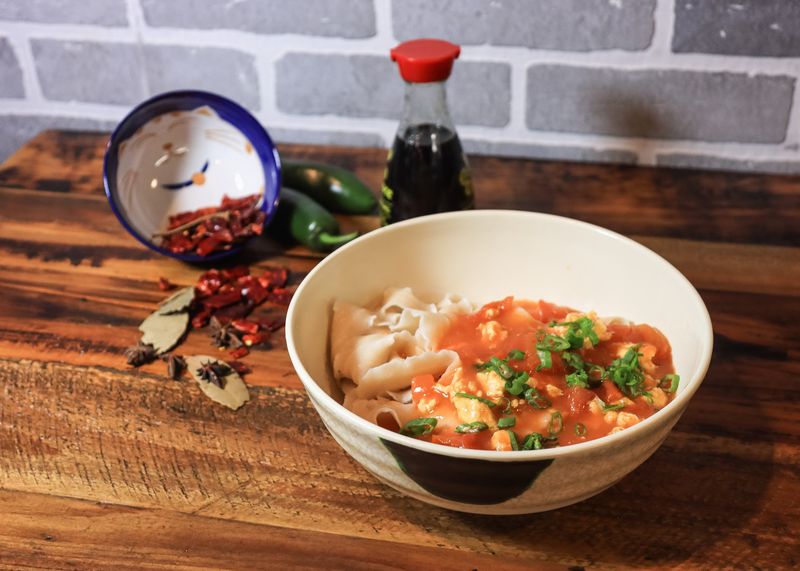
Other bowls include chicken soup and a tomato and egg noodle soup with a delicate, comforting flavor. Even picky eaters tend to find something that works.
The restaurant also uses halal beef, which is helpful for guests with those dietary needs.
Here is a small trick for the table. Taste the broth plain first, before adding anything.
Then try a splash of the vinegar sauce, which many diners say makes the flavors feel bigger and brighter. Small sips, small changes, big payoff.
Soup this cozy deserves a slow pace, so set the phone aside and enjoy the steam.
Spice Is a Do-It-Yourself Job Here
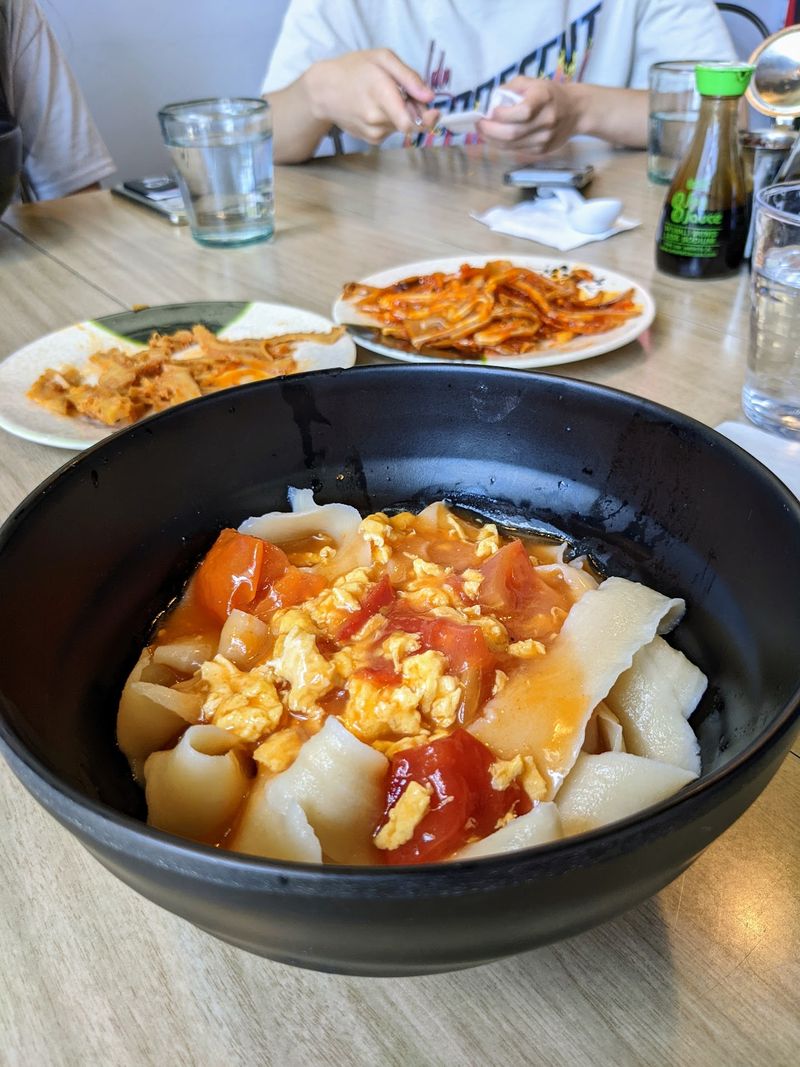
Plenty of restaurants ask guests to pick a heat level from one to five, which can feel like a guessing game. Lan Ramen skips that step entirely.
Every table has its own chili oil, plus soy sauce and a vinegar sauce, so diners control the flavor themselves.
It works a lot like salting eggs at breakfast. The kitchen sends out a balanced bowl, and each person adjusts it to taste.
Someone who loves fire can go bold, while a cautious eater can add only a drop or two.
That chili oil has a real kick. A smart plan is to stir in a little at a time, taste, and repeat.
Dumping in a big spoonful on the first try can turn lunch into a sweaty surprise.
The oil also does more than add heat. It brings a toasty, aromatic flavor that pairs especially well with flat medium wide noodles, since the oil grabs onto their surface.
Mixing it into stir-fried dishes is another tasty move worth trying.
The vinegar deserves attention too. A small splash cuts through rich beef broth and makes the whole bowl taste lively and fresh.
Some regulars reach for it before anything else on the table.
This setup is great for groups with different spice tolerances. Everyone orders freely, then customizes in their own bowl.
No arguing over the menu needed, and nobody gets stuck with a meal that is too hot or too boring.
Sizzle, Stir, and Slurp Without the Soup
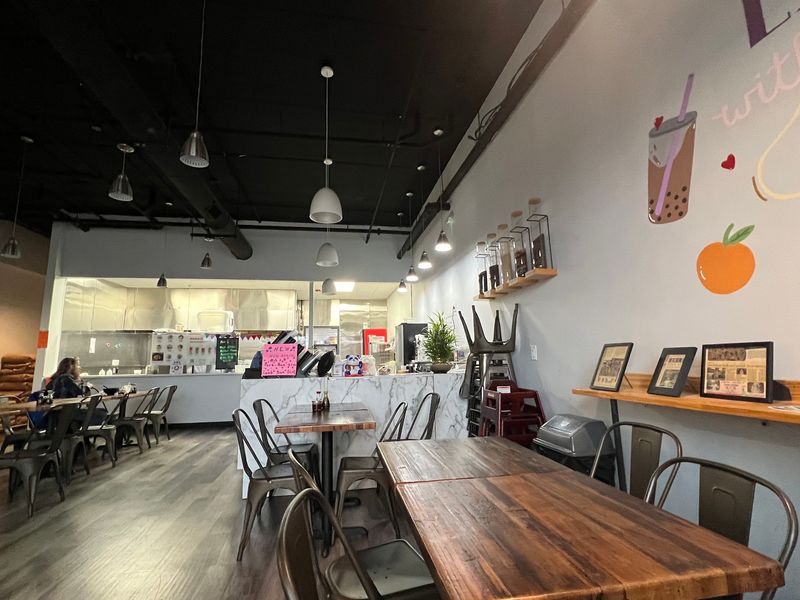
Listen closely when the Oil Seared Noodles arrive, because the sound is part of the show. Wide hand-pulled noodles get topped with vegetables, chili flakes, and seasonings, then hot oil is poured right over them.
The sizzle releases a toasty, garlicky smell that turns heads at nearby tables.
The result is fragrant with a gentle heat. Those broad noodles hold onto the oil and spices, so every bite carries flavor.
It is a great dish for anyone who wants to really taste the texture of a fresh noodle.
Stir-Fried Noodles are another solid pick. Medium noodles are tossed in a hot wok with vegetables and a savory house sauce.
Diners can choose lamb, beef, chicken, or just vegetables.
Cumin lamb and cumin beef noodles bring a warm, earthy spice that is common in northwest Chinese cooking. Sweet onions and bell peppers balance the bold seasoning nicely.
Fun fact, cumin is a big deal in Lanzhou food because the region sits along old trade routes once traveled by merchants on the Silk Road.
There is also a soy bean sauce noodle dish with pork and sliced cucumber. It feels lighter and works well on a hot summer day.
Fresh and crunchy is the vibe.
Soup fans should still give these a try at least once. Without broth, the chewy noodles take center stage, and that spotlight suits them well.
Save Room for Little Plates With Big Flavor
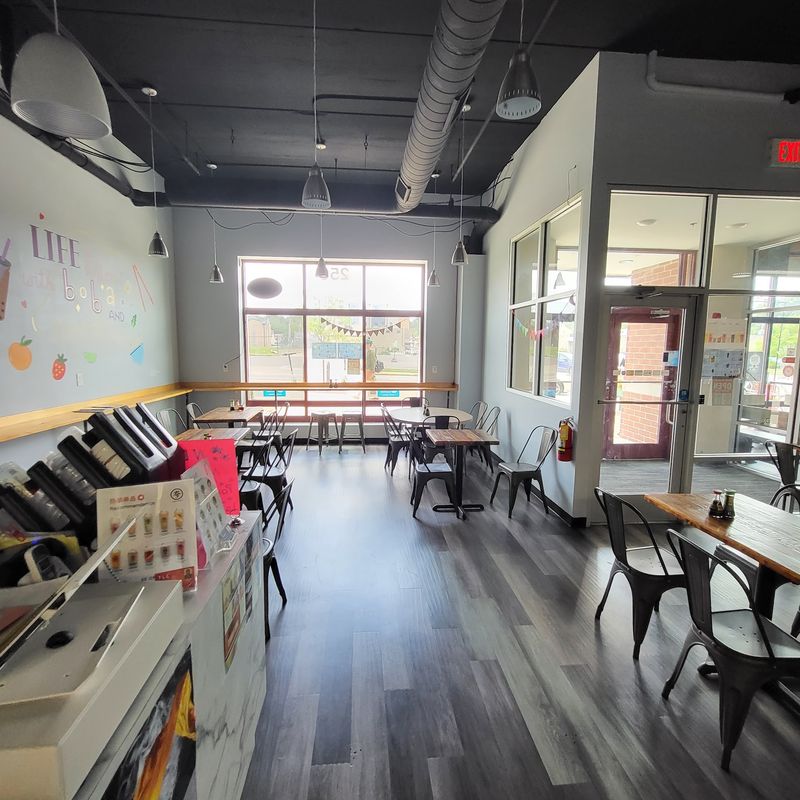
Noodles get the headlines, but the appetizer list quietly steals a lot of hearts. Ordering a couple of small plates to share is one of the best ways to explore the menu.
The Beef Chinese Hamburger is a classic Northern Chinese street food. It is not a patty at all.
Instead, chopped braised beef with green peppers gets stuffed into a fresh flatbread, a bit like a Sloppy Joe with a crispy top and a soft inside.
Scallion Pancake comes out golden and flaky, griddled until the edges crunch. Crispy Salt and Pepper Mushrooms are another popular choice, salty and addictive in the best way.
Beef dumplings round things out for anyone craving something warm and pinched by hand.
Cold dishes offer a fresh contrast to hot soup. Cucumber Salad mixes crisp cucumber and black fungus with garlic and a little chili.
Chilled Beef is sliced thin and tossed in chili oil and spices.
For a tingly adventure, try Peppercorn Chicken. Sichuan peppercorns create a funny buzzing feeling on the tongue that surprises first-timers.
Vegan guests can enjoy Celery and Yuba, a light dish made with tofu skin.
A smart ordering plan is one hot appetizer and one cold one for the table. That mix keeps the meal interesting and gives everyone something to pass around while noodles are being pulled in the kitchen.
The Aqua Tea Half of the Name
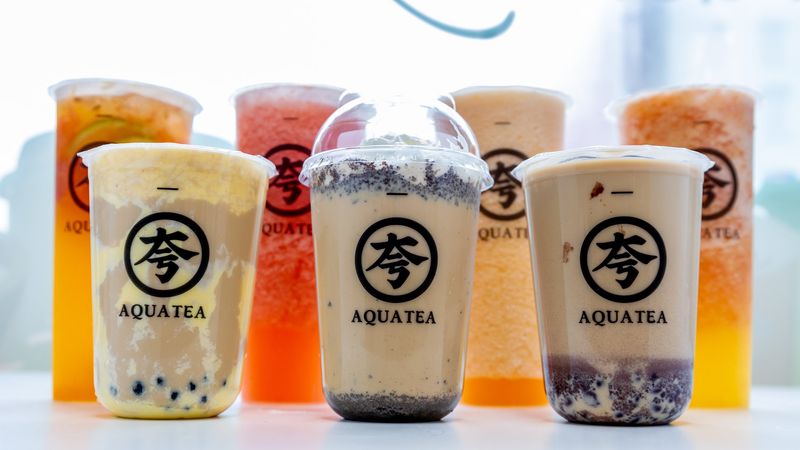
Half of the sign says Aqua Tea, and that part is no afterthought. The drink menu is big, bright, and made for cooling down after a spicy bowl.
Fruit teas lead the way. Super Fruit Green Tea and Super Fruit Four Season Oolong Tea mix fresh fruit with fragrant tea for a sip that is sweet and refreshing.
Both are lovely partners for salty broth and chili oil.
Smoothies are popular too. The Fresh Watermelon Smoothie and Fresh Black Grape Smoothie can come topped with a creamy cheese foam, which sounds odd but tastes like a sweet, slightly salty cloud.
Curious? Try it once and decide.
Milk tea fans have options like Jasmine Green Milk Tea and Black Milk Tea. Add chewy tapioca pearls for classic boba, or go playful with Oreo pieces.
Many guests praise the boba for tasting fresh instead of powdery.
Timing is part of the plan. The restaurant opens at 11:30 AM and closes at 9:30 PM most days, but it is closed on Wednesdays, so plan around that.
A colorful drink and a steaming noodle bowl make a perfect pair. One cools, one warms, and together they wrap up a visit to downtown Bloomington on a happy, satisfied note.
