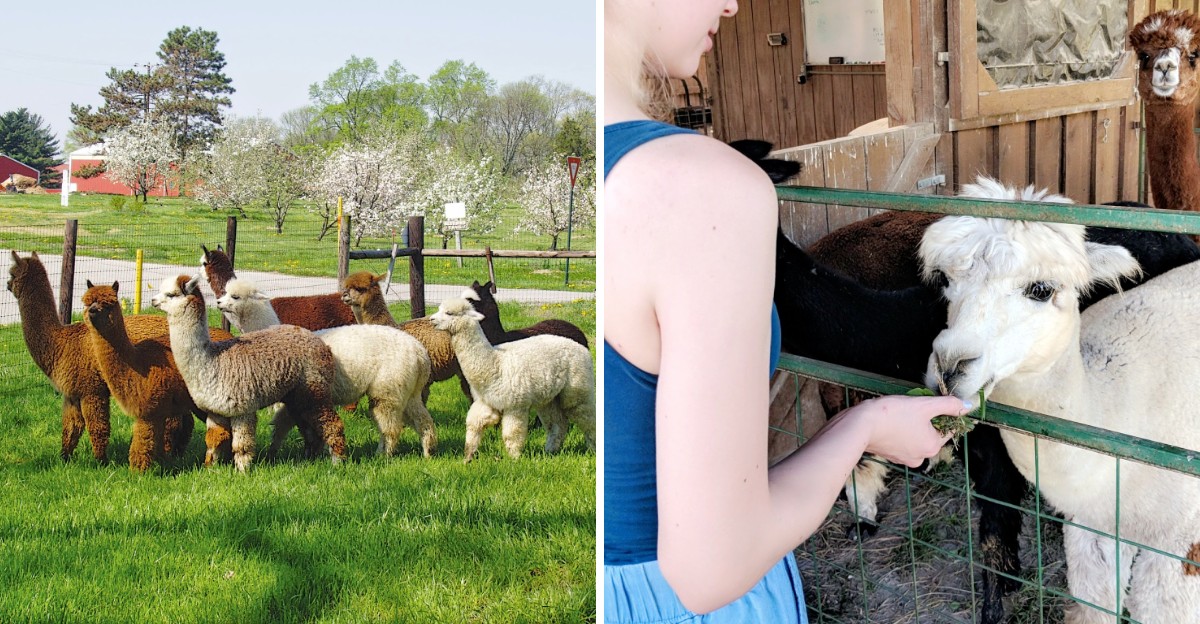
A scenic hike is nice. A scenic hike that starts with alpacas is better.
Especially when those alpacas can be hand-fed and look very pleased to have visitors. This Indiana sanctuary combines an animal encounter with 343 acres of countryside waiting to be explored.
Beyond the pasture are forest trails, certified organic fields, orchards, and beehives, making the grounds feel more like a small working ecosystem than a single attraction. The center has been developing since 1996 as a ministry of the Sisters of Providence of Saint Mary-of-the-Woods.
Visitors can spend time with the herd, then swap the pasture for shaded paths and quieter corners of the property. It is a good outing for anyone who wants nature without committing to a strenuous hike.
Just allow time for the alpacas to make a convincing case for one more minute.
Trails That Wind Through Quiet Classified Forest
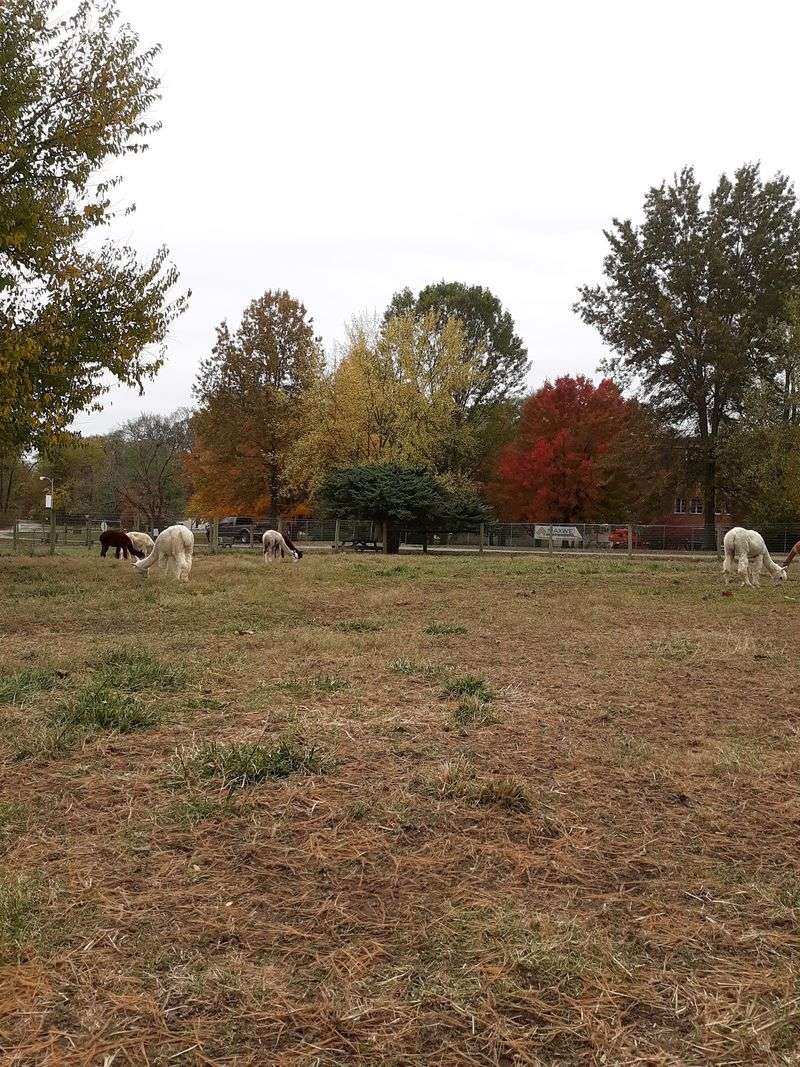
Footsteps sound different on a dirt path under tall trees. The noise of the highway fades, and suddenly the loudest thing around is a woodpecker tapping somewhere overhead.
That is the mood on the forest trails at White Violet.
The center’s land includes classified forests, which means the woods are managed to stay healthy for the long haul. North of the Stables, the Astral Trail and the Saint Joseph’s Lake Trail offer dirt routes made just for people on foot.
No bikes, no horses, just hikers and whatever critters happen to wander by.
Wildlife sightings are part of the fun. Deer, songbirds, and busy squirrels often share the paths.
Bring a pair of binoculars, and the walk becomes a little treasure hunt.
Shoes matter here. Dirt trails can turn muddy after rain, so sturdy sneakers or hiking boots are a smart call.
A water bottle helps too, especially on warm summer afternoons when the air under the trees gets thick and sleepy.
Grab a campus trail map before heading out, since the grounds are large and paths branch in several directions. The map makes it easy to plan a short loop or a longer wander.
Either way, the forest has a calm way of slowing down a busy brain.
Autumn deserves a special mention. When the leaves turn gold and red, these woods look like a painting someone forgot to frame.
Snack Time With a Fuzzy, Curious Crowd
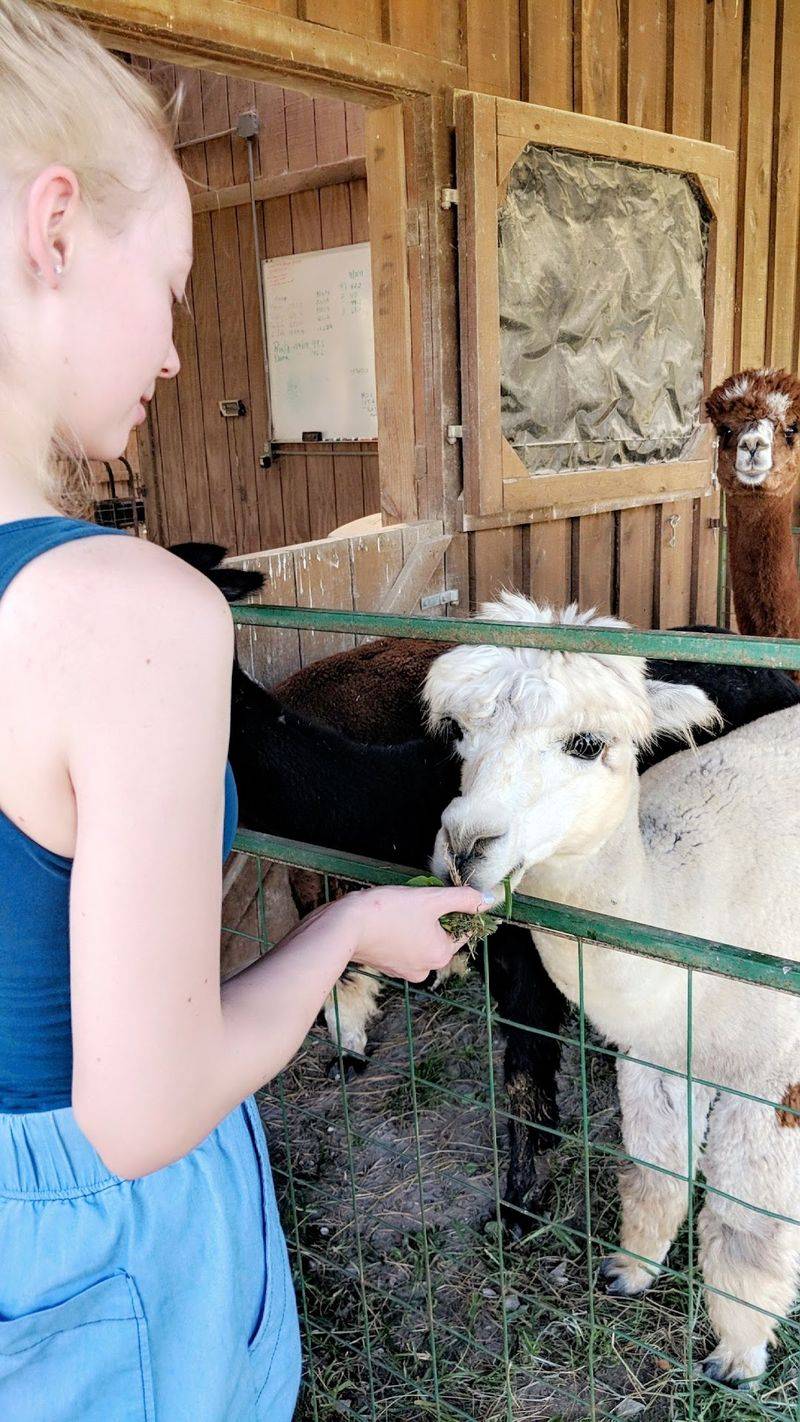
Long necks stretch over the fence the moment a feed cup appears. The alpacas at White Violet have figured out exactly what visitors are holding, and they are not shy about it.
Programs like Snackin’ with the Alpacas let guests offer food right from an open palm, which tickles more than most people expect.
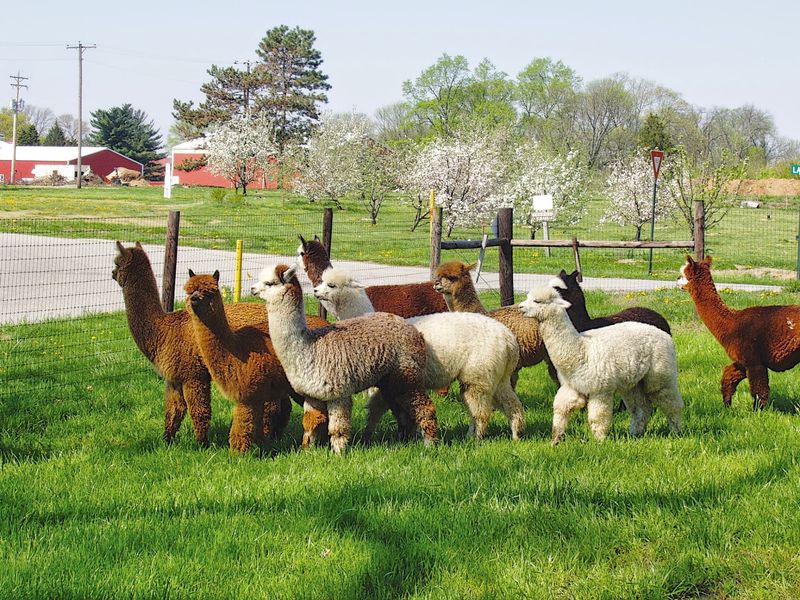
The herd usually numbers somewhere between 20 and 37 animals, so there are plenty of faces to meet. Each one has a different look, from creamy white to deep chocolate brown.
Some are bold. Others hang back and watch with big, dark eyes until they decide the coast is clear.
Here is a handy tip for first-timers. Alpacas are curious and enjoy being around people, but most of them would rather not be petted.
Keep a flat hand when feeding, move slowly, and let the animals come forward on their own terms.
Kids tend to love this part, but adults often end up giggling just as loudly. Something about a soft muzzle brushing across a palm makes everyone relax.
It is a simple moment, yet it sticks.
Fun fact for the ride home. The first alpacas arrived at the center back in 1998 as a gift, and the herd has grown ever since.
Check the center’s schedule ahead of time, since animal programs and tours are planned events rather than drop-in activities.
Learn Something New on the Nature Education Trail
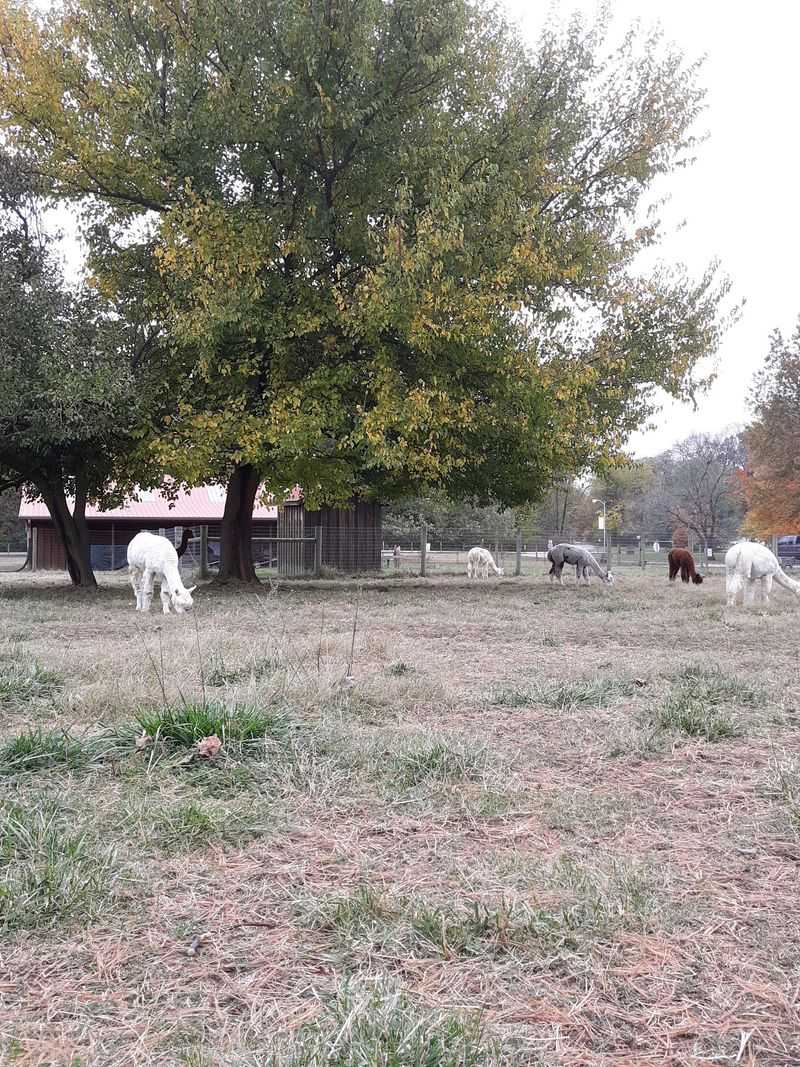
Ever wondered what makes one patch of ground a wetland and another a meadow? The Nature Education Trail in Indiana answers questions like that without feeling like a classroom.
It guides visitors past different habitats and some especially notable trees along the way.
Each stop shows how plants, animals, soil, and water all work together. That idea sits at the heart of the center’s mission.
Everything is connected, and caring for one piece helps the whole system thrive.
Families with curious kids will find plenty to chat about here. Try turning the walk into a game.
Who can spot the oldest-looking tree, or the strangest bug, or the most colors of wildflowers?
Teachers and group leaders often bring classes to White Violet for field trips, and this trail is a big reason why. Seeing a habitat in person beats reading about it in a textbook.
Mud on the shoes is basically extra credit.
For visitors who prefer a gentler stroll, this trail offers a nice balance. It is easy to take slowly, pause for photos, and actually read about what is growing nearby.
There is no rush, and nobody is grading anyone.
A quick tip worth remembering is to look up as well as down. Some of the most interesting details hide in the branches, like bird nests, odd bark patterns, or leaves shaped in ways that seem almost designed on purpose.
Roll, Run, or Ride the Perimeter Loop
Not every outdoor adventure needs a muddy trail. Sometimes a smooth path and wide open sky are exactly right.
White Violet delivers both with miles of paved roads and walkways across the grounds.
A two-mile perimeter trail mixes gravel and paved sections, making it a favorite for walkers and joggers who want steady footing. Cyclists enjoy the rolling views too.
Horseback riders are welcome on the roads as well, which adds a charming country touch to an ordinary morning workout.
Picture this. Fields stretch out on one side, pastures on the other, and somewhere an alpaca lifts its head to watch a runner pass by.
Not many gyms offer that kind of audience.
The loop works well for strollers and visitors who want an easier outing. It is also a great choice for early birds who like to catch sunrise light spilling across the farmland.
Evening walks bring softer colors and cooler air.
Bring sunscreen on bright days, since parts of the route have little shade. A hat helps, too.
Dogs and wildlife may share the area, so stay alert and keep an eye on the path ahead.
Runners training for a race might enjoy mixing the perimeter loop with the forest trails for variety. Flat stretches build speed, while the woods add a peaceful cooldown.
Honestly, the scenery makes the miles disappear a lot faster than a treadmill ever could.
A Farm Store Worth Emptying the Tote Bag For
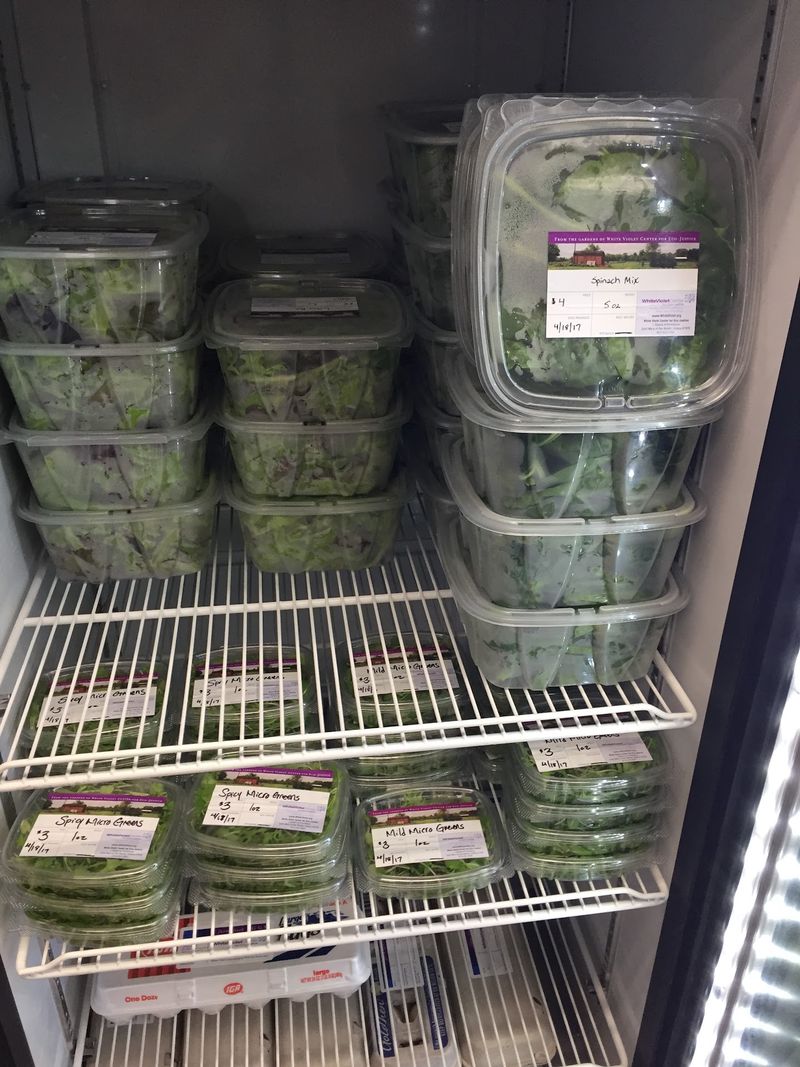
Jars of golden honey catch the light the second the door swings open. Nearby, baskets hold fresh organic vegetables that were growing in the ground not long ago.
The Farm Store at White Violet is small, but it packs in a surprising amount of goodness.
Shoppers will find free-range eggs, maple syrup, coffee, raw milk cheese, and even treats for the family pet. Much of the produce comes straight from the center’s 5-acre USDA-certified organic garden.
The rest comes from local farmers and businesses, so every purchase supports the community.
Then there are the alpaca goodies. Hats and socks made from the herd’s own soft fiber sit on the shelves, handcrafted by staff and volunteers.
Imagine pulling on warm socks in January and knowing which pasture they came from.
The store sits on the Sisters of Providence campus at 1 Providence Place, St. Mary of the Woods, IN 47876.
A reusable bag comes in handy here. So does a small cooler in the car if eggs or cheese end up in the cart.
Gifts for friends back home are easy to find, especially those cozy alpaca items that feel far more personal than anything from a mall.
Fleece to Yarn, Garden to Kitchen
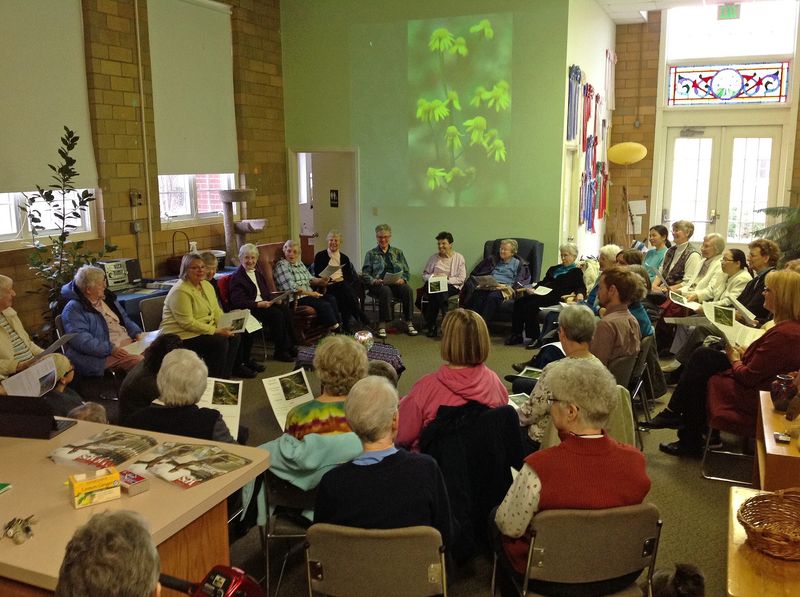
Turning a fluffy alpaca coat into a pair of socks takes real skill. At White Violet, visitors can learn how it happens from start to finish.
Workshops cover fiber arts like spinning, weaving, and felting, and they are a hit with crafty folks.
The herd’s fiber is processed into yarn by staff and volunteers. Watching a cloud of fleece twist into strong thread is oddly satisfying.
It feels a little like magic, just with more lint.
Fiber is only one corner of the learning menu. Other classes explore gardening, cooking, and even alpaca husbandry, which is a fancy way of saying how to care for these animals properly.
Anyone dreaming of a backyard garden can pick up practical tips here.
Movie nights and guided tours round out the calendar. Groups, scout troops, and school classes often visit for field trips designed for both children and adults.
The goal is simple, helping people understand how to live gently with the earth.
For those wanting deeper roots, internships and volunteer roles offer hands-on time in sustainable farming. That means real work, real dirt, and real lessons that stick around longer than a lecture.
It is a great fit for students exploring careers in agriculture or the environment.
Check the center’s website at whiteviolet.org for upcoming dates. Popular classes can fill up quickly, so signing up early saves disappointment later.
Why Do Alpacas Make Such Good Neighbors for the Land?
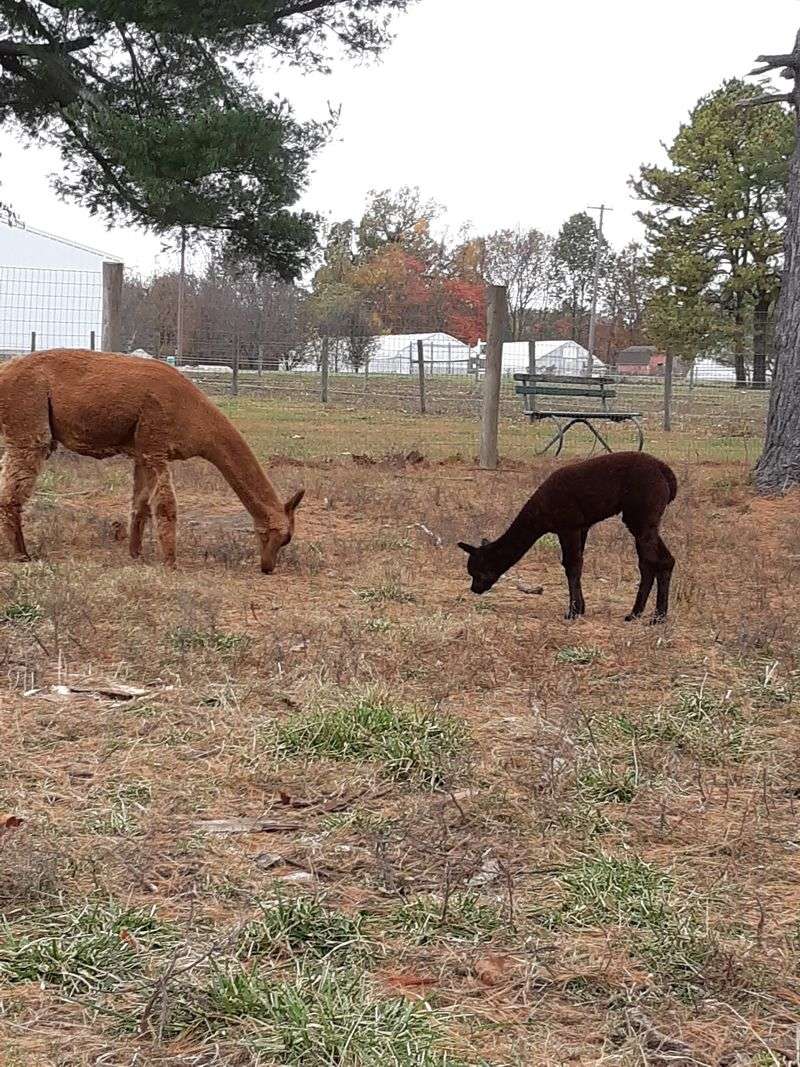
Alpacas might look like walking cotton balls, but they are secret heroes of the pasture. Their feet have soft pads instead of hard hooves.
That means they do not pack down the soil the way heavier livestock can.
Grazing is gentle, too. Alpacas nibble the tops of grass instead of yanking plants out by the roots.
The pasture gets to grow back, and the soil stays healthy and loose.
That fits perfectly with the bigger picture at White Violet. The center was founded in 1996 by Sister Ann Sullivan and focuses on organic farming, spiritual ecology, and caring for all of creation.
Protecting, restoring, and using land respectfully is the whole point.
Look around the farm and the idea shows up everywhere. Bee hives hum near the orchards.
Chickens scratch for bugs, a berry patch ripens in summer, and horses graze not far from the trails.
Here is a bonus fact. The center’s alpacas have earned awards at shows organized by groups like the Alpaca Owners and Breeders Association.
Talk about beauty with a purpose.
For a full day of fun, plan a visit around the annual Earth Day Festival. It features nature shows, craft activities, and live demonstrations of spinning, weaving, and felting.
Families leave with full hands, happy hearts, and maybe a few new ideas for treating their own corner of the planet a little more kindly.
