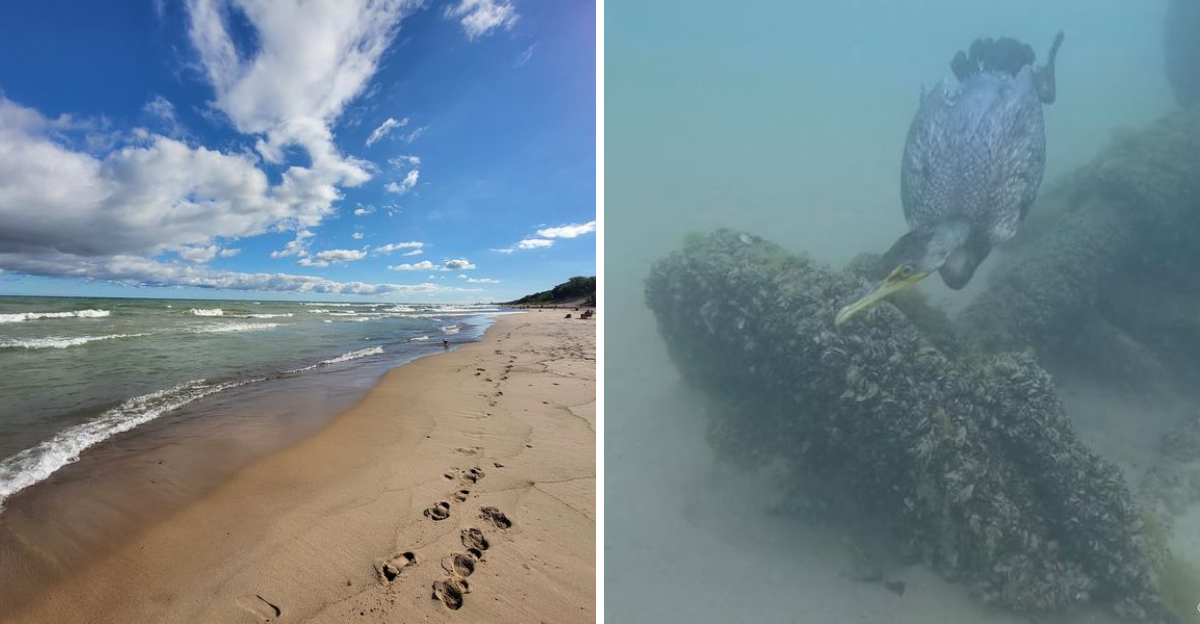
Someone once trusted this propeller to keep a ship moving. Now it sits in the sand.
The four-bladed relic came from the J.D. Marshall, a wooden steamship that crossed the Great Lakes before a storm claimed it in 1911.
More than a century later, the propeller has become the destination for a 1.5-mile Indiana trail that winds through woods, dunes, and open beach. The contrast is almost comical.
Lake Michigan rolls in behind it, birds pick through the shoreline, and an enormous piece of industrial machinery sits where a beach umbrella might normally go. The rest of the J.D.
Marshall is still underwater, resting upside down in about 25 to 30 feet of water. This is history in a form that does not need a plaque to get attention.
A Propeller With a 1911 Storm Story Behind It
Four heavy blades of dark metal, half-buried in beach sand, make for one of the strangest sights along Lake Michigan. The propeller came off the J.D.
Marshall, a wooden steamer built in 1891 for the Great Lakes lumber trade.
Around 1910 the ship switched careers and started hauling sand and gravel instead of timber. That change turned out to matter more than anyone expected.
On June 9, 1911, the vessel began taking on water. Two days later, on June 11, a storm shifted the heavy sand cargo and the ship went down, taking four of its ten crew members with it.
Standing near the salvaged propeller today, the scale of the thing hits fast. It looks industrial, almost prehistoric, and completely out of place next to swimsuits and beach umbrellas.
Kids tend to circle it. Adults tend to read the marker twice.
What makes the spot special is how tangible the history feels. Museums put artifacts behind glass, but here a piece of a shipwreck sits in open air with the same lake that sank it rolling in a few yards away.
Photographers love the contrast of rusted metal against pale sand. Early morning light works best, before the beach crowd arrives and before the sun bleaches out every shadow.
Touching it is allowed. Taking anything home is not.
An Easy 1.5-Mile Walk Almost Anyone Can Handle
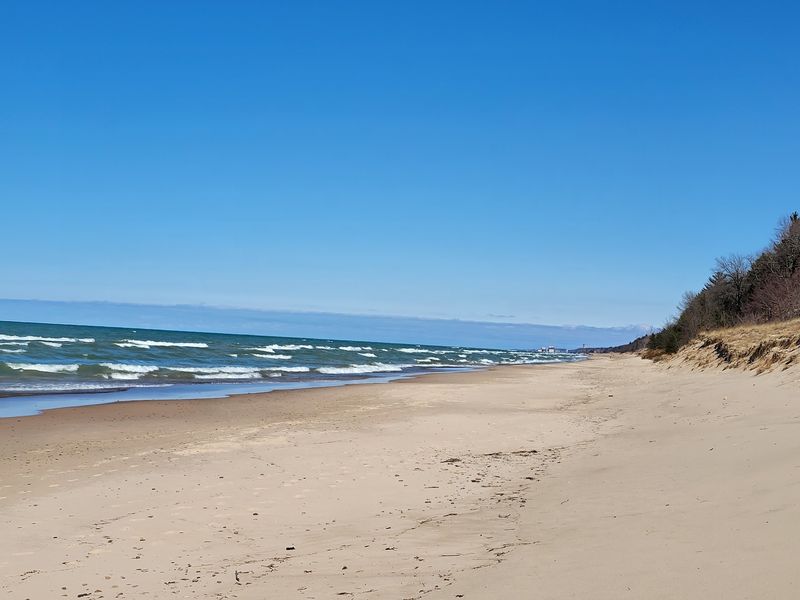
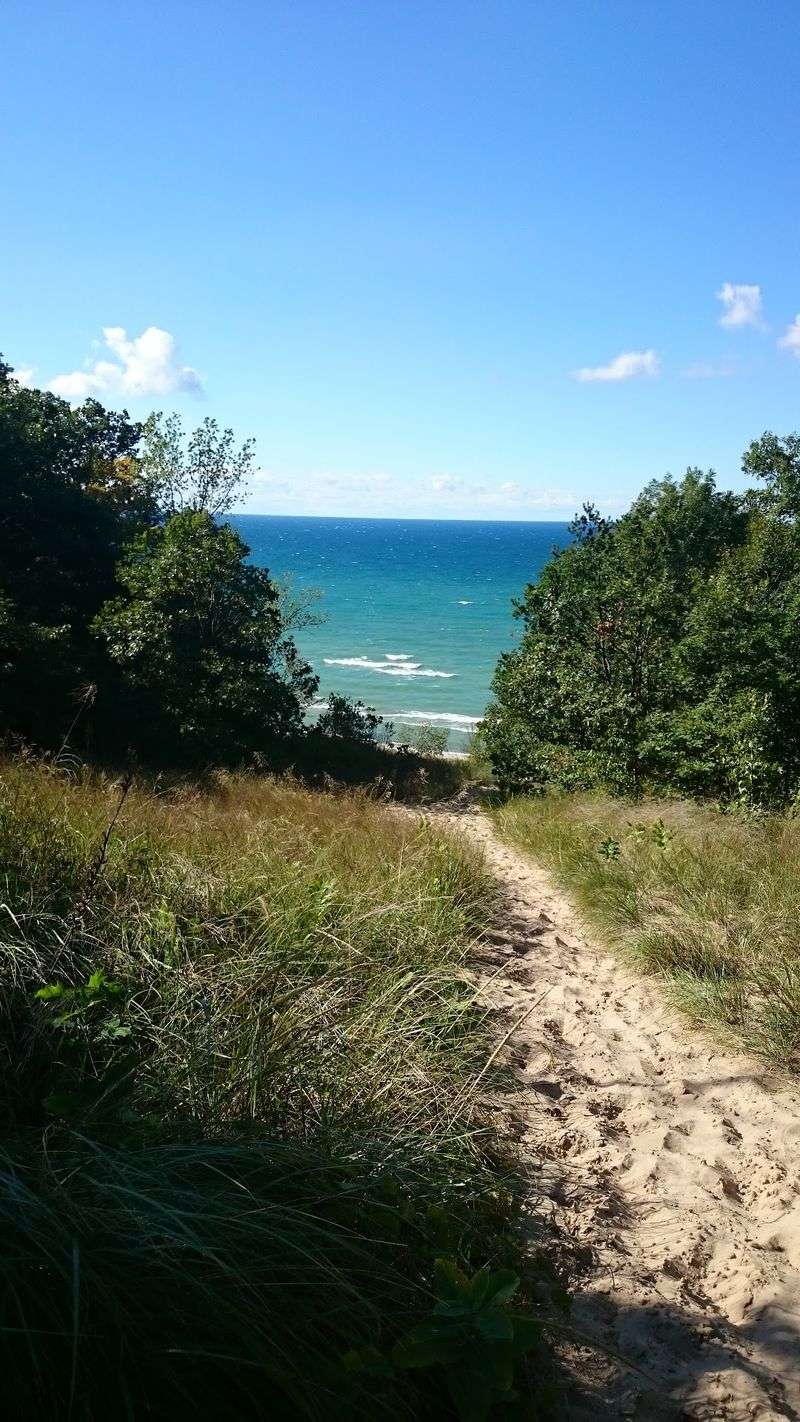
Not every trail worth walking requires calf muscles of steel. The route to the propeller runs about 1.5 miles and stays refreshingly flat, which makes it a favorite for families, older visitors, and anyone saving energy for a swim later.
Shady woods cover part of the way. Open beach covers the rest.
Sand does add a little resistance underfoot, so sneakers beat sandals if the goal is comfort. Wagons and strollers struggle in the softer stretches, something worth planning around when small children come along.
Plenty of hikers pair this walk with the park’s tougher dune climbs, using the flat trail as a warm-up or a cool-down. Compared to the famous 3 Dune Challenge nearby, the difference in effort feels enormous.
Breezes off the lake keep things cooler than the parking lot suggests, even in July. Bring water anyway.
Timing helps. Morning walks come with fewer people and better light, while late afternoon delivers that soft glow across the water that makes everyone stop to take photos.
Benches and open sand along the way offer easy resting spots, so the pace can stay relaxed rather than rushed. Some visitors finish the whole thing in under an hour, others stretch it into a half-day of poking through driftwood and watching gulls argue over scraps.
Either approach works beautifully here.
Indiana’s First Underwater Nature Preserve Sits Just Offshore
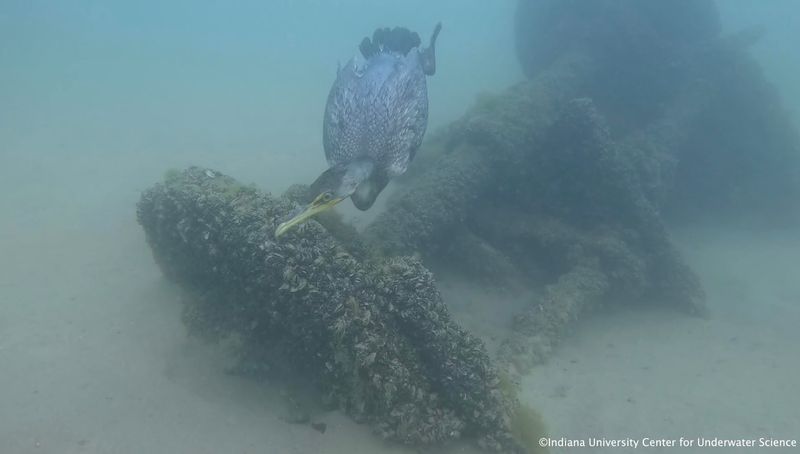
Somewhere out past the swim buoys, the main wreck of the J.D. Marshall rests upside down on the lake bottom.
Depending on which section, it lies anywhere from roughly 300 to 2,400 yards offshore from the beach pavilion, in about 25 to 30 feet of water.
Divers rediscovered the site in 1979. Decades later, in 2013, it became Indiana’s very first underwater nature preserve.
The protected area covers roughly 100 acres, and removing anything from the wreck is illegal. That rule keeps the site intact for future divers and history fans, which feels like a fair trade.
From the beach, nothing shows on the surface. Knowing it is down there changes how the water looks though, especially on calm mornings when Lake Michigan turns glassy and hides everything below.
Certified divers with proper gear and lake experience visit during warmer months when visibility improves. Conditions can shift quickly, so local dive operators and park staff are the right people to ask before planning anything.
Everyone else can enjoy the story from dry land. Gazing out toward the horizon while standing beside the salvaged propeller creates a connection that few beaches anywhere can match.
A shipwreck, a preserve, and a public swimming beach all sharing the same stretch of shoreline. Indiana quietly pulled that off.
Naturalist Programs That Bring the Wreck to Life
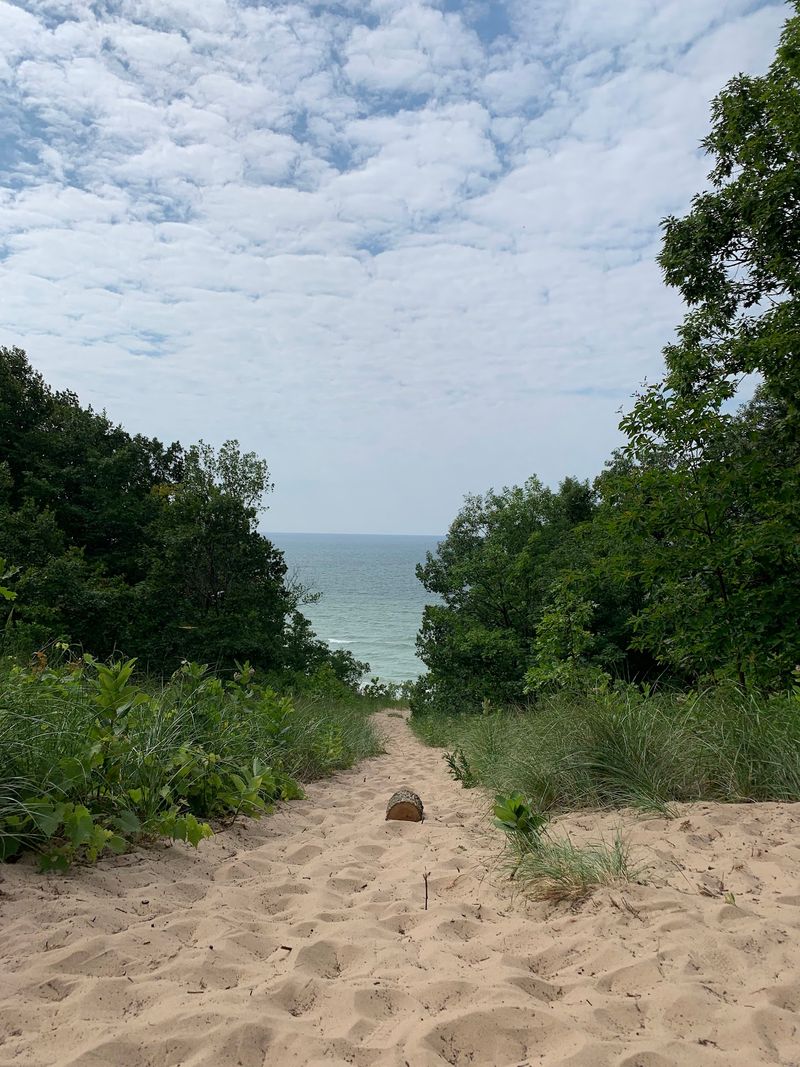
Reading a plaque is fine. Hearing the whole tale from someone who knows every detail is better.
Park naturalists at Indiana Dunes State Park regularly include the propeller and the J.D. Marshall story in guided interpretive programs.
Schedules shift with the seasons, so checking the park’s program listings before a visit pays off.
These walks cover more than the shipwreck. Guides point out how dunes form, which plants hold the sand together, and why this shoreline looked completely different a century ago.
Questions are welcome, and the answers often lead somewhere unexpected. Someone always asks about other wrecks in Lake Michigan, and the answer usually surprises the group.
Programs tend to move at a comfortable pace with plenty of stops, which suits mixed-age families well. Younger kids stay engaged because there is something physical to look at rather than just a story.
Staff at the park have a reputation for being friendly and genuinely enthusiastic about the place. That energy rubs off.
Free or low-cost programs run most often during summer weekends, though spring and fall walks come with thinner crowds and cooler air. Fall along this shoreline is seriously underrated.
Anyone hoping to actually understand what happened out on that water in 1911 should build a visit around one of these sessions. The propeller means far more afterward.
The Nature Center Holds More Pieces of the Ship
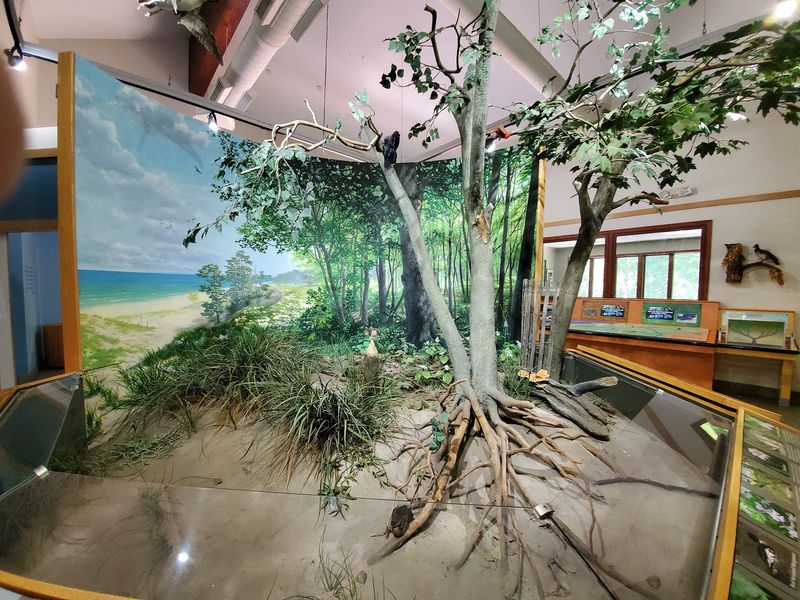
Before or after the beach walk, the Indiana Dunes State Park Nature Center is worth a stop. Displays there include information and additional artifacts recovered from the J.D.
Marshall, giving the propeller some helpful context.
Seeing smaller salvaged pieces makes the ship feel real rather than abstract. Photos and interpretive panels fill in the timeline of that final storm.
The center covers plenty beyond the wreck too. Exhibits explain dune ecology, local wildlife, and the birds that make this corner of Indiana a serious birding destination.
Air conditioning in August counts as a bonus. So do the restrooms.
Rainy days turn the Nature Center into the best move in the park, and staff there can suggest which trails hold up in wet weather. They also know exactly where the propeller sits and how to reach it without guesswork.
Families with young kids often linger longer than planned because the hands-on elements keep attention. Bird watchers hover near the observation windows.
Combining the indoor exhibits with the outdoor walk creates a fuller picture of what happened here. History, geology, and a shoreline that keeps rearranging itself all connect.
Plan for thirty to forty-five minutes inside. Longer if the weather outside turns dramatic, which over Lake Michigan happens more often than visitors expect.
Beach Days That Feel Weirdly Like the Ocean
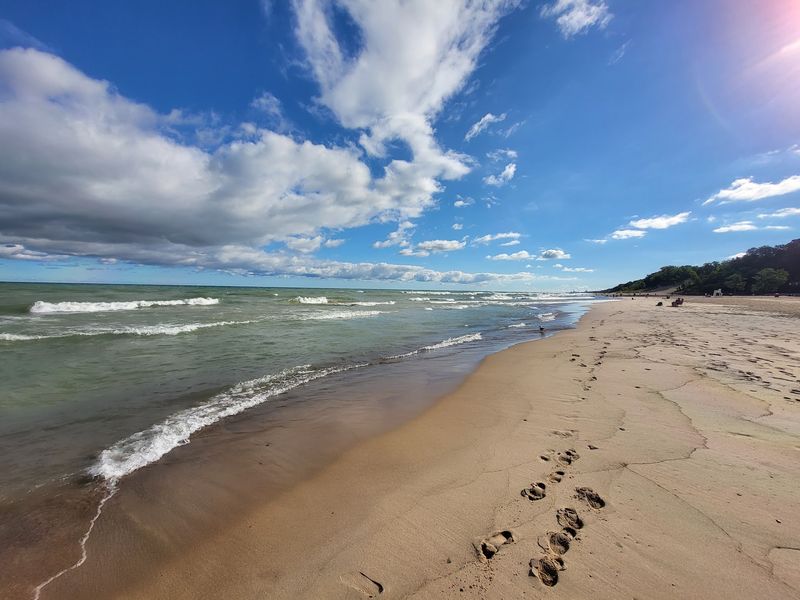
First-time visitors keep saying the same thing: it looks like the ocean. Waves roll in, the horizon runs empty, and a steady breeze carries that unmistakable big-water smell.
Then a glance west reveals the faint Chicago skyline, which is when the freshwater reality sets in.
The state park beach is wide, groomed, and lifeguard patrolled during the season. Rules exist for good reason here, including limits on flotation devices, no swimming past the buoys, and no digging deep holes in the sand.
Stones scatter across parts of the shore, so water shoes make wading more pleasant. Sand in the parking areas gets hot by midday, another argument for footwear.
Entrance and parking fees are modest, which makes a full day out here remarkably affordable. Weekends in July fill up early, so arriving before mid-morning secures both a parking spot and a decent patch of sand.
Picnic areas and rinse-off stations handle the practical side of a beach day. Packing lunch beats hunting for food.
What makes swimming here memorable is the layered backdrop. Towering dunes rise behind the towels, the propeller sits down the shore, and a century-old wreck rests somewhere beneath the same waves.
Few beaches anywhere combine relaxation and history quite this casually. Sunset over the water seals the deal.
Dunes, Woods, and Trails Worth Adding to the Day
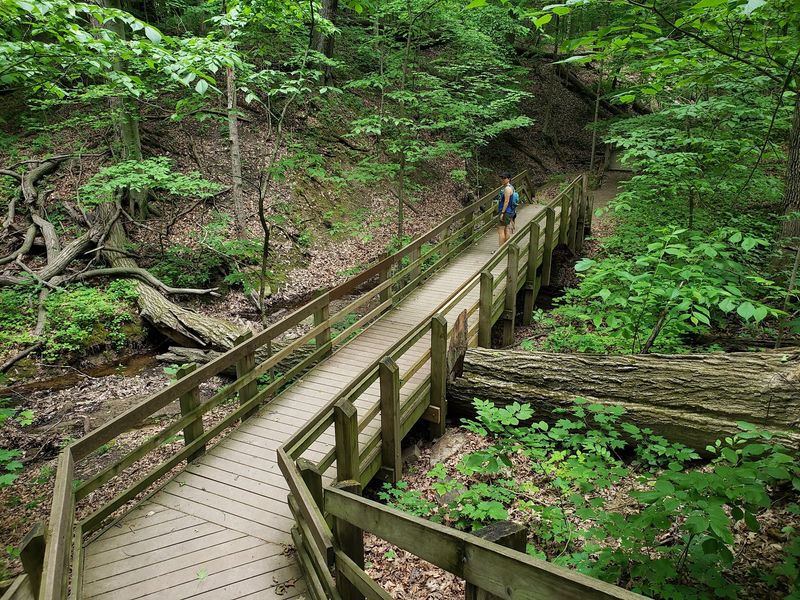
Once the propeller has been admired, the rest of the park starts calling. Indiana Dunes State Park packs several trail systems into a compact area, ranging from boardwalk strolls to sand climbs that genuinely test the legs.
The 3 Dune Challenge draws the most attention. Three summits, a lot of loose sand, and a sticker at the end for anyone who finishes.
Wooded interior trails offer a completely different mood, with oak forest, marsh edges, and birdsong replacing wind and waves. Spring migration turns these paths into a birder’s playground.
Mosquito spray helps in the shadier stretches. Learn from those who forgot.
Camping inside the state park comes with electric hookups, which explains why many visitors choose it over nearby options. Sites tucked among trees stay cooler on hot nights.
Gates open early and stay open late, so both sunrise and sunset are fair game. Golden light across the dune ridges is worth setting an alarm for.
Signage inside the state park is straightforward, though the neighboring national park land can confuse newcomers. Grabbing a map at the entrance clears things up fast.
Combining the shipwreck walk with a dune climb and a shaded loop makes for a full, satisfying day. Sore legs, sandy shoes, and a story nobody at home will believe.
Address: 1600 N 25 E, Chesterton, Indiana
