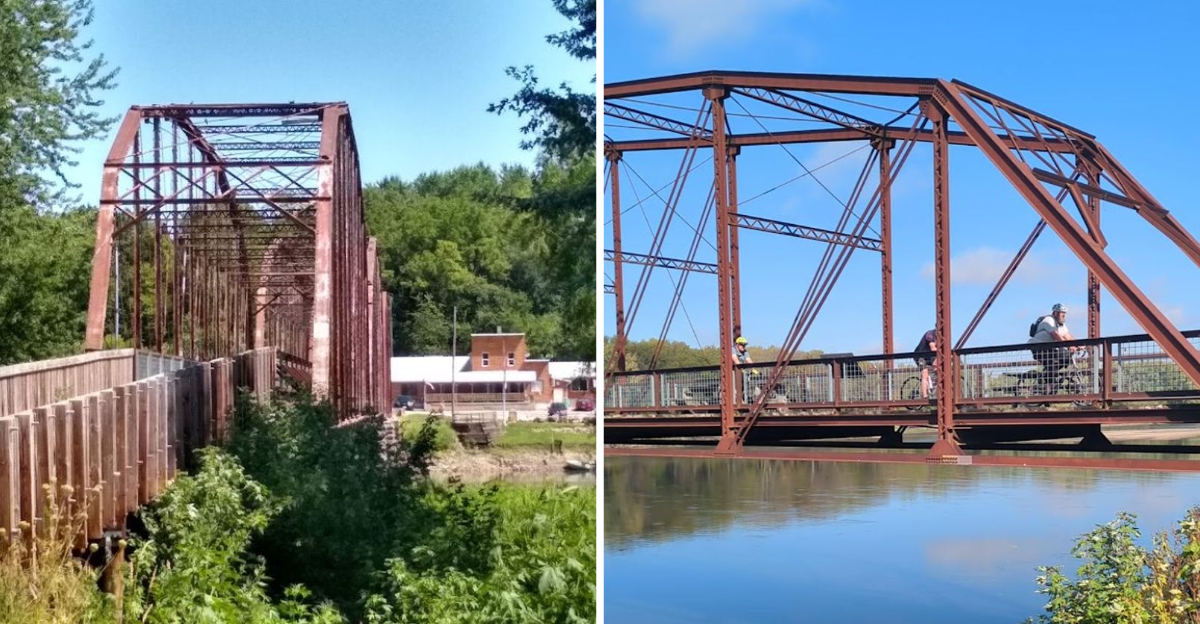
There is something quietly magnetic about a bridge that no longer carries cars.
This Iowa structure stretches 827 feet across the Cedar River, and the moment you step onto it, you feel like you have stumbled onto a secret that most of the state somehow missed.
It was built between 1897 and 1898, survived a catastrophic flood in 2008, and came back stronger because the people who loved it refused to let it disappear.
Now it serves walkers, cyclists, and anyone who needs a slow, beautiful moment away from the noise of everyday life. I visited on a crisp autumn morning and honestly did not expect to feel as moved as I did.
The ironwork creaks gently underfoot, the river moves at its own pace below, and the surrounding farmland stretches out in every direction like a painting that forgot to be dramatic.
This old bridge, going nowhere in particular, turned out to be exactly the kind of place worth going out of your way to find.
Pack a thermos of coffee, bring a camera, and give yourself permission to linger.
The Bridge That Refused to Crumble Down
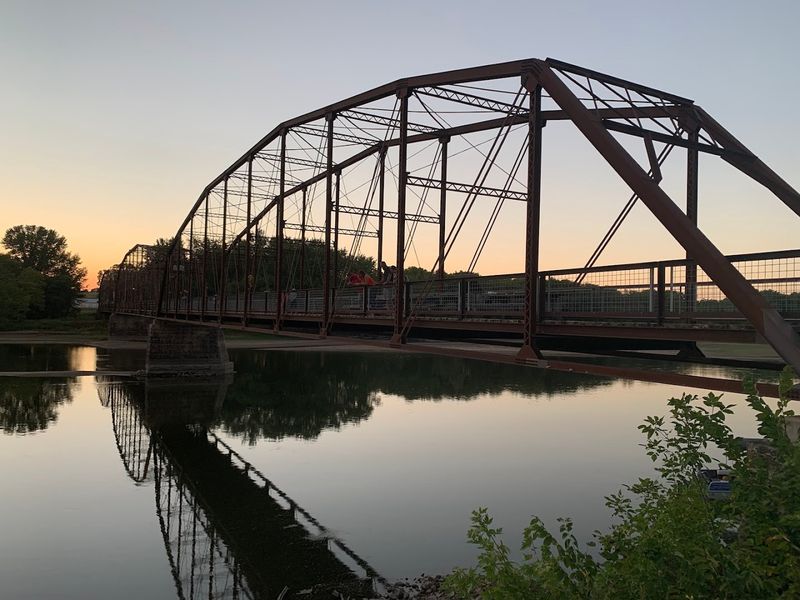
Some structures earn their place in history not just by being built, but by surviving everything that tries to tear them down. The Sutliff Bridge was constructed between 1897 and 1898 as a pin-connected Parker through truss bridge, and at 827 feet long, it was once the longest bridge in Johnson County.
That kind of scale meant something to the communities on both sides of the Cedar River.
When a modern replacement bridge opened in 1983, the old structure was marked for demolition. That could have been the end of the story.
But local residents had other plans, forming the Sutliff Bridge Authority and purchasing the bridge from Johnson County in 1984. Their determination transformed a condemned structure into a beloved landmark.
The bridge was added to the National Register of Historic Places on May 15, 1998, cementing its status as more than just a crossing. It retains impressive structural and historical integrity, which is rare for bridges of this age.
The iron latticework still holds its shape, and the views from the middle of the span are genuinely stunning. Few places in rural Iowa carry this kind of layered story, and fewer still have survived as gracefully.
What the 2008 Flood Took and What Came Back
June 2008 brought one of the most destructive floods in Iowa history, and the Sutliff Bridge felt it directly. The rising Cedar River washed away one of the bridge’s spans entirely, leaving a gap that felt like a wound in the landscape.
For a structure that had already beaten the odds once, it looked like this might finally be the end.
The community refused to accept that. Through a combination of FEMA funding, local government support, and persistent community advocacy, restoration efforts moved forward.
It was not a fast process. The bridge remained closed for years while engineers and officials worked through the logistics of bringing it back.
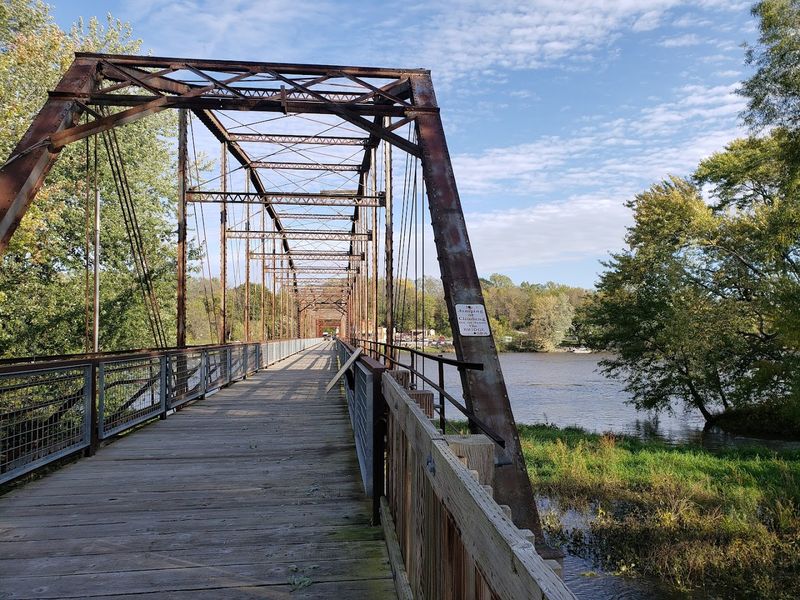
In October 2012, the Sutliff Bridge reopened to the public. That reopening felt personal to the people who had fought for it.
Educational panels now installed on the bridge tell the full story of the flood, including photographs and details that make the scale of the damage very real. Seeing those panels while standing on the restored structure gives you a strange mix of relief and admiration.
The bridge did not just survive the flood. It came back with a better story to tell, and the community that saved it deserves every bit of the credit.
A Pedestrian Paradise Above the Cedar River
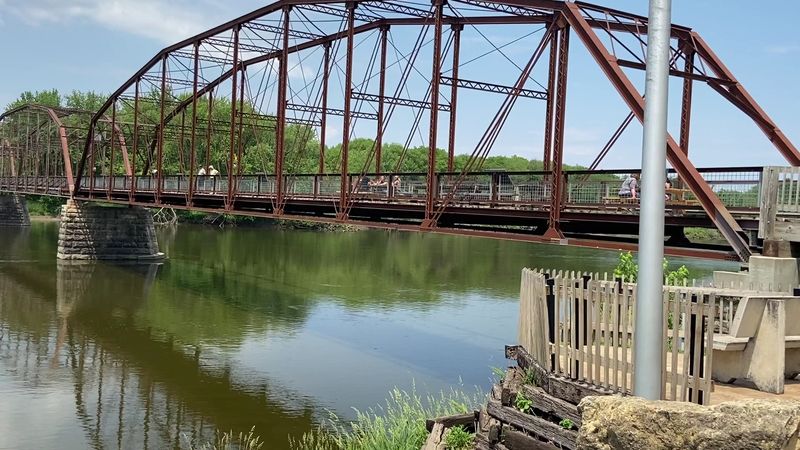
Once the bridge shed its role as a vehicle crossing, something interesting happened. It became more enjoyable, not less.
Without cars rumbling across the planks, the Sutliff Bridge turned into a genuinely pleasant place to slow down and pay attention to your surroundings. The Cedar River moves quietly below, and the sound of it carries up through the open ironwork in a way that feels almost meditative.
Cyclists and bikers have made this bridge a regular stop on rural Iowa routes. The flat crossing and scenic views make it a natural waypoint, and the parking areas at both ends make it easy to access whether you are arriving by car or by bike.
Picnic tables are set up so visitors can sit and take in the river without rushing anywhere.
There are also trails and restroom facilities at the west end of the bridge, which adds a practical layer of comfort for families or anyone planning a longer visit. The east end features a newer overlook area and a boat launch, giving the whole site a well-rounded, park-like feel.
It is the kind of place where an hour can quietly stretch into two, and nobody seems to mind that at all.
History Written in Iron and Signage
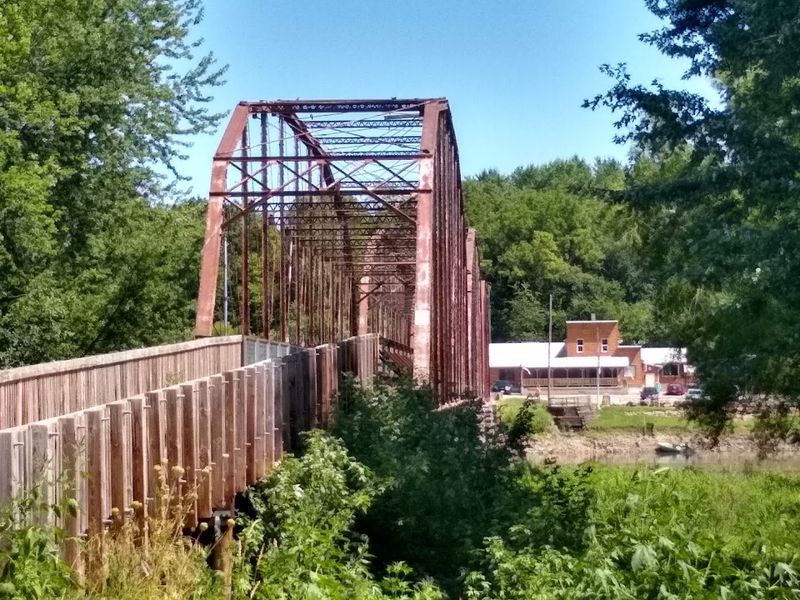
One of the things that sets the Sutliff Bridge apart from other scenic spots is that it actively teaches you something. The educational panels installed along the bridge do not feel like homework.
They feel like a conversation with someone who really knows the place and wants to share it properly.
The panels cover the bridge’s construction history, the engineering choices that went into a pin-connected Parker truss design, and the story of the 2008 flood in vivid detail. Photographs show the damage, the recovery process, and what the bridge looked like across different eras.
It is the kind of context that makes a walk feel meaningful rather than just scenic.
The bridge was placed on the National Register of Historic Places in 1998, which speaks to how well it has maintained its original character. The iron framework still looks remarkably true to its late 19th-century design.
Most people who cross it are surprised by how much they end up reading, because the information is genuinely interesting rather than dry or academic. History tends to stick better when you are standing inside the thing you are learning about, and the Sutliff Bridge understands that instinctively.
You leave knowing more than you arrived with, and that feels like a gift.
Baxa’s Sutliff Store and the Charm of a Country Gathering Spot
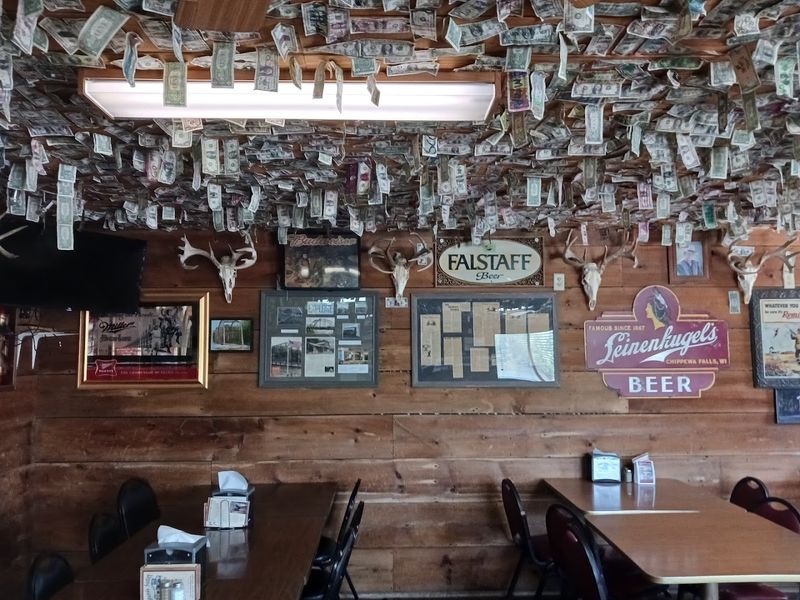
Right at the east end of the bridge sits one of rural Iowa’s most character-filled stops. Baxa’s Sutliff Store and Tavern has been part of this stretch of the Cedar River since 1899, which means it is nearly as old as the bridge itself.
The two feel like they belong together, like old friends who have been watching the same river for over a century.
The ceiling inside is famously covered with dollar bills, a quirky tradition that gives the place a texture you will not find in any chain restaurant. The food is straightforward and satisfying, with bar food and specials that have earned loyal regulars from across the region.
There is also reportedly homemade pie, which is reason enough on its own to make the drive.
The staff are known for being genuinely friendly without being overbearing, which is exactly the energy you want after a quiet walk across a historic bridge. There is both indoor and outdoor seating, so you can keep the river in view if you want to.
The east end also has a new overlook area and a boat launch nearby. Baxa’s is not just a convenience stop.
It is a destination that adds real warmth to the whole Sutliff experience.
Why Cyclists and Outdoor Lovers Keep Coming Back
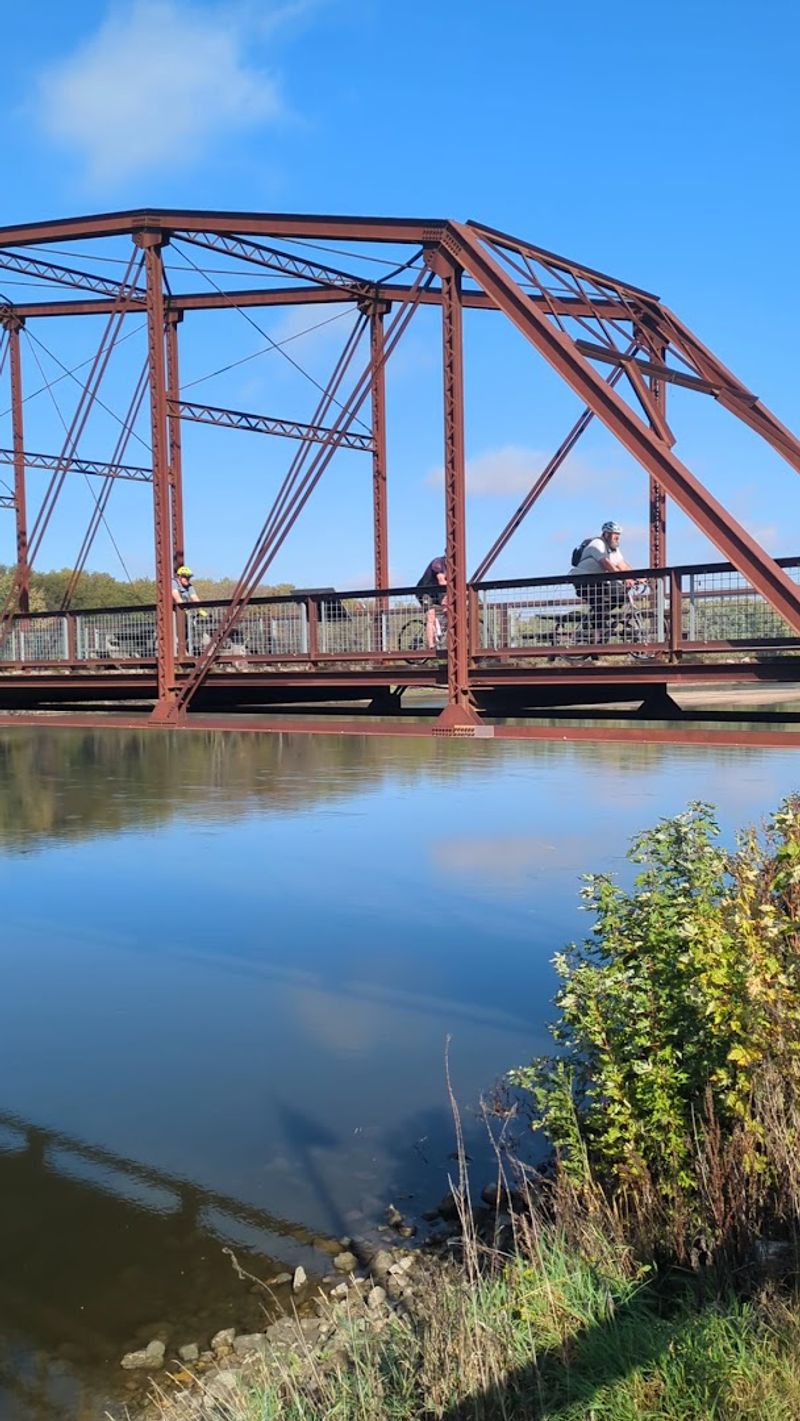
Rural Iowa has no shortage of scenic roads, but the Sutliff Bridge gives cyclists something most scenic roads cannot offer: a genuine destination with a story attached. The ride out to Sutliff through Johnson County farmland is lovely on its own, with wide open views and quiet stretches that feel genuinely restorative.
Arriving at the bridge feels like a reward rather than just a stop.
The bridge is flat and easy to cross, making it accessible for casual riders as well as more serious cyclists. Groups often use it as a turnaround point or a midway rest stop, and the picnic tables and parking areas support that kind of flexible visit.
Wildflowers have been spotted growing on both sides of the bridge approach, which adds a seasonal burst of color in warmer months.
Beyond cycling, the site draws people who simply want fresh air without a crowded trailhead. The quiet here is real.
There is no background hum of highway traffic, just the river, the wind through the ironwork, and whatever birds happen to be passing through. For anyone who spends too much time indoors or in traffic, this place functions almost like a reset button.
It is low-effort, high-reward, and completely free to visit.
A Community That Chose to Remember
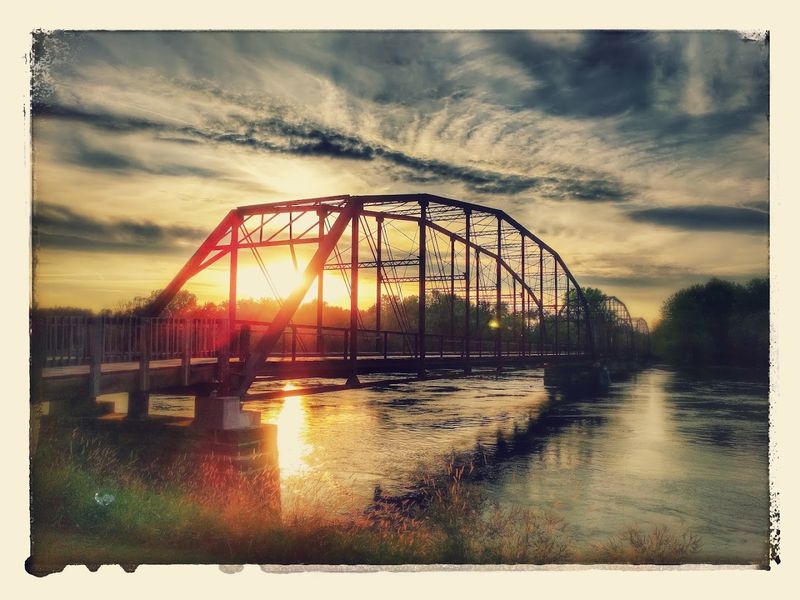
What makes the Sutliff Bridge unusual is not just its age or its architecture. It is the fact that real people fought to keep it standing, and that fight says something meaningful about this corner of Iowa.
When Johnson County decided the bridge was expendable in the early 1980s, a group of locals disagreed loudly enough to change the outcome. That kind of civic stubbornness deserves recognition.
The Sutliff Bridge Authority formed, negotiated, raised support, and eventually purchased the structure outright in 1984. That is not a small thing.
Communities rarely organize that effectively around a piece of infrastructure, and doing so required people to believe that the bridge mattered beyond its practical function. It mattered as memory, as identity, as place.
The bridge has hosted weddings, cookouts, school outings, and quiet solo visits from people who just needed somewhere peaceful to think. High school students have gathered here for photos.
Filmmakers have used the space. Families have spread out picnic blankets on the grass nearby.
Every one of those visits is a small vote for preservation, for the idea that some things are worth keeping even when they stop being useful in the traditional sense. The Sutliff Bridge went nowhere for cars, and it became somewhere for everyone else.
Address: Lisbon, IA 52253
