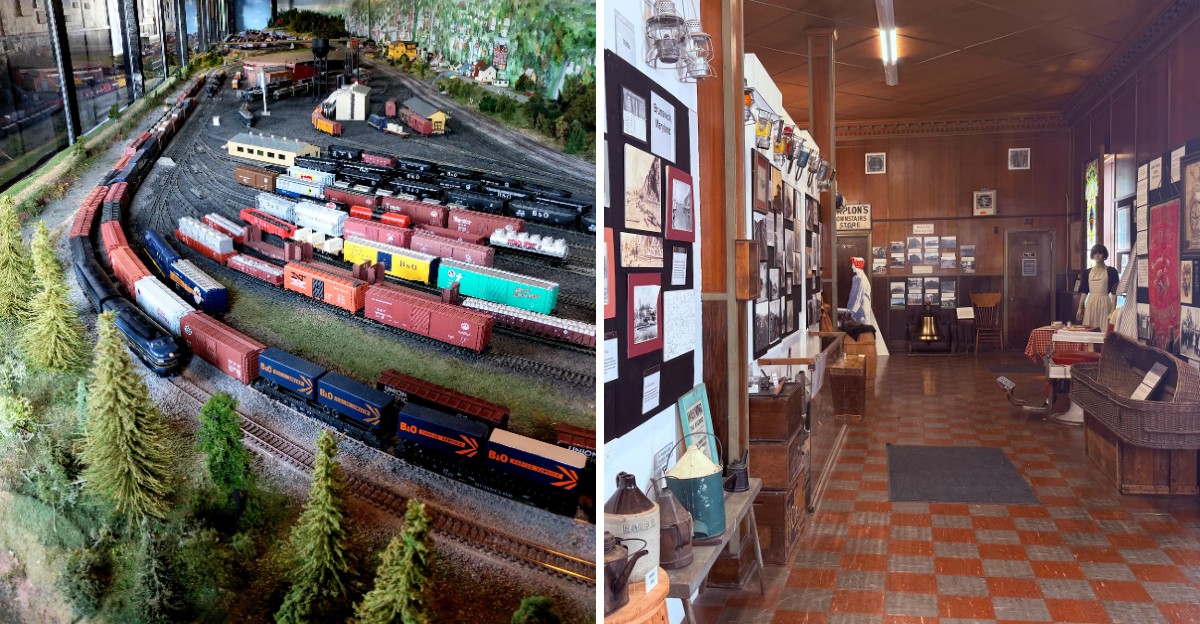
Patsy Cline once performed in a room that now holds a 1,700-square-foot model railroad. That same room used to be a Lions Club dance hall.
Now tiny trains roll where couples once danced.
The miniature layout shows a real rail line from the late 1950s and 1960s. It stretches from Union Station in Washington, D.C., all the way to a busy Maryland railyard.
Little figures fix roofs, fight fires, and paddle kayaks along the way.
I love that the trains are only the top floor. Two more levels below tell the story of a town built by the railroad and the canal.
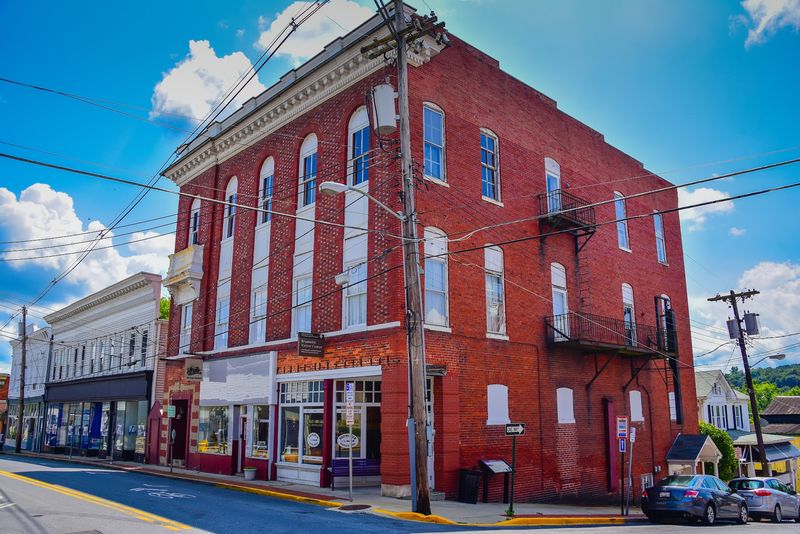
The building itself started out in 1904 as a fraternal lodge.
Admission is free, and donations keep the lights on. So how does one small building hold this much history?
A Free Museum With a Whole Railroad Town Inside
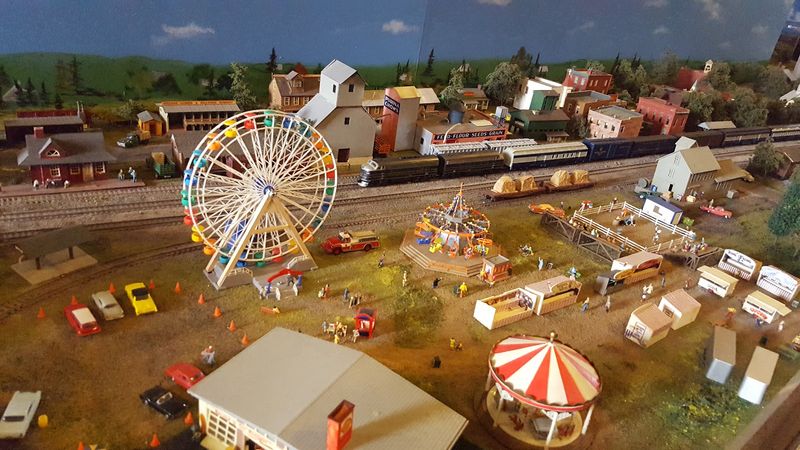
Three floors, zero admission fee, and a town story packed into every corner. The Brunswick Heritage Museum makes history feel easy to reach for anyone curious.
The museum started out as the Brunswick Railroad Museum. In 2013, its mission grew to cover the wider story of Brunswick, a Baltimore and Ohio Railroad company town.
That change matters more than it sounds. Trains still star, but you also learn how families lived, worked, and played around them.
Entry is free, though a suggested donation is welcomed. Volunteers help run the place, so tossing a few dollars in feels like a small thank-you.
Plan around the schedule before you go. The museum opens Saturdays from 10 am to 4 pm and Sundays from 1 pm to 4 pm.
It usually closes during January and February. Spring reopening is set for early March, so winter travelers should check ahead.
Groups of 10 or more can book tours by appointment. That makes it a smart pick for scout troops, classes, or a big family reunion with train lovers in the mix.
Honestly, free history with a model railroad on top is a pretty great deal. Your weekend plans just got easier.
You Will Want to Climb the Stairs Straight to That Giant Layout
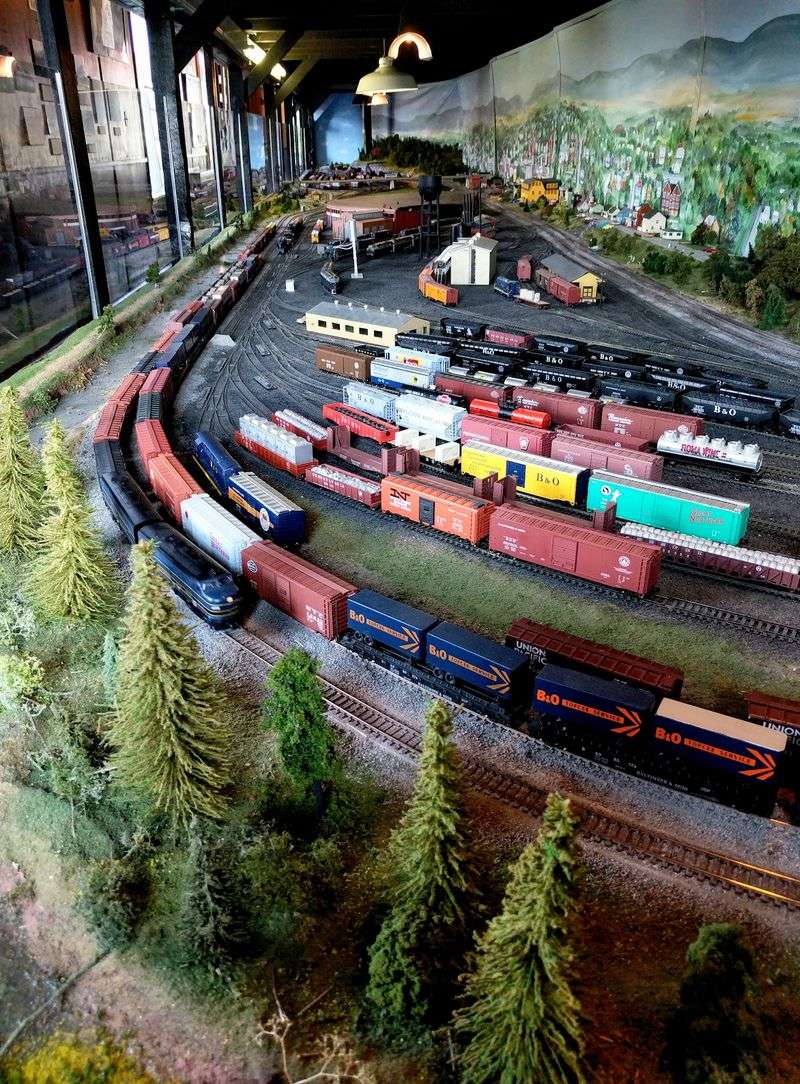
Here’s a number to remember: 1,700 square feet. That is the size of the HO-scale model railroad waiting on the third floor.
The layout shows the B&O Railroad’s Metropolitan Subdivision as it looked in the late 1950s and 1960s. Tracks run from Washington, D.C.’s Union Station to the Brunswick Railyard in Maryland.
Spotting familiar places becomes a fun game fast. Towns along the route appear in miniature, so locals may recognize a few landmarks shrunk down to pocket size.
The star detail is the recreated Brunswick classification yards. The real yards were finished in 1907 and became the largest privately owned yards of their kind in the nation.
They were also among the most modern. Seeing all those tiny tracks lined up helps explain why this town mattered so much to the railroad.
Bring patience and good eyes. Small figures are busy everywhere, repairing a roof, putting out a fire, enjoying a fair, or kayaking.
Kids can turn it into a scavenger hunt in seconds. Adults usually join in, even if they pretend they are just admiring the trains.
Fair warning: leaving this room takes willpower. Lots of it.
Country Music Royalty Once Took the Stage Up Here
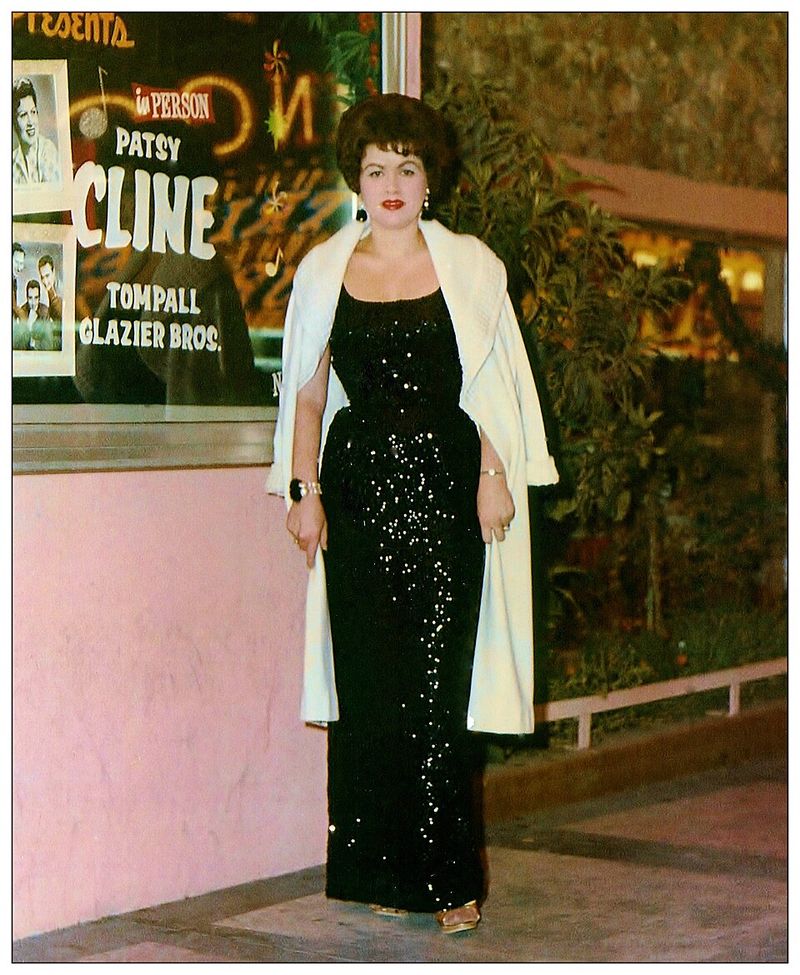
Long before tiny locomotives took over, the third floor had a very different soundtrack. The room served as a dance hall for the Lions Club.
And the guest list got impressive. Country music star Patsy Cline performed there in the 1960s.
I can’t help grinning at that mix. A legendary singer and a giant train set sharing one room’s history feels wonderfully unexpected.
It also reminds you that buildings have long lives. Rooms shift purpose as towns change, and this one has worn several hats.
Think about that while you watch the trains loop past. Somewhere under all that track sits a floor where folks once danced to live music.
The story adds a nice bonus for music fans tagging along with train fans. Everyone in the group gets a reason to climb those stairs.
It’s a fun fact to share on the drive home too. Not every museum can say a famous voice filled its top floor.
So when someone asks why you spent your Saturday staring at model trains, you have a great comeback. Patsy Cline was there first, after all.
Pretty hard to top that.
The Canal Gets Its Moment on the First Floor
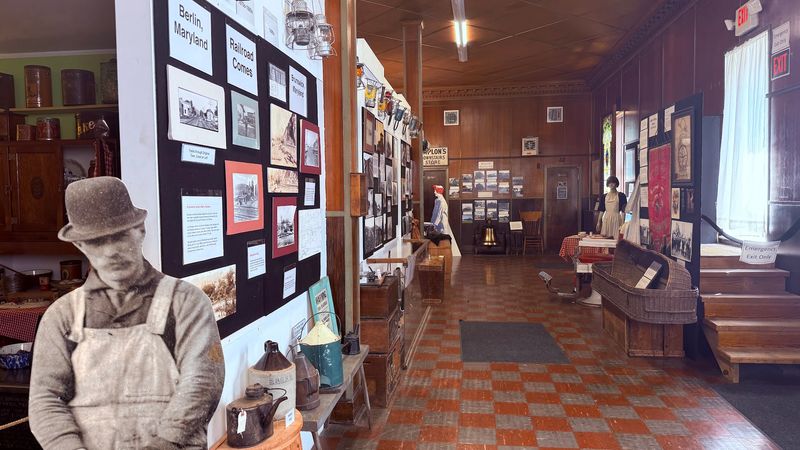
Trains get the spotlight upstairs, but water came first in this story. The first floor traces the Chesapeake and Ohio Canal from its 1828 groundbreaking.
The timeline runs all the way to 1971. That year, the canal became a National Historical Park.
Ever wondered how canal locks actually work? Exhibits break down the process, so the clever system finally makes sense.
One comparison stands out. You can see what working for the C&O Canal was like versus working for the B&O Railroad.
That side-by-side view makes history feel personal. These were real jobs with real challenges, and both shaped Brunswick in big ways.
This floor also holds a C&O Canal National Historical Park visitor center. Hikers and bikers exploring the towpath will find it a handy stop.
The Brunswick Visitor Center shares the space as well. Grab ideas for the rest of your day before heading upstairs.
Collectors of national park passport stamps should keep their books ready. Information booths like these are worth a quick question at the desk.
It’s a strong start to the visit. You’ll understand the town better before you ever reach the trains.
Victorian Rooms Show How Railroad Families Really Lived
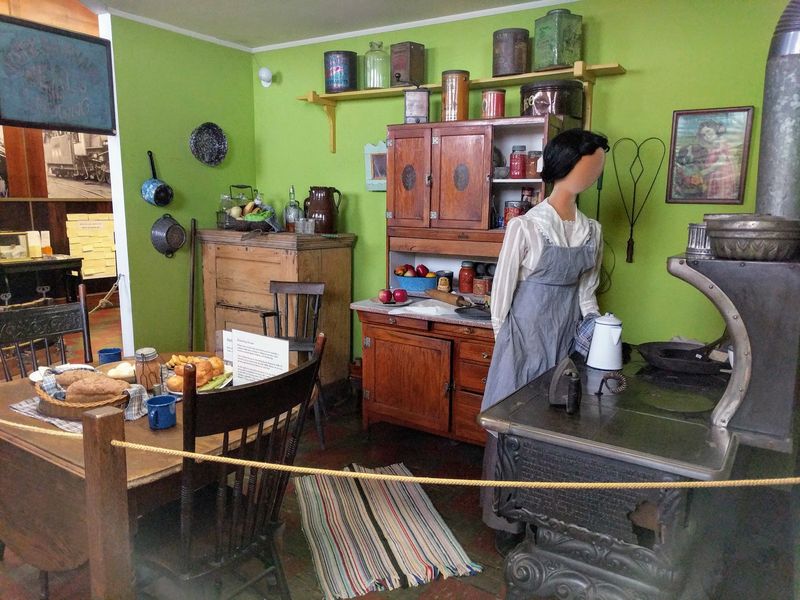
Life-size Victorian rooms anchor the second floor. They let you peek into homes from a time when the railroad shaped everyday life.
This level focuses on how Brunswick residents lived and worked. Both the canal and the railroad left their marks on daily routines.
The Victorian setups work like a time machine without the scary buttons. You get a real sense of the furniture, style, and comfort of the era.
Picturing a railroad worker coming home to rooms like these makes the story click. History feels less like dates and more like people.
Take your time on this floor. It rewards slow looking more than speedy walking.
Families can turn it into a conversation starter. Ask kids what they would miss most from modern life, then brace for creative answers.
Most will probably name video games first. Phones will be a close second.
It’s a quiet, thoughtful stretch between the busy first floor and the thrilling trains upstairs. That balance helps the whole museum flow nicely.
Honestly, it may give you a new appreciation for your own living room. Maybe even your couch.
Photos and Paintings Tell the Town’s Story in Pictures
Old photos have a funny way of making you squint and compare. The second floor gives you plenty of chances.
Original then-and-now photographs from the Myer Kapton collection show how Brunswick changed over time. Streets, buildings, and scenes appear side by side across the years.
It’s like a spot-the-difference puzzle with real history. Some changes jump out instantly, while others take a closer look.
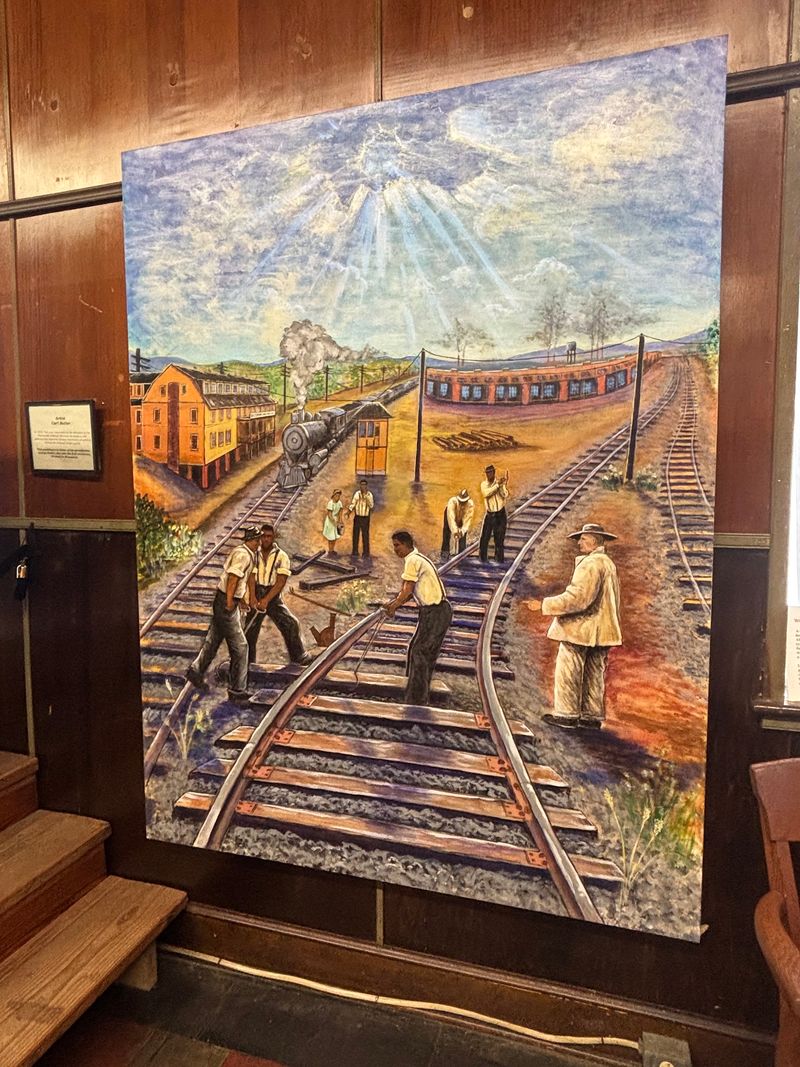
Art adds another layer. A painting by Carl Butler shows African Americans working in the Brunswick railroad freight yards.
That work highlights people whose labor kept the railroad running. It’s a meaningful piece that deserves a few quiet minutes.
Also on this floor is a historic Native American statue. It once stood at the building’s entrance and now has a place inside.
The statue connects back to the building’s start. In 1904, the Improved Order of Red Men built the lodge, nicknamed the wigwam.
The Fraternal Order of Eagles bought it in 1936. Later, in 1974, the Brunswick Potomac Foundation purchased it to create the museum.
One building, many chapters. Every wall seems to add another.
Batter Up for a Surprise Slice of Hometown Sports
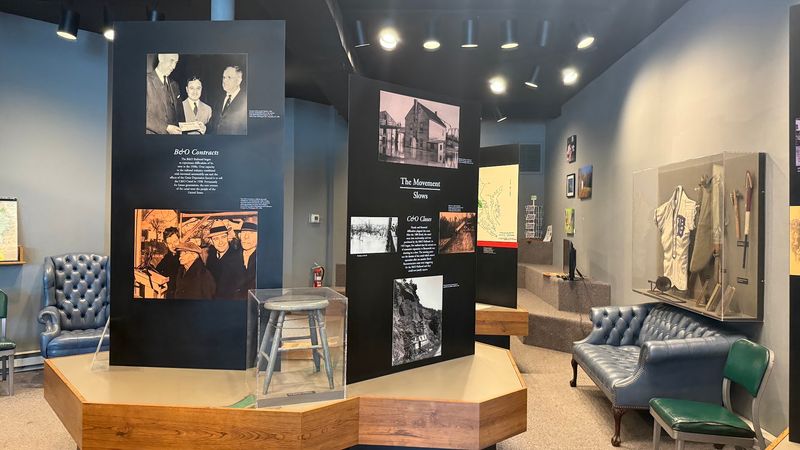
Not every exhibit here rides the rails. Baseball fans get their own treat on the second floor.
Displays celebrate the town’s love of the game. They even include statistics from the Brunswick Railroaders Little League team from 1986.
Yes, the team name is Railroaders. In a town built by the B&O, that choice feels perfect.
This section shows a softer side of local history. Life here wasn’t all work shifts and freight cars, after all.
Neighbors gathered, cheered, and rooted for hometown kids. Those moments helped make Brunswick a true community.
If you played Little League as a kid, this corner might spark some memories. Bad uniforms, dusty fields, and snack-stand treats all count.
Kids may enjoy hunting for numbers and names in the stats. It’s sneaky math practice disguised as fun.
The baseball display also proves the museum’s wider mission works. Since 2013, it has covered the full story of the town, not just the trains.
So swing by this exhibit before heading upstairs. It earns a solid hit in any visit, maybe even a home run.
Save Time for the Gift Shop and the Town Outside
Souvenir hunters, your moment has arrived. The museum gift shop sits on the first floor.
Shelves feature souvenirs, books, and local crafts. A train-loving friend back home would probably appreciate a little something.
Books make a smart pick after this visit. You’ll likely leave with more questions about canals, rails, and small-town life.
Shopping here also helps support the museum. That makes every purchase feel a bit more meaningful.
Getting there is simple. The Brunswick Heritage Museum sits at 40 W Potomac St, Brunswick, MD 21716.
The location puts you right in the heart of a historic Maryland railroad town. During the Civil War, it was called Berlin.
The town became Brunswick when it incorporated in 1890. Knowing that adds fun context to a stroll around downtown afterward.
The C&O Canal towpath connects to the area too. Pairing a museum visit with a walk or bike ride makes for a full day.
Check the weekend hours before heading out. Then enjoy a trip that blends trains, history, and small-town charm, plus a souvenir or two for the road.
