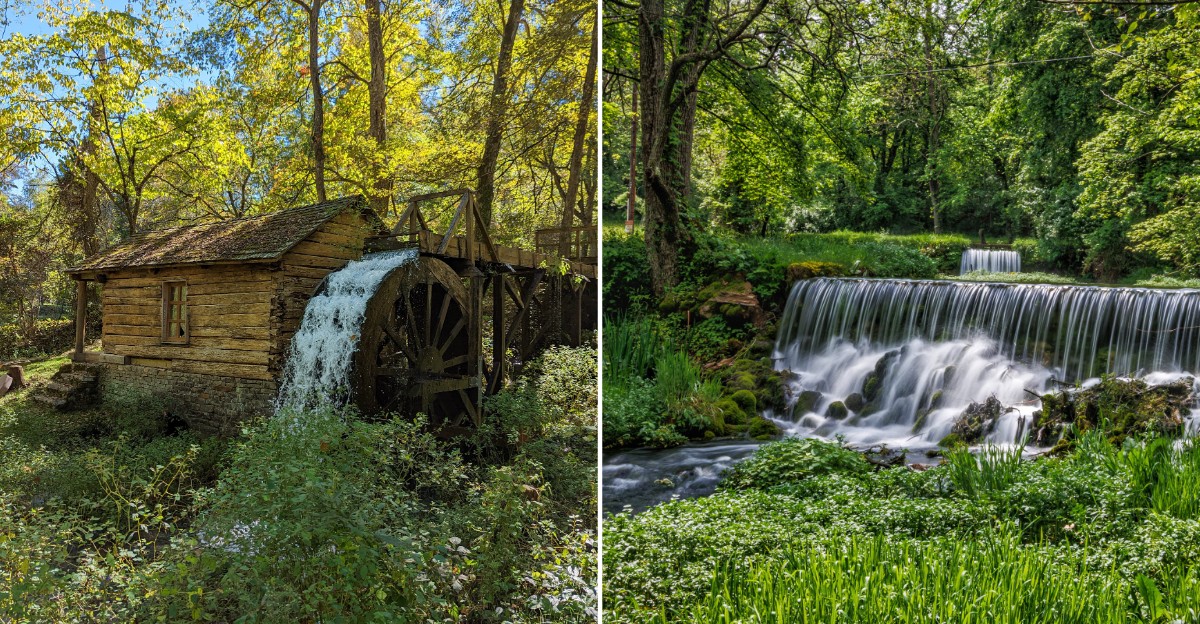
The water beside this little mill once did much more than make the setting pretty. In Missouri, the spring first helped power a grist mill, then later supplied electricity to the nearby town for years.
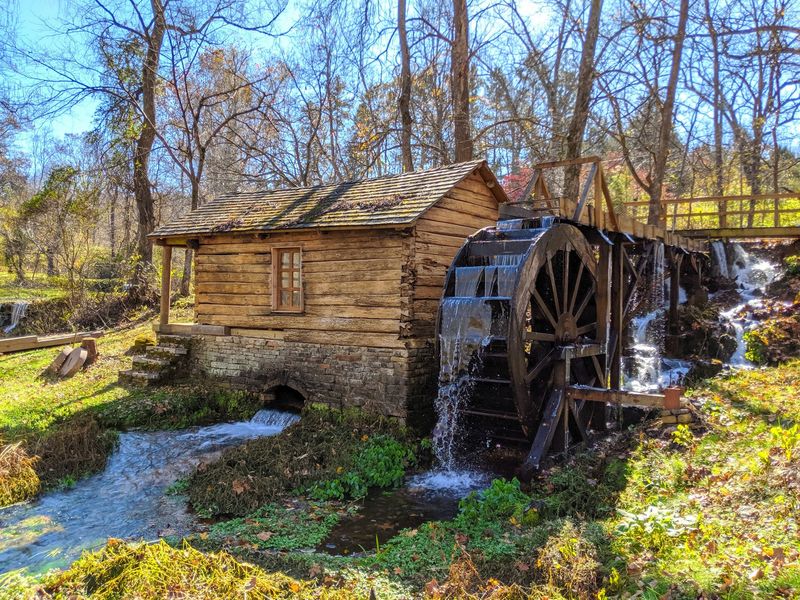
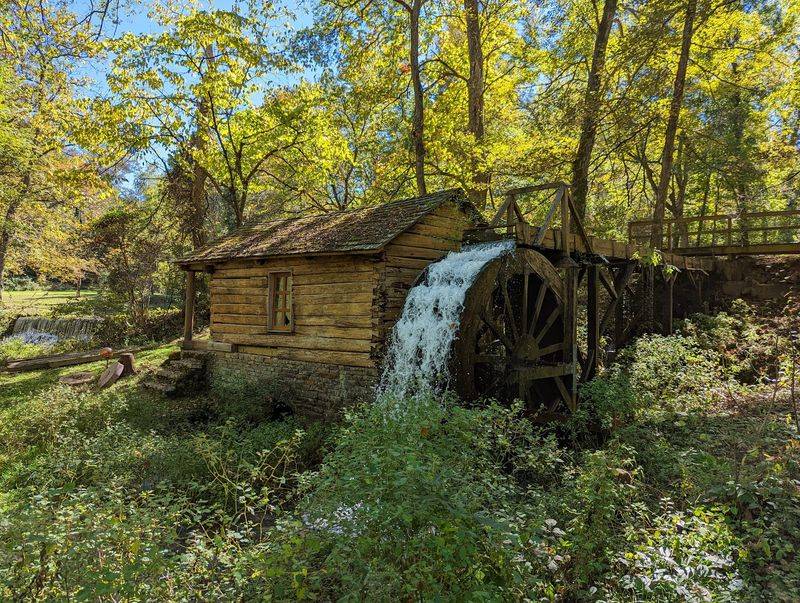
The original structure is gone, but a reproduction now stands beside the same flowing water, complete with its overshot wheel. The spring still gathers into a blue pool before spilling downhill toward the river.
That mix of moving water, old machinery, and local history gives the place far more character than its small size suggests.
It is quiet today, but the story behind it reaches back to a time when one spring could help keep an entire community running.
Where The Whole Story Begins
Picture a time when a mill was the beating heart of a small Ozarks community, because that is exactly what this spot used to be. A man named Nathaniel Scott built the first mill here, and he put it right beside the spring so the moving water could do the heavy work.
That early mill was a working grist mill, which means it ground corn and wheat into meal and flour for families living around Centerville. It also had a saw mill attached, so settlers could get boards cut for their houses, barns, and fences without hauling logs a long way.
Think about how much that mattered to people living out here in the hills of Missouri. Before stores were close by, having a place to grind your grain and cut your lumber meant you could actually build a life on this land.
When you stand near the building today, try to imagine the creak of wooden gears and the steady splash of water feeding the wheel. It helps to know that this little corner was once busy with neighbors dropping off sacks of grain and picking up fresh lumber.
That sense of a working past gives the whole visit a little more weight, and it makes the quiet scene you find now feel even more peaceful by comparison.
How To Actually Get There
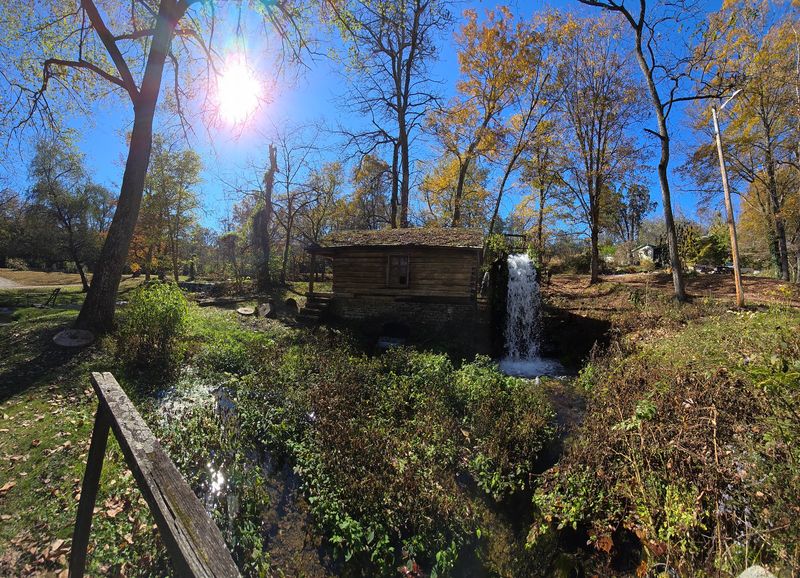
Okay, here is the part where you will want to pay attention, because this place is easy to miss if you are not watching for it. The spot you are heading to is Reed Spring Mill, County Road 350 off Pine Street, Centerville, MO 63633.
Most people make their way into Centerville on Highway 21, and then they turn west onto Pine Street and follow it out a short distance until the road leads toward the mill. There usually is not a big sign pointing the way, so having the directions ready on your phone before you lose signal is a smart move.
Visitors often mention that map apps can stop a little short of the actual site, so keep driving slowly and keep your eyes open for the mill and the water. The road gets narrow toward the end, and it is really only wide enough for one car at a time in some places.
Take it easy on that stretch, and be ready to pull aside politely if someone is coming the other way. Once you arrive, you will find the mill sitting right next to the paved road, which makes it a pretty simple walk from your car.
It is a fun little hunt, and finding it feels a bit like a reward.
The Cold Spring That Never Quits
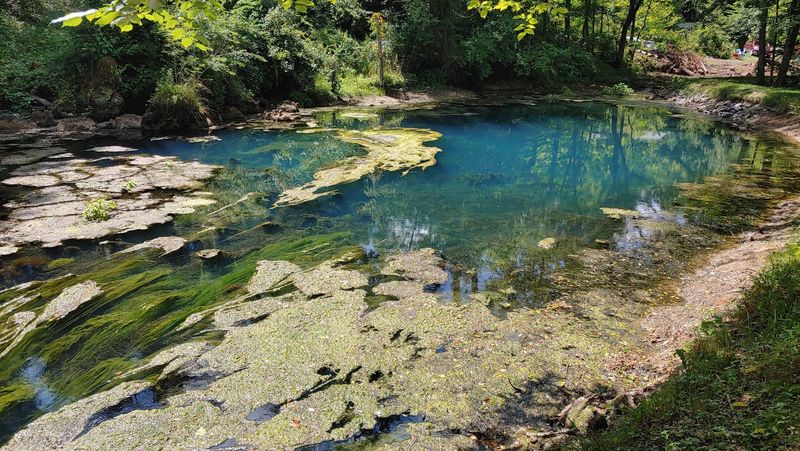
Honestly, the spring might steal the show from the mill once you see it up close. Reed Spring pushes water straight out of the hillside, and it keeps flowing steadily no matter how hot or chilly the day happens to be.
The water stays cold all year long, which is why people love to talk about how clear and refreshing it looks. In the warm months, you can feel the cooler air drifting off the water, and it is a nice break from the summer heat in Missouri.
From the source, the spring spreads into small pools that often look a lovely shade of blue, and then it tumbles over little waterfalls on its way downstream. Eventually all that water makes its way to the Black River, which is a favorite for folks who enjoy floating and fishing in this part of the state.
If you have a few extra minutes, follow the water back toward where it actually comes from, since some visitors say that walk is worth it. Just stay on the open areas and watch your footing near the wet rocks.
Sitting and listening to that rushing water is a simple pleasure, and it is the kind of sound that slows your whole day down in the best way.
When The Lights Came On In Centerville
Here is the detail that surprised me most, so stick with me for a second. That same spring that once turned a grinding wheel was later used to make electricity for the town of Centerville.
To pull that off, the old overshot wheel was taken out and a turbine was put in, so the moving water could spin it and create power. That change turned a quiet country mill into the source of electric light for the people living nearby.
Can you imagine what that felt like for families who were used to lamps and candles? Suddenly, a natural spring in the woods was helping light up homes and businesses, and it did that job for quite a while before the town moved on to other power sources.
It is a great reminder that small rural places were often clever about using what they had right in front of them. Nobody needed a giant power plant when a strong, steady spring was flowing just down the road.
When you look at the water racing under the building, you can see why folks trusted it to keep the lights on. Knowing this bit of history makes the spot feel less like a pretty picture and more like a real piece of the town’s story.
A Long Ride To The World’s Fair
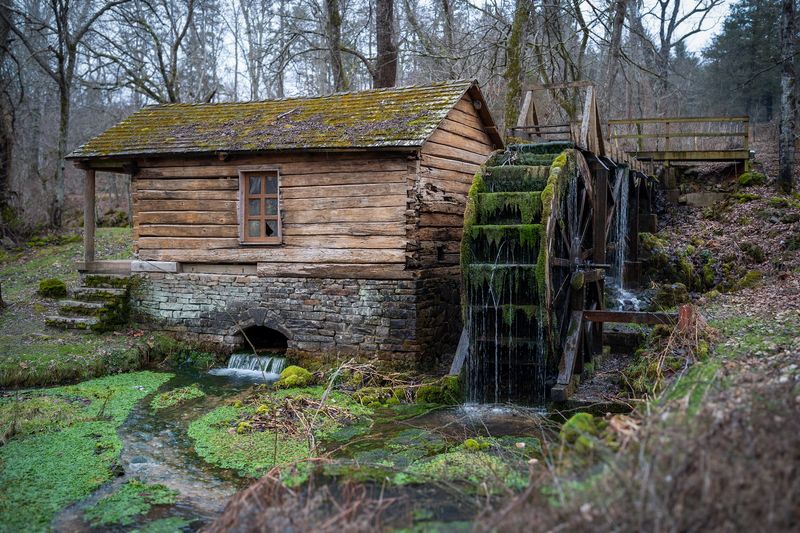
You would never guess it by looking at this calm little clearing, but the original mill once took a trip clear across the country. The whole building, along with its big wheel, was carefully taken apart piece by piece.
Every board and part was then shipped out west to San Francisco, where it became part of an exhibit at the World’s Fair. That is a pretty wild journey for a humble mill from the backwoods of Missouri, and it says a lot about how special people thought it was.
Picture crowds of visitors from all over walking past a working mill that started life beside a spring near Centerville. For many of them, it was probably their first close look at how rural folks ground grain and used water power in the hills.
I love that a place this small got a moment on such a big stage. It makes you wonder how many other ordinary buildings in little towns carry stories that grand without anyone realizing it.
When you visit now, you are standing on the very ground that mill left behind for its big adventure. It adds a fun twist to the stop, and it gives you a good story to share with whoever is riding along with you.
That Wheel And The Water Beneath It
The first thing your eyes will probably land on is that big overshot wheel hanging on the side of the mill. It looks like it is ready to start turning any second, but these days it mostly stays still.
The water is usually sent around the wheel instead of over it, so it bypasses the paddles and keeps flowing on its way. Don’t let that disappoint you, though, because you can still see and hear the water running hard right underneath the building.
Standing near the edge, you will notice how strong that current really is, and it is easy to understand how it once ran a mill and made power. The sound alone is worth a few minutes, since it is steady and soothing in a way that is hard to find anywhere else.
Some visitors also suggest taking a close look at the rock used in the pillars that hold up the structure. Those stones blend right into the hillside, and they give the whole mill a sturdy, handmade feel.
If you like taking pictures, try a few shots from low angles so you catch the wheel, the stone, and the moving water all together. It is a scene that looks good from just about every side.
Ozark Scenery Worth Slowing Down For
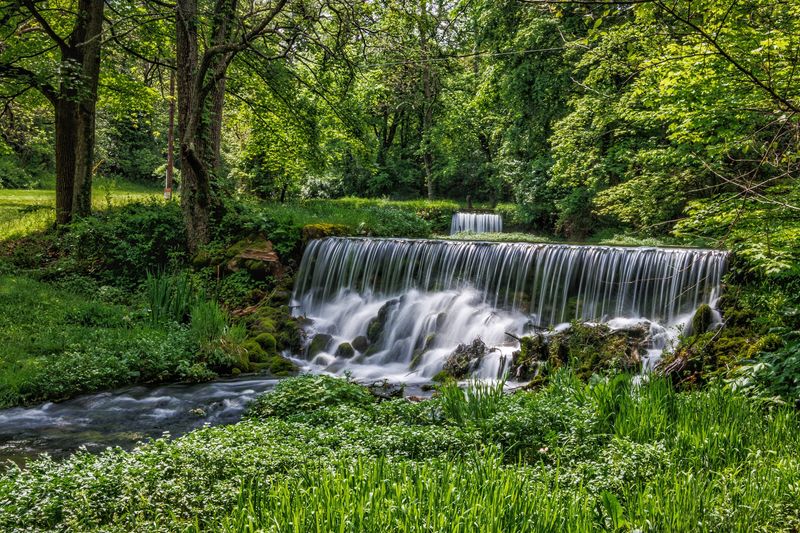
Sometimes a place just asks you to stop rushing, and the land around this mill does exactly that. The setting sits deep in the Ozarks, with green hills, tall trees, and water that seems to sparkle when the sun hits it.
People who visit keep using words like peaceful and quiet, and once you hear the spring rushing along, you will see why. There is not a lot of noise out here, so the sound of the water and the birds really takes over.
The blue pool that forms near the spring adds a splash of color that looks almost unreal on a bright day. In fall, the changing leaves frame the mill beautifully, and in spring and summer, everything around it turns lush and green.
Photographers tend to love this spot because there are so many pretty angles packed into a small area. Even if you are just snapping pictures on your phone, you will probably walk away with a few favorites.
My advice would be to give yourself more time than you think you need, even though the site is small. Find a spot to stand still, breathe in that cool air, and let the Missouri hills do their thing for a little while.
Old Stones And A Little Footbridge
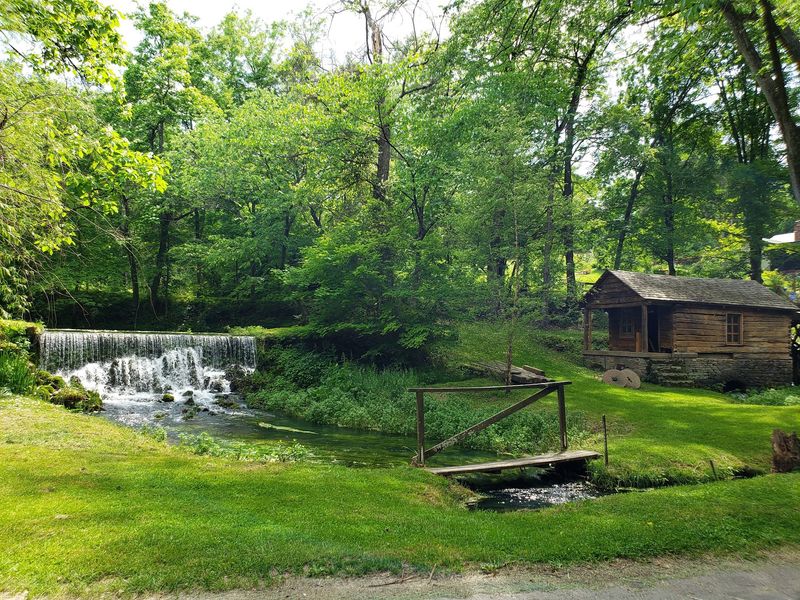
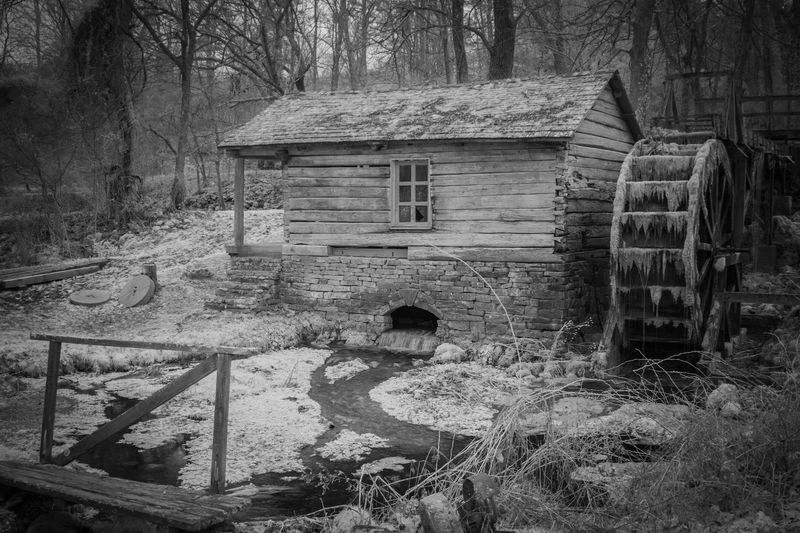
Keep your eyes moving as you wander around, because some of the coolest bits here are easy to walk right past. Near the mill, you may spot old buhr stones resting on the ground, and they are a neat link to the days of grinding grain.
Buhr stones were the heavy, round stones that actually crushed corn and wheat into meal and flour. Seeing them up close gives you a real sense of how much muscle and water power it took to turn grain into something you could bake with.
There is also a charming little footbridge crossing the flowing water, and it adds a sweet, storybook touch to the whole place. It makes a lovely frame for photos, especially if you catch the mill and the stream together in one shot.
These small details are the kind of things that make history feel close instead of far away. You are not just reading about old mills in a book, you are looking at real pieces of how this one worked.
If you have kids with you, turn it into a little scavenger hunt and see who can find the stones first. It is a simple way to get everyone curious about the past while you explore together.
