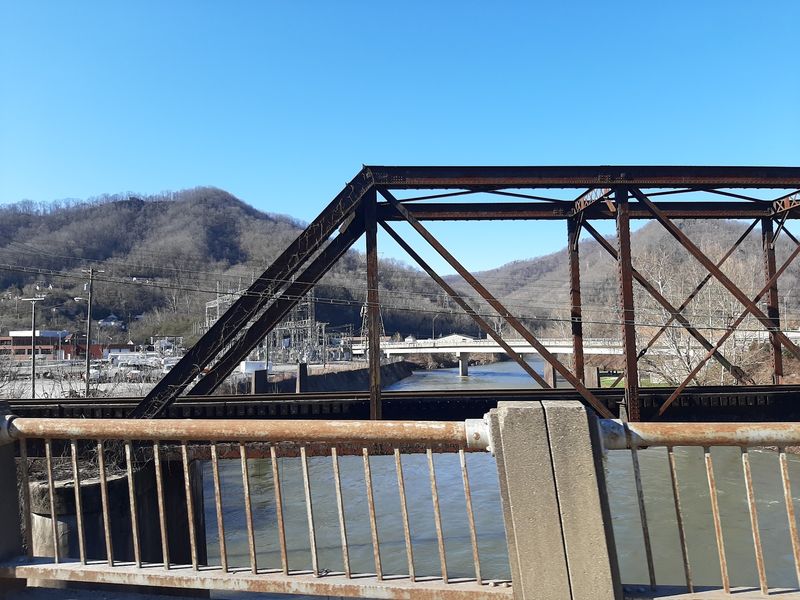
A legendary princess may still be the most famous name in this tiny river town, and she reportedly lived here long before it had a courthouse. The town even carried her name for years before switching to a famous Mingo leader’s name instead.
That’s a lot of story for a place with fewer than 1,500 residents. I like how a spot this small still manages to hold coal history, feud history, and mountain legend all at once.
The downtown is short enough to cover on foot in a morning. Yet the hills around it hide a state park, an outdoor stage, and some of the best-known riding trails in West Virginia.
I can’t imagine a better place to test how much weekend fits into one small valley. So how does a town this compact keep visitors busy for two whole days?
A County Seat Snuggled Along The Guyandotte
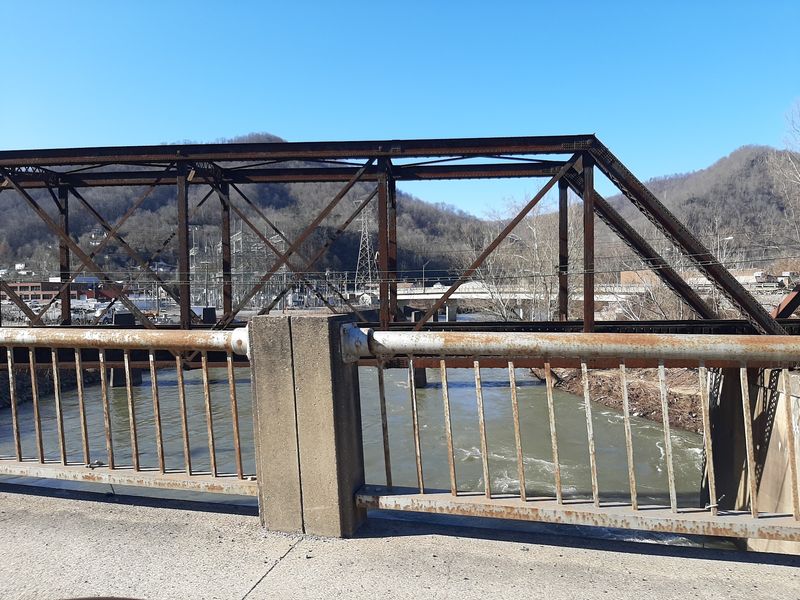
Logan, WV sits in the steep green folds of southern West Virginia, right along the Guyandotte River. It counted 1,438 residents in the 2020 census, which makes it smaller than plenty of high schools.
Don’t let that number shrink your expectations, though. Logan serves as the county seat of Logan County, so it carries the weight of a much larger place.
That role matters for visitors. County seats in Appalachia often gather the courthouse, the shops, and the history into one tidy downtown core.
The mountains do the rest of the planning for you. With hills rising on nearly every side, the town simply can’t sprawl, so everything stays close together.
Think of it as a weekend with built-in walls. You park, you stroll, and the valley keeps you from wandering too far off course.
For travelers who hate spending half a trip in the car, that layout is a real gift. Logan rewards slow wandering more than frantic driving.
It also helps that the river runs right alongside town. Water and mountains frame nearly every view, so even a short walk feels scenic.
So yes, it’s small. But small, in this corner of West Virginia, often means everything you want is just around the bend.
Three Names Before Breakfast
Most towns get one name and stick with it. Logan reportedly went through a few before settling down.
Early records suggest the settlement was once called Lawnsville. Later it took the name Aracoma, honoring a figure from local legend.
Then, in the early 1900s, the town became Logan. The new name matched the county, which honors Chief Logan, a well-known Mingo leader of the 1700s.
That shuffle tells you something about the place. Residents clearly cared about who and what their home was named after.
It also explains why you’ll see both names around today. Aracoma still shows up in local landmarks, stories, and even an outdoor play.
History buffs will enjoy spotting those echoes during a downtown stroll. Each one is a small clue to the town’s layered past.
Chief Logan himself is remembered for a famous speech often called Logan’s Lament. It became one of the most quoted speeches of its era.
So when you hear the name Logan, you’re hearing a link to the earliest chapters of this region. Not bad for a word on a road sign.
Keep that backstory in mind as you explore. It turns ordinary street names into tiny history lessons.
The Princess Who Still Owns The Story
Legends travel well in the mountains, and Aracoma’s has lasted for centuries. Local tradition says she was the daughter of the Shawnee leader Cornstalk.
According to the story, she lived with her people near the spot where Logan stands today. Her tale involves love, loyalty, and conflict with early settlers.
How much is fact and how much is folklore? Historians have long debated that, and the answer likely sits somewhere in between.
Either way, the town embraced her. For years, the settlement itself carried the name Aracoma.
Her memory still shapes the local culture today. You’ll find her name attached to stories, places, and a long-running outdoor drama nearby.
I like that Logan keeps this legend front and center. It gives visitors a human story to hold onto, not just dates and plaques.
Kids especially tend to latch onto a good legend. A princess by a mountain river beats a textbook paragraph any day.
Treat the tale as a doorway rather than a final word. It invites you to learn more about the Shawnee and the region’s earliest residents.
And honestly, how many small towns can say a legend once named them? Logan wears that history proudly.
Riverbanks And Ridgelines Doing The Decorating
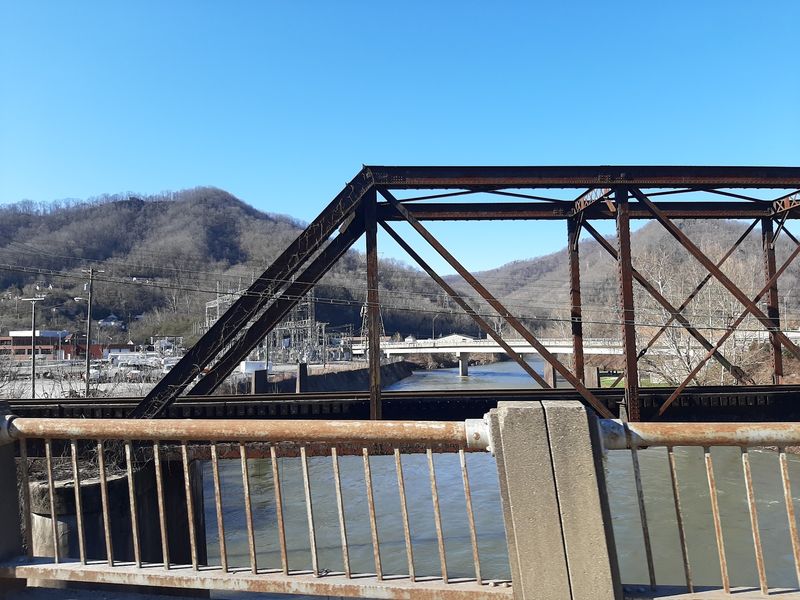
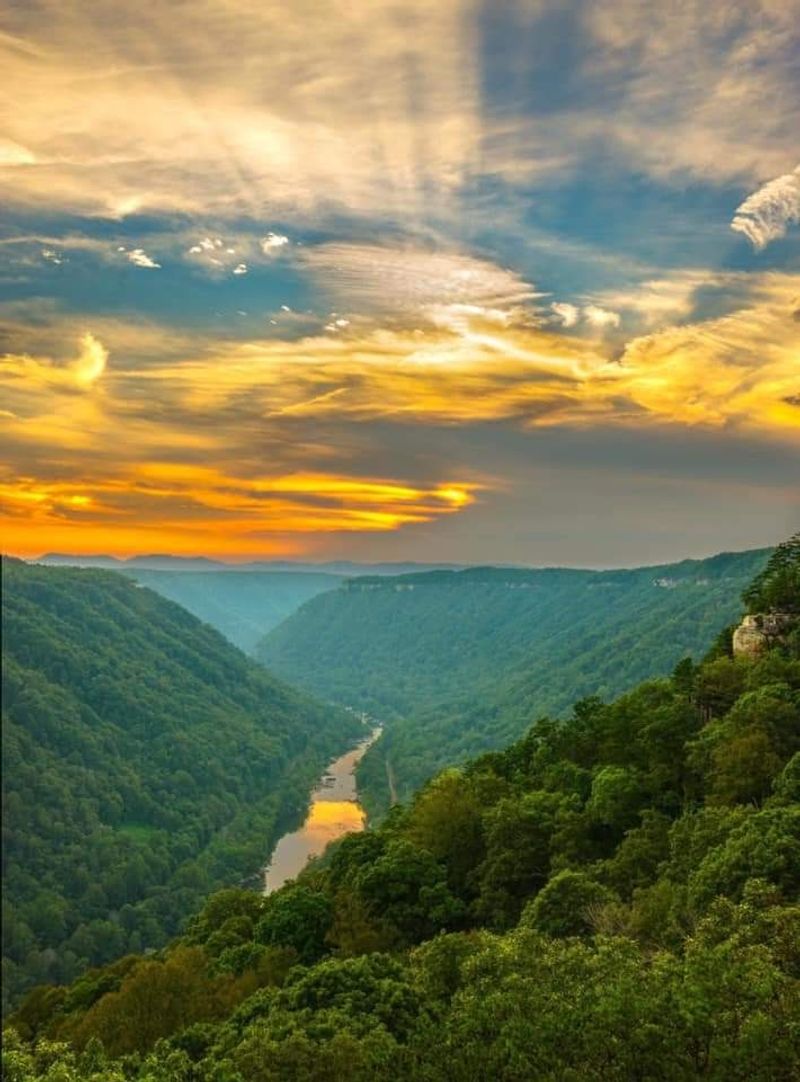
Nature handled the scenery budget here, and it didn’t hold back. The Guyandotte River curves right past town, with wooded ridges climbing on both sides.
That setting changes everything about a visit. Even running errands downtown comes with a mountain backdrop.
Fall is an obvious showstopper. When the hardwoods turn, those steep slopes light up in reds, oranges, and golds.
Spring brings its own reward. Fresh green spreads up the hillsides, and the whole valley looks newly painted.
The river also connects Logan to a much bigger story. The Guyandotte flows north for many miles before reaching the Ohio River near Huntington.
For photographers, the mix of water, bridges, and hills offers easy material. You don’t need a long hike to find a good frame.
Morning light can be especially pretty in a valley town like this. The sun climbs over the ridges and slowly fills the streets.
Bring a jacket outside summer, since mountain evenings can cool quickly. A light layer keeps sunset walks comfortable.
Logan’s setting is the quiet hero of any weekend here. It’s the reason a short walk can still feel like a proper outing.
One Short Stroll, Plenty Of Downtown
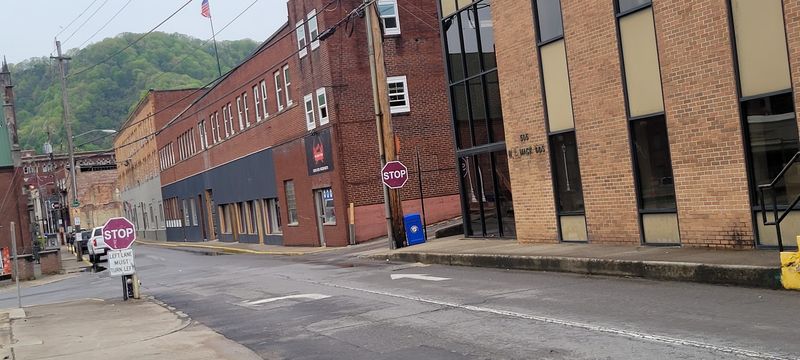
Comfortable shoes, a free morning, and a little curiosity are all you need downtown. Logan’s core is compact enough to cover on foot without breaking a sweat.
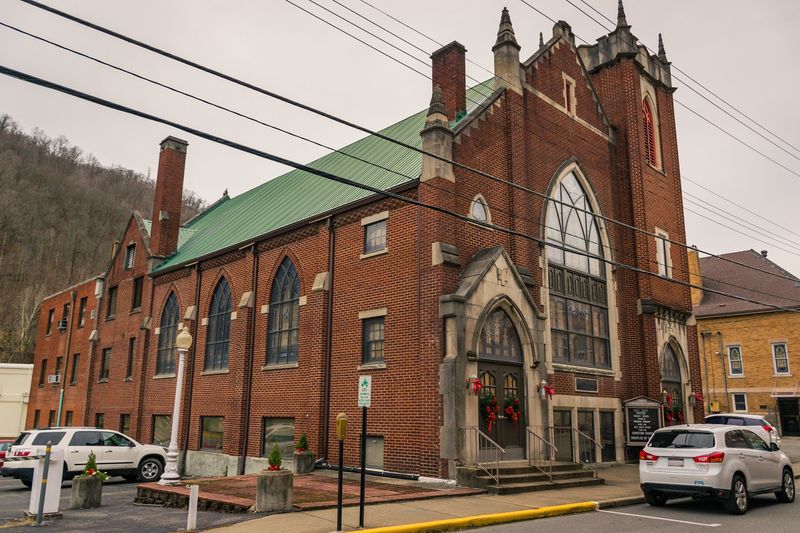
Stratton Street serves as a main route through the heart of town. Brick buildings and older storefronts line the area, hinting at busier boom years.
The Logan County Courthouse anchors the scene as the seat of local government. It’s a natural landmark for getting your bearings.
Because the valley is narrow, downtown stays tight and walkable. You can loop through it, then loop again just to catch details you missed.
That’s the real charm of the title’s promise. A short Main Street means less driving and more noticing.
Look up while you walk. Older facades often keep cornices, signs, and trim that newer buildings skip entirely.
Shops and eateries can change over time in small towns. Checking ahead before a trip helps you plan meals and stops around current openings.
Downtown also makes an easy home base. Spend the morning wandering, then head into the hills for the afternoon.
In Logan, the main drag isn’t long. It just happens to connect to everything else worth seeing.
Coal Country Pride Runs Deep Here
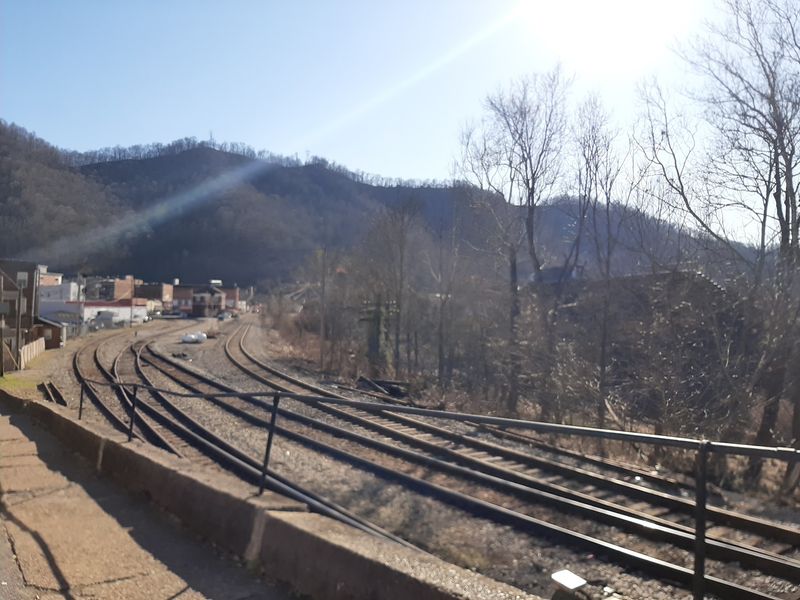
Ask anyone from southern West Virginia about coal, and you’ll get a story. Logan County sits squarely in the heart of that heritage.
The arrival of the railroad in the early 1900s reportedly helped transform the region. Coal camps grew up in the hollows, and Logan became a busy hub for the surrounding communities.
Families moved in from near and far to work the mines. That mix of people shaped the food, churches, music, and character of the area.
Many residents still have miners somewhere in the family tree. For them, coal history isn’t a museum topic, it’s grandpa’s lunch pail.
Downtown’s older buildings reflect those prosperous years. Their size and detail suggest a town that once bustled with shoppers on payday.
The industry has changed a great deal since then. Still, the pride in hard work and close community remains easy to sense in local history.
Visitors who love nostalgia will find plenty to ponder. It’s a chance to understand how much this region helped power the country.
If your own family has coal roots, Logan may feel strangely familiar. Southern West Virginia towns often share that same warm, sturdy spirit.
Hatfield Country Starts Just Up The Road
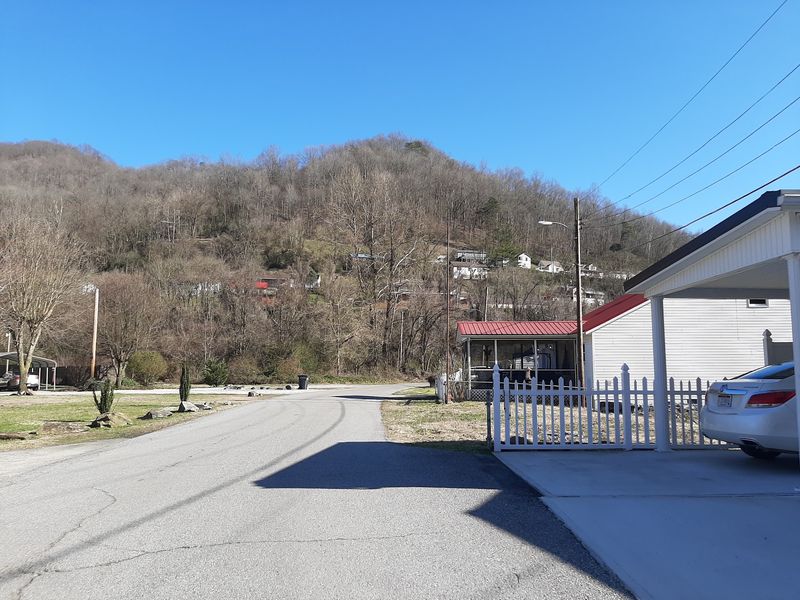
Feud fans, this is your territory. Logan County is closely tied to the famous Hatfield family of Hatfield and McCoy fame.
William Anderson Hatfield, better known as Devil Anse, spent his later years in Logan County. His family cemetery sits near the small community of Sarah Ann.
The grave is marked by a striking life-size marble statue of the patriarch. It’s reportedly imported from Italy, which feels wonderfully dramatic for a mountain hillside.
Plenty of people know the feud from television and movies. Seeing the real landscape gives the story a whole new weight.
The cemetery is on a hillside, so expect a climb. Sturdy shoes and a little patience make the visit easier.
Please treat the site with respect. It’s a family burial ground, not a theme park attraction.
I believe this kind of stop sticks with travelers long after the trip. History feels different when you’re standing where it actually happened.
Pair the visit with a drive through the surrounding hollows. The winding roads show exactly why mountain families stayed so close and so fiercely loyal.
It’s a short trip from Logan, and it adds real depth to a weekend here.
Thousands Of Wooded Acres Minutes From Town
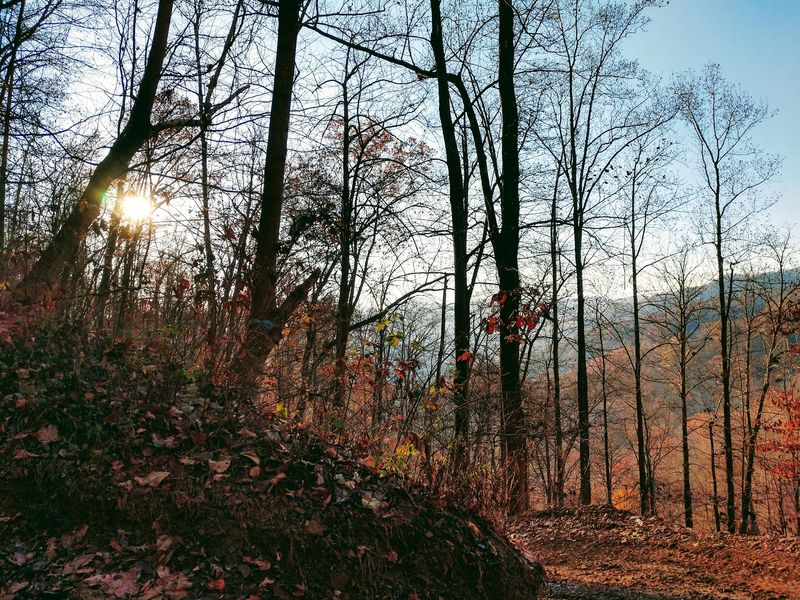
Here’s a nice surprise for a town this size. Chief Logan State Park sits just a few miles north of downtown.
The park covers thousands of acres of wooded hills. It offers hiking trails, picnic areas, and plenty of room to stretch your legs.
Chief Logan Lodge sits within the park as well. That makes overnight stays possible right in the middle of the scenery.
Families tend to love having this much green space so close by. You can spend a morning downtown and be on a trail before lunch.
The park also has a small wildlife exhibit and an outdoor amphitheater. Amenities and hours can vary by season, so it pays to check before heading out.
Trails range in difficulty, which helps groups with different energy levels. Some folks want a gentle walk, while others want a real workout.
Spring wildflowers and fall foliage make the park especially rewarding. Even summer shade feels welcome on those warm West Virginia afternoons.
Bring water, snacks, and a camera. The hills don’t always offer services between trailheads.
For a town known for its compact Main Street, having a full state park this close feels almost greedy. Nobody’s complaining.
Legend Comes Alive Under Summer Skies
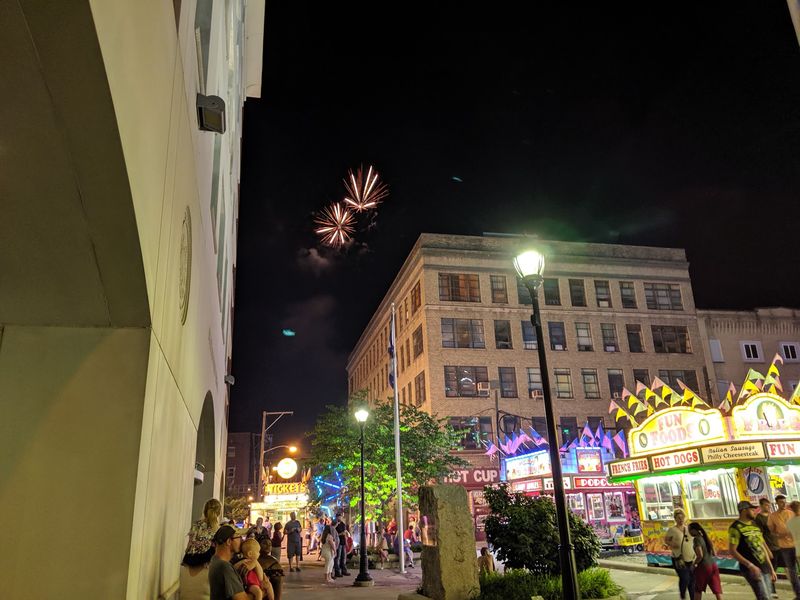
Remember Princess Aracoma? On certain summer evenings, she steps onto an outdoor stage.
The Aracoma Story is a long-running outdoor drama staged at the amphitheater in Chief Logan State Park. The production group behind it has reportedly been presenting shows for decades.
The signature performance retells the Aracoma legend. Seasons have also included other theater productions, so the lineup can change from year to year.
Watching a play outdoors in the mountains is a special kind of fun. Crickets, cool air, and a starry sky add their own sound effects.
This makes a great evening plan after a day of exploring. You’ve walked downtown, hiked the park, and now you get a show.
Schedules vary by season, so look up current dates before you go. Summer is typically the busiest time for performances.
Bring a light jacket or blanket, just in case. Mountain evenings can cool down faster than you’d expect.
Kids who heard the legend earlier in the day will enjoy seeing it acted out. It ties the whole weekend together neatly.
Few small towns can offer live outdoor theater rooted in their own history. Logan pulls that off, and it’s a treat worth planning around.
Mud, Mountains, And Motors On The Trails
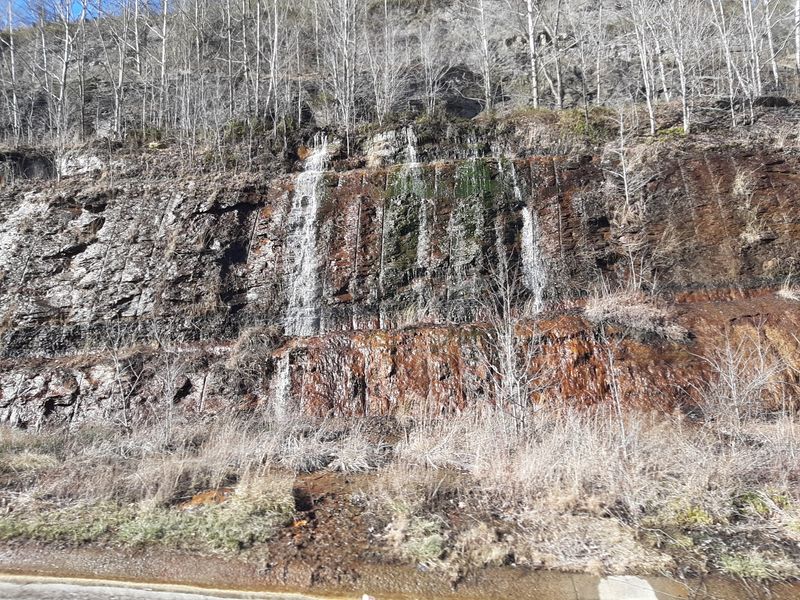
Some visitors come for history, and others come for horsepower. Logan County is part of the region served by the Hatfield-McCoy Trails.
That trail network stretches across several southern West Virginia counties. It’s open to ATVs, UTVs, dirt bikes, and other off-road vehicles on designated systems.
The nearby Rockhouse trail system is a popular option in Logan County. Riders often use local towns as home base between trips into the hills.
Permits are required to ride the trails. Rules, fees, and trail conditions can change, so the official trail system is the place to check before you go.
Safety matters out there. Helmets, proper gear, and a realistic sense of your skill level keep the fun from turning into a story.
The terrain is genuinely rugged. Steep climbs, tight turns, and mountain views come with the territory.
After a long ride, Logan’s walkable downtown makes a relaxing change of pace. Trade the engine roar for a quiet evening stroll.
Not into riding yourself? Plenty of trail-friendly towns welcome curious onlookers too.
Either way, the trails add an adventurous streak to a weekend here. Logan easily balances quiet history with a little mud on the tires.
A Weekend Built For History Lovers And Easygoing Families
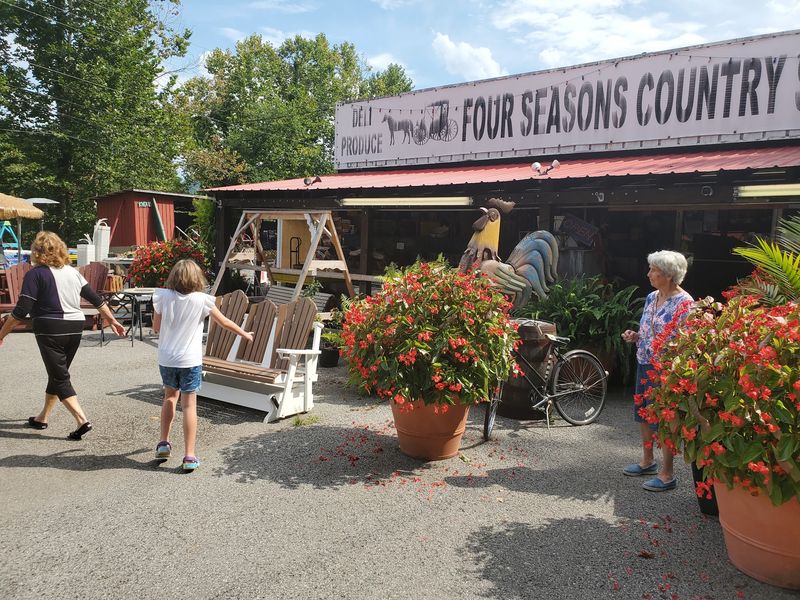
Retirees with a soft spot for the good old days will feel right at home. So will families who want a getaway without a packed theme park schedule.
Logan’s mix leans toward slow, curious travel. You walk, you learn, you sit outside, and nobody rushes you.
History lovers get coal heritage, feud lore, and the Aracoma legend. That’s a lot of storytelling in one small valley.
Outdoor fans get the state park and the riding trails nearby. Couples can easily split their days between quiet trails and evening theater.
Kids tend to enjoy the variety. A legend in the morning, a hike after lunch, and a play at night keep boredom away.
Travelers returning to their family’s hometown may find this trip especially moving. Southern West Virginia is full of folks reconnecting with grandparents’ stories.
Big-city nightlife seekers might want to adjust expectations. Logan’s charm runs quieter and more personal than flashy.
That’s exactly the appeal for many people, though. The pace leaves room to actually enjoy where you are.
Bring the grandparents, bring the kids, and bring your questions. Logan has plenty of answers tucked into its hills.
Getting There Without The Guesswork
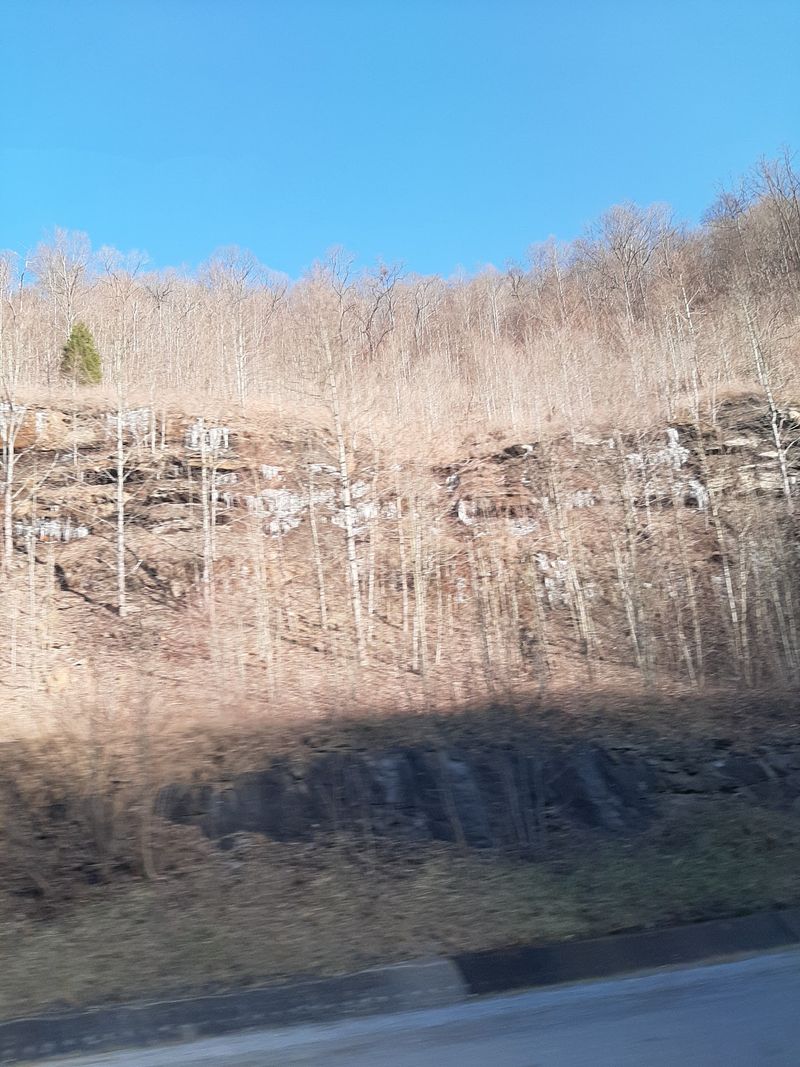
Good news for drivers: you don’t need a goat path to reach town. U.S.
Route 119, often called Corridor G, connects the area with Charleston to the northeast.
The drive from the capital typically takes around an hour, depending on traffic and stops. Mountain views keep the trip pleasant the whole way.
For your GPS, aim for Logan, West Virginia 25601. Downtown and the courthouse area make an easy starting point.
Chief Logan State Park sits just a few miles north of town. Hatfield cemetery and trail access points require extra driving into the surrounding hills.
Hours for attractions, shops, and restaurants can shift by season. Checking ahead keeps your weekend running smoothly.
Lodging options include the lodge at the state park and other stays in the area. Booking early helps during summer and busy riding seasons.
Cell service can be spotty on back roads. Downloading maps before you leave is a smart move in southern West Virginia.
Gas up before heading deep into the hollows too. Stations can be farther apart than city drivers expect.
A little planning goes a long way. Once you arrive, the compact layout does most of the heavy lifting.
Small Valley, Surprisingly Full Itinerary
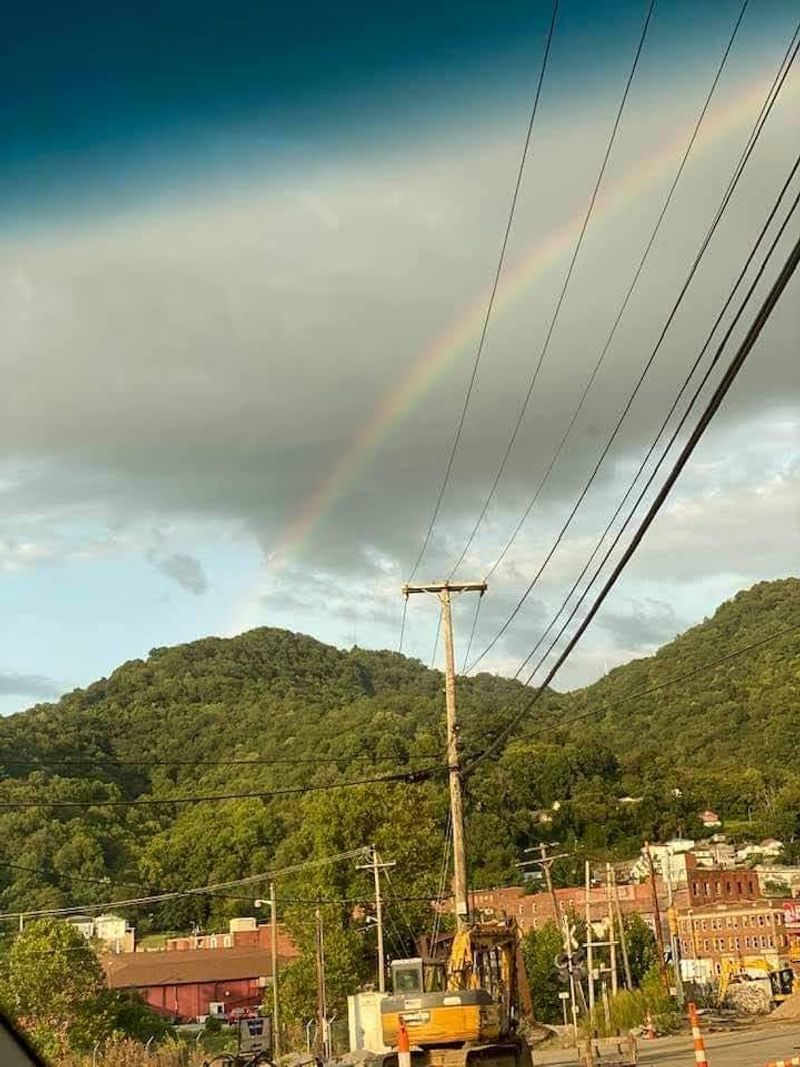
Two days rarely feel this full in a town of fewer than 1,500 people. Logan somehow fits legend, coal heritage, feud history, and mountain recreation into one narrow valley.
The short downtown keeps things simple. Park once, wander freely, and let the hills handle the rest.
Chief Logan State Park adds space to breathe. The Aracoma Story adds a little summer magic after dark.
Meanwhile, the Hatfield cemetery and nearby trails offer something for the history crowd and the thrill seekers. It’s a balanced weekend without feeling crowded.
I believe Logan suits anyone who prefers stories to spectacle. The town rewards people who slow down and pay attention.
It’s also a proud reminder of what southern West Virginia has always offered. Close community, deep roots, and plenty of grit.
Some places shout for attention with billboards. Logan quietly lets its river, ridges, and history speak instead.
So pack the comfortable shoes and the light jacket. Leave room in the schedule for an unplanned stop or two.
By Sunday, you may realize the Main Street was short, but the memories weren’t. That’s a pretty good trade for one little mountain town.
