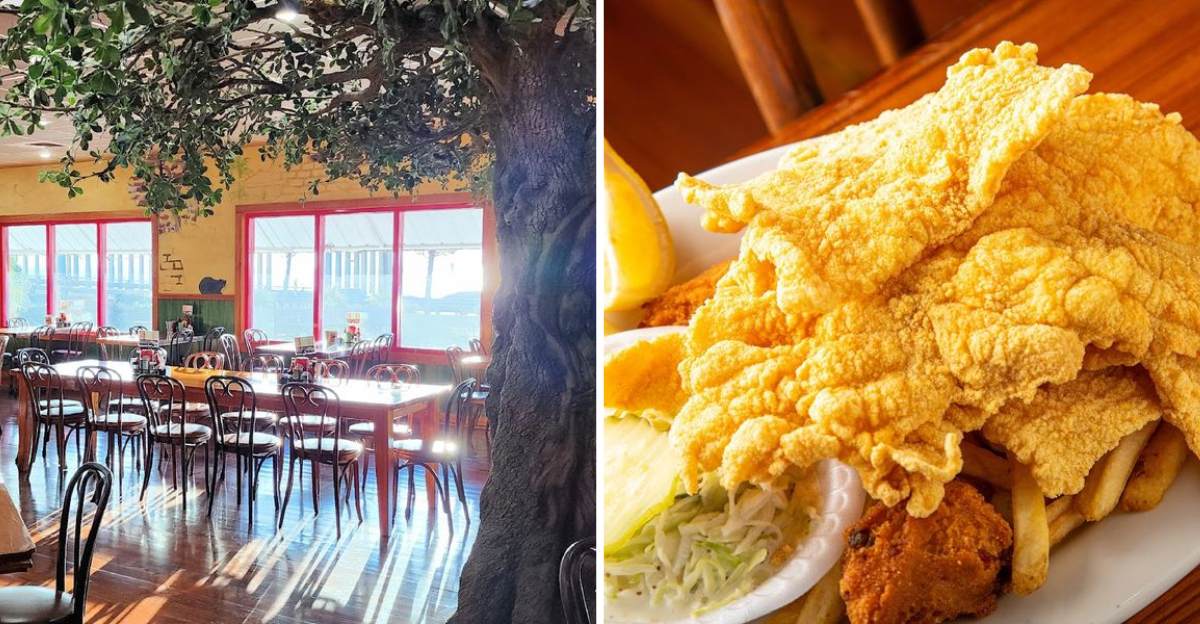
Some places earn their reputation quietly, one plate at a time, over decades. This Louisiana spot tucked between two lakes along a rural highway is exactly that kind of place.
The first time the smell of golden fried catfish hits you before you even reach the front door, something shifts inside you. A couple opened this place on July 4, 1934, right in the middle of the Great Depression, and somehow it just kept going.
She figured out that slicing catfish thinner than anyone else dared to and frying it to a crisp golden finish was something people would drive a long way for. I sat down at a table covered in butcher paper and watched plates of that thin, crispy catfish pass by for a solid ten minutes before I even ordered.
Nearly 90 years later, cars still line up on weekends, and the recipe has never changed. That kind of consistency is not just cooking, it is legacy.
Born in the Depression, Built to Last: The Origin Story of Middendorf’s
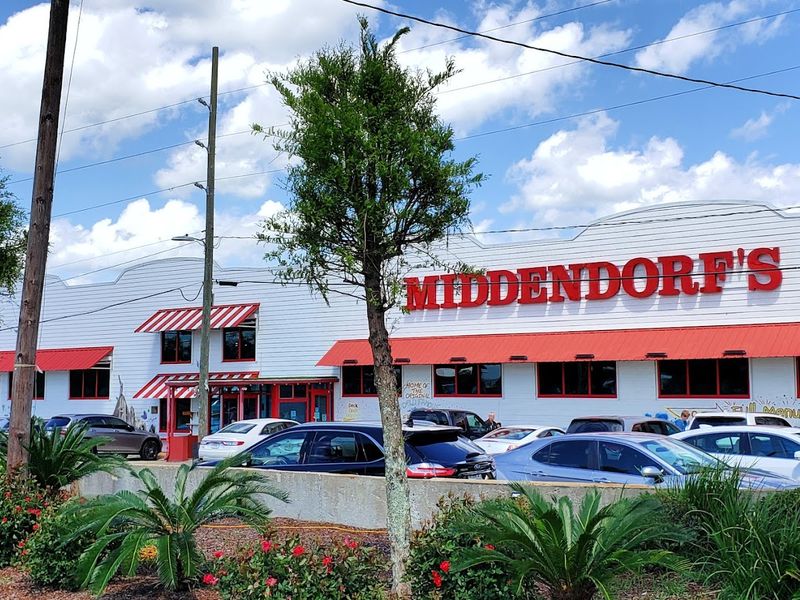
Opening a restaurant during the Great Depression sounds like a gamble nobody should take, but Louis and Josie Middendorf did it anyway on July 4, 1934. That kind of stubborn optimism is baked right into the foundation of this place.
The location they chose, nestled between two lakes along what is now Highway 51 near Manchac, Louisiana, was not exactly a bustling downtown corner.
Josie was the creative force behind the kitchen. She developed the recipe for what would become their signature thin-fried catfish, a method so specific and so right that nobody has changed it since.
The catfish gets sliced thinner than most restaurants would dare, then fried until every edge crackles and the whole thing turns a deep, satisfying gold.
The restaurant stayed family-owned for two full generations, passing through Josie’s son Richard and eventually to her granddaughter Susie and husband Joey Lamonte. In 2006, Horst and Karen Pfeifer, veterans of the New Orleans restaurant world, took over and kept every tradition intact.
The history here is not just a talking point on the menu. It is present in the walls, the view, and every basket of catfish that comes out of that kitchen.
The Manchac Setting That Makes the Meal Feel Like an Escape
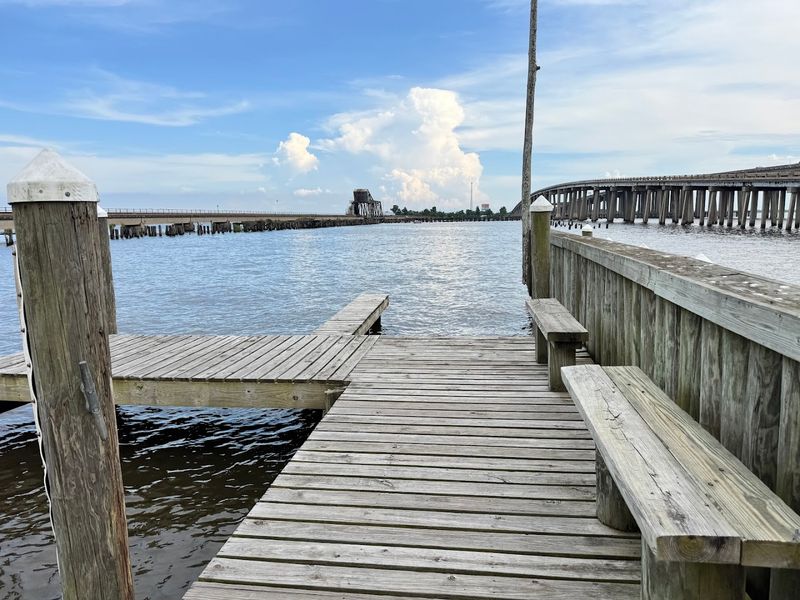
Getting to Middendorf’s is part of the whole experience. The drive along Highway 51 through the Manchac wetlands feels like the outside world is slowly fading behind you, replaced by cypress trees draped in Spanish moss and long stretches of open water.
By the time the restaurant comes into view, you are already in a different headspace.
The building sits right at the edge of the water, with a pier and a waterfront deck where you can feel the breeze rolling off the lake. Boats can pull up directly to the dock, which means some guests arrive by water rather than road.
That detail alone tells you something about the spirit of this place.
Southern Living magazine once called the catfish here potentially the best fried fish in the world, and sitting out on that deck with the lake stretching out in front of you, it is easy to understand why a meal here feels so much bigger than just lunch. The combination of location, open air, and water views creates an atmosphere that no amount of interior design could replicate.
It is effortless and genuinely beautiful in the way only Louisiana can be.
The Thin Fried Catfish That Started Everything and Never Stopped
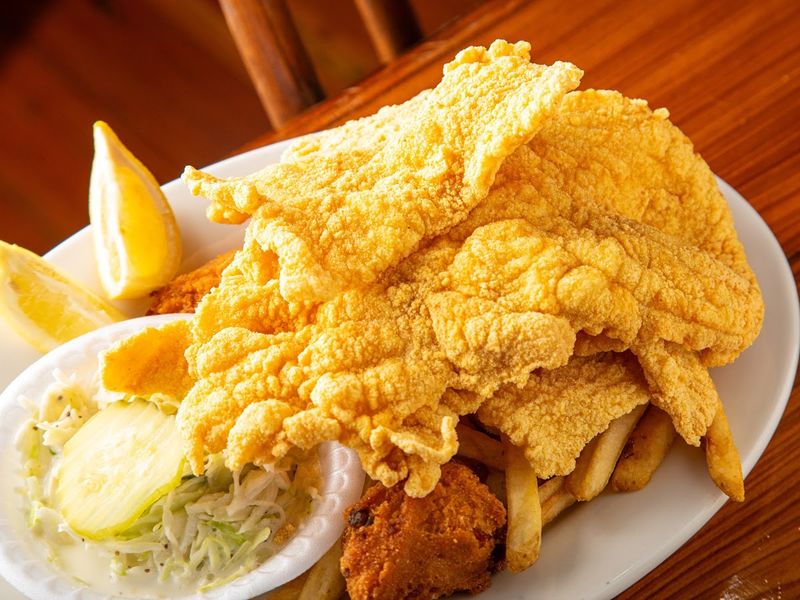
Josie Middendorf figured out something that seems almost too simple: slice the catfish thin, fry it hot, and let the result speak for itself. The World Famous Original Thin Fried Catfish has been on the menu since 1934 and the recipe has not moved an inch.
That kind of confidence in a dish is rare, and it is completely earned.
The catfish comes out light and impossibly crispy, with edges that shatter when you bite into them. Because the fillets are sliced so thin, the fish cooks quickly and evenly, which means every piece is golden all the way through without any soft or soggy spots.
It is the kind of fried fish that makes you rethink every other version you have had before.
A classic plate comes with hush puppies, fries, and coleslaw, and the combination is deeply satisfying without being heavy. The hush puppies alone have their own fan base.
Guests who have been coming here for decades will tell you the plate tastes exactly the same as it did on their first visit, and that consistency is not accidental. It is the result of nearly 90 years of doing one thing exactly right, every single service.
A Menu That Goes Well Beyond the Catfish
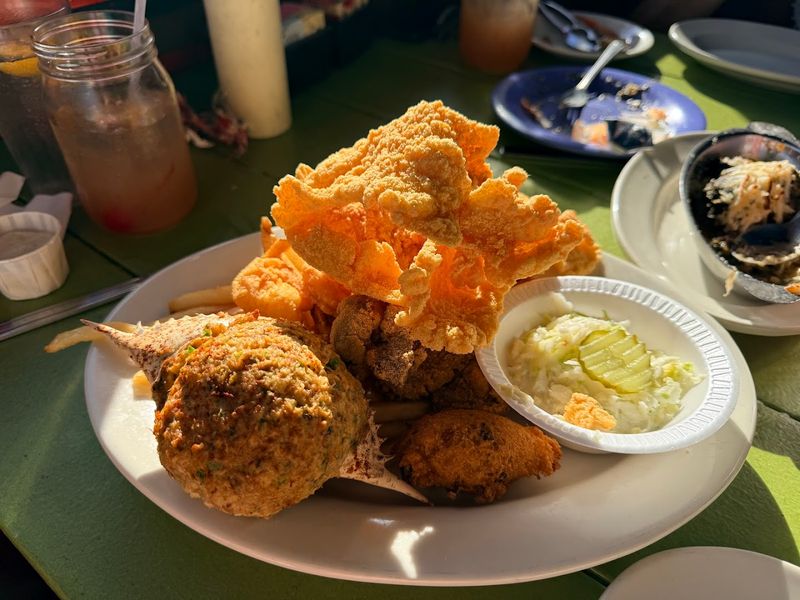
The catfish is the headline, but Middendorf’s menu has plenty of other reasons to linger. The seafood platter is the kind of thing that requires a strategy before you start eating, arriving loaded with thin catfish, shrimp, stuffed crab, fried oysters, french fries, and coleslaw.
More than one guest has admitted they needed a partner just to get through it.
The shrimp remoulade has regulars who have been ordering it for years and would not dream of skipping it. Parmesan oysters come up in conversations about the place almost as often as the catfish does.
Turtle soup is still on the menu, a nod to old Louisiana tradition that most restaurants have quietly dropped from their offerings.
Dessert at Middendorf’s is treated with the same seriousness as the rest of the meal. Banana bread pudding and German chocolate cake with coconut-pecan frosting are the kinds of finishes that make you glad you left room, or at least wish you had.
When homemade peach ice cream shows up as a seasonal special, it disappears fast. The menu feels rooted in Louisiana culinary tradition without being a museum piece, staying relevant because the cooking is simply good.
Weathering Every Storm: Middendorf’s Resilience Through the Years
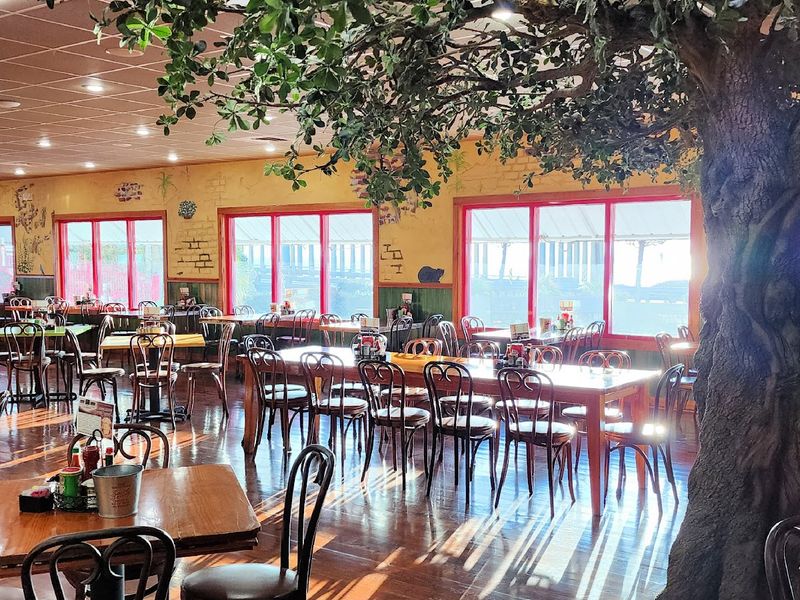
Louisiana hurricanes are not gentle, and Middendorf’s has faced more than its share. Hurricane Katrina in 2005 caused significant damage.
Then Ike in 2008 hit before repairs were fully settled. Isaac in 2012 came along and tested the place again.
Each time, the restaurant rebuilt and reopened.
That kind of endurance is not just about construction and insurance claims. It reflects something deeper about the people connected to this place, the owners who chose to come back, the staff who returned, and the regulars who showed up the moment the doors reopened.
A restaurant that survives nearly a century of Gulf Coast weather has earned a certain kind of trust.
The current owners, Horst and Karen Pfeifer, have shepherded Middendorf’s through some of those harder chapters while keeping the original identity fully intact. There is no reinvention happening here, no pivot to a trendy concept.
The commitment has always been to the same food, the same atmosphere, and the same welcome that Josie Middendorf established in 1934. Resilience in a Louisiana restaurant is not just a backstory detail.
It is part of what you are tasting when you sit down and order that first basket of catfish.
The Atmosphere and Service That Keep People Coming Back
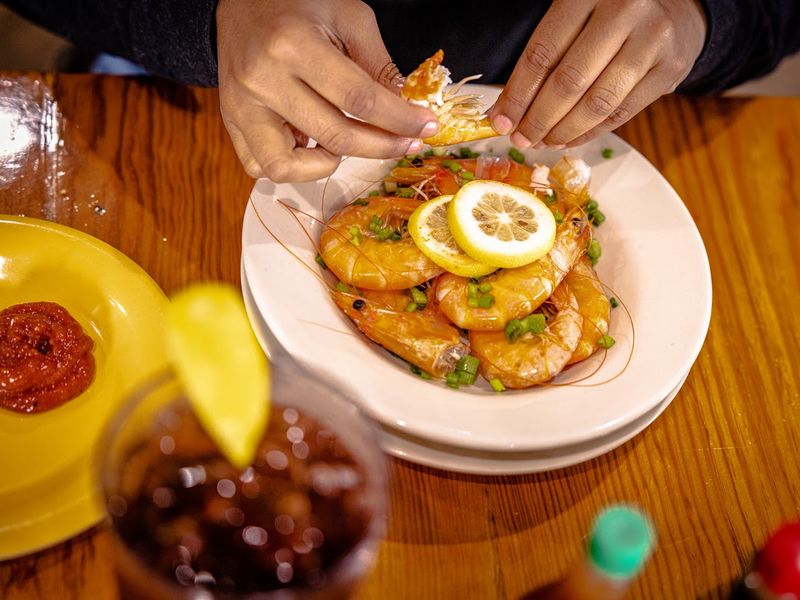
There is a laidback quality to Middendorf’s that you either immediately recognize or quickly come to appreciate. The space feels lived-in without being worn out, with a character that comes from decades of real use rather than any deliberate design effort.
Water views from the windows and deck remind you constantly that you are somewhere genuinely special.
Service here moves at a pace that feels confident rather than rushed. Food arrives fast, often impressively so, and it comes out hot.
Guests who have been coming for years mention the same thing repeatedly: the staff feels like they actually want you to enjoy yourself. That warmth is consistent enough to be a defining feature of the place rather than a lucky coincidence.
There is also a play area for kids, which catches first-time visitors off guard in the best way. Groups, families, solo travelers stopping for a quick lunch, and large parties celebrating something special all seem to find their footing here without any friction.
The restaurant accommodates private events as well. Middendorf’s has a way of making everyone feel like they belong, whether it is their first visit or their thirtieth.
That ease of welcome is something a lot of newer restaurants spend years trying to manufacture.
Growing Beyond Manchac: The 85th Anniversary and What Comes Next
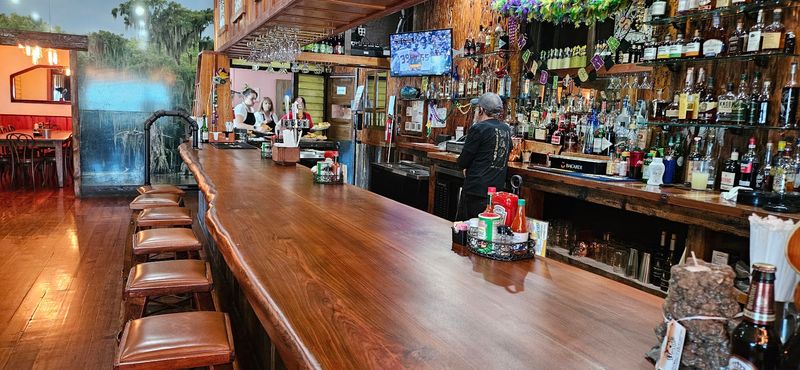
Reaching 85 years in the restaurant business is an achievement worth marking, and Middendorf’s did exactly that in 2019 by opening a second location in Slidell, Louisiana. It was a way of bringing the thin-fried catfish tradition to a wider audience without disrupting what makes the original Manchac spot so irreplaceable.
Pop-up events in Baton Rouge have introduced the restaurant to people who might never have made the drive out to Highway 51. Those events generate the kind of word-of-mouth that no advertising budget can buy, because the catfish tends to do the convincing on its own.
Expansion, when it is done carefully and without abandoning the original, can be a sign of genuine strength.
The Manchac location remains the heart of it all. The pier, the lake breeze, the decades of history embedded in the walls, none of that can be duplicated at a second address.
For anyone who has not made the trip yet, the original restaurant on Highway 51 is the one to visit first. Knowing that a place this good has survived since 1934, outlasted storms, changed ownership twice, and still serves the same recipe makes every bite taste a little more like something worth the drive.
Address: 30160 US-51, Akers, LA 70421
