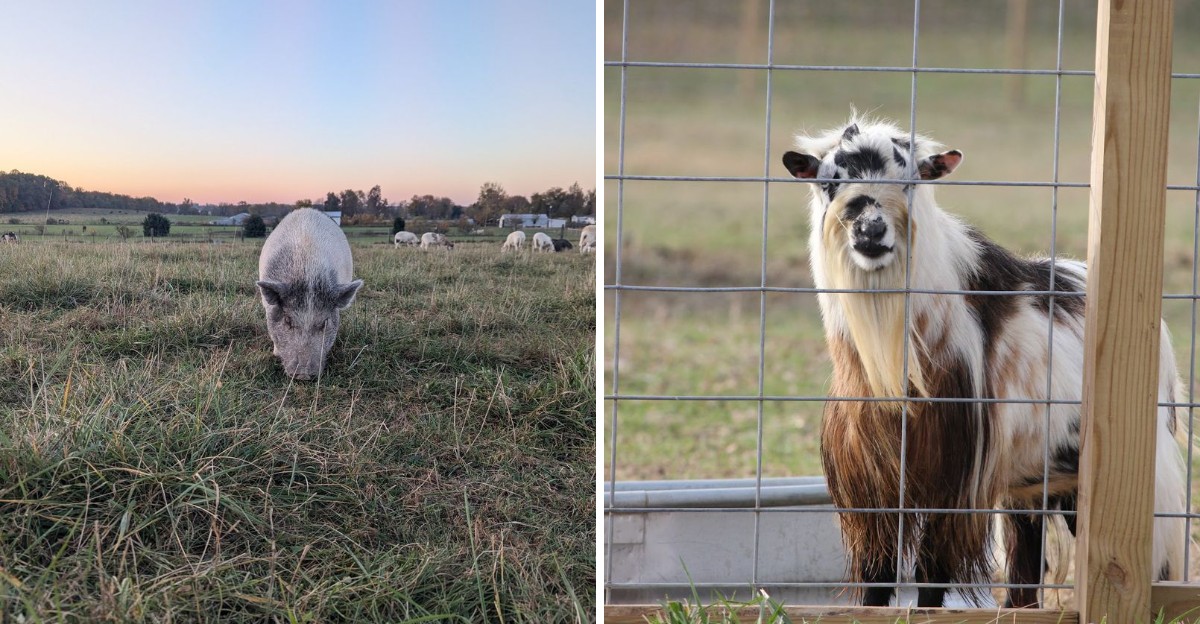
“Hee-haw.” A donkey has apparently decided the tour needs commentary. A rooster objects.
A pig makes a completely different sound. Within minutes, the quiet Indiana farm has developed a soundtrack that would be difficult to reproduce anywhere else.
More than 250 rescued animals live across the sanctuary, including pigs, horses, donkeys, goats, sheep, chickens, turkeys, and guinea fowl. Many came from neglect or situations where they could no longer be safely cared for.
Now they get something much simpler. Food.
Space. Names.
And people who actually want to know them. Visitors can walk through the pastures, meet the animals up close, and hear the stories behind individual rescues.
The loudest resident may still be the happiest one.
Meeting Over 250 Survivors Who Now Call The Pasture Home
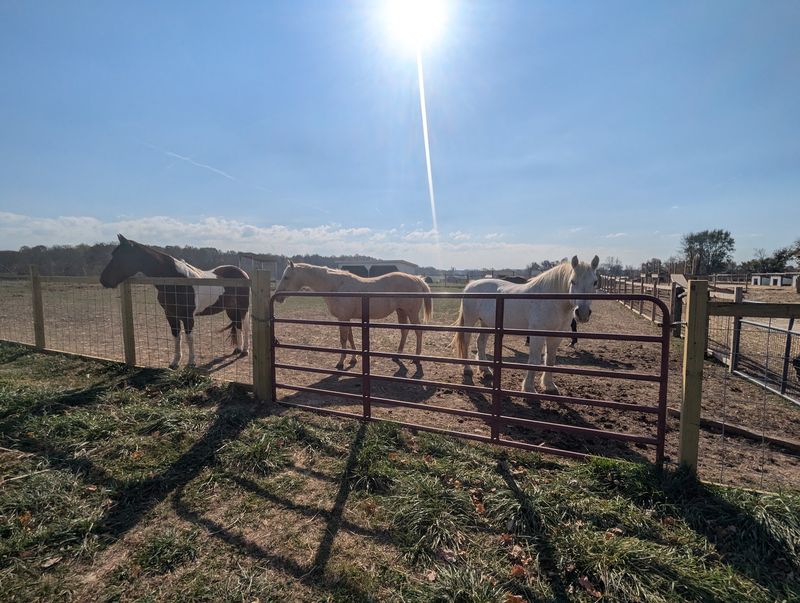
Numbers on a website are one thing. Watching 250 animals move around a working farm is another entirely.
The residents at Compass Rose Farm Sanctuary in Spencer come from a wide mix of backgrounds: pigs pulled out of cramped crates, horses surrendered during financial hardship, poultry saved from crowded conditions, and donkeys who lost their homes when owners passed away.
Pigs, horses, donkeys, sheep, goats, chickens, turkeys, and guinea fowl all share the property, and each species has its own corner of the routine.
Mornings are loud. Feeding time involves buckets, hay, and a chorus of opinions from every direction.
What surprises many first-time guests is how much personality is packed into a farm animal. Sheep recognize footsteps.
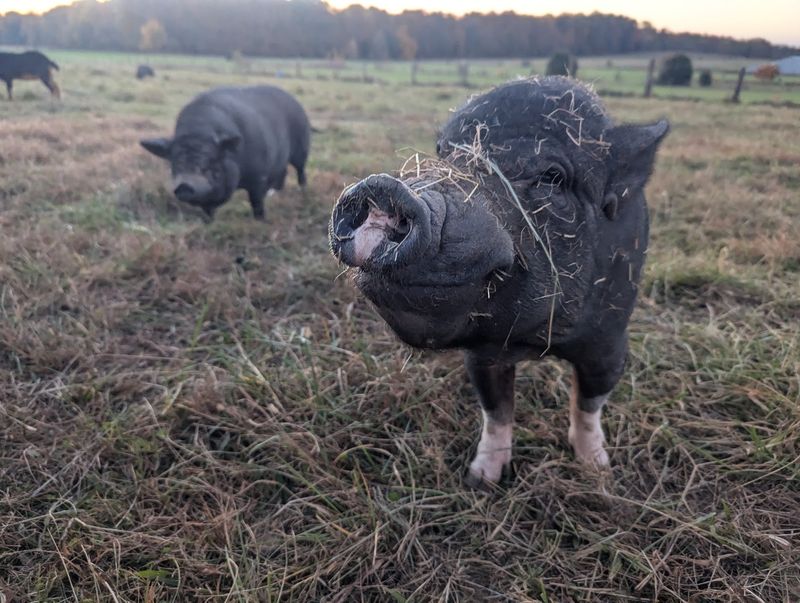
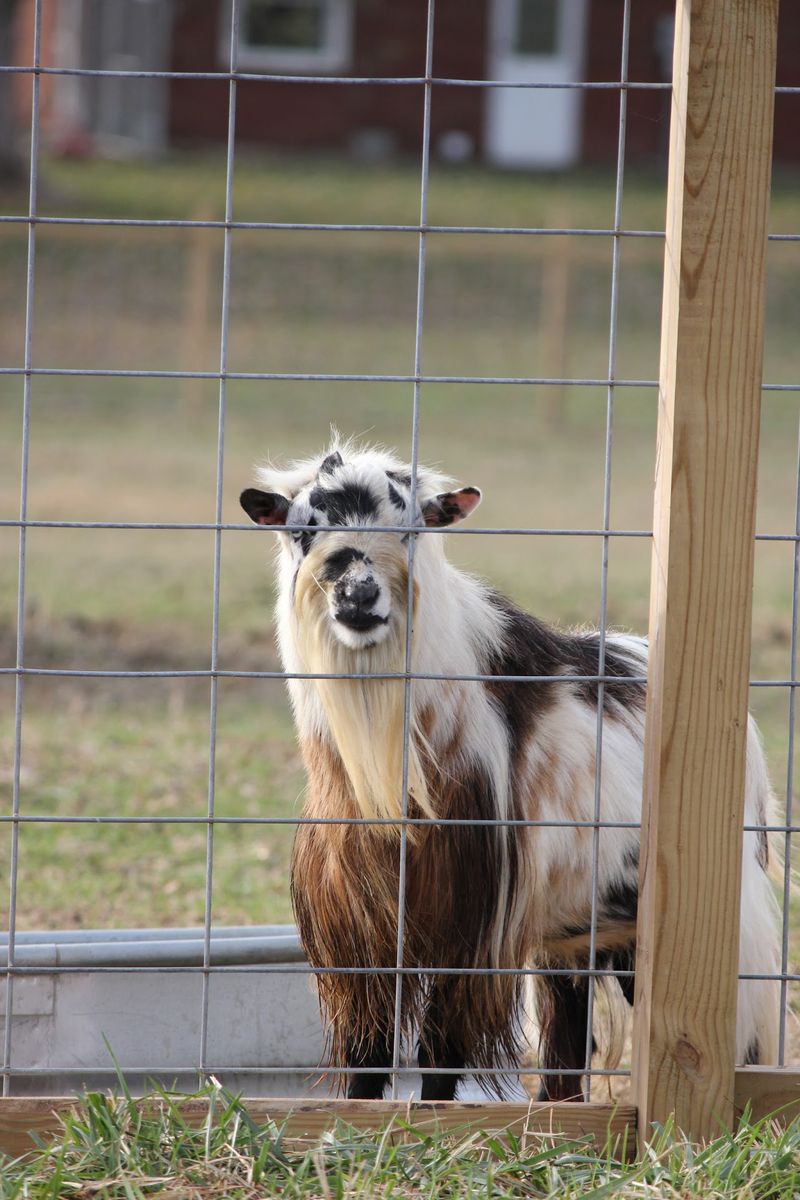
Goats test fences purely out of curiosity. Pigs will flop over sideways the second a hand touches the right spot behind the shoulder.
Because the sanctuary provides lifelong care rather than adoption placement, the animals stay put. That means return visitors can track the same faces year after year, watching a nervous newcomer settle into confidence.
Plan for slower pacing here. The best moments tend to arrive when someone stops walking, sits on a fence rail, and lets the animals decide whether to come over.
Most of them do.
Buddy’s Story And The Quiet Power Of Second Chances
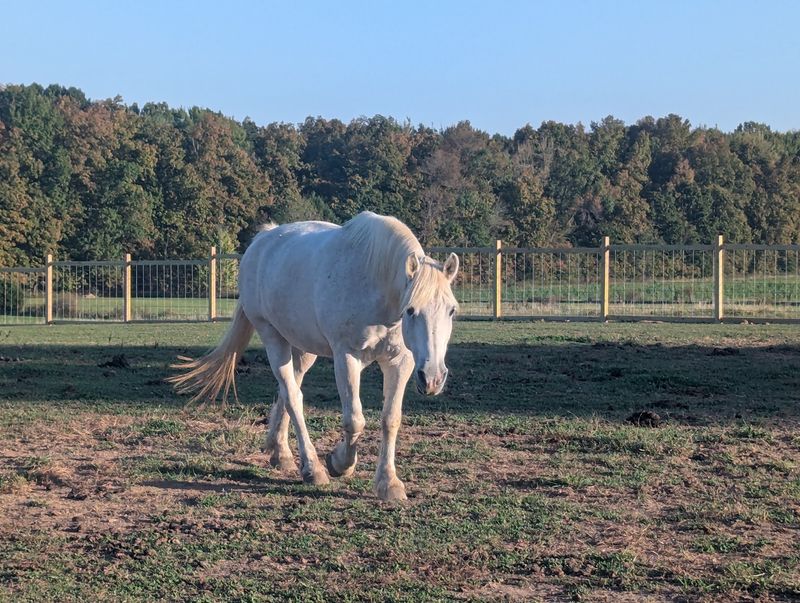
Every sanctuary has one resident whose story stops people mid-sentence. At Compass Rose, that resident is Buddy.
Years of cruelty followed him before he ever reached Spencer. He was beaten, neglected, and used as target practice with a BB gun, which eventually cost him an eye.
The details are hard to hear, and the staff do not soften them, because honesty is part of the education the sanctuary offers.
Yet Buddy still approaches people. That contrast between what he endured and how he behaves now is the thing most visitors carry home.
Stories like his are not shared for shock value. They are shared because they change how someone thinks about the animals they pass on a country road, and how they think about reporting suspected neglect in their own community.
Another resident, a pig once nicknamed Fat Man before being renamed, arrived from a crate so small he could barely turn around, poked with a stick on a regular basis. He remains remarkably sweet-natured.
Sitting with these histories takes a minute. Bring tissues if emotional stories tend to get to you.
What balances it out is the setting itself, wide pastures, clean bedding, fresh water, and animals who no longer flinch. Recovery looks ordinary here, and that is exactly the point.
Ethel, Fred, Raisin And The Rest Of The Regulars
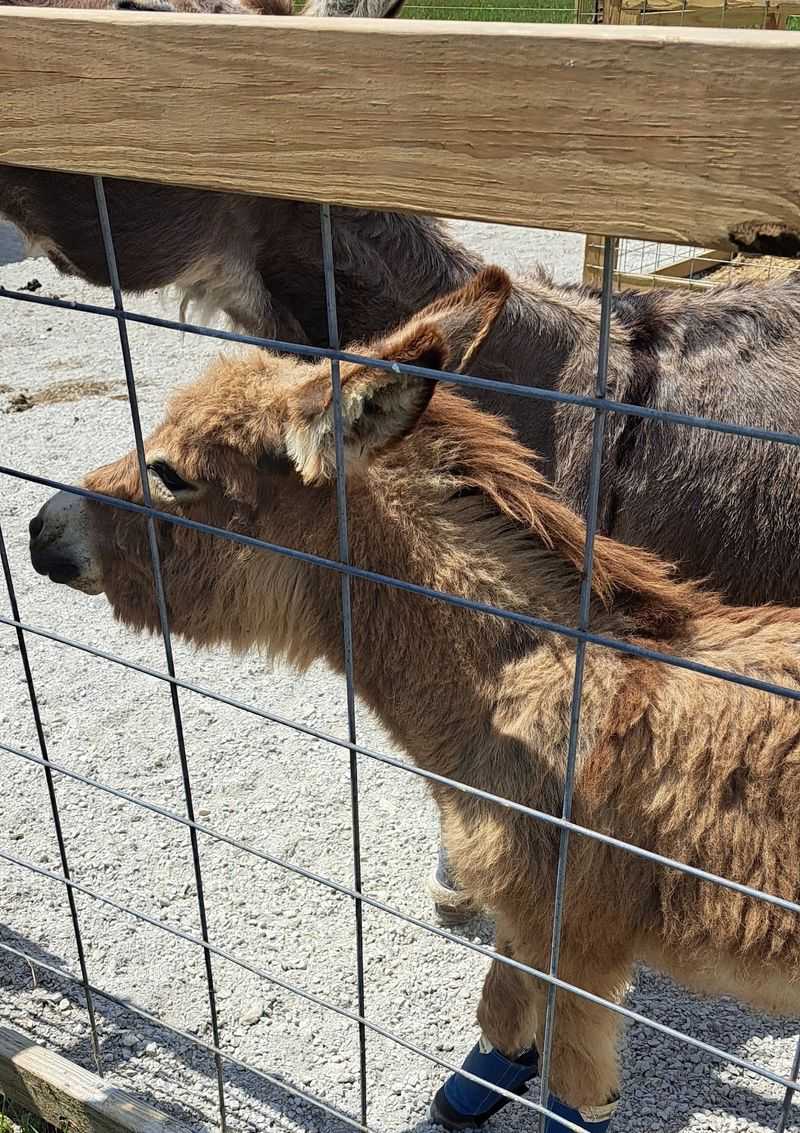
Names matter at this farm, and each one comes attached to a personality worth learning.
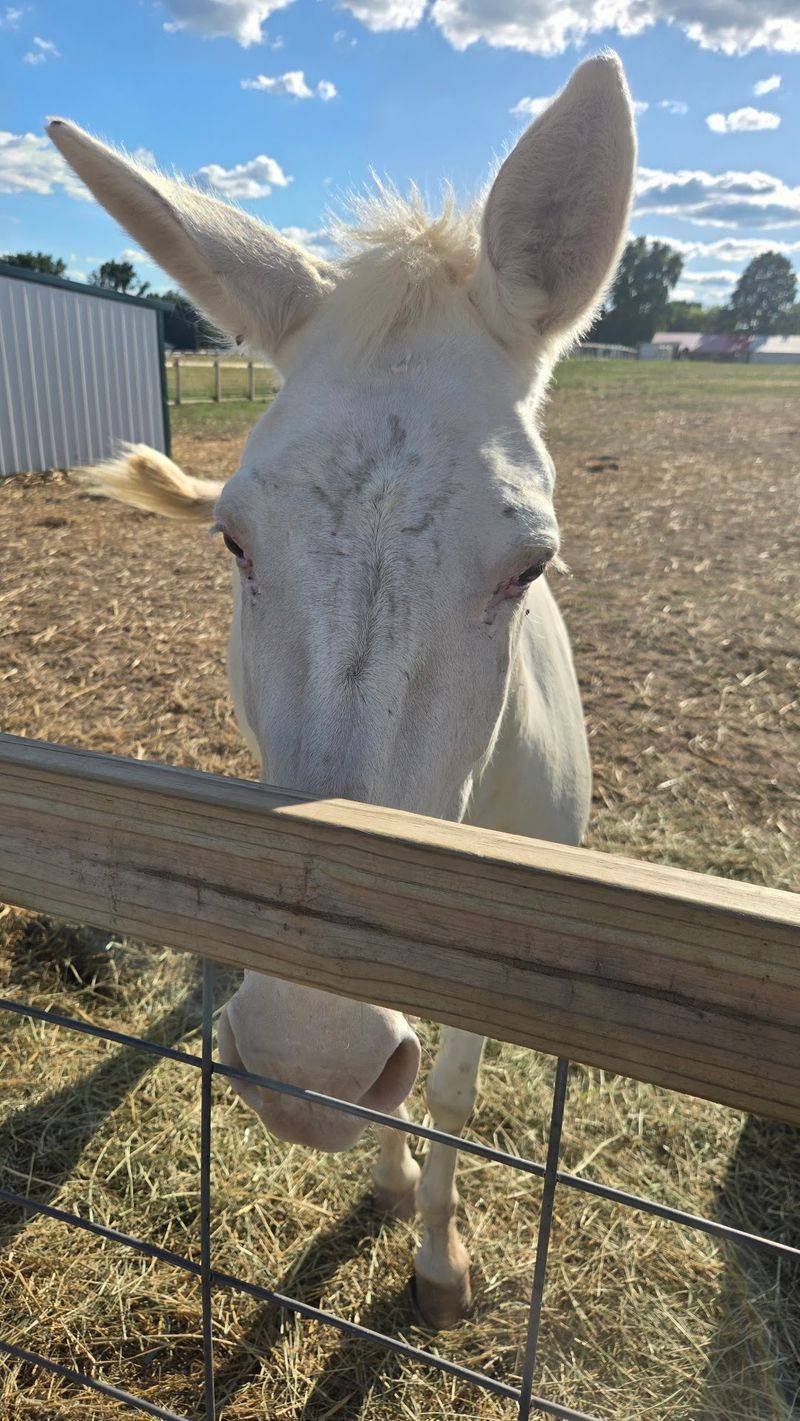
Ethel and Fred are a bonded mother-son donkey pair, rarely more than a few feet apart. Donkeys form deep attachments, and separating a pair like that would be genuinely cruel, so the sanctuary keeps them together for life.
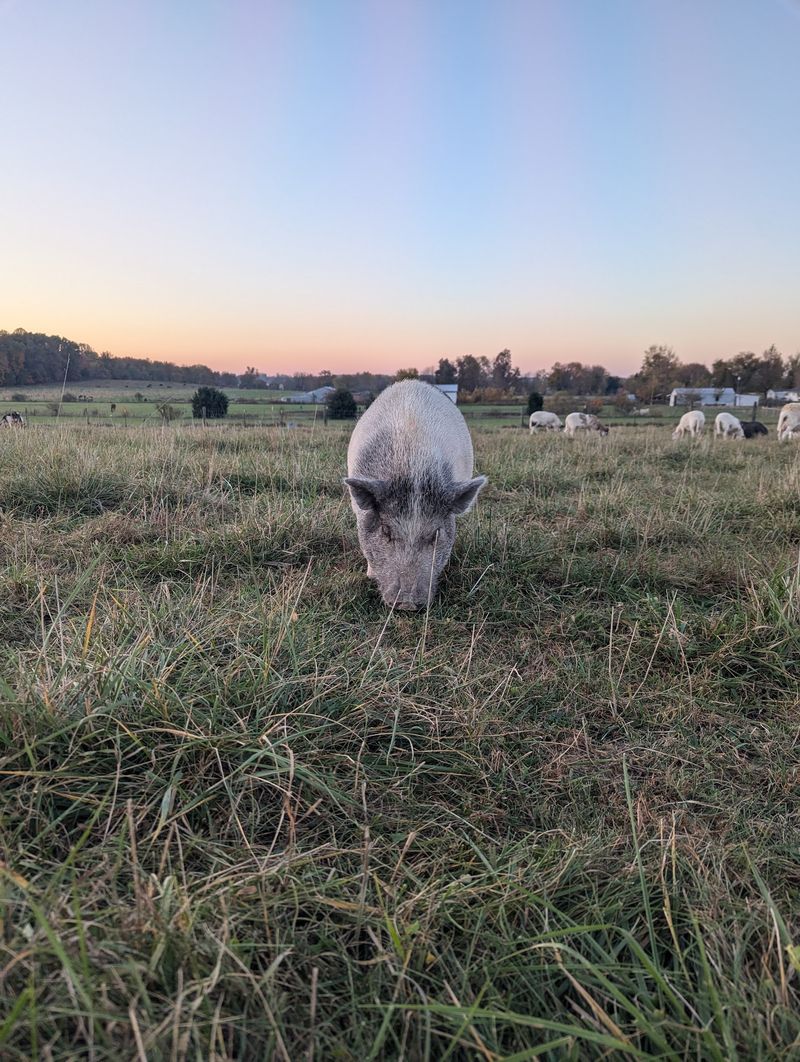
Then there is Raisin, a pig whose enthusiasm for snacks is well documented. On warm days she can be found stretched out in the sun beside her friend Pearl, both of them doing absolutely nothing with impressive commitment.
Annie, a mare, arrived jumpy and unsure. Horses carry stress in their body language, and watching one soften over months of steady handling is a slow, quiet kind of progress that staff track closely.
Taz came in with his family after a large-scale neglect case, and Penelope, an elderly pig, arrived after her human father died. Her situation highlights something people rarely plan for: what happens to an animal when the person caring for it is gone.
Learning the names before arriving makes a tour hit differently. Check the sanctuary’s resident pages, pick a favorite, then go find that animal in person.
It turns a farm walk into something closer to a reunion.
Tours Run By Appointment, Which Is Actually The Best Part
Drop-in crowds are not the style here, and the animals benefit from that decision.
Visits to Compass Rose Farm Sanctuary happen by appointment, with group tours available for families, classrooms, and organizations. Scheduling ahead means smaller numbers on the property, calmer animals, and far more one-on-one time than a busy petting zoo could ever offer.
Guides walk groups through the pastures and barns, explaining who lives where and why. Questions are welcome, including the uncomfortable ones about where these animals came from.
Kids tend to ask the sharpest questions. Adults tend to get quieter as the tour goes on.
Practical prep helps a lot. Closed-toe shoes are essential, since this is a real farm with mud, gravel, and the occasional surprise underfoot.
Layers work well in spring and fall, when Indiana weather changes its mind hourly.
The sanctuary also holds a long-term vision of building a fully accessible farm environment so people of all abilities can reach the animals directly, which shapes how paths and spaces are planned.
Booking early matters during warm months, when weekend slots fill fastest. A weekday morning often means an even quieter walk.
Either way, arriving with time to spare is smart. Rushing through a place like this misses the whole point.
Sponsor An Animal And Get A Front Row Seat
Feed bills for 250 animals do not pay themselves, and sponsorship is how a lot of that gap gets covered.
Compass Rose runs animal sponsorship programs that let supporters attach their name to a specific resident. Sponsors receive updates on that animal, and in some cases sponsorship opens the door to private visits, which is a much more personal experience than a standard group walk.
Think of it as adopting without the barn.
Sponsorship works particularly well as a gift. Instead of another object nobody needs, a birthday present becomes a year of hay, grain, hoof care, and veterinary attention for a real animal with a real name.
Veterinary costs are the heavy part. Rescued animals frequently arrive with untreated injuries, dental problems, parasites, or long-term damage from poor conditions, and specialized farm vet care is not cheap.
Beyond money, the sanctuary depends on volunteers and donated supplies. Fencing, bedding, tools, and simple hands-on labor all keep the operation running day to day.
For visitors who leave feeling attached to one particular face, sponsorship is the natural next step. It also gives a reason to come back and check on progress.
Plenty of supporters end up doing exactly that, year after year, watching their animal grow older in comfort.
The Rose Tea Cottage, Gardens, And Overnight Stays By The Stream
Not every reason to visit involves hooves.
Tucked on the property is the Rose Tea Cottage, a small charming space used for gatherings such as birthday parties and luncheons. Hosting an event surrounded by rescued animals gives an ordinary celebration a story attached to it.
Summer opens up another option. HipCamp lodging is available during warmer months, letting guests stay overnight on the farm among gardens and streams, falling asleep to frogs and waking up to roosters who have no interest in anyone’s sleep schedule.
Morning light over an Indiana pasture is worth the early wake-up call.
Workshops and retreats also take place here, built around connecting people with the land and with each other. Slower, quieter formats suit the setting well, and the surrounding Owen County countryside adds to the sense of being genuinely away from traffic and noise.
Gardens on the grounds shift through the season, so late spring and midsummer look completely different from an October visit.
Anyone planning a stay should pack for rural conditions, including bug spray, a flashlight, and shoes that can handle dew-soaked grass.
The combination is unusual: part campout, part farm stay, part sanctuary. Few places in Indiana offer that mix, and fewer still let guests share the sunrise with a herd of donkeys.
A Small Nonprofit With A Big Owen County Footprint
Founded by Nancy Marshall in 2019, the sanctuary started modestly, taking in pot-bellied pigs around Nashville, Indiana.
Growth came fast. By 2022 the operation needed far more room and moved to the larger Spencer property, and official 501(c)(3) nonprofit status followed in 2023.
That growth was tested in 2024, when the sanctuary stepped in to help the Owen County Humane Society during a rescue in Gosport involving nearly 350 animals found in terrible conditions. Handling an emergency of that size takes space, feed, transport, and a lot of people willing to show up.
Community roots run deep here. The sanctuary has taken part in local events including the Owen County Micro Farm Tours, which introduces the mission to neighbors who might never have visited otherwise.
The guiding belief is simple and stated plainly: every animal is a sentient being deserving respect, and education paired with empathy can change how people treat farm animals.
Visiting supports all of it. Tours, sponsorships, workshops, and overnight stays feed directly back into hay, medicine, and fencing.
Pair a trip with the wider Spencer area, where McCormick’s Creek State Park sits just minutes away, and a single day covers waterfalls, woods, and a barn full of animals who finally got lucky at 622 W Flatwoods Rd, Spencer, IN 47460.
