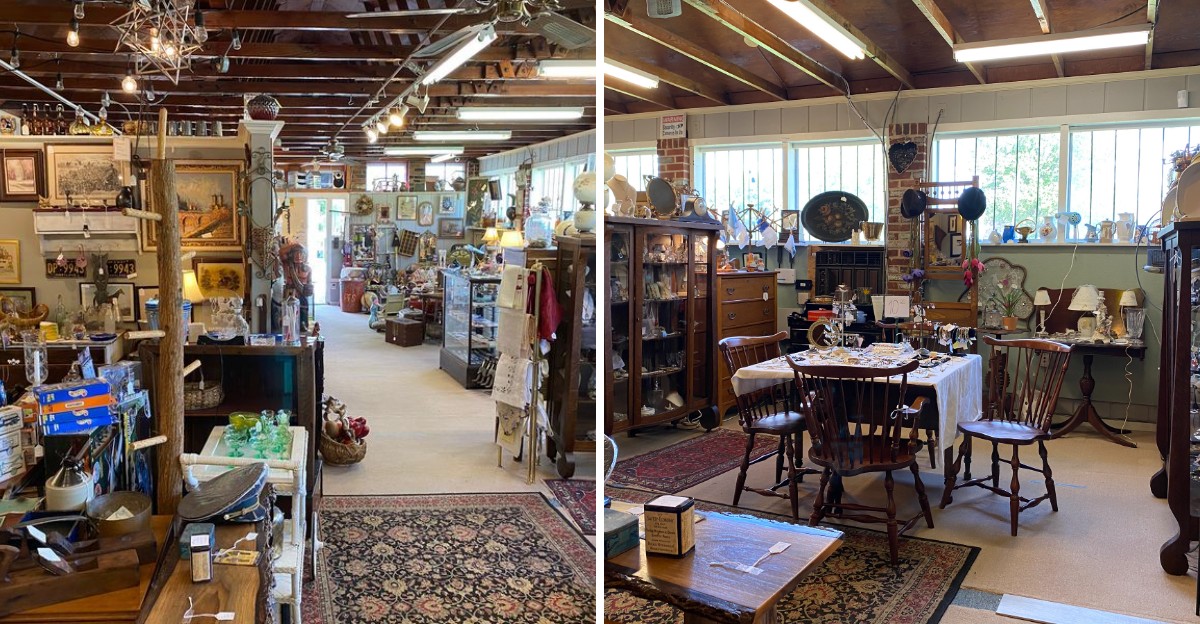
Some antique shops feel like stores. This Maryland village feels like a time capsule.
The buildings themselves carry history, and the items inside only add to the effect. You can wander from booth to booth, room to room, digging through furniture, glassware, and small oddities that hint at decades gone by.
The layout encourages slow browsing, and there is always another corner to check. The dealers have good eyes, and the prices are reasonable enough to keep things interesting.
Locals treat it as a regular hunting ground, while visitors often leave with something they did not expect. A reminder that treasure hunting is better when the setting matches the hunt.
The kind of place that makes an afternoon disappear.
A Building With Older Bones Than Most of Its Treasures
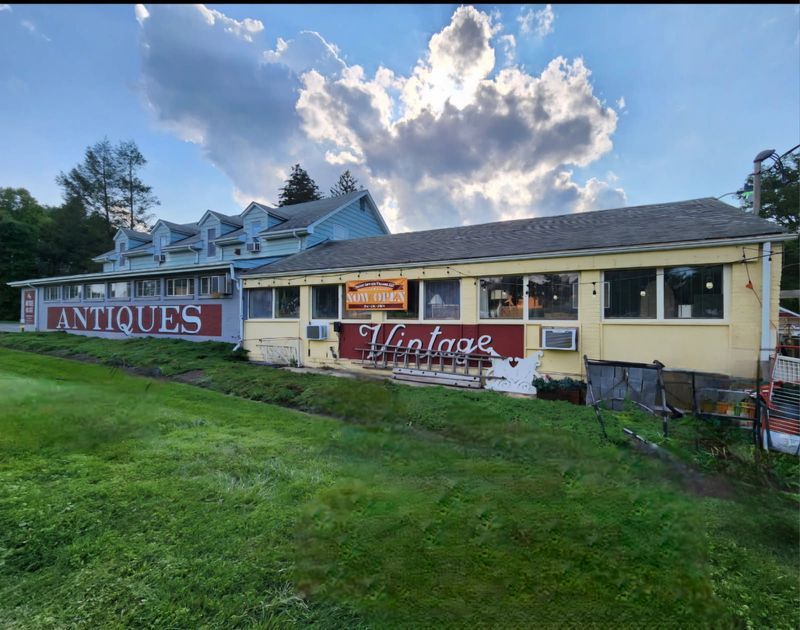
Some antique shops sell history, and this one happens to live inside it. The building dates back to 1865, when it opened as a general store serving the surrounding farm community.
Later it took on a new role as a toll building, which says a lot about how important this stretch of road once was.
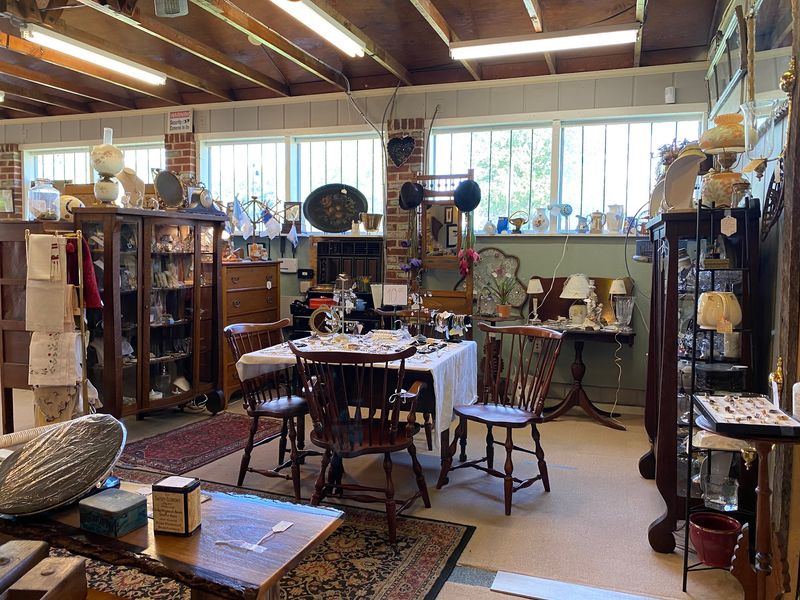
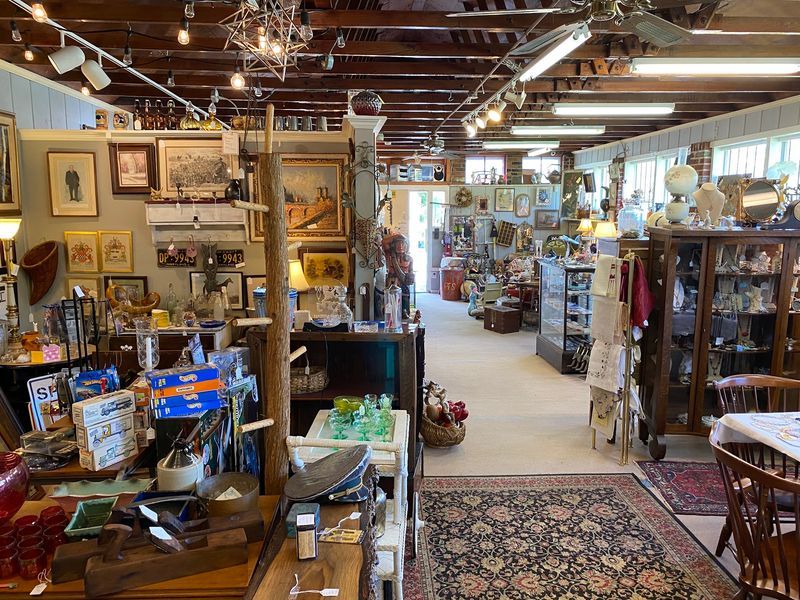
Look up when you get inside. The original rafters from the 1800s are still there, still doing their job and holding the whole place together.
That detail alone makes the visit feel different from browsing a shiny modern mall.
From the outside, the structure looks a bit like an oversized barn. Some visitors have joked about that, and honestly, it is part of the charm.
The plain exterior hides a surprisingly large interior that keeps unfolding the deeper you go.
Fun fact time. Toll buildings like this were common along old turnpikes, where travelers paid small fees to help keep roads in shape.
Imagining horse-drawn wagons rolling past adds a nice layer to any shopping trip here.
The age of the building shapes the whole mood. Floors have character, rooms connect in slightly unexpected ways, and every corner seems to carry a faint echo of earlier days.
It is easy to slow down without even trying.
Take a moment before shopping to simply notice the space itself. The wood, the angles, and the old beams set the stage for everything else.
Once that sense of time sinks in, the treasures on the shelves start to feel even more meaningful.
Getting Happily Lost in a Maze of Booths
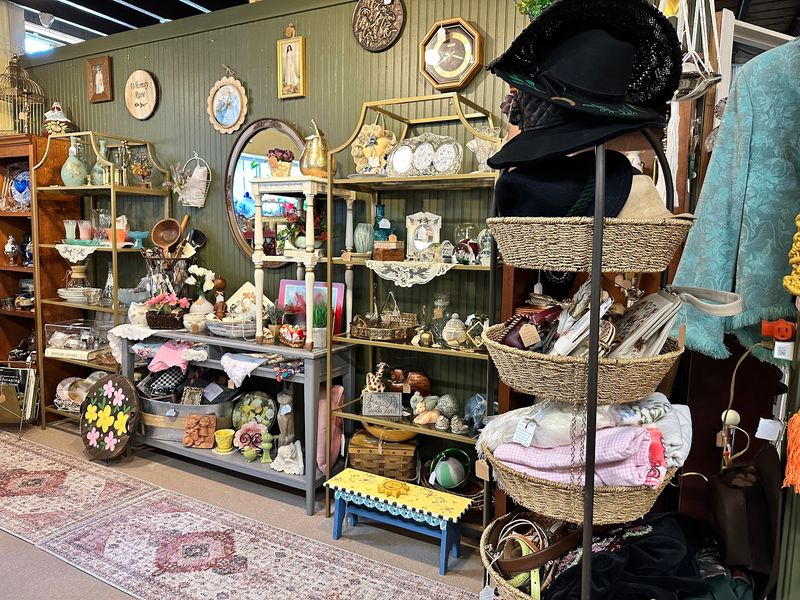
Nobody needs a map here, though a little sense of direction never hurts. The village is set up as a multi-vendor antique mall, so each dealer runs a separate booth with a personal style.
One space might lean rustic, while the next feels polished and elegant.
That variety creates a maze effect. Booths flow into one another, small rooms open into bigger ones, and a staircase leads to a whole second floor of finds.
Plenty of shoppers mention spending close to two hours without noticing the time pass.
Here is a helpful tip. Since many vendors share the overall space, check the tag on each item for its vendor code before getting excited about a sale sign.
The owner has made those codes larger and the signs clearer, which really helps.
The layout rewards wandering. Rushing through tends to mean missing the best stuff, like a tiny bottle hidden behind a lamp or a framed print leaning against a dresser.
Slow loops work better than straight lines.
Try doing one full lap just to look. Then circle back to the pieces that kept tugging at your attention.
This little trick helps avoid buyer regret and makes the visit feel like a proper hunt.
It also helps to pay attention to entrances. Some visitors have found the back door locked and needed to walk around to get in.
Friendly staff are usually close by to point the way if a certain booth seems hidden.
Vintage Clothes and Jewelry With Real Personality
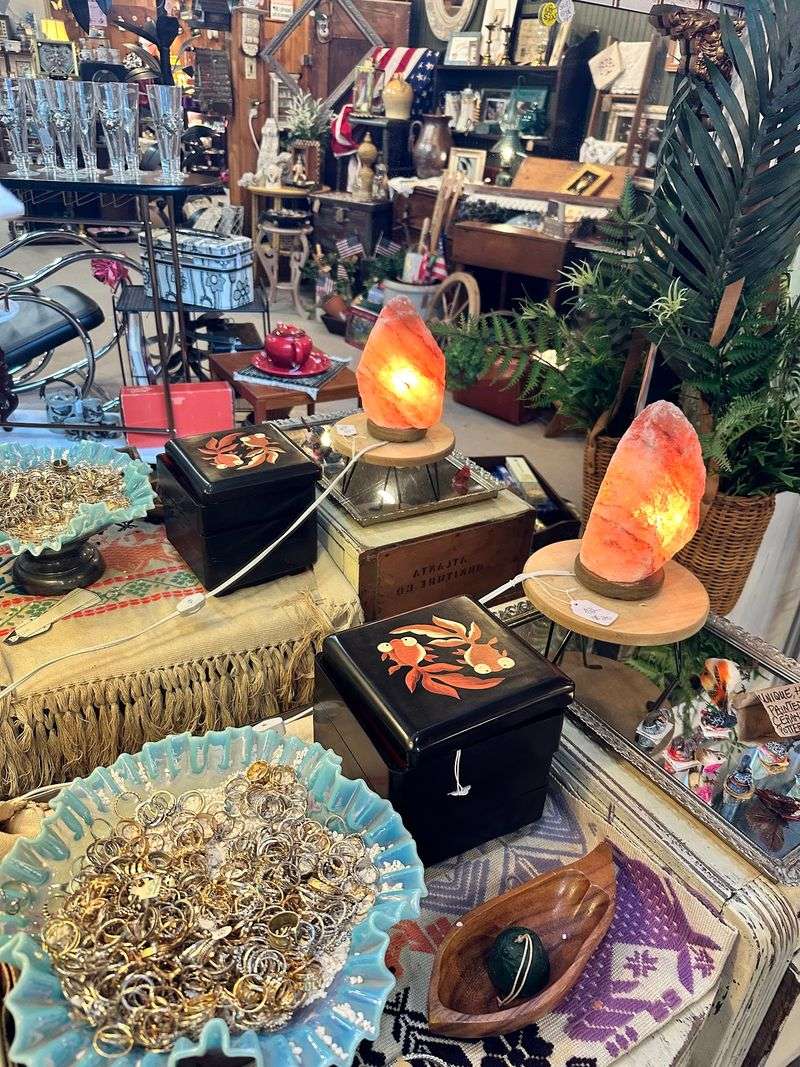
Old clothes tell stories that new ones simply cannot. At Olney Antique Village, vintage fashion turns up in several booths, from cozy flannel shirts to dressier pieces with fun details.
Reprise Antiques and Collectibles is one spot known for vintage clothing and high-end accessories.
Jewelry lovers have plenty to examine too. Glass cases hold costume pieces, rings, brooches, and necklaces from different eras.
Shoppers have spotted standout items like an authentic squash blossom necklace, the kind of piece that makes a person stop mid-step.
Fit can be tricky with older garments. Sizes have changed over the decades, so a tag that says medium might fit very differently today.
Hold pieces up, check seams, and look closely at buttons and zippers before buying.
Little flaws are not always deal breakers. A missing button is an easy fix, and a loose hem takes just a few minutes with a needle.
Stains and moth holes are harder, so inspect fabric in good light.
Accessories are often the easiest way to start. A vintage scarf, a beaded bag, or a pair of clip-on earrings can add charm to an everyday outfit without much risk.
They also make thoughtful gifts.
The fun is in mixing old and new. One retro jacket can change how a whole closet feels.
Wearing something with decades of history adds a quiet sparkle that store-bought pieces rarely match, and people tend to notice.
Toys, Comics, and a Healthy Dose of Nostalgia
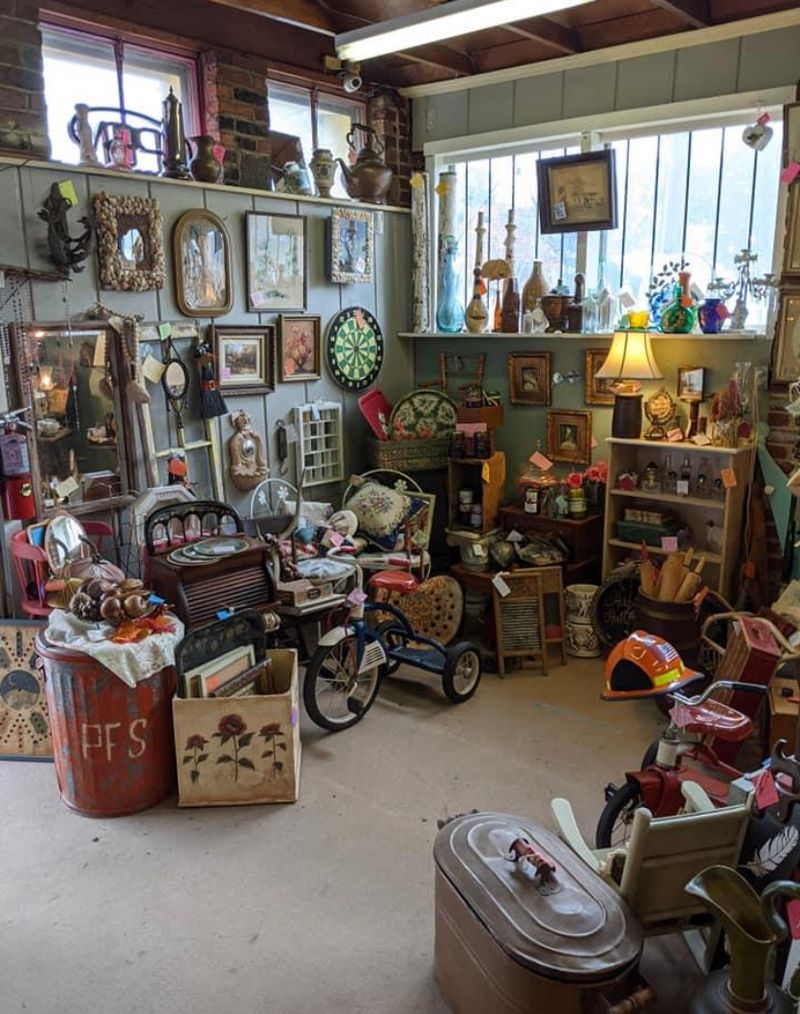
Prepare for a few happy gasps. The Dusty Loft booth specializes in vintage toys, games, comics, collectibles, glassware, and souvenirs, and it tends to stir up memories fast.
Parents often find themselves pointing out toys from their own childhood.
Old board games are especially fun to browse. The box art alone shows how styles have changed over the years.
Some games have bright, cheerful drawings, while others look surprisingly serious for something meant to be played at a kitchen table.
Comic fans should take their time. Flip carefully, keep the pages flat, and check the covers for wear.
Even if a comic is not rare, it can still be a great reminder of a favorite hero.
Whacky old toys show up here and there throughout the village as well. Wind-up figures, odd little gadgets, and dolls with very determined expressions all add to the playful mood.
Some of them are adorable. A few are slightly spooky.
Kids usually enjoy this part of the trip the most. It works well to give younger visitors a small goal, like finding the oldest toy or the funniest game title.
That keeps them engaged without wandering too far.
Collectors can also ask staff for help. Many shoppers say the team is good at pointing people toward specific items, which saves time in a space this big.
Pop culture artifacts and pieces of ephemera often sit nearby, rounding out the trip.
Furniture Worth Rearranging a Whole Room For
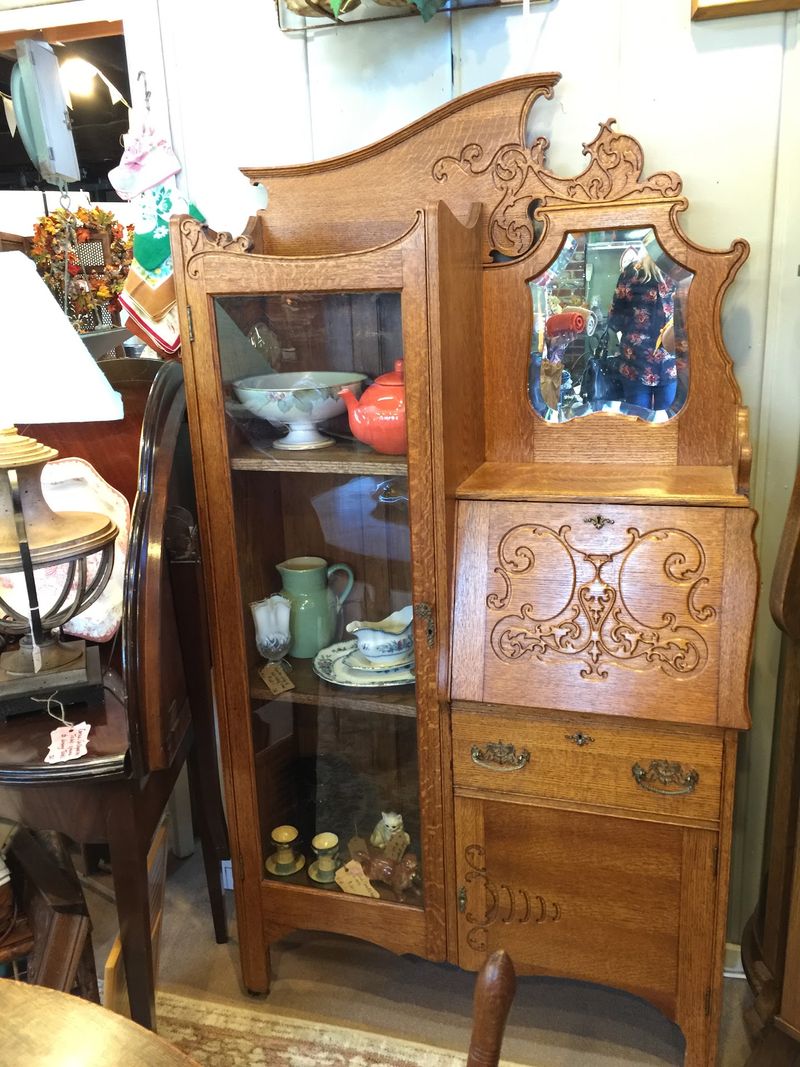
Good furniture has a way of quietly claiming a room. Several booths at the village focus on it, so expect dressers, side tables, shelves, chairs, and cabinets in a wide mix of styles.
Re-Flynnished, Tinted Tide, and Nine Berries are among the vendors known for furniture.
Upstairs, the hunt continues. Thrill of the Hunt Antiques pairs small furniture with home decor, while Ruby and Company Antiques leans toward upscale pieces.
Madson~Rochelle adds lamps, brass, glassware, and art into the mix.
Measure before visiting. Write down the size of the wall, corner, or nook that needs filling, and bring a tape measure along.
Falling for a gorgeous cabinet that cannot fit through the front door is a sad story.
Quality checks matter too. Open drawers to see how they slide, look at the joints, and give tables a gentle wobble test.
Solid wood often feels heavier than it looks, which is usually a good sign.
Style lovers will find plenty of variety. Polished wood pieces sit near mid century modern designs, so mixing eras is easy.
A classic dresser can look surprisingly fresh beside a sleek modern lamp.
Transport deserves some thought as well. Bigger items may need an SUV, a truck, or a helpful friend.
Asking staff about pickup options before buying keeps the day stress free, and lets the excitement of the find stay intact.
Teacups, Glassware, and Shelves That Sparkle
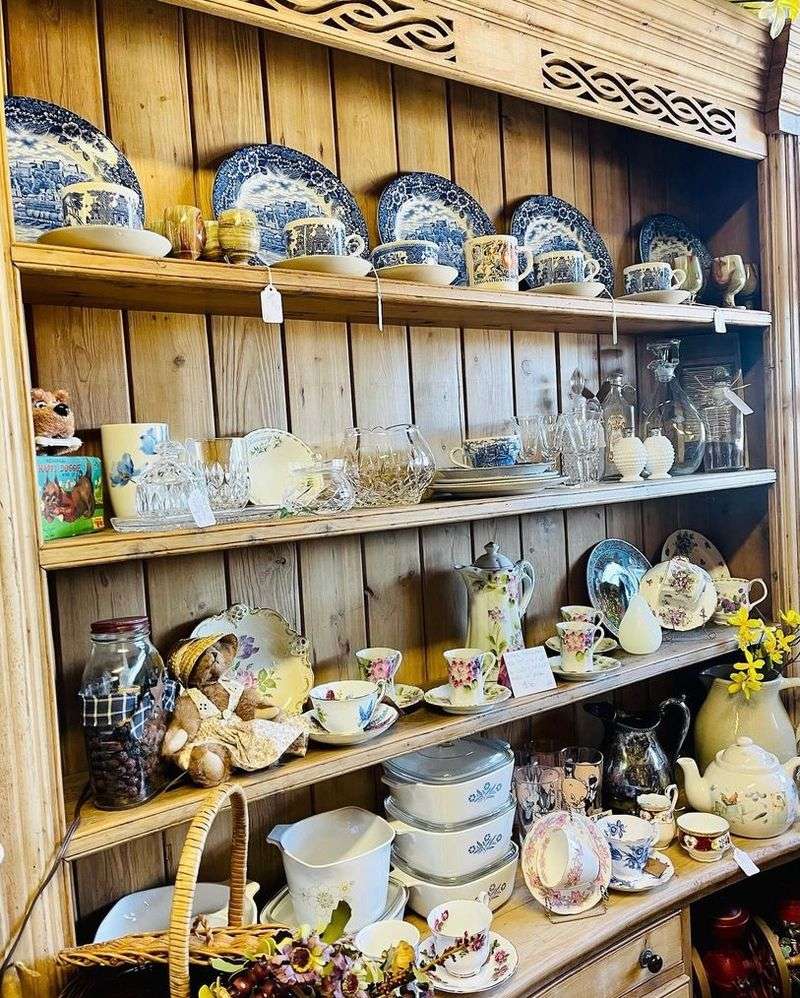
Light does lovely things to old glass. Shelves around the village glow with crystal, colored bottles, mason jars, and delicate dishes that catch the sun.
Ain’t It Quaint and Mini TTV both offer curated glassware, so there is plenty to admire.
Porcelain fans are in luck. Cups and saucers come in a wide variety of patterns, from soft florals to bold gold rims.
Shoppers have even spotted standout pieces like a Royal Copenhagen creamer and colorful Fiestaware.
Here is a handy trick. Hold a teacup up to the light to check for hairline cracks, and run a finger gently along the rim to feel for chips.
Small flaws are easier to catch this way.
Mixing patterns is totally fine. A set of unmatched cups can look charming on an open shelf or a tea tray.
Some people collect one cup from each trip, slowly building a story of their visits.
Silver pieces and fancy goods are often well labeled too. Those little cards make browsing more educational, since they explain what an item is or where it came from.
Reading them feels a bit like a mini museum tour.
Fragile items need careful handling. Use two hands, avoid stacking things back carelessly, and ask for wrapping before heading home.
A bit of newspaper and patience goes a long way toward getting that glass treasure safely onto a shelf.
Coins, Maps, Records, and Paper From the Past
Small items can hold enormous stories. Coin collectors should head to David Kahn Rare Coins, Inc., a booth focused on historic coins.
Even casual visitors may enjoy studying old designs and dates up close.
Antique maps are another quiet highlight. Borders, place names, and hand-drawn details show how people once saw the world.
A framed map can turn into a striking piece of wall art with a built-in conversation starter.
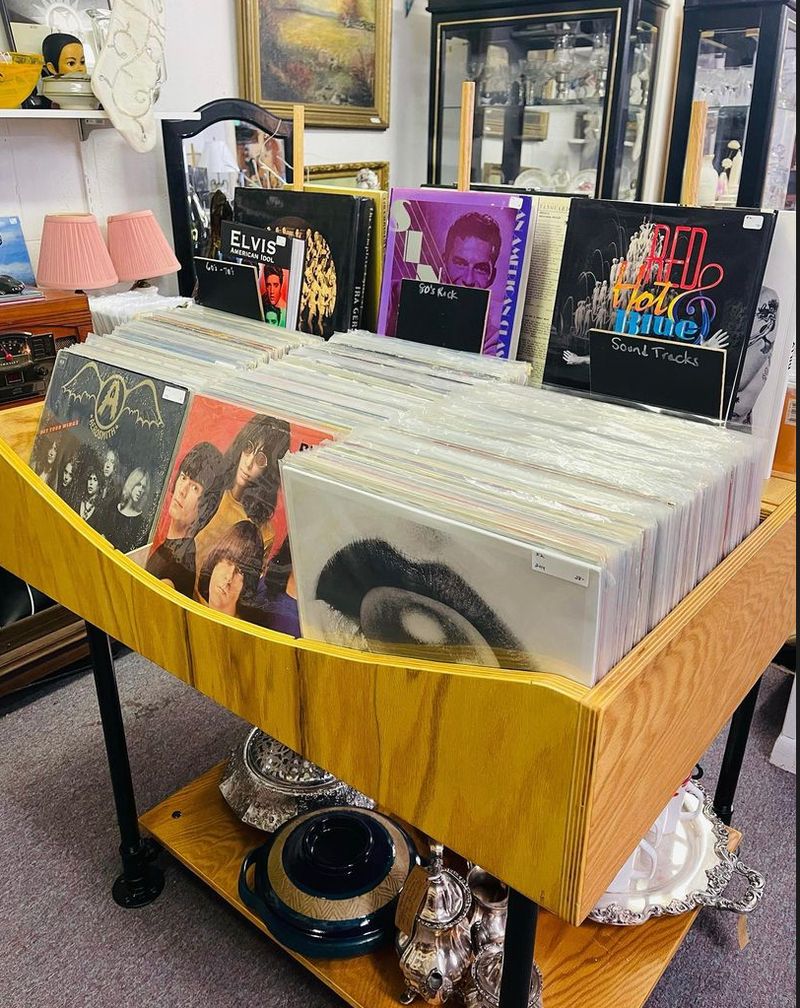
Vinyl records add a soundtrack to the hunt. Flipping through crates is relaxing, and the album covers often feel like tiny pieces of art.
Check the vinyl itself for deep scratches before buying.
Ephemera is the fancy word for paper items that were never meant to last. Think old postcards, ads, tickets, and booklets.
These pieces are fragile, so handle them gently and keep fingers away from the edges.
Presidential memorabilia has turned up here as well. Buttons, prints, and keepsakes from past campaigns make fun finds for history buffs.
They also spark good dinner table discussions.
A smart approach is to pick one small category and focus on it. Collecting postcards from Maryland, for example, keeps the hunt exciting without filling the house too quickly.
Smaller collectibles also travel easily, which is great for visitors coming from farther away and hoping to bring a piece of the past home in a pocket.
Chalk Paint and a Room Made for Gatherings
Not every visit has to end with a purchase off the shelf. Olney Antique Village also carries Annie Sloan Chalk Paint and furniture restoration products.
The Colorcraft Collection, run by an official Annie Sloan stockist, pairs paint with pretty home decor.
Chalk paint is popular for good reason. It usually needs little sanding before use and gives tired furniture a soft, matte finish.
Beginners often start with a small side table or picture frame to practice.
Finding the paint area can take a moment. Some visitors have needed a little help locating it, so do not hesitate to ask.
Staff are generally happy to guide shoppers through the maze.
Then there is the Harlequin Room. This recently renovated micro venue covers about 650 square feet and is decorated with vintage touches and antique furnishings.
It keeps the historic feel of the building while offering a fresh purpose.
The room works for small private celebrations, art exhibitions, and crafting classes. Imagine a painting workshop surrounded by old frames and curious decor.
The setting does half the creative work already.
Planning a gathering here takes some lead time, so reach out early through the official website. Groups that love history or handmade projects will likely feel right at home.
It is a clever way to turn an antique trip into a shared memory with friends.
Planning a Visit to Historic Olney
Timing makes a real difference here. Olney Antique Village sits at 16650 Georgia Ave, Olney, MD 20832, and it opens Wednesday through Sunday from 11 AM to 5 PM.
Mondays and Tuesdays are closed, so plan around those days.
Weekday afternoons tend to feel calmer. Weekends bring more energy and more people browsing side by side.
Either way, set aside at least a couple of hours, because quick visits rarely stay quick.
The village has grown in recent years. Under owner Adele Branthover, who brings over a decade of antique experience, the number of vendors has expanded to more than twenty.
Her love of history comes partly from her family’s military background.
That growth means fresh stock appears often. Regular visitors say there is always something new, so returning every few months is a good habit.
Booths shift and change like seasons.
Bring a few practical items along. Comfortable shoes, a reusable bag, and a phone with photos of spaces at home help with smart decisions.
Some cash or a card is handy too.
Many shoppers find the staff friendly and not pushy, which keeps the experience relaxed. Holiday seasons bring seasonal items and plenty of unique gift ideas.
Olney itself has a small-town feel, so the antique village works well as the centerpiece of a slow, easygoing day trip in Montgomery County.
