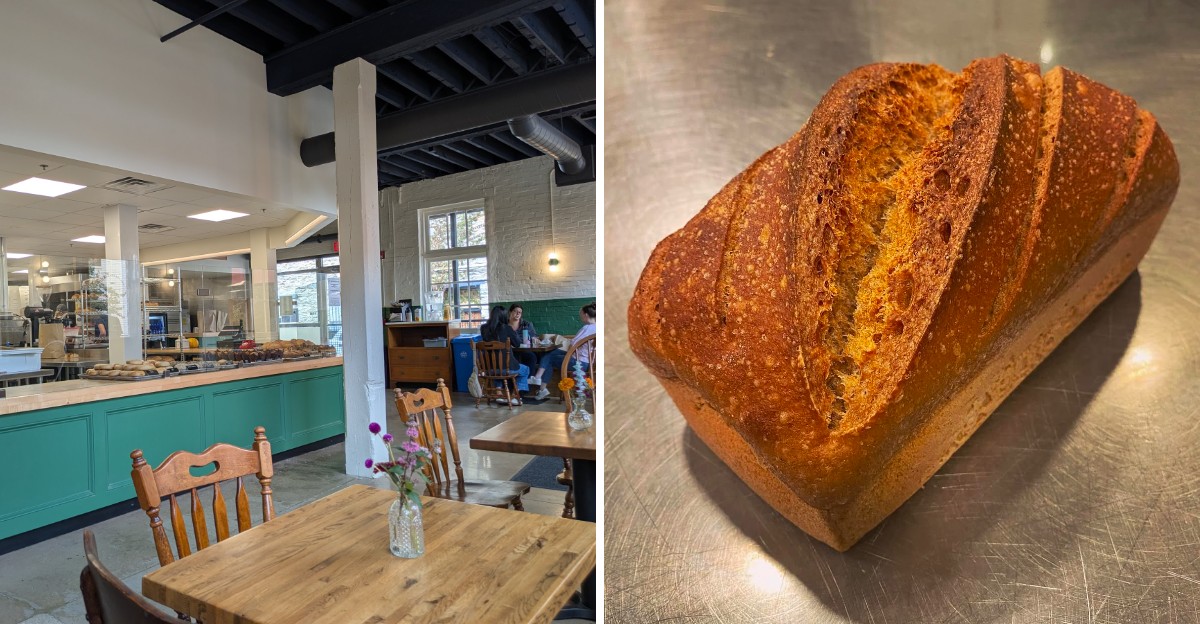
Sourdough is not a quick process. It takes time, patience, and a starter that has been nurtured for years.
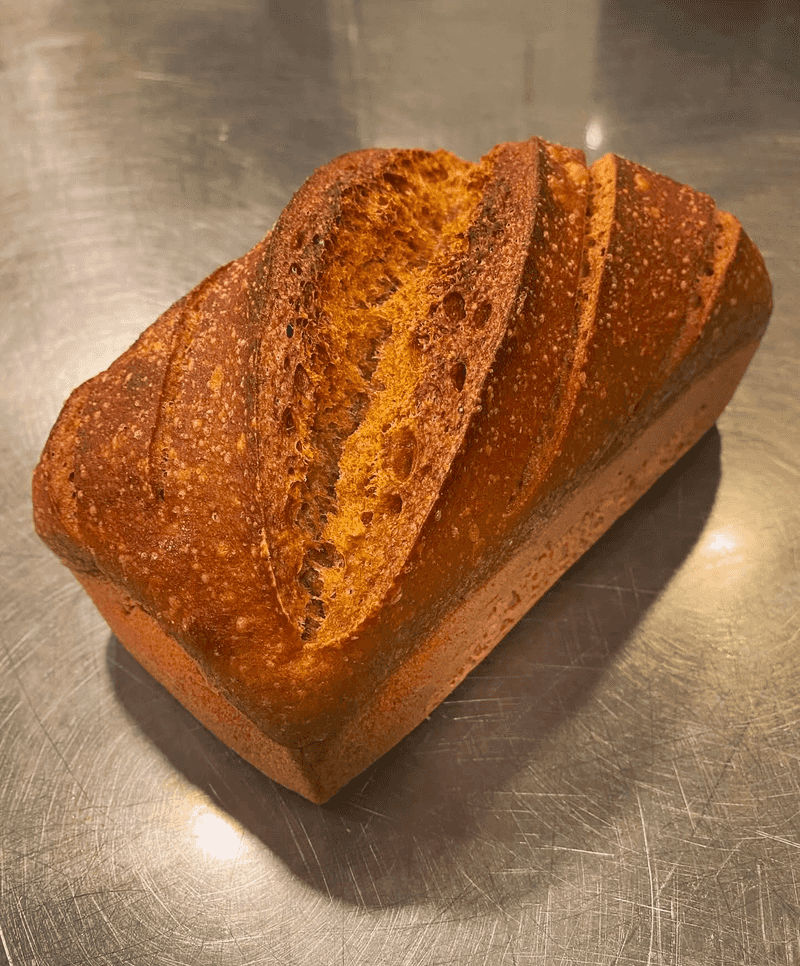
This Maryland bakery has built its reputation on exactly that, slow fermented sourdough that tastes like nothing else. The crust is dark and crackly, the inside is chewy and tangy, and the flavor develops in a way that mass produced bread simply cannot match.
You can watch the loaves come out of the oven, still warm, and the smell alone is worth the trip. Locals know to arrive early because the best loaves go fast.
Visitors often leave with more than one. A reminder that some things are worth the wait.
The kind of bakery that earns its fame one loaf at a time. The kind of bread that makes toast feel like a treat.
A Bakery Born From a Big Dream
Some bakeries start with a business plan, but this one started with a hope for a gentler way of living. Back in 2010, Emily and Andrew Roy began dreaming about a sustainable future while living in Pleasant Hill, California.
That dream took its time, much like their bread. After moving across the country to Frederick, Maryland, the couple turned a love of naturally fermented and local foods into a real business in 2020.
The timing was bold, since the world was dealing with a pandemic, and they had been baking out of their home before taking the leap.
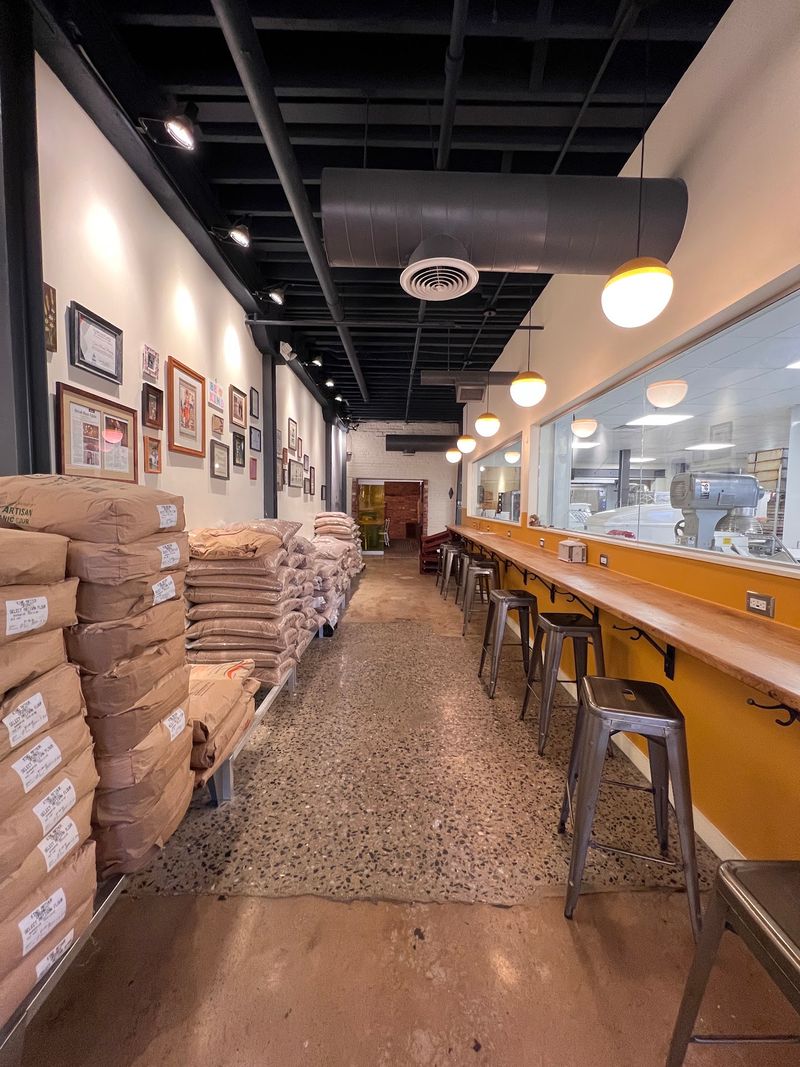
Fun fact. The bakery now sits inside a historic mill building that once served as a bakery itself, so bread is back where it belongs.
Antiques tied to the original bakery decorate the space, and the walls share bits of that history for anyone curious enough to look around while waiting.
The name Twin Bears gives the whole place a friendly, storybook feel. Little bear emojis even pop up in their replies to customers, which is a small but sweet touch.
For visitors, knowing this backstory changes the experience. A loaf here is not just a loaf.
It carries years of planning, a cross-country move, and a stubborn belief that food made slowly and locally is worth the extra effort.
Take a minute to read the history on the walls. It turns a quick bread run into a small lesson about Frederick, and it makes that first bite feel even more meaningful.
Why Slow Fermentation Tastes So Good
Patience is the secret ingredient nobody can buy at a store. Sourdough made the traditional way uses wild yeast and bacteria instead of the fast packets found in most grocery bread, and that takes hours, sometimes more than a day.
Andrew Roy has shared that bulk fermentation is one of the most important steps in sourdough. During this stage, the dough rests and rises while flavor and texture slowly develop.
Rush it, and the bread tastes flat.
Cold fermentation is another trick the bakery relies on. By chilling the dough, the bakers slow everything down on purpose, which builds a deeper, more complex flavor and also makes the dough easier to shape.
Think of it like letting soup sit overnight. It just gets better.
The result is bread with a crackly crust, a chewy inside, and a gentle tang that keeps people reaching for another slice. Many folks also find naturally fermented bread easier to enjoy, since the long rise gives the grain more time to break down.
Here is a practical tip for home bakers. Andrew suggests aiming for around 70 to 75 percent hydration, which means the dough is wet enough to be airy but still manageable for beginners.
That advice alone could save a lot of sticky frustration in a home kitchen.
So when a loaf from this bakery seems to taste richer than expected, blame the clock. Time did most of the heavy lifting.
Flour Ground Fresh on a Stone Mill
Flour usually shows up in paper bags, already ground weeks or months earlier. At Twin Bears, a good amount of it starts as whole grain and gets milled right in the building on a custom-built stone mill.
Why does that matter? Freshly milled flour keeps more of the natural oils and aroma of the grain.
It smells nutty and sweet, and it gives bread a fuller, earthier taste than older flour sitting on a shelf.
There is a bigger reason too. The bakery supports local grain economies, which means buying from regional farmers instead of relying only on huge faraway suppliers.
That keeps money in the area and helps small farms keep growing crops that bakers actually want.
Loaves like the Rustic Whole Wheat really show off this fresh flour. The flavor is hearty without being heavy, and the crumb has a lovely warm color.
It pairs well with butter, soup, or a simple smear of jam.
For anyone curious about baking, this is a nice reminder that ingredients matter just as much as technique. Even at home, buying flour from a regional mill can make a noticeable difference in taste.
A stone mill might not look flashy, but it quietly shapes almost everything on the counter. It connects each slice to nearby fields, and that link between farm and table is part of what makes this bakery feel so rooted in Maryland.
The Loaves Worth Planning a Trip Around
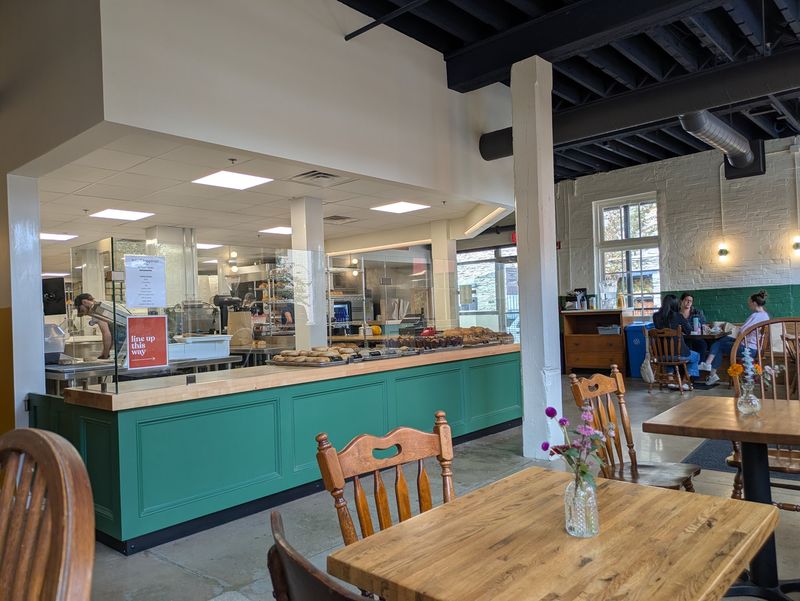
Choosing just one loaf can be the hardest part of the visit. The lineup covers a nice range, so there is something for crusty bread fans and sandwich lovers alike.
The Classic Country is the everyday hero. It has that golden, blistered crust and a soft, open middle that works for toast, grilled cheese, or tearing apart at the dinner table.
Rustic Whole Wheat brings more depth, while the Olive Oil Sourdough leans richer and softer thanks to the oil in the dough.
Then there is the Honey Oat Sliced loaf. It comes pre-sliced, which is a gift for busy mornings and school lunches.
One happy customer shared that the oat loaf made fantastic BLT sandwiches for a weekend picnic, and that sounds like an idea worth copying.
A weekly special keeps things interesting. Regulars get to try something new, and first-timers might stumble onto a flavor that is not always around.
Sesame bread has earned praise too.
Here is a smart move. Grab two loaves, one to eat right away and one to slice and freeze.
Sourdough freezes really well and toasts back to life in minutes.
Keep in mind that the bread also travels well in a car. A crusty loaf sitting in the passenger seat on the drive home is a pretty great souvenir from Frederick, and far tastier than a keychain.
Bagels That Steal the Spotlight
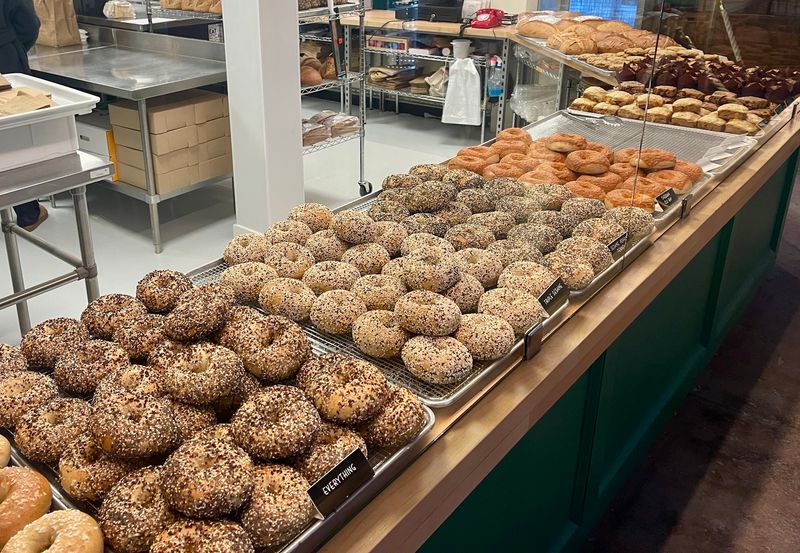
Bread may be the claim to fame, but the bagels have quietly become the bakery’s biggest crowd-pleaser. They are made with sourdough too, which gives them a slight tang and a satisfying chew.
Behind the glass, the choices run from plain to triple sesame to a sesame, fennel, and poppyseed mix. The Old Bay Cheddar bagel is a very Maryland treat, bringing that famous seafood seasoning into breakfast.
The everything bagel gets seasoning on both the top and bottom. Small detail, big win.
Spreads deserve their own round of applause. Cream cheese flavors have included dill lemon, walnut honey, and red miso, and they add fun twists without covering up the bagel.
Some people say these bagels do not even need toasting.
Sandwiches take things further. The veggie bagel sandwich stacks fresh and house-pickled vegetables with cream cheese and pesto or hummus, and fans rave about it.
A smoked salmon option with capers is another rich pick.
Now for the honest warning. Bagels can sell out, especially on Sunday mornings, so showing up early is the best plan.
Sandwiches are made to order, which may mean a short wait, but it is time well spent.
A dozen to go makes a great gift for friends back home. Just try not to eat three in the car before arriving.
Sweet Treats and Savory Surprises
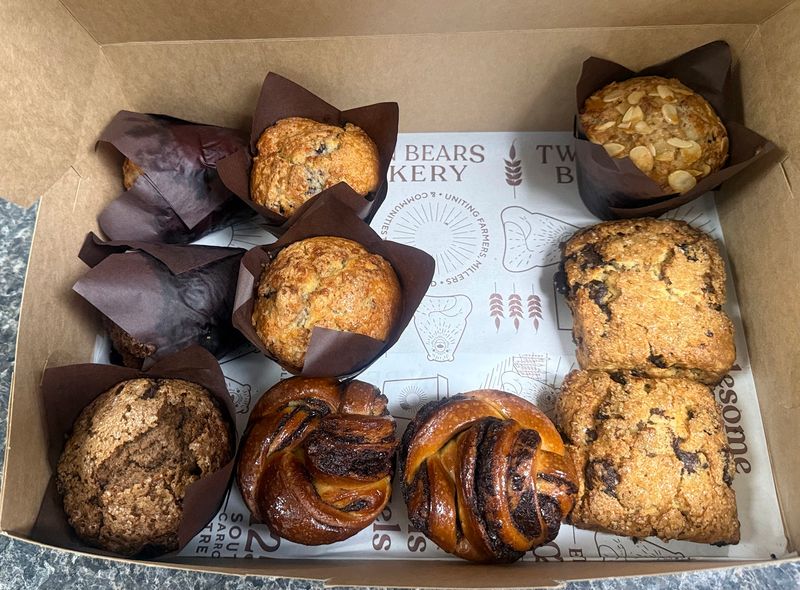
Cookies are not usually the reason people visit a sourdough bakery, yet here they might be. The toffee brown butter chocolate chip cookie has a big fan club, and many visitors call it one of the best in Frederick.
That brown butter gives it a nutty, caramel-like flavor. The edges stay crisp, while the middle stays soft.
A vegan oatmeal cookie is also on the list for those who skip dairy.
Muffins are another strong pick. Blueberry, raspberry, and espresso chocolate have all won praise, and the bakery even supplies muffins to Red Envelope Coffee.
Scones range from sweet to savory, with the bacon Gruyere version being a salty, cheesy dream.
Seasonal galettes show up with fruit that fits the time of year, and a chocolate babka has left people amazed. Focaccia is a weekend favorite, so plan a Saturday or Sunday visit for a square of that golden, olive oil soaked goodness.
Tip time. Pastries tend to go fast, so arrive early to see the full spread.
Bringing a mixed box to work or a family gathering is a guaranteed way to become the most popular person in the room.
There is also drip coffee from a local roaster, which makes a solid sidekick for a muffin. Sit for a moment, sip, and enjoy the smell of fresh bread drifting from the ovens.
Watch the Bakers at Work
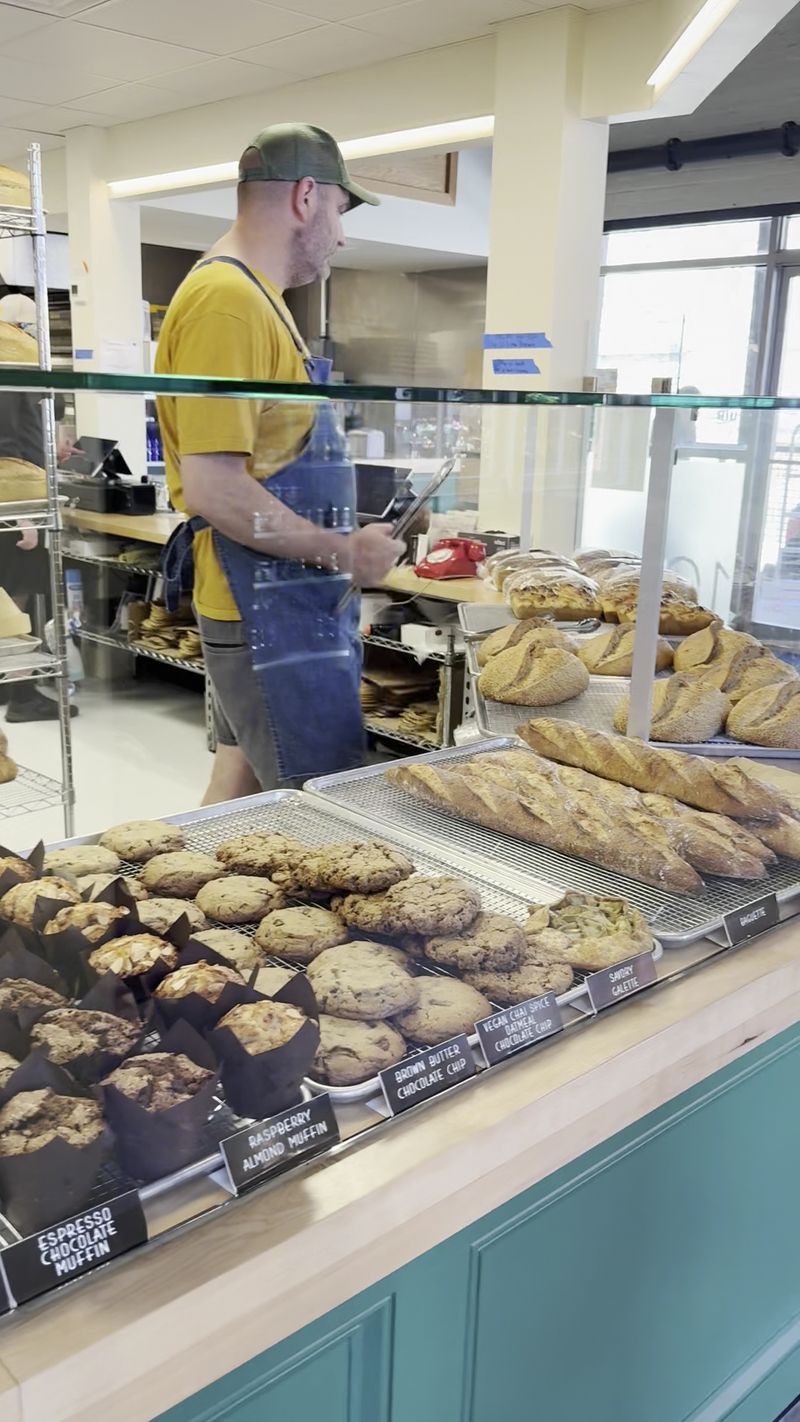
Nothing is hidden behind closed doors here, and that openness is part of the charm. The kitchen sits in view of customers, so anyone waiting in line can watch dough being mixed, shaped, and baked.
It is kind of hypnotic. Big bowls of dough get folded and stretched, trays slide in and out of ovens, and bagels come out shiny and golden.
Kids especially love seeing how the food they are about to eat actually gets made.
The bakers trained at the San Francisco Baking Institute, a respected school for artisan bread. They keep traditional methods alive while still using modern tools.
One surprising example is the pH meter, which measures acidity in the dough to track how fermentation is going.
That mix of old and new is pretty cool. Ancient bread techniques meet science class, and the bakers keep adjusting ingredients and methods to improve each batch.
The craft never really stands still.
The shop itself is bright and cozy, with a homey feel that some say is like visiting a good friend. Andrew often chats with guests and shares details about the process, so asking a question is always welcome.
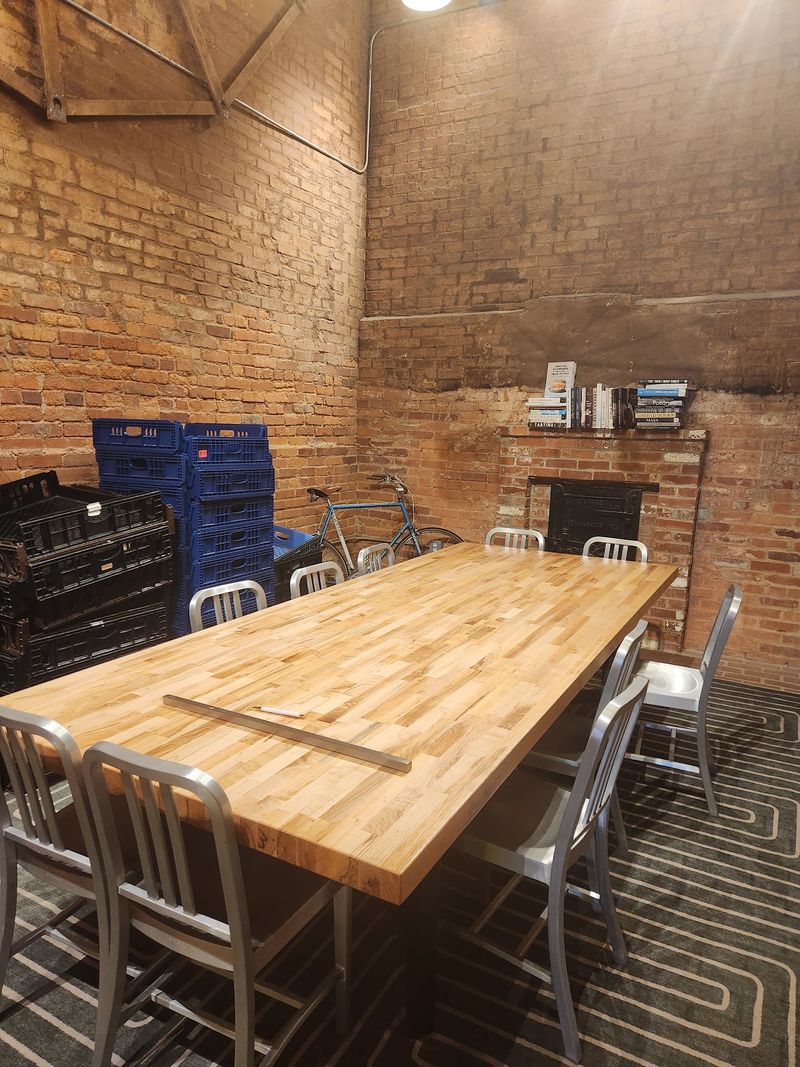
A back room is also available to rent for gatherings. The rental fee turns into a gift card for the bakery, which is a generous and clever idea.
Visitors who love learning should linger a bit and soak it all in.
Finding the Shop and Its Local Reach
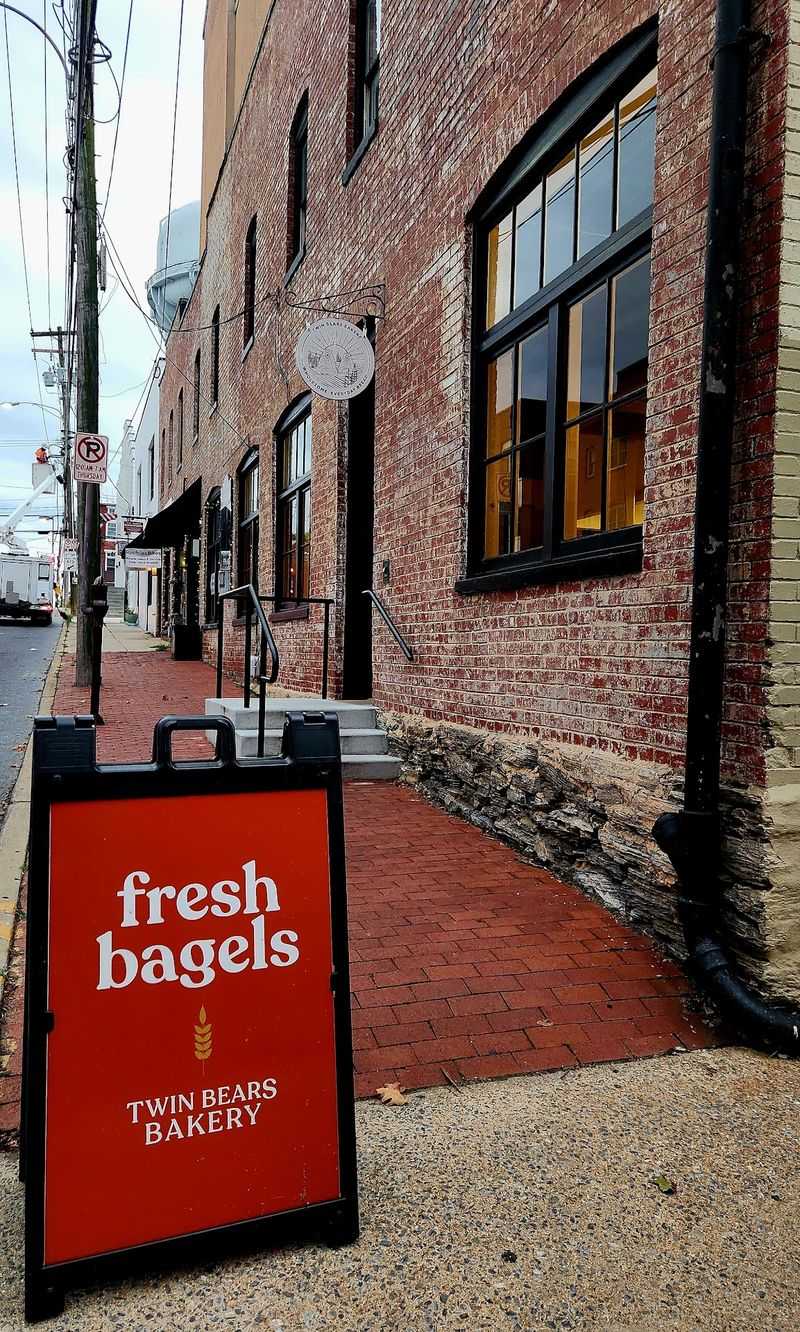
Getting there is easy, and the neighborhood makes a lovely walk. Twin Bears Bakery sits at 125 S Carroll St Ste 104, Frederick, MD 21701, just a short stroll from the heart of downtown Frederick with its shops and historic streets.
Hours run from 6 am to 4 pm, Wednesday through Sunday. The shop is closed Monday and Tuesday, so plan around those days.
Early birds get the best selection.
Not in town on a shop day? No problem.
The bakery’s goods reach well beyond its front door, showing up at the Leesburg Farmers Market and the Frederick City Market. Loaves are also sold at Common Market locations and at The Market at Deere Valley Farm in Dickerson, Maryland.
Local farm share programs carry the bread too. Moon Valley Farm, Purifying Pastures, and Stone Pillar Farm all partner with the bakery, so members can get fresh sourdough alongside their vegetables.
Community care runs deep here. Leftover bread gets donated to mutual aid organizations, so good food does not go to waste.
Emily Roy even helped push for rules allowing backyard chickens in Frederick, which fits the bakery’s love of local, homegrown food.
All of that adds up to a place with real heart. Stopping by is a tasty treat, and it also supports a family business that gives a lot back to the town it calls home.
