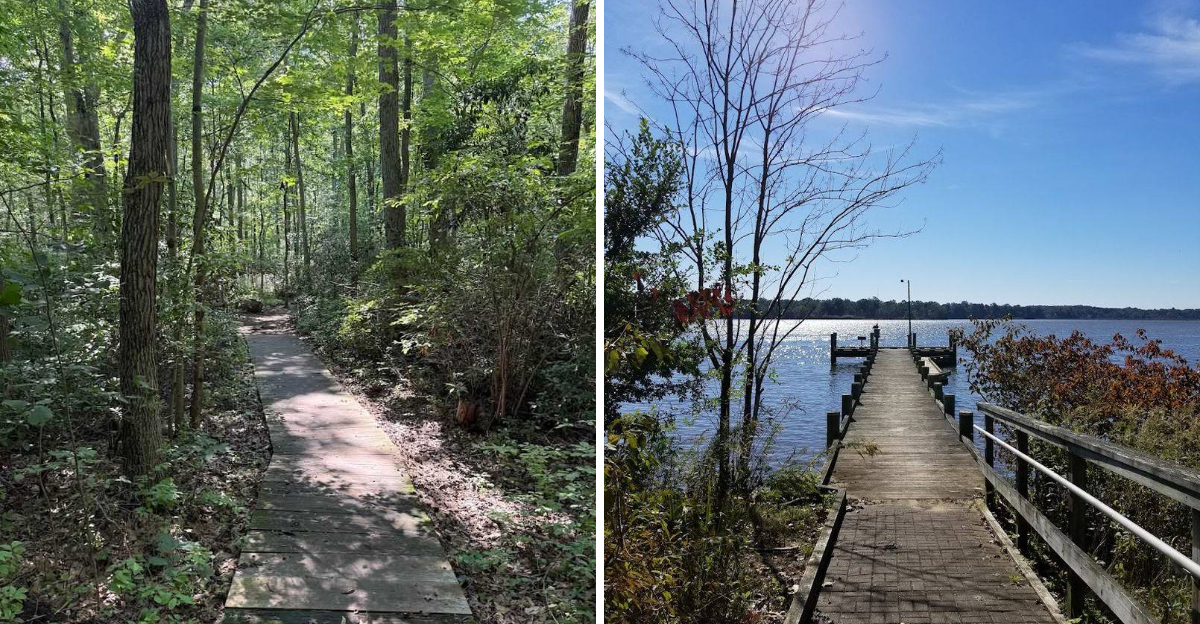
Boardwalks are simple structures. Planks of wood and a bit of railing.
But when they cut through a wetland, they become something else entirely. A pathway into a world that feels untouched and ancient.
This Maryland estuary center has some of the most scenic boardwalks in the state, winding through marshes and forests that teem with life. Herons stand perfectly still in the shallows.
Turtles sun themselves on fallen logs. The water reflects the sky in a way that makes you stop and stare.
I walked the main loop and saw birds I could not name, frogs I could hear but not spot, and dragonflies zipping past like tiny helicopters. The visitor center offers context and history, but the real star is the boardwalk itself.
It is a quiet adventure, the kind that does not demand much from you but gives back plenty.
Stepping into the Heart of the Marsh
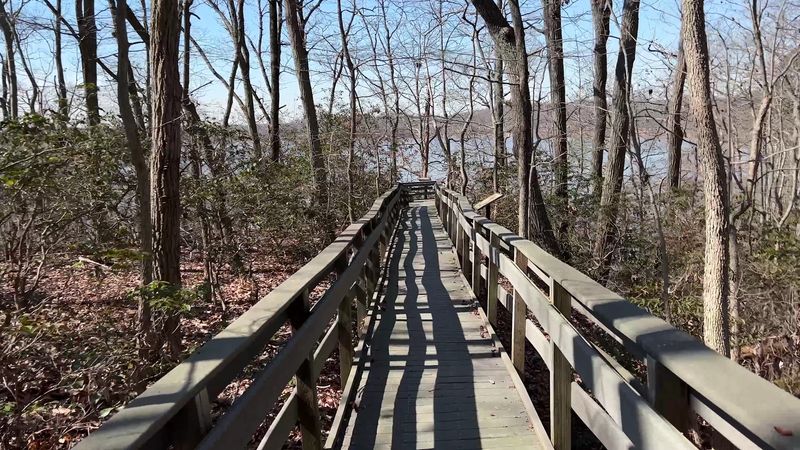
The boardwalk behind the Anita C. Leight Estuary Center building does something unexpected the moment you step onto it.
It changes the air around you. A cool, earthy freshness rises from the water below, and the sounds of traffic and everyday life simply dissolve into the background.
This elevated wooden path stretches directly into the freshwater tidal marsh, one of the largest remaining marshes of its kind in the upper Chesapeake Bay.
The planks feel solid and well-maintained underfoot, which makes the experience comfortable even for younger visitors or those less familiar with outdoor trails.
You do not need to be an experienced naturalist to feel completely at home here.
What struck me most was how quickly the marsh seemed to come alive as I moved further along the boardwalk. The tall stands of wild rice swayed in a gentle breeze, their feathery tops catching the morning light.
Wild rice is not just beautiful to look at. It is a cornerstone food source for dozens of bird and mammal species that depend on this marsh throughout the year.
The water beneath the boardwalk shifts with the tides, a constant reminder that this is a living, breathing system connected to the greater Chesapeake Bay. Every glance over the railing reveals something new, a ripple, a flash of movement, a cluster of aquatic plants.
It is the kind of place where slowing down feels natural and deeply satisfying.
Discovering the Hidden Wildlife
Patience pays off here in ways that feel almost magical. On my visit, I spotted a Great Blue Heron standing perfectly still at the marsh’s edge, so focused on the water below that it barely acknowledged my presence.
That single moment made the whole trip worthwhile.
The wildlife is genuinely diverse and well-documented. American beavers, common muskrats, northern river otters, and American minks all call this marsh home, though they tend to show themselves on their own terms.
Knowing they are out there adds a layer of quiet excitement to every walk.
Birdwatching is where the estuary truly shines. Over 166 bird species have been recorded within the center’s boundaries, which is an impressive number for a site of this size.
Bald Eagles pass overhead with impressive regularity, and Belted Kingfishers dart low over the water in bursts of electric color.
During warmer months, Least Terns hunt gracefully above the creek’s surface, and Ruby-throated Hummingbirds have been spotted among the flowering marsh plants. The variety shifts with the seasons, meaning repeat visits always offer something fresh.
Bringing a pair of binoculars is highly recommended, not just for distant sightings but for appreciating the finer details of the birds perched nearby. The estuary rewards the curious and the observant in equal measure.
Navigating the Scenic Trails
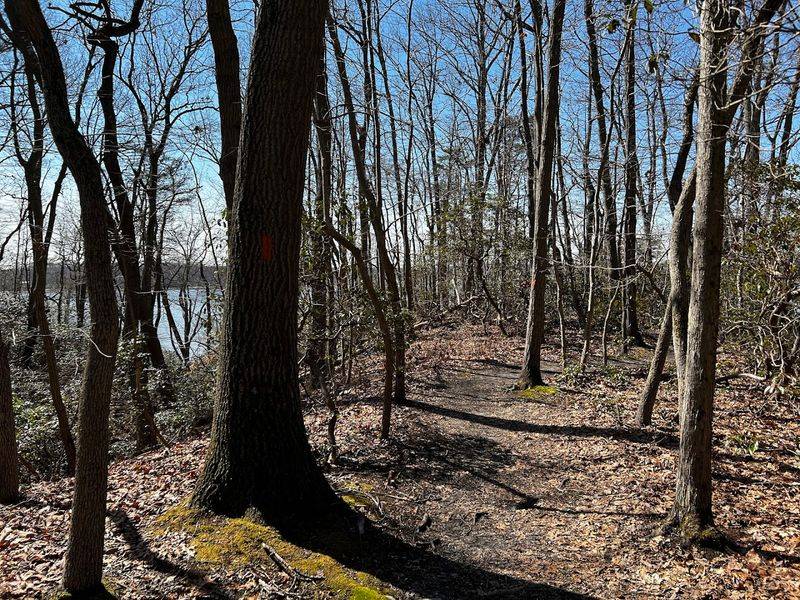
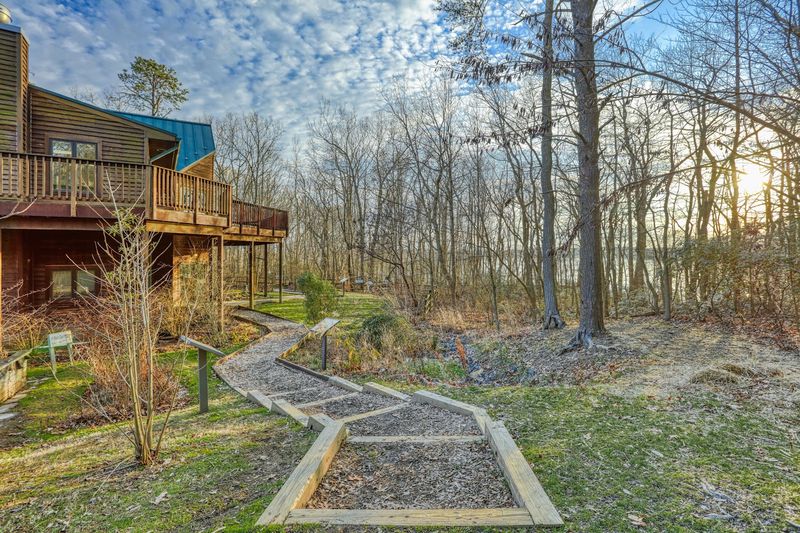
Beyond the boardwalk, the trail system at the Anita C. Leight Estuary Center opens up a different side of the landscape entirely.
The wooded paths feel quieter and more enclosed, with mature tree canopies creating a shaded corridor that is especially welcome on warm summer days.
The discovery trail is a personal favorite. Informational signs are placed at intervals along the route, identifying native plants and explaining their roles in the broader ecosystem.
It transforms a straightforward walk into something genuinely educational without ever feeling like a lecture.
Some of the natural surface trails do require sturdy footwear, as the ground can be uneven or soft depending on recent rainfall.
That said, portions of the property are accessible to visitors with mobility challenges, including the entrance road and certain areas near the parking lot that offer surprisingly good birding opportunities.
Inclusivity clearly matters here.
What I appreciated most about the trail network was how each path seemed to reveal a slightly different face of the wetland. One moment you are moving through dense forest, and the next you are at a clearing with a broad view of the marsh stretching out ahead.
The transitions feel natural rather than staged. Small details catch your attention throughout, like the textured bark of a river birch or the way sunlight hits a cluster of ferns after a morning rain.
These trails do not rush you. They invite you to look carefully and move at your own pace.
Exploring the Water by Paddle
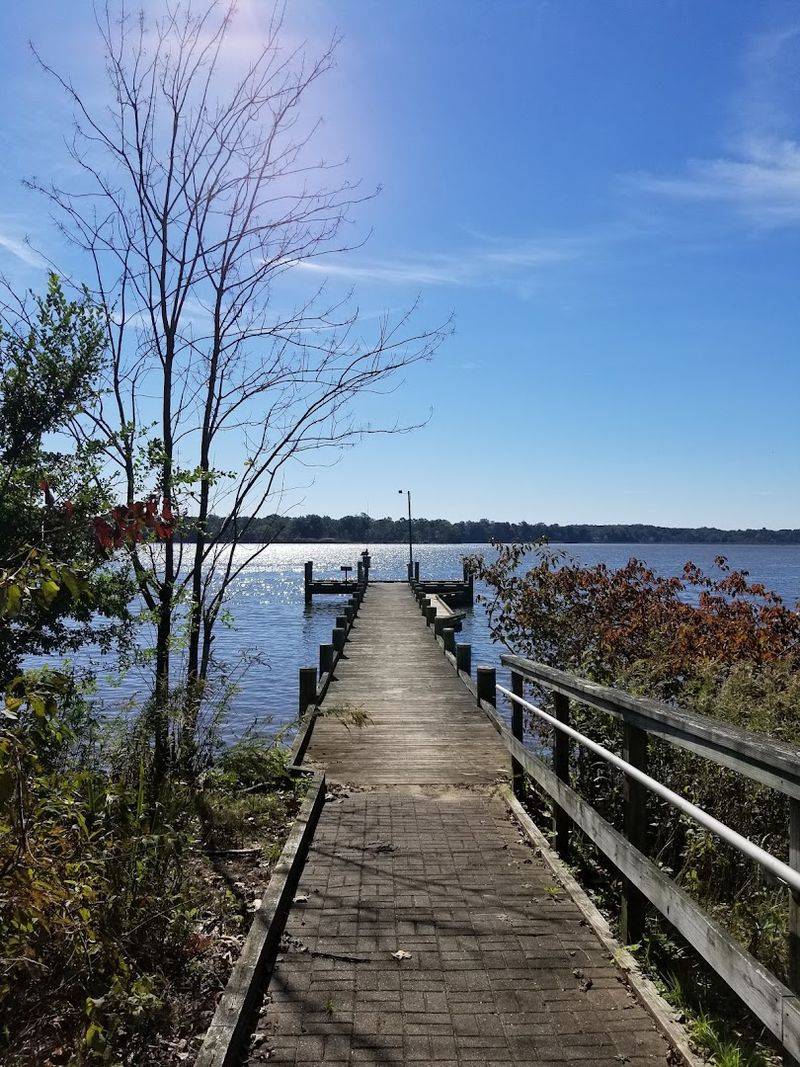
Getting out on the water at Otter Point Creek is a completely different experience from walking the trails, and honestly, it might be the most immersive option of all.
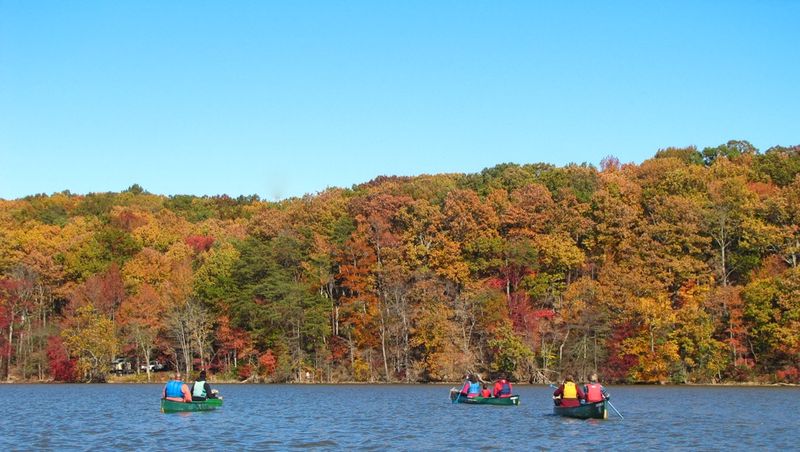
The 3.6-mile marked paddle trail winds through the marsh in a way that lets you feel genuinely surrounded by the ecosystem rather than just observing it from the edges.
Kayaking or canoeing this route typically takes between two and three hours, which gives paddlers plenty of time to explore without feeling rushed. The recommended approach is to launch around high tide, when water levels are high enough to access all sections of the trail comfortably.
Early morning launches are especially rewarding for wildlife sightings.
Public launch points are available at nearby Smith Park and the Otter Point boat ramp, making it logistically simple for those bringing their own equipment. For visitors who prefer not to go it alone, the center offers naturalist-led canoe and kayak tours as well as pontoon boat excursions.
These guided options are a fantastic way to learn more from knowledgeable staff while enjoying the quiet of the water.
There is something almost meditative about paddling through wild rice and cattails with only the sound of your paddle dipping into the water. The creek opens up into broader channels and then narrows again into intimate passages lined with marsh grasses.
It feels like exploring a world that most people never get to see up close. That sense of discovery is hard to replicate anywhere else.
The Ecosystem’s Unique Identity

The Anita C. Leight Estuary Center sits within a landscape that carries genuine ecological significance.
Otter Point Creek and its surrounding wetlands are part of the Chesapeake Bay National Estuarine Research Reserve in Maryland, a designation that reflects the area’s scientific and environmental value. That is not just a title.
It represents decades of dedicated protection and study.
Freshwater tidal marshes like this one function as natural water filters, absorbing excess nutrients before they reach the broader Bay. They also serve as critical nurseries for fish species and the iconic Chesapeake blue crab.
The ecological services this marsh provides are enormous, even if they happen largely out of sight.
The presence of rare species adds another layer of significance to the site. The Maryland bur-marigold, a plant found in very few locations across the state, grows here and attracts a variety of butterflies during its blooming season.
Finding something that rare in a publicly accessible park feels like a genuine privilege.
Harford County has invested in restoration efforts to further protect the area, including a stream bank regrading project that stabilized eroding sections and introduced native plantings. Watching conservation work translate into visible results is genuinely encouraging.
The landscape looks healthy and well-tended, which reflects the ongoing commitment of the people who manage and support this site. It is one of those rare places where ecological importance and natural beauty reinforce each other perfectly.
A Sanctuary for Migratory Birds
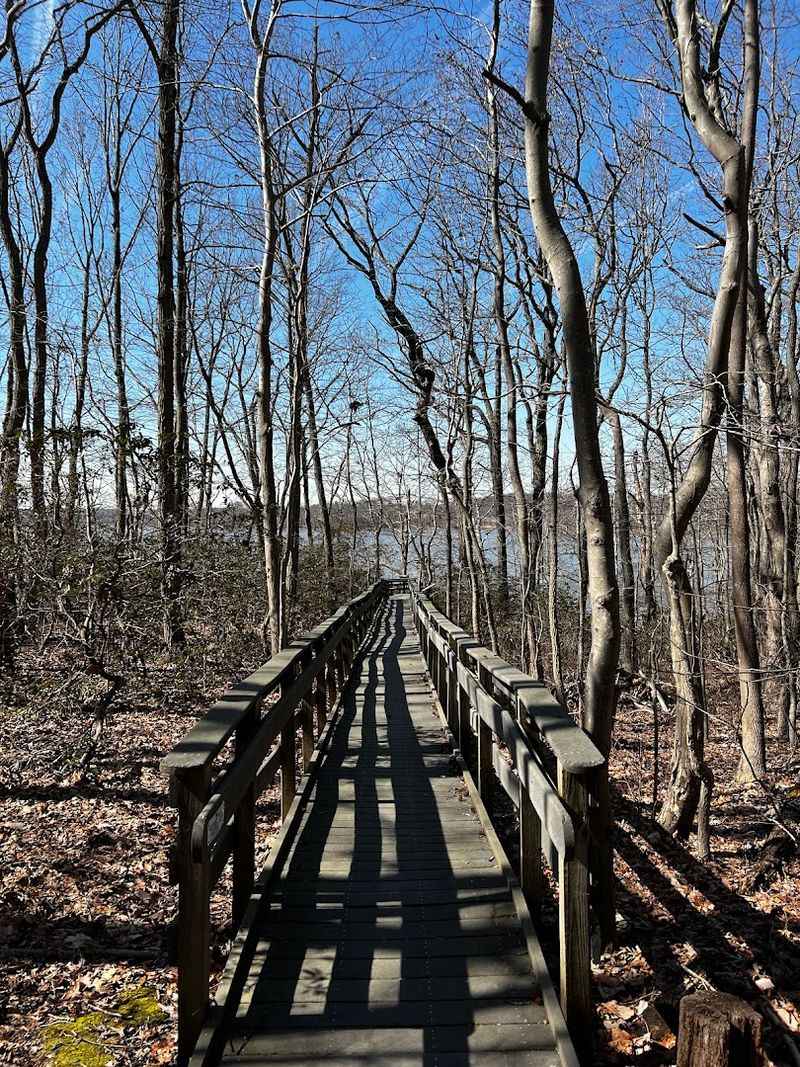
Spring and late summer bring a kind of electric energy that is hard to describe unless you have experienced it firsthand. The marsh becomes a critical stopover point for birds traveling along the Atlantic Flyway, and the activity during peak migration periods is nothing short of spectacular.
Common Terns, Black Terns, and Forster’s Terns all pass through during migration, hunting low over the water with sharp, precise movements. Watching multiple tern species work the same stretch of creek simultaneously is one of those wildlife moments that stays with you.
It is quick, chaotic, and beautiful all at once.
Year-round residents add consistency to the birdwatching experience across all seasons. Canada Geese, Mallards, and various diving ducks are reliable sights on the water, while the surrounding forest supports breeding populations of Scarlet Tanagers and Wood Thrushes.
Those forest species tend to be heard before they are seen, their songs threading through the tree canopy in the early morning hours.
The combination of open marsh, forested edges, and active waterways creates a mosaic of habitats that attracts an unusually wide range of species for a single location.
Experienced birders keep detailed lists when visiting, and beginners often leave surprised by how many new species they managed to spot in just a few hours.
Bringing a field guide alongside binoculars makes the experience even more rewarding. The estuary genuinely earns its reputation as one of Maryland’s top birding destinations.
Educational Opportunities and Community Engagement
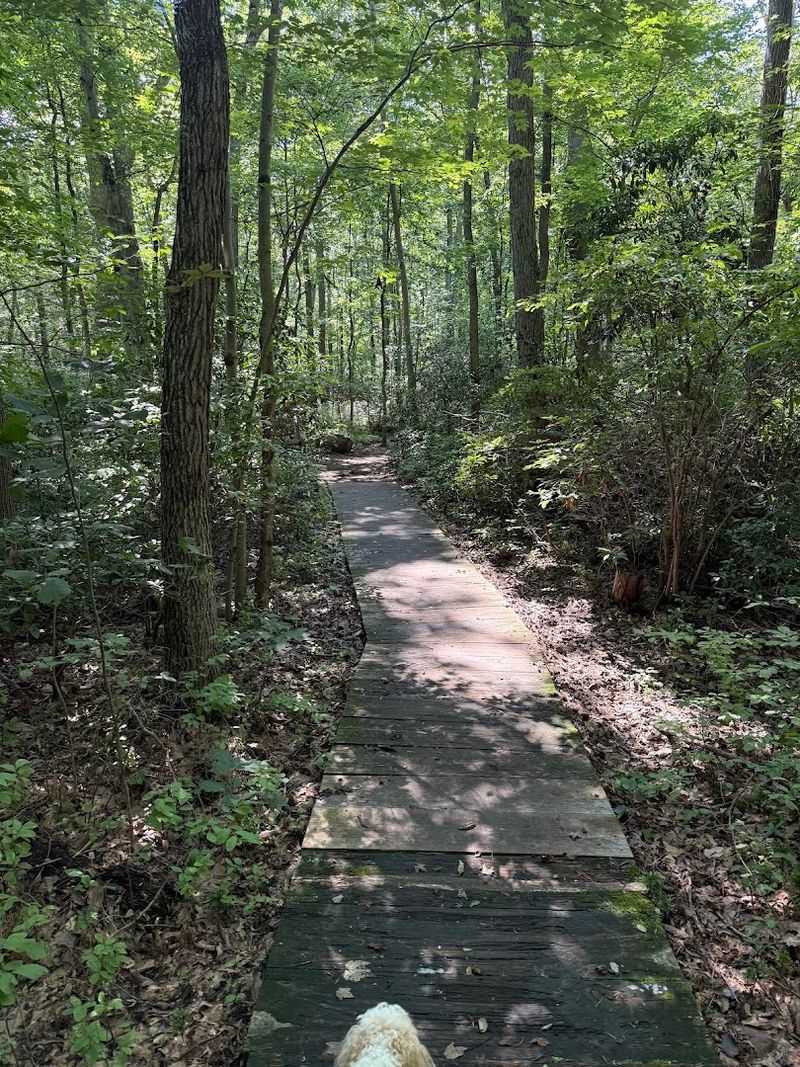
The Anita C. Leight Estuary Center takes education seriously, and it shows in everything from the signage along the trails to the depth of programs offered throughout the year.
School groups, homeschoolers, and community organizations all find something valuable here, which speaks to how thoughtfully the programming has been designed.
Animal encounters, guided nature hikes, and hands-on crafts are among the activities offered to younger visitors. These programs are built around fostering a genuine connection with the natural world rather than simply delivering information.
Kids who might not otherwise spend time outdoors often leave with a spark of curiosity that sticks with them.
The center also benefits from the support of the Otter Point Creek Alliance, a nonprofit organization dedicated to advancing the site’s research, education, and conservation goals. That community backing is evident in how well-maintained and thoughtfully managed the property feels.
It is not a place that has been left to run itself.
Staff and volunteers bring real enthusiasm to their interactions with visitors. That energy is contagious in the best possible way.
Whether you are joining a guided paddle tour or simply asking a question at the front desk, the people here clearly care about what they do. The center functions as a genuine community resource, not just a nature attraction.
It connects people to the land in a way that feels meaningful and lasting, and that sense of purpose comes through in every aspect of the visitor experience.
Moments of Tranquility and Reflection
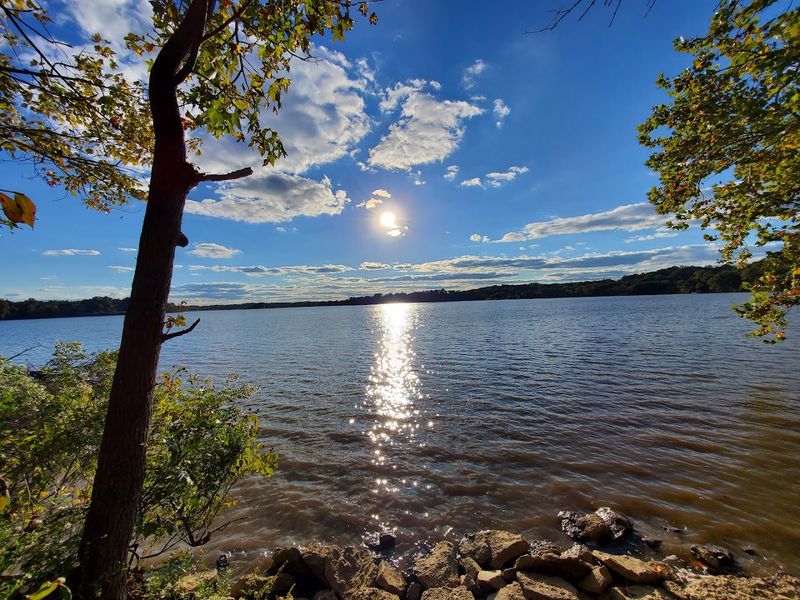
Not every visit to a nature center needs to be packed with activity, and the Anita C. Leight Estuary Center seems to understand that completely.
There are quiet corners here designed for nothing more than sitting still and paying attention to what surrounds you.
The marsh overlook is one such spot. I spent a long stretch of time there on my visit, watching the light shift across the water and listening to the layered sounds of the wetland.
The rustling of reeds, the occasional splash of something moving below the surface, the distant call of a bird settling into the grass. None of it demanded anything from me.
That kind of stillness is increasingly rare.
Picnic tables are available on the grounds, making it easy to bring lunch and extend your visit into a full afternoon outing. Eating outside in a place this peaceful feels like a small luxury.
The sounds of the marsh replace whatever you might normally be scrolling through on your phone.
There is something restorative about a place that does not try to entertain you. The estuary simply exists, and being present within it is enough.
I noticed small things I would have missed if I had been moving faster, like the delicate structure of a marsh flower or the way a dragonfly hovered in place above the water before darting away. These moments of attention add up.
By the time I left, I felt genuinely rested in a way that is hard to manufacture anywhere else.
Planning Your Visit to this Maryland Gem
A little preparation goes a long way when visiting the Anita C. Leight Estuary Center, and the good news is that the logistics are genuinely straightforward.
The surrounding Leight Park grounds are open daily from dawn to dusk, giving visitors a wide window to plan their outing around the best light or weather conditions.
The Estuary Center building itself operates on seasonal hours, so checking the current schedule before arrival is a smart move, especially if you are hoping to speak with staff or participate in a specific program. Some guided activities require advance registration and may have associated fees.
Knowing this ahead of time saves any disappointment at the door.
Comfortable, closed-toe shoes are essential for the natural surface trails, which can be soft or uneven after rain. Binoculars and a camera are worth packing, and a light layer is a good idea even in summer, since the marsh air tends to carry a pleasant coolness.
Bug repellent is useful during warmer months.
Pets are welcome on the grounds but must remain on a leash at all times. Owners are asked to clean up after their animals and carry waste out with them when leaving, which helps keep the trails pleasant for everyone.
Restrooms are available near the main building. Whether you are planning a solo morning walk or a full family day outdoors, the center accommodates a wide range of visitors with ease.
Address: 700 Otter Point Road, Abingdon, MD.
