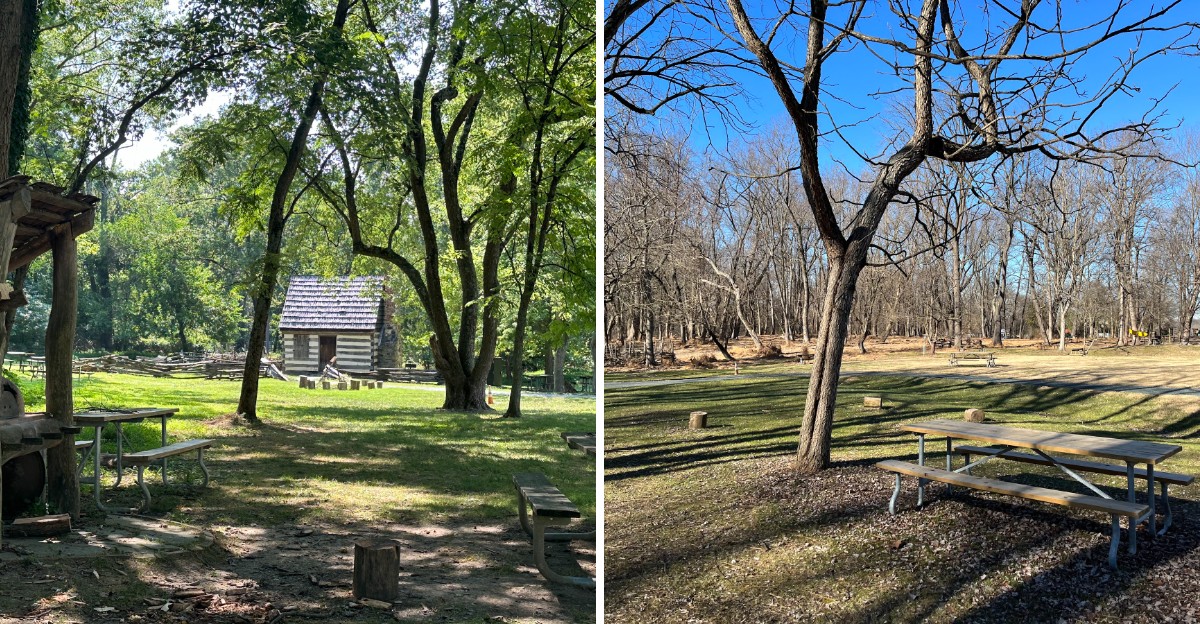
A one-room cabin behind this Maryland museum recreates the home of a man who helped survey the nation’s capital. Inside are a bed, hearth, and kitchen area, all in the same room.
That setup makes today’s tiny-house trend look a little less original.
Outside, the grounds keep the story going. Gardens grow herbs and vegetables similar to those cultivated here centuries ago, while a wooded story trail connects the museum and garden areas.
You can trade indoor exhibits for a walk under the trees without leaving the property.
The person behind it all was a self-taught mathematician, astronomer, and almanac writer. He studied the stars and built a wooden clock, accomplishments that feel even more striking once you’ve seen the simple home recreated on the grounds.
This is one historical stop where the setting does a lot of the talking.
The Ground Under Your Feet Once Belonged to a True American Genius
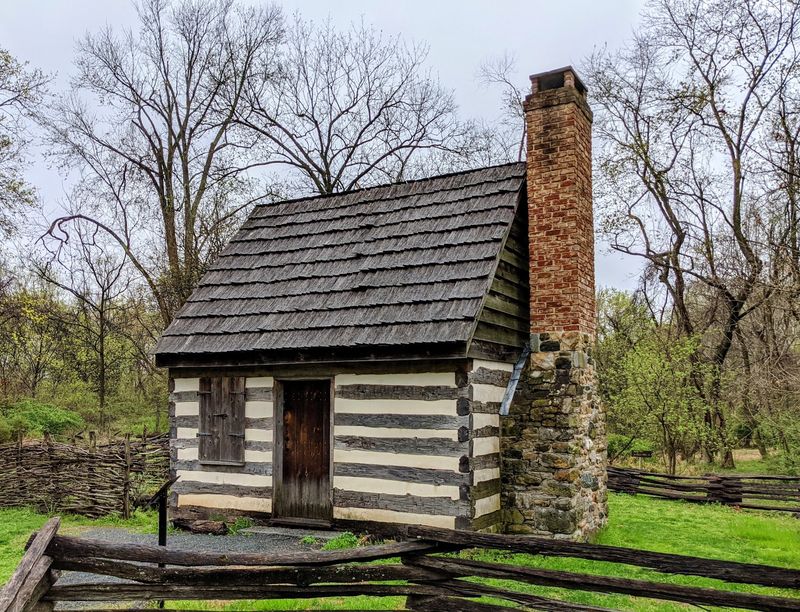
History books are nice, but standing on the actual homestead hits differently. Benjamin Banneker Historical Park and Museum sits on the site of Banneker’s original family farm.
Banneker was born on November 9, 1731, in Baltimore County, Maryland. He was a free African-American man, born to a free mother and a formerly enslaved father.
His family’s farm covered about 100 acres near what is now Oella and Ellicott City. That land shaped his whole life, from his crops to his curiosity about the night sky.
He had very little formal schooling. Instead, he taught himself math, astronomy, and mechanics, mostly through borrowed books and sharp observation.
That’s why many people call him the first African-American man of science. It’s a big title, and he earned every bit of it.
Today the site spans 142 acres of woods, meadows, gardens, and history. Baltimore County runs it as a park and museum that anyone can enjoy.
I think it’s pretty special that the place honoring him is also the place he called home. You aren’t just reading about his world here.
You’re walking through it, one path at a time.
A Wooden Clock Story That Will Make You Rethink Your Phone
At just 22 years old, Banneker built a wooden striking clock. It kept accurate time for decades, which is more than most of us can say about our cheap alarm clocks.
That clock is considered the first of its kind in America. Inside the museum, you can see a wooden clock similar to the one he crafted.
The permanent exhibit walks you through his entire life. It’s laid out in a way that makes a complicated genius feel easy to understand.
You’ll also find a telescope on display, which fits a man who loved the stars. Items found during archaeological digs on the property add another layer of discovery.
Some of the most personal pieces are his writings and small trinkets. A fire after his funeral destroyed many of his belongings, so the surviving items feel extra precious.
An audio-visual presentation tells his story too. It’s a handy option if you’ve got younger kids who prefer watching over reading.
The museum also hosts exhibitions on history, art, culture, and science. So the displays can change, and a return trip may show you something new.
Not bad for a building with free admission.
Peek Inside a Cabin Built to Match His Way of Life
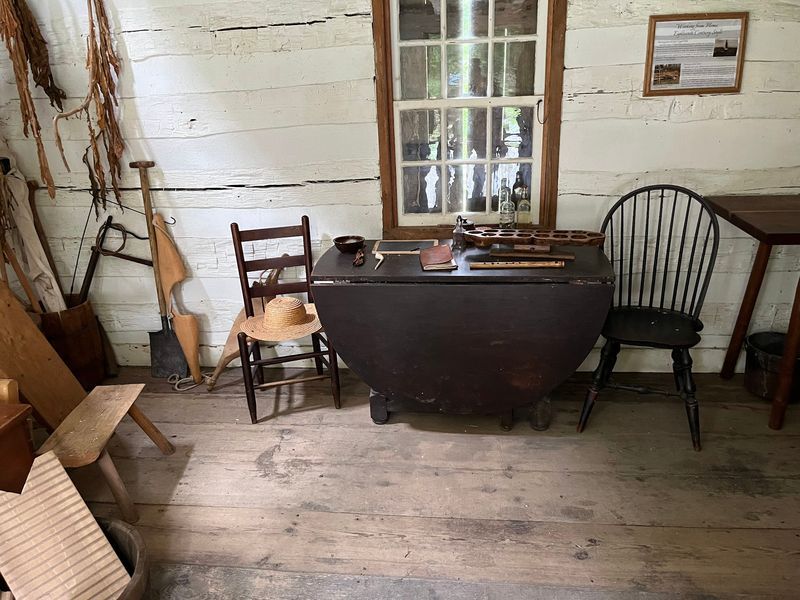
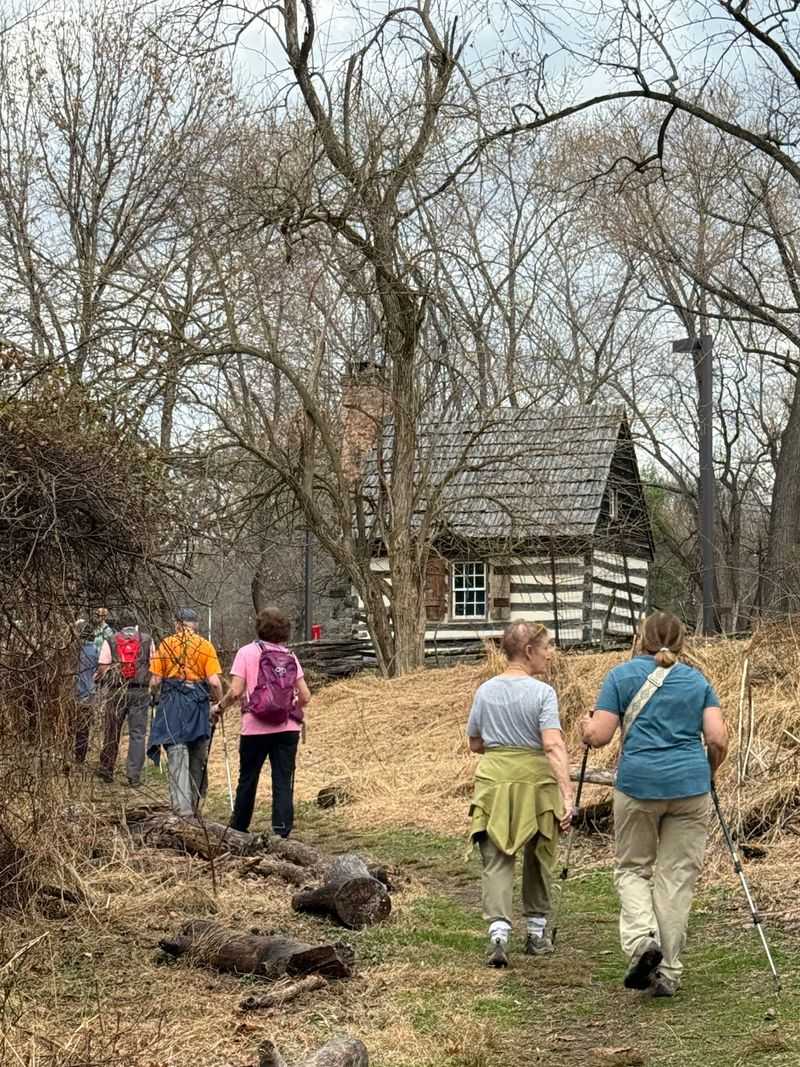
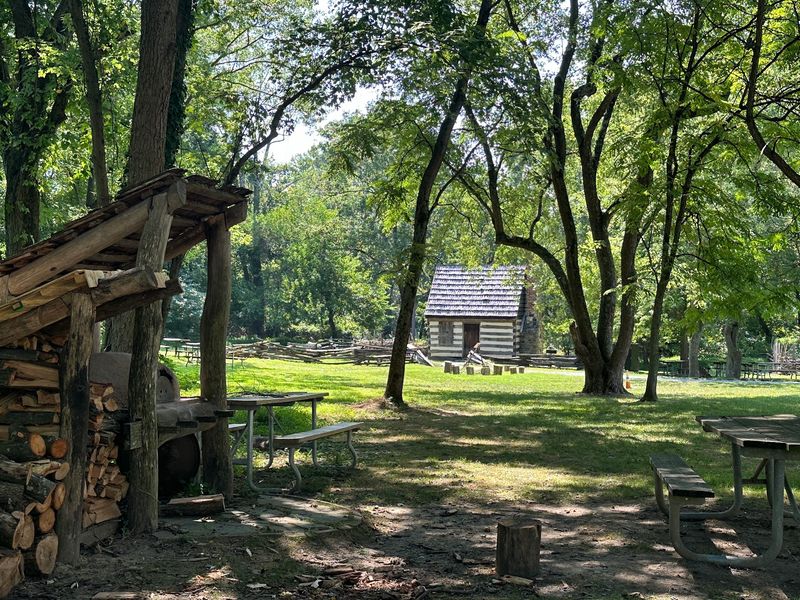
Out behind the museum stands a replica of Banneker’s split-log colonial cabin. It gives you a real sense of how simply he lived while doing extraordinary work.
The cabin is furnished with reproduced period artifacts. Every item helps paint a picture of daily life on a Maryland farm in the 1700s.
Think about it for a second. Some of early America’s sharpest calculations came from a modest home like this one.
I like how the cabin turns big history into something you can actually picture. Reading about colonial life is one thing, but seeing the space makes it stick.
Kids especially tend to connect with places they can see up close. A small cabin is easier to understand than a long timeline on a wall.
Nearby, you’ll also spot a restored 19th-century farmhouse on the grounds. It adds another chapter to the land’s story after Banneker’s time.
Together, these buildings show how people lived and worked here across generations. It’s a quiet, thoughtful stop that rewards anyone who slows down.
Take a few minutes, look around, and let your imagination fill in the candlelight.
He Helped Map the Nation’s Capital, and That Is No Small Thing
In 1791, Banneker joined Major Andrew Ellicott and his team for a huge job. They surveyed and laid out the first boundaries of Washington, D.C.
His role leaned heavily on the sky. Banneker made astronomical observations and calculations tied to the federal capital’s south corner.
That’s a pretty wild resume for someone who mostly taught himself. Precise star readings helped place the starting lines of a brand-new capital city.
Now picture doing that without satellites, apps, or calculators. Just instruments, patience, and a brain that could handle serious math.
He also predicted a solar eclipse in 1789. His skill with astronomy wasn’t a lucky guess, and the capital project proved it.
The museum helps connect these big events back to his quiet farm life. You’ll leave with a better idea of how one Maryland man touched national history.
Next time you see a map of Washington, D.C., you might think of him. That’s a fun bit of trivia to share at dinner.
It also makes a great conversation starter for kids learning about early America. Few school lessons come with a real homestead attached.
His Almanacs and a Bold Letter to Jefferson Still Pack a Punch
Tide tables, eclipse predictions, and medicinal formulas filled Banneker’s almanacs. They sold well and came out every year for ten years.
These were the first scientific books published by a Black American. That alone makes them a major milestone in American history.
But Banneker didn’t stop at science. He wrote to Thomas Jefferson about racial equality and ending slavery.
In his letter, he compared the colonists’ fight for freedom to the suffering of enslaved people. It was a sharp, brave point aimed right at a powerful leader.
Then he did something even gutsier. He published their exchange of letters in one of his almanacs for the public to read.
I believe that move says a lot about who he was. He used his knowledge and his platform to push for fairness.
The museum’s collection of his writings helps bring this side of him into focus. Reading his words gives you a feel for his courage and clear thinking.
It’s a great reminder that science and conscience can live in the same person. Banneker carried both, and he carried them proudly.
Lace Up, Because Six Miles of Trails Are Calling
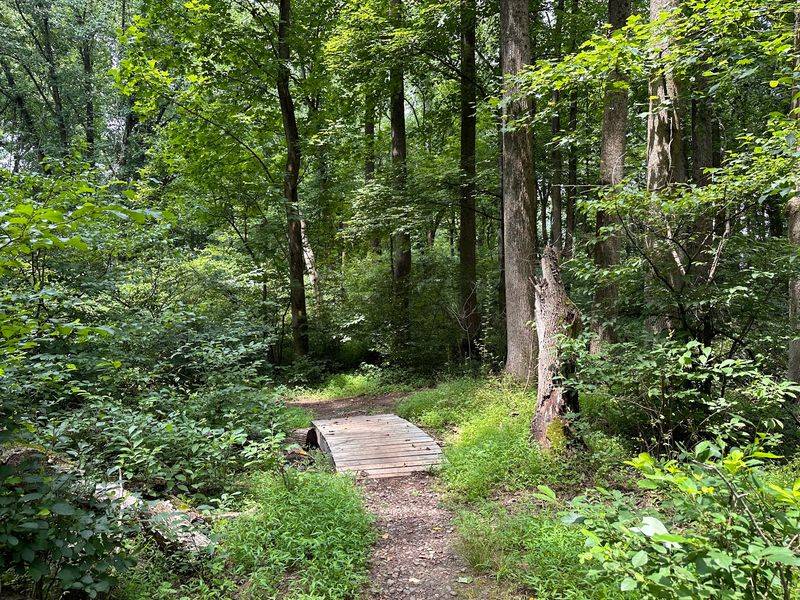
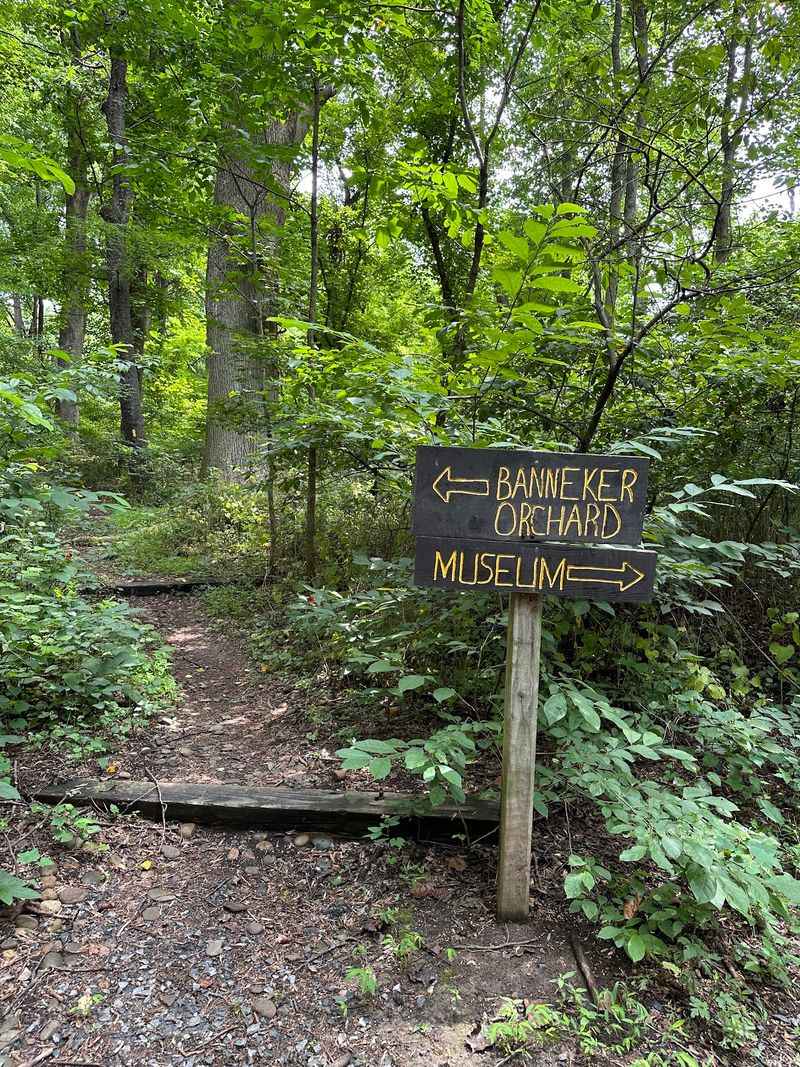
Six miles of walking trails wind through this park. They pass through lush woodlands and open meadows, so the scenery keeps changing.
The star of the bunch is the paved Number Nine Trolley Line Trail. It runs about 1.5 miles and connects to historic Ellicott City.
That makes it a great pick for strollers, runners, and casual walkers. You get shade, history, and a destination all in one path.
Other trails come in all sizes. The Story Trail is just 0.2 miles, while the Red Trail stretches about 1.3 miles.
There’s also a Yellow Trail, White Trail, Green Trail, and Blue Trail. Mix and match them depending on how much energy you brought.
A quick tip: some sections have steep slopes. Wear sturdy shoes and take your time on the hillier parts.
Hiking, running, and bird-watching are all popular ways to enjoy these paths. Keep your eyes open, since the woods are home to plenty of wildlife.
Banneker loved studying nature, so exploring these trails feels fitting. You’re following his lead, just with better sneakers.
Gardens Here Grow a Little History With Every Season
Bees were one of Banneker’s favorite subjects. In his later years, he kept a detailed nature journal with a special focus on them.
So it makes sense that the park includes a pollinator garden. Watching bees buzz around feels like a small tribute to his curiosity.
The grounds also feature a colonial orchard and colonial herb gardens. These spaces reflect the kinds of plants a farm family might have grown long ago.
There’s a vegetable garden and a harvest garden too. Native plants round out the mix and support local wildlife.
For kids, the gardens make history feel hands-on. Seeing food grow is a lot more fun than reading about farm chores.
The park’s Nature, Environmental and Agriculture Center also offers educational programs. One favorite topic is beekeeping, through a program called Ben the Beekeeper.
Group programs can be tailored for Scout troops, youth, and adults. Another option, Stream Strollers, focuses on stream ecology.
I like how these gardens tie science, food, and history together. Banneker would probably have taken plenty of notes here.
Pack a Lunch and Let the Kids Burn Off Some Energy
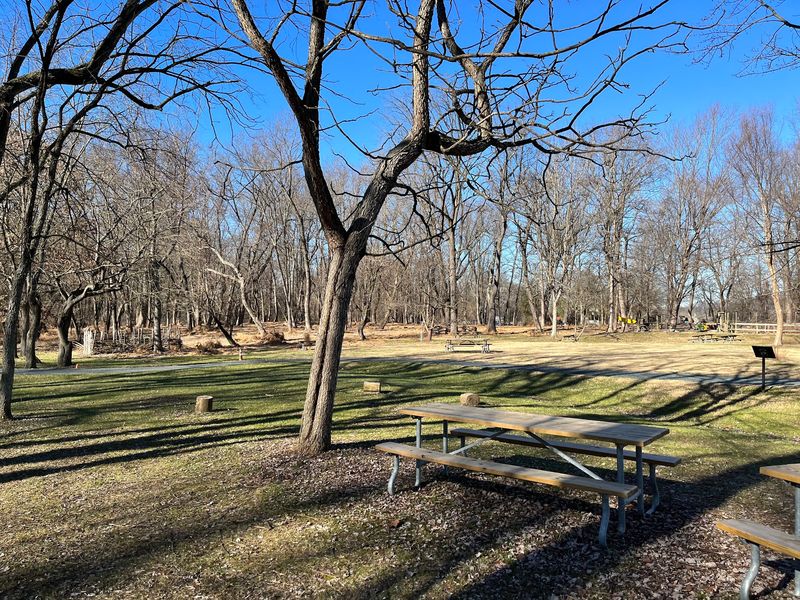
Good news for anyone planning a family outing: Benjamin Banneker Historical Park and Museum is ready for a picnic. Picnic areas are first-come, first-served for groups of 12 or fewer.
Bigger crowd? The Banneker’s Compass Pavilion can be reserved for groups up to 30 people.
Reservations require a minimum of four hours. That gives you plenty of time for food, games, and a trail walk afterward.
There’s also a playground, so younger visitors have a spot to run around. An outdoor classroom and a gazebo add more places to gather.
Restrooms and parking lots are available on site. Those small details make a long day out much easier.
Getting here is simple. The park sits at 300 Oella Avenue, Catonsville, Maryland 21228.
The park is open daily from sunrise to sunset. The museum runs daily from 9 a.m. to 5 p.m., but it closes on Baltimore County holidays.
Best of all, entry to the park and museum is free. A small suggested donation helps support the site, and it’s an easy way to say thanks.
Mark Your Calendar for Festivals, Jazz, and Colonial Fun
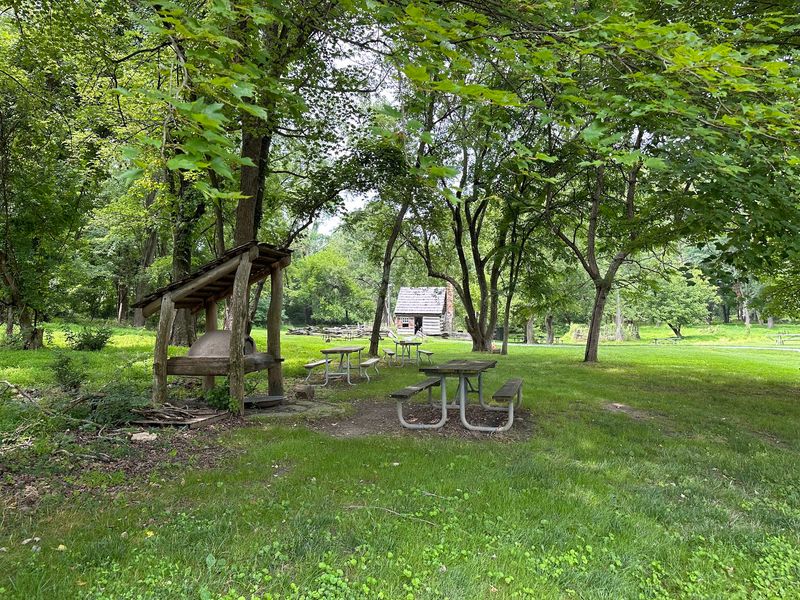
Summer weekends can bring jazz concerts to the park. Live music, green lawns, and fresh air make a pretty great combination.
Benjamin Banneker Historical Park and Museum also hosts family-friendly activities all year. Festivals and nature presentations keep the calendar lively.
One annual highlight is the Colonial Market Fair. It’s a fun way to step back in time and see what early American life looked like.
The Earth Day Celebration is another yearly favorite. It fits perfectly with a park built around nature, gardens, and a man who studied the outdoors.
Some special events may carry a fee, so check ahead before you go. Most days, though, the park and museum stay free to enjoy.
I think events are the best way to see this place come alive. History feels warmer when there’s music, crafts, and community around it.
If you live in Maryland, this is an easy spot to revisit. Each season seems to offer a new reason to show up.
Banneker spent his life learning and sharing knowledge. A park that keeps people gathering and learning seems like the perfect way to honor him.
