More than a century of family history is a pretty strong sign that a food market knows what it is doing.
This Maryland institution dates back to 1914 and is now in its fourth generation, continuing a tradition centered on Italian food, imported specialties, and recipes that have kept customers coming back for decades.
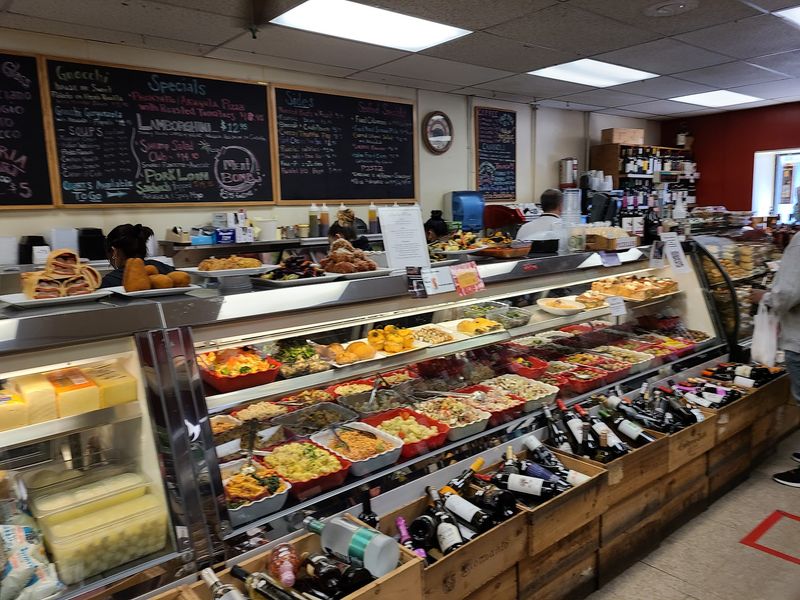
The shelves and counters are loaded with artisan deli meats, cheeses, pantry staples, homemade pasta, Italian subs, brick-oven pizza, antipasti, and enough tempting extras to make sticking to a shopping list nearly impossible.
It is part market, part deli, and part excuse to suddenly decide dinner needs to be much more ambitious than originally planned.
For Maryland food lovers who get genuinely excited about authentic Italian ingredients and old-school flavors, this place makes an ordinary grocery run feel considerably more dangerous.
A Family Story That Began in 1914
More than a century of history sits behind the counter here. In 1914, an 18-year-old Italian immigrant named Luigi DiPasquale, Sr. opened a small corner grocery on Claremont Street in Highlandtown, then the heart of Baltimore’s Italian community.
The original shop looked nothing like a modern market. Luigi Sr. sold groceries and household goods, butchered chickens and goats on site, and even mixed his own homemade bleach for neighborhood customers.
His goal was simple: give fellow immigrants the familiar foods and comforts they missed from home. He also helped organize a band at Our Lady of Pompei church, which shows how tied the family was to community life beyond the shop’s front door.
Today the business is run by Joe DiPasquale, Luigi Sr.’s grandson, keeping the same name and the same focus on real Italian cooking. That kind of continuity is rare in retail, where storefronts often change hands every few years.
Visitors who enjoy history should take a moment to notice how the market has grown from a one-room grocery into a marketplace, catering operation, and restaurant with more than one location.
Fun fact worth remembering: the business has outlasted most of Baltimore’s other family-owned food shops, making it one of the longest-running in the city.
For travelers building an itinerary, that heritage adds real meaning to lunch. Eating a sandwich in a place with 110-plus years of family recipes behind it feels different from grabbing food anywhere else.
Walking In Feels Like Landing in Italy
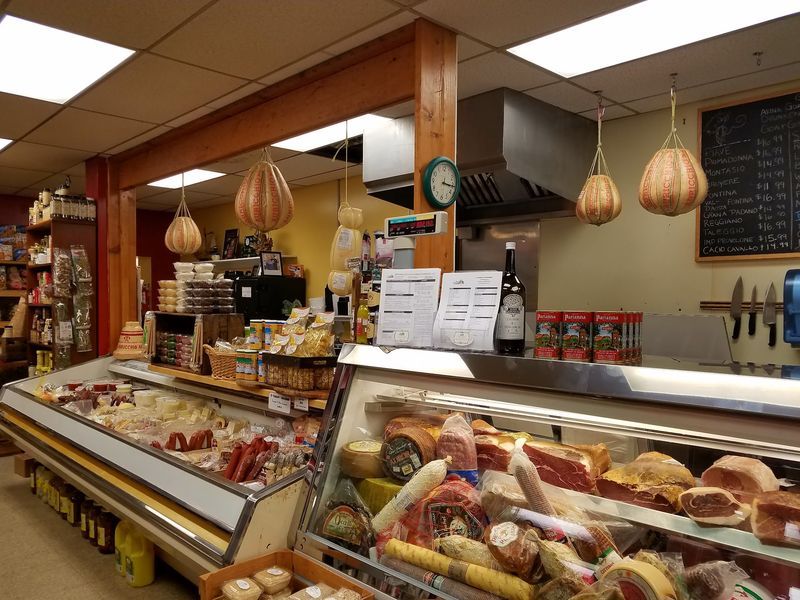
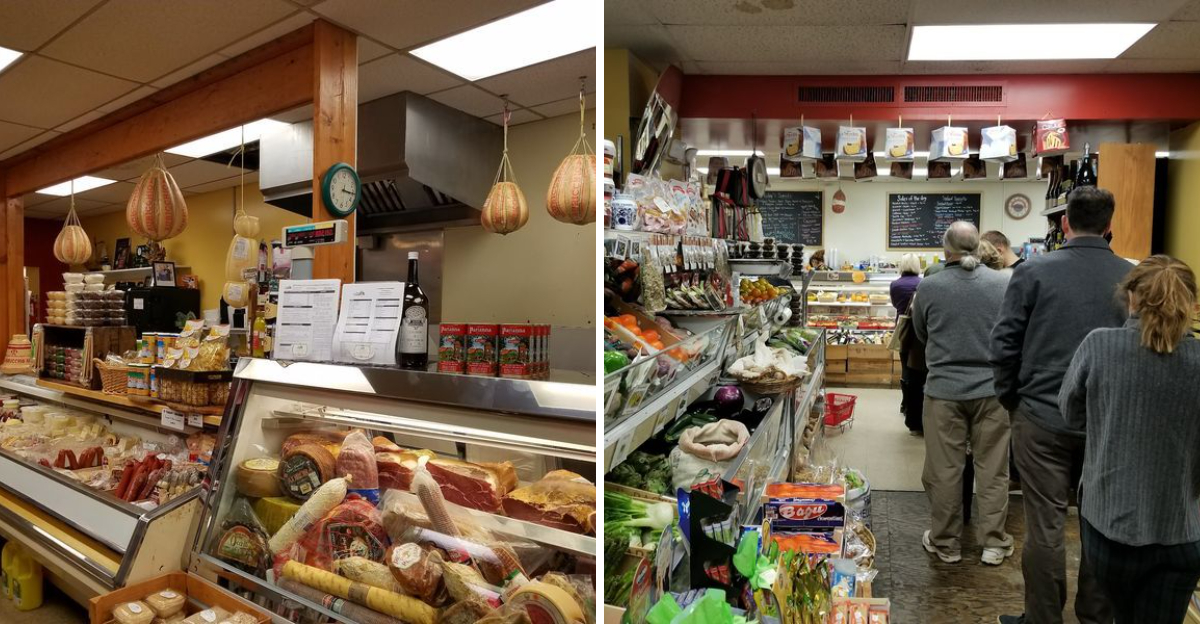
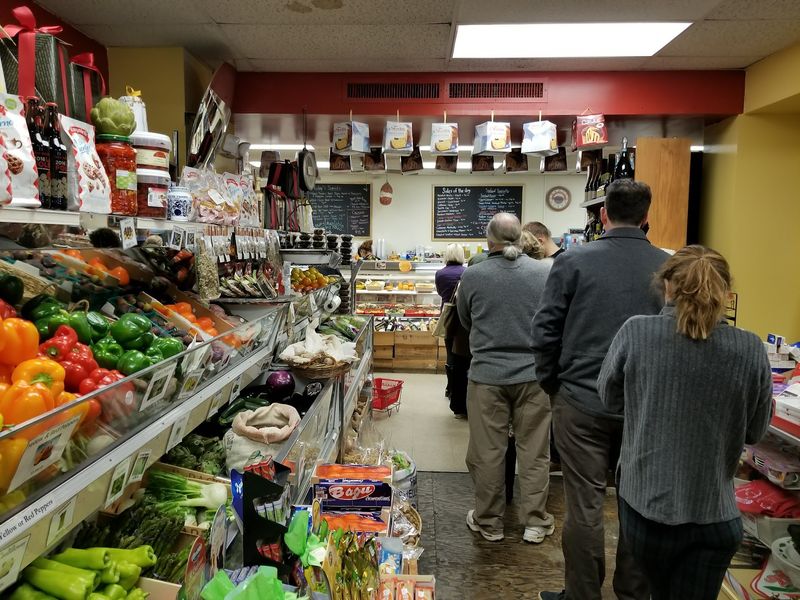
Sights, sounds, and smells all arrive at once the moment the door opens. Loaves cooling on racks, cured meats hanging near the deli, espresso machines hissing, and shelves packed with labels written in Italian create a scene that pulls visitors out of Maryland for a few minutes.
The space is often described as cozy rather than showy. Aisles are tight, the ceiling is lined with product, and there is usually a hum of conversation between customers and staff.
Employees know the inventory well, which matters when a shopper is staring at ten kinds of provolone and cannot decide. Asking questions is encouraged, and recommendations come easily.
The market’s stated mission is to share Italian heritage through food, tradition, and spirit, treating shoppers like extended family. That shows up in small ways, like someone explaining the difference between two cheeses instead of just pointing at a shelf.
A practical tip for first-timers: give the whole store a lap before ordering anything. Plenty of people head straight to the sandwich line and never notice the pastry case, the imported pantry aisle, or the bakery section.
Photographers will find plenty to shoot, though the space gets crowded during peak hours, so it helps to be patient and step aside for shoppers.
Anyone who has traveled through Italy and misses the neighborhood alimentari will recognize the layout and rhythm immediately. It is the closest thing Baltimore has to that experience.
The Deli Counter Is the Main Event
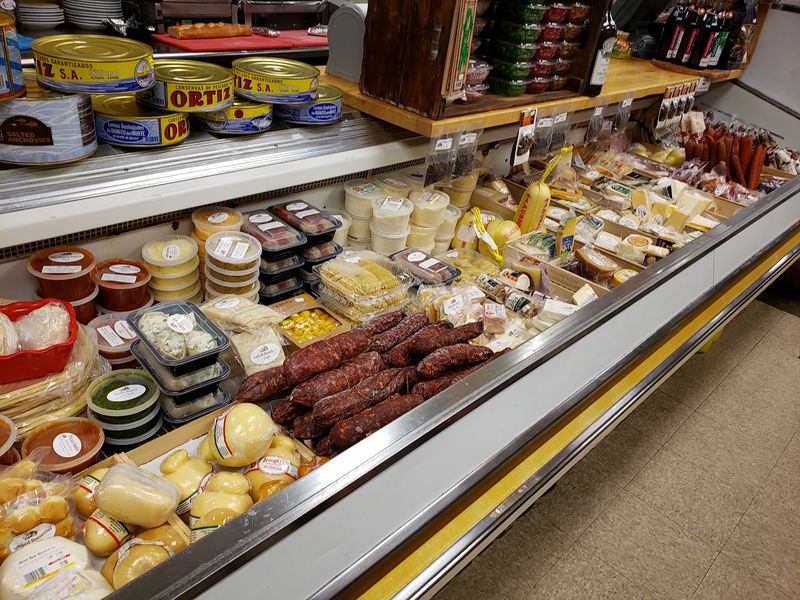
Ask regulars where to start, and the answer points straight to the glass case. The deli counter holds an impressive lineup of imported and house-made Italian meats and cheeses, and it functions as the market’s beating heart.
Cured meats include capicola, mortadella, salami, peppered ham, soppressata, and prosciutto. Fresh mozzarella is made in-house, and a spread of olives sits nearby for anyone building a snack board.
Ordering by weight is the smart move for travelers with a cooler or a rental kitchen. A quarter pound each of two or three meats plus a ball of mozzarella turns into a picnic with almost no effort.
For those who want guidance, staff can suggest pairings based on what is freshest that day. Mentioning how the food will be used, sandwiches, a party tray, or a pasta dish, usually leads to better recommendations.
Cheese shoppers should look beyond the familiar names. Fontinella, provolone, and other Italian varieties show up regularly, and the house mozzarella is worth trying plain with a drizzle of olive oil.
Weekday visits tend to be calmer than weekends, so anyone hoping for a longer conversation with the counter staff should aim for off-peak hours.
Bringing a small insulated bag is a good idea, especially in summer. Baltimore heat is not kind to fresh cheese and sliced meats sitting in a car trunk.
Subs Built for Serious Appetites
Bring an appetite, because the sandwiches here are not modest. Di Pasquale’s built much of its reputation on subs that arrive stacked high and packed with layers of meat and cheese.
The best-known option is The Real Italian, loaded with salami, peppered ham, mortadella, capicola, and provolone. It comes dressed with olive oil, vinegar, a blend of grated cheeses and spices, lettuce, tomato, onions, and mild hots.
Fans of warm sandwiches gravitate toward the meatball sub or the porketta with broccoli rabe, a combination that balances rich pork with slightly bitter greens.
The Old World Italian leans more traditional, combining soppressata, dry-cured capicola, prosciutto, fontinella, tomato, and olive spread. The Cubanella takes a different turn with ham, prosciutto, sauteed onions, lettuce, tomato, hots, and Dijon mustard.
Practical advice: consider splitting one sandwich between two people, especially if dessert or prepared foods are also on the list. Portions are generous enough that a full sub can defeat a single diner.
Asking for the sandwich wrapped tight makes it easier to carry to a nearby park or waterfront spot for an outdoor lunch.
Anyone with spice concerns should mention the hots when ordering, since they add noticeable heat. Skipping them still leaves plenty of flavor from the oil, vinegar, and cheese blend.
Lines move faster when orders are decided in advance, so scanning the menu while waiting is time well spent.
Prepared Dishes Ready to Take Home
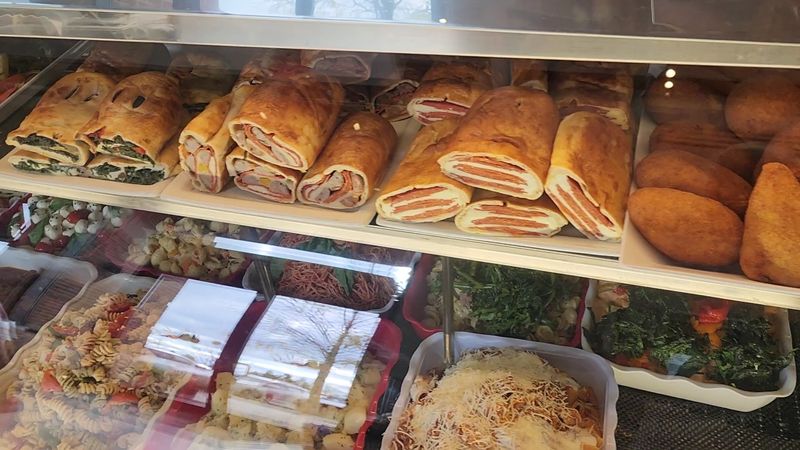
Not everyone wants to cook while traveling, and that is exactly where the prepared food case earns its reputation. Trays of hot and ready Italian dishes line the display, and some of them draw lines out the door.
Lasagna comes in meat and eggplant versions, both dense and layered. Arancini di riso, deep-fried rice balls filled with meat or vegetables plus mozzarella, are another signature item that disappears quickly.
Gnocchi with marinara is a comfort pick, soft and simple. Chicken parmigiana, eggplant rollatini, baked ziti, and four-cheese baked rigatoni round out the lineup for anyone feeding a group.
Families staying in a hotel with a microwave or a rental with an oven can assemble a full dinner here for less effort than a sit-down restaurant. Pairing a tray of ziti with fresh bread and a side salad covers everyone.
Arriving earlier in the day improves the odds of finding the widest selection, since popular dishes sell out. Calling ahead for larger quantities is a reasonable step when planning a gathering.
Portion sizes tend to be filling, so ordering less than expected is usually safe. Leftovers reheat well, which makes the prepared case a good value for multi-day trips.
Anyone new to arancini should try one on the spot rather than saving it. The crisp shell is best within minutes of leaving the fryer, and the melted mozzarella center is part of the appeal.
Pantry Shelves, Bread, and a Butcher Shop
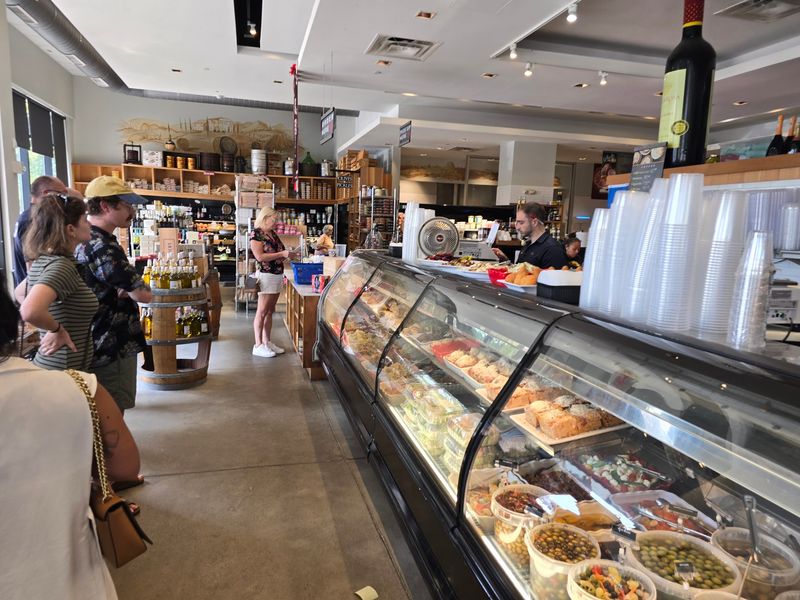
Shopping here goes far past lunch. The grocery aisles are stocked with imported Italian goods, including dried pastas in a long list of shapes and sizes that home cooks rarely find at a regular supermarket.
Quality drives the buying decisions. The market prioritizes imported items, including Italian-manufactured Nutella, which many people say tastes noticeably different from other versions.
Bread is baked on the premises, and the aroma of focaccia coming out of an imported pizza oven fills the space. Warm bread pairs naturally with anything bought at the deli counter.
There is also a dedicated butcher shop, which makes the market a genuine one-stop destination rather than just a sandwich spot. Cooks planning an Italian dinner can gather meat, cheese, pasta, sauce, and bread in a single visit.
Travelers looking for edible souvenirs should focus on shelf-stable items. Dried pasta, olive oil, jarred sauces, and imported spreads survive a suitcase or car ride far better than fresh products.
Reading labels is part of the fun, and staff can help decode unfamiliar brands or explain which pasta shape holds a chunky sauce best.
Owner Joe DiPasquale spent an extended stretch in Italy during the 1980s learning traditional foods and cooking methods, and his wife’s family, who immigrated in the 1970s, added their own influence. That background explains why the shelves feel curated rather than random.
Cannoli, Sweets, and Sides Worth Saving Room For
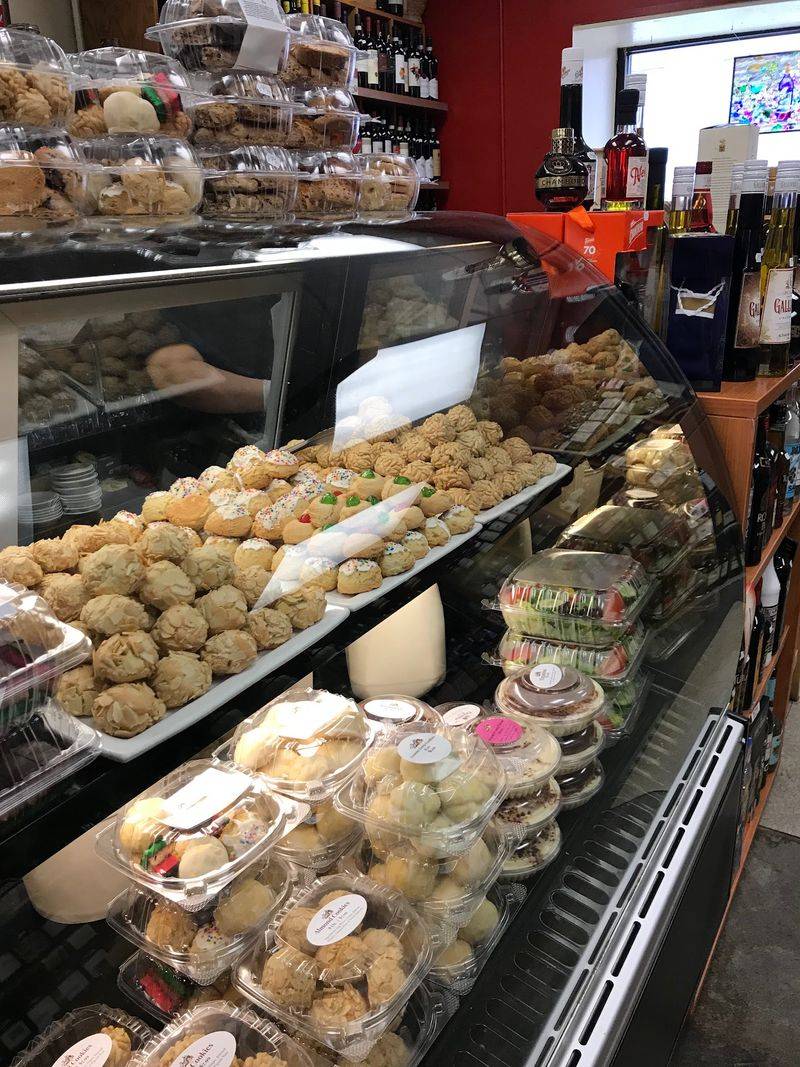
Skipping dessert would be a mistake. Fresh cannoli sit in the case, crisp shells filled with sweet ricotta, and they are the classic way to close out a visit.
Panettone bread pudding shows up among the dessert options too, turning a traditional Italian holiday bread into something warm and spoonable. It is a smart pick for anyone who wants a change from the usual pastry.
Coffee and hot drinks are available, which makes a quick dessert break easy without leaving the building. A cannoli and an espresso is a small ritual worth ten minutes.
The savory side of the counter deserves attention as well. Pasta salads, various sides, and homemade soups fill out the menu and work nicely alongside a sandwich or a tray of pasta.
Soup is especially useful on cold Baltimore days, when the harbor wind cuts through the neighborhood. A container to go travels well and reheats without losing much.
Ordering strategy helps here: buy sweets last so they are not crushed under groceries. Asking for a separate box protects delicate shells.
Cannoli are at their best soon after filling, so eating them the same day is recommended rather than saving them for the next morning.
For groups, mixing a few desserts and a couple of pasta salads creates an easy shareable spread that suits picnics, hotel rooms, or a drive back home.
National Spotlight and Neighborhood Roots
Television crews found this place years ago. Di Pasquale’s has been featured on Food Network’s Diners, Drive-Ins and Dives with Guy Fieri and on the Travel Channel’s Zimmern List with Andrew Zimmern.
Recognition also came in print, with a mention in Lidia Bastianich’s cookbook, Lidia’s Italy in America. That combination of screen and page attention turned a neighborhood market into a national food stop.
The result is noticeable at the counter. Crowds have grown since those appearances, and lines sometimes stretch out the door for items like lasagna and arancini di riso.
Beyond the fame, the market still functions as a community gathering spot. Locals come for weekly groceries, not just visitors chasing a television segment.
Catering rounds out the operation, with authentic Italian food available for on-premise and off-premise events. The team handles intimate dinners, large celebrations, family gatherings, business luncheons, and private events, including setup, service, and cleanup.
Visitors planning around busy hours should consider arriving mid-morning or mid-afternoon on a weekday. Weekend middays tend to be the most crowded.
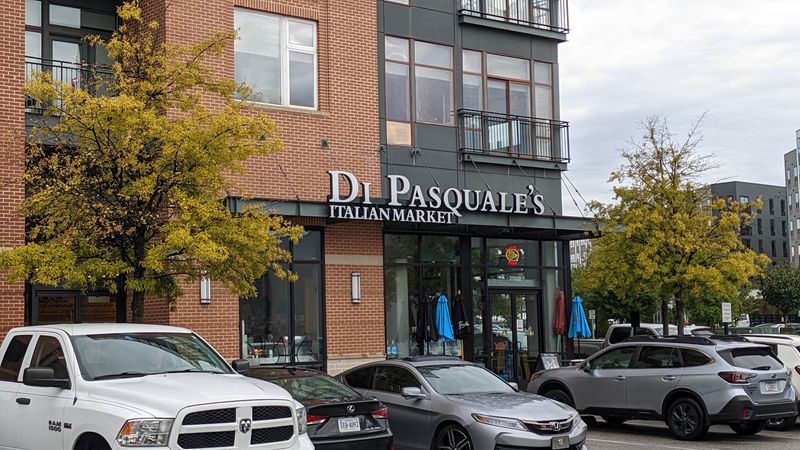
The Brewer’s Hill location at 3700 Toone Street offers a modern setting for a very old business, and it fits well into a day spent exploring southeast Baltimore, Canton, and the waterfront.
Longevity like this rarely happens by accident. Family tradition, careful sourcing, and steady customer service explain why a 1914 corner grocery still pulls a crowd today.
Address: 3700 Toone St, Baltimore, MD
