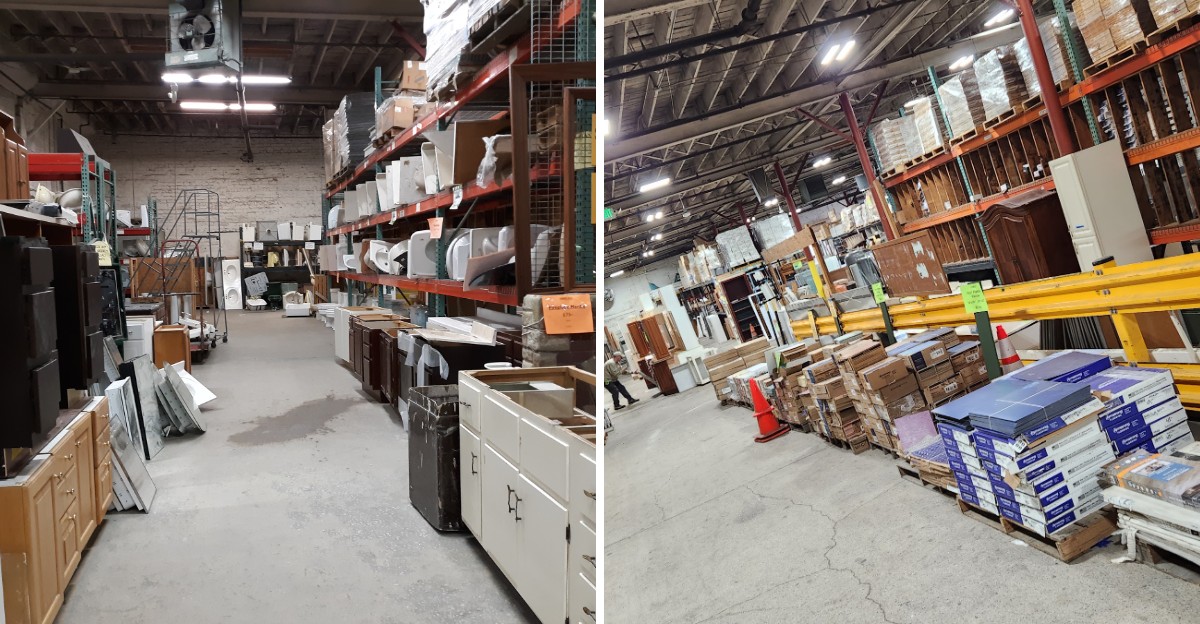
A bathtub, a stack of old doors, and antique light fixtures can all turn up inside the same Maryland warehouse. These aren’t museum pieces.
They’re reusable building materials waiting for someone with a project and a little creativity.
The nonprofit collects items that might otherwise end up in landfills, from cabinets and light fixtures to lumber, tile, and hardware. Its inventory changes with donations, so shopping here feels more like a treasure hunt than a trip to a hardware chain.
I’d be drawn to the architectural oddities first, especially pieces that could give an ordinary room some character. You can hunt for practical renovation supplies or stumble across an unusual detail worth building a project around.
The real appeal is seeing something discarded become useful again, and wondering what someone will make of it next.
A Nonprofit Idea That Was First In The Whole Country
Back in October 1984, The Loading Dock, Inc. opened its doors with a simple goal. It wanted to get leftover building materials into the hands of people fixing up homes.
That idea was bigger than it sounds. The Loading Dock was the first nonprofit program of its kind in the United States.
Plenty of reuse centers exist today, but this one helped show the way.
The early focus was low-income housing rehabilitation and development across Maryland. Baltimore City was a big part of that story.
Families, community groups, and housing projects needed supplies they could actually afford.
Here’s a detail I really admire. By 1990, the organization had become self-sufficient.
That means it kept running on its own operations rather than leaning heavily on outside support.
Fast forward a few decades, and the mission still sounds refreshingly clear. It aims to improve living conditions for families, neighborhoods, and communities.
It also wants to help the environment by redistributing surplus building materials.
So when you browse those aisles, you’re shopping inside a piece of history. Every reused door or box of tile connects to a forty-year effort.
Not bad for a place that started as a practical solution to a local need.
Bring Comfortable Shoes Because This Warehouse Is Enormous
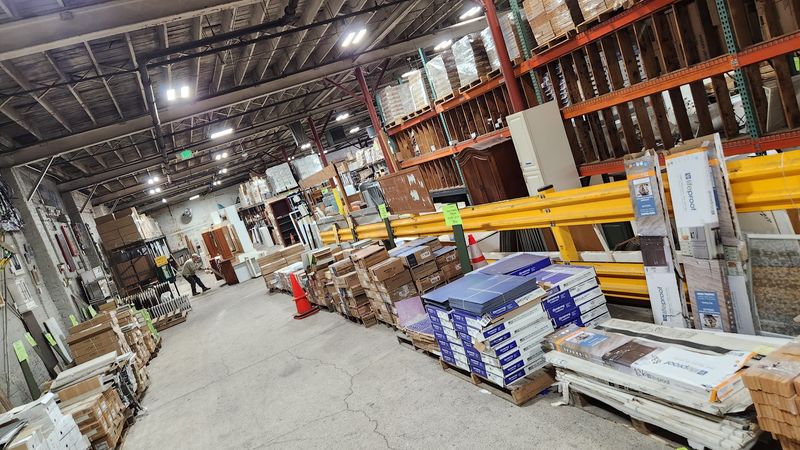
Roughly 42,000 square feet of building materials waits inside this southeast Baltimore warehouse. That’s a lot of ground to cover when every aisle might hide something useful.
The Loading Dock moved into this facility in 2005. Today it serves as Maryland’s central clearinghouse for salvaged building materials.
Think of it as a giant library, except the books are cabinets and toilets.
Size can feel overwhelming at first. Thankfully, the organization offers a warehouse map to help shoppers find their way.
Grab it early and save yourself some wandering in circles.
The layout makes sense once you know what you need. Lumber lives in one area, while plumbing, doors, and tile have their own spots.
A plan keeps you focused, even if a vintage light fixture tries to distract you.
My advice is to measure your space before you leave home. Bring a tape measure and a list of sizes for doors or windows.
Nothing stings like finding the perfect piece that’s two inches too wide.
Also, give yourself time. A quick five-minute trip rarely happens in a building this big.
Treat it like a treasure hunt, and the hours start to feel well spent.
The Inventory Changes Constantly, So Every Trip Feels Different
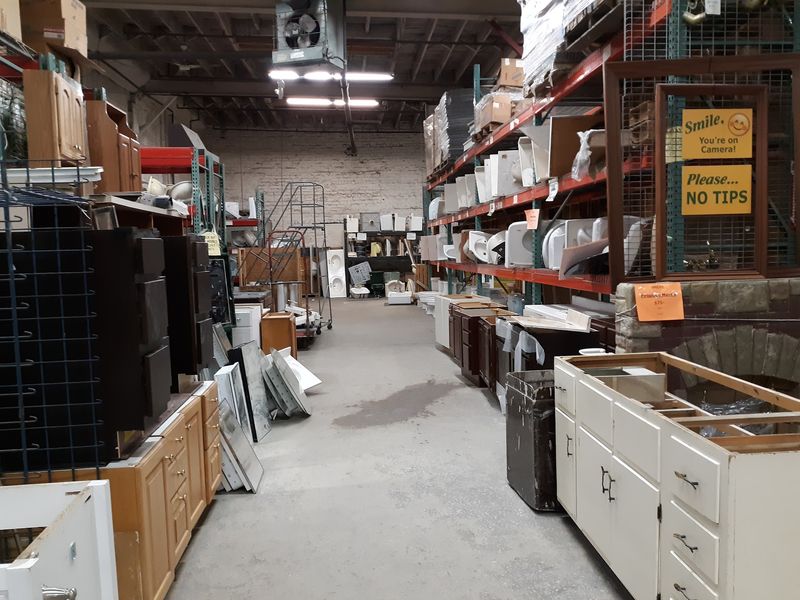
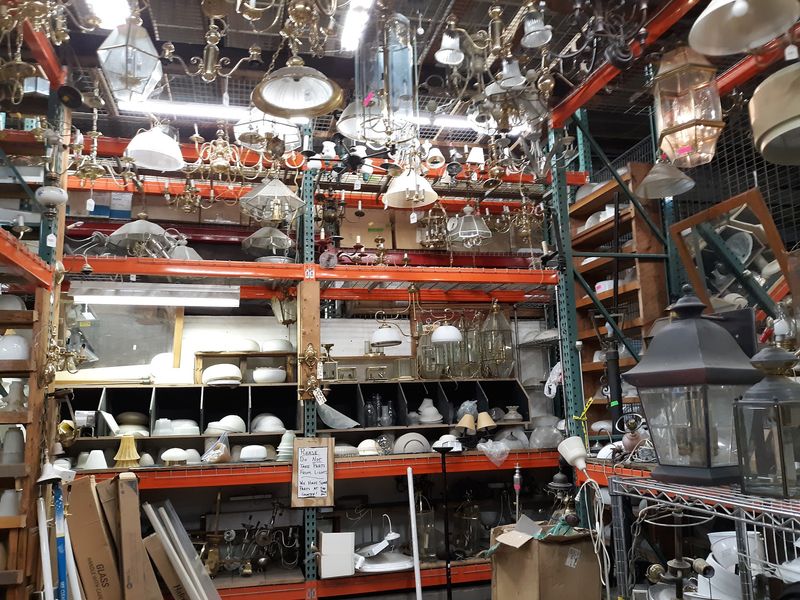
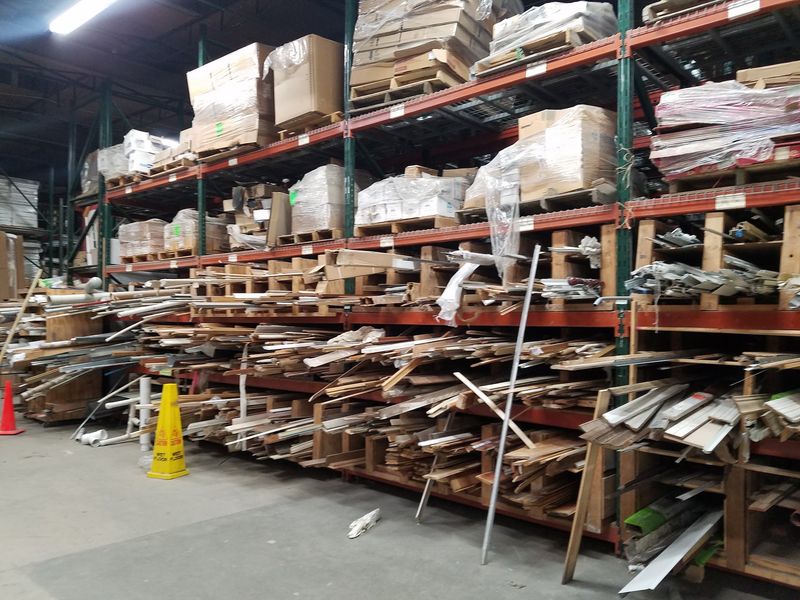
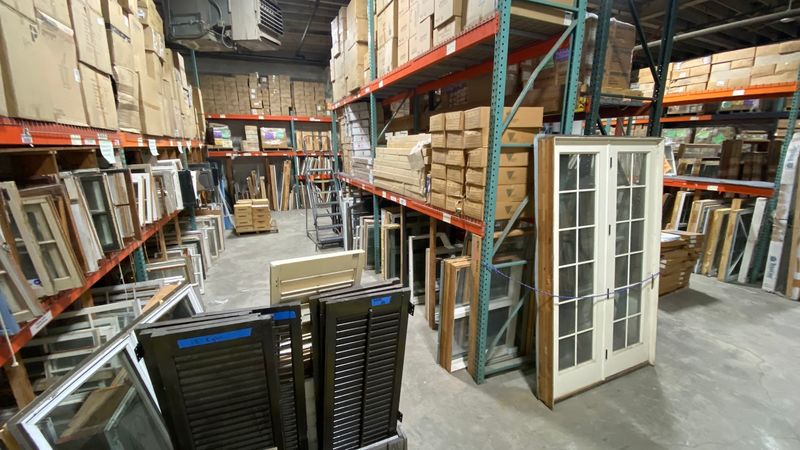
Paint, lumber, doors, cabinets, windows, caulks, and moldings. That’s just the start of the list at The Loading Dock.
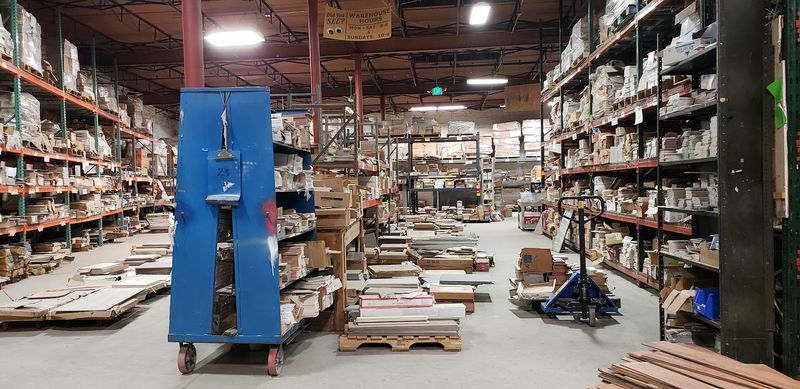
The shelves also hold plumbing fixtures, appliances, hardware, and floor coverings. You’ll find fencing, railing, insulation, stairs, masonry, and tile too.
Architectural salvage and vintage home accents round things out nicely.
Everything here depends on donations. Contractors, companies, and deconstruction projects send over surplus items.
That means the stock shifts all the time, sometimes by the day.
This is where the fun kicks in. You might show up for a sink and leave with a set of cabinet doors.
Planned projects and happy accidents tend to share the same cart.
Still, it pays to stay flexible. The exact item you want may not be there this week.
A quick return visit can turn up something even better.
I’d suggest checking here before heading to a big-box store. A full kitchen refresh or a simple bathroom update might cost far less.
Even small things like hardware or trim can add up to real savings.
Patience, curiosity, and a measuring tape. Those three tools work wonders inside this ever-changing maze.
A Small Membership Card Unlocks Some Seriously Big Savings
Membership is the key to shopping here, quite literally. The Loading Dock requires an annual membership before you can buy materials.
The good news is that it’s affordable. One membership covers two cardholders for a full year.
Share it with a partner, roommate, or project buddy and split the perks.
Why does it work this way? The membership supports a nonprofit model built around affordability.
It helps keep materials priced at about 25 to 30 percent of retail cost.
Those numbers can change how you plan a project. A renovation that felt out of reach might suddenly fit your budget.
That’s exactly the point of the whole operation.
The organization serves a wide mix of shoppers. Homeowners, renovators, landlords, and modest-income families all benefit.
Community groups, nonprofits, arts groups, and schools can use it too.
Signage at the entrance explains the membership as you come in. Read it before you load up a cart, so checkout goes smoothly.
Nobody enjoys surprises at the register.
If you do even one decent-sized project a year, the card should feel worthwhile. Think of it as a ticket to a very large, very practical playground.
Old Roof Slate And Light Switch Plates Can Become Art
Roof slate as a garden marker? Cabinet doors turned into wall decor?
The Loading Dock loves this kind of thinking.
Creative reuse sits at the heart of the place. The organization shares examples of how salvaged items can become art, home decor, or landscaping features.
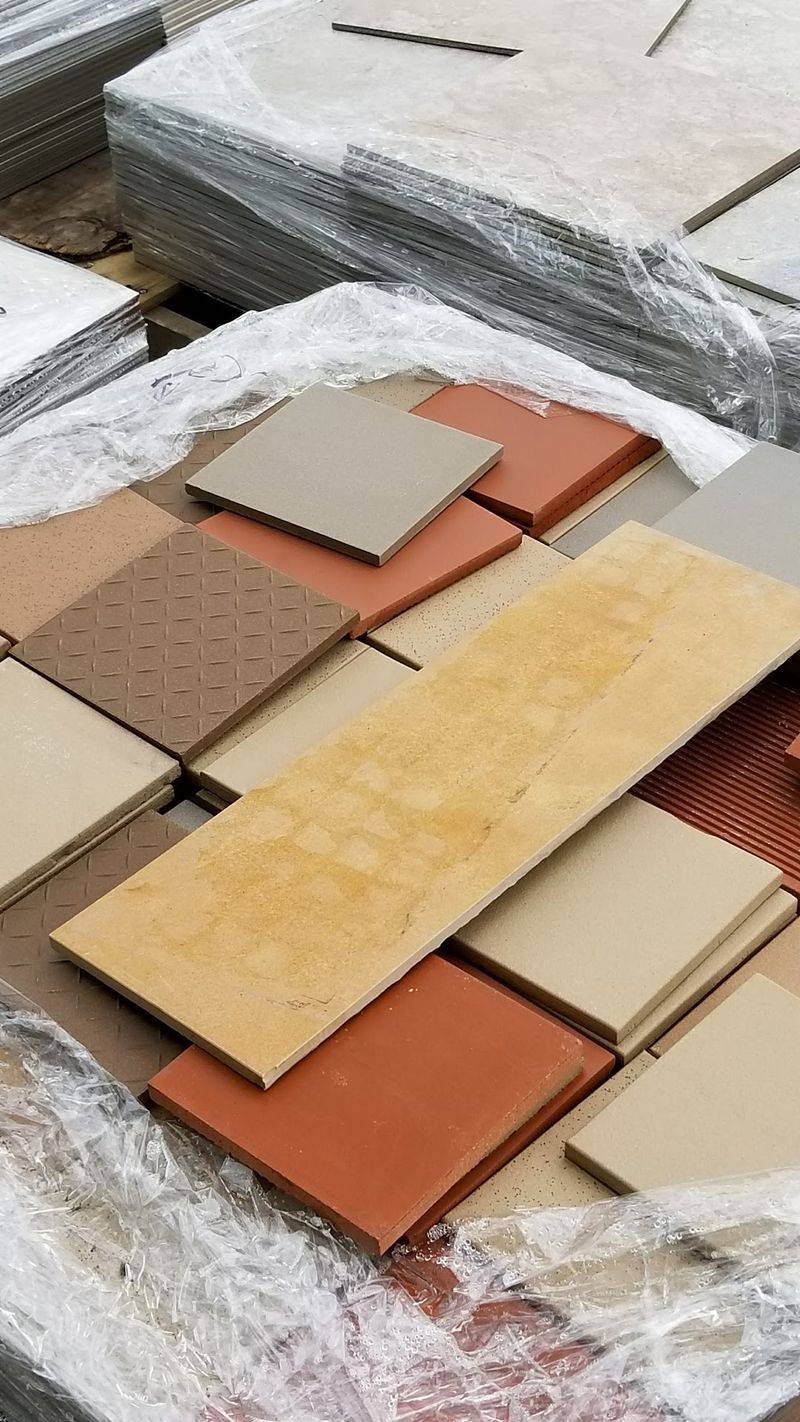
Electrical plates, roof slate, cabinet doors, and tile all make the list.
That opens the door for artists and crafters, not just builders. A stack of leftover tile could become a mosaic tabletop.
Old moldings might frame a mirror with real character.
Arts groups and schools are part of the audience here. Teachers looking for project supplies can find unusual materials at low cost.
Kids get to see that trash isn’t always trash.
The organization has also hosted free DIY workshops on Saturdays in the past. Those workshops are currently postponed, so don’t plan a trip around one.
Keep an eye on official updates if hands-on learning sounds fun.
My favorite part is the mindset shift. You start seeing a cabinet door and wondering what else it could be.
Once that happens, ordinary hardware aisles never look quite the same again.
The Planet Gets A Break Every Time Something Gets Reused
Thousands of tons. That’s how much reusable building material The Loading Dock keeps out of landfills every year.
Put another way, the organization rescues more than 12,000 truckloads annually. Picture that line of trucks stretching down the road.
Every one of them carries stuff that would otherwise be wasted.
The financial side is impressive too. This effort saves communities around 2.6 million dollars each year in material costs.
That money stays in households and neighborhoods instead of vanishing on new supplies.
The organization also helps rehabilitate nearly 15,000 homes by supplying affordable materials. That’s a staggering number of kitchens, porches, and bathrooms.
Each one represents a family with a better place to live.
Deconstruction projects play a big role in this. Instead of smashing a building apart, crews can carefully remove usable pieces.
Companies also send over surplus inventory they no longer need.
Shopping here feels a little different because of all that. Buying a reclaimed door means one less door made from scratch.
Small choices like that add up fast across a whole state.
Honestly, it’s hard to find a more satisfying way to save money.
National Awards Prove This Is Way More Than A Warehouse
Most building supply stores don’t have a shelf of national honors. The Loading Dock, Inc. does, and they’re pretty remarkable.
The organization received the Presidential Award for Sustainable Development. That recognition celebrates groups that balance economic, social, and environmental goals.
A reuse warehouse checking all three boxes makes perfect sense.
It also earned the United Nations Habitat II “Building Communities of Opportunity” National Excellence Award. That’s a mouthful, but the meaning is simple.
The work here strengthens neighborhoods in a lasting way.
On top of that, The Loading Dock is a Certified B Corp. That certification signals high standards for social and environmental impact. It’s a big deal for a nonprofit rooted in Baltimore.
It’s also officially recognized as a 501(c)(3) nonprofit organization. That status reflects its focus on community benefit over profit.
Your purchase helps fuel the mission instead of a corporate bottom line.
I find this part genuinely inspiring. A warehouse full of secondhand tile and lumber earned attention on a national stage.
Proof that practical ideas can have a huge reach. Next time you grab a box of nails here, you’re supporting an award winner.
Roll Up Your Sleeves And Volunteer Among The Doors And Tile
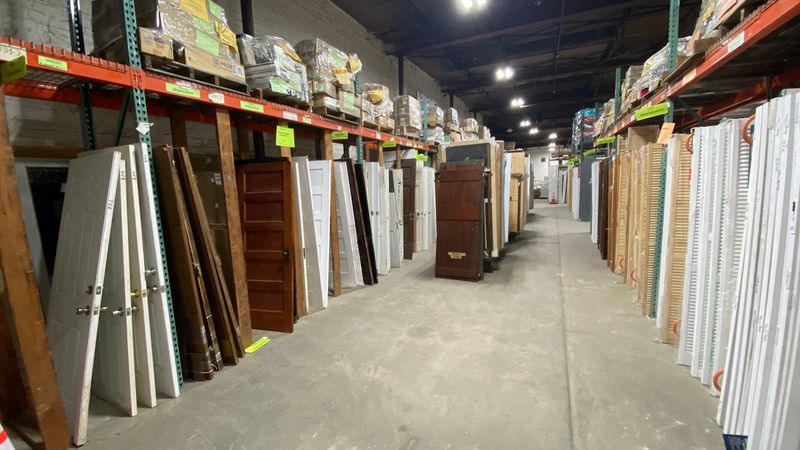
Sorting hardware might not sound glamorous. At The Loading Dock, though, it’s part of keeping tons of materials out of landfills.
The organization offers volunteer opportunities for both individuals and groups. Tasks include sorting materials, cleaning displays, and helping out at events.
Every job supports the same goal of giving building supplies a second life.
Groups might find this especially rewarding. Coworkers, clubs, or classes can tackle a project together.
It’s a hands-on way to see community impact up close.
Volunteering also teaches you the warehouse in a way shopping can’t. You’ll learn where things go and what tends to come in.
That knowledge could make your next personal project much easier.
Students looking for service hours might want to consider it too. Working with real materials beats stuffing envelopes any day.
Plus, you get bragging rights about saving the planet one doorknob at a time.
Reach out through official channels to learn current options and scheduling. Opportunities may shift depending on needs and events.
A little planning helps the team put your time to good use.
Few volunteer gigs let you handle vintage moldings and claw-foot style fixtures. This one just might.
Plan Your Trip To This Corner Of Southeast Baltimore
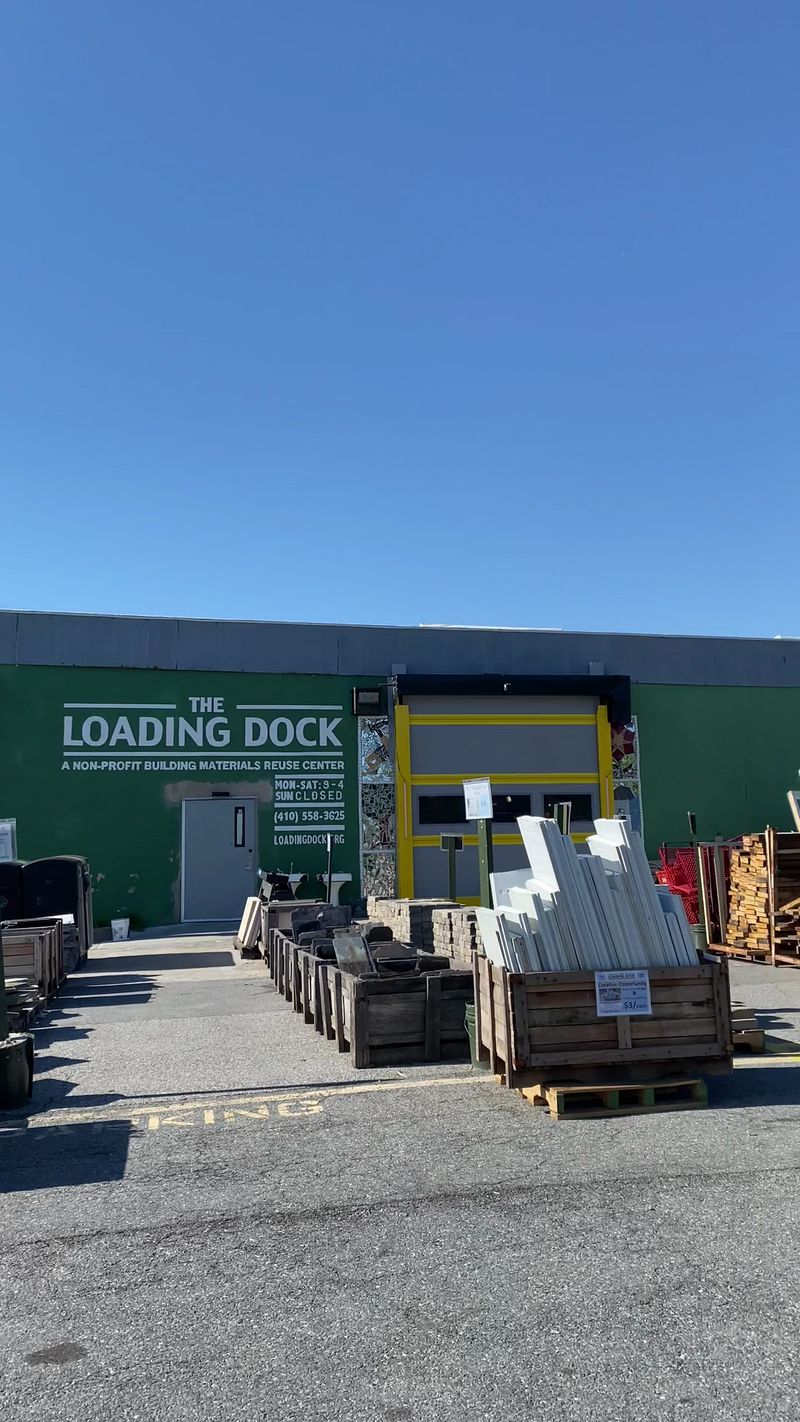
Southeast Baltimore has an industrial edge that suits a salvage warehouse perfectly. The area has been described as a hub for creativity, with creative spaces and businesses nearby.
You’ll find The Loading Dock at 2 N Kresson St, Baltimore, MD 21224. The location sits within easy reach for shoppers across Maryland.
A free parking lot makes loading up your finds much less stressful.
Hours typically run Monday through Saturday from 9 AM to 5 PM. The warehouse is closed on Sundays.
Hours can change, so check official updates before you head over.
Bring a vehicle that matches your ambitions. A small sedan won’t help much with a stack of lumber or a full set of cabinets.
Straps, blankets, and a friend with a truck can save the day.
Arriving earlier in the day gives you more time to explore. Rushing through 42,000 square feet is no fun.
Slow browsing often leads to the best discoveries anyway.
Remember your measurements, your list, and an open mind. Leave room in the plan for an unexpected find or two.
Southeast Baltimore just might send you home with a brand-new project idea.
