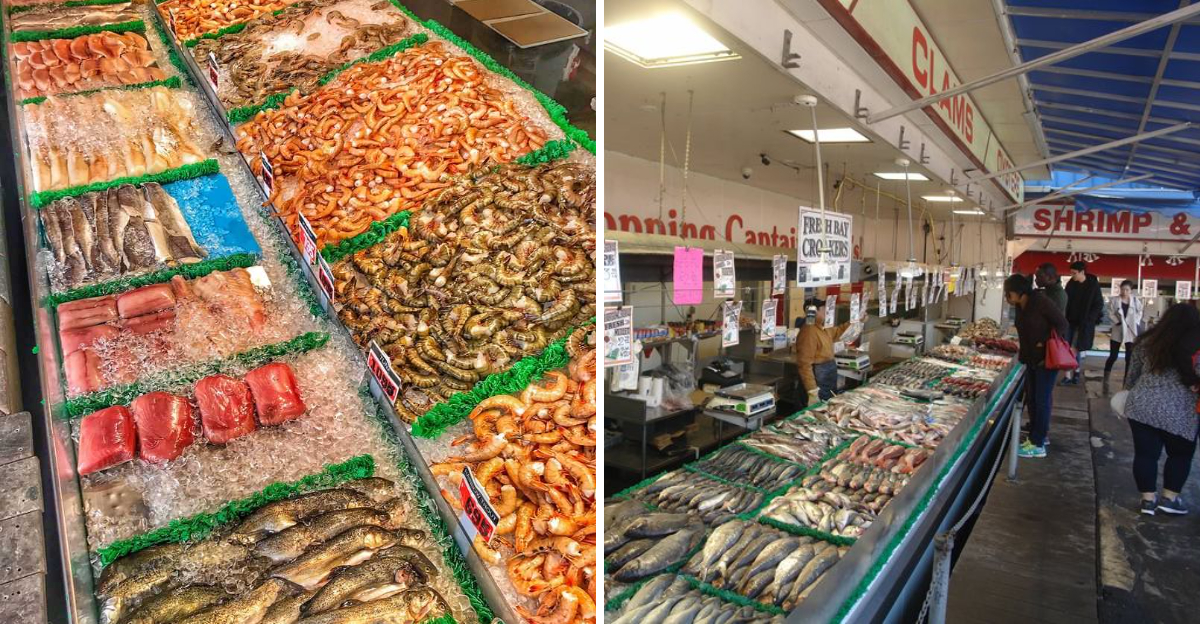
Buying fresh seafood is great until you get home, stare at it on the counter, and remember that somebody still has to cook the thing.
This longtime Maryland seafood market has been family operated since 1972 and sells fresh crabs, shrimp, lobster, fish, and other catches, with cooked seafood also part of the operation.
The setup is casual and focused on the food, so the real entertainment is studying the choices, deciding how ambitious dinner should be, and trying not to order enough seafood for a family reunion. It is the kind of stop that makes a regular grocery run feel painfully boring afterward.
For Maryland seafood fans who care more about fresh options than fancy surroundings, this market has spent decades proving that a counter full of seafood can be an attraction all by itself.
A Family Seafood Legacy That Started in 1972
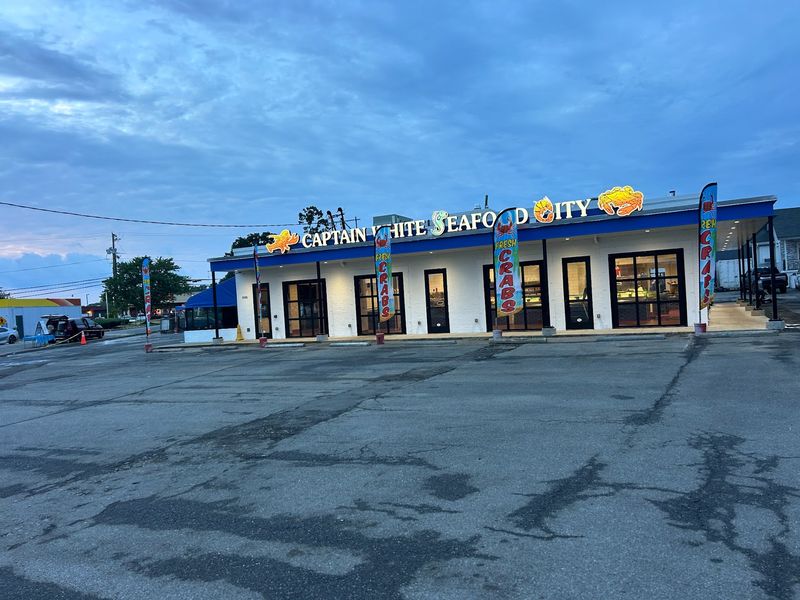
Fifty-plus years is a long run for any food business, and Captain White Seafood City has been at it since 1972. The name carries weight around the D.C. region.
Plenty of visitors grew up eating crabs bought from this family.
For most of that history, the operation lived at The Wharf in Washington, right along the water, where boats and buyers shared the same edge of the Potomac. The move to Oxon Hill happened in late 2021, with the new location opening for business in February 2022.
What struck me is how little the spirit changed with the address. The seafood still comes straight from local fishermen, which keeps prices reasonable and the product genuinely fresh.
That direct sourcing is the whole backbone of the place.
Interesting bit of trivia: the building used to be a bar and pizzeria before the transformation. During the early months, business ran out of a tent in the parking lot while renovations moved forward inside.
That scrappy start became part of the charm, and the tent stuck around.
Family ownership shows up in small ways. Regulars get greeted, questions get answered without eye-rolling, and nobody rushes a first-timer trying to figure out the difference between whiting and croaker.
Traveling foodies often chase brand-new openings, but there is real value in a spot that has weathered decades and a relocation. Longevity like this usually means the seafood speaks for itself.
Here, it does.
Picking Your Own Catch Straight From the Ice
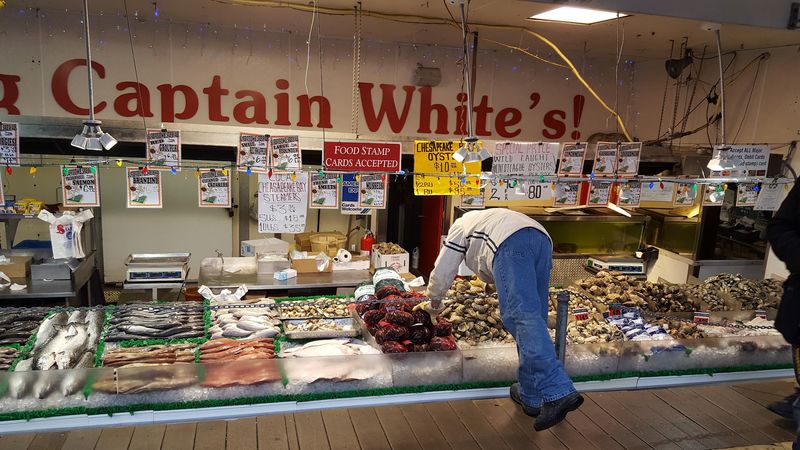
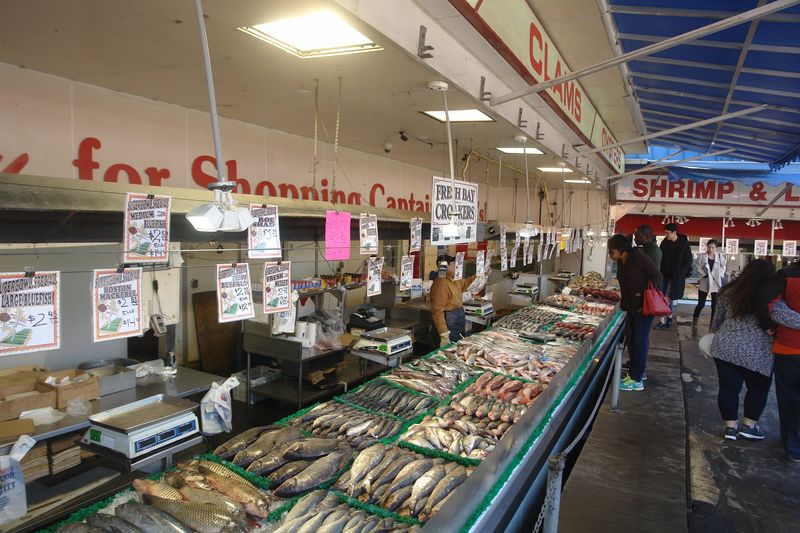
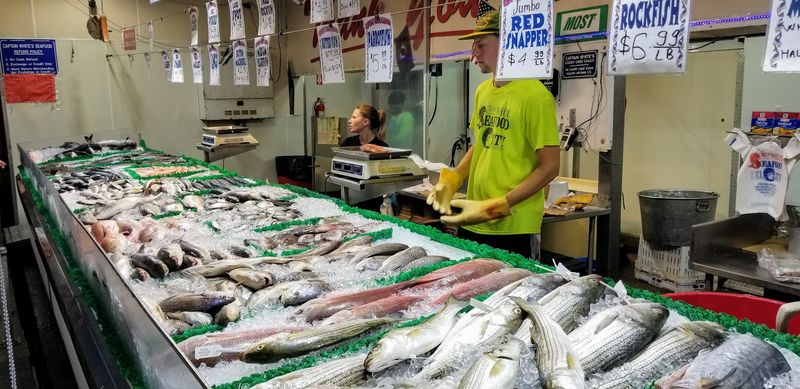
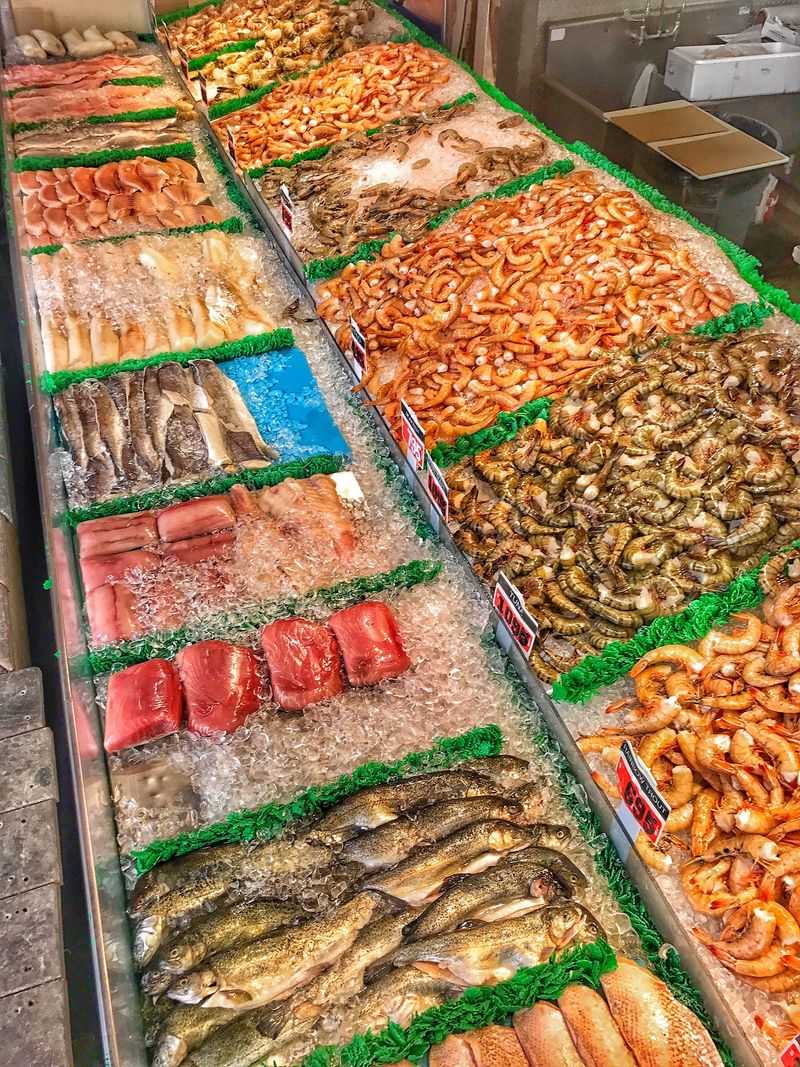
Choosing dinner while it is still lying on crushed ice changes the whole experience. Glass-front counters hold rows of fresh fish, and the selection shifts with what the boats bring in.
Sea trout, tilapia fillets, cod, whiting, catfish fillets, and salmon are regulars.
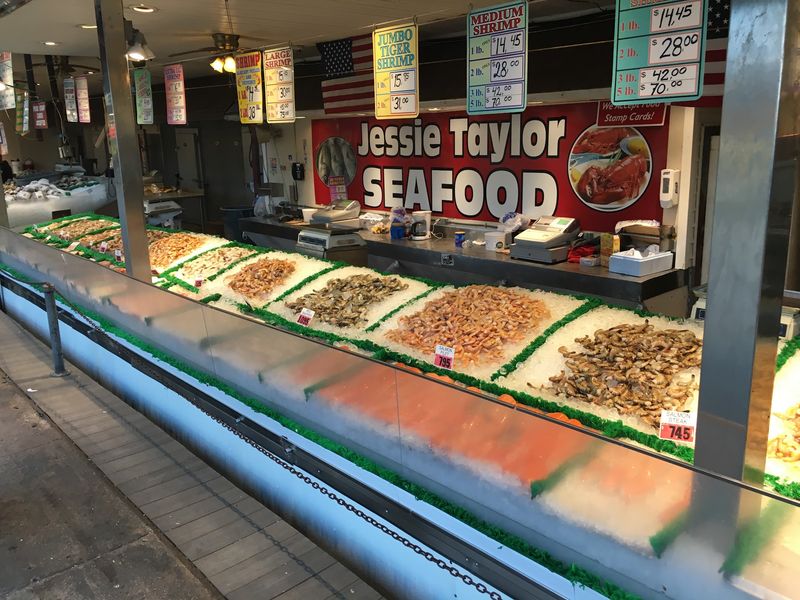
Shrimp gets its own real estate. Peeled shrimp, Carolina shrimp, jumbo sizes, and head-on tiger shrimp all sit within pointing distance of each other, which makes comparison easy even for beginners.
Staff behind the counter know their inventory cold. Ask which fish holds up best fried versus steamed, and the answer comes quickly and without fuss.
That kind of guidance saves a lot of guesswork.
Here is the part that makes the place unusual. After picking, hand the seafood over and the kitchen cooks it right then.
No taking it home, no cleaning up a splattered stove, no wondering whether the oil got hot enough.
A dedicated steam station handles pickup, and orders generally run around thirty-five minutes. That wait is honestly part of the fun, since it gives time to wander the market and eye the crab baskets.
Daily specials get posted where customers can see them, so it pays to scan the board before committing to a plan. Prices are displayed clearly, including per dozen and per bushel for crabs.
Bring cash or a card and a rough idea of how hungry the group is. Portions here lean generous.
The Outdoor Tent Where Everything Comes Alive
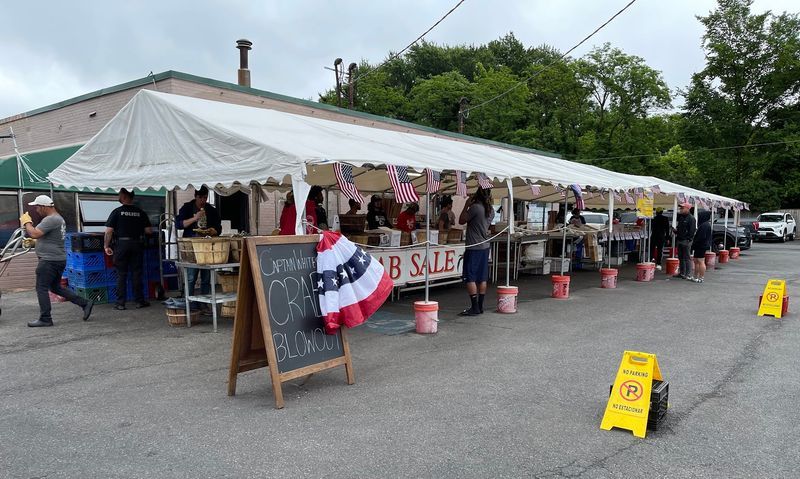
Steam rolls out from under the tent in thick clouds, and the sound of pots and orders being called gives the whole lot a fairground energy. The tent is where the cooking happens.
It is also where the personality of the place lives.
Nothing about the setup is polished, and that works entirely in its favor. Folding tables, hoses, crates, and cooking stations sit in practical arrangement rather than anything designed for photos.
The focus stays on the food.
Waiting in line turns social almost automatically. Conversations start over what somebody ordered, how many crabs they are buying, or which seasoning to use at home.
Strangers swap advice freely here.
On warm afternoons, the tent gives shade, and the breeze coming through keeps things comfortable while orders cook. Cooler months bring a different feel, with the steam becoming genuinely welcome.
Timing matters. Weekend afternoons draw the biggest crowds, especially in summer when blue crab season is in full swing.
Arriving earlier in the day usually means shorter waits and better selection.
Anyone expecting a sit-down restaurant should adjust expectations before arriving. Seating is limited and casual, and plenty of customers take their haul home or eat in the open air nearby.
My favorite detail is how the noise builds. Orders, laughter, and lids clanking blend into a soundtrack that feels distinctly regional.
That atmosphere alone justifies the visit, food aside.
Maryland Blue Crabs Piled High in Wooden Baskets
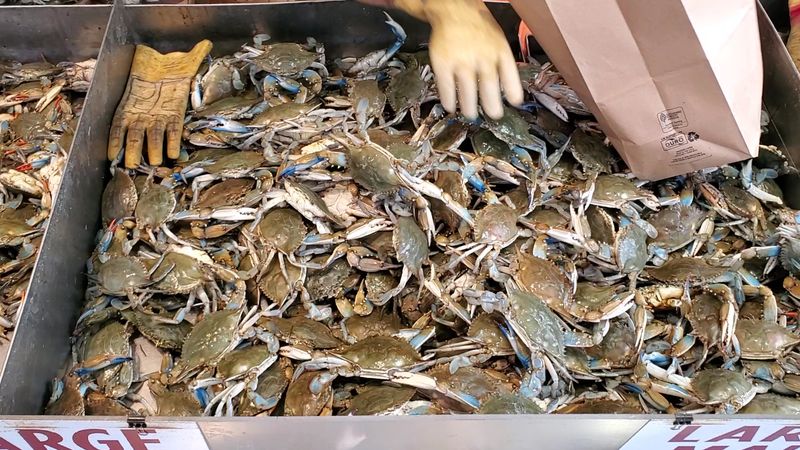
Blue crabs are the headline act, and the wooden baskets stacked near the front make that obvious within seconds. Live crabs shuffle around inside, sorted by size, with prices written out clearly for each grade.
Buying by the dozen works for a small group. Buying by the bushel is a commitment, usually reserved for cookouts, reunions, and holiday gatherings where nobody plans to leave hungry.
Sizing can confuse newcomers, so asking is smart. Larger crabs mean more meat per crab and less cracking effort overall, while smaller sizes stretch a budget further when feeding a crowd.
Steaming happens on site, which spares home cooks the hassle of wrestling a huge pot. Seasoning goes on generously, and the shells come out that deep orange-red that signals they are ready.
Fun detail worth knowing: Maryland blue crabs are seasonal, with the warmer months typically bringing the best supply and the fullest crabs. Availability shifts, so calling ahead during shoulder seasons is a reasonable move.
Shipping is available nationwide for anyone who wants crabs sent somewhere else entirely. That service turns a local specialty into something people can share far from the Chesapeake region.
Bring newspaper, a table, and patience if taking a bushel home. Picking crabs is slow work by design.
That slowness is the point, and it turns a meal into an afternoon.
Parking and Access That Beat the Old Waterfront Days
Anyone who tried visiting the old Wharf location remembers the parking situation. Tight, crowded, and often frustrating on a busy Saturday.
The Oxon Hill move fixed that in one stroke.
Livingston Road offers a proper lot with room to maneuver, which matters when hauling out a bushel of crabs or several bags of shrimp. Loading up the car takes minutes instead of a hike.
Location-wise, the market sits conveniently close to National Harbor and the Beltway, making it an easy add-on to a day already spent around the D.C. area. Drive time from downtown Washington is short.
Families with kids benefit from the extra space too. There is room to stand around without blocking traffic, and the open layout means less jostling than a cramped waterfront pier would allow.
The surrounding area is suburban and low-key, so the market stands out rather than blending into a busy tourist strip. Finding it is straightforward once on Livingston Road.
Consider bringing a cooler if the drive home runs long, especially in summer. Ice keeps everything in good shape, and it saves worrying during a detour.
Personally, I appreciated being able to park, browse, order, and wait without feeling squeezed. That breathing room changes the mood of the whole trip.
A relaxed visit tastes better than a rushed one, every single time.
Counter Staff Who Actually Share Cooking Tips
Good advice at a seafood counter is worth more than a fancy menu. The crew here hands it out freely, whether the question is about cooking times, seasoning amounts, or which fillet suits a first attempt at pan-frying.
Knowledge runs deep because this is a market first. People behind the counter handle this seafood every day and know how each type behaves once heat gets involved.
Newcomers who admit they have no idea what to order tend to get the warmest response. Suggestions come fast, usually based on what came in freshest that morning.
Regulars get a different rhythm, more shorthand than explanation, and there is something enjoyable about hearing an order placed in three words flat. It hints at how many repeat visits this place inspires.
Practical tips that come up often include how long to steam crabs at home, how much seasoning is too much, and which fish freezes well for later.
Service moves quickly despite the crowds, and the line keeps flowing even when the tent fills up. Efficiency here is quiet rather than showy.
Being ready with a rough plan helps everyone. Knowing whether the goal is to eat there or cook at home speeds things along considerably.
Friendliness like this is not something a market can fake. It comes from people who genuinely enjoy talking seafood, and it makes the whole visit feel less transactional and more like a neighborhood errand.
Seasoning, Mallets, and Take-Home Essentials
Halfway through browsing, the shelves of seasoning and crab mallets caught my attention. Captain White’s own crab seasoning sits for sale alongside the tools needed to actually get into a crab shell without losing patience.
Mallets are not optional equipment for a proper Maryland crab feast. Cracking claws with a butter knife works poorly and slowly, and anyone who has tried it knows the frustration.
Buying seasoning here means the flavor at home can match the flavor at the market. That consistency matters when trying to recreate a memorable meal weeks later in a different kitchen.
Souvenirs from food destinations usually end up being T-shirts. A container of crab seasoning is far more useful and lasts through many dinners.
Catering services are also available, which opens the door for larger events like graduations, family reunions, and office gatherings around the region. Handing off the cooking for a crowd removes enormous pressure.
The nationwide crab shipping option deserves another mention here, since it pairs naturally with the seasoning. Send crabs and the right spice blend together, and the recipient gets the full experience.
Price points on these extras stay reasonable, keeping them easy add-ons rather than splurges.
Grabbing seasoning on the way out became my small ritual of the visit. It is a practical purchase with a bit of sentiment attached, and it keeps the trip alive long after the drive home ends.
Planning the Perfect Visit to Livingston Road
A little planning turns a good stop into a great one. Since cooked orders take roughly thirty-five minutes, arriving with time to spare keeps the visit relaxed rather than rushed.
Weekdays and earlier hours generally bring smaller crowds. Summer weekends get lively, particularly when blue crabs are running strong and everyone in the area has the same idea.
Dress casually and expect a bit of moisture in the air near the tent. Steam travels, and shoes that handle a damp lot are a smarter choice than anything delicate.
Groups should agree on an order before reaching the counter, because indecision slows the line and the selection is genuinely broad. Scanning the daily specials first helps narrow things down.
Combining the trip with a stop at National Harbor makes for a full day, with the market handling the food portion far better than most sit-down options nearby.
Coolers, napkins, and a few plastic bags are worth tossing in the trunk beforehand. Seafood travels best cold and contained.
Photographers will find plenty to shoot, from the crab baskets to the steam rolling out of the tent, though eating usually wins out over documenting.
What lingers most from a visit is the mix of noise, smell, and genuine friendliness that a polished restaurant rarely delivers. Come hungry, stay flexible, and let the market set the pace.
Address: 6308 Livingston Rd, Oxon Hill, MD 20024
