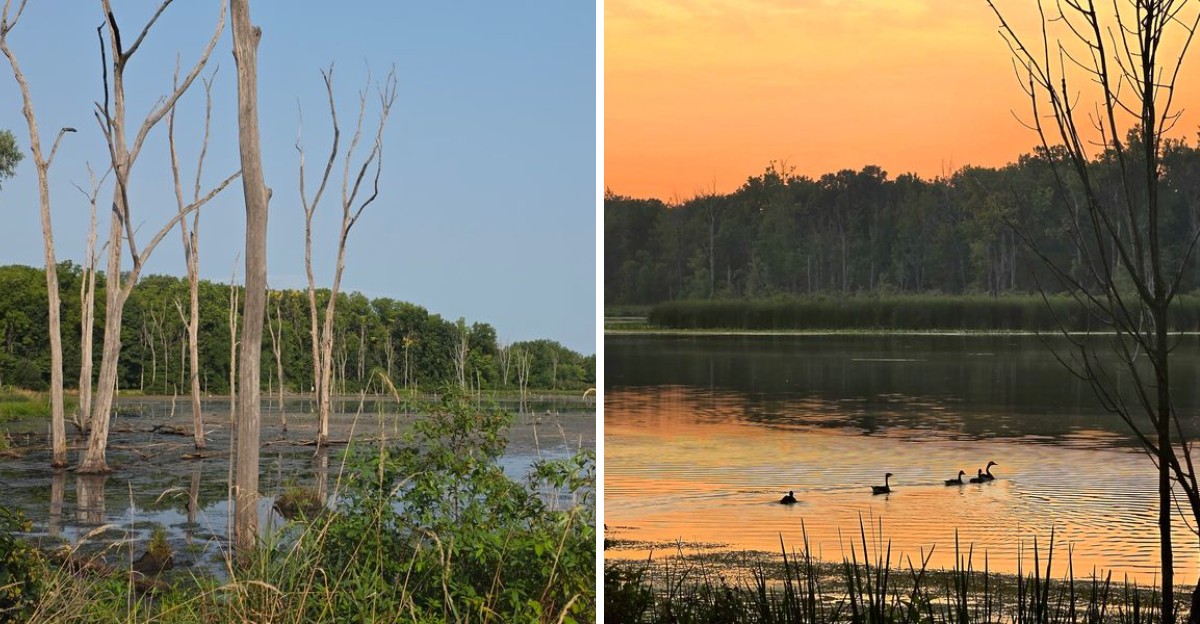
The turtle is sunbathing. The cranes are yelling.
And somewhere in the woods, a glacier has apparently left a fifty-foot pile of rock behind just to make things interesting. This Indiana sanctuary covers 1,189 acres, with peat bogs, prairies, forests, lakeshores, and eight miles of trails connecting the whole strange collection.
The esker is the geological oddity, rising through the woods like a leftover piece of the Ice Age. The wildlife provides the rest of the entertainment, from turtles stretched across logs to sandhill cranes calling over the wetlands.
The best part is how little of this feels planned. It is simply there, waiting along the trail.
Eight Miles of Trails That Change With Every Turn
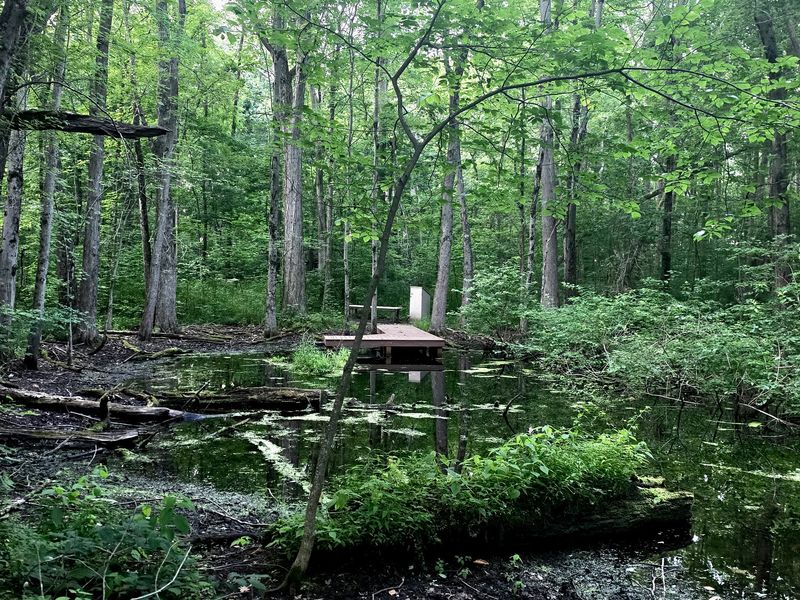
Few preserves in the Midwest pack this much variety into a single walk. The trail network at Merry Lea runs roughly eight miles, and the footing shifts constantly as it moves between wetland boardwalks, shaded woodland paths, and open prairie corridors.
One moment the canopy of swamp maples blocks out most of the sky. A few hundred steps later, the grass is chest high and full of clicking insects.
Trails are open daily from sunrise to sunset, which gives plenty of freedom for early risers hoping to catch mist rising off the lakes. Trailheads are marked, and maps help sort out which loops connect where, though wandering a little is part of the fun.
Sturdy shoes matter here more than fancy gear. Low sections near the wetlands stay soft after rain, and the tread can get slick along shaded slopes.
Distances stay manageable, so families with younger walkers can pick a shorter loop and still see three or four habitat types. Longer routes reward anyone willing to keep moving through the upland mesic forest and out toward the old fields.
Bring water, since there are stretches without facilities nearby. Insect repellent helps during warm months, especially near standing water.
The property sits at 2388 S 500 W in Albion, and the drive in through farmland makes the sudden wall of forest feel even more surprising.
A Glacial Esker and Other Ice Age Leftovers
Geology nerds get a real treat on this property. A glacial esker runs across the preserve, rising about fifty feet and stretching close to half a mile, formed when meltwater rivers ran beneath a retreating ice sheet and left behind long ridges of sand and gravel.
Standing beside it, the shape is unmistakable once someone points it out. A narrow spine of high ground, dropping off steeply on both sides.
Northern Indiana owes most of its lumps and hollows to those ancient glaciers, and Merry Lea shows off the evidence better than almost anywhere else nearby. A marl pit sits on the property too, along with assorted glacial gravel formations that tell the story of what melted here thousands of years ago.
Marl, for the curious, is a chalky lake sediment made largely of shell fragments and calcium carbonate. Farmers once dug it up to sweeten acidic soil.
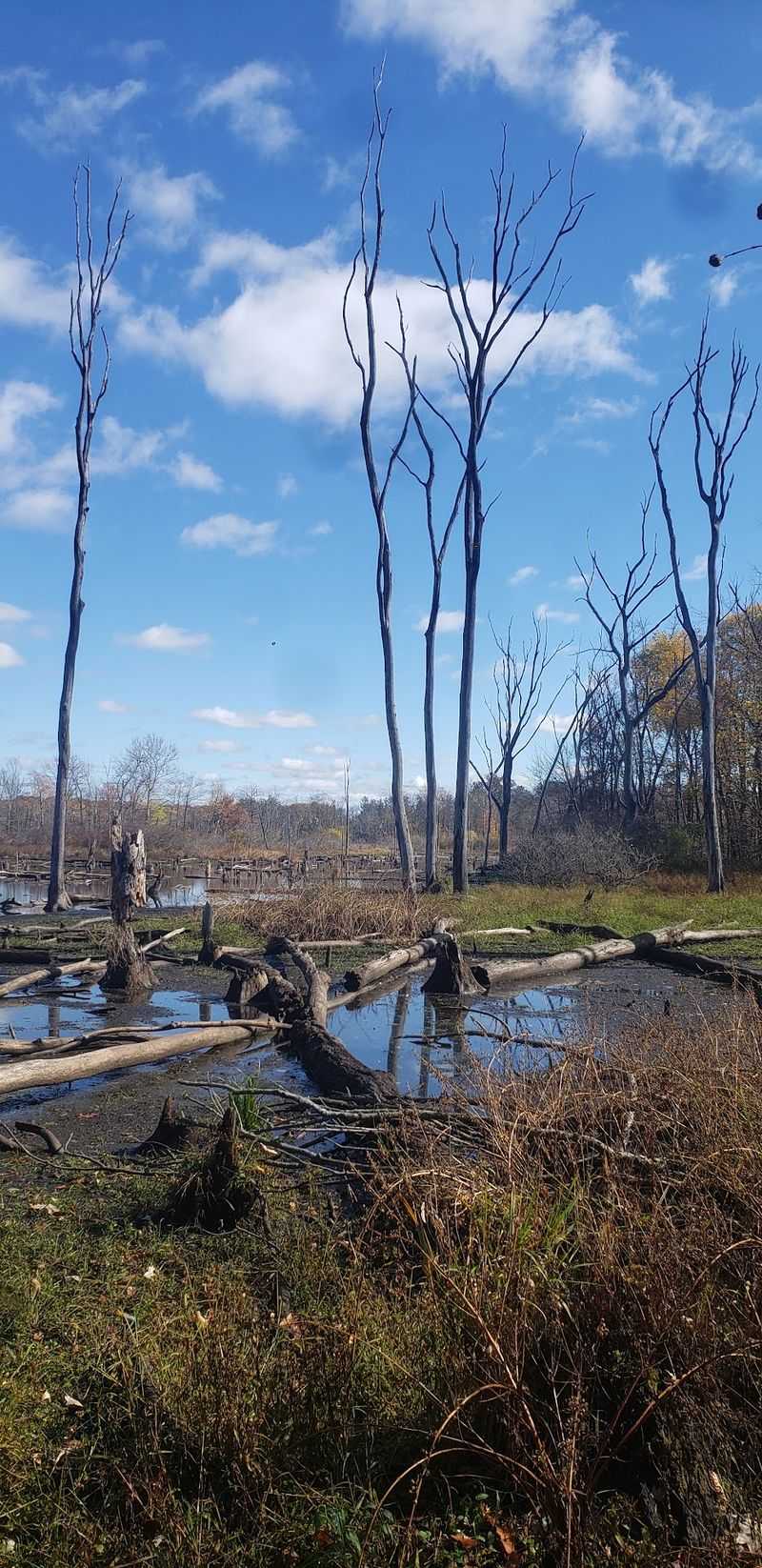
Walking the esker in late autumn works especially well, since bare trees make the landform easier to read. Slopes can be steep in spots, so watch footing among the leaf litter.
Interpretive programs sometimes cover the geology in detail, and staff naturalists explain how ice shaped the peat bogs and kettle lakes scattered across the sanctuary. Kids tend to remember the phrase ice age ridge long after the visit ends.
Birdwatching Where the Habitats Stack Up
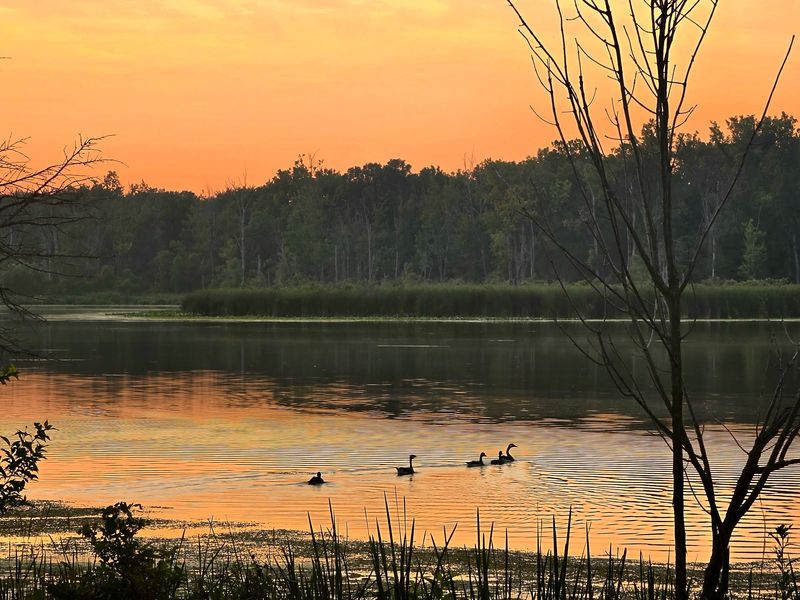
Habitat diversity is the secret ingredient behind good birding, and Merry Lea has stacked plenty of it into one property.
Peat bogs, prairies, lakeshores, old fields, and mature forest sit within walking distance of each other, which means species that would normally require several separate outings can show up on a single morning loop.
Wetland edges draw herons and rails. Prairie sections attract sparrows and hunting hawks.
Spring and fall migration bring the biggest waves of activity, though summer nesting season has its own rewards with plenty of song and courtship behavior. Winter thins the list but makes woodpeckers and resident species far easier to spot against bare branches.
Binoculars are essential, and a field guide or bird app helps sort out confusing warblers. Early morning almost always beats midday for activity.
Bird banding sessions occasionally take place as part of educational programming, giving participants a rare look at how researchers track populations and measure the health of local flocks. Watching a tiny bird held gently in a trained hand tends to stick with people.
Move slowly and stay quiet near the lake edges, where waterfowl spook easily. Pausing for five full minutes in one spot often reveals more than a fast walk ever will.
Rieth Village, Indiana’s LEED Platinum Trailblazer
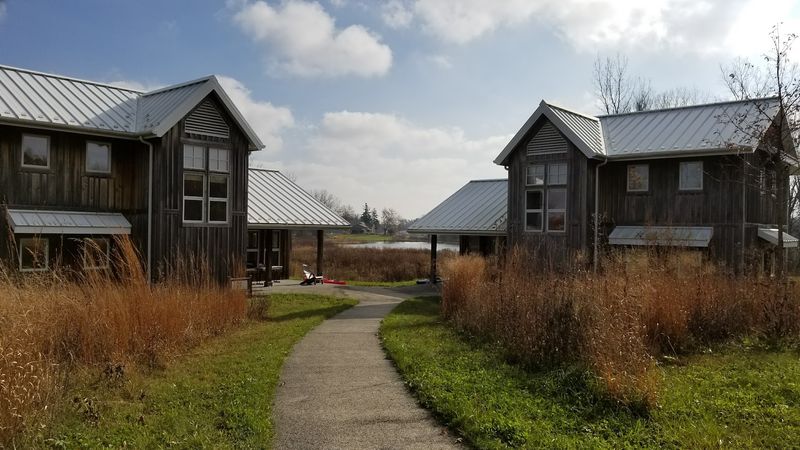
Completed in 2006, Rieth Village earned LEED Platinum Certification and became the first facility in Indiana to hold that distinction. The cluster of buildings houses college students and holds classrooms, and nearly every design decision doubles as a teaching tool.
Recycled cellulose insulation fills the walls. Triple glazed windows keep the winter out.
Exteriors use locally harvested tulip poplar board and batten siding, paired with a vented aluminum roof system and decking made from recycled plastic composite.
A 10 kW wind generator and a 4.8 kW photovoltaic array handle a share of the electricity, while ground source heat pumps manage heating and cooling and a solar thermal system warms the water.
Water gets equal attention here. A 15,000 gallon underground cistern collects rainwater for laundry and toilets, and a constructed wetland bio-filter treats wastewater right on site.
Even the ground surfaces play a role, with permeable concrete pathways and gravel grass parking that let rain soak in instead of running off. Small details, big cumulative effect.
Goshen College undergraduates in the Sustainability Semester live and learn at Rieth Village, using the entire nature center as their classroom for a full term. Anyone curious about green building will find the place genuinely interesting, since the systems are visible rather than hidden behind drywall.
The Teaching Farm Where Food Meets Ecosystem
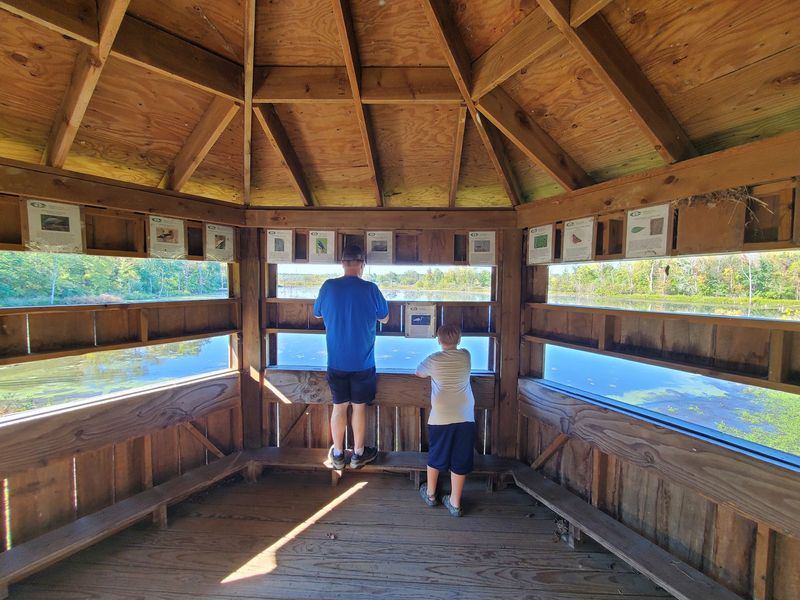
Picture a farm designed to work like a functioning ecosystem rather than a factory floor. The Merry Lea Teaching Farm demonstrates sustainable agriculture methods that protect soil life, invite beneficial insects, and grow healthy food at the same time.
Staff describe it as an edible ecosystem. The phrase fits.
Rows of crops share space with flowering plants that feed pollinators, and farm animals contribute to nutrient cycles instead of being separated from the growing areas.
Visitors get to see how humans, agriculture, and wild habitats connect rather than compete, which is a lesson that lands better outdoors than in any textbook.
Bees, butterflies, and beetles are easy to spot on warm afternoons. Kids usually gravitate straight toward the animals.
Soil health takes center stage in much of the work here, since healthy ground holds water, stores carbon, and grows stronger plants with fewer inputs. Composting, cover cropping, and careful rotation all show up in practice.
Anyone with a backyard garden can pick up ideas worth stealing, from planting flowers along vegetable beds to leaving a patch of ground undisturbed for ground nesting bees. Bring a notebook if that sounds appealing.
Farm activity shifts by season, so spring planting and late summer harvest offer very different scenes. Both are worth catching.
Paddling, Camping, and Dipping for Tiny Creatures
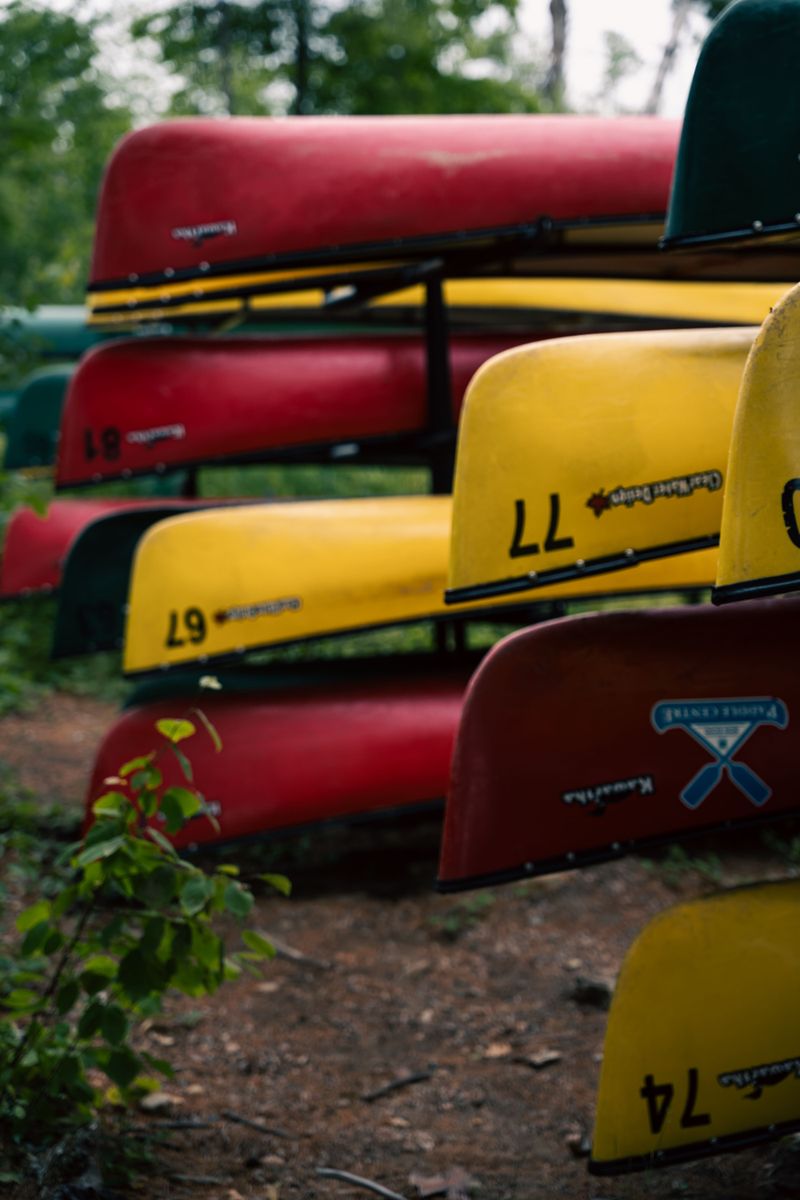
Water shapes a huge part of the experience out here. Glacial lakes sit scattered across the preserve, and canoeing across them offers a completely different view of the shoreline vegetation and the birds that use it.
Paddles dip. Turtles slide off logs.
Swimming and camping also feature in programming, and Luckey’s Landing serves as one of the gathering spots for group activities and community events. The Glacial Retreat Center handles other programs and provides another base for learning on the property.
Then there is dipping, which sounds odd until someone hands over a net. Participants scoop wetland water into shallow trays and sort through the swirling contents for macroinvertebrates like dragonfly nymphs, water scorpions, and caddisfly larvae.
Those small creatures act as living water quality indicators, since certain species only survive in clean, well oxygenated conditions. Finding them means the wetland is doing well.
Old shoes are the right call for any water activity, and a change of clothes saves the car seats on the drive home. Younger visitors tend to get thoroughly soaked, cheerfully.
Several of these activities happen through scheduled programs rather than casual drop-in visits, so checking the calendar ahead of time makes planning smoother. Group events fill up during peak season.
Programs, Night Hikes, and Hands-On Conservation Work
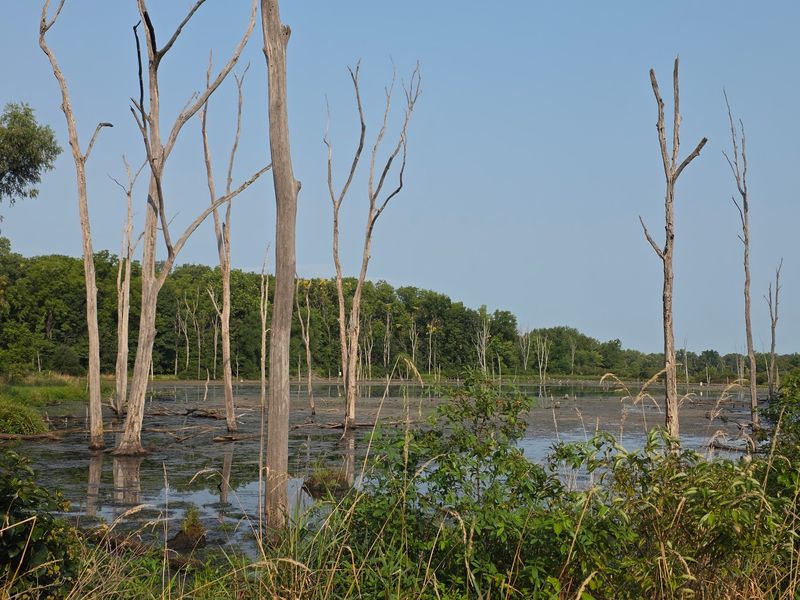
Learning happens at every age level on this property, and the range is unusually wide. PreK through 12 field trips, homeschool series, undergraduate coursework, and graduate level studies all run through Merry Lea, which keeps the trails busy with curious groups throughout the year.
High schoolers can join the Conservation Leadership School. Hiking, canoeing, camping, bird banding, and pulling invasive species all make the schedule.
Public events open the doors even wider, and the Enchanted Forest night hike stands out as a favorite way to meet native Indiana wildlife after dark. Walking a familiar trail by lantern light changes the whole mood of the woods.
Behind the scenes, the land management team keeps restoration moving forward through wetland, prairie, and savanna projects.
Prescribed burning, high-mowing, careful herbicide use, water level regulation, and plain old hand tools all play a part in controlling invasive plants and shaping early successional communities.
Those methods have been in steady use since Goshen College acquired the property in 1980. Decades of patient work show in the plant diversity.
Volunteers and program participants sometimes join the effort directly, which turns a visit into something more lasting than a walk. Pulling garlic mustard for an hour builds a strange sense of ownership over a place.
