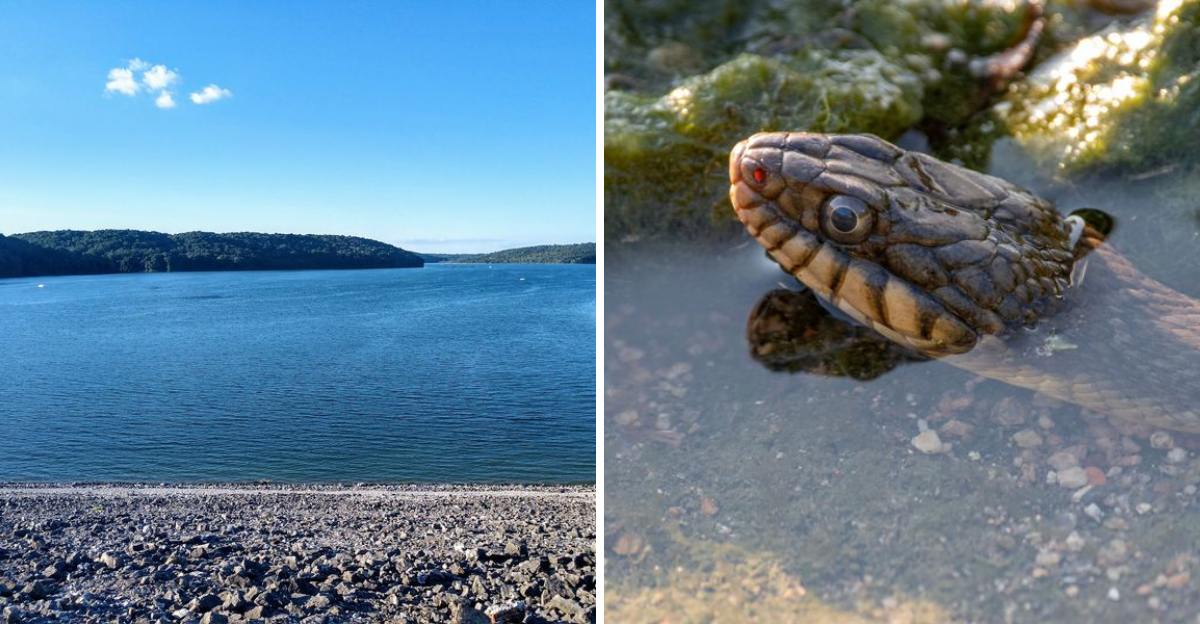
The first thing on the shoreline looks like a stick. Then the stick moves.
Then another one moves. Suddenly the relaxing afternoon by the water has become a very different kind of wildlife encounter.
This Indiana lake has a reputation for having an unusually large snake population, especially northern water snakes that spend their days sunning themselves on logs and rocks around the shoreline.
The good news arrives quickly: they are non-venomous, generally avoid people, and are far more interested in finding their next meal than anyone’s picnic.
That leaves the lake free to be what it actually is. A huge reservoir with miles of trails, fishing spots, camping areas, bald eagles overhead, and fossils tucked into the rocks.
Fishing That Explains The Snake Population
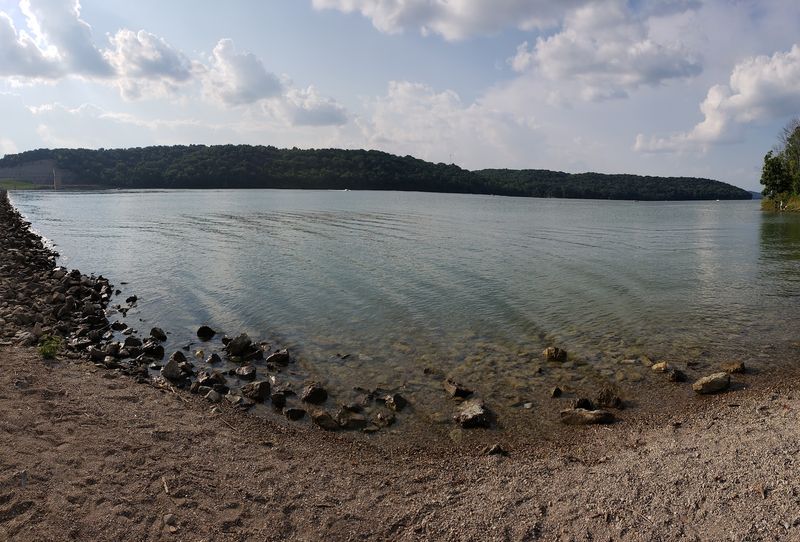
Ask any local why the snakes stick around, and the answer floats just beneath the surface. Brookville Lake is packed with fish, and that buffet feeds everything with scales, feathers, or fur.
Walleye get top billing. The lake serves as a collection site for Indiana’s Walleye Stocking Program, meaning eggs gathered here help stock waters across the state.
Striped bass draw serious attention too, along with muskie, crappie, largemouth bass, and trout in the cooler stretches.
Ten boat ramps ring the reservoir, so launching rarely turns into a waiting game. Early mornings tend to be the sweet spot, when mist sits low and the water goes glassy.
Shore anglers do well near rocky points and submerged timber. Those same spots happen to be where water snakes hunt, so a little awareness goes a long way when stepping over logs or reaching into brush.
Seasoned visitors keep a headlamp handy for dawn trips and wear closed-toe shoes rather than sandals. Simple habits, big difference.
The fishing rhythm here feels unhurried. Boats spread out across thousands of acres, herons stalk the shallows, and the occasional splash near the reeds might be a bass or might be something longer and slimmer heading home with dinner.
Northern Water Snakes Rule The Shoreline
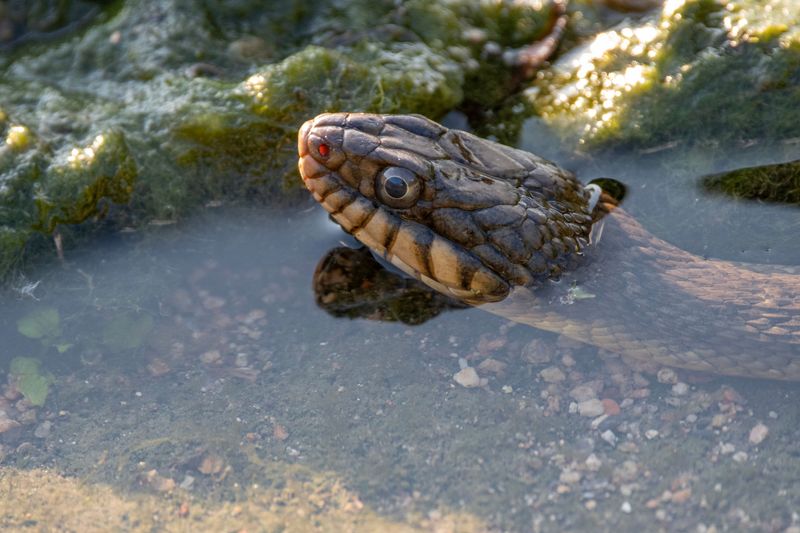
Anyone who spends an hour walking the rocky edges of Brookville Lake in July will probably spot one. Northern water snakes are the headliners here, thick-bodied and banded in brown, coiled on driftwood or slipping between shoreline stones.
Their numbers come down to simple math. The lake holds an enormous fish population, the banks are thick with cover, and warm rocks make ideal sunning spots.
Give a snake food, shelter, and heat, and it will settle in happily.
These snakes carry no venom at all, which surprises plenty of visitors. What they do have is attitude.
When cornered or grabbed, a northern water snake will bite over and over, flatten its body, and release a foul musk that clings to skin for hours.
The good news is that avoiding trouble takes almost no effort. Snakes here detect footsteps through vibration and usually vanish into the water before anyone gets close.
Watching them from a respectful distance turns into a genuine highlight for many families. Kids love spotting the dark shapes swimming with just their heads above the surface, tracing a small V-shaped wake across the shallows.
Bring binoculars if wildlife watching sounds appealing. A pair of them turns a shoreline stroll into something closer to a nature documentary, and nobody has to get within striking distance to enjoy the show.
Two Sandy Beaches Where Swimming Still Wins
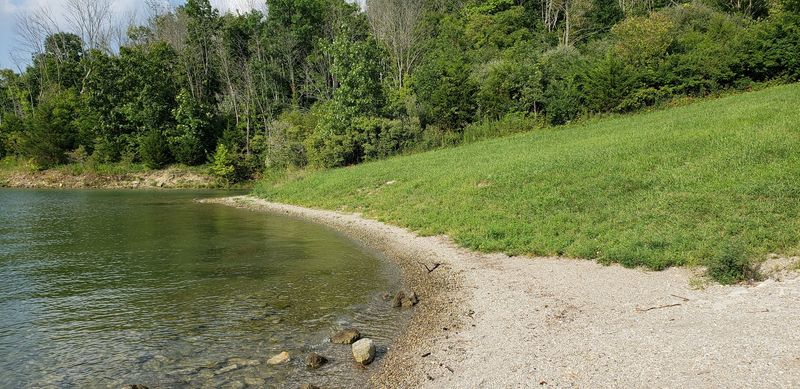
Rumors about snakes have not emptied the beaches, and honestly, they should not. Mounds Beach offers wide sandy stretches with roped swim areas and clear views across the water.
Designated swimming zones sit away from the tangled, rocky habitat snakes prefer. Open sand and constant human activity are about the least appealing combination imaginable for a reptile looking to nap in peace.
Families spread out towels, kids build sandcastles, and the shallow entry makes wading easy for smaller swimmers. Restrooms and changing areas sit within short walking distance at both locations.
Afternoons get busy on summer weekends, which suits nervous visitors just fine. More noise means fewer surprises along the water’s edge.
Anyone still uneasy can stick to the middle of the swim area and skip the brushy sections at either end. That single choice removes nearly all chance of an encounter.
A shaded picnic table and a cooler full of sandwiches complete the day nicely. Watching the sun drop behind the wooded hills while the water turns copper-colored has a way of making the whole snake conversation feel a little overblown.
Lifeguards are not always on duty, so keeping an eye on young swimmers remains the parents’ job. Standard lake rules, nothing dramatic.
Twenty-Five Miles Of Trails Through Snake Country
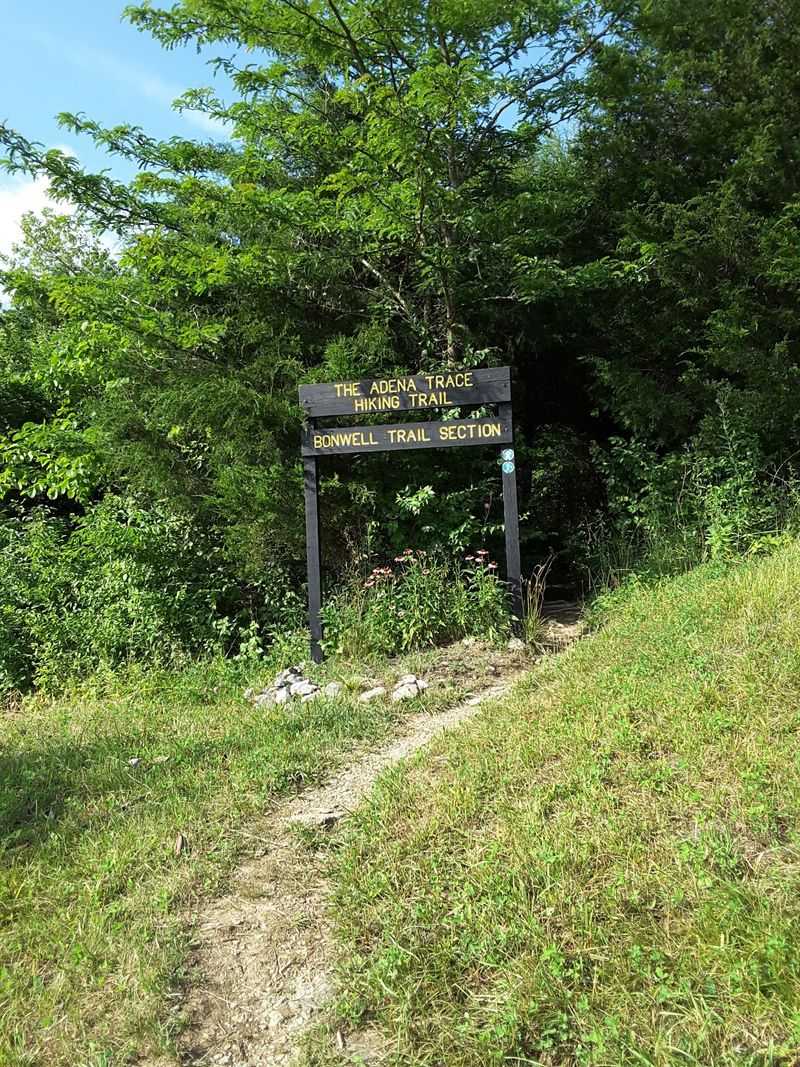
Boots crunching over packed dirt, sunlight scattered through hardwoods, water glinting between the trunks. Brookville Lake wraps itself in more than 25 miles of hiking trails, and each one delivers a slightly different mood.
Adena Trace Trail runs long and rolling, ideal for hikers who want distance and quiet. Wolf Creek Trail offers a shorter, gentler option that still reaches some lovely overlooks.
Snakes turn up on trails during warm weather, usually stretched across sunny patches of path. Most slide away the moment they sense movement.
Trail etiquette here is refreshingly simple. Watch where feet land, step over logs rather than onto them, and give any resting snake a wide berth instead of poking it with a stick.
Eastern copperheads live in the southern half of Indiana and rely on camouflage rather than retreat, so scanning ahead matters more than moving fast. Long pants and sturdy shoes handle most of the risk.
Wildflowers line the paths in spring, and autumn brings a serious color show across the ridges.
Hikers who slow down catch far more than reptiles. Woodpeckers hammer away overhead, chipmunks dart across the leaf litter, and every so often a clearing opens up with the whole reservoir spread out below.
Camping At Mounds State Recreation Area
Over 400 campsites sit tucked into the woods at Mounds State Recreation Area, located at 14108 State Road 101 in Brookville, IN 47012. Options run from bare-bones primitive spots to sites with full hookups for larger rigs.
Reservations fill quickly for holiday weekends, so booking ahead saves disappointment. Weekdays in late spring often feel almost private.
Campers occasionally spot snakes near firewood piles or under picnic tables, which sounds alarming until the reality sets in. A garter snake or Dekay’s brown snake curled in the shade is roughly as threatening as a squirrel.
Keeping the site tidy helps. Store food properly, shake out shoes in the morning, and avoid leaving damp towels in dark corners where a cool-seeking reptile might settle.
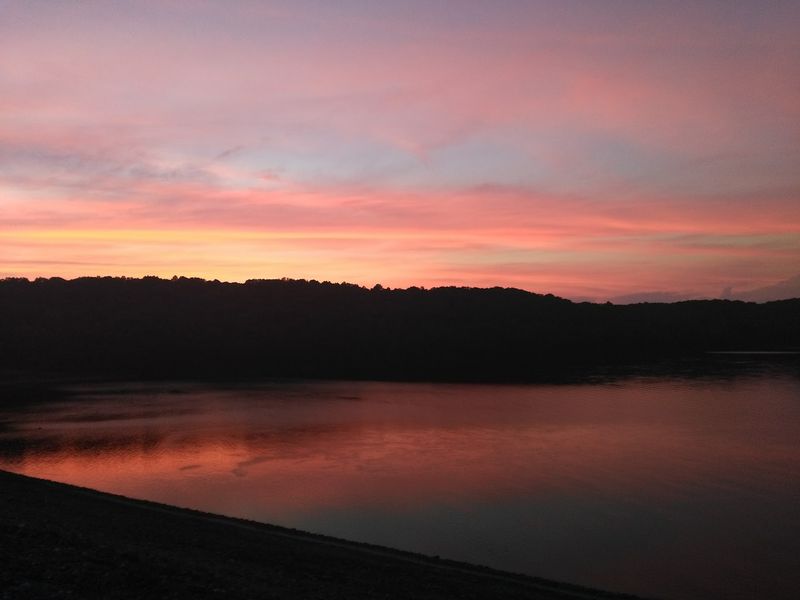
Evenings at the campground have a particular charm. Woodsmoke drifts between the trees, frogs start up along the shore, and the sky over the lake goes deep purple before the stars appear.
Showers, restrooms, and a camp store cover the practical needs. Cell service can be patchy in spots, which most visitors treat as a feature rather than a flaw.
Bring a flashlight for nighttime walks to the restroom. Seeing where feet land matters after dark, snakes or no snakes.
Eagles, Cranes, And The Rest Of The Cast
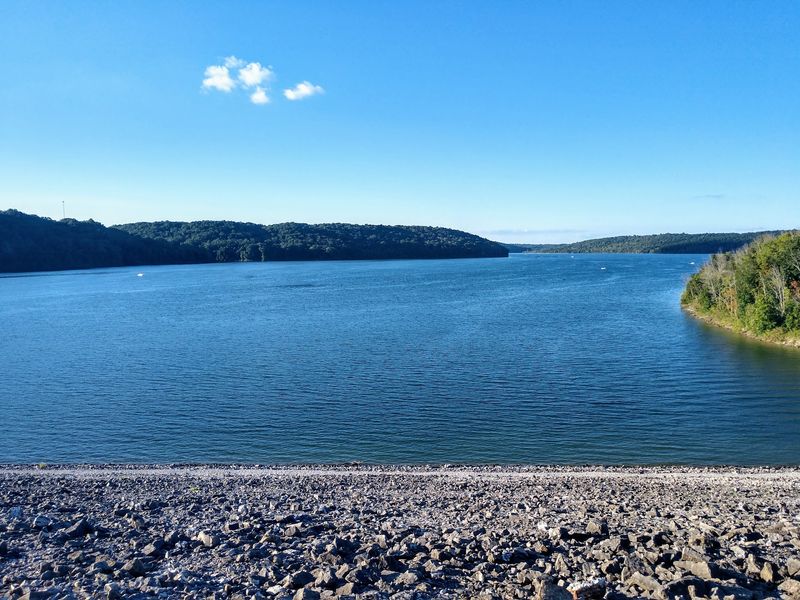
Snakes get the headlines, but the sky above Brookville Lake puts on a better show. Bald eagles nest in the area and can be spotted riding thermals over the water, especially in the cooler months.
Osprey hunt here too, hovering before dropping feet-first after fish. Sandhill cranes pass through during migration, their rattling calls carrying across the water long before the birds come into view.
Deer graze along the edges of clearings at dawn and dusk, often ignoring quiet observers entirely.
All of this connects back to the same reason snakes thrive. Healthy fish populations and undeveloped shoreline create a food web that supports predators of every size.
Serious birders bring spotting scopes and set up near quieter coves. Casual visitors do just fine with a decent pair of binoculars and a bit of patience.
Early morning delivers the best odds. Wildlife activity peaks before the boat traffic picks up, and the light at that hour makes everything look better anyway.
Hunting and trapping are permitted for certain species during designated seasons, so checking current regulations before visiting during fall makes sense.
Anyone who lingers long enough usually walks away with at least one memorable sighting. The lake tends to reward people who stay still.
Ancient Fossils And Native American Mounds
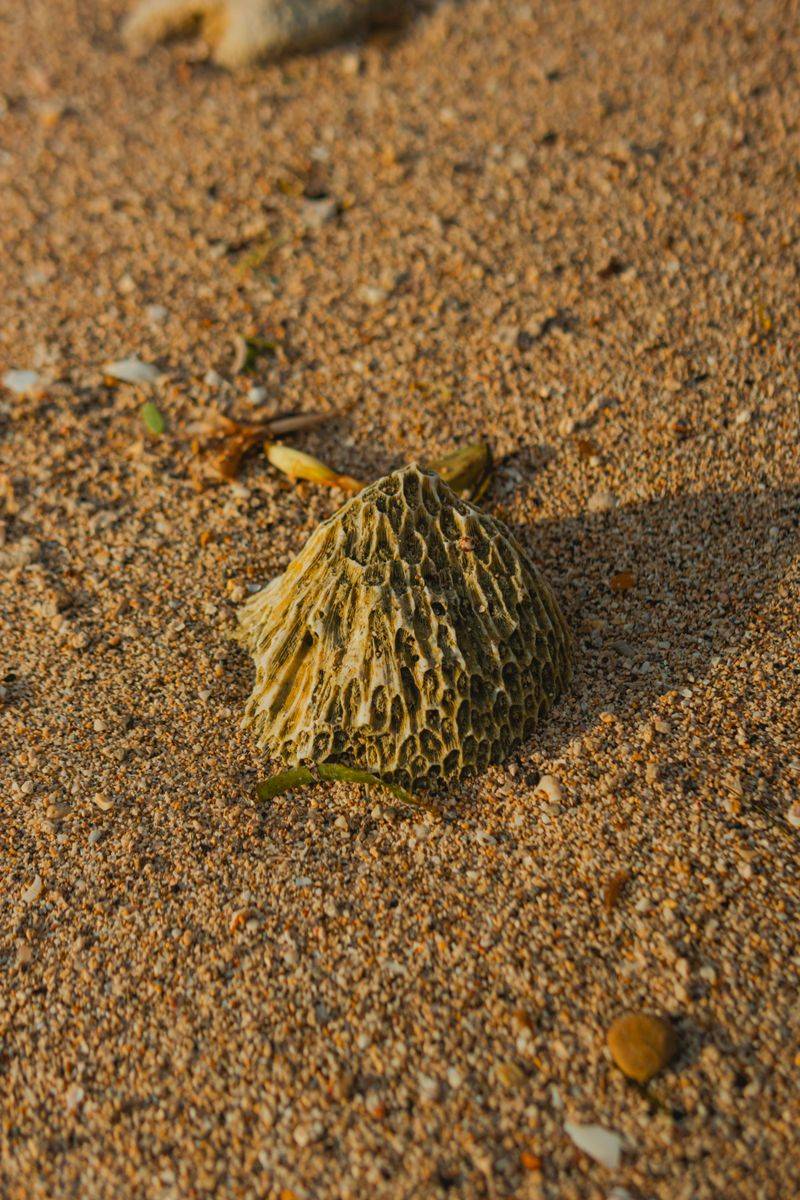
Here is something most visitors never expect from a fishing lake. The rocks around Brookville hold Ordovician fossils roughly 450 million years old, remnants of a shallow tropical sea that once covered this part of Indiana.
Brachiopods, crinoid stems, and coral fragments show up in the limestone along exposed banks and roadcuts. Picking up a rock and finding a creature older than dinosaurs turns an ordinary walk into a small thrill.
The human history runs deep too. Prehistoric Native American mounds left traces in the surrounding landscape, and the Mounds State Recreation Area takes its name from them.
Those layers give the place real texture. A lake built in 1974 sits on ground that has been shaped and inhabited for thousands of years.
Fossil hunting works best after rain, when freshly washed stone shows detail clearly. Watch footing on loose slopes, and keep in mind that warm rock piles are exactly where snakes like to rest.
Collecting rules vary by area, so checking regulations before pocketing anything is the responsible move.
Combining a fossil hunt with a hike gives the day a treasure-hunt quality that kids especially enjoy. Snakes, eagles, and ancient sea creatures in one afternoon is a hard combination to beat anywhere in Indiana.
