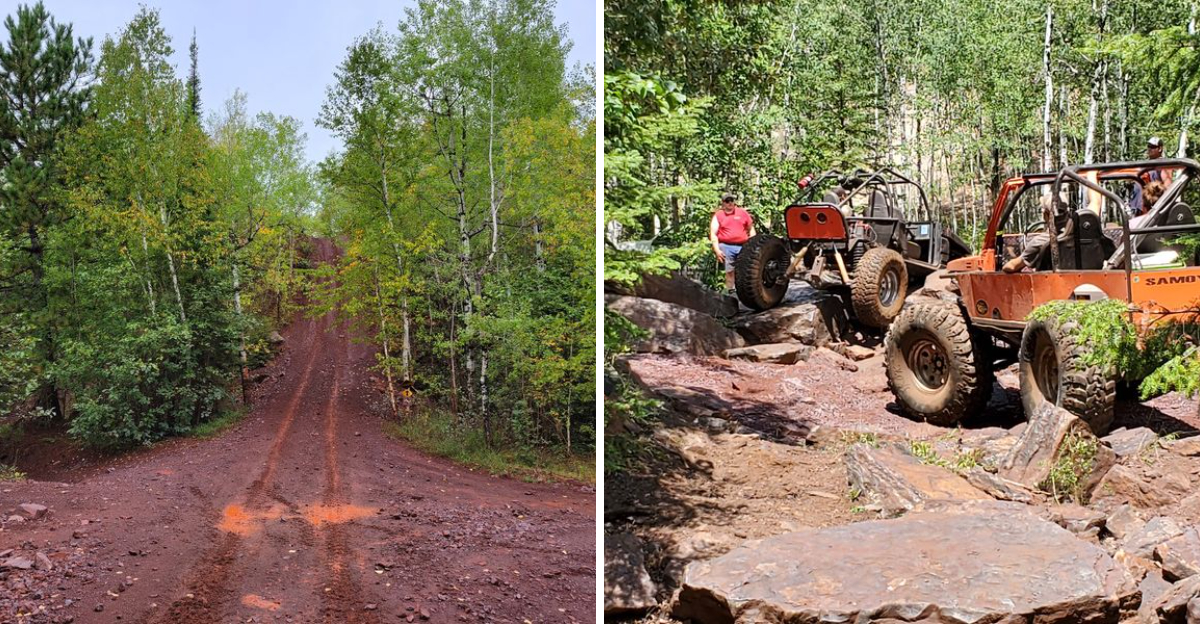
You’ve driven through forests and over hills, but this Minnesota off-road park offers a different kind of adventure. An old mining landscape has become a massive playground for riders, with terrain that ranges from easy to seriously technical.
The park covers over 1,000 acres with miles of trails that wind through rugged terrain. You’ll climb rocky hills, navigate forested corridors, and find views that make the dust and bumps worthwhile. The post-industrial landscape is unlike anything else in the Midwest.
Bring your machine, your sense of adventure, and prepare for a ride you won’t forget. Minnesota’s off-road paradise is waiting to test your skills.
Old Mining Ground Turned Playground
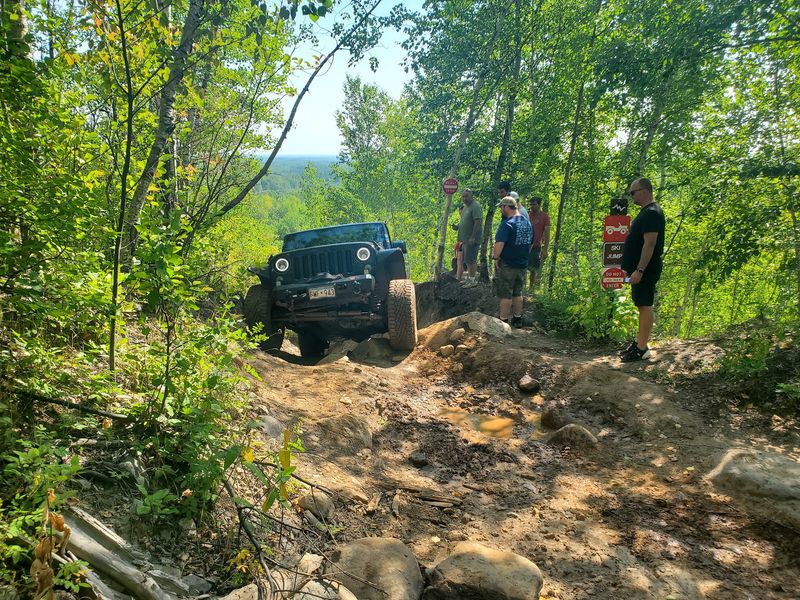
Long before anyone brought a Jeep here, this land was worked hard for iron ore. The results are still everywhere you look.
Steep rock walls, deep pits filled with rainwater, and piles of coarse tailings give the park a shape you simply do not find in a normal forest. The Minnesota DNR turned that leftover industrial terrain into a recreation area, which means the obstacles feel natural rather than bulldozed.
Drive slowly on your first loop and the mining history reveals itself in layers. Exposed bedrock shows rust streaks, and old haul routes have become wide trail corridors lined with young trees.
What surprises most visitors is how green it has grown back. Aspen, birch, and scrubby pine have reclaimed huge stretches, softening the harder edges of the landscape.
It makes for an odd but wonderful mix. One minute you are grinding across bare stone, and the next you are rolling through a shaded tunnel of leaves that feels a hundred miles from anything industrial.
Trails For People Who Have Never Done This Before
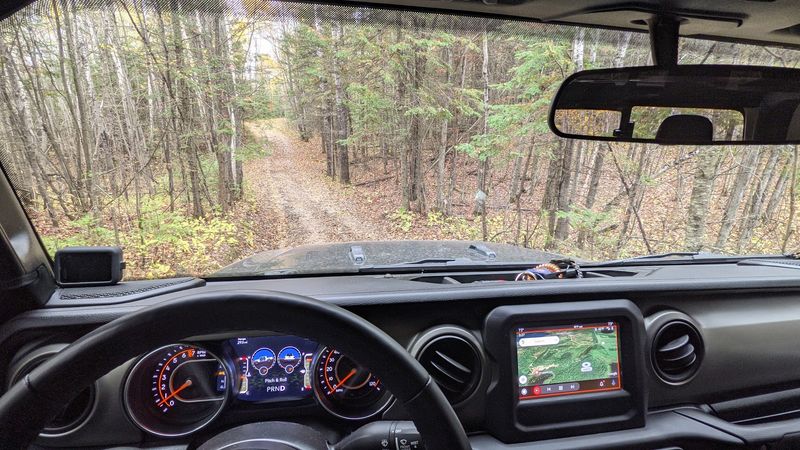
Not everyone rolls in with lockers and thirty-five inch tires. Plenty of folks show up in a mostly stock vehicle, a little nervous, hoping not to break anything.
Good news. A large share of the trail system here is genuinely approachable, with wide gravel routes and gentle dirt tracks that reward curiosity instead of punishing it.
These easier trails wander through forest and around water, and they let a first-timer get comfortable with things like tire placement, throttle control, and reading the ground ahead. Nobody is judging.
Riders and drivers here tend to be encouraging toward newcomers, and it is common to see experienced groups slow down and offer pointers at a tricky spot.
Start on the marked easy loops before working upward in difficulty. Airing down tires slightly improves grip and comfort, and keeping speeds low protects both the trail and your undercarriage.
By the end of an afternoon, obstacles that looked frightening at nine in the morning suddenly seem manageable.
Rock Crawling That Actually Bites Back
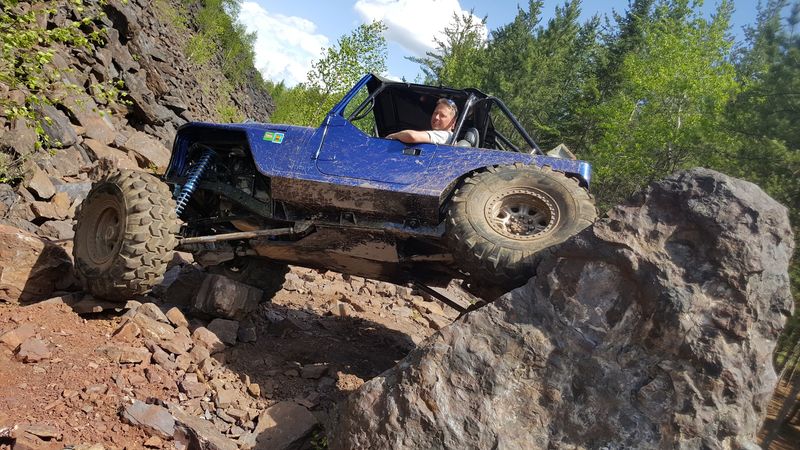
Some obstacles here make people get out and stare for a while. That is a good sign.
The hardest sections involve stacked boulders, off-camber ledges, and climbs where one wrong line means a tire in the air and a very slow, very careful correction. Rock crawlers travel from across the region specifically for these routes, and the difficulty is real rather than exaggerated.
Bring a spotter. Someone standing outside the vehicle can see what the driver cannot, and a calm hand signal often saves a body panel.
Recovery gear matters just as much. Straps, a shovel, and a working winch turn a stuck moment into a story instead of a ruined weekend, and traveling with at least one other vehicle is the smartest habit you can build.
Weather changes everything on these trails. Wet rock becomes slick, and a climb that felt moderate in August can turn genuinely difficult after a rainstorm, so adjust expectations rather than pride.
Mud Pits And The Rust That Follows You Home
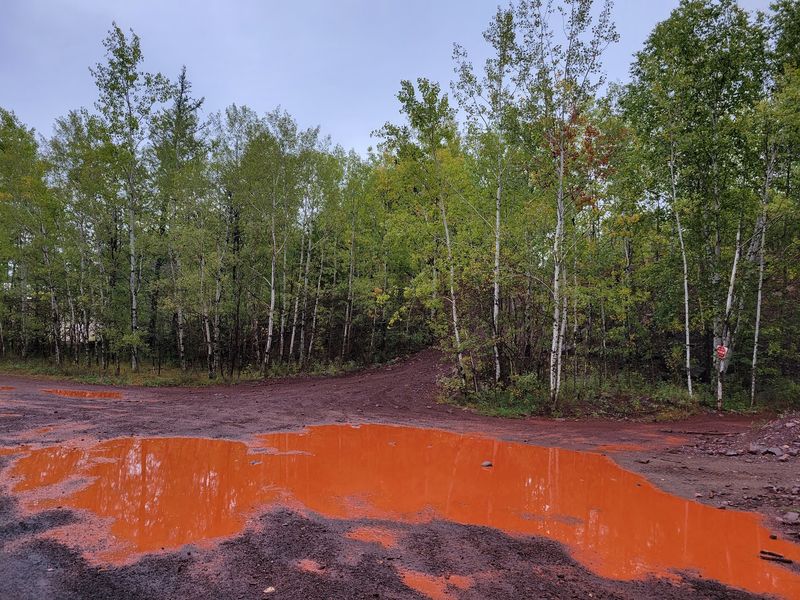
Mud is half the fun and about ninety percent of the mess. The play area pits here draw a crowd, and watching them is nearly as entertaining as driving through.
The iron in the soil gives everything an orange-red tint that clings to paint, wheels, and clothing with unusual determination. Longtime visitors joke that the color never fully leaves.
Wear old clothes and pack a change of everything, including shoes. A trash bag in the vehicle for muddy gear keeps your seats from paying the price on the drive back.
Before entering a pit, walk the edges and check the depth if you can. Hidden holes and submerged rocks are the usual cause of trouble, and a slow steady approach beats a dramatic charge nearly every time.
There is a wash station on site for rinsing off mud and iron dust, which is one of those small conveniences you appreciate enormously at the end of a long day. Rinse the undercarriage too, not just the outside.
Dirt Bikes, ATVs, UTVs And Full Size Rigs All Share The Space
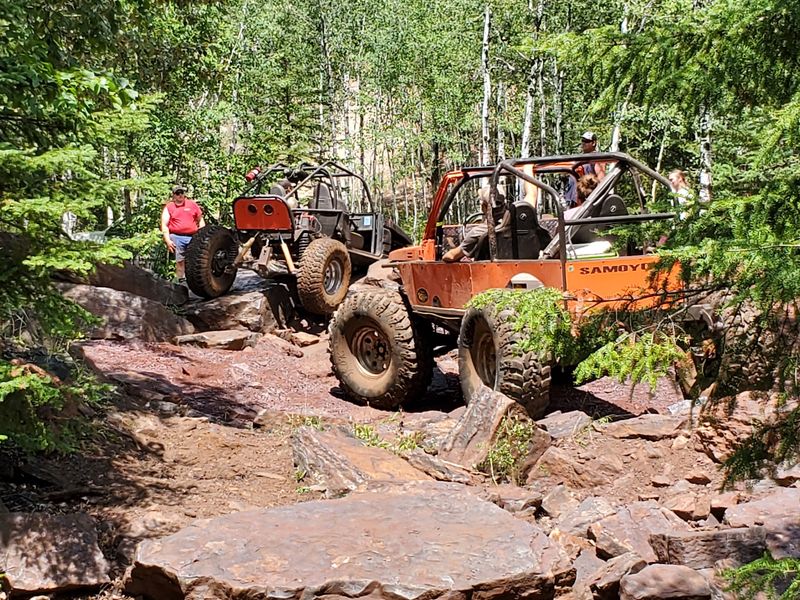
One of the nicer surprises is how many different machines fit into this park without stepping on each other. Dirt bikes, ATVs, side-by-sides, and full size four-wheel-drive rigs all find something worthwhile.
Riders on two wheels get narrow, twisting singletrack through the trees. Larger vehicles get wide routes and the big rock obstacles, and the trail network is broad enough that traffic rarely feels tight.
Registration is required, so sort out your Minnesota OHV or ORV paperwork before arriving rather than discovering the problem in the parking lot. Staff at the front area are known for being patient and helpful with questions about permits and trail choices.
Helmets, eye protection, and sturdy boots make sense regardless of what you are driving or riding. Even easy trails hide loose rock and low branches.
Skill grows fast here because you can pick your challenge level, ride it, then step up. Watching a newer rider get steadily smoother over a couple of days is genuinely satisfying.
Plan For More Than One Day
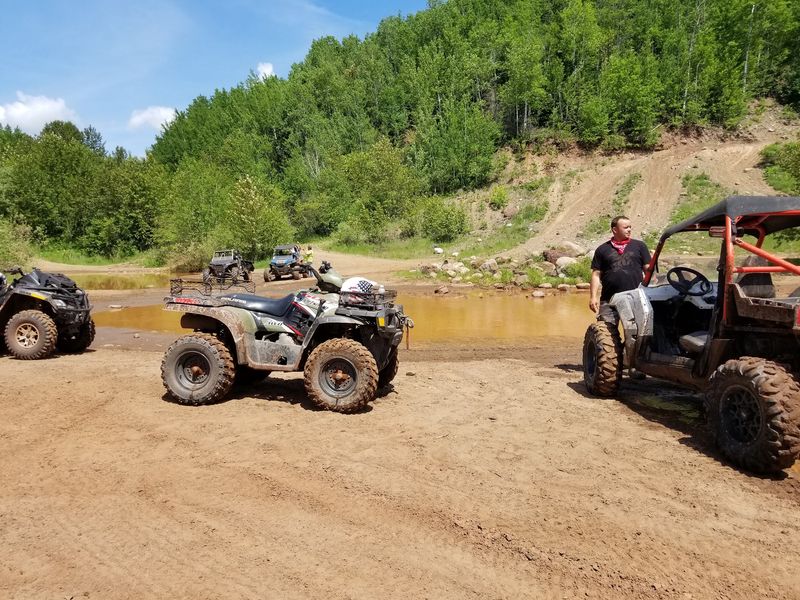
Trying to see this whole place in a single afternoon is a losing battle. The trail system covers a huge footprint, and each area has its own personality.
Two or three days gives you room to actually explore instead of rushing between obstacles. Repeat visitors often build a weekend around it, tackling easier loops first and saving the harder terrain for when everyone is warmed up.
The staging lot is big and built for trailers, which makes unloading far less stressful than at smaller parks. Portable restrooms are placed around the grounds, and there is an area for airing tires back up before you head home.
Arrive early. Morning light through the birch is lovely, and cooler air means fewer bugs and less overheating.
Pack more water and food than seems necessary, plus sunscreen and bug spray. Cell service in northern Minnesota can be patchy, so download maps ahead of time rather than counting on a signal deep in the trees.
Maps, Navigation And Not Getting Turned Around
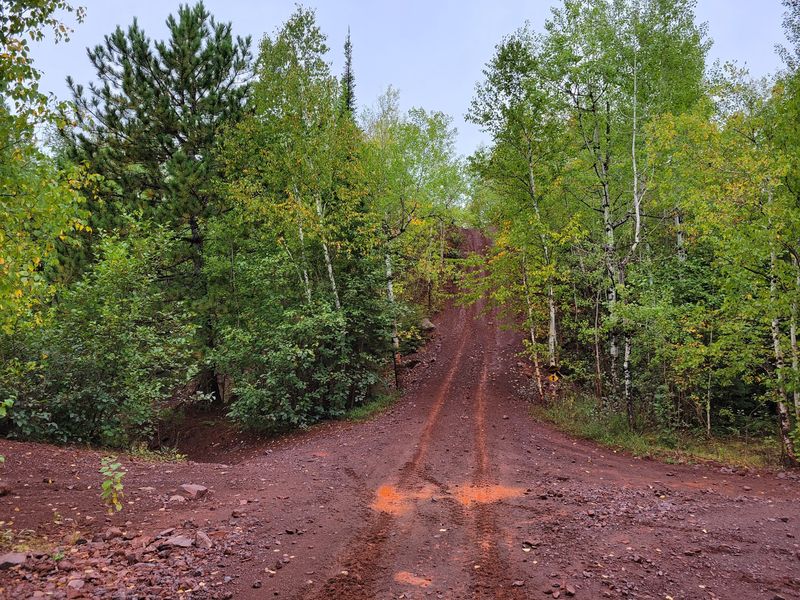
With this many intersecting routes, a map is not optional. Trails branch, loop, and reconnect in ways that get confusing fast once the trees close in.
Paper maps are available and worth grabbing, but many visitors also load digital trail maps onto a phone before losing service. Having both is the safest bet.
Difficulty markings help, though experienced visitors mention that ratings do not always tell the full story once conditions change. A route marked moderate can feel much harder after heavy rain, and snow shifts everything again.
Take a photo of the trailhead map board with your phone. It costs nothing and saves a lot of squinting later.
Note landmarks as you go, especially water features and distinctive rock walls, since they make better reference points than trail numbers you might forget.
Asking other groups for advice works well here too. Regulars know which sections are running wet and which climbs are worth the detour, and most are happy to share.
Forest Scenery Between The Obstacles
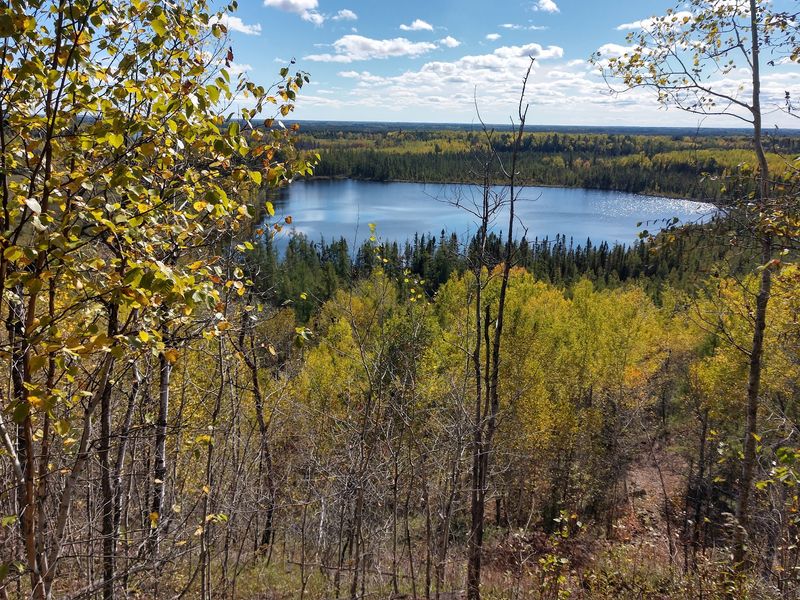
Something people rarely mention about off-road parks is how pretty they can be. Between the technical bits, this one is downright scenic.
Birch trunks stand out white against dark undergrowth, ferns fill the shaded pockets, and the flooded pits hold water in shades of blue and green that shift with the light. Stop the engine at an overlook and the quiet arrives quickly.
Wildlife shows up more than you might expect. Deer, birds, and the occasional beaver pond remind you this is working northern Minnesota forest, not a sealed-off track.
Autumn is spectacular, with aspen and birch turning gold above the rust-colored trails.
Bring a camera and actually use it. Some of the best photo spots are on the easy routes rather than the difficult ones, where the terrain opens up and you can see across the water.
Pack out whatever you bring in, and stay on marked trails so the regrowth keeps doing its slow, patient work along the edges.
The Crowd You Meet On The Trail
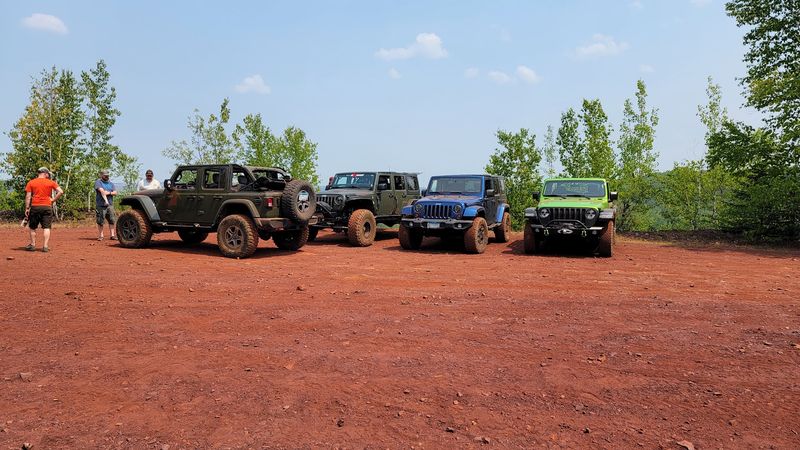
Off-roaders have a reputation for being a tight community, and it holds true here. Strike up a conversation in the parking lot and you may end up wheeling with new friends for the rest of the day.
Help arrives quickly when someone gets stuck. Straps come out, someone spots, and the whole thing usually ends in laughter rather than frustration.
Newcomers get treated well. Plenty of people at this park remember their own first nervous crawl over a rock ledge, and they pass along tips without any condescension.
Staff at the entrance area add to the welcoming feel, answering questions about registration, trail conditions, and which routes suit your setup.
Simple courtesy goes a long way. Yield to uphill traffic, keep noise reasonable at staging areas, and give riders room when passing on narrow singletrack.
If someone waves you through an obstacle, wave back. Small gestures like that are why groups keep returning here year after year.
Seasons Change The Whole Experience
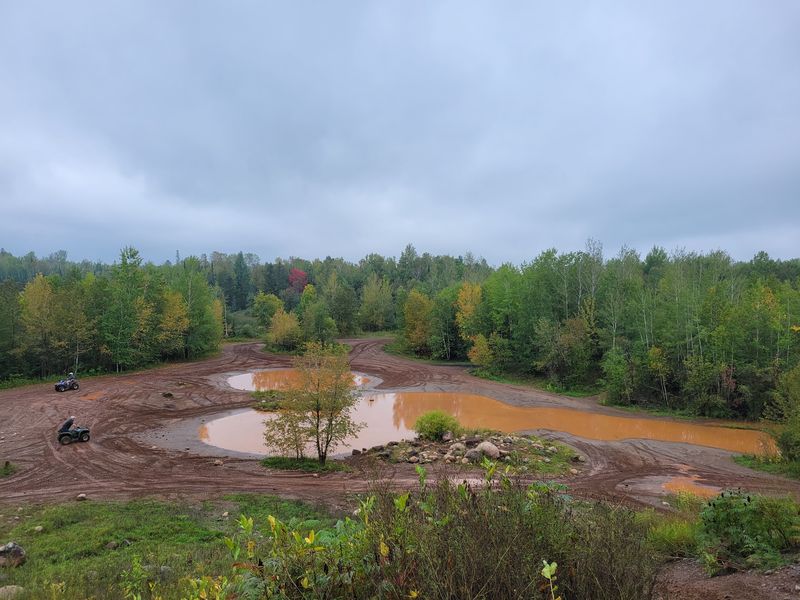
Return in a different month and the park barely feels like the same place. Conditions rewrite the difficulty of every trail.
Summer brings dry rock with excellent grip, plus bugs and dust. Spring turns low sections into soup, which some visitors consider the best part and others avoid entirely.
Fall might be the sweet spot. Cooler air, fewer insects, brilliant leaf color, and firm ground make for comfortable long days out.
Winter and snow raise the challenge considerably, and anyone heading out in cold weather should be prepared for slower travel and harder recoveries. Visitors who ride the park across all four seasons often say that variety is exactly why they keep coming back.
Check current conditions before loading up, since rain in the days beforehand matters more than the forecast for your actual visit.
Dress in layers regardless. Northern Minnesota weather swings hard, and being comfortable makes the difference between a decent day and a great one.
Address: 5150 Enterprise Trail, Gilbert, Minnesota
