The front entrance of this Portland store is sculpted from cob and reclaimed wood, shaped like trees with benches built right in. That alone made me stop scrolling. A building supply store with a front door that looks like a forest? I needed to know more.
Inside, about 30,000 square feet of salvaged doors, clawfoot tubs, old-growth lumber, and vintage light fixtures wait for new homes. Many of these pieces came out of older houses that were taken apart gently.
One detail I find worth mentioning is how much this Oregon spot has kept out of landfills over the years.
So what happens when a treasure hunt, a classroom, and a community project share one roof? Let’s find out.
That Tree-Shaped Front Door Is Built From Mud, Straw, And Salvage
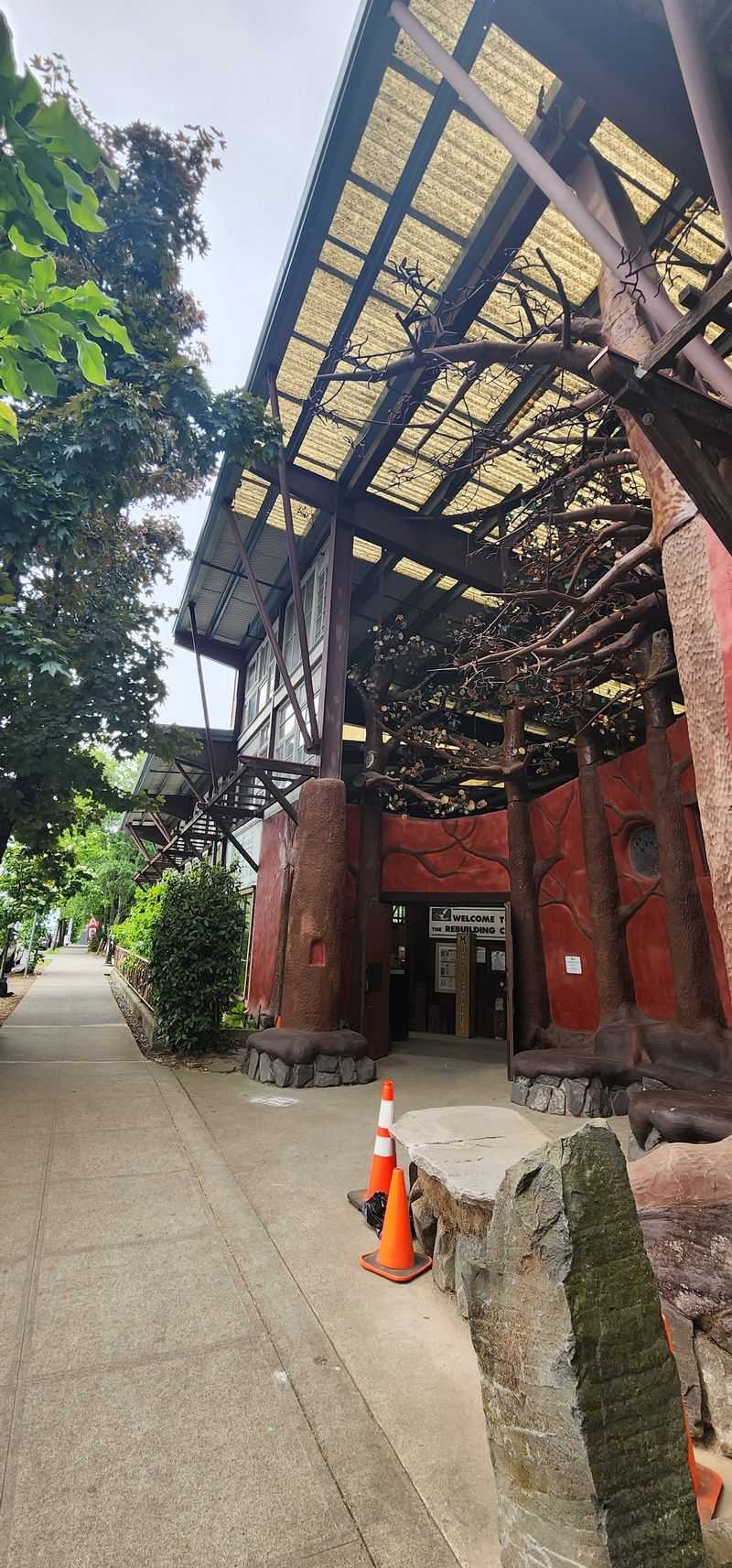
Most stores greet you with automatic doors. The ReBuilding Center greets you with a sculpture that looks like a small forest grew out of the sidewalk.
The entrance is made from cob, an old building method that mixes earth, sand, and straw. Reclaimed wood joins the mix, and the result has become a well-known landmark on Mississippi Avenue.
Look closely and you’ll spot benches built right into the curving walls. It’s a front porch, an art piece, and a sustainability lesson all at once.
The rest of the building follows the same thinking. It has been described as having the highest recycled and natural content of all commercial architecture in the USA.
That’s a bold title, and the design backs it up. Earthen masonry, large skylights, clerestory windows, and a permeable parking lot all play a part.
Skylights and clerestories pull daylight deep inside the warehouse. The permeable lot lets rainwater soak into the ground instead of rushing off into drains.
Even the offices get the salvage treatment, with doors, windows, and moldings put back to work. Some floors are made from recycled doors, which is a pretty clever way to walk on history.
Thirty Thousand Square Feet Means You Should Clear Your Afternoon
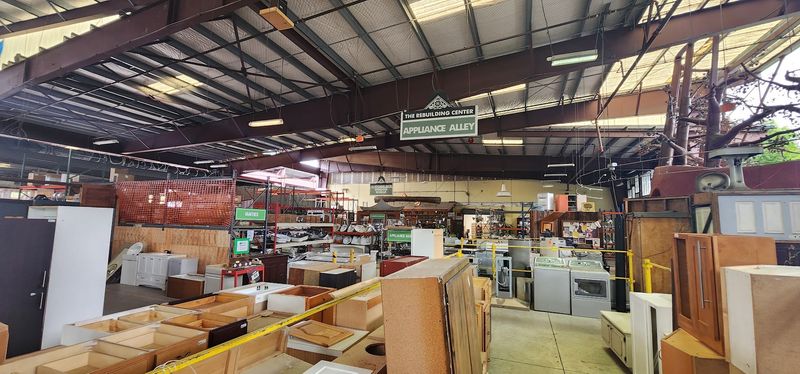
Thirty thousand square feet is a lot of room. That’s roughly the size of half a football field, packed with stuff that once lived in Portland homes.
The store has grown a lot since its early days. It moved into a 24,000-square-foot warehouse in 1999, then expanded its developed property by 40,000 square feet in 2005.
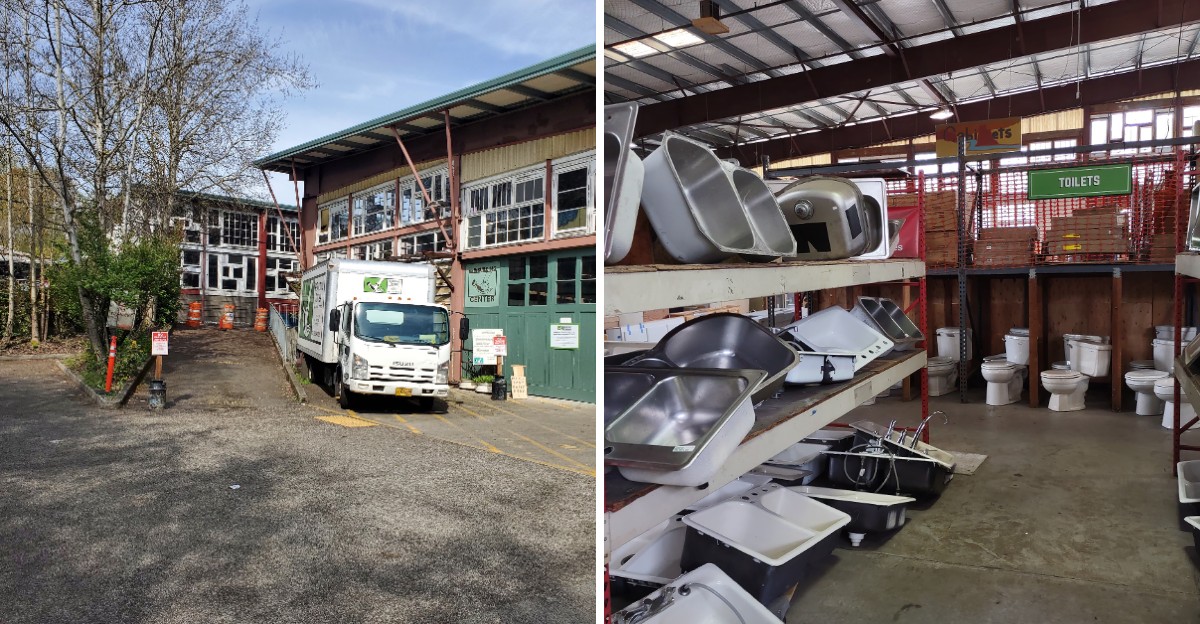
Today the space stretches across more than one building. There’s also a lumber area out back, across the alley from the main shop, so don’t stop at the first room.
The overall feel is often compared to a treasure hunt. One aisle might hold kitchen cabinets, while the next holds a stack of old windows waiting for a greenhouse project.
A quick tip helps here. Bring measurements for any door, window, or opening you’re trying to fill, because guessing gets risky fast.
A tape measure in your pocket is your best friend. Photos of your project space on your phone also help when you’re comparing options.
Inventory changes as donations come and go. If something catches your eye, that might be your only chance to grab it.
Hours run Tuesday through Sunday, 9 AM to 5 PM. Mondays are closed, so plan that weekend wander accordingly.
Old Doors With Original Hardware Steal The Show
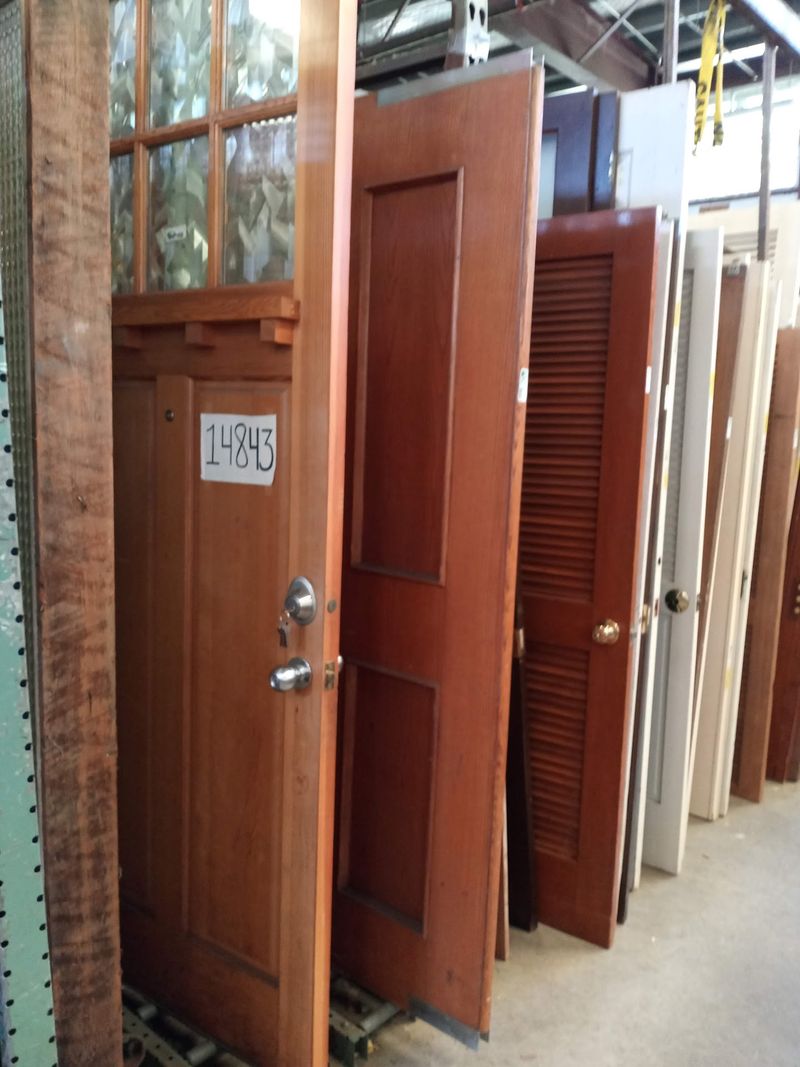
Doors might be the stars of the show here. Rows of them lean against walls, some still wearing their original knobs and hinges.
Antique doors carry a charm that new ones rarely match. Think solid wood, old paneling, and hardware that’s been turned by many hands before yours.
Windows come in plenty of shapes and sizes too. Some folks hunt them for repairs, while others dream up cold frames, wall art, or garden projects.
Then there’s the trim. Decorative doorway pieces and moldings can help match the style of an older home when a repair calls for it.
Here’s a practical move for old-house owners. Bring a photo of your existing trim or hardware, so you can compare details right there in the aisle.
Hardware also deserves its own slow look. Drawer pulls, knobs, hinges, and switch plates turn up in all kinds of styles, from vintage to fairly modern.
Small pieces like these can give a whole room a fresh look. Swapping out cabinet pulls is one of the easiest upgrades around.
Old-Growth Lumber Waits Out Back For Your Next Build
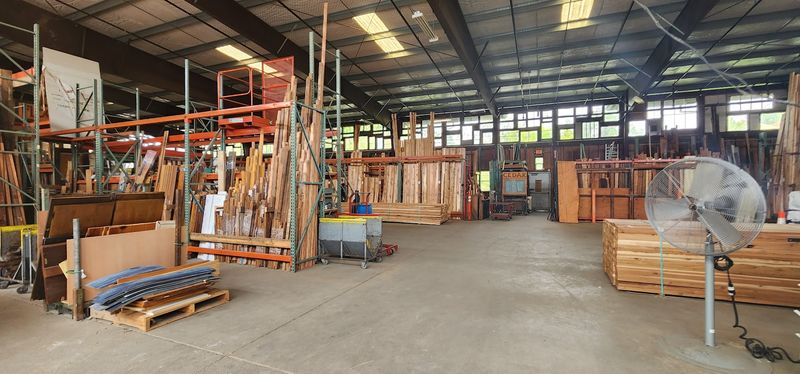
Wood people, this section is for you. Reclaimed lumber is one of the biggest draws at the ReBuilding Center, and the selection reaches well beyond basic boards.
Old-growth lumber is the headline here. It comes from trees that grew slowly over long periods, and it’s tough to find new today.
Plain 2x4s and other everyday framing pieces are in the mix too. Cedar sometimes appears, which is handy for outdoor projects like decks and garden beds.
Pricing on salvaged wood can vary by species, quality, and condition. Ask staff to point you to the right price list before you start pulling boards.
Plan your trip like a builder. Bring a cut list, gloves, and a vehicle that can carry long pieces safely.
Straps or rope for tying boards down are a must. Nobody wants a stack of lumber sliding around on the freeway.
Check each board carefully for cracks or splits near the ends. Reclaimed wood has character, but you still want pieces that suit your project.
Classes Here Turn Nervous Beginners Into Handy Homeowners
Shopping is only half the fun. The ReBuilding Center also runs hands-on classes that teach real home repair skills.
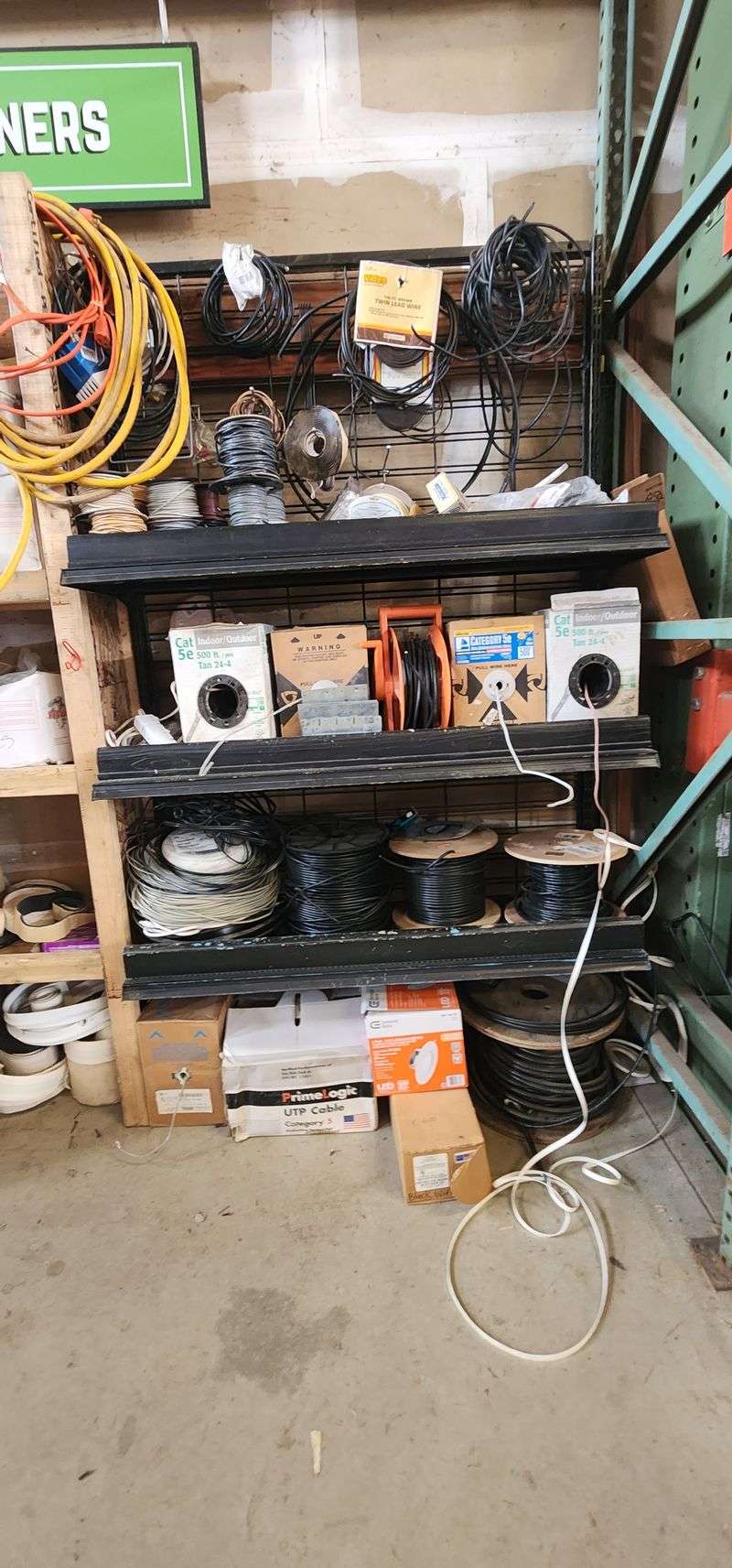
Topics cover carpentry, plumbing, electrical work, floor refinishing, and drywall repair. These are the fixes that can save a homeowner a pile of money.
Electrical classes walk students through how outlets, switches, and light fixtures work. Safety gets a lot of attention, which is exactly what you’d want.
Creative classes show up too. A mosaic tile class has been part of the lineup, proving that repair and art can share a workbench.
Simple projects like wiring a lamp or building a garden box also appear. They’re a great starting point if you’ve never held a drill before.
The goal is bigger than one class. The organization aims to help Portland homeowners, especially low-income residents, keep their homes safe and in good shape.
That mission is easy to appreciate. A leaky faucet feels a lot less scary when you know what you’re doing.
Check the center’s class calendar before you go. Spots can fill, and a little planning means you won’t miss the session you want.
Clawfoot Tubs And Chandeliers Make Bathroom Dreams Feel Possible
A clawfoot tub sitting in a warehouse aisle is a funny sight. Yet that’s exactly the kind of find that makes this place so fun to explore.
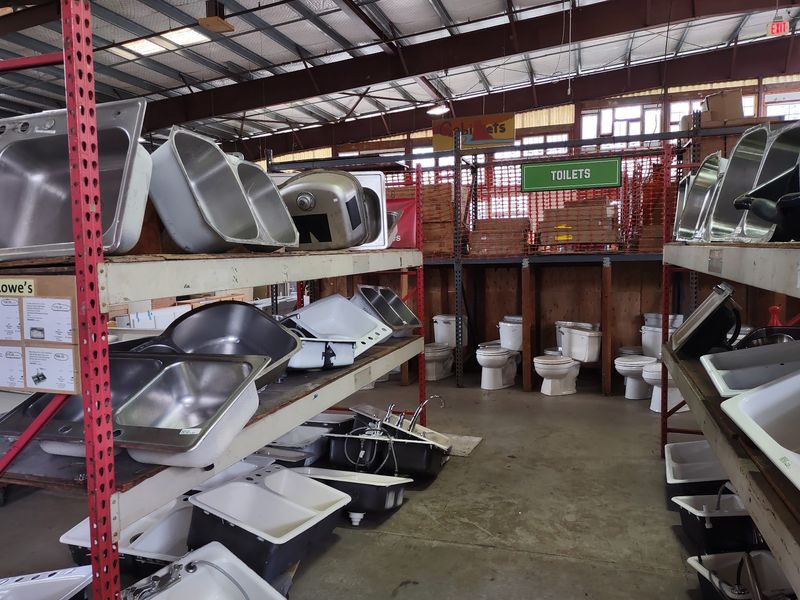
Plumbing fixtures are a big part of the inventory. Clawfoot tubs, pedestal sinks, and more modern vanities all appear here, depending on what’s been donated.
Toilets and full bathroom sink sets show up too. Tackling a bathroom refresh on a budget? This is a smart first stop before any big-box store.
Lighting gets its own spotlight, pun fully intended. You might spot large chandeliers next to small fixtures, plus the electrical parts needed to wire and hang them.
Vintage and modern lights mix freely across the store. One shopper might want something sleek, while another hunts for a fixture with old-school sparkle.
Appliances round things out for kitchens and laundry rooms. Kitchen cabinets and countertops also make an appearance for bigger remodels.
Pro tip for heavy items: bring help. Hauling a cast-iron tub is no solo adventure, and your back will thank you later.
Measure your bathroom before you fall for anything big. A gorgeous tub only works if it actually fits through your door.
Volunteers Keep The Whole Operation Humming
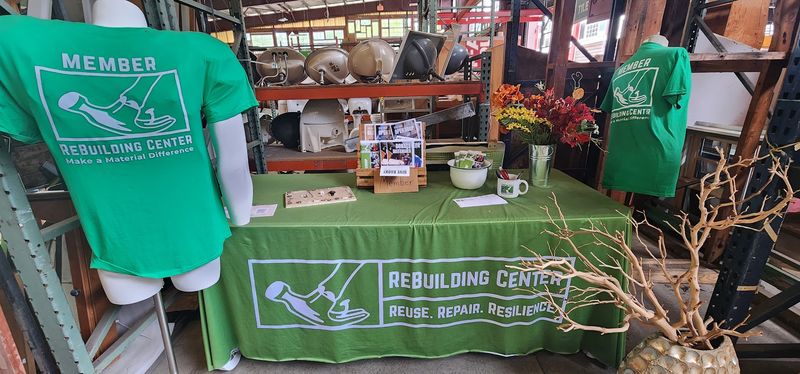
Hundreds of volunteers have supported the ReBuilding Center over the years, helping with material sorting, store operations, and community projects. Together, they contribute significant volunteer time to keeping the store running and supporting community programs.
That work goes beyond the sales floor. Volunteers help with essential home repairs for low-income homeowners across Portland.
The giving doesn’t stop there either. Income-qualified residents can receive free building materials for their own projects.
Local nonprofits and schools benefit as well. Each year, more than $10,000 in materials gets donated to these groups.
So when you buy a door or a box of tiles, the money supports something bigger. Your purchase helps keep these programs running.
Want to get involved yourself? Volunteering is a hands-on way to learn new skills while helping neighbors.
It can also be a fun outing with friends who like getting a little dusty. Swapping stories over a pile of salvaged wood beats another afternoon on the couch.
The store’s staff and volunteers often know where to find odd items. Asking for help can save you a long wander through 30,000 square feet.
A nonprofit this size runs on people as much as materials. That community spirit gives the ReBuilding Center its heart.
Sixty Million Pounds Kept Out Of The Landfill Is No Small Feat
Sixty million pounds. That’s how much usable building material this nonprofit has diverted from landfills since its founding in 1997.
The organization opened to the public in 1998 as a 501(c)(3) nonprofit. Founder Shane Endicott played a key part in the gentle demo movement.
Gentle demo means taking buildings apart carefully instead of smashing them. That way, doors, lumber, and fixtures survive to be used again.
The ReBuilding Center also helped push for a 2016 Portland ordinance. That rule required deconstruction instead of demolition for some older homes, and it expanded in 2019.
That same year, the center ended its own deconstruction services. For-profit deconstruction companies had grown enough to take on that work.
Donations still flow in from contractors, renovators, construction firms, and homeowners. Some business partners even donate new, never-used materials.
Got leftover supplies from a remodel? The center offers free material pick-up for donations, which beats a trip to the dump.
Staff do review items as they arrive, since space and resale potential both matter. Call ahead if you’re unsure whether something will be accepted.
Every reused board here is one less piece of Oregon history in a landfill. That’s a pretty good reason to shop.
Mississippi Avenue Makes The Trip Even Better
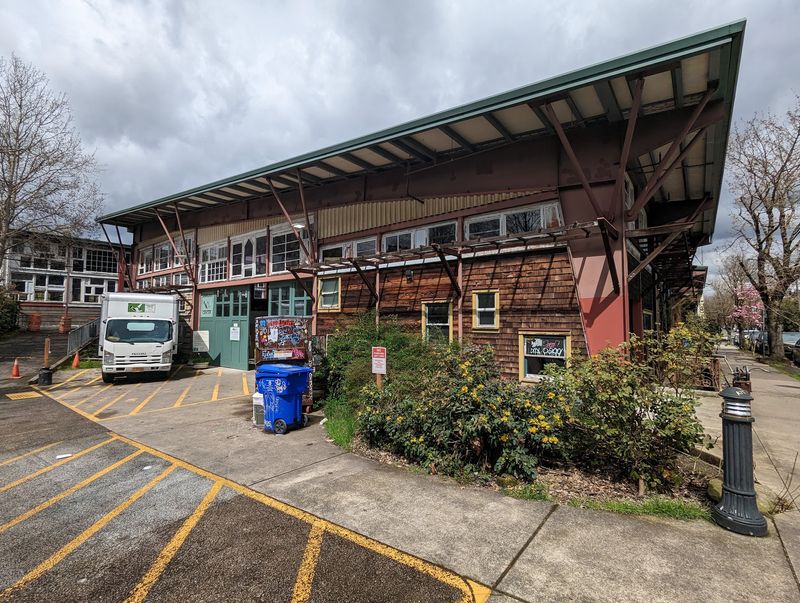
Location matters, and this one is a winner. The ReBuilding Center sits at 3625 N Mississippi Ave, Portland, OR 97227, in the Boise neighborhood.
The store has long been an anchor for the area’s economic revival. It helped North Mississippi Avenue grow into the lively strip it is today.
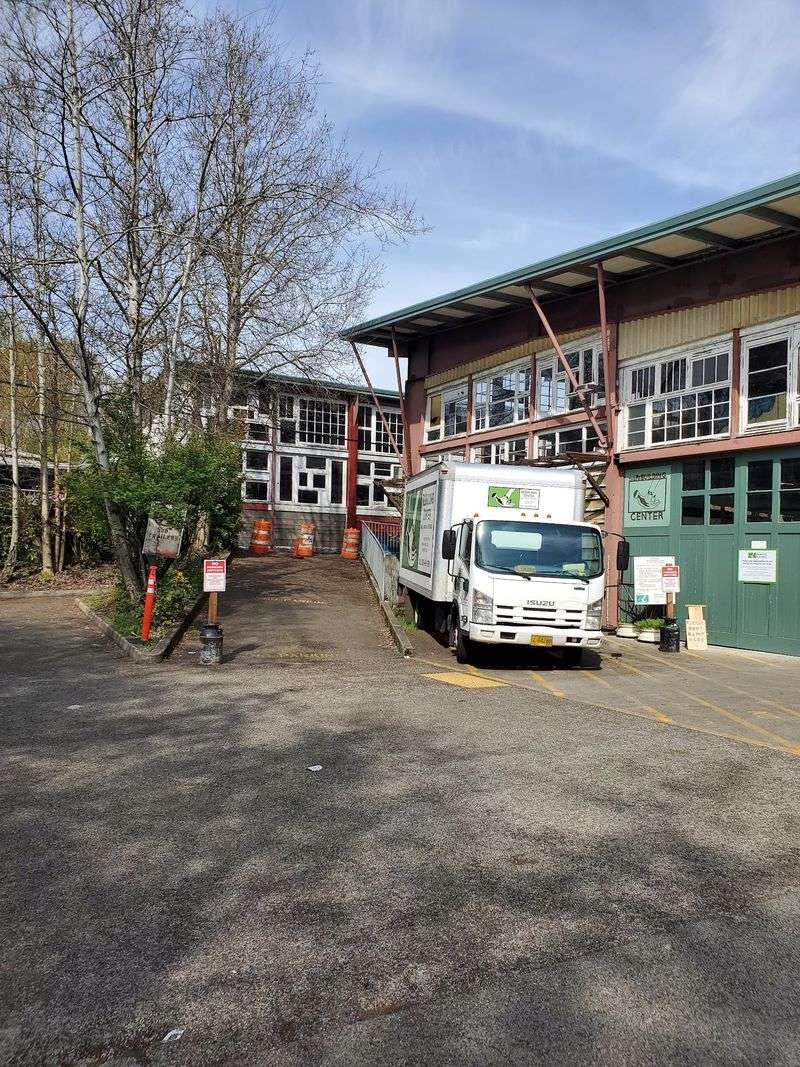
Free parking is available in the lot, including a handicapped space on the south side of the warehouse. That’s a relief when you’re hauling cabinets or lumber.
Nearby spots make it easy to turn a shopping trip into a full outing. Por Que No, a popular taco restaurant, is close by for a post-hunt meal.
DeNorval Unthank Park sits nearby too. It’s a nice spot for a breather if the kids need to run around after the aisles.
The Q Center, an LGBTQ community center, is also part of the neighborhood. Mississippi Avenue has a strong community feel overall.
Honestly, it’s one of the most fun places in Oregon to spend a Saturday. Treasure hunting, tacos, and a stroll past a cob sculpture? Not bad at all.
Just remember the store closes Mondays. Every other day, the hunt is on from 9 to 5.
