A 50-foot digital sign beside Interstate 95 pulls drivers off the highway to see hundreds of restored tractors. Close to half the visitors here say that sign is the reason they stopped.
Behind it sits more than 130,000 square feet of farm machines, big rigs, and classic cars. That’s over 200 tractors and more than 120 trucks under one roof.
I can’t imagine a better excuse to stretch your legs on a Virginia road trip.
The whole thing started with one old green tractor that belonged to a beloved uncle. One man’s restoration project slowly grew into a collection big enough to fill acres of floor space.
I like how personal that story feels, even at this enormous scale.
There’s also breakfast, a gift shop, and a room full of tiny trains. So how long would you need to see it all?
One Uncle’s Old Tractor Started This Whole Wonderful Obsession
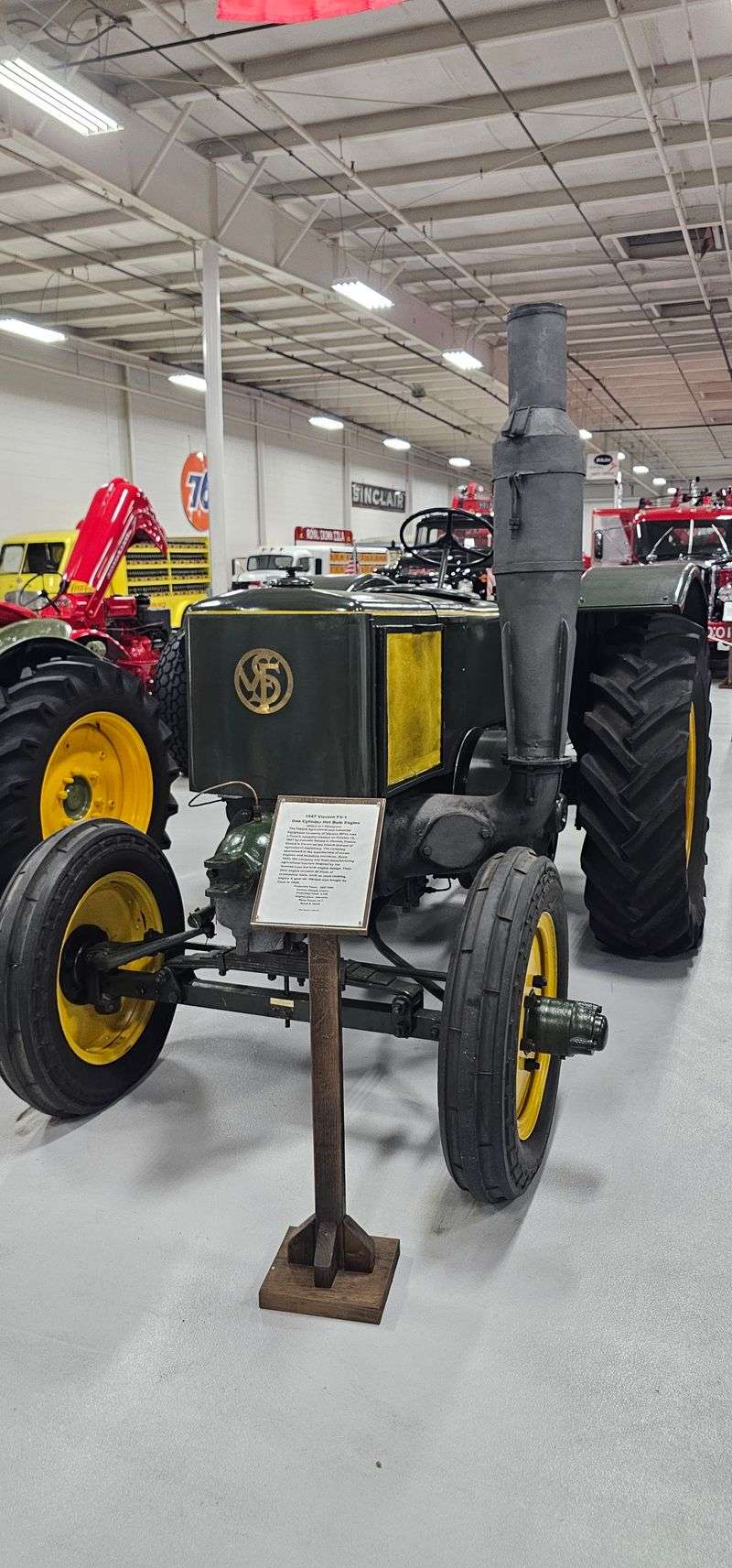
Every big collection starts somewhere, and this one began with a single 1950 John Deere M. Keith Jones acquired the tractor in 1987 after it belonged to his late uncle.
He restored it, and then he kept going. And going.
His personal collection eventually grew to more than 350 antique farm tractors and vintage road trucks.
That passion became the Keystone Antique Truck & Tractor Museum in Colonial Heights, Virginia. It officially opened in October 2010 under its original name, Keystone Tractor Works.
You’ll still see that older name pop up around the museum today. It’s a nice reminder that this place grew from a workshop mindset, not a corporate plan.
Alan “Bones” Stone serves as the museum’s curator. With a nickname like that, he sounds like exactly the right person to keep track of hundreds of machines.
I love that the story is so rooted in family. A tractor tied to a relative’s memory turned into a place where strangers can share in that feeling.
Knowing the backstory changes how you walk the floor. Each shiny machine becomes part of one family’s long, hands-on labor of love.
Keep that first John Deere in mind as you explore. Everything else here sort of follows its lead.
Tractor Fans, Your Favorite Brand Is Probably Parked Here
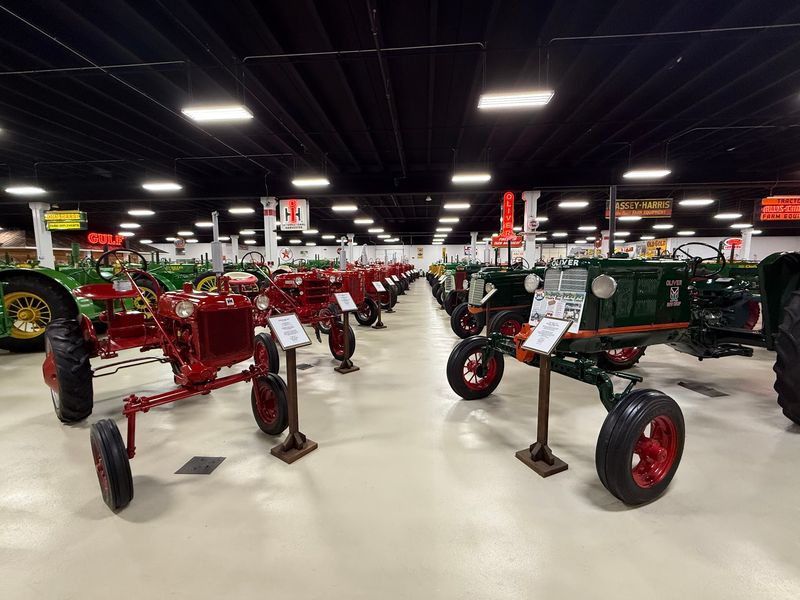
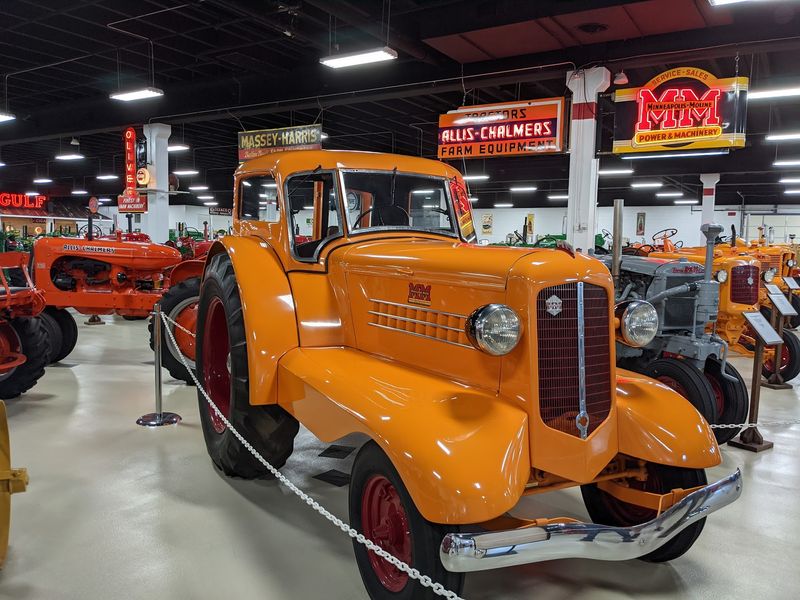
Green, red, orange, yellow, and silver. The tractor rows here look like a box of crayons that learned to plow.
More than 200 restored tractors fill the floor. Brands include John Deere, Farmall, Case, Oliver, Massey Harris, Massey Ferguson, and Cockshutt.
The list gets more unusual from there. You’ll spot names like Sampson Jumbo, Graham Bradley, and Silver King that most people have never heard of.
Minneapolis Moline fans should look for the rare UDLX. It’s a tractor with an enclosed cab that looks almost like a car, which feels wildly ahead of its time.
Each machine is fully restored, so the paint gleams and the details pop. It’s easy to forget many of these once spent years working real fields.
A self-guided tour lets you move at your own speed. Informational signs sit with each exhibit, so you’ll learn something even without a farming background.
My tip is simple. Pick one brand you know, then find a strange one you don’t, and compare them side by side.
You’ll start noticing grilles, seats, and wheel shapes like a pro. Don’t be surprised if you leave with a new favorite tractor color.
The Big Rigs Might Steal The Show From The Tractors
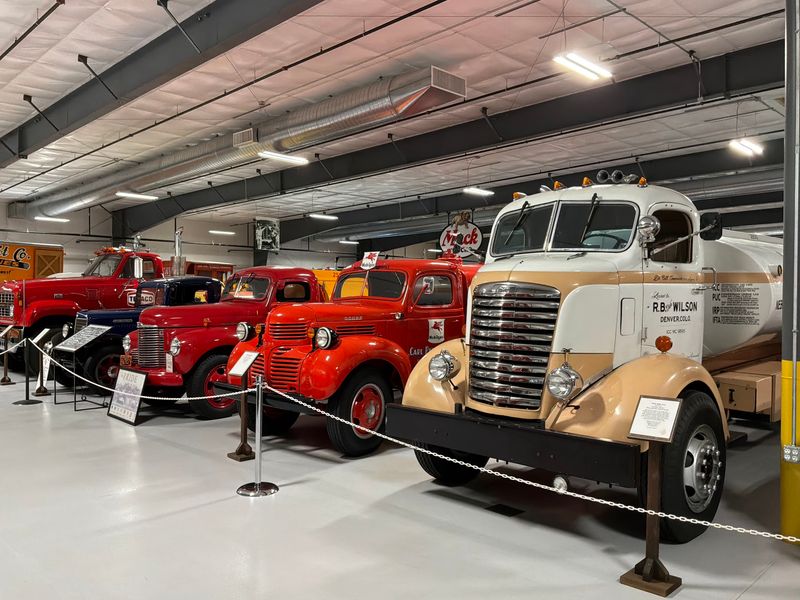
Think tractors are big? Wait until you stand next to a vintage Mack with its huge chrome grille staring back at you.
The Keystone Antique Truck & Tractor Museum displays more than 120 trucks. The brands read like a highway history lesson.
Mack, Peterbilt, Kenworth, Diamond T, White, and Brockway all make an appearance. International, Ford, Chevrolet, and Dodge round things out.
Some of these trucks hauled goods across America long before modern interstates existed. Seeing them restored helps you picture how freight once moved.
Vintage fire trucks are part of the collection too. Kids usually zero in on those first, and plenty of grown-ups do the same.
The size alone makes this section memorable. Cabs tower overhead, and the long hoods seem to go on forever.
If you grew up around trucking, this area may hit home. A certain rig might match one a parent or grandparent once drove.
Take your time reading the signs here. Brand names like Brockway and Diamond T aren’t on the road anymore, so their stories feel extra special.
It’s a great reminder that trucks built the country too. Tractors fed it, and these rigs carried the load.
Classic Cars Bring Some Sparkle To All That Farm Muscle
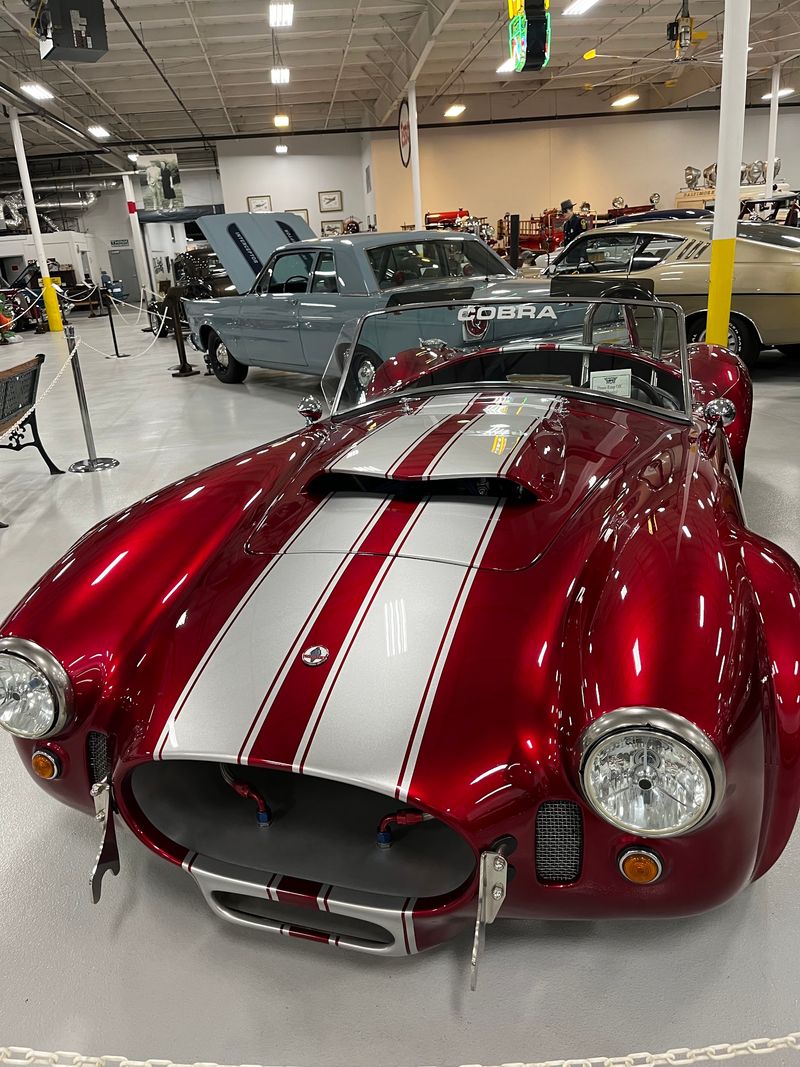
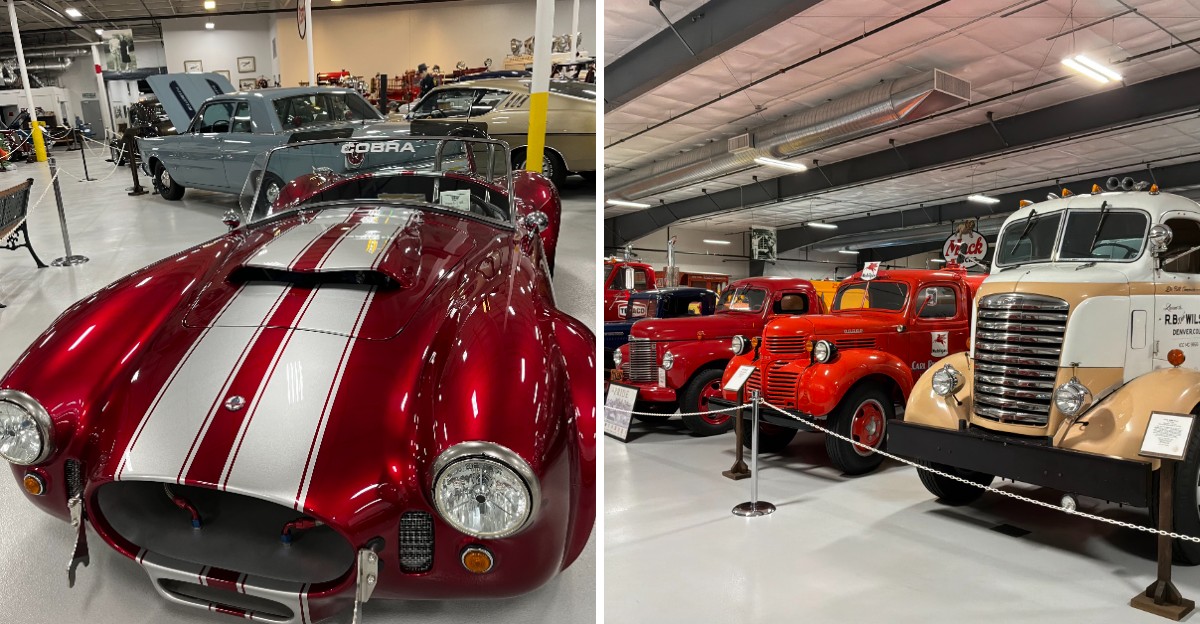
After rows of work machines, the classic cars feel a bit like dessert. They’re shiny, curvy, and a little bit showy.
The museum features more than 25 classic cars. They add a fun contrast to the heavy-duty tractors and trucks nearby.
Cars like these often stir up family memories. Someone might spot the same model a grandparent drove to church or a parent took on a first date.
That’s part of what makes this collection work so well. It mixes farm life, road life, and everyday life into one big story.
All of it spans roughly the last century of agricultural and automotive history. You can trace how design changed from boxy and practical to sleek and stylish.
Bring your phone camera for this part. Chrome bumpers, bold paint, and old badges make for great close-up shots.
Try playing a little game with your group. Everyone picks the car they’d drive home if they could, and then defends their choice.
It’s a simple way to keep younger visitors interested. It also sparks plenty of good conversations about who drove what back in the day.
Fair warning. Someone in your group will probably start shopping for an old car online afterward.
Old Gas Pumps And Radios Line The Walls Like A Time Capsule
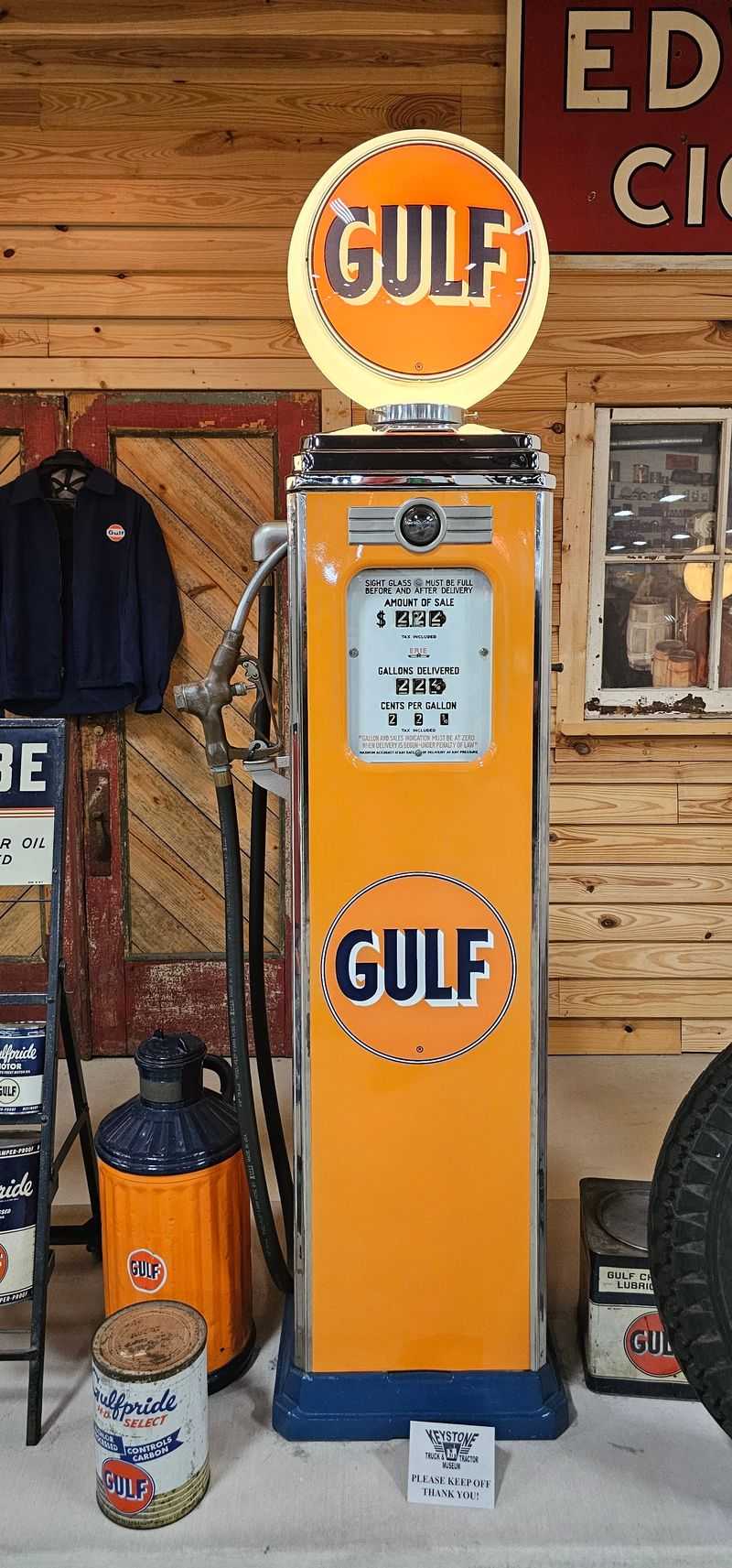
Vehicles get the spotlight, but the walls deserve attention too. This place is packed with old-school Americana from floor to ceiling.
Vintage gas pumps stand like tall, colorful soldiers. Rows of oil cans, automotive signs, and clocks fill the spaces around them.
Old advertising posters add bold colors and quirky slogans. They show how companies once sold everything from fuel to farm gear.
There’s also a Golden Age of Radio exhibit filled with antique radios. Before screens took over, families gathered around these boxes for news, music, and stories.
Antique toys show up as well. They’re a sweet reminder that kids loved trucks and tractors long before this museum existed.
The museum aims for a homey feel, and these displays help a lot. They make the huge space seem more like a well-loved collection than a cold gallery.
Slow down in these areas. It’s easy to rush toward the next big machine and miss the small treasures.
A faded sign or an old radio dial can tell you just as much about the past. Sometimes the tiny details are the ones you remember longest.
Tiny Trains Fill A Surprisingly Huge Corner
Here’s a twist nobody expects at a tractor museum. A whopping 8,500 square feet is set aside for miniature model trains and villages.
That’s bigger than many entire houses. And it’s all devoted to tiny tracks, small buildings, and little scenes.
After staring up at giant trucks, the scale flip feels pretty funny. Suddenly you’re leaning in close to spot miniature details.
Model train displays are great for all ages. Little kids love the motion, and adults usually get pulled in by the craftsmanship.
It also fits the museum’s bigger theme nicely. Trains, trucks, and tractors all helped move people, crops, and goods across the country.
This section gives your feet a nice change of pace too. You’ll naturally slow down to study the villages, which feels like a mini break.
Families with younger kids might want to save this area for later. It makes a fun reward after a long stretch of reading signs.
Hobbyists will probably want extra time here. Building villages at this size takes serious patience, and it shows.
Who knew the smallest things in the building would take up so much room? It’s one of the museum’s best surprises.
Breakfast Comes With A Side Of Horsepower At The Keystone Grill
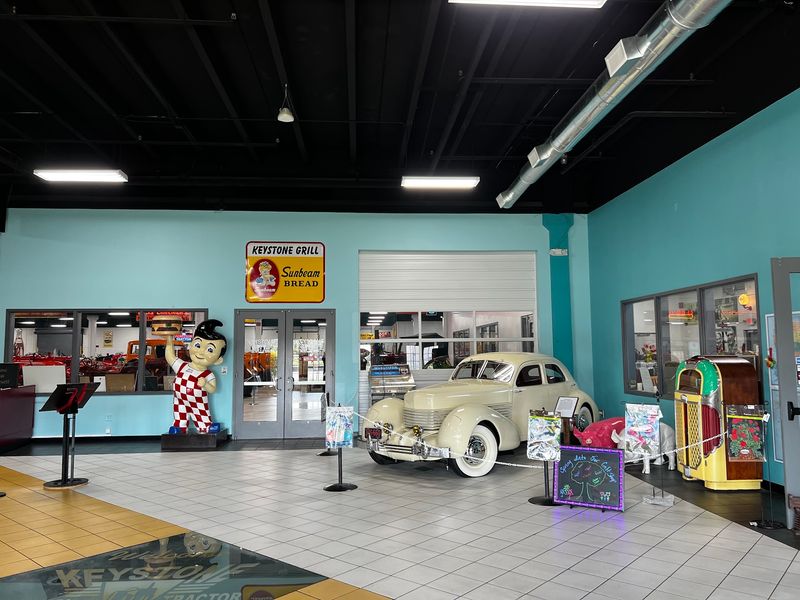
Hungry travelers, good news. The Keystone Grill sits right inside the building, so you won’t have to leave to grab a meal.
The grill serves breakfast and lunch from 7 am to 3 pm every day. That early start makes it handy for road-trippers rolling up the interstate.
The museum itself opens at 9 am. So you could eat a relaxed breakfast first, then head straight into the exhibits with a full tank.
The setup feels like a classic country diner tucked beside a world of old machines. It’s a fun pairing that most museums simply don’t offer.
Planning a visit around a meal is smart here. Many people spend a couple of hours exploring, and food nearby keeps everyone happy.
The Keystone Grill also handles catering for events held at the museum. That shows the kitchen plays a real role in the whole operation.
Here’s my advice for groups. Eat after your tour, then compare favorite vehicles over the meal.
It turns the visit into a full outing instead of a quick stop. And honestly, talking about vintage trucks just sounds better with breakfast on the table.
RV Travelers Can Park Overnight Right On Site
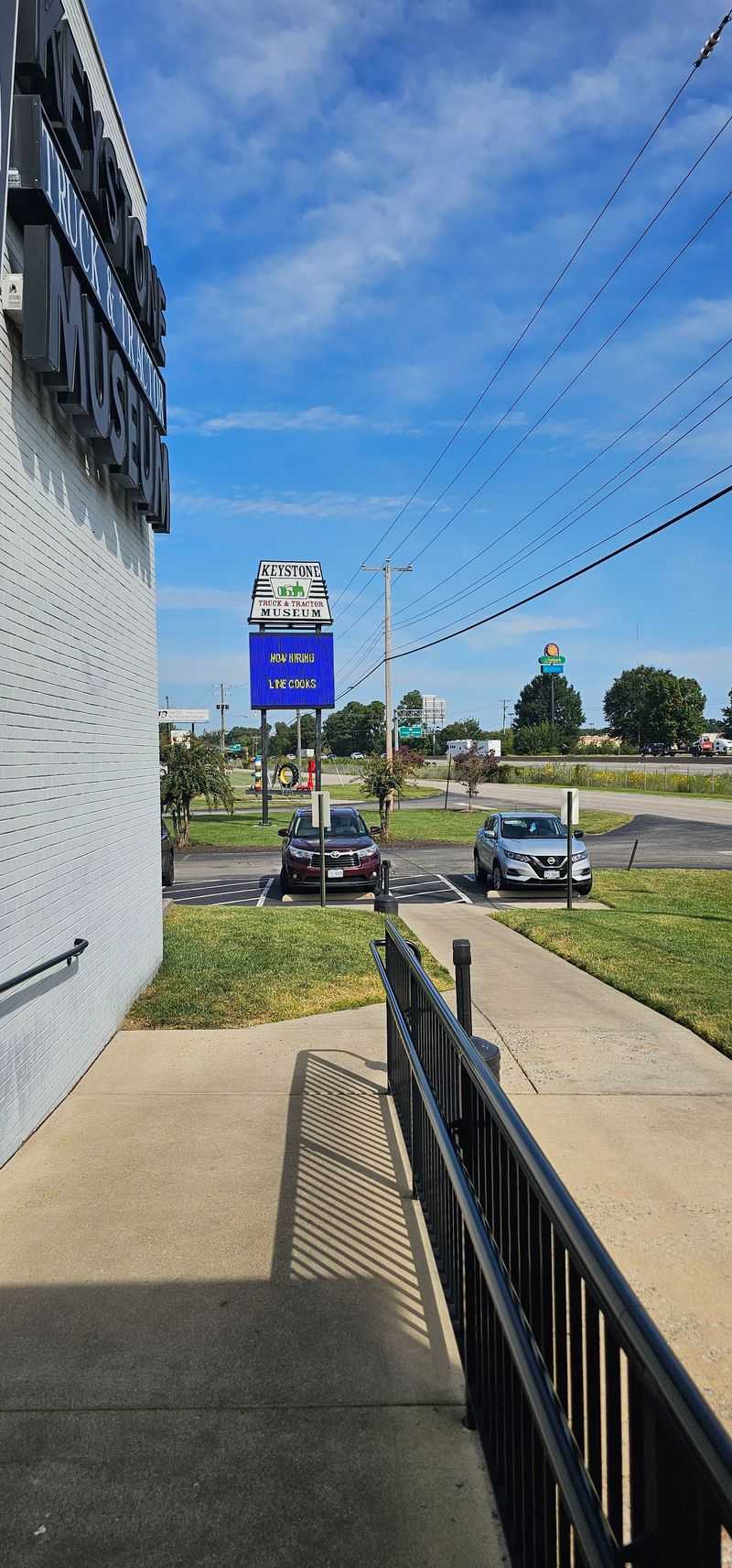
Most museums want you gone by closing time. This one actually lets RVs and trucks stay the night.
On-site overnight parking comes with water, 50 amp power, Wi-Fi, and picnic tables. There’s an overnight rate for the stay.
For road-trippers, that’s a pretty sweet deal. You can tour the museum, eat at the grill, and sleep a short walk away.
Event planners have options here too. The museum offers two flexible event rooms that can seat up to 200 people.
Those rooms work for corporate gatherings, weddings, concerts, workshops, and receptions. Catering comes from the Keystone Grill, which keeps things simple.
A wedding surrounded by vintage tractors sounds unforgettable. It’s certainly a step away from the usual banquet hall.
The gift shop deserves a stop as well. It’s open daily from 9 am to 5 pm with collectibles from brands like Ertl and Speccast.
You’ll also find John Deere and Farmall apparel and gifts. Good luck walking out without a tiny tractor model in your bag.
The facility is wheelchair accessible too. That makes the whole experience easier for a wider range of visitors.
That Giant Highway Sign Is Your Cue To Take Exit 53
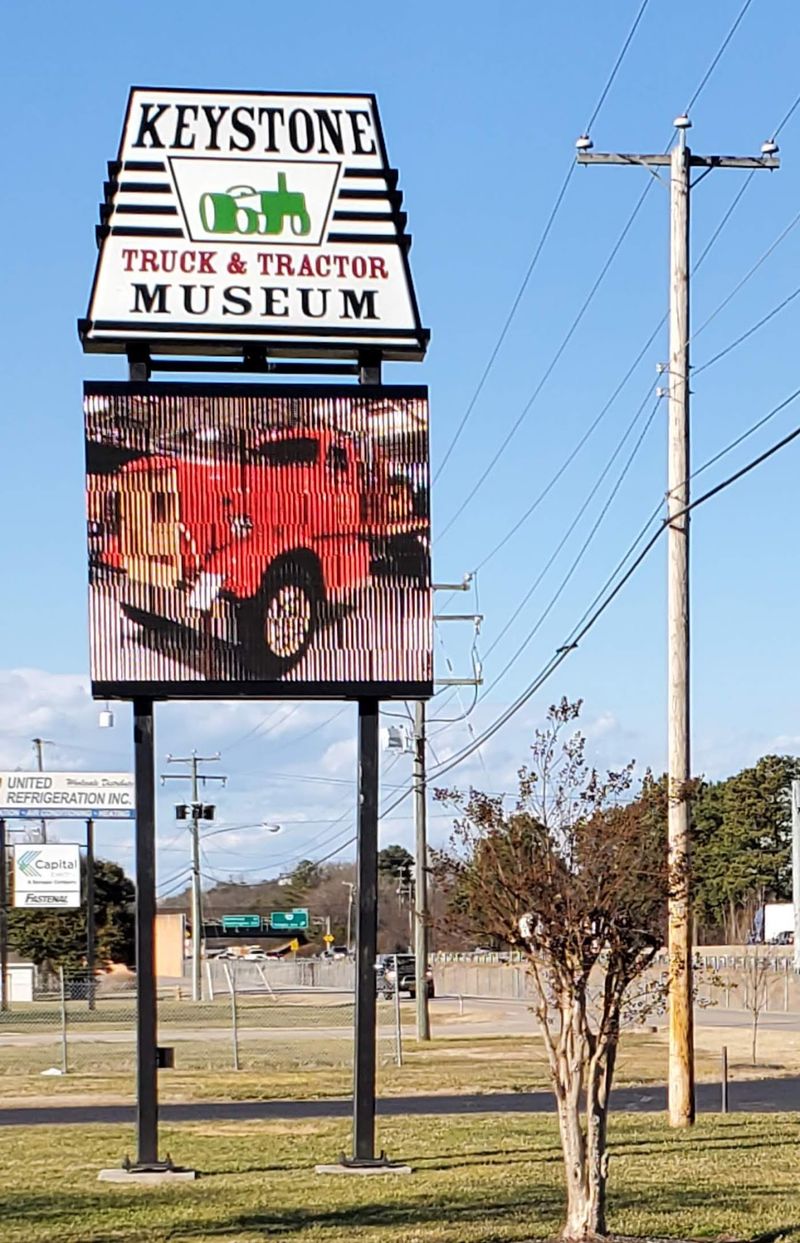
Watch for the 50-foot digital sign along Interstate 95. It’s hard to miss, and that’s exactly the point.
Somewhere between 40 and 50 percent of visitors say they came after spotting it from the highway. That’s one hardworking sign.
The Keystone Antique Truck & Tractor Museum sits at 880 W Roslyn Road, Colonial Heights, VA 23834. It’s easy to reach from I-95 Exit 53.
Richmond is about 30 minutes away. That makes this an easy day trip for anyone in central Virginia.
It also works as a perfect break on a longer drive up or down the East Coast. Stretching your legs among antique tractors beats another gas station stop.
The museum and gift shop are open seven days a week from 9 am to 5 pm. The grill opens earlier at 7 am and closes at 3 pm.
Give yourself at least two hours if you can. With more than 130,000 square feet to cover, rushing would be a shame.
Wear comfortable shoes and bring your curiosity. Next time that big sign flashes by, maybe you’ll finally take the exit.
