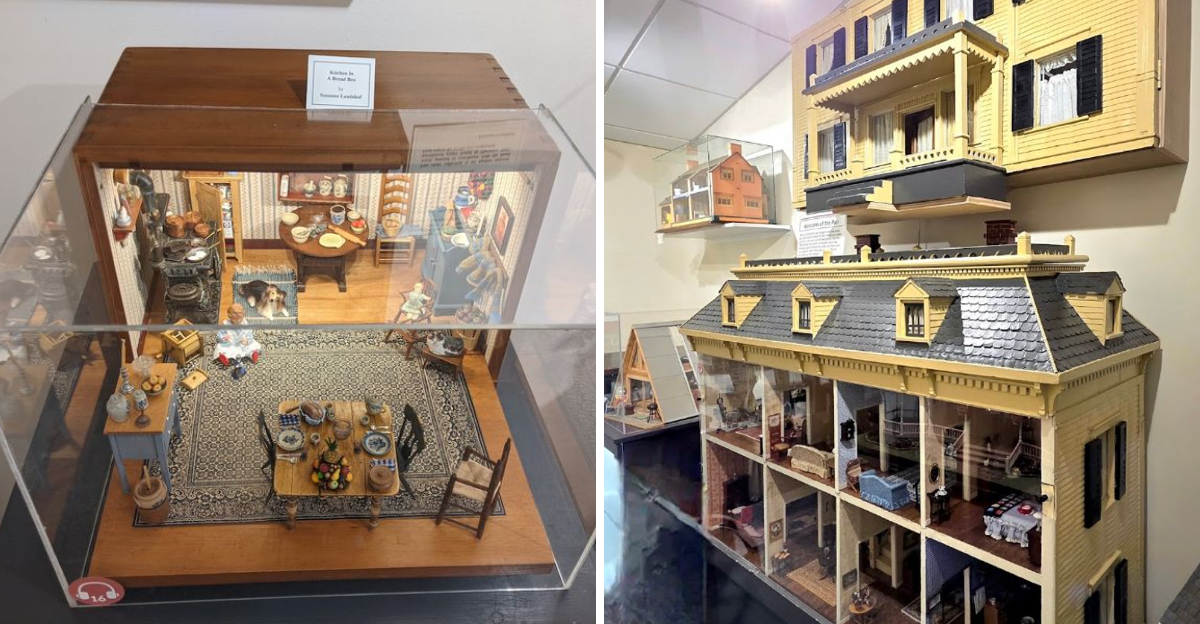
What if an entire home could fit inside a display case? That is the idea behind one Indiana museum where miniature houses, detailed collections, and tiny works of art create a world that feels surprisingly easy to get lost in.
The appeal comes from noticing the details you might miss at first glance, from tiny furniture arrangements to the craftsmanship behind each piece. A visit here is less about seeing something quickly and more about taking your time to appreciate the creativity behind every corner.
For anyone who enjoys unique museums and unexpected discoveries, this is the kind of place that changes the way you look at small things.
Unrivaled Artistry That Proves Miniatures Are a True Art Form
There is something almost unbelievable about standing in front of a tiny crocheted Seven Dwarfs, each one no bigger than your thumb, knowing that a real person made every single stitch by hand.
The Museum of Miniature Houses and Other Collections makes one thing very clear from the moment you walk in: these are not toys.
They are works of art that demand your full attention and respect.
Miniaturists who create these pieces often follow strict historical scales, with the most common being the one-inch scale, where one inch represents one full foot of real life. That kind of precision takes years of practice and an almost obsessive eye for detail.
Every tiny painting, every miniature clock face, every little book spine with a readable title is the result of extraordinary skill.
What really gets you is the variety. Some pieces are crafted from scratch using raw materials, while others replicate specific historical periods with almost academic accuracy.
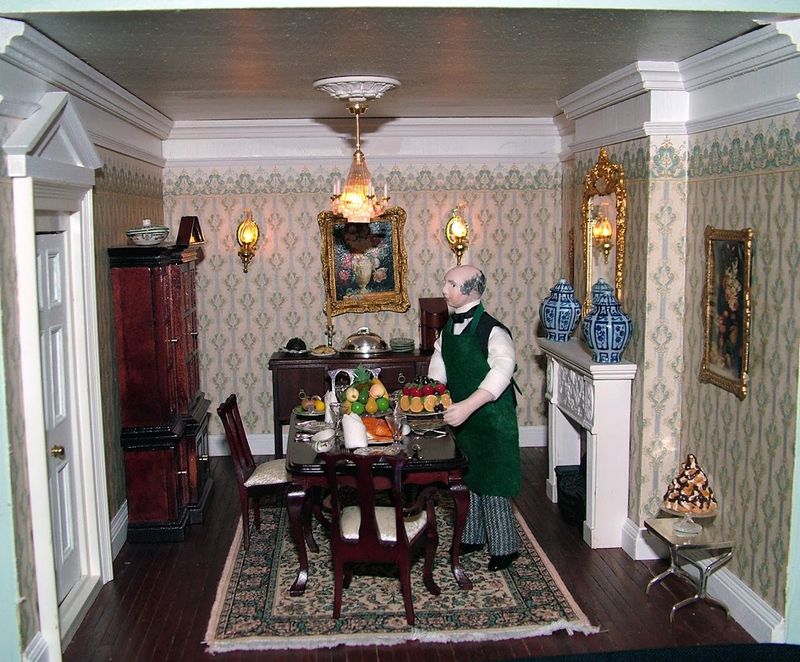
The museum does a wonderful job of presenting these creations as the fine art they truly are, not as novelties or curiosities. Magnifying glasses are available in every room, and honestly, you will need them.
The closer you look, the more you find. A tiny vase on a shelf might hold even tinier flowers.
A miniature kitchen might have a real working faucet. Every single exhibit rewards patience and a curious eye.
History Comes Alive in the Smallest of Spaces
Most history museums ask you to imagine what life looked like in another era. This one actually shows you, in perfect scaled-down detail.
The oldest dollhouse in the collection dates back to 1861, meaning it was assembled during the Civil War. Holding that thought in your mind while looking at its tiny rooms gives the whole experience a completely different weight.
The museum walks visitors through centuries of home design and decorative arts. You can trace the shift from Mannerist style popular with English settlers in the 1600s all the way through Colonial Revival design that emerged in the 1870s.
Each exhibit is like a tiny textbook, except far more interesting to look at than any textbook you have ever opened.
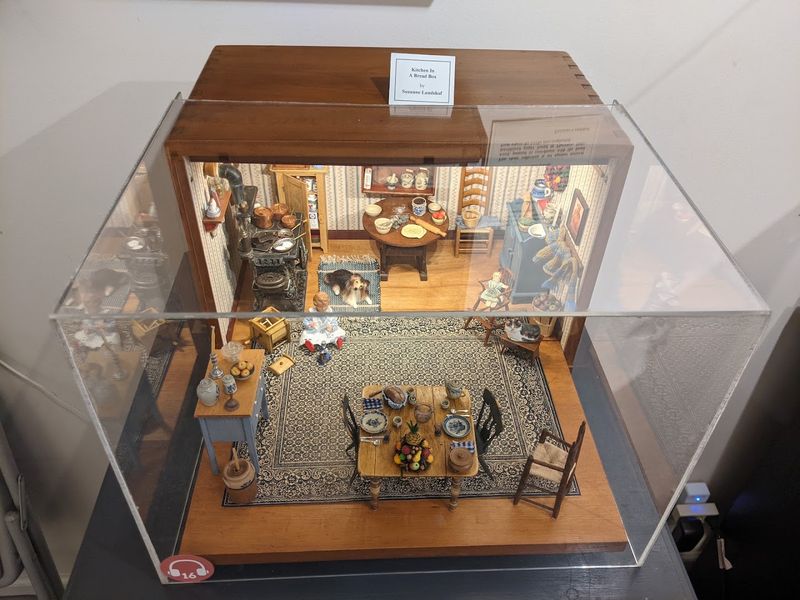
One of the standout historical pieces is the Early American Kitchen display, another one of the museum’s oldest exhibits. It captures domestic life from a time when kitchens were the center of the home, and it does so with remarkable faithfulness.
Even small details like the style of cooking tools and the layout of the space reflect careful historical research. For anyone who loves history but finds traditional exhibits a little dry, this museum offers a genuinely fresh way to connect with the past.
You are not just reading about history here. You are peering directly into it, one tiny window at a time.
You’ll Discover A Tiny World That’s Much Bigger Than It Looks
People sometimes assume a miniature museum is just rows of dollhouses behind glass. After about five minutes here, that assumption disappears completely.
The collections at this museum spread out into territory that genuinely surprises you, and that surprise is part of what makes it so memorable.
The Manoir Hypotheque alone is worth the trip. This sprawling miniature manor features over 120 dolls and 22 fully detailed rooms, and it takes real time to absorb everything inside it.
Then there is the San Andreas Monastery, which brings a completely different mood, quiet and intricate in a way that feels almost meditative. A Cotswold Cottage with a thatched roof sits nearby, looking like something out of a storybook.
Beyond the houses, you will find natural medium carvings by Canadian Inuit artists, Hopi kachina dolls, and even a miniature reproduction of Hoosier athlete Major Taylor’s bicycle.
The Founder’s Room hides a playful secret: unicorns are tucked throughout the display, earning it the affectionate nickname the Unicorn Room among staff.
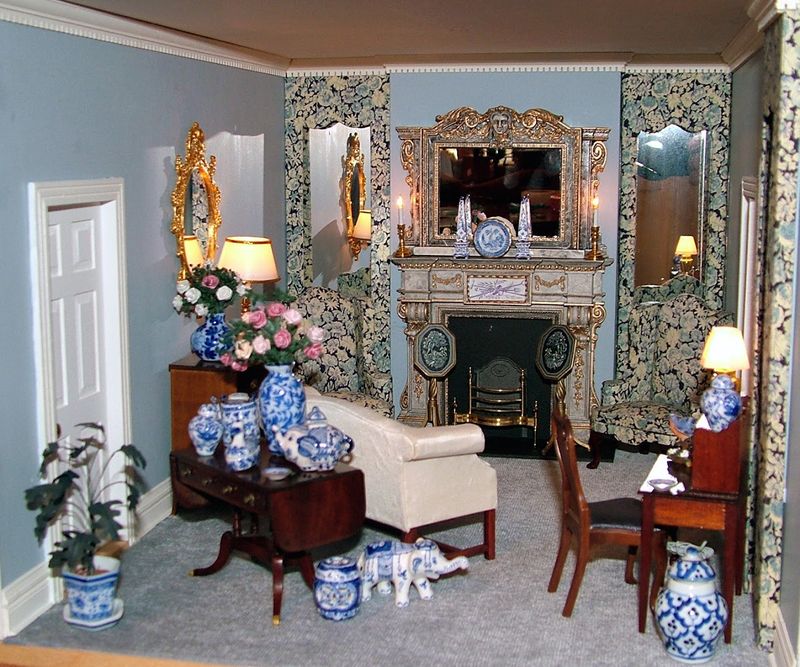
Tiny glassware, hand-painted miniature canvases, working clocks, and detailed needlework pieces fill cases throughout the seven exhibit rooms. Six of those rooms are inside a 126-year-old farmhouse, which adds its own layer of character and charm to the whole experience.
Every corner holds something unexpected, and that unpredictability keeps the energy alive throughout your entire visit.
Are You Ready To Get Hands-On With Interactive Fun for Every Age
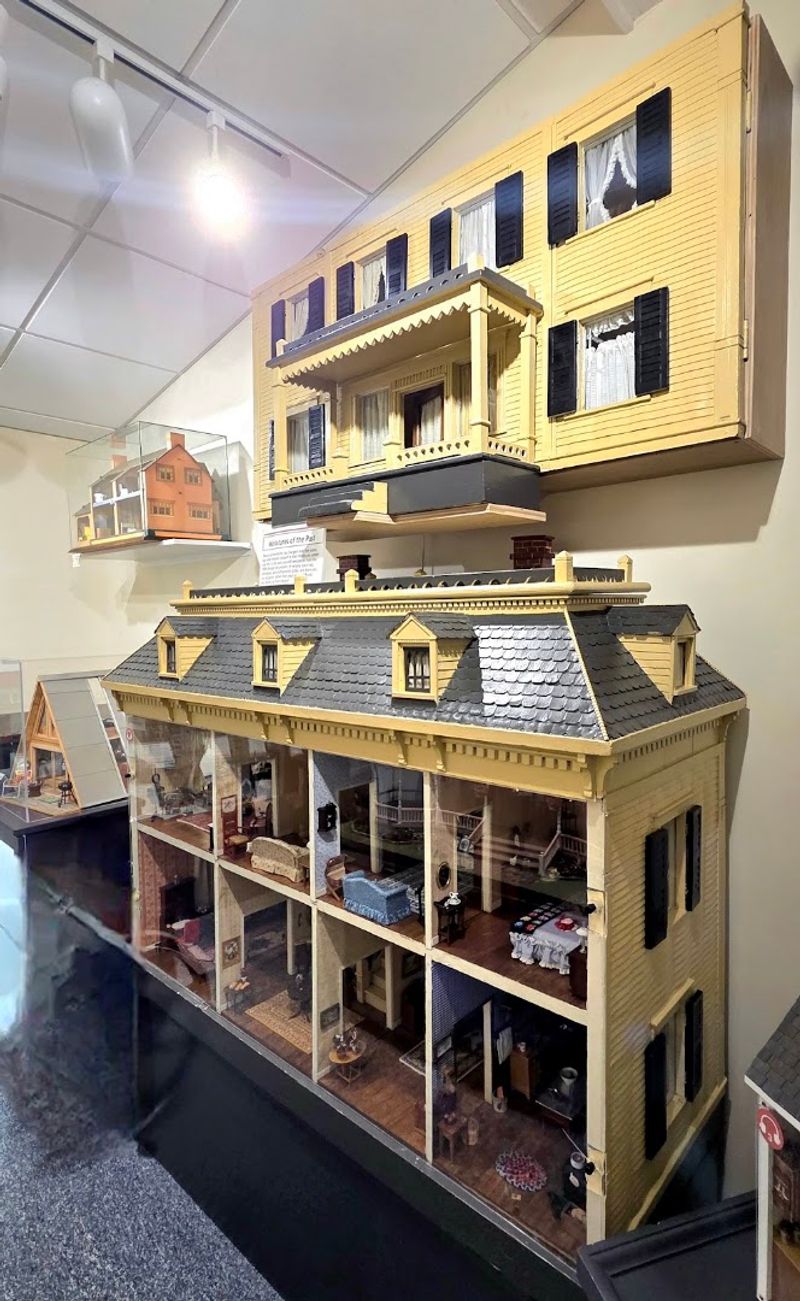
One of the best things about this museum is that it never feels like you are supposed to just stand quietly and stare. There is real energy here, especially when younger visitors are around, and the staff clearly designed the experience with everyone in mind.
Children make up roughly a quarter of all visitors, and you can see why the moment you notice all the things set up just for them.
Three levels of scavenger hunts keep kids moving through the rooms with purpose and excitement. Magnifying glasses sit ready in every room so tiny details do not go unnoticed.
Stepping stools are positioned near higher displays so shorter visitors do not miss a thing. There is even a dollhouse placed directly on the floor specifically for children to touch and explore, which is a genuinely thoughtful touch in a museum full of delicate items.
Free audio tours are available for anyone who wants more context while they explore. The tours add historical background, personal stories about the collections, and interesting facts that bring each display to life in a richer way.
There is also a fairy door tucked into the museum where visitors can pause to make a wish, which sounds small but somehow feels magical in person. The whole setup invites curiosity rather than just observation.
Whether you are eight or eighty, this place gives you something active and personal to do, not just something passive to look at.
Every Detail Rewards the Curious Eye
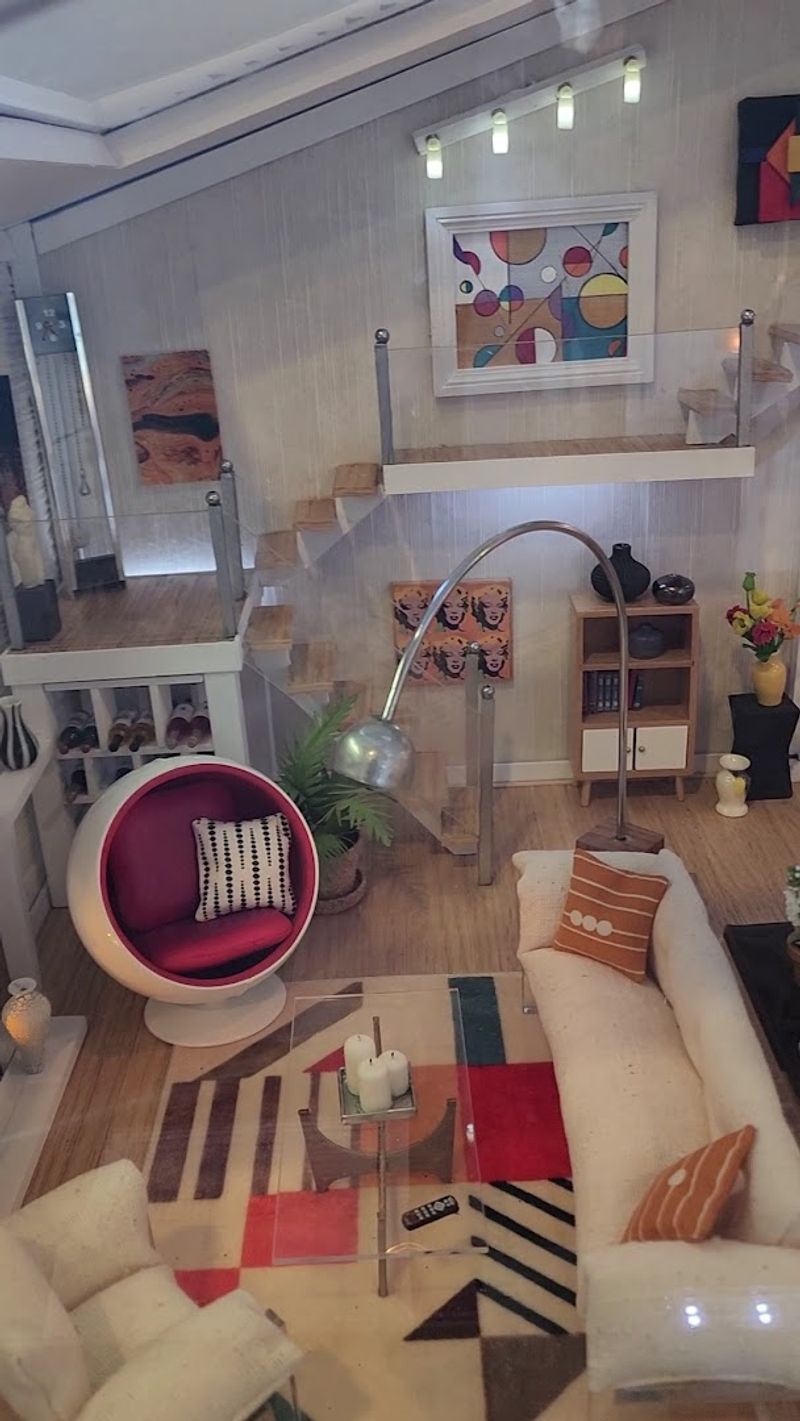
Some places reward a quick glance and then you move on. This museum is the opposite of that.
The longer you linger in front of any single display, the more layers you uncover, and that feeling of constant discovery is genuinely addictive. It is the kind of place where you plan to spend an hour and end up staying two or three.
The California Contemporary house is one of the most talked-about pieces in the collection. It is an open-concept home that rotates on a turntable, giving visitors a full 360-degree view of every room.
Watching it slowly spin while you pick out tiny details from each angle is oddly satisfying. Then there is the Addams Family Mansion, which has a wonderfully dark backstory involving an electric chair found in the museum’s own gift shop that inspired the whole creation.
Many exhibits incorporate movement or electricity, so lights actually glow inside tiny rooms and miniature scenes feel genuinely alive. Some pieces are displayed behind glass to protect their delicate surfaces, but the glass never feels like a barrier.
It feels like a frame. The museum encourages visitors to slow down and really look, and that patience pays off every single time.
Even people who have visited before say they always notice something new. A tiny detail missed on the first visit becomes the highlight of the second, which is a rare quality in any museum.
You Will Want To Come Back for the Rotating Special Exhibits
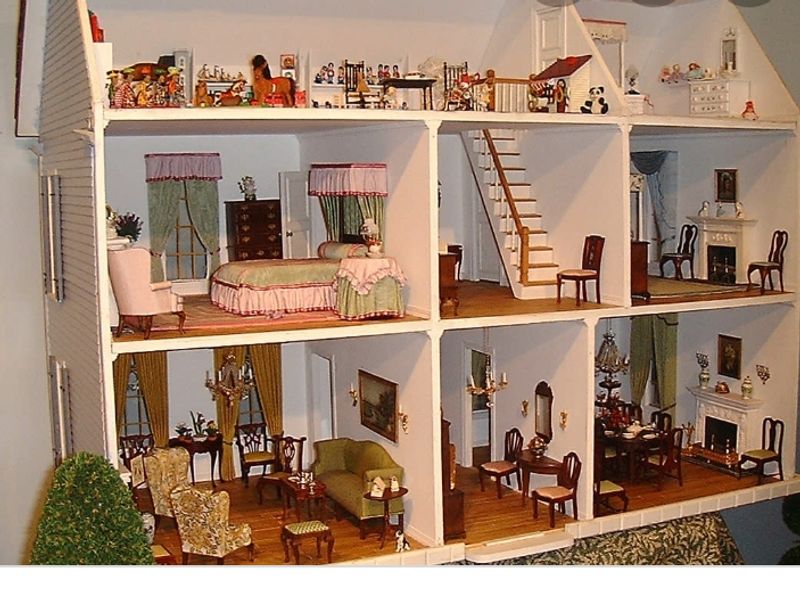
Returning visitors have a very good reason to keep coming back, and it goes beyond just wanting to see old favorites again.
The museum regularly introduces new special exhibitions that sit alongside the permanent collection, and these rotating displays bring fresh energy and themes that change the whole feel of a visit.
Recent special exhibits have included Out of Many: America 250, a thoughtful reflection on the nation’s diverse history told through miniature form.
Another standout was PEER MORE CLOSELY: MERIDITH MCNEAL, an American premiere of a retrospective showing paintings installed directly inside dollhouses.
That combination of fine art painting and miniature architecture is exactly the kind of unexpected crossover that makes this museum so creatively alive.
The permanent collection itself already offers more than most people absorb in a single visit. Miniature dolls so small they fit on a fingernail sit alongside massive wall-sized houses that take up entire rooms.
The contrast in scale within the same space is part of what keeps the experience feeling fresh and layered. Knowing that a new special exhibit could be waiting on your next visit makes the museum feel like an ongoing relationship rather than a one-time stop.
Regular visitors describe finding something new every time, even in rooms they thought they had fully explored. That kind of depth is rare, and it makes the Museum of Miniature Houses worth returning to again and again throughout the year.
A Perfect Day Starts in the Carmel Arts and Design District
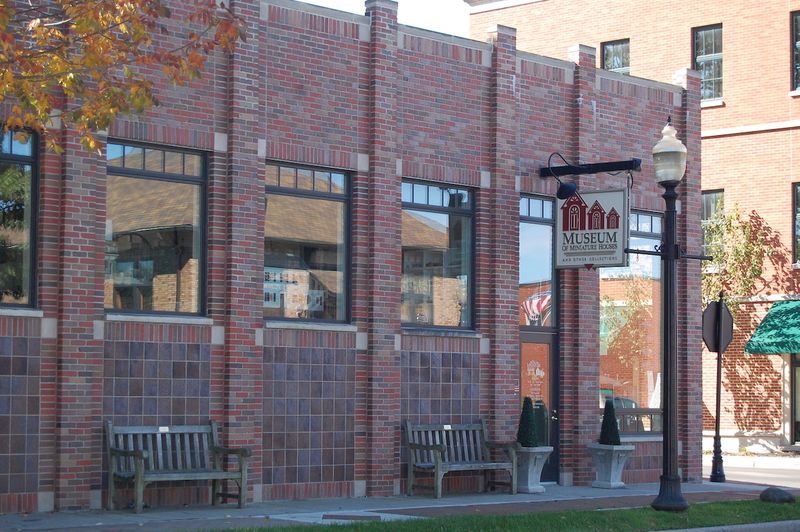
The museum’s address at 111 East Main Street puts it right in the middle of one of Indiana’s most vibrant cultural neighborhoods. The Carmel Arts and Design District is the kind of place where a single afternoon can stretch into an entire day without you even noticing.
There is always something to look at, whether that is public art installations, local boutiques, or restaurants that line the streets around the museum.
After your visit, the Monon Trail is just steps away. It is a popular path for walking and biking that runs through the heart of Carmel, and it connects visitors to more of what the city has to offer.
Nearby, you can also find the World’s Smallest Children’s Art Gallery, which feels like a perfect companion stop given the miniature theme of your afternoon.
Parking is available across the street and there are a few spots on the museum’s own property, so getting there is straightforward. The museum is wheelchair accessible and operates on a single level once you are inside, making it easy to navigate for visitors of all mobility levels.
The surrounding district buzzes with creative energy that matches the spirit of what is happening inside the museum itself. Starting your day here and then wandering out into the Arts and Design District feels completely natural.
The whole area rewards curiosity, and the museum sets exactly the right tone for that kind of exploration.
Address: 111 East Main Street, Carmel, IN 46032
